







Peter D
It was a great mix of town, country and wilderness walking.
As a person with coeliac disease, the dinner and breakfast arrangements were perfect and I didn’t once have a bad reaction to any of the delicious foods.


 30 years' experience providing walking holidays worldwide
 Read More Reviews

 SELF-GUIDED
 4 DAYS
 Moderate
The Nakasendo Way, connects Edo (Tokyo) and Kyoto via a mountainous inland route, featuring a network of 69 post towns spread along 540km. We walk the most beautiful section including through the Kiso Valley also known as the Kiso-ji or the Kiso Road. This walk includes the 40 km section that connects the four southernmost towns (Magome, Tsumago, Midono [Nagiso], and Nojiri), which has become a very popular hiking trail in recent years.
The Kiso-ji is a hilly path of ancient stone pavements and dirt trails that will lead you through landscapes alive with seasonal flowers, clear-water creeks, and tall old forests. Countless daimyo processions, including samurai, farmers, merchants, and others, travelled along the road during the Edo Period of the 1600s and beyond.
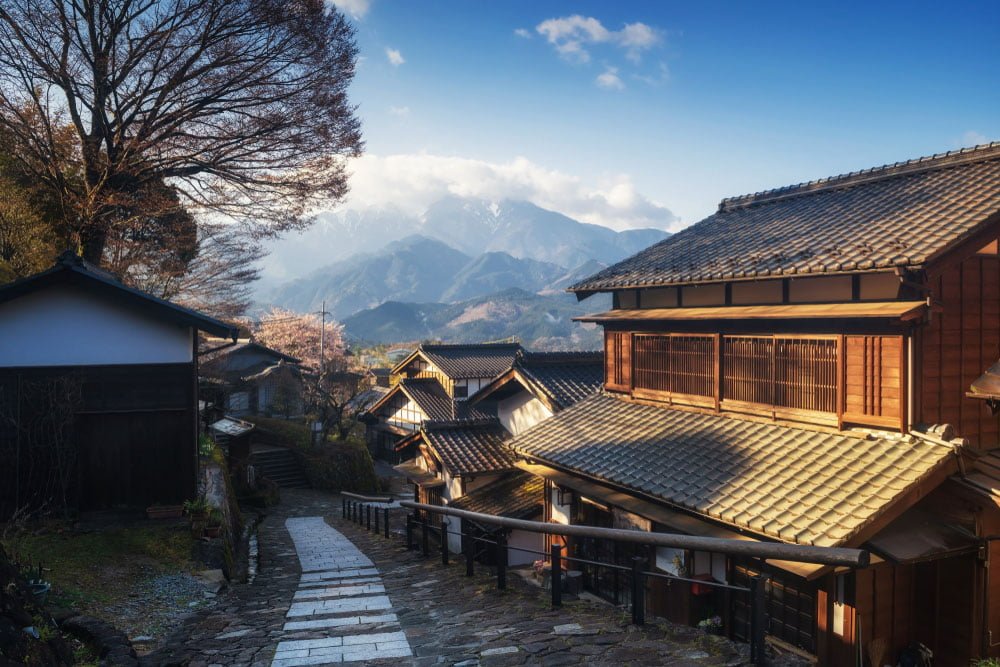
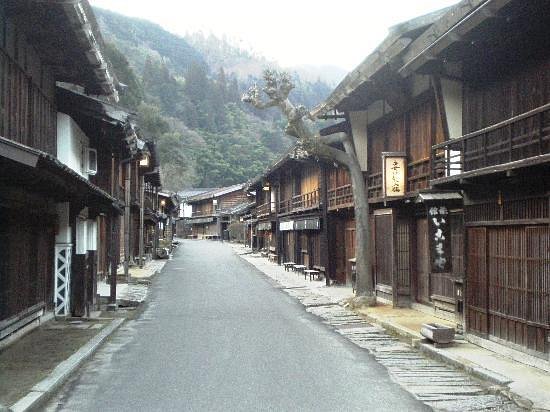
Today is a travel day for you to make your way to the town of Nakatsugawa, where the old post town (Nakatsugawa-juku) has been extensively restored. This is a great place to explore at leisure and includes a number of traditional shops (eg Japanese sweets, sake etc.).
Meals included: Dinner
Accommodation: Small family-run Minshuku, Ryokan or Hotel in Nakatsugawa

Take a gentle walk through the outskirts of Nakatasugawa to the small post town of Ochiai-juku. From here we head up into the hills along the famous “Ochiai-juku stone pavement” to arrive at Shinchaya. Then easier walking along quiet country roads to the beautifully restored post-town of Magome-juku. Take some time here and explore! Then continue along rugged tracks through the forest over Magometoge Pass and down into the post town of Tsumago-juku. This town has also been wonderfully restored.
Shorter options for today’s walk:
Walk from Nakatsugawa to Magome (approx. 9 km), then catch a bus to Tsumago.
Catch the bus from Nakatsugawa to Magome and start the walk from there to Tsumago. (approx. 8.5 km)
Total distance: 17 km
Approx. time: 4 ½ – 5 hr
Ascent: 846 m
Descent: 745 m
Meals included: Breakfast and dinner
Accommodation: Small family-run Minshuku, Ryokan or Hotel in Tsumago / Kiso Fukushima
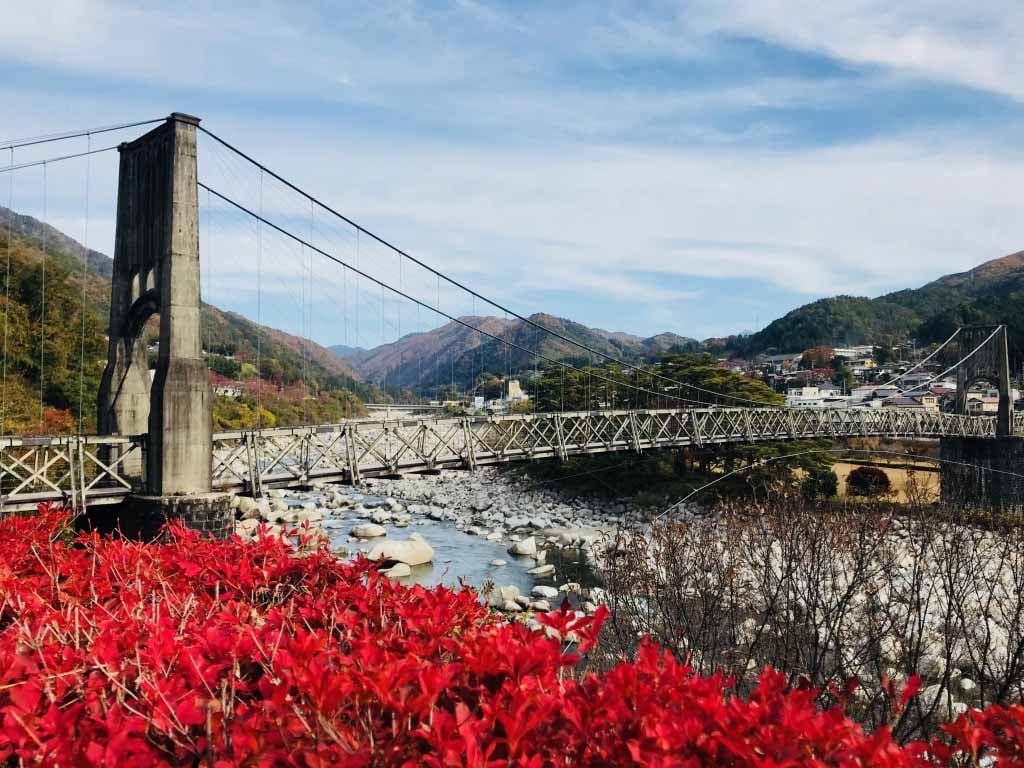
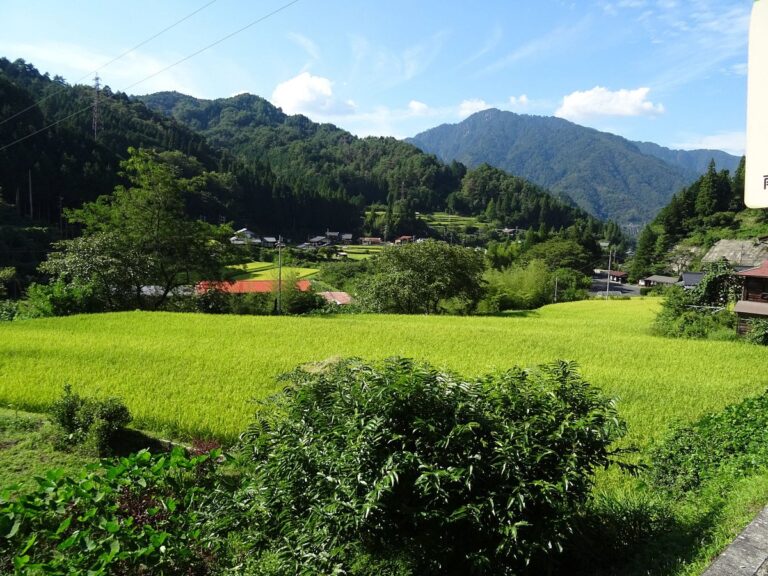
Today’s walk is all about outstanding nature and enjoying the stunning Japanese landscape. Walk along trails that follow running streams and dense forest, and through small villages enjoying the Japanese cultural experience and friendly locals. The main route of the Nakasendo between Nagiso (Midono-Juku) and Nojiri-juku lay along the Kiso River. However, this route was often blocked due to flooding and landslides. At such times, the alternative “Yogawa Route” over Nenouetoge Pass was used instead. This is the trail you will walk today which takes you across the hills and through mountain villages, visiting forests of tall cedars and striking deciduous trees. In autumn, this landscape is a blaze of colour.
Total distance: 16 km
Approx. time: 4 ½ – 5 ½ hr
Ascent: 1044 m
Descent: 925 m
Meals included: Breakfast and dinner
Accommodation: Small family-run Minshuku, Ryokan or Hotel in Kiso Fukushima
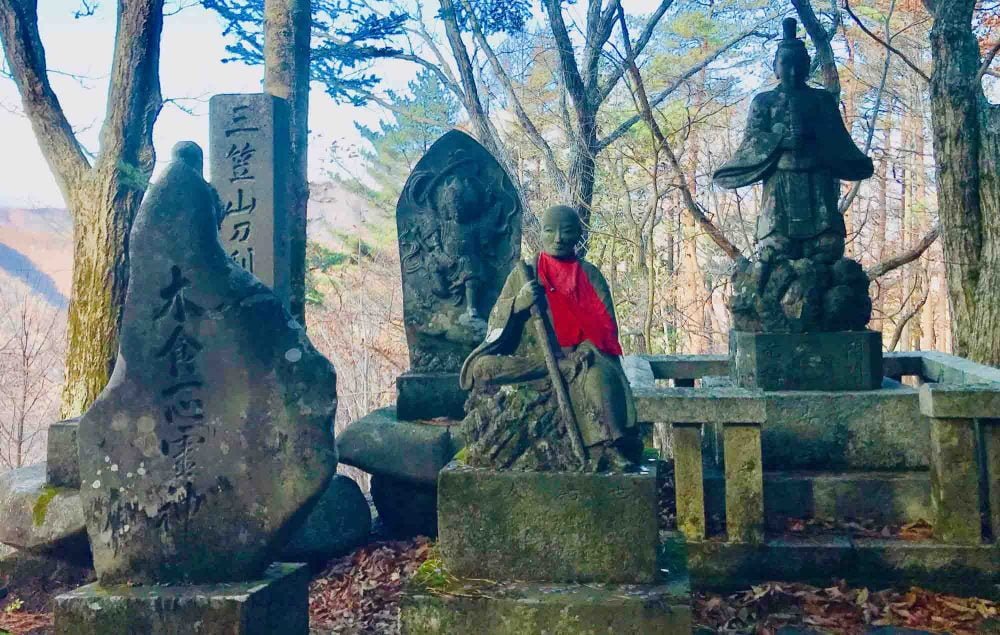
A shorter walk today and our last outing in the beautiful Kiso Valley. From the post town of Yabuhara, follow the Nakasendo Way over the famous Torii Pass to the beautifully restored post town of Narai. To get to the start of the walk in Yabuhara, take the train from Kiso-Fukushima.
With this option, you finish your walk in Narai and make your way back to Kisofukishima to collect your luggage and then onto your next destination. Alternatively, if you want to spend some time in Karuizawa and complete an additional walk we recommend booking the 5-day Nakasendo Highlights version of this trip in this case.
Total distance: 7 km
Approx. time: 2 – 3 hr
Ascent: 507 m
Descent: 500 m
Meals included: Breakfast




You will spend each night in a traditional Japanese Minshuku or Ryokan-style accommodation. These Japanese guesthouses come in a number of styles ranging from traditional wooden structures to more modern hybrid hotels.
A Minshuku is a family-run accommodation that are often found in rural Japan. There is a fine line between a Minshuku and some smaller Ryokans, making it hard to distinguish between the two. Most Minshukus are very small, with only a few Japanese-style rooms, a bit like a Bed and Breakfast Japanese style. Staying at a Minshuku has its advantages, as it is a good chance to meet the local people and get right up close to the Japanese culture. The atmosphere is often like that of a home with traditional meals served much like at a Ryokan but with even more intimacy. Be prepared, as baths and toilets are often shared.
Ryokans have Japanese-style rooms with tatami mats, shoji sliding doors, and futons for sleeping on. Few Ryokan Hotels have rooms with actual beds. The rooms may or may not have ensuites, but be prepared for a little luxury when it comes to the heated toilet seats. The bathing area is often the pride of the Ryokan, especially when they’re located in an onsen area. These are usually communal and separated by gender.
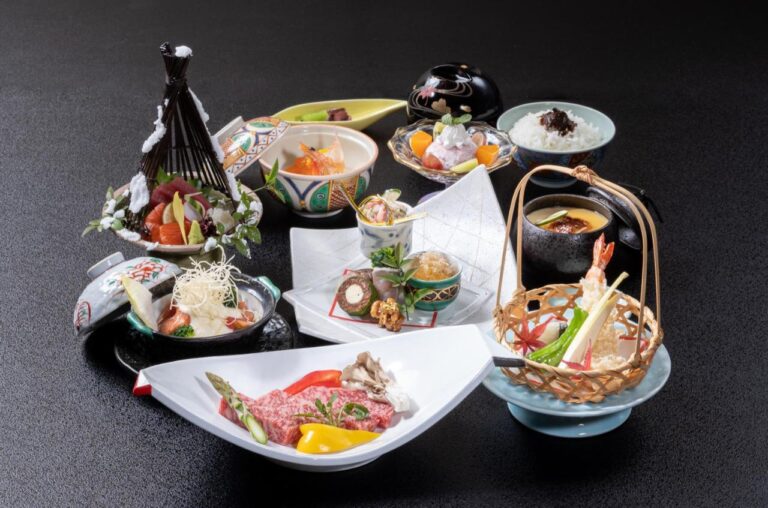
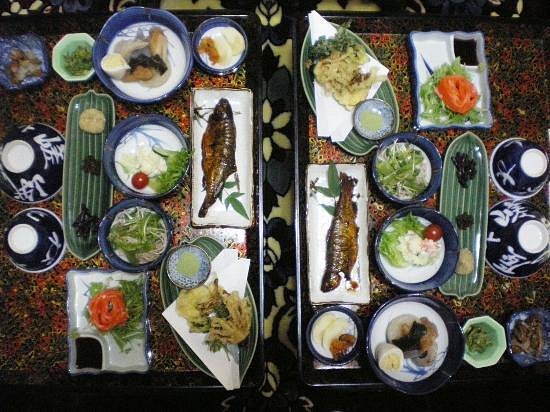
Meals are elaborate affairs from a western point of view served in a traditional dining area. A traditional Kaiseki set meal is what is usually offered. Sometimes there is the option of a buffet at the larger Ryokans.
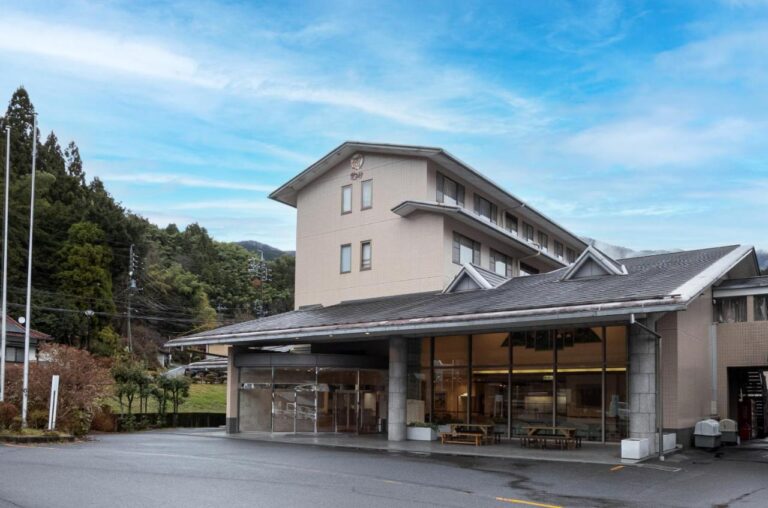
Nagataki
Experience an original homestay in a home away from home in Nagataki. It features accommodation with a garden and free WiFi. They serve delicious home-cooked food and has a very good onsen as well.
Hotel Hanasarasa
Hotel Hanasarasa features a 24 hour front desk and baggage storage, to help make your stay more enjoyable. The property also boasts an indoor pool and an on-site restaurant and puts the best of Nakatsugawa at your fingertips, making your stay both relaxing and enjoyable.
Oyado Onn
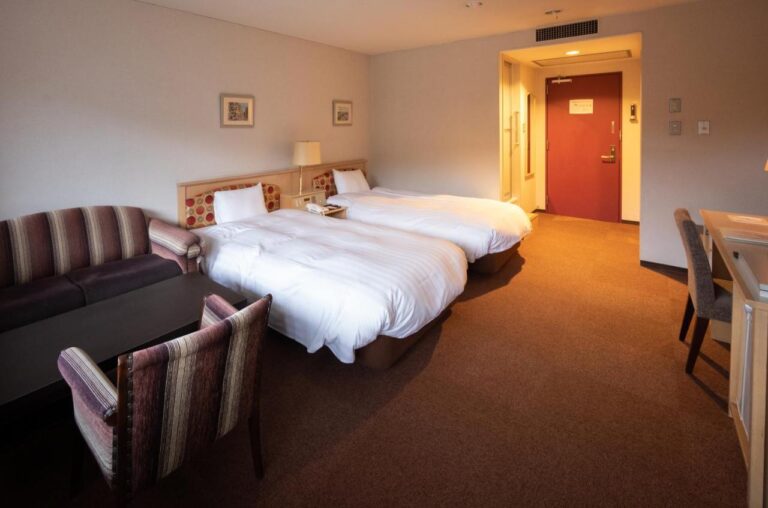
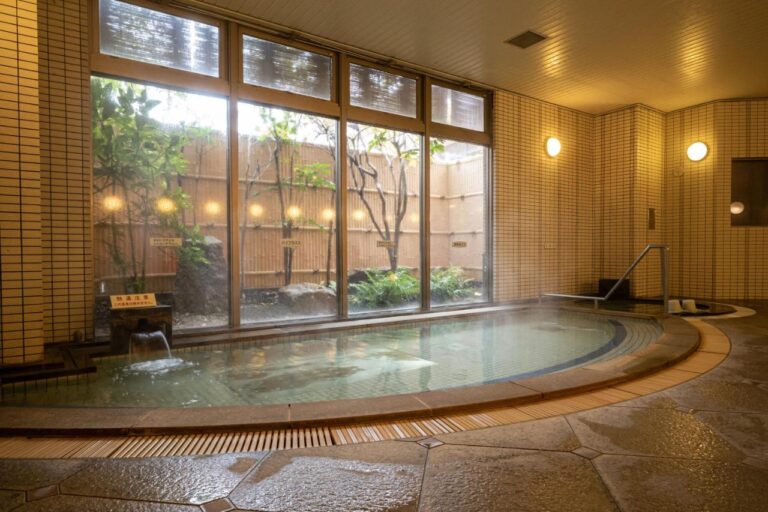
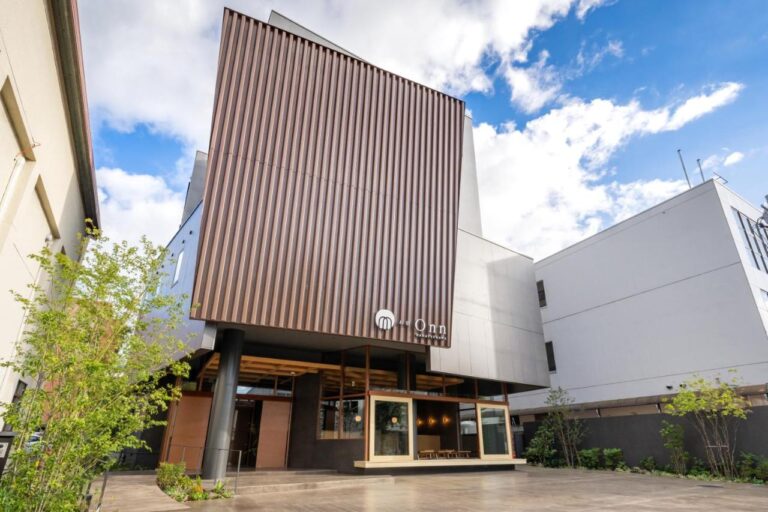
Oyado Onn Nakatsugawa embraces the idea of “Discovering your love for both travel and this town,” extending a heartfelt welcome to guests in a tranquil environment adorned with the cozy ambiance of wooden elements. Enjoy our spacious public bath, stay connected with our Wi-Fi, indulge in complimentary coffee, and conveniently reach us with just a 9-minute stroll from the station.

Nagataki
Experience an original homestay in a home away from home in Nagataki. It features accommodation with a garden and free WiFi. They serve delicious home-cooked food and has a very good onsen as well.
Hotel Hanasarasa
Hotel Hanasarasa features a 24 hour front desk and baggage storage, to help make your stay more enjoyable. The property also boasts an indoor pool and an on-site restaurant and puts the best of Nakatsugawa at your fingertips, making your stay both relaxing and enjoyable.
Oyado Onn
Oyado Onn Nakatsugawa embraces the idea of “Discovering your love for both travel and this town,” extending a heartfelt welcome to guests in a tranquil environment adorned with the cozy ambiance of wooden elements. Enjoy our spacious public bath, stay connected with our Wi-Fi, indulge in complimentary coffee, and conveniently reach us with just a 9-minute stroll from the station.
Nagataki
Experience an original homestay in a home away from home in Nagataki. It features accommodation with a garden and free WiFi. They serve delicious home-cooked food and has a very good onsen as well.
Hotel Hanasarasa
Hotel Hanasarasa features a 24 hour front desk and baggage storage, to help make your stay more enjoyable. The property also boasts an indoor pool and an on-site restaurant and puts the best of Nakatsugawa at your fingertips, making your stay both relaxing and enjoyable.
Oyado Onn
Oyado Onn Nakatsugawa embraces the idea of “Discovering your love for both travel and this town,” extending a heartfelt welcome to guests in a tranquil environment adorned with the cozy ambiance of wooden elements. Enjoy our spacious public bath, stay connected with our Wi-Fi, indulge in complimentary coffee, and conveniently reach us with just a 9-minute stroll from the station.
Nagataki
Experience an original homestay in a home away from home in Nagataki. It features accommodation with a garden and free WiFi. They serve delicious home-cooked food and has a very good onsen as well.
Hotel Hanasarasa
Hotel Hanasarasa features a 24 hour front desk and baggage storage, to help make your stay more enjoyable. The property also boasts an indoor pool and an on-site restaurant and puts the best of Nakatsugawa at your fingertips, making your stay both relaxing and enjoyable.
Oyado Onn
Oyado Onn Nakatsugawa embraces the idea of “Discovering your love for both travel and this town,” extending a heartfelt welcome to guests in a tranquil environment adorned with the cozy ambiance of wooden elements. Enjoy our spacious public bath, stay connected with our Wi-Fi, indulge in complimentary coffee, and conveniently reach us with just a 9-minute stroll from the station.
Nagataki
Experience an original homestay in a home away from home in Nagataki. It features accommodation with a garden and free WiFi. They serve delicious home-cooked food and has a very good onsen as well.
Hotel Hanasarasa
Hotel Hanasarasa features a 24 hour front desk and baggage storage, to help make your stay more enjoyable. The property also boasts an indoor pool and an on-site restaurant and puts the best of Nakatsugawa at your fingertips, making your stay both relaxing and enjoyable.
Oyado Onn
Oyado Onn Nakatsugawa embraces the idea of “Discovering your love for both travel and this town,” extending a heartfelt welcome to guests in a tranquil environment adorned with the cozy ambiance of wooden elements. Enjoy our spacious public bath, stay connected with our Wi-Fi, indulge in complimentary coffee, and conveniently reach us with just a 9-minute stroll from the station.
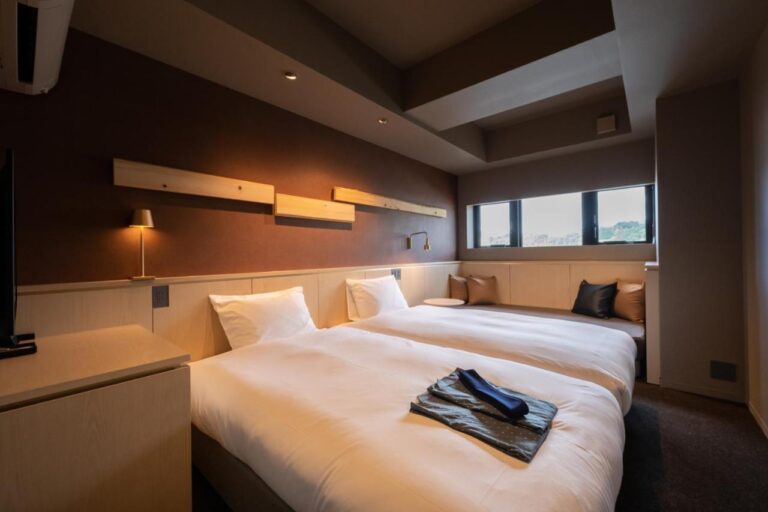
Nagataki
Experience an original homestay in a home away from home in Nagataki. It features accommodation with a garden and free WiFi. They serve delicious home-cooked food and has a very good onsen as well.
Hotel Hanasarasa
Hotel Hanasarasa features a 24 hour front desk and baggage storage, to help make your stay more enjoyable. The property also boasts an indoor pool and an on-site restaurant and puts the best of Nakatsugawa at your fingertips, making your stay both relaxing and enjoyable.
Oyado Onn
Oyado Onn Nakatsugawa embraces the idea of “Discovering your love for both travel and this town,” extending a heartfelt welcome to guests in a tranquil environment adorned with the cozy ambiance of wooden elements. Enjoy our spacious public bath, stay connected with our Wi-Fi, indulge in complimentary coffee, and conveniently reach us with just a 9-minute stroll from the station.
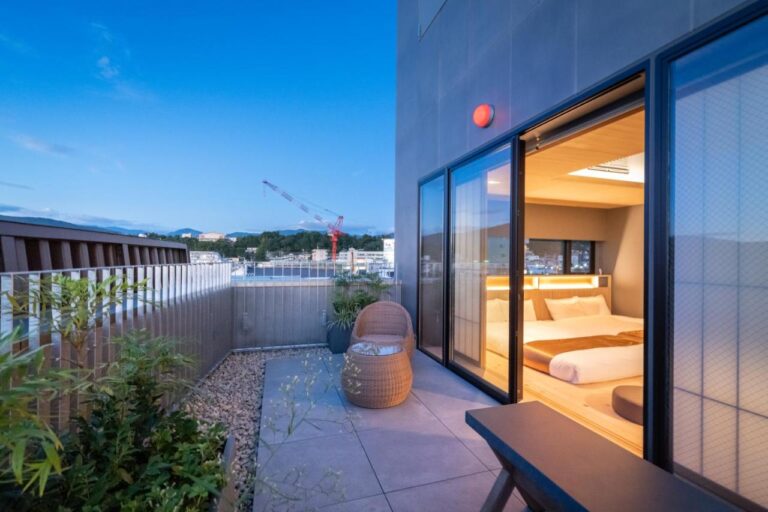
Nagataki
Experience an original homestay in a home away from home in Nagataki. It features accommodation with a garden and free WiFi. They serve delicious home-cooked food and has a very good onsen as well.
Hotel Hanasarasa
Hotel Hanasarasa features a 24 hour front desk and baggage storage, to help make your stay more enjoyable. The property also boasts an indoor pool and an on-site restaurant and puts the best of Nakatsugawa at your fingertips, making your stay both relaxing and enjoyable.
Oyado Onn
Oyado Onn Nakatsugawa embraces the idea of “Discovering your love for both travel and this town,” extending a heartfelt welcome to guests in a tranquil environment adorned with the cozy ambiance of wooden elements. Enjoy our spacious public bath, stay connected with our Wi-Fi, indulge in complimentary coffee, and conveniently reach us with just a 9-minute stroll from the station.
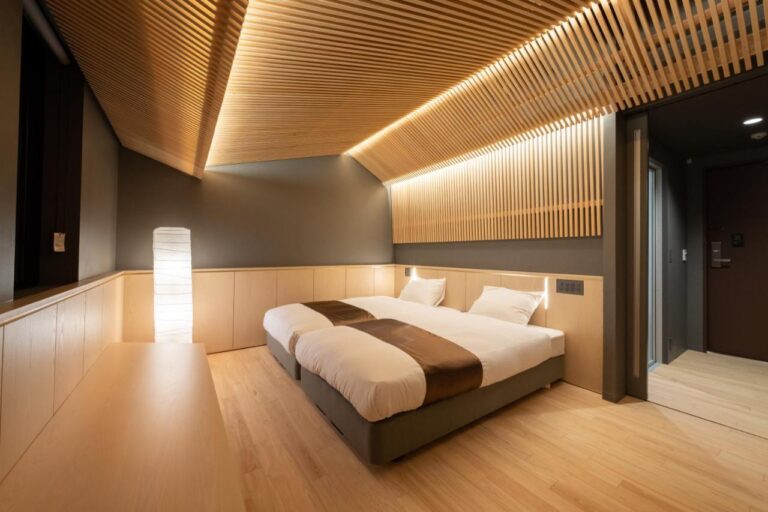
Nagataki
Experience an original homestay in a home away from home in Nagataki. It features accommodation with a garden and free WiFi. They serve delicious home-cooked food and has a very good onsen as well.
Hotel Hanasarasa
Hotel Hanasarasa features a 24 hour front desk and baggage storage, to help make your stay more enjoyable. The property also boasts an indoor pool and an on-site restaurant and puts the best of Nakatsugawa at your fingertips, making your stay both relaxing and enjoyable.
Oyado Onn
Oyado Onn Nakatsugawa embraces the idea of “Discovering your love for both travel and this town,” extending a heartfelt welcome to guests in a tranquil environment adorned with the cozy ambiance of wooden elements. Enjoy our spacious public bath, stay connected with our Wi-Fi, indulge in complimentary coffee, and conveniently reach us with just a 9-minute stroll from the station.
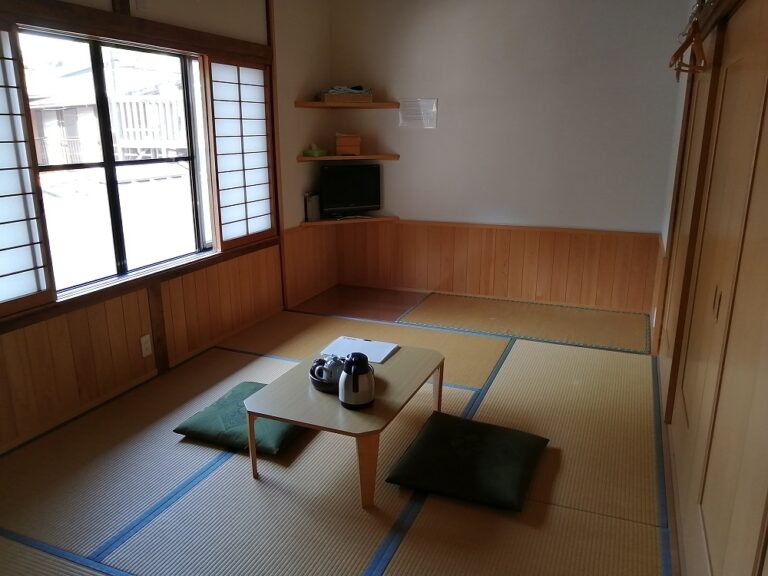
Shimosagaya Minshuku
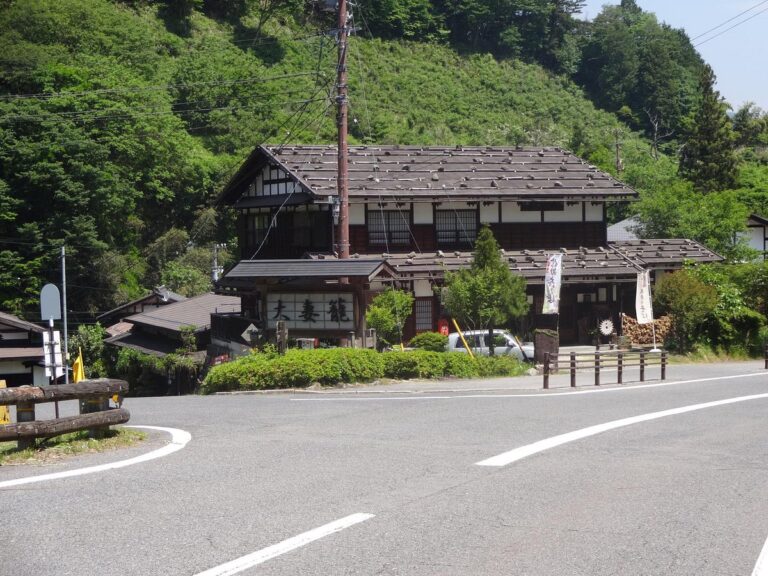
Situated in the picturesque mountain village of Tsumago, this Minshuku (Family Run Inn) offers a tranquil and comfortable retreat in the enchanting landscape of the Kiso Valley. At Shimosagaya, guests can indulge in the delights of home-style cuisine, savoring the freshness of seasonal vegetables and river fish in the inviting dining area. With only four guest rooms available, Shimosagaya ensures an intimate and personalized experience for its visitors.
Hanaya Inn
When visiting Nagiso-machi, Hanaya Ryokan is the perfect choice for travelers seeking a harmonious blend of affordability, comfort, and convenience. This charming establishment offers a delightful atmosphere and a range of amenities tailored to cater to your needs. The ryokan features an on-site restaurant, adding to the overall enjoyment of your stay. At Hanaya Ryokan, your comfort and satisfaction are of utmost importance, and the staff eagerly await the opportunity to extend a warm welcome to you in Nagiso-machi.
Shimosagaya Minshuku
Situated in the picturesque mountain village of Tsumago, this Minshuku (Family Run Inn) offers a tranquil and comfortable retreat in the enchanting landscape of the Kiso Valley. At Shimosagaya, guests can indulge in the delights of home-style cuisine, savoring the freshness of seasonal vegetables and river fish in the inviting dining area. With only four guest rooms available, Shimosagaya ensures an intimate and personalized experience for its visitors.
Hanaya Inn
When visiting Nagiso-machi, Hanaya Ryokan is the perfect choice for travelers seeking a harmonious blend of affordability, comfort, and convenience. This charming establishment offers a delightful atmosphere and a range of amenities tailored to cater to your needs. The ryokan features an on-site restaurant, adding to the overall enjoyment of your stay. At Hanaya Ryokan, your comfort and satisfaction are of utmost importance, and the staff eagerly await the opportunity to extend a warm welcome to you in Nagiso-machi.
Shimosagaya Minshuku
Situated in the picturesque mountain village of Tsumago, this Minshuku (Family Run Inn) offers a tranquil and comfortable retreat in the enchanting landscape of the Kiso Valley. At Shimosagaya, guests can indulge in the delights of home-style cuisine, savoring the freshness of seasonal vegetables and river fish in the inviting dining area. With only four guest rooms available, Shimosagaya ensures an intimate and personalized experience for its visitors.
Hanaya Inn
When visiting Nagiso-machi, Hanaya Ryokan is the perfect choice for travelers seeking a harmonious blend of affordability, comfort, and convenience. This charming establishment offers a delightful atmosphere and a range of amenities tailored to cater to your needs. The ryokan features an on-site restaurant, adding to the overall enjoyment of your stay. At Hanaya Ryokan, your comfort and satisfaction are of utmost importance, and the staff eagerly await the opportunity to extend a warm welcome to you in Nagiso-machi.
Shimosagaya Minshuku
Situated in the picturesque mountain village of Tsumago, this Minshuku (Family Run Inn) offers a tranquil and comfortable retreat in the enchanting landscape of the Kiso Valley. At Shimosagaya, guests can indulge in the delights of home-style cuisine, savoring the freshness of seasonal vegetables and river fish in the inviting dining area. With only four guest rooms available, Shimosagaya ensures an intimate and personalized experience for its visitors.
Hanaya Inn
When visiting Nagiso-machi, Hanaya Ryokan is the perfect choice for travelers seeking a harmonious blend of affordability, comfort, and convenience. This charming establishment offers a delightful atmosphere and a range of amenities tailored to cater to your needs. The ryokan features an on-site restaurant, adding to the overall enjoyment of your stay. At Hanaya Ryokan, your comfort and satisfaction are of utmost importance, and the staff eagerly await the opportunity to extend a warm welcome to you in Nagiso-machi.
Shimosagaya Minshuku
Situated in the picturesque mountain village of Tsumago, this Minshuku (Family Run Inn) offers a tranquil and comfortable retreat in the enchanting landscape of the Kiso Valley. At Shimosagaya, guests can indulge in the delights of home-style cuisine, savoring the freshness of seasonal vegetables and river fish in the inviting dining area. With only four guest rooms available, Shimosagaya ensures an intimate and personalized experience for its visitors.
Hanaya Inn
When visiting Nagiso-machi, Hanaya Ryokan is the perfect choice for travelers seeking a harmonious blend of affordability, comfort, and convenience. This charming establishment offers a delightful atmosphere and a range of amenities tailored to cater to your needs. The ryokan features an on-site restaurant, adding to the overall enjoyment of your stay. At Hanaya Ryokan, your comfort and satisfaction are of utmost importance, and the staff eagerly await the opportunity to extend a warm welcome to you in Nagiso-machi.
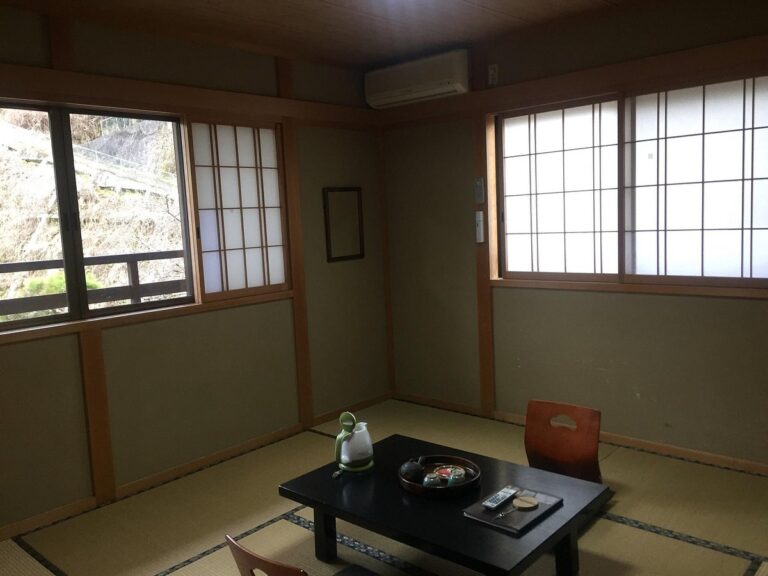
Shimosagaya Minshuku
Situated in the picturesque mountain village of Tsumago, this Minshuku (Family Run Inn) offers a tranquil and comfortable retreat in the enchanting landscape of the Kiso Valley. At Shimosagaya, guests can indulge in the delights of home-style cuisine, savoring the freshness of seasonal vegetables and river fish in the inviting dining area. With only four guest rooms available, Shimosagaya ensures an intimate and personalized experience for its visitors.
Hanaya Inn
When visiting Nagiso-machi, Hanaya Ryokan is the perfect choice for travelers seeking a harmonious blend of affordability, comfort, and convenience. This charming establishment offers a delightful atmosphere and a range of amenities tailored to cater to your needs. The ryokan features an on-site restaurant, adding to the overall enjoyment of your stay. At Hanaya Ryokan, your comfort and satisfaction are of utmost importance, and the staff eagerly await the opportunity to extend a warm welcome to you in Nagiso-machi.
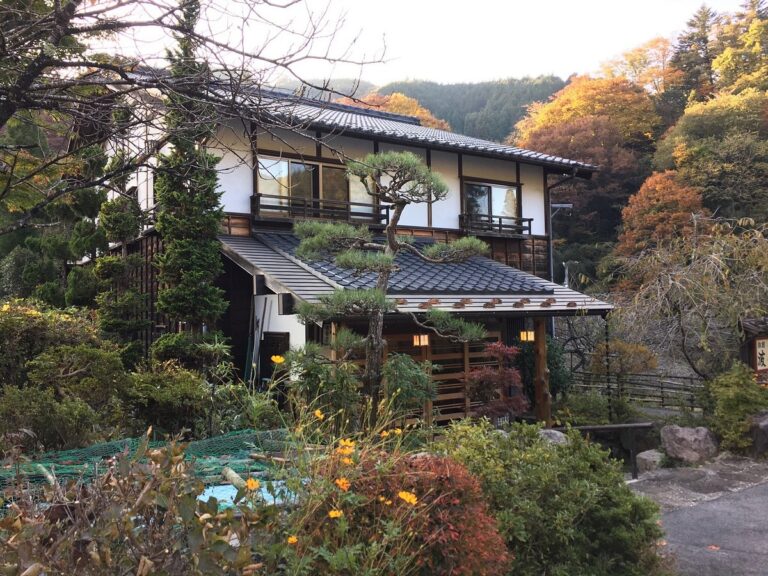
Shimosagaya Minshuku
Situated in the picturesque mountain village of Tsumago, this Minshuku (Family Run Inn) offers a tranquil and comfortable retreat in the enchanting landscape of the Kiso Valley. At Shimosagaya, guests can indulge in the delights of home-style cuisine, savoring the freshness of seasonal vegetables and river fish in the inviting dining area. With only four guest rooms available, Shimosagaya ensures an intimate and personalized experience for its visitors.
Hanaya Inn
When visiting Nagiso-machi, Hanaya Ryokan is the perfect choice for travelers seeking a harmonious blend of affordability, comfort, and convenience. This charming establishment offers a delightful atmosphere and a range of amenities tailored to cater to your needs. The ryokan features an on-site restaurant, adding to the overall enjoyment of your stay. At Hanaya Ryokan, your comfort and satisfaction are of utmost importance, and the staff eagerly await the opportunity to extend a warm welcome to you in Nagiso-machi.
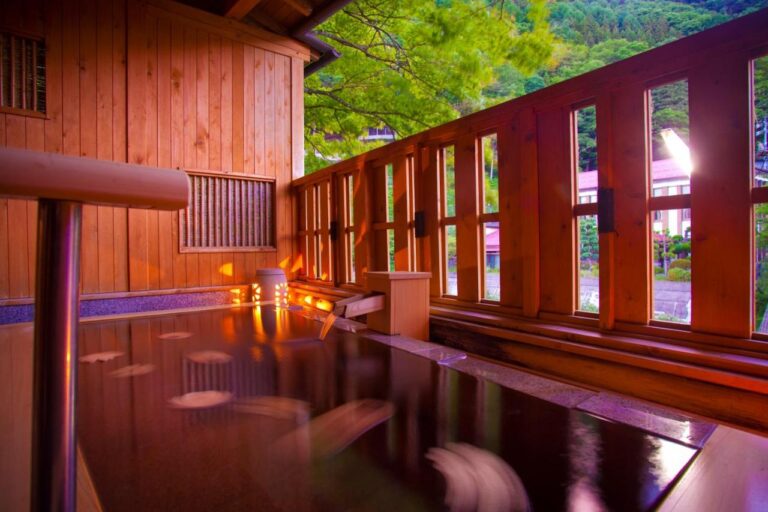
Onyado Tsutaya
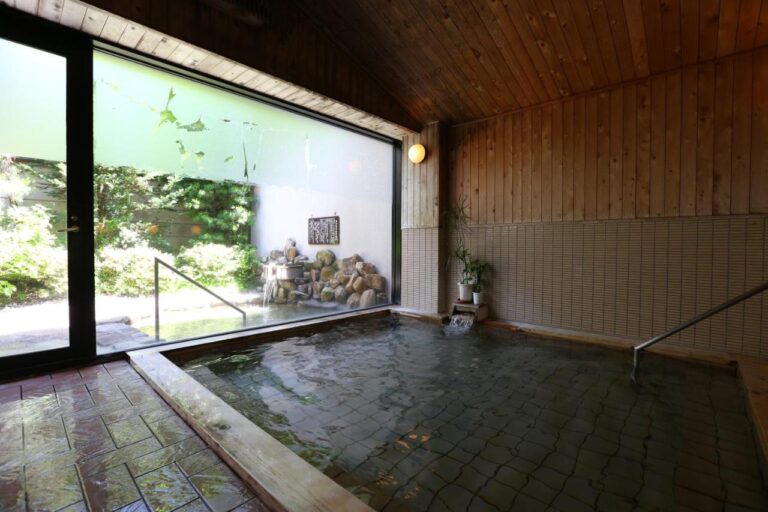
Founded in 1688, Tsutaya has been in Kiso for over 350 years, carefully preserving the good old Japanese “wa” (harmony). During the Edo period, this was a place of rest for people travelling along the Nakasendo road. Enjoy the communal (split by gender) open-air bath or a herbal indoor bath, the hot spring water that springs from the sacred mountain of Kiso Ontake will heal your body and mind.
Kisoji No-Yado Iwaya
Experience an excellent ryokan with an incredibly friendly and helpful owner at Kisoji No-Yado Iwaya. The ryokan provides guests with air-conditioned rooms offering a wardrobe, safety deposit box, kettle, fridge, flat screen TV and a private bathroom with shower. They serve ala carte for breakfast and dinner.
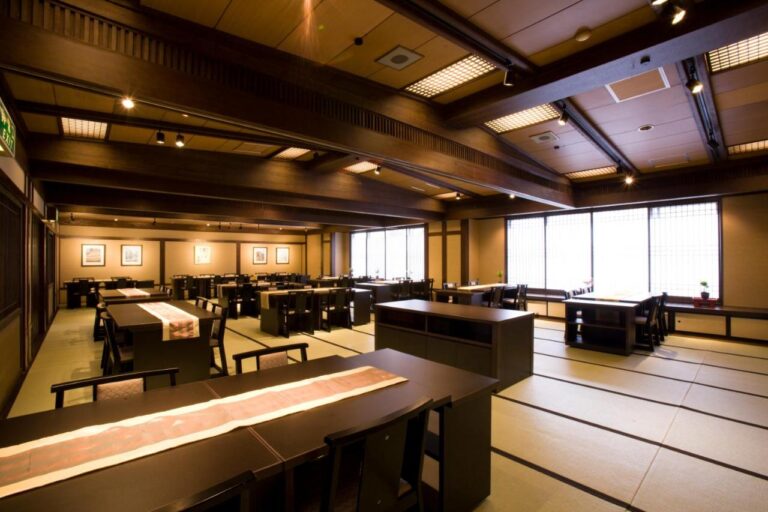
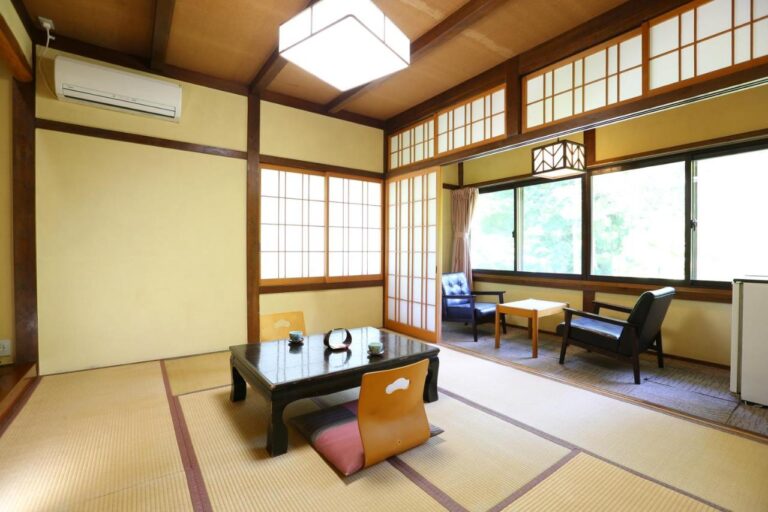
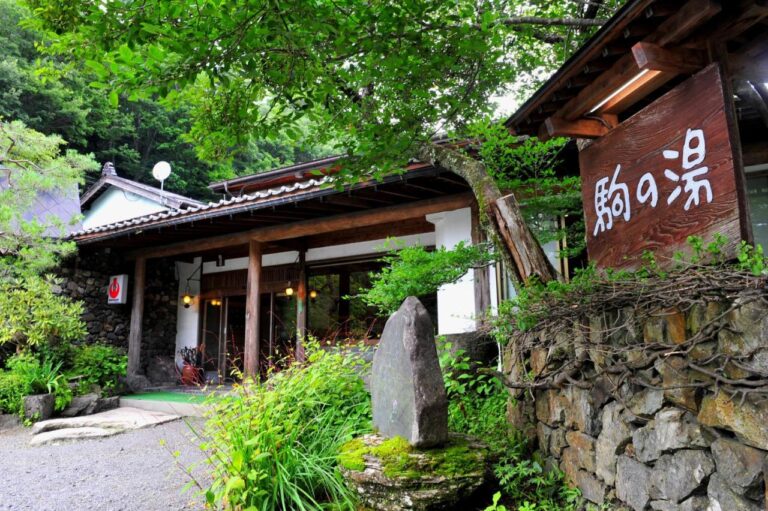
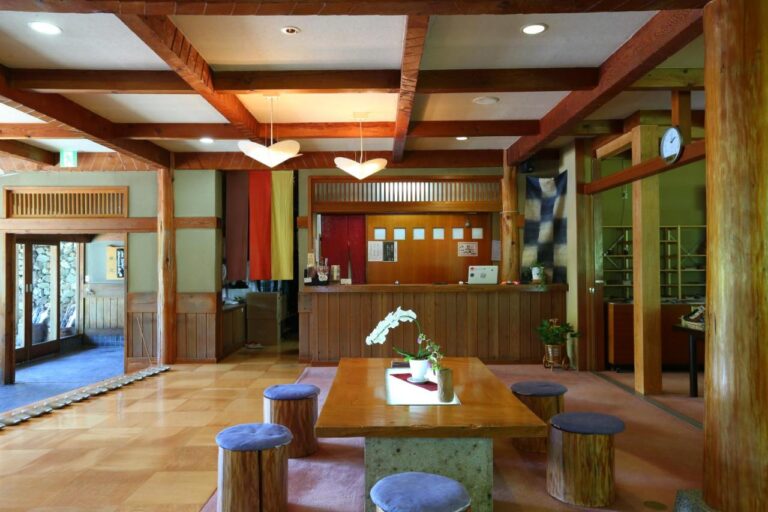
Nukumorino-Yado Komanoyu
Nukumorino-yado Komanoyu, situated in Kiso, provides complimentary WiFi and a convenient shuttle service at this 4-star traditional inn. Guests staying at the property can enjoy a complimentary star-gazing tour every clear night after dinner, along with an on-site restaurant. The serene seasonal surroundings, melodious birdsong, and soothing water sounds ensure a truly memorable and relaxing stay.
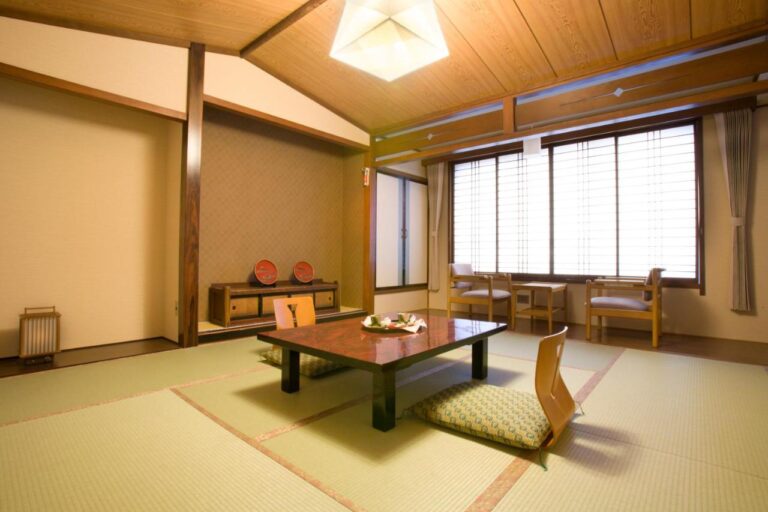
Onyado Tsutaya
Founded in 1688, Tsutaya has been in Kiso for over 350 years, carefully preserving the good old Japanese “wa” (harmony). During the Edo period, this was a place of rest for people travelling along the Nakasendo road. Enjoy the communal (split by gender) open-air bath or a herbal indoor bath, the hot spring water that springs from the sacred mountain of Kiso Ontake will heal your body and mind.
Kisoji No-Yado Iwaya
Experience an excellent ryokan with an incredibly friendly and helpful owner at Kisoji No-Yado Iwaya. The ryokan provides guests with air-conditioned rooms offering a wardrobe, safety deposit box, kettle, fridge, flat screen TV and a private bathroom with shower. They serve ala carte for breakfast and dinner.
Nukumorino-Yado Komanoyu
Nukumorino-yado Komanoyu, situated in Kiso, provides complimentary WiFi and a convenient shuttle service at this 4-star traditional inn. Guests staying at the property can enjoy a complimentary star-gazing tour every clear night after dinner, along with an on-site restaurant. The serene seasonal surroundings, melodious birdsong, and soothing water sounds ensure a truly memorable and relaxing stay.
Onyado Tsutaya
Founded in 1688, Tsutaya has been in Kiso for over 350 years, carefully preserving the good old Japanese “wa” (harmony). During the Edo period, this was a place of rest for people travelling along the Nakasendo road. Enjoy the communal (split by gender) open-air bath or a herbal indoor bath, the hot spring water that springs from the sacred mountain of Kiso Ontake will heal your body and mind.
Kisoji No-Yado Iwaya
Experience an excellent ryokan with an incredibly friendly and helpful owner at Kisoji No-Yado Iwaya. The ryokan provides guests with air-conditioned rooms offering a wardrobe, safety deposit box, kettle, fridge, flat screen TV and a private bathroom with shower. They serve ala carte for breakfast and dinner.
Nukumorino-Yado Komanoyu
Nukumorino-yado Komanoyu, situated in Kiso, provides complimentary WiFi and a convenient shuttle service at this 4-star traditional inn. Guests staying at the property can enjoy a complimentary star-gazing tour every clear night after dinner, along with an on-site restaurant. The serene seasonal surroundings, melodious birdsong, and soothing water sounds ensure a truly memorable and relaxing stay.
Onyado Tsutaya
Founded in 1688, Tsutaya has been in Kiso for over 350 years, carefully preserving the good old Japanese “wa” (harmony). During the Edo period, this was a place of rest for people travelling along the Nakasendo road. Enjoy the communal (split by gender) open-air bath or a herbal indoor bath, the hot spring water that springs from the sacred mountain of Kiso Ontake will heal your body and mind.
Kisoji No-Yado Iwaya
Experience an excellent ryokan with an incredibly friendly and helpful owner at Kisoji No-Yado Iwaya. The ryokan provides guests with air-conditioned rooms offering a wardrobe, safety deposit box, kettle, fridge, flat screen TV and a private bathroom with shower. They serve ala carte for breakfast and dinner.
Nukumorino-Yado Komanoyu
Nukumorino-yado Komanoyu, situated in Kiso, provides complimentary WiFi and a convenient shuttle service at this 4-star traditional inn. Guests staying at the property can enjoy a complimentary star-gazing tour every clear night after dinner, along with an on-site restaurant. The serene seasonal surroundings, melodious birdsong, and soothing water sounds ensure a truly memorable and relaxing stay.
Onyado Tsutaya
Founded in 1688, Tsutaya has been in Kiso for over 350 years, carefully preserving the good old Japanese “wa” (harmony). During the Edo period, this was a place of rest for people travelling along the Nakasendo road. Enjoy the communal (split by gender) open-air bath or a herbal indoor bath, the hot spring water that springs from the sacred mountain of Kiso Ontake will heal your body and mind.
Kisoji No-Yado Iwaya
Experience an excellent ryokan with an incredibly friendly and helpful owner at Kisoji No-Yado Iwaya. The ryokan provides guests with air-conditioned rooms offering a wardrobe, safety deposit box, kettle, fridge, flat screen TV and a private bathroom with shower. They serve ala carte for breakfast and dinner.
Nukumorino-Yado Komanoyu
Nukumorino-yado Komanoyu, situated in Kiso, provides complimentary WiFi and a convenient shuttle service at this 4-star traditional inn. Guests staying at the property can enjoy a complimentary star-gazing tour every clear night after dinner, along with an on-site restaurant. The serene seasonal surroundings, melodious birdsong, and soothing water sounds ensure a truly memorable and relaxing stay.
Onyado Tsutaya
Founded in 1688, Tsutaya has been in Kiso for over 350 years, carefully preserving the good old Japanese “wa” (harmony). During the Edo period, this was a place of rest for people travelling along the Nakasendo road. Enjoy the communal (split by gender) open-air bath or a herbal indoor bath, the hot spring water that springs from the sacred mountain of Kiso Ontake will heal your body and mind.
Kisoji No-Yado Iwaya
Experience an excellent ryokan with an incredibly friendly and helpful owner at Kisoji No-Yado Iwaya. The ryokan provides guests with air-conditioned rooms offering a wardrobe, safety deposit box, kettle, fridge, flat screen TV and a private bathroom with shower. They serve ala carte for breakfast and dinner.
Nukumorino-Yado Komanoyu
Nukumorino-yado Komanoyu, situated in Kiso, provides complimentary WiFi and a convenient shuttle service at this 4-star traditional inn. Guests staying at the property can enjoy a complimentary star-gazing tour every clear night after dinner, along with an on-site restaurant. The serene seasonal surroundings, melodious birdsong, and soothing water sounds ensure a truly memorable and relaxing stay.
Onyado Tsutaya
Founded in 1688, Tsutaya has been in Kiso for over 350 years, carefully preserving the good old Japanese “wa” (harmony). During the Edo period, this was a place of rest for people travelling along the Nakasendo road. Enjoy the communal (split by gender) open-air bath or a herbal indoor bath, the hot spring water that springs from the sacred mountain of Kiso Ontake will heal your body and mind.
Kisoji No-Yado Iwaya
Experience an excellent ryokan with an incredibly friendly and helpful owner at Kisoji No-Yado Iwaya. The ryokan provides guests with air-conditioned rooms offering a wardrobe, safety deposit box, kettle, fridge, flat screen TV and a private bathroom with shower. They serve ala carte for breakfast and dinner.
Nukumorino-Yado Komanoyu
Nukumorino-yado Komanoyu, situated in Kiso, provides complimentary WiFi and a convenient shuttle service at this 4-star traditional inn. Guests staying at the property can enjoy a complimentary star-gazing tour every clear night after dinner, along with an on-site restaurant. The serene seasonal surroundings, melodious birdsong, and soothing water sounds ensure a truly memorable and relaxing stay.
Tip – if you have not invested in a JR Rail Pass (only available outside Japan), you can save some money by buying a Non-Reserved Seat on the Shinkansen rather than a Reserved Seat. Check the Japan Transit Planner website (https://world.jorudan.co.jp/mln/en/) for approximate travel times and pricing.
You can get tickets from the JR ticket window just before the Shinkansen barrier gates. Even if you have a JR Rail Pass (which covers the cost of all JR line travel), you will need to show some sort of ticket to indicate your seat.
Take the Tokaido Line Shinkansen bullet train from Tokyo Station to Nagoya.
Approx. travel time 1hr 45mins.
Tip – try to get a window seat on the right-hand side of the train for possible views of Mt Fuji on a clear day.
Take the local train from Osaka to Shin-Osaka. Take the Tokaido Line Shinkansen bullet train from Shin-Osaka Station to Nagoya. Approx. travel time 48mins.
On arrival in Nagoya, take the JR Chuo Line (Rapid) from Nagoya to Nakatsugawa. The Rapid service stops less often than the Local service. Both are of the same price and stop in Nakatsugawa. Approx. travel time 1 ¼ hr. Cost (if no JR Rail Pass) approx AUD $18.
The free “Japan Direct” rail app is very useful. Enter your station of origin and destination and all services, travel times, and costs are displayed. There is also an option to select for routes when travelling “with Japan Rail Pass”, too.
In Japan, there are some periods when locals travel en masse as they are on holiday. These times are best avoided as the accommodation costs escalate considerably (more than double). It would make a lot of sense if you could avoid these times. Otherwise, see below for high-season periods. This could lead to the cost of the trip increasing significantly.
NEW YEAR PERIOD – 30TH DECEMBER TO 4TH OF JANUARY
GOLDEN WEEK – GENERALLY BETWEEN 29TH APRIL TO 5TH MAY
OBON PERIOD – MID-AUGUST ( BETWEEN THE 10TH TO 20TH OF AUGUST)
Please speak to the office to get a quote for the above times
At the end of your holiday, you will be given the details for travelling back to Nagoya and onto Kyoto, Osaka or Tokyo.
For most days on this walk you will need to take some form of public transport whether that is a bus or a train to your accommodation for the night or to start or shorten the days walk. The journey times vary from 10mins to 50mins depending on the day. We provide a comprehensive public transport document with detailed instructions on which buses and trains to catch. Please note these trips are unable to be pre-booked and you will need to pay directly on the day they are not included in your package.
If you have any questions about the public transport on this holiday please feel welcome to call or email the office.
During the walk your luggage will move between each of your accommodations. On the last day after completing your walk, you will need to return to your Night 3 accommodation and collect your luggage before heading to your next location.
Autumn and Spring are the best times to walk. Summer is good too, it can get warm but it is possible to take a swim as you walk. Winter can be a bit more challenging due to snow and less daylight hours but it is still possible. You will need snow gear. Please keep in mind some accommodations close down from late November to February.
From the end of March, the temperature begins to increase. In summer it’s quite warm and humid but still good for walking, particularly if you enjoy warmer temperatures and taking a dip in a stream.
The walk is not offered in winter as it snows and the tracks are not easy to follow. As walkers, we believe spring and autumn are the best times as the weather is perfect for walking.
See the weather information about the local average weather at different times of the year.
We require that you have adequate travel insurance against potential losses, damage or injury, including cancellation costs and loss of luggage.
For all trips that require international travel, you must have purchased travel insurance that also includes medical evacuation coverage.
We also charge a cancellation fee if you cancel your walking holiday after we have confirmed it to cover costs incurred from our suppliers and in the office. See the FAQ section for more information.
For over 30 years we have taken pride in providing seamlessly organised walking holidays, but we know, even with that in mind, that you’ll have many more questions. You will receive a very detailed information pack and itinerary approximately 6 weeks out from departure outlining all the fine detail and much more.
If you have any questions, feel free to ask one of our destination consultants. You can get in touch with us via our contact form or email us at info@stroll.com

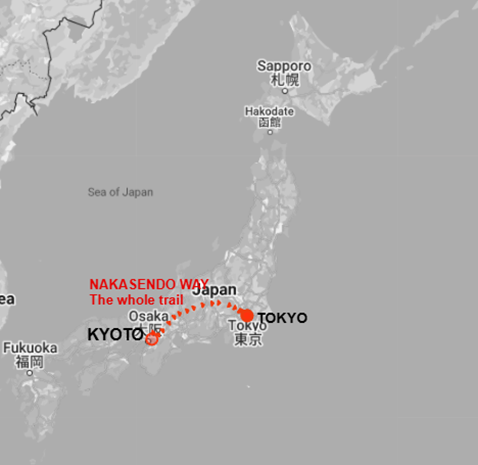
The Nakasendo Way, connects Edo (Tokyo) and Kyoto via a mountainous inland route, featuring a network of 69 post towns spread along 540km. We walk the most beautiful section including through the Kiso Valley also known as the Kiso-ji or the Kiso Road. This walk includes the 40 km section that connects the four southernmost towns (Magome, Tsumago, Midono [Nagiso], and Nojiri), which has become a very popular hiking trail in recent years.
The Kiso-ji is a hilly path of ancient stone pavements and dirt trails that will lead you through landscapes alive with seasonal flowers, clear-water creeks, and tall old forests. Countless daimyo processions, including samurai, farmers, merchants, and others, travelled along the road during the Edo Period of the 1600s and beyond.
Today is a travel day for you to make your way to the town of Nakatsugawa, where the old post town (Nakatsugawa-juku) has been extensively restored. This is a great place to explore at leisure and includes a number of traditional shops (eg Japanese sweets, sake etc.).
Meals included: Dinner
Accommodation: Small family-run Minshuku, Ryokan or Hotel in Nakatsugawa
Take a gentle walk through the outskirts of Nakatasugawa to the small post town of Ochiai-juku. From here we head up into the hills along the famous “Ochiai-juku stone pavement” to arrive at Shinchaya. Then easier walking along quiet country roads to the beautifully restored post-town of Magome-juku. Take some time here and explore! Then continue along rugged tracks through the forest over Magometoge Pass and down into the post town of Tsumago-juku. This town has also been wonderfully restored.
Shorter options for today’s walk:
Walk from Nakatsugawa to Magome (approx. 9 km), then catch a bus to Tsumago.
Catch the bus from Nakatsugawa to Magome and start the walk from there to Tsumago. (approx. 8.5 km)
Total distance: 17 km
Approx. time: 4 ½ – 5 hr
Ascent: 846 m
Descent: 745 m
Meals included: Breakfast and dinner
Accommodation: Small family-run Minshuku, Ryokan or Hotel in Tsumago / Kiso Fukushima
Today’s walk is all about outstanding nature and enjoying the stunning Japanese landscape. Walk along trails that follow running streams and dense forest, and through small villages enjoying the Japanese cultural experience and friendly locals. The main route of the Nakasendo between Nagiso (Midono-Juku) and Nojiri-juku lay along the Kiso River. However, this route was often blocked due to flooding and landslides. At such times, the alternative “Yogawa Route” over Nenouetoge Pass was used instead. This is the trail you will walk today which takes you across the hills and through mountain villages, visiting forests of tall cedars and striking deciduous trees. In autumn, this landscape is a blaze of colour.
Total distance: 16 km
Approx. time: 4 ½ – 5 ½ hr
Ascent: 1044 m
Descent: 925 m
Meals included: Breakfast and dinner
Accommodation: Small family-run Minshuku, Ryokan or Hotel in Kiso Fukushima
A shorter walk today and our last outing in the beautiful Kiso Valley. From the post town of Yabuhara, follow the Nakasendo Way over the famous Torii Pass to the beautifully restored post town of Narai. To get to the start of the walk in Yabuhara, take the train from Kiso-Fukushima.
With this option, you finish your walk in Narai and make your way back to Kisofukishima to collect your luggage and then onto your next destination. Alternatively, if you want to spend some time in Karuizawa and complete an additional walk we recommend booking the 5-day Nakasendo Highlights version of this trip in this case.
Total distance: 7 km
Approx. time: 2 – 3 hr
Ascent: 507 m
Descent: 500 m
Meals included: Breakfast
You will spend each night in a traditional Japanese Minshuku or Ryokan-style accommodation. These Japanese guesthouses come in a number of styles ranging from traditional wooden structures to more modern hybrid hotels.
A Minshuku is a family-run accommodation that are often found in rural Japan. There is a fine line between a Minshuku and some smaller Ryokans, making it hard to distinguish between the two. Most Minshukus are very small, with only a few Japanese-style rooms, a bit like a Bed and Breakfast Japanese style. Staying at a Minshuku has its advantages, as it is a good chance to meet the local people and get right up close to the Japanese culture. The atmosphere is often like that of a home with traditional meals served much like at a Ryokan but with even more intimacy. Be prepared, as baths and toilets are often shared.
Ryokans have Japanese-style rooms with tatami mats, shoji sliding doors, and futons for sleeping on. Few Ryokan Hotels have rooms with actual beds. The rooms may or may not have ensuites, but be prepared for a little luxury when it comes to the heated toilet seats. The bathing area is often the pride of the Ryokan, especially when they’re located in an onsen area. These are usually communal and separated by gender.
Meals are elaborate affairs from a western point of view served in a traditional dining area. A traditional Kaiseki set meal is what is usually offered. Sometimes there is the option of a buffet at the larger Ryokans.
Nagataki
Experience an original homestay in a home away from home in Nagataki. It features accommodation with a garden and free WiFi. They serve delicious home-cooked food and has a very good onsen as well.
Hotel Hanasarasa
Hotel Hanasarasa features a 24 hour front desk and baggage storage, to help make your stay more enjoyable. The property also boasts an indoor pool and an on-site restaurant and puts the best of Nakatsugawa at your fingertips, making your stay both relaxing and enjoyable.
Oyado Onn
Oyado Onn Nakatsugawa embraces the idea of “Discovering your love for both travel and this town,” extending a heartfelt welcome to guests in a tranquil environment adorned with the cozy ambiance of wooden elements. Enjoy our spacious public bath, stay connected with our Wi-Fi, indulge in complimentary coffee, and conveniently reach us with just a 9-minute stroll from the station.
Nagataki
Experience an original homestay in a home away from home in Nagataki. It features accommodation with a garden and free WiFi. They serve delicious home-cooked food and has a very good onsen as well.
Hotel Hanasarasa
Hotel Hanasarasa features a 24 hour front desk and baggage storage, to help make your stay more enjoyable. The property also boasts an indoor pool and an on-site restaurant and puts the best of Nakatsugawa at your fingertips, making your stay both relaxing and enjoyable.
Oyado Onn
Oyado Onn Nakatsugawa embraces the idea of “Discovering your love for both travel and this town,” extending a heartfelt welcome to guests in a tranquil environment adorned with the cozy ambiance of wooden elements. Enjoy our spacious public bath, stay connected with our Wi-Fi, indulge in complimentary coffee, and conveniently reach us with just a 9-minute stroll from the station.
Nagataki
Experience an original homestay in a home away from home in Nagataki. It features accommodation with a garden and free WiFi. They serve delicious home-cooked food and has a very good onsen as well.
Hotel Hanasarasa
Hotel Hanasarasa features a 24 hour front desk and baggage storage, to help make your stay more enjoyable. The property also boasts an indoor pool and an on-site restaurant and puts the best of Nakatsugawa at your fingertips, making your stay both relaxing and enjoyable.
Oyado Onn
Oyado Onn Nakatsugawa embraces the idea of “Discovering your love for both travel and this town,” extending a heartfelt welcome to guests in a tranquil environment adorned with the cozy ambiance of wooden elements. Enjoy our spacious public bath, stay connected with our Wi-Fi, indulge in complimentary coffee, and conveniently reach us with just a 9-minute stroll from the station.
Nagataki
Experience an original homestay in a home away from home in Nagataki. It features accommodation with a garden and free WiFi. They serve delicious home-cooked food and has a very good onsen as well.
Hotel Hanasarasa
Hotel Hanasarasa features a 24 hour front desk and baggage storage, to help make your stay more enjoyable. The property also boasts an indoor pool and an on-site restaurant and puts the best of Nakatsugawa at your fingertips, making your stay both relaxing and enjoyable.
Oyado Onn
Oyado Onn Nakatsugawa embraces the idea of “Discovering your love for both travel and this town,” extending a heartfelt welcome to guests in a tranquil environment adorned with the cozy ambiance of wooden elements. Enjoy our spacious public bath, stay connected with our Wi-Fi, indulge in complimentary coffee, and conveniently reach us with just a 9-minute stroll from the station.
Nagataki
Experience an original homestay in a home away from home in Nagataki. It features accommodation with a garden and free WiFi. They serve delicious home-cooked food and has a very good onsen as well.
Hotel Hanasarasa
Hotel Hanasarasa features a 24 hour front desk and baggage storage, to help make your stay more enjoyable. The property also boasts an indoor pool and an on-site restaurant and puts the best of Nakatsugawa at your fingertips, making your stay both relaxing and enjoyable.
Oyado Onn
Oyado Onn Nakatsugawa embraces the idea of “Discovering your love for both travel and this town,” extending a heartfelt welcome to guests in a tranquil environment adorned with the cozy ambiance of wooden elements. Enjoy our spacious public bath, stay connected with our Wi-Fi, indulge in complimentary coffee, and conveniently reach us with just a 9-minute stroll from the station.
Nagataki
Experience an original homestay in a home away from home in Nagataki. It features accommodation with a garden and free WiFi. They serve delicious home-cooked food and has a very good onsen as well.
Hotel Hanasarasa
Hotel Hanasarasa features a 24 hour front desk and baggage storage, to help make your stay more enjoyable. The property also boasts an indoor pool and an on-site restaurant and puts the best of Nakatsugawa at your fingertips, making your stay both relaxing and enjoyable.
Oyado Onn
Oyado Onn Nakatsugawa embraces the idea of “Discovering your love for both travel and this town,” extending a heartfelt welcome to guests in a tranquil environment adorned with the cozy ambiance of wooden elements. Enjoy our spacious public bath, stay connected with our Wi-Fi, indulge in complimentary coffee, and conveniently reach us with just a 9-minute stroll from the station.
Nagataki
Experience an original homestay in a home away from home in Nagataki. It features accommodation with a garden and free WiFi. They serve delicious home-cooked food and has a very good onsen as well.
Hotel Hanasarasa
Hotel Hanasarasa features a 24 hour front desk and baggage storage, to help make your stay more enjoyable. The property also boasts an indoor pool and an on-site restaurant and puts the best of Nakatsugawa at your fingertips, making your stay both relaxing and enjoyable.
Oyado Onn
Oyado Onn Nakatsugawa embraces the idea of “Discovering your love for both travel and this town,” extending a heartfelt welcome to guests in a tranquil environment adorned with the cozy ambiance of wooden elements. Enjoy our spacious public bath, stay connected with our Wi-Fi, indulge in complimentary coffee, and conveniently reach us with just a 9-minute stroll from the station.
Nagataki
Experience an original homestay in a home away from home in Nagataki. It features accommodation with a garden and free WiFi. They serve delicious home-cooked food and has a very good onsen as well.
Hotel Hanasarasa
Hotel Hanasarasa features a 24 hour front desk and baggage storage, to help make your stay more enjoyable. The property also boasts an indoor pool and an on-site restaurant and puts the best of Nakatsugawa at your fingertips, making your stay both relaxing and enjoyable.
Oyado Onn
Oyado Onn Nakatsugawa embraces the idea of “Discovering your love for both travel and this town,” extending a heartfelt welcome to guests in a tranquil environment adorned with the cozy ambiance of wooden elements. Enjoy our spacious public bath, stay connected with our Wi-Fi, indulge in complimentary coffee, and conveniently reach us with just a 9-minute stroll from the station.
Shimosagaya Minshuku
Situated in the picturesque mountain village of Tsumago, this Minshuku (Family Run Inn) offers a tranquil and comfortable retreat in the enchanting landscape of the Kiso Valley. At Shimosagaya, guests can indulge in the delights of home-style cuisine, savoring the freshness of seasonal vegetables and river fish in the inviting dining area. With only four guest rooms available, Shimosagaya ensures an intimate and personalized experience for its visitors.
Hanaya Inn
When visiting Nagiso-machi, Hanaya Ryokan is the perfect choice for travelers seeking a harmonious blend of affordability, comfort, and convenience. This charming establishment offers a delightful atmosphere and a range of amenities tailored to cater to your needs. The ryokan features an on-site restaurant, adding to the overall enjoyment of your stay. At Hanaya Ryokan, your comfort and satisfaction are of utmost importance, and the staff eagerly await the opportunity to extend a warm welcome to you in Nagiso-machi.
Shimosagaya Minshuku
Situated in the picturesque mountain village of Tsumago, this Minshuku (Family Run Inn) offers a tranquil and comfortable retreat in the enchanting landscape of the Kiso Valley. At Shimosagaya, guests can indulge in the delights of home-style cuisine, savoring the freshness of seasonal vegetables and river fish in the inviting dining area. With only four guest rooms available, Shimosagaya ensures an intimate and personalized experience for its visitors.
Hanaya Inn
When visiting Nagiso-machi, Hanaya Ryokan is the perfect choice for travelers seeking a harmonious blend of affordability, comfort, and convenience. This charming establishment offers a delightful atmosphere and a range of amenities tailored to cater to your needs. The ryokan features an on-site restaurant, adding to the overall enjoyment of your stay. At Hanaya Ryokan, your comfort and satisfaction are of utmost importance, and the staff eagerly await the opportunity to extend a warm welcome to you in Nagiso-machi.
Shimosagaya Minshuku
Situated in the picturesque mountain village of Tsumago, this Minshuku (Family Run Inn) offers a tranquil and comfortable retreat in the enchanting landscape of the Kiso Valley. At Shimosagaya, guests can indulge in the delights of home-style cuisine, savoring the freshness of seasonal vegetables and river fish in the inviting dining area. With only four guest rooms available, Shimosagaya ensures an intimate and personalized experience for its visitors.
Hanaya Inn
When visiting Nagiso-machi, Hanaya Ryokan is the perfect choice for travelers seeking a harmonious blend of affordability, comfort, and convenience. This charming establishment offers a delightful atmosphere and a range of amenities tailored to cater to your needs. The ryokan features an on-site restaurant, adding to the overall enjoyment of your stay. At Hanaya Ryokan, your comfort and satisfaction are of utmost importance, and the staff eagerly await the opportunity to extend a warm welcome to you in Nagiso-machi.
Shimosagaya Minshuku
Situated in the picturesque mountain village of Tsumago, this Minshuku (Family Run Inn) offers a tranquil and comfortable retreat in the enchanting landscape of the Kiso Valley. At Shimosagaya, guests can indulge in the delights of home-style cuisine, savoring the freshness of seasonal vegetables and river fish in the inviting dining area. With only four guest rooms available, Shimosagaya ensures an intimate and personalized experience for its visitors.
Hanaya Inn
When visiting Nagiso-machi, Hanaya Ryokan is the perfect choice for travelers seeking a harmonious blend of affordability, comfort, and convenience. This charming establishment offers a delightful atmosphere and a range of amenities tailored to cater to your needs. The ryokan features an on-site restaurant, adding to the overall enjoyment of your stay. At Hanaya Ryokan, your comfort and satisfaction are of utmost importance, and the staff eagerly await the opportunity to extend a warm welcome to you in Nagiso-machi.
Shimosagaya Minshuku
Situated in the picturesque mountain village of Tsumago, this Minshuku (Family Run Inn) offers a tranquil and comfortable retreat in the enchanting landscape of the Kiso Valley. At Shimosagaya, guests can indulge in the delights of home-style cuisine, savoring the freshness of seasonal vegetables and river fish in the inviting dining area. With only four guest rooms available, Shimosagaya ensures an intimate and personalized experience for its visitors.
Hanaya Inn
When visiting Nagiso-machi, Hanaya Ryokan is the perfect choice for travelers seeking a harmonious blend of affordability, comfort, and convenience. This charming establishment offers a delightful atmosphere and a range of amenities tailored to cater to your needs. The ryokan features an on-site restaurant, adding to the overall enjoyment of your stay. At Hanaya Ryokan, your comfort and satisfaction are of utmost importance, and the staff eagerly await the opportunity to extend a warm welcome to you in Nagiso-machi.
Shimosagaya Minshuku
Situated in the picturesque mountain village of Tsumago, this Minshuku (Family Run Inn) offers a tranquil and comfortable retreat in the enchanting landscape of the Kiso Valley. At Shimosagaya, guests can indulge in the delights of home-style cuisine, savoring the freshness of seasonal vegetables and river fish in the inviting dining area. With only four guest rooms available, Shimosagaya ensures an intimate and personalized experience for its visitors.
Hanaya Inn
When visiting Nagiso-machi, Hanaya Ryokan is the perfect choice for travelers seeking a harmonious blend of affordability, comfort, and convenience. This charming establishment offers a delightful atmosphere and a range of amenities tailored to cater to your needs. The ryokan features an on-site restaurant, adding to the overall enjoyment of your stay. At Hanaya Ryokan, your comfort and satisfaction are of utmost importance, and the staff eagerly await the opportunity to extend a warm welcome to you in Nagiso-machi.
Shimosagaya Minshuku
Situated in the picturesque mountain village of Tsumago, this Minshuku (Family Run Inn) offers a tranquil and comfortable retreat in the enchanting landscape of the Kiso Valley. At Shimosagaya, guests can indulge in the delights of home-style cuisine, savoring the freshness of seasonal vegetables and river fish in the inviting dining area. With only four guest rooms available, Shimosagaya ensures an intimate and personalized experience for its visitors.
Hanaya Inn
When visiting Nagiso-machi, Hanaya Ryokan is the perfect choice for travelers seeking a harmonious blend of affordability, comfort, and convenience. This charming establishment offers a delightful atmosphere and a range of amenities tailored to cater to your needs. The ryokan features an on-site restaurant, adding to the overall enjoyment of your stay. At Hanaya Ryokan, your comfort and satisfaction are of utmost importance, and the staff eagerly await the opportunity to extend a warm welcome to you in Nagiso-machi.
Onyado Tsutaya
Founded in 1688, Tsutaya has been in Kiso for over 350 years, carefully preserving the good old Japanese “wa” (harmony). During the Edo period, this was a place of rest for people travelling along the Nakasendo road. Enjoy the communal (split by gender) open-air bath or a herbal indoor bath, the hot spring water that springs from the sacred mountain of Kiso Ontake will heal your body and mind.
Kisoji No-Yado Iwaya
Experience an excellent ryokan with an incredibly friendly and helpful owner at Kisoji No-Yado Iwaya. The ryokan provides guests with air-conditioned rooms offering a wardrobe, safety deposit box, kettle, fridge, flat screen TV and a private bathroom with shower. They serve ala carte for breakfast and dinner.
Nukumorino-Yado Komanoyu
Nukumorino-yado Komanoyu, situated in Kiso, provides complimentary WiFi and a convenient shuttle service at this 4-star traditional inn. Guests staying at the property can enjoy a complimentary star-gazing tour every clear night after dinner, along with an on-site restaurant. The serene seasonal surroundings, melodious birdsong, and soothing water sounds ensure a truly memorable and relaxing stay.
Onyado Tsutaya
Founded in 1688, Tsutaya has been in Kiso for over 350 years, carefully preserving the good old Japanese “wa” (harmony). During the Edo period, this was a place of rest for people travelling along the Nakasendo road. Enjoy the communal (split by gender) open-air bath or a herbal indoor bath, the hot spring water that springs from the sacred mountain of Kiso Ontake will heal your body and mind.
Kisoji No-Yado Iwaya
Experience an excellent ryokan with an incredibly friendly and helpful owner at Kisoji No-Yado Iwaya. The ryokan provides guests with air-conditioned rooms offering a wardrobe, safety deposit box, kettle, fridge, flat screen TV and a private bathroom with shower. They serve ala carte for breakfast and dinner.
Nukumorino-Yado Komanoyu
Nukumorino-yado Komanoyu, situated in Kiso, provides complimentary WiFi and a convenient shuttle service at this 4-star traditional inn. Guests staying at the property can enjoy a complimentary star-gazing tour every clear night after dinner, along with an on-site restaurant. The serene seasonal surroundings, melodious birdsong, and soothing water sounds ensure a truly memorable and relaxing stay.
Onyado Tsutaya
Founded in 1688, Tsutaya has been in Kiso for over 350 years, carefully preserving the good old Japanese “wa” (harmony). During the Edo period, this was a place of rest for people travelling along the Nakasendo road. Enjoy the communal (split by gender) open-air bath or a herbal indoor bath, the hot spring water that springs from the sacred mountain of Kiso Ontake will heal your body and mind.
Kisoji No-Yado Iwaya
Experience an excellent ryokan with an incredibly friendly and helpful owner at Kisoji No-Yado Iwaya. The ryokan provides guests with air-conditioned rooms offering a wardrobe, safety deposit box, kettle, fridge, flat screen TV and a private bathroom with shower. They serve ala carte for breakfast and dinner.
Nukumorino-Yado Komanoyu
Nukumorino-yado Komanoyu, situated in Kiso, provides complimentary WiFi and a convenient shuttle service at this 4-star traditional inn. Guests staying at the property can enjoy a complimentary star-gazing tour every clear night after dinner, along with an on-site restaurant. The serene seasonal surroundings, melodious birdsong, and soothing water sounds ensure a truly memorable and relaxing stay.
Onyado Tsutaya
Founded in 1688, Tsutaya has been in Kiso for over 350 years, carefully preserving the good old Japanese “wa” (harmony). During the Edo period, this was a place of rest for people travelling along the Nakasendo road. Enjoy the communal (split by gender) open-air bath or a herbal indoor bath, the hot spring water that springs from the sacred mountain of Kiso Ontake will heal your body and mind.
Kisoji No-Yado Iwaya
Experience an excellent ryokan with an incredibly friendly and helpful owner at Kisoji No-Yado Iwaya. The ryokan provides guests with air-conditioned rooms offering a wardrobe, safety deposit box, kettle, fridge, flat screen TV and a private bathroom with shower. They serve ala carte for breakfast and dinner.
Nukumorino-Yado Komanoyu
Nukumorino-yado Komanoyu, situated in Kiso, provides complimentary WiFi and a convenient shuttle service at this 4-star traditional inn. Guests staying at the property can enjoy a complimentary star-gazing tour every clear night after dinner, along with an on-site restaurant. The serene seasonal surroundings, melodious birdsong, and soothing water sounds ensure a truly memorable and relaxing stay.
Onyado Tsutaya
Founded in 1688, Tsutaya has been in Kiso for over 350 years, carefully preserving the good old Japanese “wa” (harmony). During the Edo period, this was a place of rest for people travelling along the Nakasendo road. Enjoy the communal (split by gender) open-air bath or a herbal indoor bath, the hot spring water that springs from the sacred mountain of Kiso Ontake will heal your body and mind.
Kisoji No-Yado Iwaya
Experience an excellent ryokan with an incredibly friendly and helpful owner at Kisoji No-Yado Iwaya. The ryokan provides guests with air-conditioned rooms offering a wardrobe, safety deposit box, kettle, fridge, flat screen TV and a private bathroom with shower. They serve ala carte for breakfast and dinner.
Nukumorino-Yado Komanoyu
Nukumorino-yado Komanoyu, situated in Kiso, provides complimentary WiFi and a convenient shuttle service at this 4-star traditional inn. Guests staying at the property can enjoy a complimentary star-gazing tour every clear night after dinner, along with an on-site restaurant. The serene seasonal surroundings, melodious birdsong, and soothing water sounds ensure a truly memorable and relaxing stay.
Onyado Tsutaya
Founded in 1688, Tsutaya has been in Kiso for over 350 years, carefully preserving the good old Japanese “wa” (harmony). During the Edo period, this was a place of rest for people travelling along the Nakasendo road. Enjoy the communal (split by gender) open-air bath or a herbal indoor bath, the hot spring water that springs from the sacred mountain of Kiso Ontake will heal your body and mind.
Kisoji No-Yado Iwaya
Experience an excellent ryokan with an incredibly friendly and helpful owner at Kisoji No-Yado Iwaya. The ryokan provides guests with air-conditioned rooms offering a wardrobe, safety deposit box, kettle, fridge, flat screen TV and a private bathroom with shower. They serve ala carte for breakfast and dinner.
Nukumorino-Yado Komanoyu
Nukumorino-yado Komanoyu, situated in Kiso, provides complimentary WiFi and a convenient shuttle service at this 4-star traditional inn. Guests staying at the property can enjoy a complimentary star-gazing tour every clear night after dinner, along with an on-site restaurant. The serene seasonal surroundings, melodious birdsong, and soothing water sounds ensure a truly memorable and relaxing stay.
Onyado Tsutaya
Founded in 1688, Tsutaya has been in Kiso for over 350 years, carefully preserving the good old Japanese “wa” (harmony). During the Edo period, this was a place of rest for people travelling along the Nakasendo road. Enjoy the communal (split by gender) open-air bath or a herbal indoor bath, the hot spring water that springs from the sacred mountain of Kiso Ontake will heal your body and mind.
Kisoji No-Yado Iwaya
Experience an excellent ryokan with an incredibly friendly and helpful owner at Kisoji No-Yado Iwaya. The ryokan provides guests with air-conditioned rooms offering a wardrobe, safety deposit box, kettle, fridge, flat screen TV and a private bathroom with shower. They serve ala carte for breakfast and dinner.
Nukumorino-Yado Komanoyu
Nukumorino-yado Komanoyu, situated in Kiso, provides complimentary WiFi and a convenient shuttle service at this 4-star traditional inn. Guests staying at the property can enjoy a complimentary star-gazing tour every clear night after dinner, along with an on-site restaurant. The serene seasonal surroundings, melodious birdsong, and soothing water sounds ensure a truly memorable and relaxing stay.
Tip – if you have not invested in a JR Rail Pass (only available outside Japan), you can save some money by buying a Non-Reserved Seat on the Shinkansen rather than a Reserved Seat. Check the Japan Transit Planner website (https://world.jorudan.co.jp/mln/en/) for approximate travel times and pricing.
You can get tickets from the JR ticket window just before the Shinkansen barrier gates. Even if you have a JR Rail Pass (which covers the cost of all JR line travel), you will need to show some sort of ticket to indicate your seat.
Take the Tokaido Line Shinkansen bullet train from Tokyo Station to Nagoya.
Approx. travel time 1hr 45mins.
Tip – try to get a window seat on the right-hand side of the train for possible views of Mt Fuji on a clear day.
Take the local train from Osaka to Shin-Osaka. Take the Tokaido Line Shinkansen bullet train from Shin-Osaka Station to Nagoya. Approx. travel time 48mins.
On arrival in Nagoya, take the JR Chuo Line (Rapid) from Nagoya to Nakatsugawa. The Rapid service stops less often than the Local service. Both are of the same price and stop in Nakatsugawa. Approx. travel time 1 ¼ hr. Cost (if no JR Rail Pass) approx AUD $18.
The free “Japan Direct” rail app is very useful. Enter your station of origin and destination and all services, travel times, and costs are displayed. There is also an option to select for routes when travelling “with Japan Rail Pass”, too.
In Japan, there are some periods when locals travel en masse as they are on holiday. These times are best avoided as the accommodation costs escalate considerably (more than double). It would make a lot of sense if you could avoid these times. Otherwise, see below for high-season periods. This could lead to the cost of the trip increasing significantly.
NEW YEAR PERIOD – 30TH DECEMBER TO 4TH OF JANUARY
GOLDEN WEEK – GENERALLY BETWEEN 29TH APRIL TO 5TH MAY
OBON PERIOD – MID-AUGUST ( BETWEEN THE 10TH TO 20TH OF AUGUST)
Please speak to the office to get a quote for the above times
At the end of your holiday, you will be given the details for travelling back to Nagoya and onto Kyoto, Osaka or Tokyo.
For most days on this walk you will need to take some form of public transport whether that is a bus or a train to your accommodation for the night or to start or shorten the days walk. The journey times vary from 10mins to 50mins depending on the day. We provide a comprehensive public transport document with detailed instructions on which buses and trains to catch. Please note these trips are unable to be pre-booked and you will need to pay directly on the day they are not included in your package.
If you have any questions about the public transport on this holiday please feel welcome to call or email the office.
During the walk your luggage will move between each of your accommodations. On the last day after completing your walk, you will need to return to your Night 3 accommodation and collect your luggage before heading to your next location.
Autumn and Spring are the best times to walk. Summer is good too, it can get warm but it is possible to take a swim as you walk. Winter can be a bit more challenging due to snow and less daylight hours but it is still possible. You will need snow gear. Please keep in mind some accommodations close down from late November to February.
From the end of March, the temperature begins to increase. In summer it’s quite warm and humid but still good for walking, particularly if you enjoy warmer temperatures and taking a dip in a stream.
The walk is not offered in winter as it snows and the tracks are not easy to follow. As walkers, we believe spring and autumn are the best times as the weather is perfect for walking.
See the weather information about the local average weather at different times of the year.
We require that you have adequate travel insurance against potential losses, damage or injury, including cancellation costs and loss of luggage.
For all trips that require international travel, you must have purchased travel insurance that also includes medical evacuation coverage.
We also charge a cancellation fee if you cancel your walking holiday after we have confirmed it to cover costs incurred from our suppliers and in the office. See the FAQ section for more information.
For over 30 years we have taken pride in providing seamlessly organised walking holidays, but we know, even with that in mind, that you’ll have many more questions. You will receive a very detailed information pack and itinerary approximately 6 weeks out from departure outlining all the fine detail and much more.
If you have any questions, feel free to ask one of our destination consultants. You can get in touch with us via our contact form or email us at info@stroll.com
FOR HIGH SEASON CHARGES SEE GENERAL INFO
FOR HIGH SEASON CHARGES SEE GENERAL INFO
It was a great mix of town, country and wilderness walking.
As a person with coeliac disease, the dinner and breakfast arrangements were perfect and I didn’t once have a bad reaction to any of the delicious foods.
Very well planned and researched walk. The local and traditional considerations for accommodation, meals and relaxation with onsen’s at almost every destination was really terrific. Loved the family owned ryokans, food was amazing. Walk was spectacular- I would highly recommend it- especially in Autumn when the weather is cool clean and fresh and the forest leaves are stunning!
Arrangements were very satisfactory and by and large the logistics were handled extremely well. The hosts in the ryokans at Ena and Tsumago were gracious and kind, and the quality of our meals and hospitality were outstanding and a uniquely memorable experience.
I loved walking the Nakasendo. The trails are sometimes challenging but always beautifully rewarding . The accommodation was always comfortable and the food incredible.
The process was straight forward once the Japanese Rail system was conquered. It all went to plan, even the weather in Autumn was kind. The variety of accommodation was enjoyable and it was a good standard. Onsens are a blessing on a hike! he notes and app are excellent and the time frame was also good. The walks manageable to fit the public transport options which were procided.
The walk was the perfect combination of reasonable physical challenge, awesome meals and lovely hosts/accommodation. And of course, amazing scenery!
A lot of the sign posts were very helpful but I’m very pleased with downloaded trails as they were very useful. We assisted other walkers that didn’t have the trails downloaded. The instructions were very easy to follow to get to the start of our walk.. Loved the adventure and the peacefulness of the walk – very challenging but very rewarding.
This is a truly spectacular walk with a stimulating cultural experience thrown in. Accommodation was great and food amazing. The pre-walk information made Self-guided walking easy.
This was an incredible holiday. The locations and ability to see the “real” Japan was amazing, the forest trails and old post towns truly beautiful. The Stroll information provided was excellent, extremely clear and provided all the information I needed. The hotels/ryokan booked as part of the trip were incredible, delicious food, lovely rooms and in great locations. And all of the luggage transfers were smooth and efficient with my bags at the next location by the time I arrived each day. As a solo, self-guided walker I enjoyed the freedom and was never lost because the App worked so well. All in all an amazing adventure. I’ll be back to do more and have already recommended the walk to many friends. Thank you Stroll!!
Absolutely loved the walk. Well planned, great accommodation, food and beautiful locations. Great value for money. Accommodation was first class and food a cultural treat. Stunning Japanese countryside, the perfect way to get to know the rural life of the Japanese people.
Each of the four walk days had varied and always beautiful scenery. We enjoyed each day’s walking route. This was our second Stroll adventure and our first trip to Japan.
The entire trip ran smoothly, and we were delighted with the historic and scenic walk, our comfortable accommodation, which featured welcoming and helpful hosts, and delicious, included meals.
We used Stroll to organise our self guided hiking holiday on the Nakasendo Way. From communication to help along the way, we could not have been happier.
The Nakasendo Trail is an intriguing walk through beautiful forest and over high passes. The walks through the forest on dirt pads were absolutely beautiful and we really enjoyed them. It was so lovely to go through in spring with all the wildflowers and the fresh greenery. The gardens and villages and post towns along the way spice it up.
Had a terrific time! Really pleased we did the walk as we enjoyed discovering the Japanese way of life.
Just back from the Nakasendo Trail with Stroll. A brilliant walk in stunning parts of Japan. We loved the Stroll set up giving you directions each day, booking your accommodation but otherwise you are on your own to explore the forests, rivers, villages of this ancient land. Magic. Highly recommend
I had an amazing time. The scenery was stunning, the accommodation was outstanding with friendly service and delicious Japanese food . Each accommodation had an Onsen which I enjoyed regularly after a days walking and before bed.
As first time travelers to Japan I was anxious about travelling to the start of the walk at Nakatsugawa by train. We had Dan with us which helped enormously. Without Dan I would have needed more information about the trains in Japan.
Peter D
It was a great mix of town, country and wilderness walking.
As a person with coeliac disease, the dinner and breakfast arrangements were perfect and I didn’t once have a bad reaction to any of the delicious foods.
Sarah C
Very well planned and researched walk. The local and traditional considerations for accommodation, meals and relaxation with onsen’s at almost every destination was really terrific. Loved the family owned ryokans, food was amazing. Walk was spectacular- I would highly recommend it- especially in Autumn when the weather is cool clean and fresh and the forest leaves are stunning!
Stephanie W
Arrangements were very satisfactory and by and large the logistics were handled extremely well. The hosts in the ryokans at Ena and Tsumago were gracious and kind, and the quality of our meals and hospitality were outstanding and a uniquely memorable experience.
Ken H
I loved walking the Nakasendo. The trails are sometimes challenging but always beautifully rewarding . The accommodation was always comfortable and the food incredible.
Peter H
The process was straight forward once the Japanese Rail system was conquered. It all went to plan, even the weather in Autumn was kind. The variety of accommodation was enjoyable and it was a good standard. Onsens are a blessing on a hike! he notes and app are excellent and the time frame was also good. The walks manageable to fit the public transport options which were procided.
Brendan H
The walk was the perfect combination of reasonable physical challenge, awesome meals and lovely hosts/accommodation. And of course, amazing scenery!
Elizabeth M
A lot of the sign posts were very helpful but I’m very pleased with downloaded trails as they were very useful. We assisted other walkers that didn’t have the trails downloaded. The instructions were very easy to follow to get to the start of our walk.. Loved the adventure and the peacefulness of the walk – very challenging but very rewarding.
Alan B
This is a truly spectacular walk with a stimulating cultural experience thrown in. Accommodation was great and food amazing. The pre-walk information made Self-guided walking easy.
Rebecca J
This was an incredible holiday. The locations and ability to see the “real” Japan was amazing, the forest trails and old post towns truly beautiful. The Stroll information provided was excellent, extremely clear and provided all the information I needed. The hotels/ryokan booked as part of the trip were incredible, delicious food, lovely rooms and in great locations. And all of the luggage transfers were smooth and efficient with my bags at the next location by the time I arrived each day. As a solo, self-guided walker I enjoyed the freedom and was never lost because the App worked so well. All in all an amazing adventure. I’ll be back to do more and have already recommended the walk to many friends. Thank you Stroll!!
Susan E
Absolutely loved the walk. Well planned, great accommodation, food and beautiful locations. Great value for money. Accommodation was first class and food a cultural treat. Stunning Japanese countryside, the perfect way to get to know the rural life of the Japanese people.
Maree Z
Each of the four walk days had varied and always beautiful scenery. We enjoyed each day’s walking route. This was our second Stroll adventure and our first trip to Japan.
The entire trip ran smoothly, and we were delighted with the historic and scenic walk, our comfortable accommodation, which featured welcoming and helpful hosts, and delicious, included meals.
Sandra T
We used Stroll to organise our self guided hiking holiday on the Nakasendo Way. From communication to help along the way, we could not have been happier.
Kate K
The Nakasendo Trail is an intriguing walk through beautiful forest and over high passes. The walks through the forest on dirt pads were absolutely beautiful and we really enjoyed them. It was so lovely to go through in spring with all the wildflowers and the fresh greenery. The gardens and villages and post towns along the way spice it up.
Julian L
Had a terrific time! Really pleased we did the walk as we enjoyed discovering the Japanese way of life.
Sophie McC
Just back from the Nakasendo Trail with Stroll. A brilliant walk in stunning parts of Japan. We loved the Stroll set up giving you directions each day, booking your accommodation but otherwise you are on your own to explore the forests, rivers, villages of this ancient land. Magic. Highly recommend
Ian F
I had an amazing time. The scenery was stunning, the accommodation was outstanding with friendly service and delicious Japanese food . Each accommodation had an Onsen which I enjoyed regularly after a days walking and before bed.
As first time travelers to Japan I was anxious about travelling to the start of the walk at Nakatsugawa by train. We had Dan with us which helped enormously. Without Dan I would have needed more information about the trains in Japan.