
















Stroll
Shikoku Pilgrimage - 7 Days

Shikoku Pilgrimage - 7 Days

7 Days
Challenging

Overview

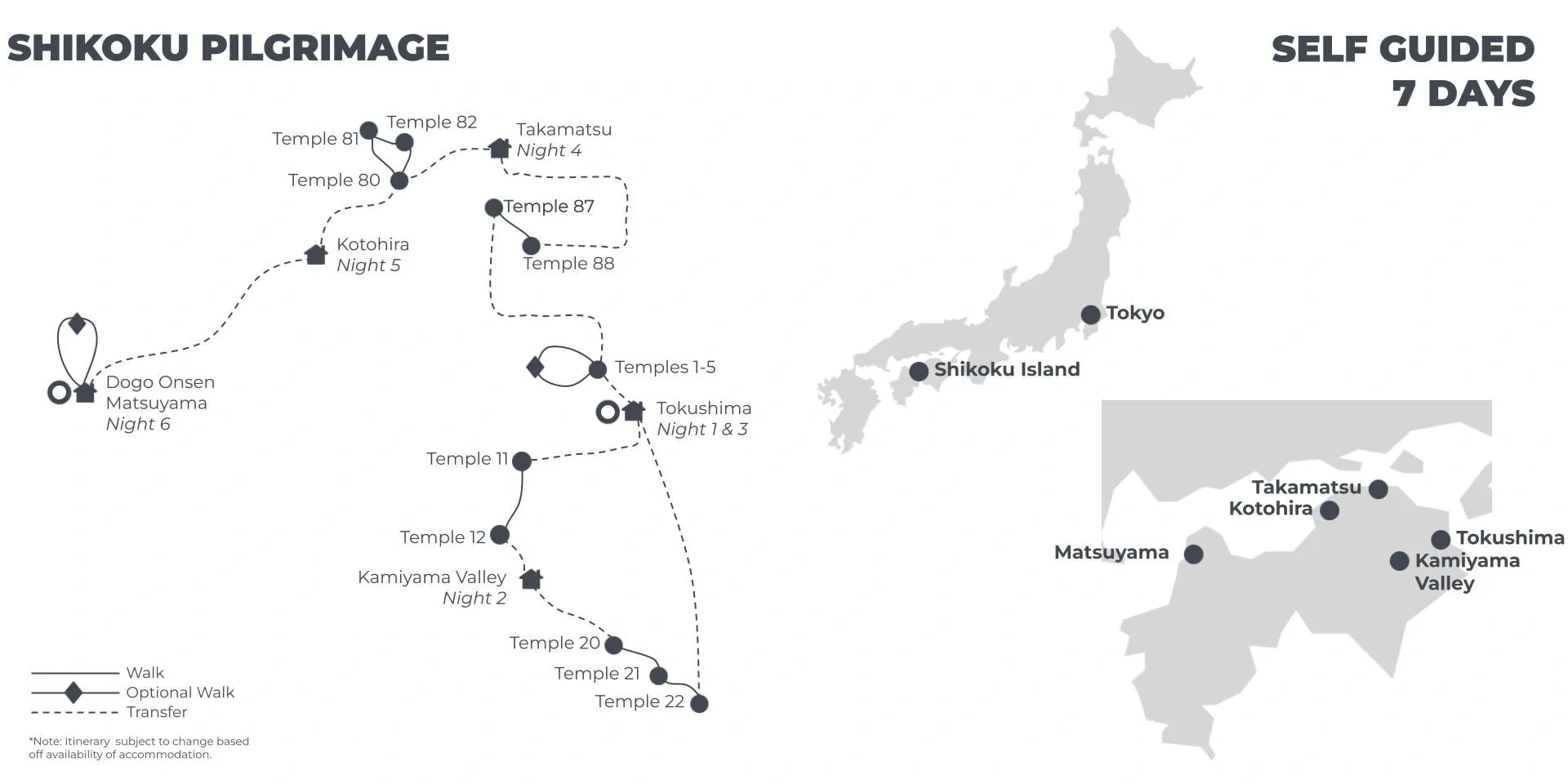
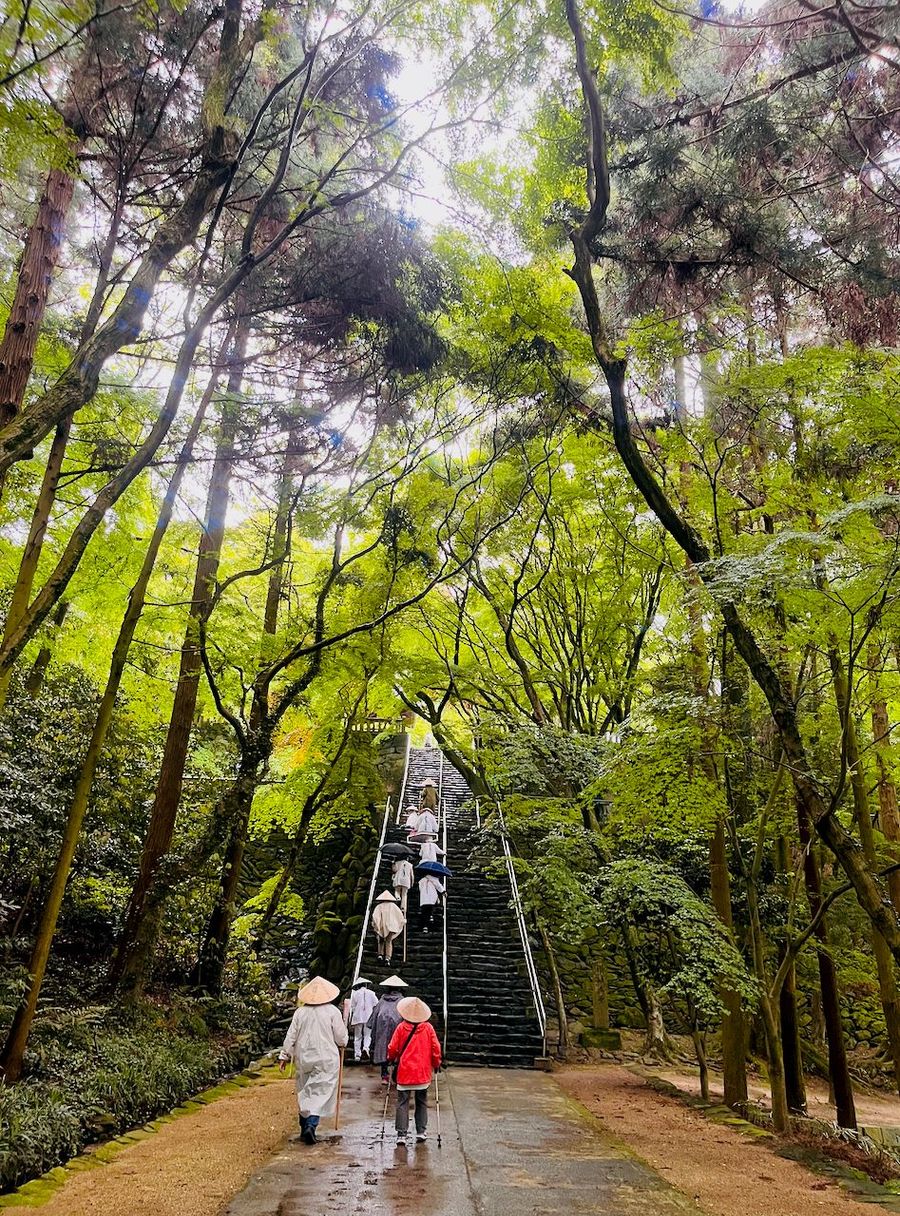
Discover the most rewarding sections of one of Japan's most sacred and least-known pilgrimage routes on this seven-day journey through the heart of Shikoku Island. The full 1,200-kilometre Shikoku Pilgrimage circuits the island's 88 official temples and has been walked by pilgrims for over 1,200 years in the footsteps of the revered monk Kukai.

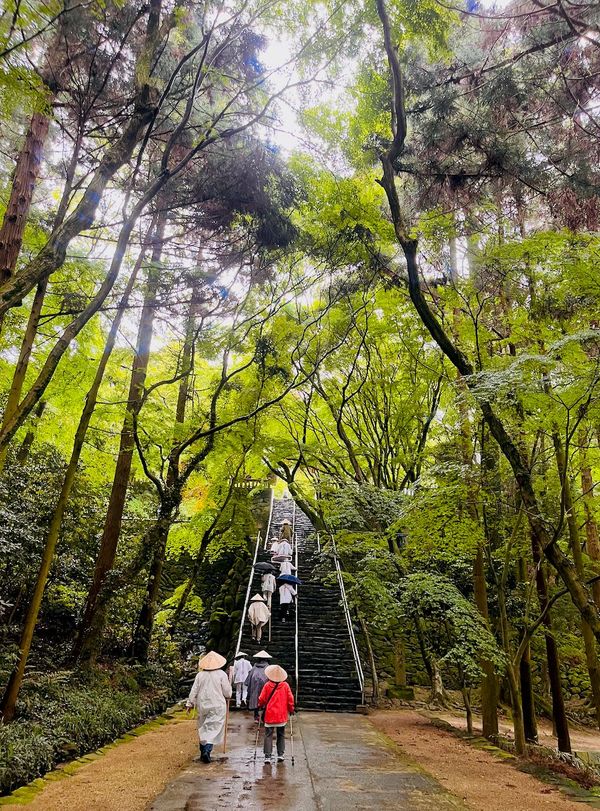
This itinerary distils the very best of the route, joining the white-clad Ohenro-san pilgrims on a journey through misty mountain temples, ancient forest trails and quiet rural landscapes on Japan's least developed and most spiritually resonant island. Whether walked for spiritual reflection, personal challenge or pure cultural immersion, the Shikoku Pilgrimage leaves a profound impression.

Highlights

  • A trip for those who want a taste of the Shikoku Pilgrimage experience
  • An ancient hike through Buddhist history together with an immersive Japanese cultural experience
  • 6-night stay in Japanese accommodations
  • Hike with a light pack on ancient trails with wondrous views
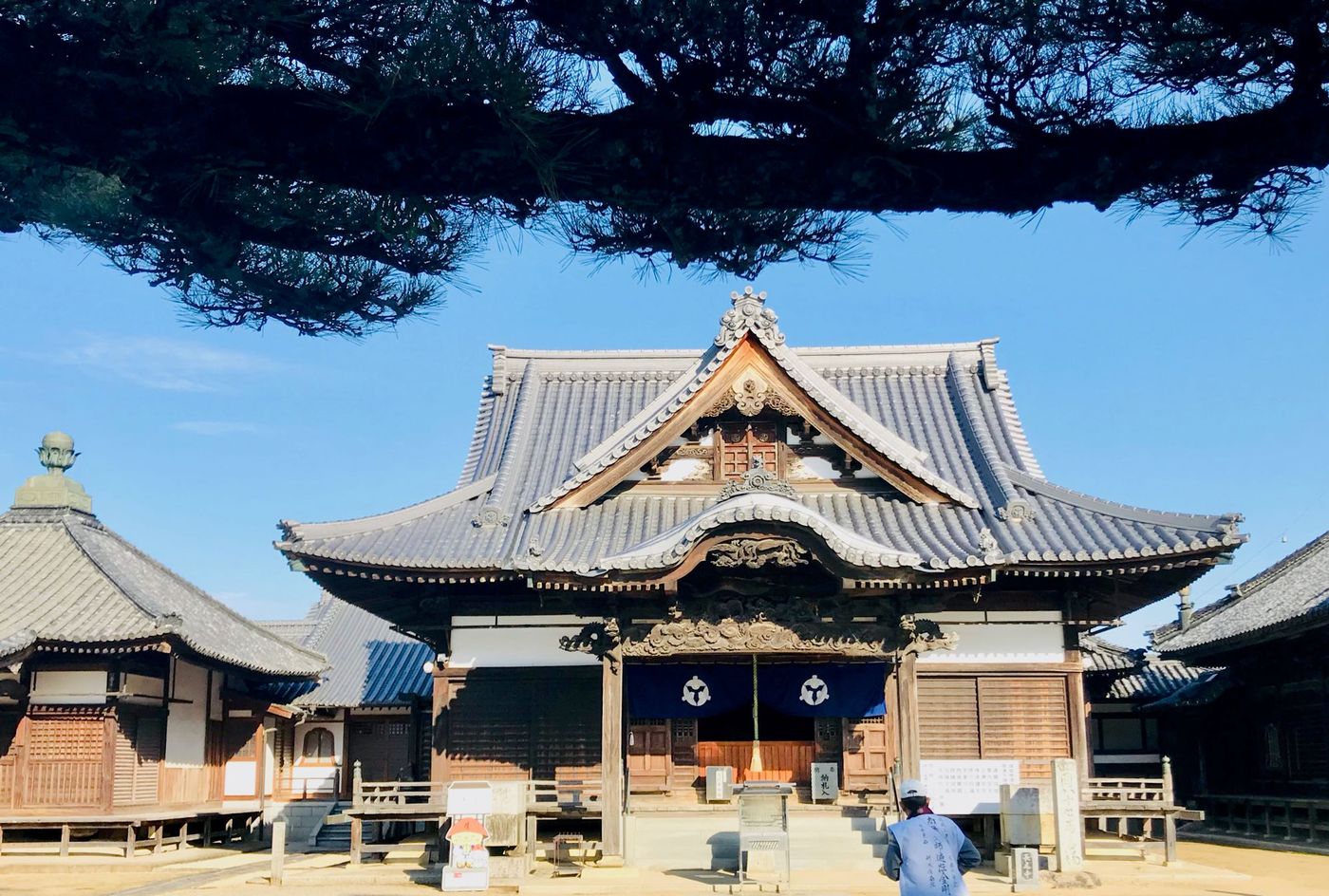
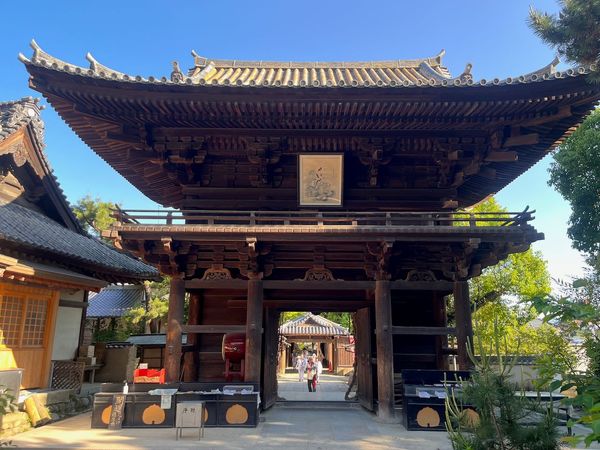
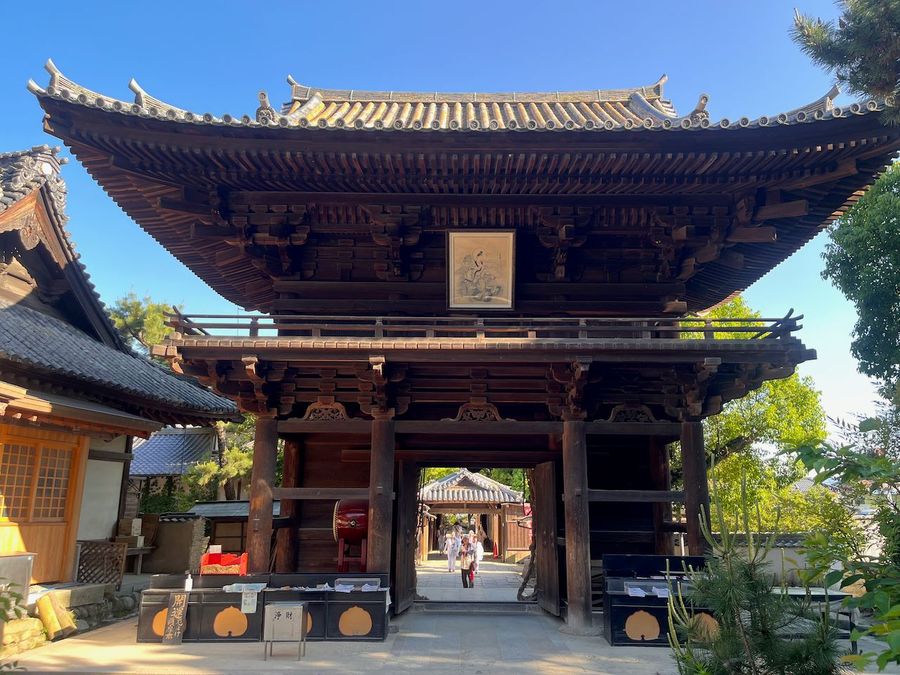
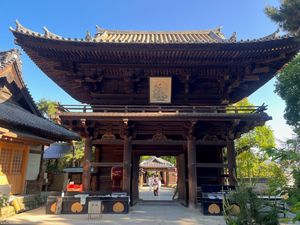
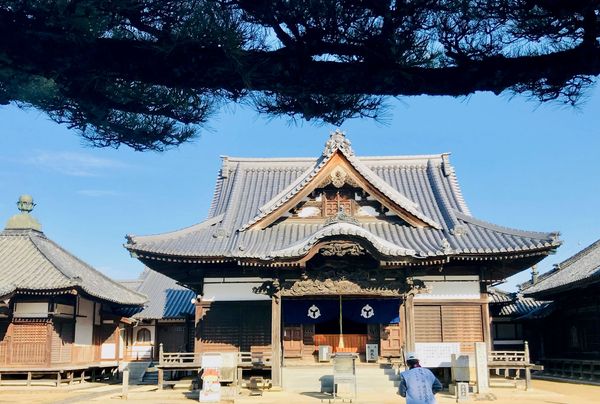
  • Marvel at the beautiful Temples along the way
  • Soak in the Dogo Onsens mineral waters
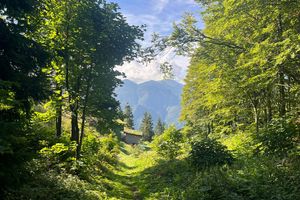
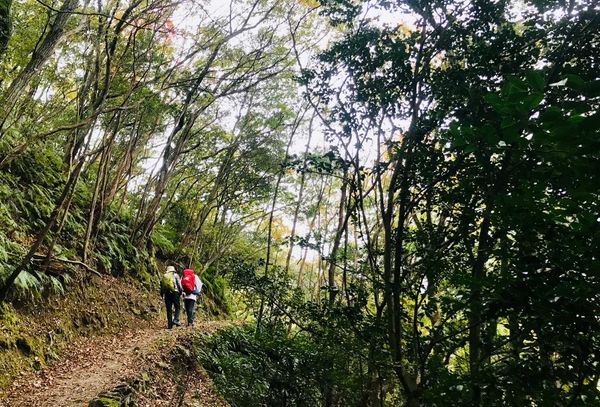
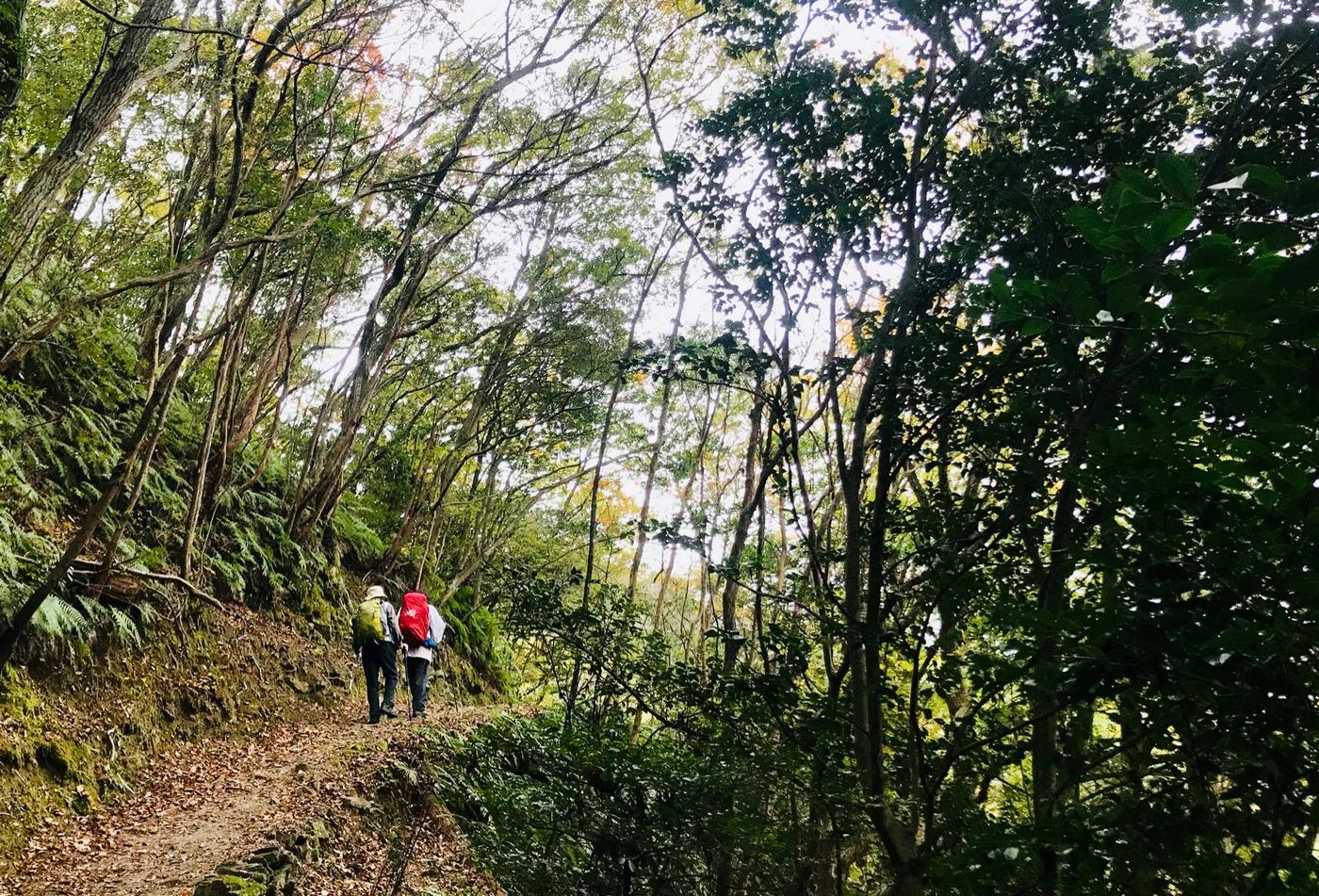
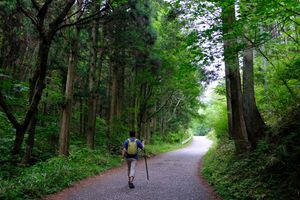
  • Walk some of the best of the Shikoku Pilgrimage on forest and mountain trails
  • Options to vary the lengths of walks on some days should you prefer
  • Traditional multi-course meals for breakfast each day and 2 dinners

Loading overview…

What's Included

Accommodation

Ryokan (6 nights)
Transfers

  • Luggage Transfers
  • Train
  • Public Bus
  • Taxi Transfer

Meals

6 breakfasts, 0 lunches, and 2 dinners

Guidance & Support

  • Itinerary & Walk Notes
  • Walking App for Navigation
  • 24/7 on-trip support

How We Rate This Walk

5

Stroll Walking Grade

Challenging

Rated by our team — we walk every route before we recommend it.

Steeper climbs and longer distances. You'll need good fitness and some hiking experience to fully enjoy these walks.

View Fitness Guide

6

Days on the trail

4-21 km

Average per walking day

94-1377 m

Gain per day

5/10

Trail difficulty

Where You'll Stay

Nights on the Shikoku Pilgrimage are spent in ryokans and minshukus — traditional Japanese guesthouses that are an experience in their own right, and one of the real highlights of this walk.

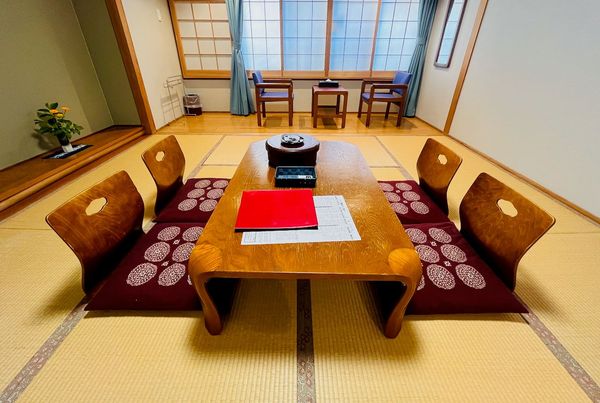
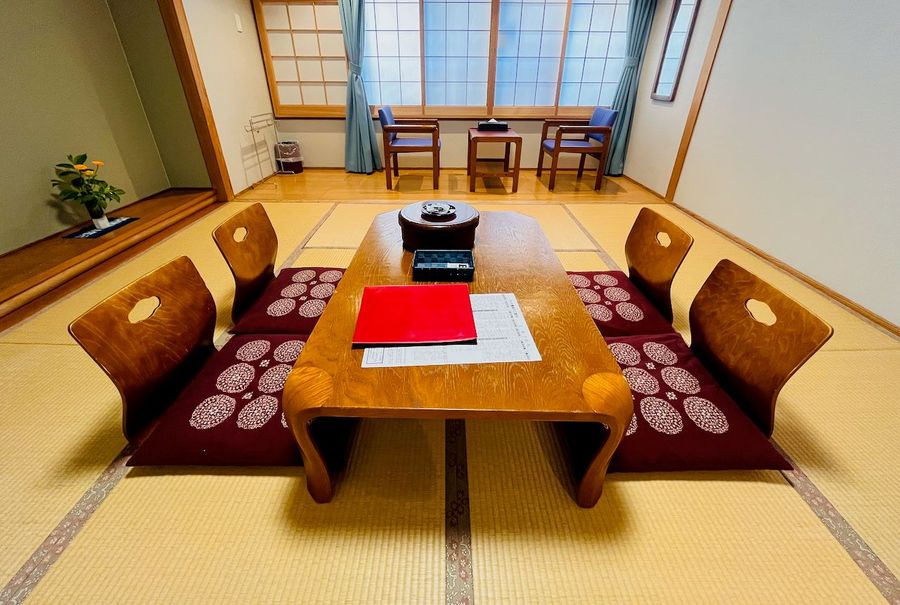
Ryokans are Japanese guesthouses ranging from beautifully preserved historic wooden buildings to more contemporary hybrid styles. Rooms feature tatami mat floors, shoji sliding doors and futon sleeping, creating an atmosphere of quiet, understated elegance. Few rooms have Western-style beds, and ensuites are not always standard — but the heated toilet seats are a welcome touch of luxury. The pride of most ryokans is the bathing area, and many along the Shikoku Pilgrimage are fed by natural onsen hot springs. After a day traversing the sacred mountain trails, soaking in steaming communal pools is the perfect way to end the day.

Minshukus are smaller, family-run guesthouses most commonly found in rural Japan, and the Shikoku Pilgrimage has some wonderful examples. Think of them as a Japanese bed and breakfast — intimate, unpretentious and deeply local. Rooms are traditional Japanese style, meals are home-cooked and shared, and the atmosphere is warm and familial. Bathrooms and toilets are typically shared, but what a minshuku offers in return: genuine hospitality, local connection and a closeness to Japanese culture.

What You'll Eat

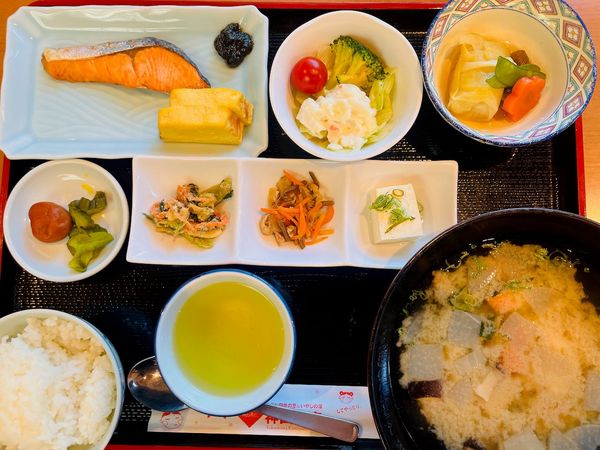
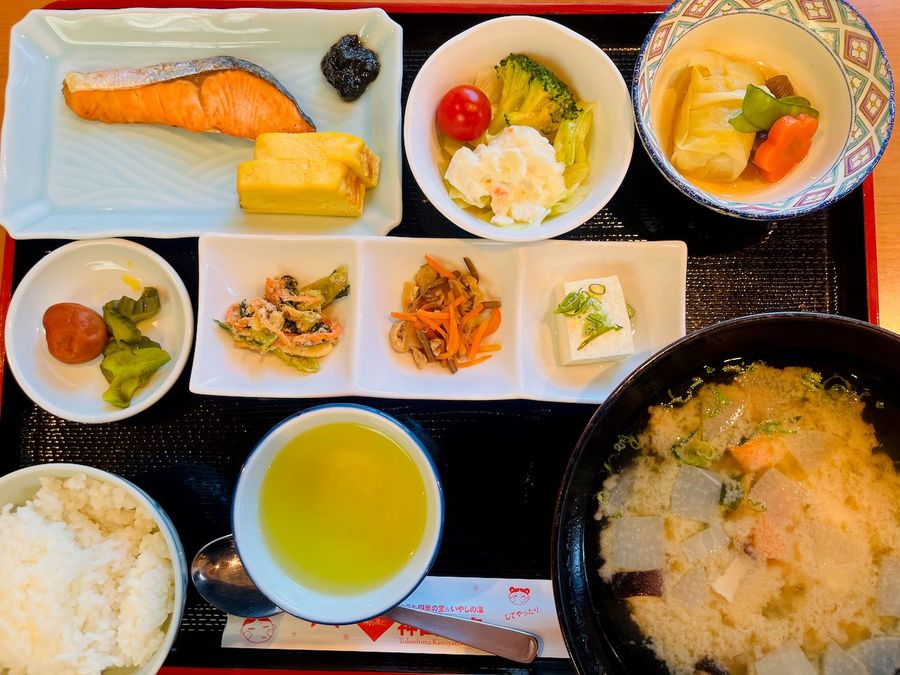
Meals reflect the character of the accommodations themselves. Most nights, dinner is a home-cooked affair using local ingredients. At larger ryokans, this may be a multi-course kaiseki spread or buffet, while more remote stays are accompanied by a carefully prepared bento box. Traditional Japanese breakfasts are served each morning.

More About This Trip

The walk starts in Tokushima City and finishes at Dogo Onsen in Matsuyama. The easiest option is to fly into Osaka, from where a highway limousine bus connects directly from Kansai Airport to Tokushima in around two hours and 40 minutes. Alternatively, trains run from Osaka to Tokushima in around three hours and 20 minutes on the fastest service. If flying into Tokyo, direct flights reach Matsuyama Airport in around one hour and 40 minutes, with an airport bus connecting to Dogo Onsen in around 40 minutes.

At the end of the walk, trains from Matsuyama connect to Osaka via Okayama in around five hours, with highway buses also available, taking around six hours. Matsuyama Airport also has direct flights back to Tokyo and Osaka for those preferring to fly. The Japan Transit Planner website is a useful tool for checking timetables and connections.

This walk is available from March to November, with spring and autumn the standout seasons. Cherry blossoms in April and the vivid autumn colours of October and November make for spectacular walking conditions, with mild temperatures and the island's landscapes at their most dramatic. Summer is warm and humid but perfectly walkable, and the mountain streams offer welcome swimming on warmer days. Winter walking is possible but cold temperatures and potential snow make it more demanding — though the quieter trails and the experience of soaking in an outdoor onsen on a cool winter night have their own very real appeal.

Japan has three major national holiday periods when domestic travel peaks and accommodation costs rise significantly — in some cases by 30% or more. We recommend avoiding these dates where possible:

New Year: 30 December to 4 January

Golden Week: 29 April to 5 May

Obon: 10 to 20 August

Speak to your destination consultant when planning your dates, and we can help you find the best time to go.

This walk is graded moderate to challenging, with daily distances averaging around 14km. The terrain is wonderfully varied, moving between ancient stone pavements, forest tracks, cedar-lined paths, rural countryside and the cobbled streets of preserved post towns, with some sections crossing mountain passes that involve sustained climbs and descents. Forest paths can be uneven and rough in places, so good walking shoes with solid grip are recommended. The route is well-marked in both English and Japanese throughout, and some short sections pass alongside roads. A moderate level of fitness and a training regime of two to three times per week is recommended in the lead-up to the walk. Comprehensive walk notes, maps and GPX tracks are provided for each day.

Travel insurance is required for all Stroll walking holidays, covering cancellation costs, loss of luggage and injury. For international trips, your policy must also include medical evacuation coverage. A cancellation fee applies if you cancel after your holiday has been confirmed. See the FAQ section for full details.

A detailed information pack and itinerary will be sent to you around six weeks before departure, covering everything you need to know for a seamless experience. In the meantime, our team is always on hand to answer any questions.

For your safety and well-being, we are unable to accept bookings for solo walkers on this itinerary. The remote nature of some tracks and limited mobile reception mean that walking alone presents a higher risk in case of emergencies.

Dates & Pricing

Choose Your Start Date

Pick any available date — this is your trip, your schedule

August 2026

Mon
Tue
Wed
Thu
Fri
Sat
Sun
Available
Limited
Unavailable

Prices shown are per person, twin/double share basis.

Notes

Available August onwards. For High Season Charges, see the More About This Trip section.

Shikoku reviews

Frequently Asked Questions

The Shikoku Pilgrimage — known in Japanese as the Shikoku Henro — is one of the world's great spiritual walks, a 1,200km circuit of 88 Buddhist temples on the island of Shikoku, traditionally associated with the monk Kobo Daishi. The Stroll itinerary covers a carefully selected shorter version of the route, taking in some of the best forest, mountain, and temple walking the pilgrimage has to offer over 6, 7, or 8 days.

The walk starts in Tokushima City. Osaka (Kansai International Airport) is the recommended gateway — from there, a Highway Limousine Bus takes you to Tokushima in around 2 hours 40 minutes, or you can travel by train. There's also the option of flying directly into Tokushima Airport from Tokyo with JAL or ANA (around 1hr 15min). Airport transfers are not included — transport details are provided in your pre-departure pack.

Your main luggage is transported between most accommodations while you walk, so you only carry a daypack on the trail. One important thing to be aware of: due to limitations of the local courier service, there will be some nights where your main luggage will not be with you. You'll need to pack a small overnight bag in your daypack on those days — Stroll will detail exactly which nights are affected when you book. The luggage allowance is one bag per person up to 20kg.

Remove your shoes at the entrance and change into the indoor slippers provided. Your room will include a yukata (cotton robe) — wear something underneath, fold the left side over the right, and tie the belt firmly. A loose yukata is considered disrespectful. Confirm dinner and breakfast times at check-in, as meals are served at set times. Your yukata is perfectly appropriate for wandering around the inn in the evenings.

Onsens are one of the quiet highlights of this walk, especially after a long day on steep mountain trails. You bathe completely naked — swimwear is not permitted. Before entering the communal bath, wash and rinse yourself thoroughly at the shower stations. Keep your towel out of the water. Onsens are separated by gender. If you have tattoos, many onsens in Japan restrict entry — speak with your accommodation host in advance as policies vary, and some properties can arrange stickers to cover small tattoos for a modest charge. Avoid busy times where possible and be considerate of other guests.

The Nokyocho is a pilgrim's stamp book — one of the most meaningful souvenirs you can carry on the Shikoku Henro. At each temple you visit, a monk will hand-stamp and calligraph your book for approximately ¥500 per temple. It's a living record of your pilgrimage and genuinely beautiful. Pilgrim attire — including the white vest (hakui), staff (kongozue), and Nokyocho — can all be purchased at Temple 1 at the start of the walk.

A shower-proof daypack with a waterproof liner is ideal. Key items include a waterproof jacket, warm layer, sun hat, sunscreen (SPF 30+), comfortable walking boots, 2–3 litres of water, lunch supplies, insect repellent, a first aid kit with personal medication, toilet paper, your phone, and cash. Walking poles are very useful on this walk — the trail includes steep hill sections and narrow mountain passes. In summer, wear long sleeves and pants due to leeches and pack bug spray. A folding umbrella and a bandana are worth adding year-round.

Facilities vary by section, but there are a few reliable spots along the way. Toilets are available at most train stations, convenience stores, and at every temple on the route. Water can be refilled at temples throughout the walk. A pilgrim rest area with drinks and snacks appears on some sections, and vending machines are common across Japan, including on remote stretches. Convenience stores in towns like Tokushima and Kamojima are good spots to stock up on lunch supplies for the day ahead.

Japan runs largely on cash. Most ATMs outside airports and convenience stores don't accept foreign cards, so withdraw sufficient Yen early — 7-Eleven and other convenience store ATMs are your most reliable option. Budget JPY 5,000–10,000 per day for lunches, non-included dinners, temple stamp fees, drinks, snacks, and transport. Local buses and smaller trains generally require cash — not all services accept IC cards. Let your bank know you're travelling to Japan before you leave.

No. Tipping is not customary in Japan and is generally not expected. Excellent service is simply the standard.

The Shikoku Pilgrimage passes through some of Japan's most sacred Buddhist and Shinto sites, so cultural respect is especially important here. Remove your shoes before entering temple buildings and traditional accommodations. Dress modestly at temples and shrines. Speak quietly in sacred spaces. On public transport, keep noise to a minimum and avoid eating or drinking. A slight bow when greeting people is always well received. It is illegal to bring over-the-counter medicines containing pseudoephedrine or codeine into Japan — check your medications carefully before you travel.

Traditional Japanese cuisine relies heavily on soy sauce, miso, and fish stock (dashi), all of which are present in most dishes and very difficult to remove. If you can tolerate these in trace amounts, your accommodation options increase significantly. Vegetarian meals can sometimes be arranged at Ryokans and Minshukus with advance notice, though fish and seafood feature prominently in the standard diet. Strict vegans and those with coeliac disease will find things more challenging on Shikoku. Dietary requirements must be declared at the time of booking and cannot be changed afterwards. Bring supplementary snacks if your requirements are complex.

Yes. Travel insurance is compulsory and must cover hiking, emergency evacuation in mountainous areas, and medical expenses. There are no reciprocal healthcare agreements between Japan and other countries — all medical treatment is charged at full cost. Carry your insurance certificate and your insurer's 24-hour emergency contact throughout the trip.

Want to Know More?

Call Us

The Shikoku Experience

Wonder
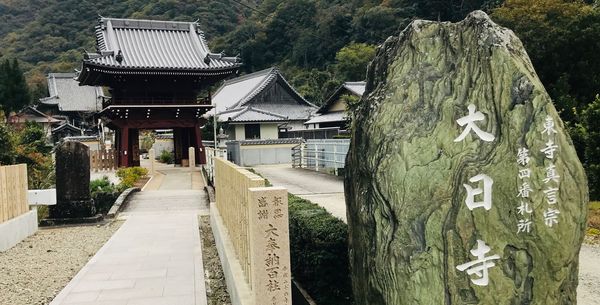
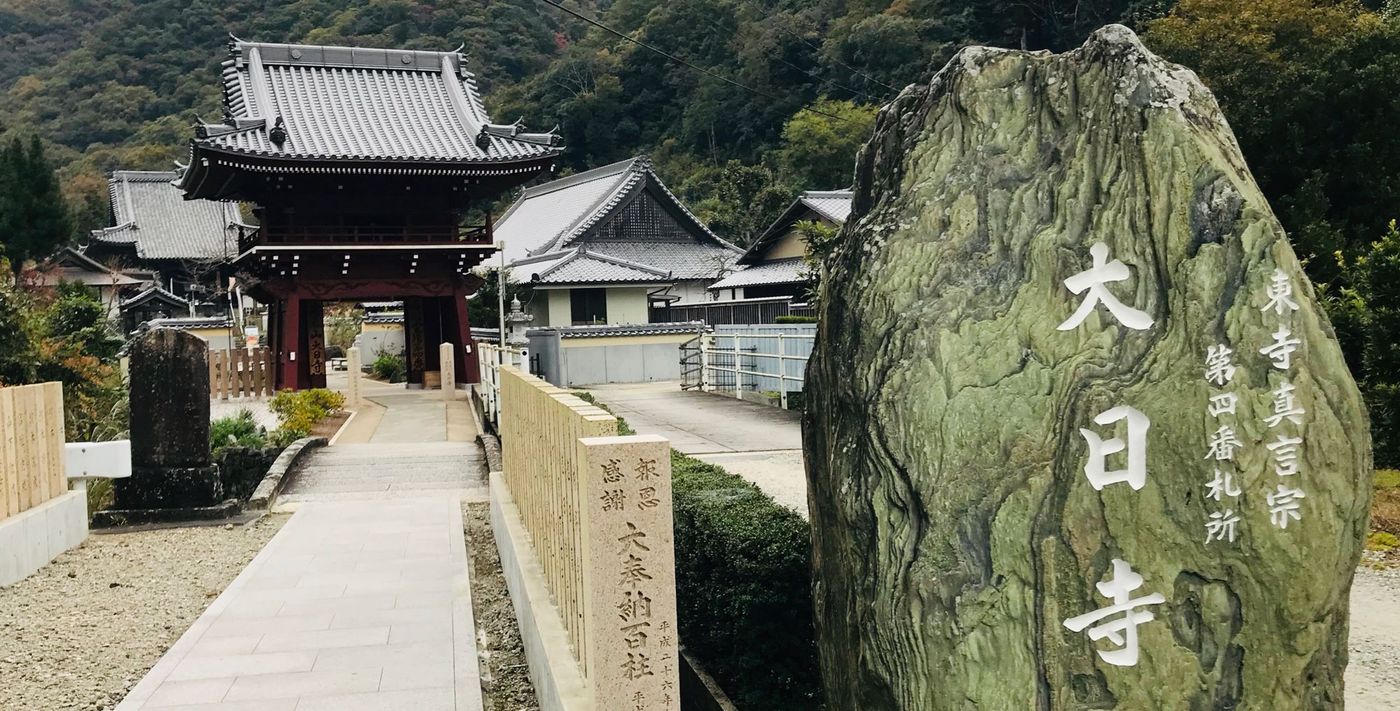
Trace the 1200-year-old Henro between Temple 44 Daihoji and rock-built Iwayaji
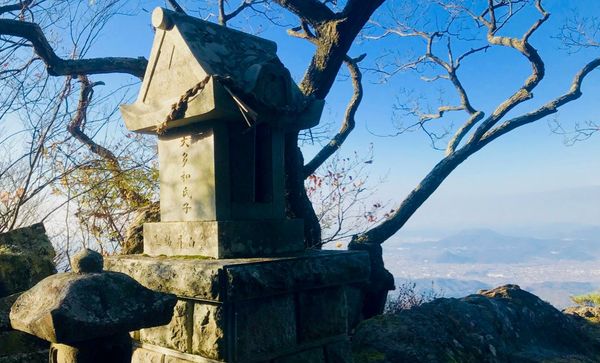
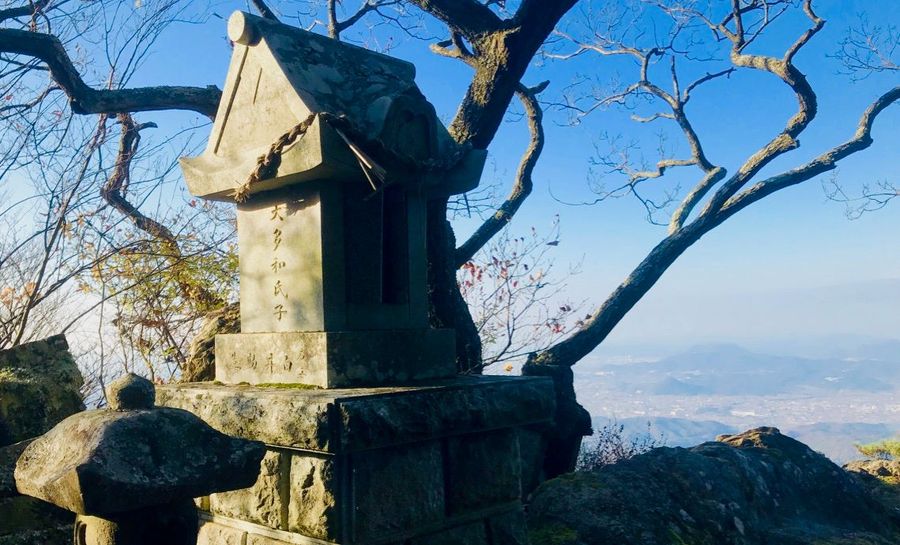
Climb through Kakurinji and Tairyuji to superb mountaintop views above Naka Valley
Explore Kotohira’s Konpira-san Shrine, Kinryo Sake Brewery and Dogo’s historic bathhouses
Wellness
Surrender to the stillness of ancient forest on a meditative pilgrimage that nourishes the mind, body and soul
Rest in ryokan and temple lodgings with communal baths including in Dogo Onsen’s ancient healing mineral waters
Join morning prayers, gardens and baths in a traditional shukubo stay and kaiseki dinners
Nature
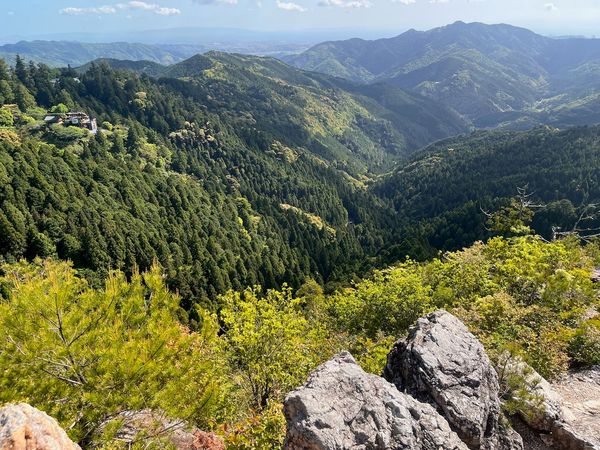
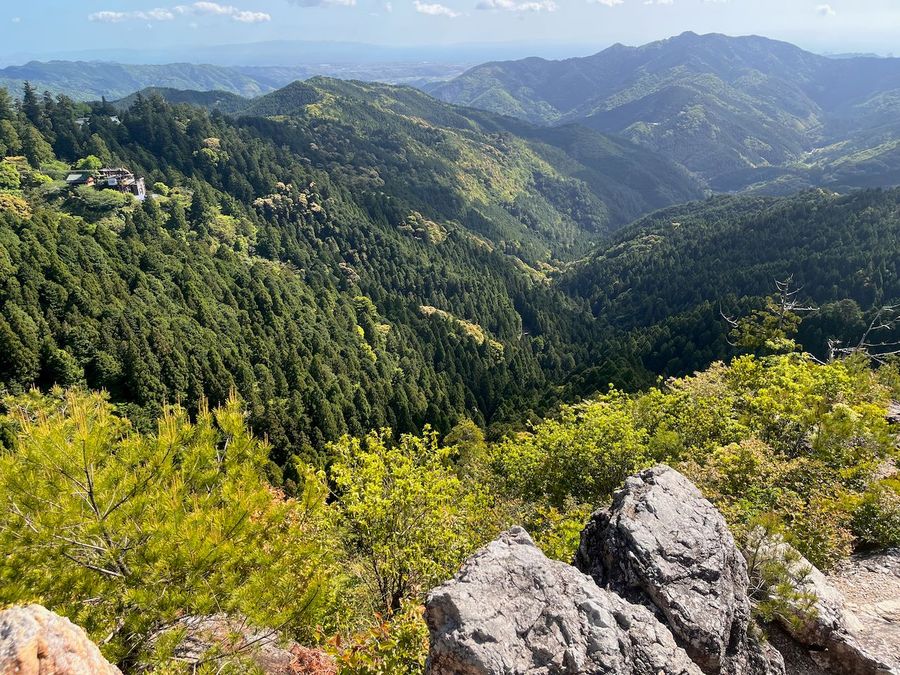
Follow forest and mountain trails through bamboo groves, rice paddies and hills
Walk beneath immense cedars and ginkgo trees in serene Yueda Valley
Cross Goshikidai Plateau for diverse plant life and far-reaching Shikoku views

From

£1,585/person