


-300x200.jpg)





-300x200.jpg)

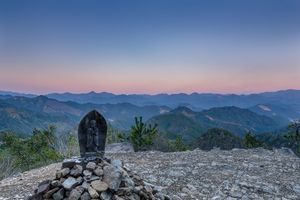
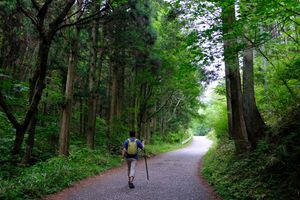
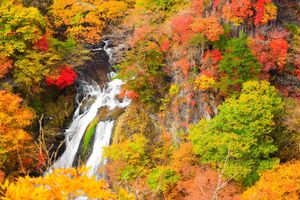
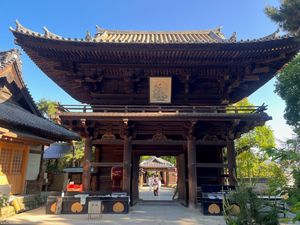


-300x200.jpg)

-300x200.jpg)

























-300x200.jpg)










Linda M
October 2025
Stroll definitely makes the logistics much easier in a foreign country and chose excellent accommodation each night. I would use them again for a self guided walk for sure.
Tips, tricks, and trail insights - everything you need to know about multi-day walks in Japan.
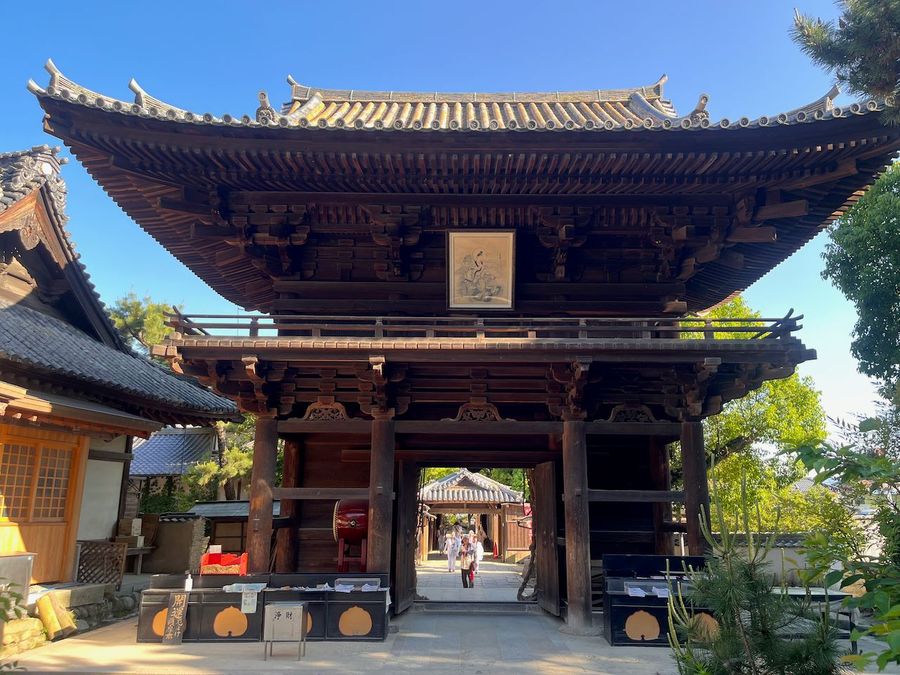
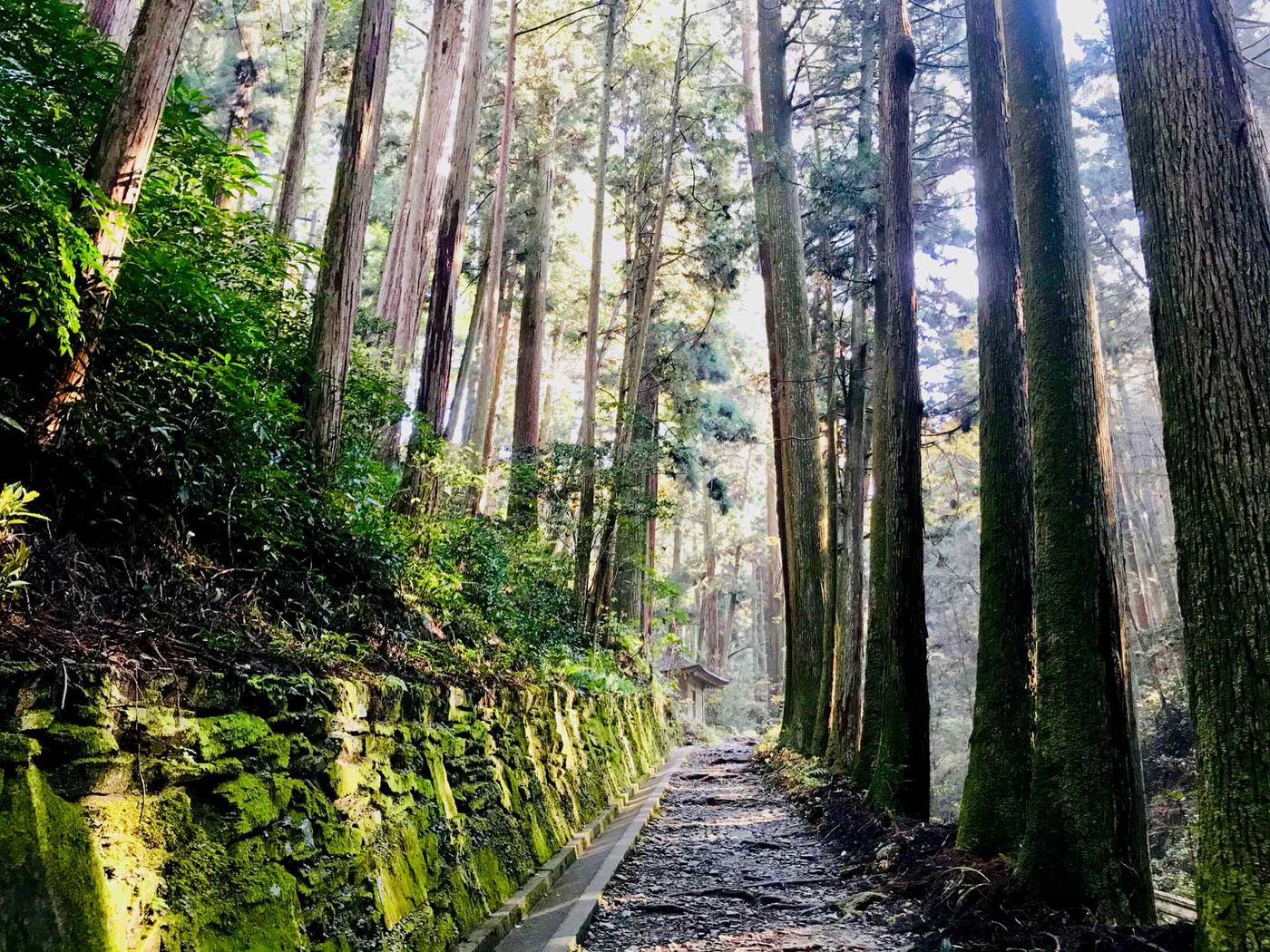
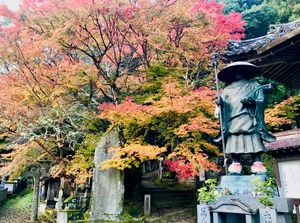
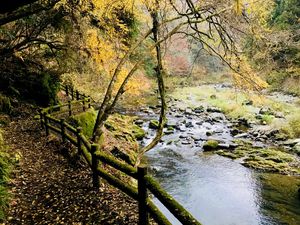
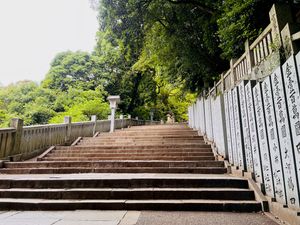
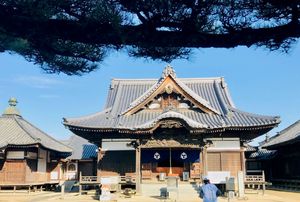
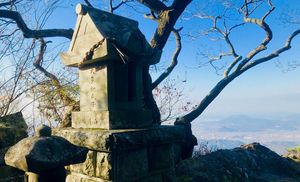
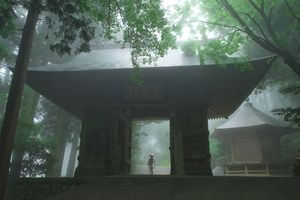
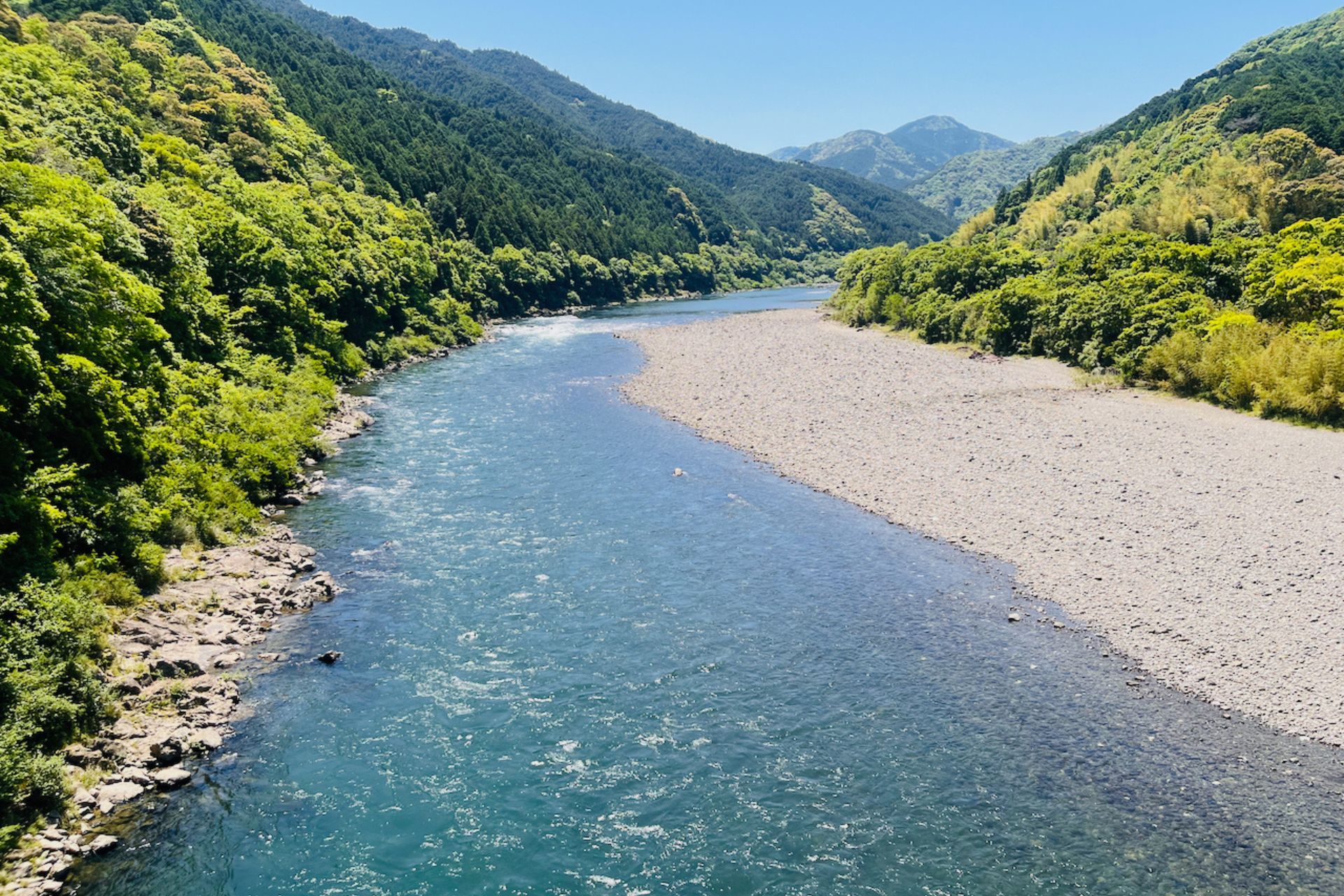
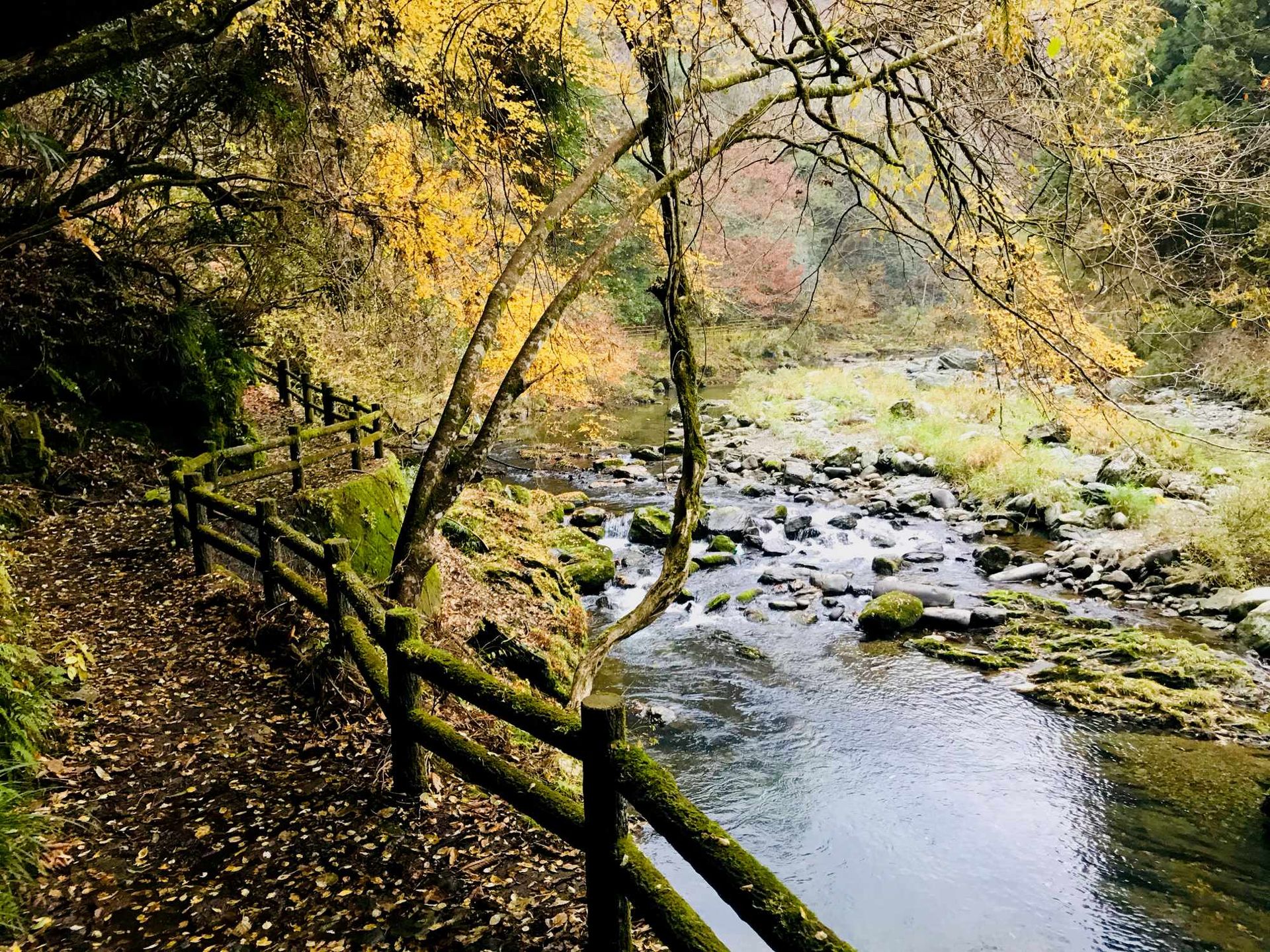
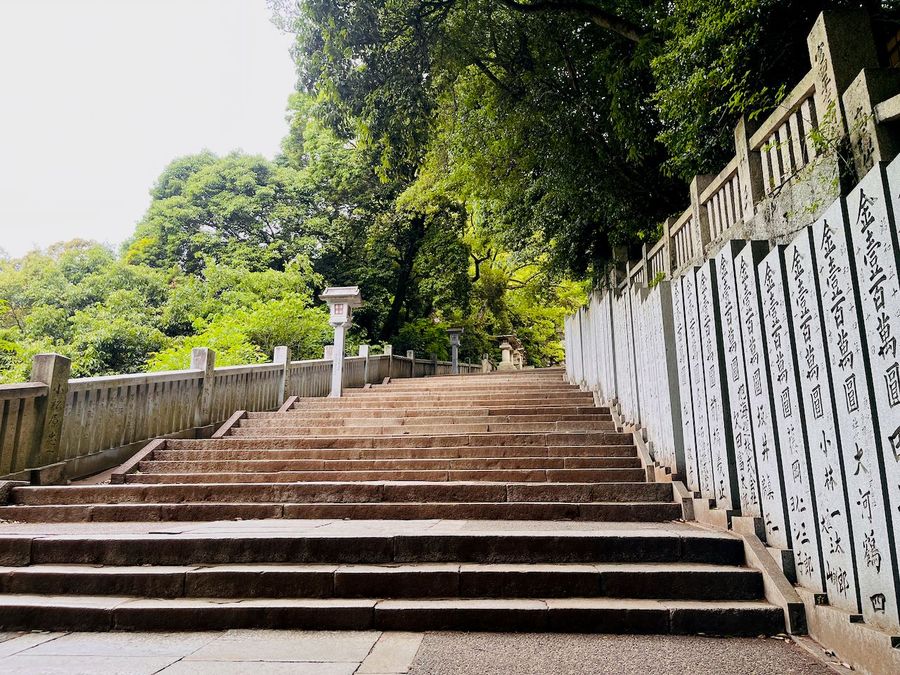
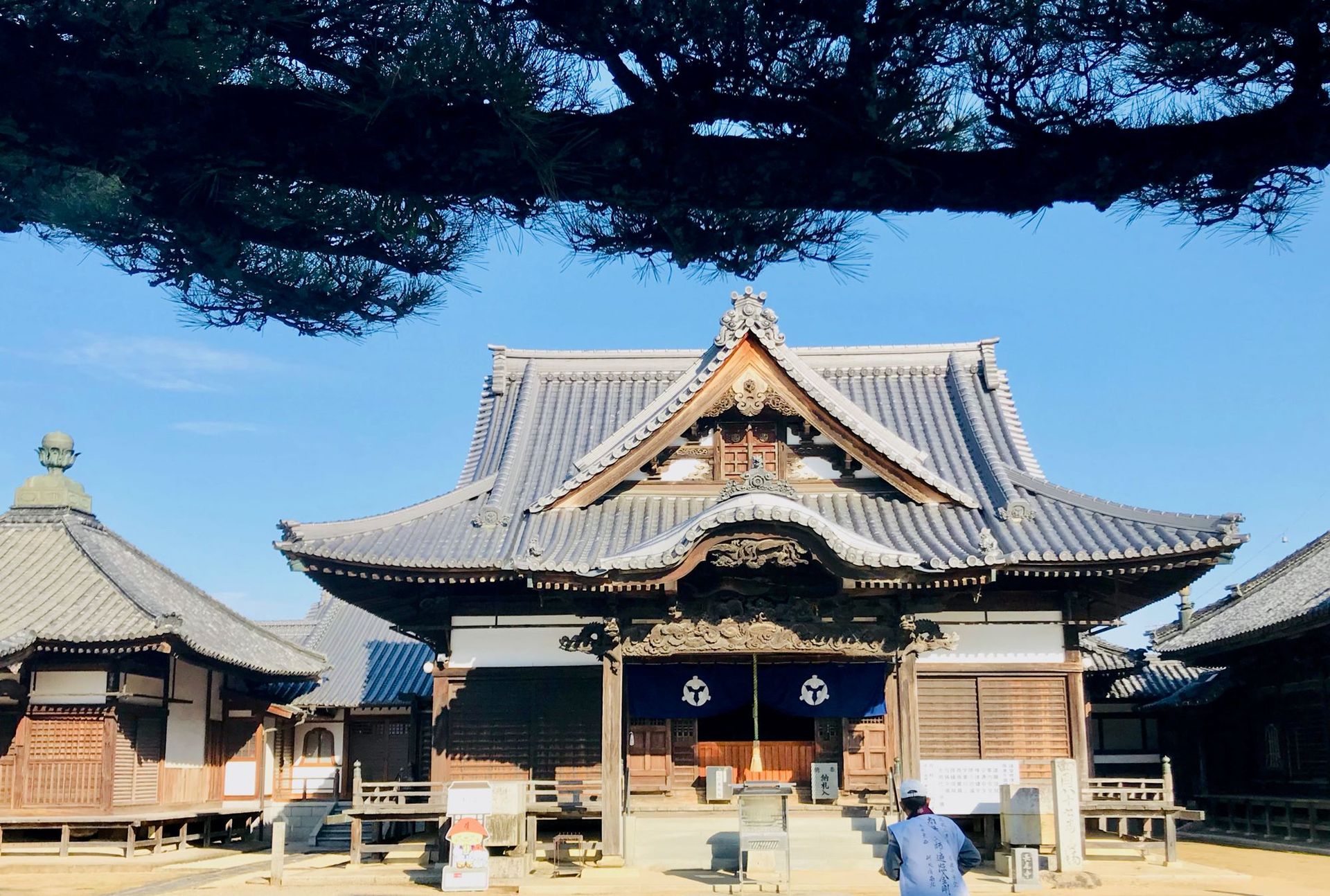
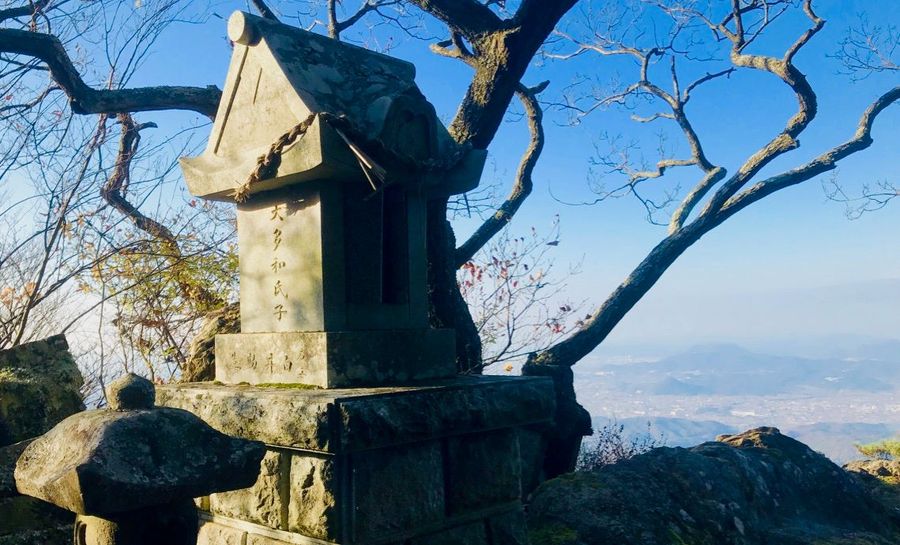
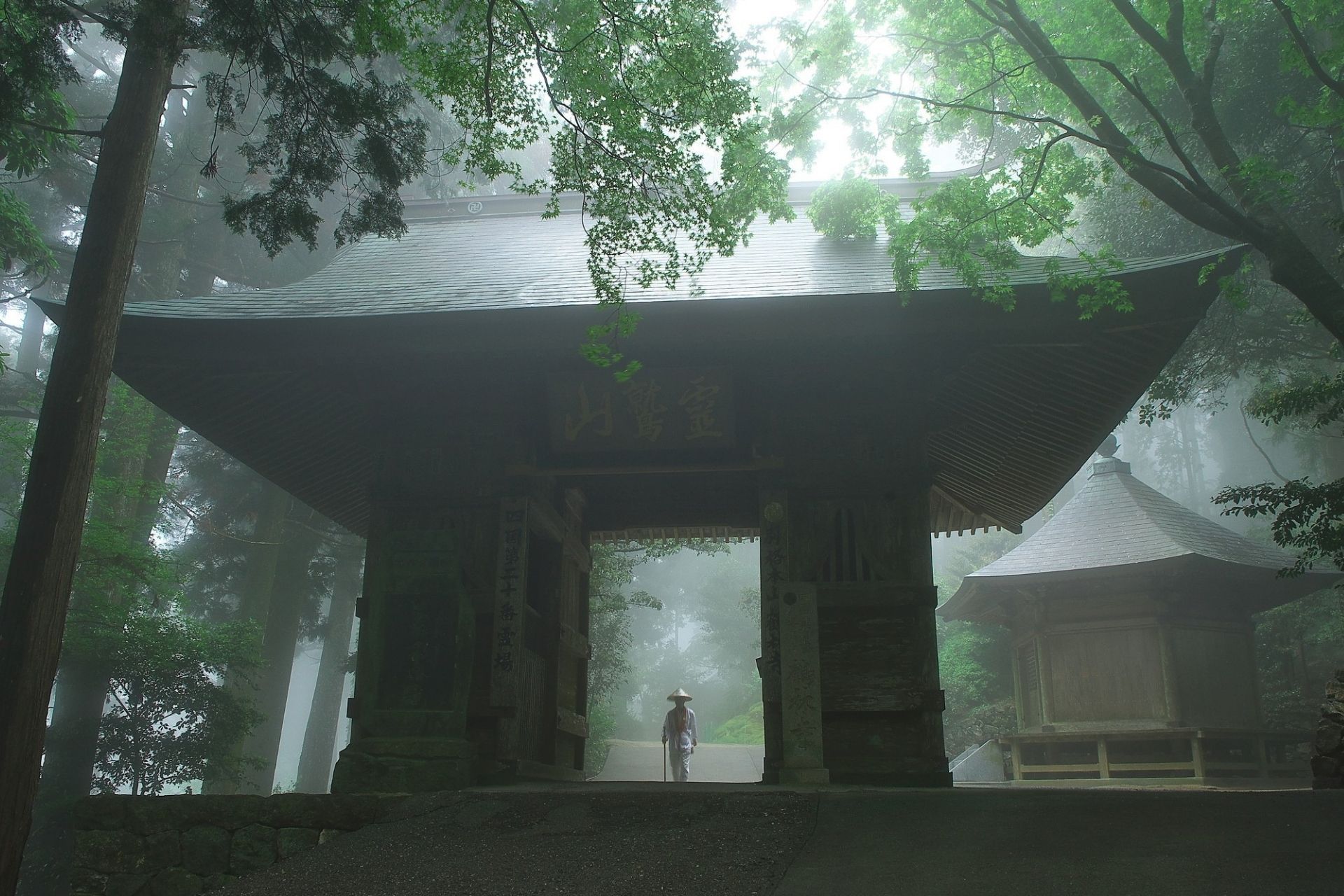
The Shikoku Pilgrimage was founded over 1,200 years ago by the renowned monk Kukai, and pilgrims have been walking in his footsteps ever since. The full circuit covers approximately 1,200 kilometres and can take anywhere from 30 to 60 days to complete, so our strolls focus on the most spectacular and rewarding sections. Misty forests open to centuries-old temple complexes, and mountain paths lead to views that have inspired people through the ages. Along the way, walkers are welcomed into the culture of the henro, the white-clad pilgrims who remain a familiar and deeply respected presence across the island. Nights are spent in traditional lodgings, with local cuisine and onsen baths rounding out each day.
A closer look at Shikoku
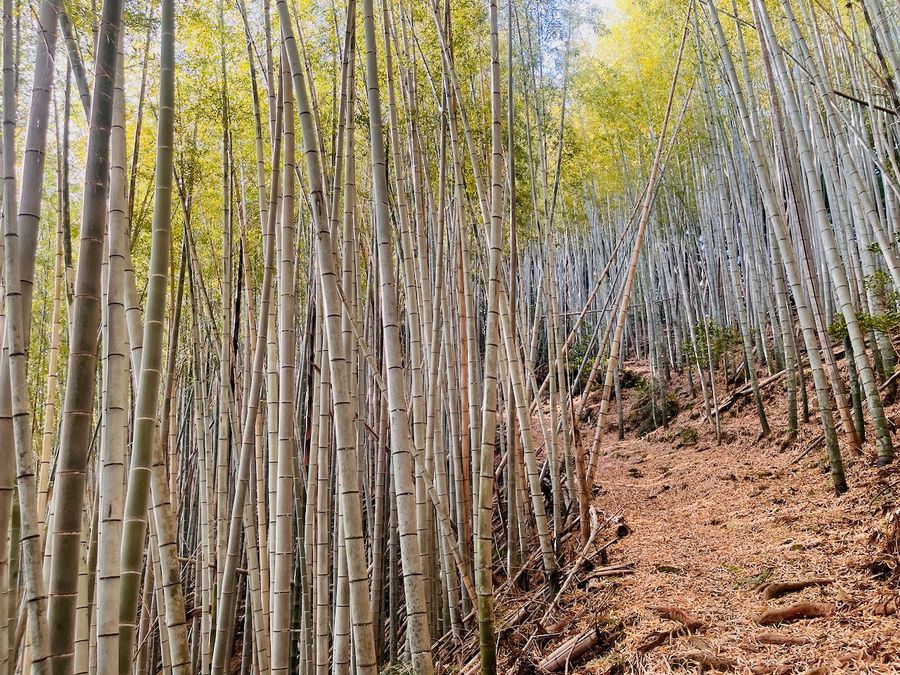
Stroll definitely makes the logistics much easier in a foreign country and chose excellent accommodation each night. I would use them again for a self guided walk for sure.
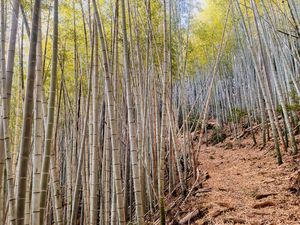
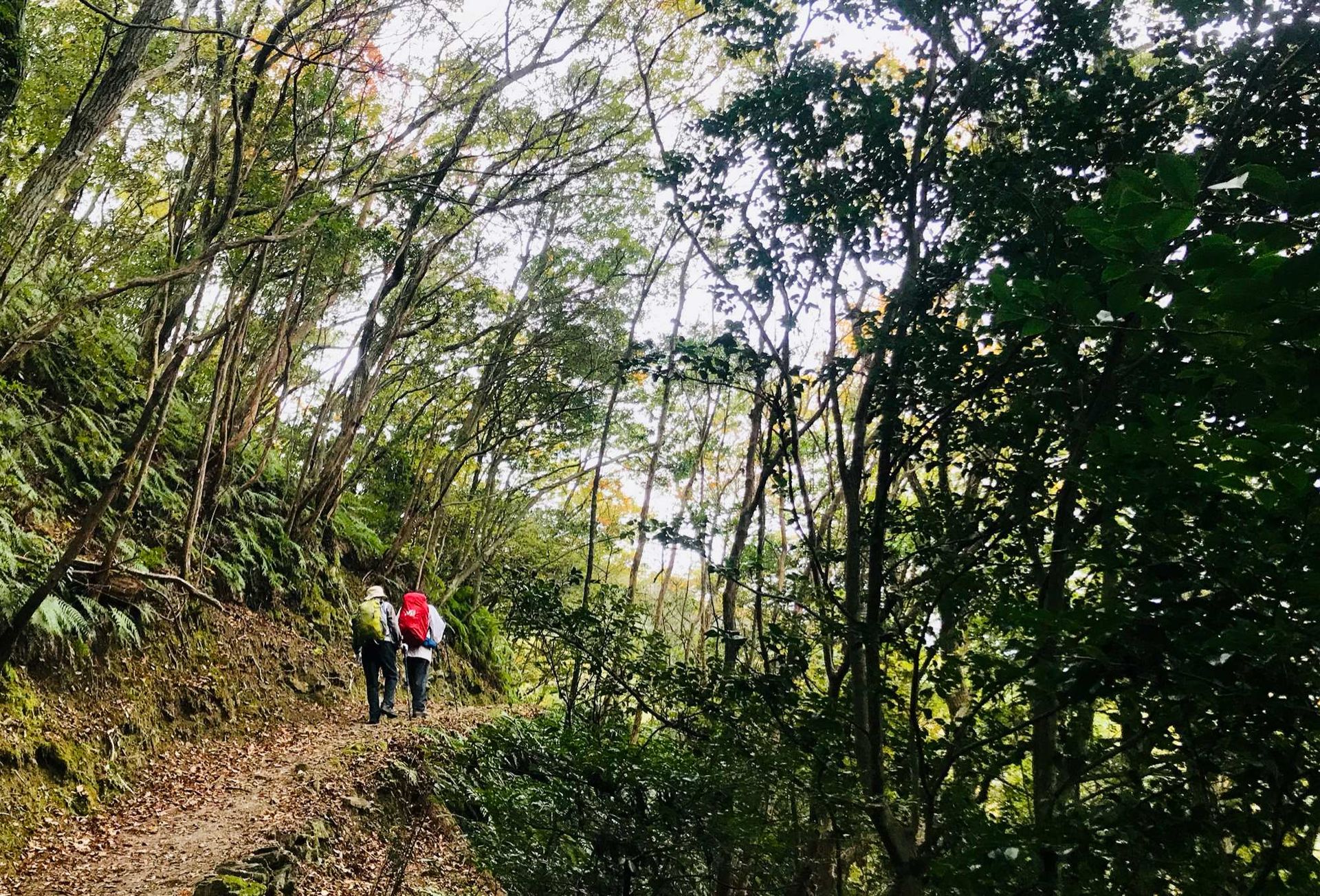
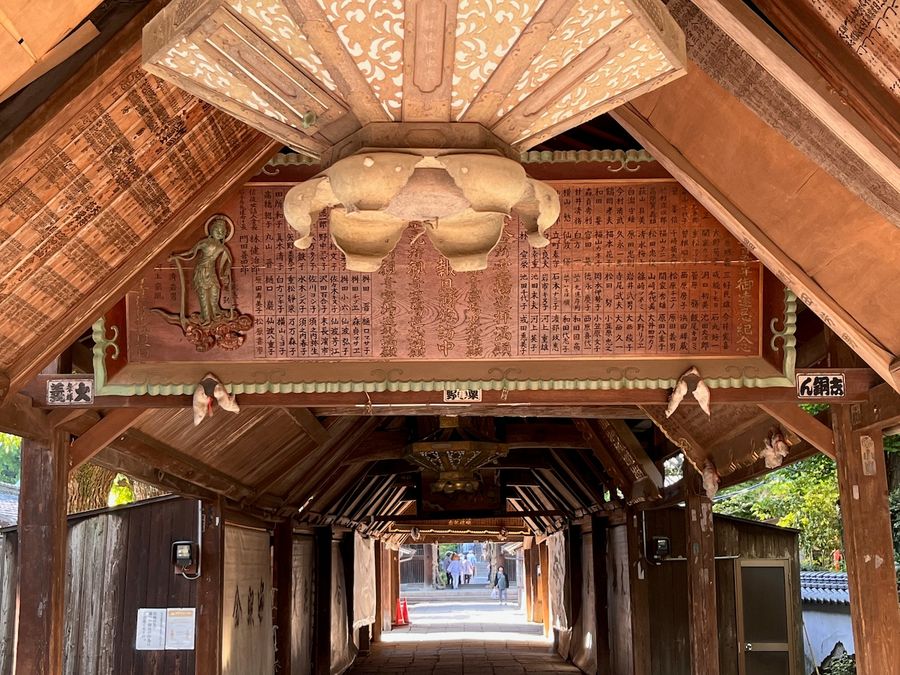
We loved the forest walking and visiting the temples. The notebooks are packed full of wonderful information that was easy to access. We loved the areas we walked we loved the accommodation and we loved your notes.
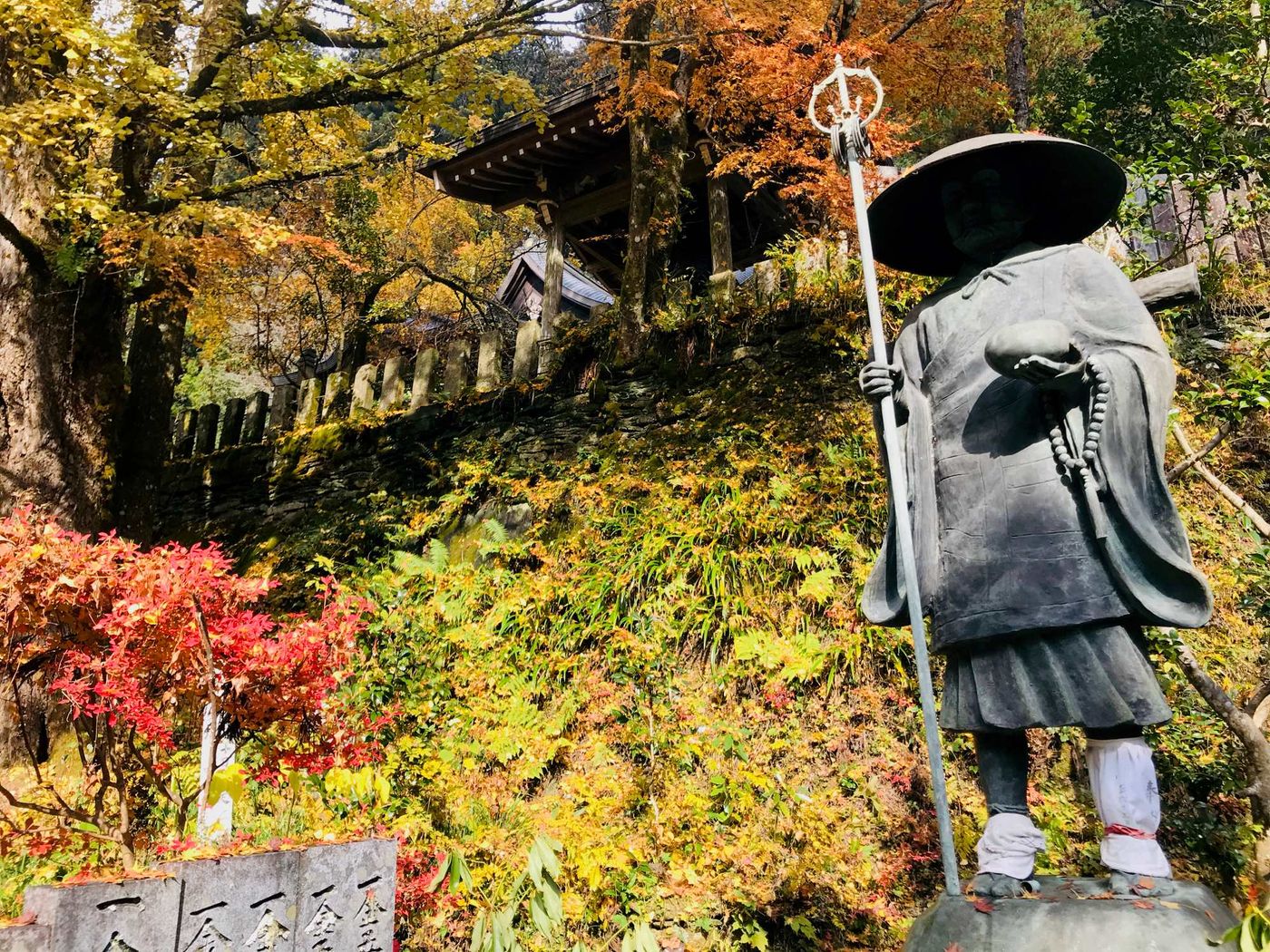
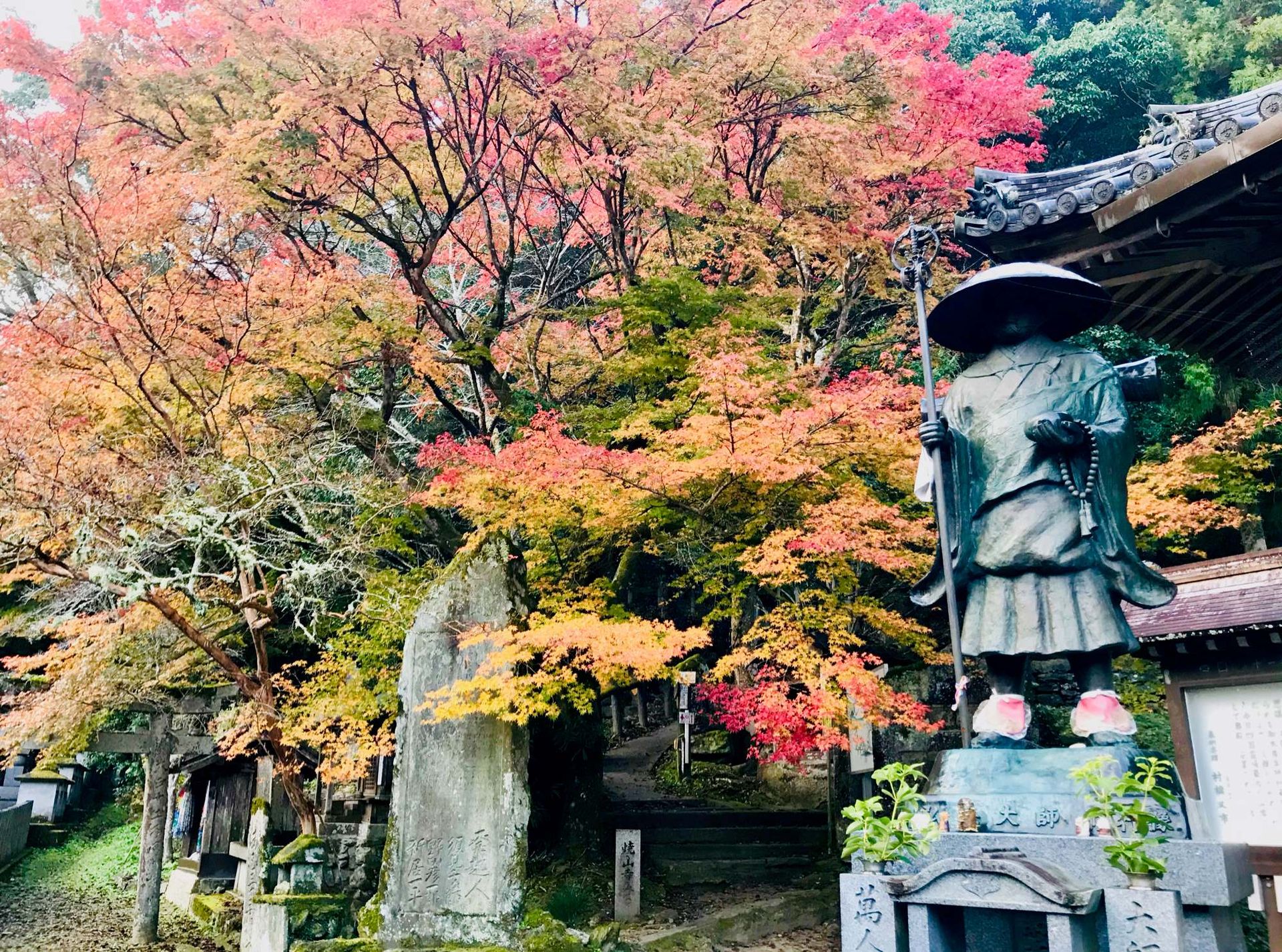
The Shikoku Pilgrimage origins are from the life and teachings of Kukai or Kobo Daishi, a revered Buddhist monk who founded the Shingon sect of Buddhism in Japan during the early Heian period (794-1185 CE).
From a very young age, Kukai exhibited profound spiritual aptitude and travelled to China to study Buddhism. When he returned to Japan, he dedicated himself to spreading Buddhist teachings and establishing monasteries.
Legend has it that Kobo Daishi undertook this pilgrimage and visited 88 sacred sites on Shikoku. This was believed to be symbolic of the Buddhist path to enlightenment. He revitalised many of the temples along the pilgrimage route, imbuing them with spiritual significance.
The Shikoku Pilgrimage trail has four main routes, each corresponding to a cardinal direction north, west, south and east, and representing a different aspect of spiritual awakening:
Pilgrims can walk, cycle, or drive the pilgrimage route, but walking is the most traditional and spiritually enriching way to go.
Central to the Shikoku Pilgrimage are the rituals and practices observed at each temple. Upon arrival, pilgrims typically perform the following rituals:
These rituals are not merely formalities but are believed to deepen spiritual engagement with Buddhist teachings and the pilgrimage experience itself.
Japanese dining is almost as magnificent an adventure as climbing Mount Fuji. And when you’re walking the Shikoku Pilgrimage, your hosts in the various Ryokan you stay in will present you with a wonderful array of tiny dishes for breakfast and dinner.
Seafood
Sushi and sashimi, of course, are staples in Japan, and when you’re on the coast – in Tanabe – the variety of dishes available is incredible.
The Kuroshio current flows across the Kii Peninsula, acting like the Gulf Stream, bringing warm waters to sustain the coral reefs and a wide variety of seafood endemic to the region.
Scabbardfish sashimi is a meaty delicacy that washes down well with a beer, sake, or a healthy green tea. Grilled squid, prawn dim sum, mackerel nigiri rolls, octopus tempura, yellowtail tuna, scallops – the list goes on.
Mountain Food
As you move further into the mountains, local plants and animals make their way onto the menu. Mushrooms, in particular, have a special place in Japanese cooking, and many come with amazing health benefits too.
Shiitake, eryngii, enoki, maitake, matsutake – again, the list goes on, as do the dishes they’re in. Shiitake mushrooms are probably the most well-known, and with a meaty, smoky flavour, you’ll often find them in soups and stir-fries. They’re also anti-viral, stimulate immunity, lower your cholesterol and help promote cancer resistance. So when you’re served a plate of them – eat up!
You might find eggplant presented in a tasty broth with umami miso sauce, delicately sliced beef with a sesame dressing, Japanese curry with croutons, and if you’re lucky and brave enough - you might have the chance to eat Hachinoko or ‘bee children’.
Served with a siding of rice, Hachinoko is the cooked larvae of the Japanese Giant Hornet, and is said to have a rich earthy taste.
A culinary adventure indeed.
Kaiseki ryori haute-cuisine
Although your meals in a Ryokan will be vast, varied and, most importantly – delicious, they’ll also follow a well-established routine.
Kaiseki ryori is traditional Japanese haute cuisine, and although chefs can vary the courses to highlight regional specialities, they’ll generally appear in the following order, with the mains representing a particular cooking method.
Typical Starters
Shokuzen-shu
Your meal begins with a sweet wine or a locally brewed alcohol of some kind.
Appetizers
A variety of carefully prepared, and beautifully presented appetisers will begin to give you a taste of the region.
Common Main Courses
Suimono - Soup
Your soup dish is often a clear miso broth with simple vegetables, mushrooms, tofu or seafood.
Otsukuri - Sashimi
The Japanese staple of fresh, thinly sliced raw seafood. Generally delivered with soy sauce and wasabi and served on a bed of daikon – Japanese radish.
Nimono - Boiled Dish
Seafood or meat is either simmered, boiled, or stewed along with some vegetables in a sweetened soy sauce and cooking sake broth.
Yakimono - Grilled Dish
The local speciality will generally be grilled and served for this dish. Be it seafood of some kind, Wagyu, or Kobe beef, for example.
Agemono - Deep Fried Dish
Your Agemono is often tempura, consisting of locally grown or foraged produce, served with a light soy dipping sauce.
Mushimono - Steamed Dish
This dish may come in a little teacup, with a little lid, and a little spoon to eat it with. If it’s Chawanmushi, however, it certainly doesn’t come with a little flavour – the savoury custard with seafood, fish stock, chicken, mushrooms and ginkgo nuts is packed with flavour, and utterly wonderful.
Sunomono - Vinegared Dish
This is often fish, or octopus swimming in a vinaigrette dressing with a sprinkling of vegetables, although it could be anything really, so long as it tastes good in vinegar.
Shokuji
After your mains, there’s another set of courses before your dessert. Are you still hungry? Full up already?
Rice
It’s incredible how even a plain bowl of rice in Japan can be as delicious as it is.
Some chefs experiment and add some local flavour; others keep it old school, fluffy, and unbelievably good.
Miso Soup
Another Japanese staple that tastes so much better in Japan than it does anywhere else. Miso paste and vegetables in a clear, tasty broth. Yum yum.
Tsukemono - Pickles
Rounding off this course is an array of pickled vegetables such as cabbage, plum and daikon.
Ryokan
These traditional Japanese Inns come in various styles and prices to suit all budgets.
They’re probably the most well-known places to stay on the Kumano Kodo and certainly offer the most immersive experience – with almost all centred around a communal bath or hot spring.
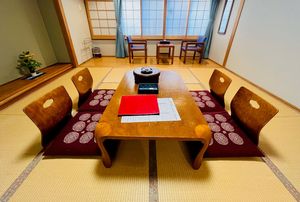
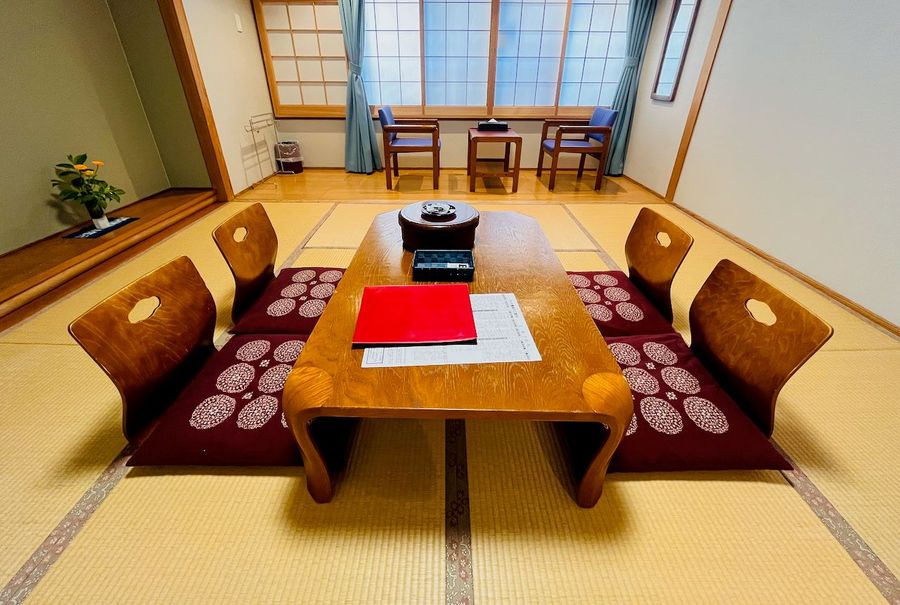
Rooms have traditional tatami mats, shoji sliding doors and futons, although some higher-end Ryokans will have beds.
One of the highlights, however, are the dinners and breakfasts that come as part of the deal. Kaiseki ryori is a traditional Japanese multi-course haute cuisine, which you’ll enjoy served in a communal dining area before retiring to the bathing area to relax.
Shukubo
Shubuko are Buddhist temples that open their doors to paying guests. Your room may be similar to that in a Ryokan, with futons and shoji sliding doors. However, you’ll gain access to the temple’s cultural treasures too.
Enjoy the gardens and the baths, and join in the morning prayers if you like.
Dinners and breakfast will also be served in Buddhist Shojinryori and vegetarian cuisine.
If it’s your first time in Japan, a night in a Shukubo is not to be missed.
Kokuminshukusha
Some of these ‘people’s lodges’ are privately run, and some are government-owned. Once again, they lean toward the traditional in their style, and delicious food will generally be on offer.
You’re best to fly into Osaka if you’re Shikoku bound. It’s the closest big city, with regular flights from all over the world and direct flights from most of Australia’s population centres.
Getting to Tokushima from Osaka or Tokyo
HOW TO GET THERE AND AWAY
Travelling to the Start of the walk
This walk starts on Shikoku Island in TOKUSHIMA CITY.
You will need to get yourself to and from the start and end of your walk (i.e. you will need to organise your travel to the start of the walk in Tokushima City and onwards from your last accommodation). To make it easy we have collated some useful information that will assist you in making arrangements for your travel.
By Air: By far, the best option is to fly into Osaka. From there see options below for getting to Tokushima from both Osaka and Tokyo. If you do fly into Tokyo you can catch a flight with either JAL or ANA directly to Tokushima Airport. The flight time is 1hr 15mins.
By Train: If you are travelling from Osaka to Tokushima you will need to go via Shin-Osaka and Okayama. The fastest travel time is 3hr 20min (only if you catch the rapid train from Okayama to Tokushima). The rapid train only departs twice a day at 11.05am and 7.05pm. If you don’t connect with the rapid train the travel time is approximately 4hr 49min to 5 hr.
By Train & Bus: If you are travelling from Osaka to Tokushima by train and bus you will catch the train to Maiko and a bus to Tokushima. Travel time is 2hr 30 min. If you are travelling from Tokyo to Tokushima you can catch a train to Shin-Osaka and onto Maiko. From Maiko you will catch a bus to Tokushima. Travel time is 5hr 20min. Alternatively there is a train from Tokyo to Shin-Kobe and then a bus to Tokushima. Travel time is 5hr 20min.
Highway Limousine Bus: If you fly into KIX Osaka International Airport you can catch the Kansai Airport Limousine bus directly from the airport to Tokushima. Travel time is 2hr 40min.
The train station at Osaka is right there at the airport, and there are English speaking staff at the ticket office. You might consider spending some time in Osaka. Osaka is a very interesting city and has many beautiful temples and of course Osaka Castle. In spring it is particularly beautiful. It also has a sophisticated restaurant culture and markets that seem to go on for kilometres, literally.
Japan has one of the best train systems in the world, so it’s very easy to catch a train to any destination in the country. An express train is the fastest way to travel to the area. Travelling in Japan on trains is a seamless experience, and it is not necessary to always pre-purchase tickets. There’s plenty of Rail staff that speak English well enough to direct you the right way and to converse with you about how to buy your ticket. We can provide more information if you wish, so please ask one of our destination consultants.
Japan Transit Planner is a great website resource to figure out when and where your train departs. It might be best to buy your train ticket on the JR train network when you first arrive in Japan so you can relax. However, the trains run often and are so efficient that you shouldn’t have any trouble just arriving 20 minutes beforehand and buying a ticket. JR passes can be a convenient and reasonable way to get around the area.
Travelling from the end of the walk
By rail: It makes sense to catch the train back to Osaka (or Tokyo) from here. See above for information regarding train or bus connections.
By Air: See above
Getting around the region
The villages and towns are serviced by public buses, and although they’re limited, it’s easy enough to make your way around with a bit of planning. In the larger towns rental bicycles are an excellent way to move between the sights, as the distances are pretty short.
How to ride a local bus
Easy when you know how…
1. Enter through the rear door and take a ticket.
2. Push the button when you want to get off.
3. Match the ticket number to the electronic fare chart at the front.
4. Put the exact money on the fare box at the front.
5. Exit through the front door.
Transport Passes
JR-West, Kansai WIDE Area Pass
The Kansai WIDE Area Pass allows you to travel on the "Sanyo Shinkansen" bullet train and the express and local trains on the JR West railway network. It costs roughly AUD 92 and lasts for four days.
From late March, temperatures rise, making it an ideal time for walking and if you are a flower lover the cherry blossom season is in swing. Summer in Japan is warm and humid but still suitable for the trail, with more chances to cool off in streams. Autumn is also excellent for walking, with pleasant weather and with the change of colour of the foliage quite spectacular.
Overall, spring and autumn are the best times for walking, offering the most comfortable conditions.
Check local weather information for average conditions throughout the year.
If you’ve never been to Japan before, you’ll find almost everything is totally different from what you’re used to. Which, of course, is part of the fun. Here are a few practicalities to help you get started.
Manners & Customs
Life in Japan is governed by a large array of manners and customs that may seem odd to outsiders, yet it’s worthwhile trying to learn a few. Not only will it prevent you from being rude, but the locals will also appreciate your efforts.
Take off your shoes
Many places require you to take off your shoes before entering.
If the floor is raised, and you see a pile of shoes, please do the same.
Do no point
It's considered extremely rude, and you should try to use open-handed gestures instead.
Don’t eat and walk
Sit down instead, or you’re considered a sloppy eater.
Don’t blow your nose
At least not in public, anyway. Many will go to the toilet to do this.
Slurping is good!
Slurping noodles show that you’re enjoying your meal!
Don’t tip
It’s not expected and can even be considered rude.
Don’t play with your chopsticks
Just eat with them, that’s all.
Take your backpack off
When you’re on a train.
Language
A few words in Japanese can go a long way:
- Hello: Kon'nichiwa
- Thank you: Arigato
- Thank you very much: Domo Arigato
- Cheers!: Kanpai
- Bathroom: Basurumu
- How much?: Ikura
- Delicious: Oishi
Money
There are some ATMs on this walk but please don't rely on them. Credit cards can’t be counted on, so make sure you take plenty of cash with you.
Bathing
Be aware that in most hot springs and communal baths, you’re expected to be naked. The etiquette is to take your clothes off in a changing room, rinse off first of all, then soak in the bath and enjoy.
Yukata
Staying in a Ryokan, you may end up wearing a Yukata, traditional cotton gowns that are also used as pyjamas. Make sure you wear something underneath, fold the left side over the right, secure your belt and you’re good to go. A loose Yakuta is also considered a little rude.
Plugs
You’ll need to take an adaptor plug for your devices. The voltage is 100 Volt, and the plugs have two pins identical to the plugs used in North America.
We can create a custom trip tailored to your preferences.
As Featured In