




Stroll
Nikko

Nikko

Nikko

A walk through one of Japan's most sacred mountain landscapes, where lavishly decorated UNESCO-listed shrines sit alongside thundering waterfalls, ancient cedar forests and the serene shores of Lake Chuzenji.

View 1 stroll

Tips, tricks, and trail insights - everything you need to know about multi-day walks in Nikko.

Nikko badge

30+ Years Experience

Three decades of crafting memorable walks worldwide

Pack-Free Walking

Your luggage travels ahead while you walk light

24/7 Support

We're always just a phone call away

Eco Travel

Tread lightly through the places you love

As Featured In

The TelegraphCNN TravelLonely PlanetTripAdvisorFodor'sFrommer'sNational GeographicThe New York TimesResponsible Travel

Overview

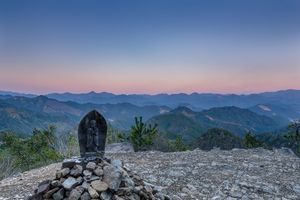
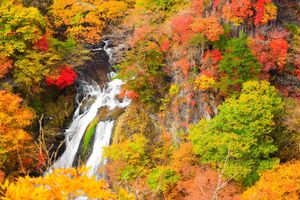
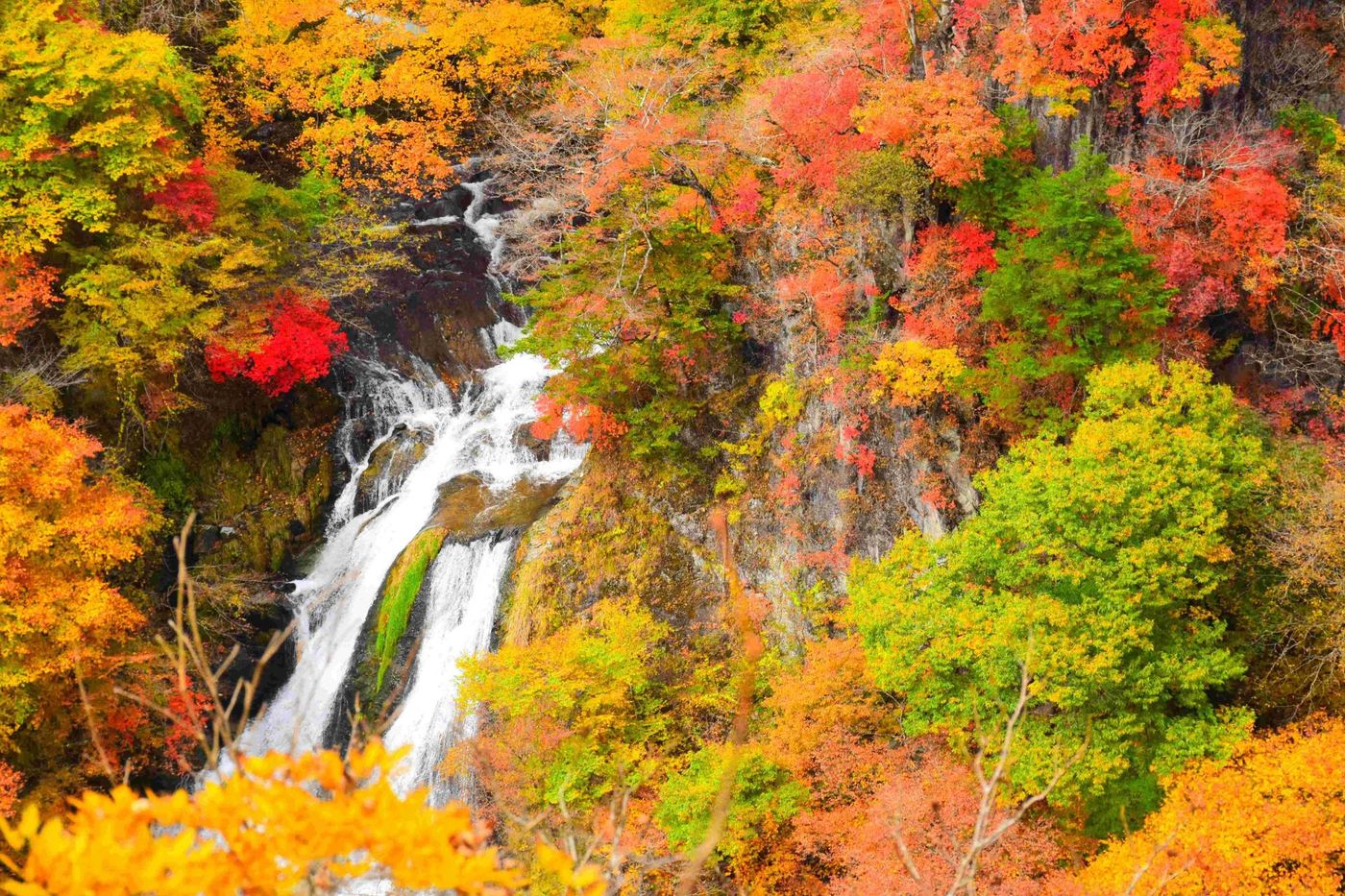
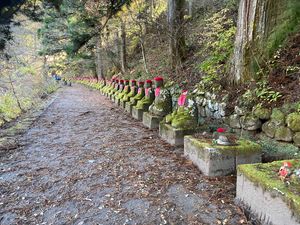
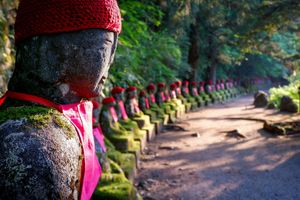
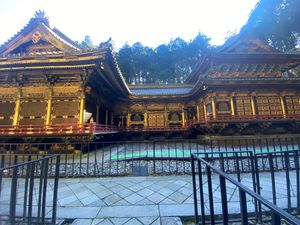
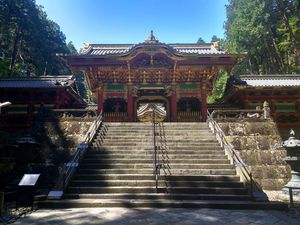
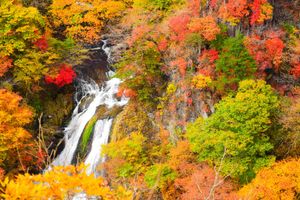
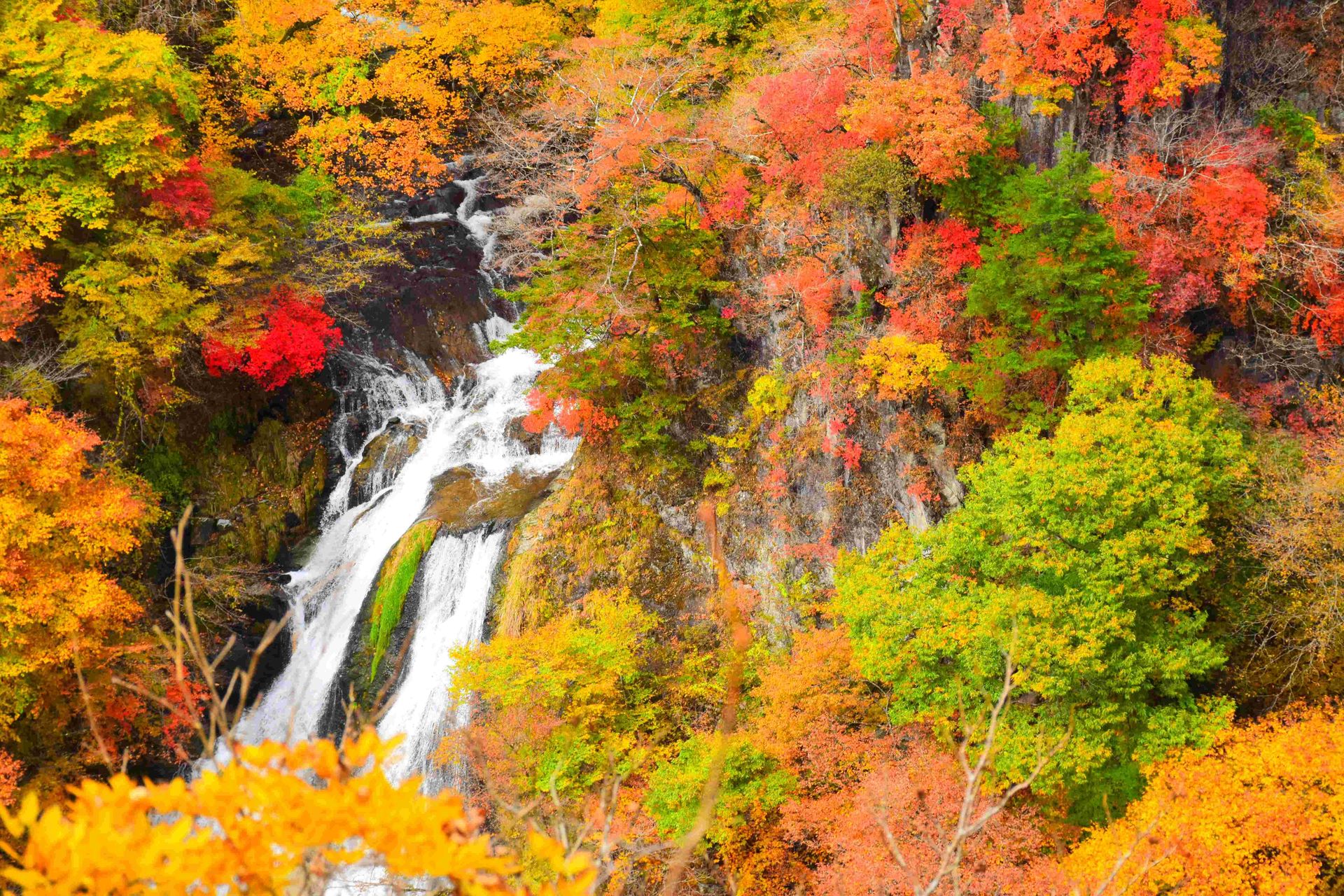
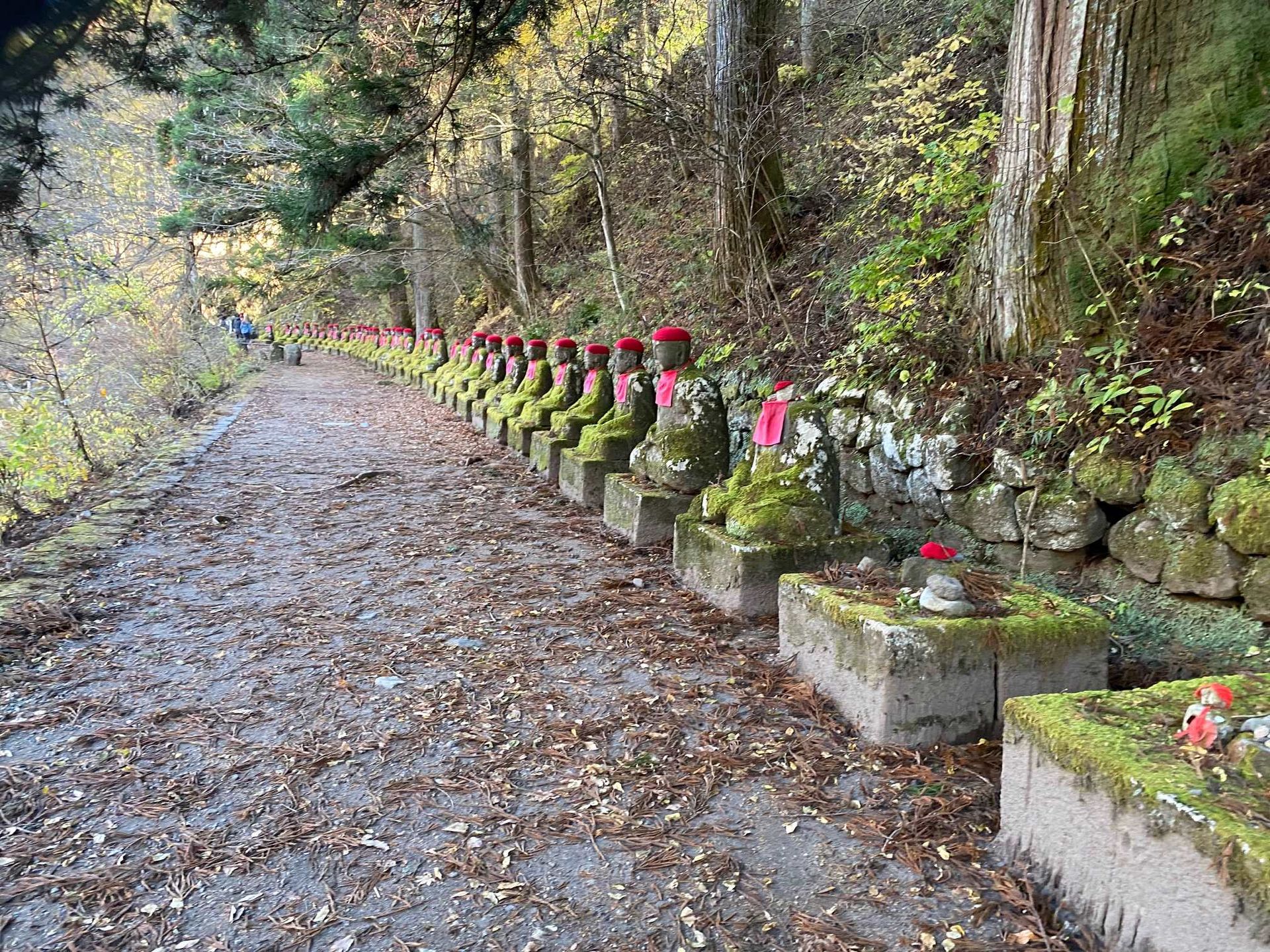
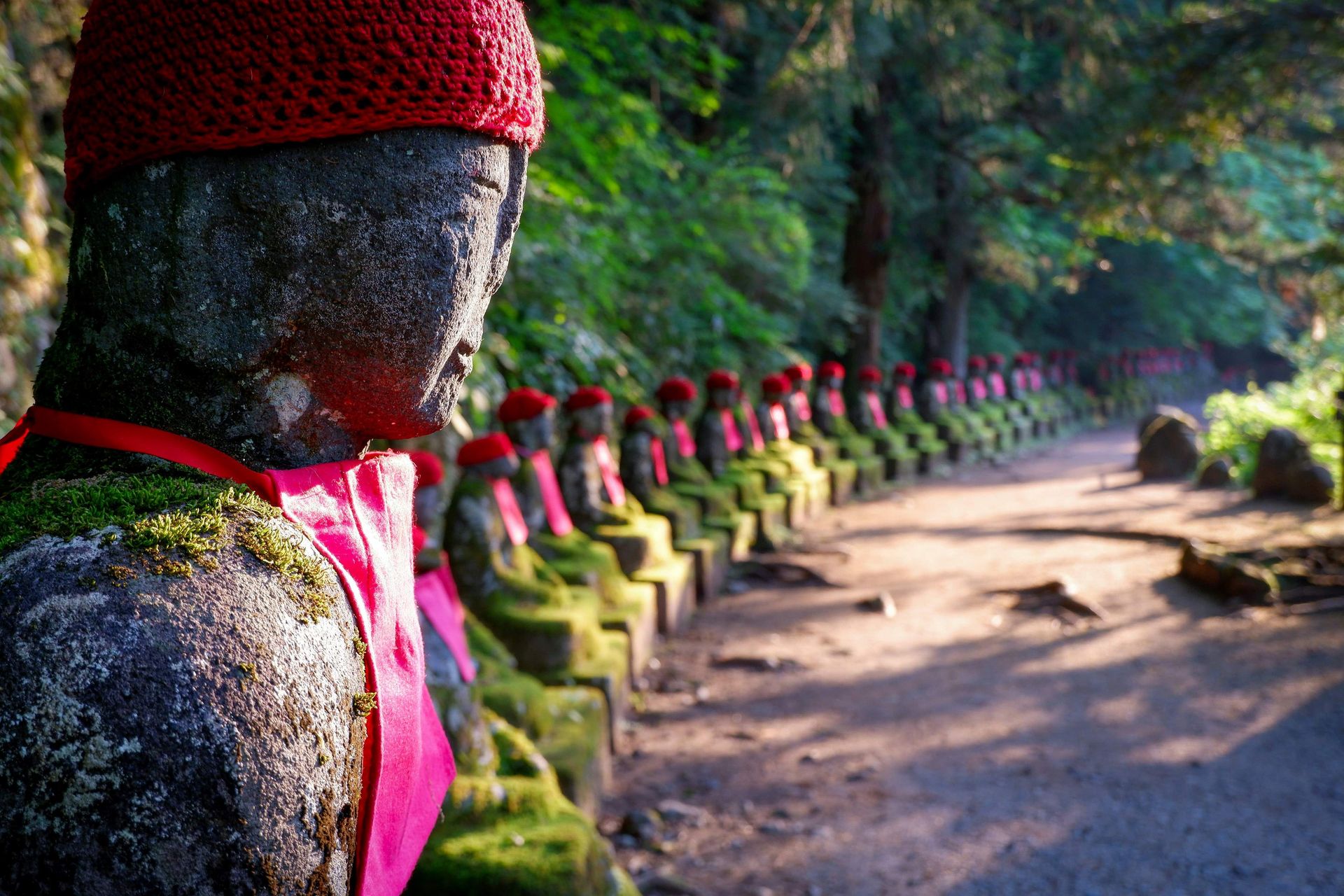
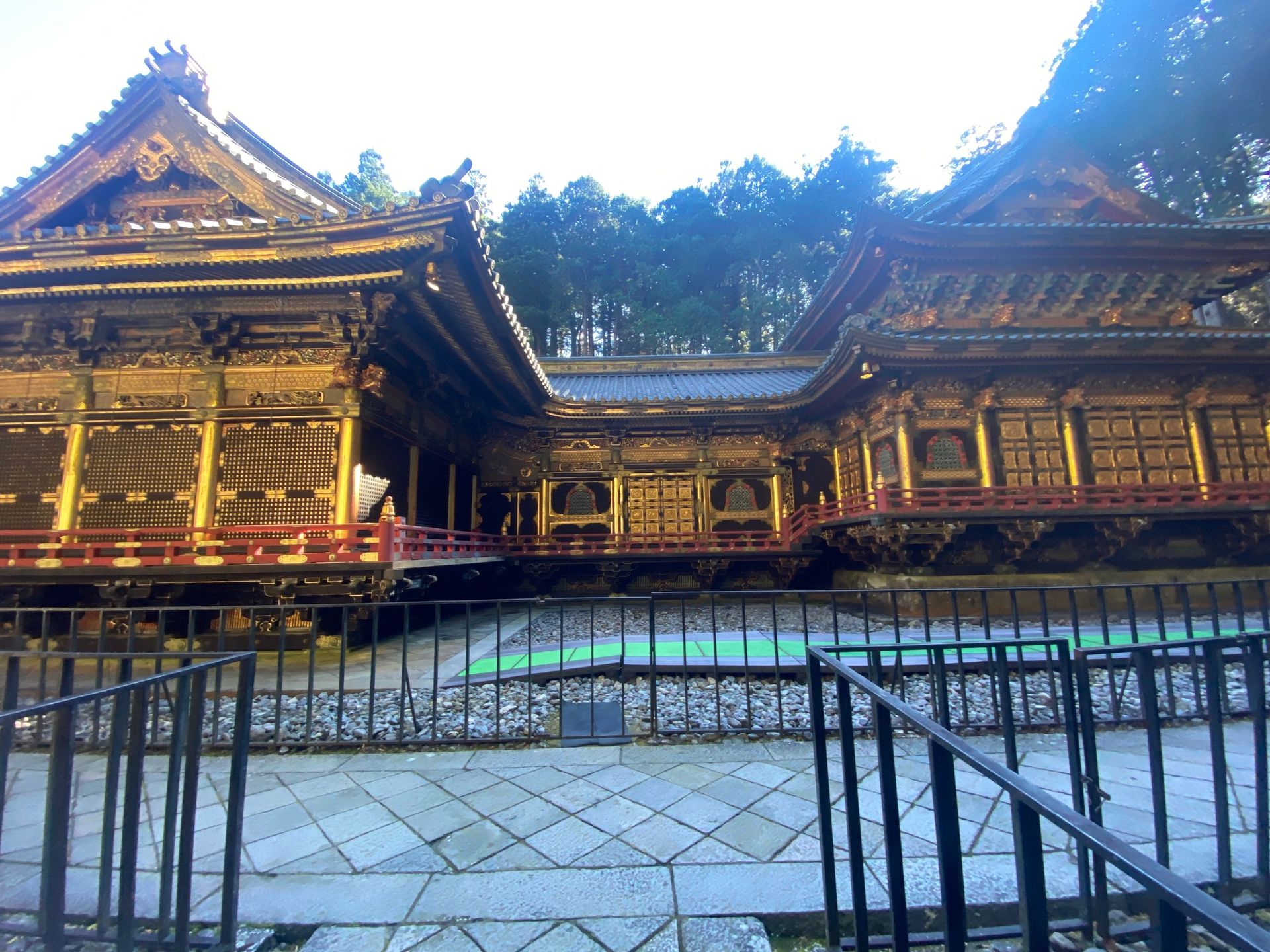
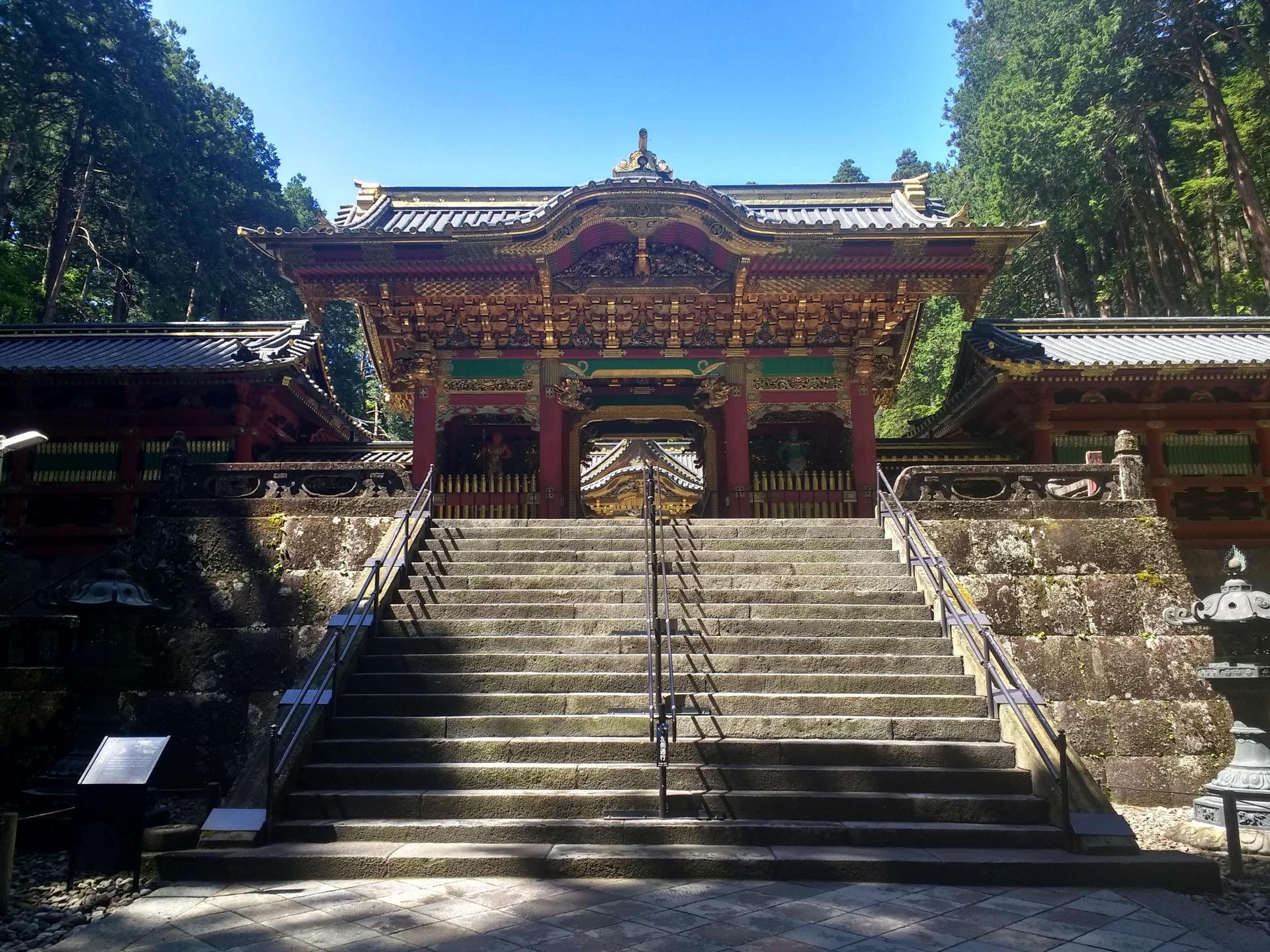
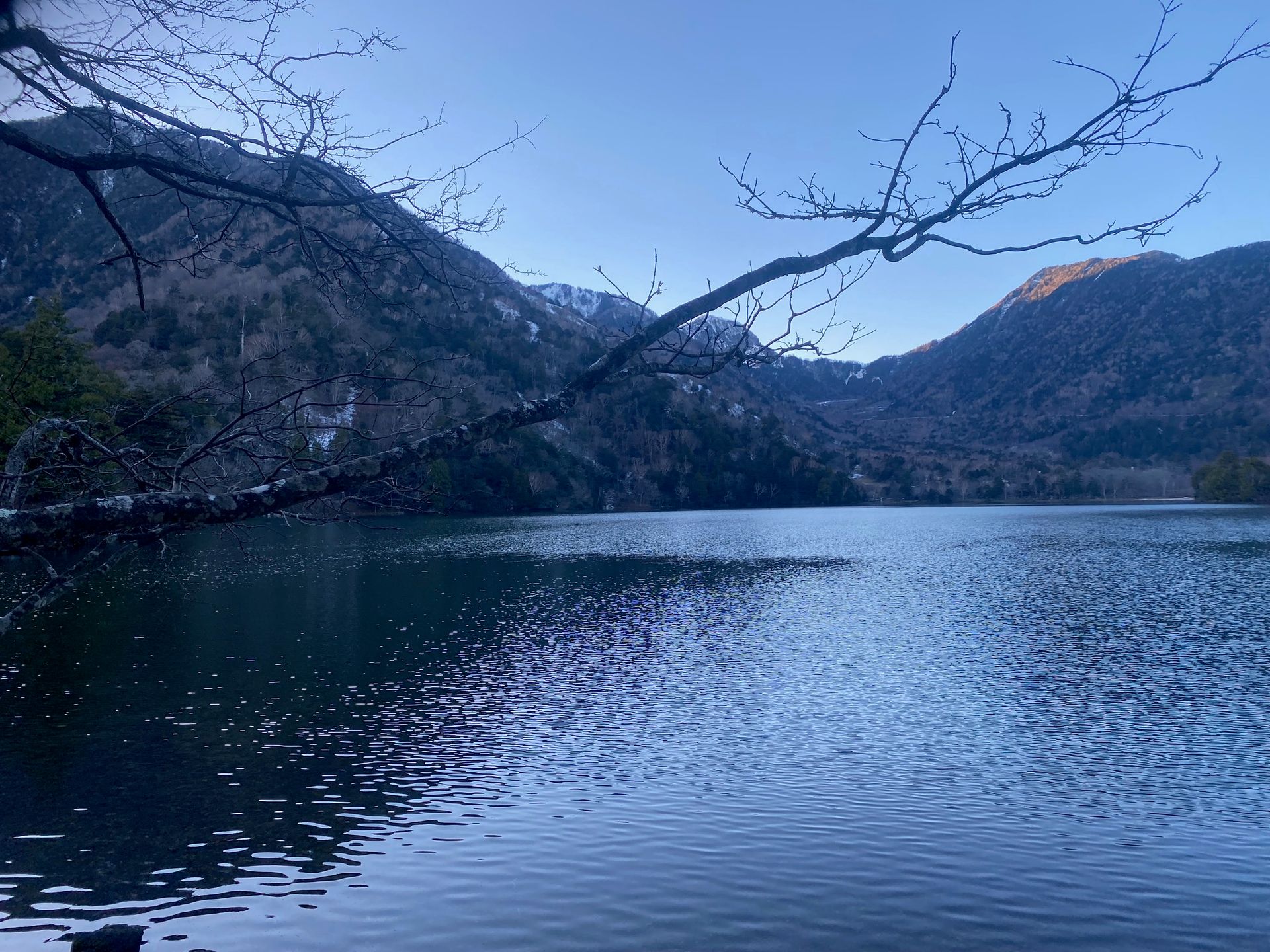
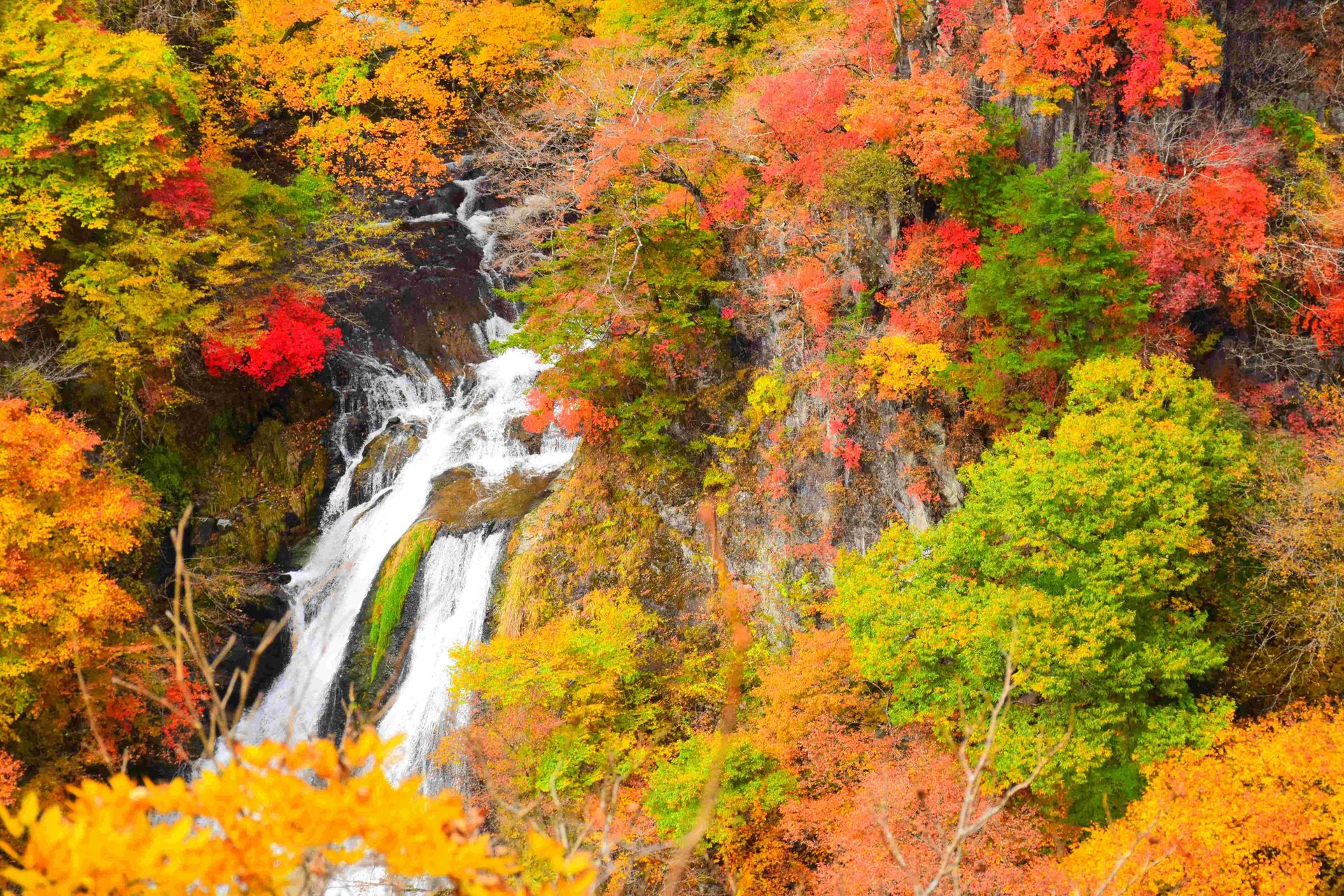
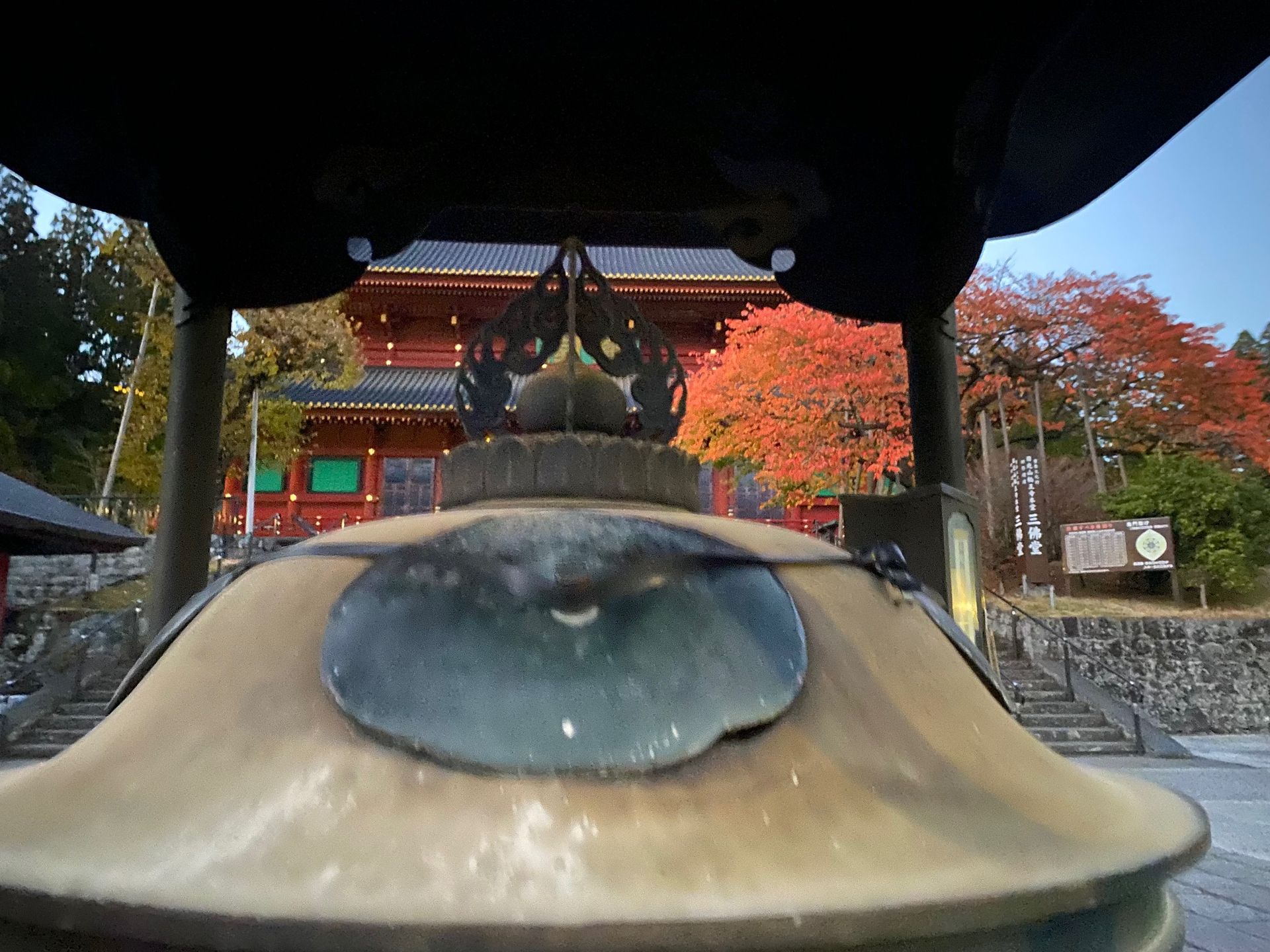
Nestled in the mountains of Tochigi Prefecture, north of Tokyo, Nikko pairs extraordinary cultural heritage with stunning natural scenery. The elaborately decorated Toshogu Shrine anchors the UNESCO-listed complex, while the riverside procession of mossy Narabi Jizo statues offers a quieter, more contemplative encounter with the area's spiritual past. Out in Nikko National Park, the walking takes over: Ryuzu Falls, whose twin cascades are said to resemble the head of a dragon, leads the way to the remote shores of Karikomi Lake and the steaming hot spring village of Yumoto Onsen, where the day's miles are best finished soaking in a traditional ryokan bath.

The Nikko Experience

Wonder
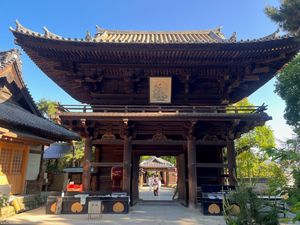
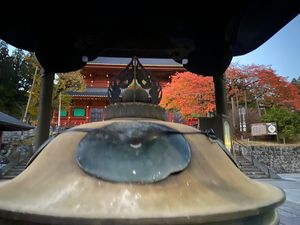
UNESCO Nikko Toshogu Shrine, Taiyuin Mausoleum and Rinnoji Temple on foot
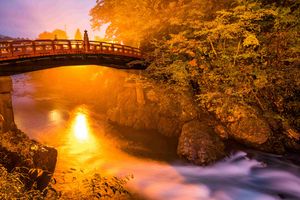
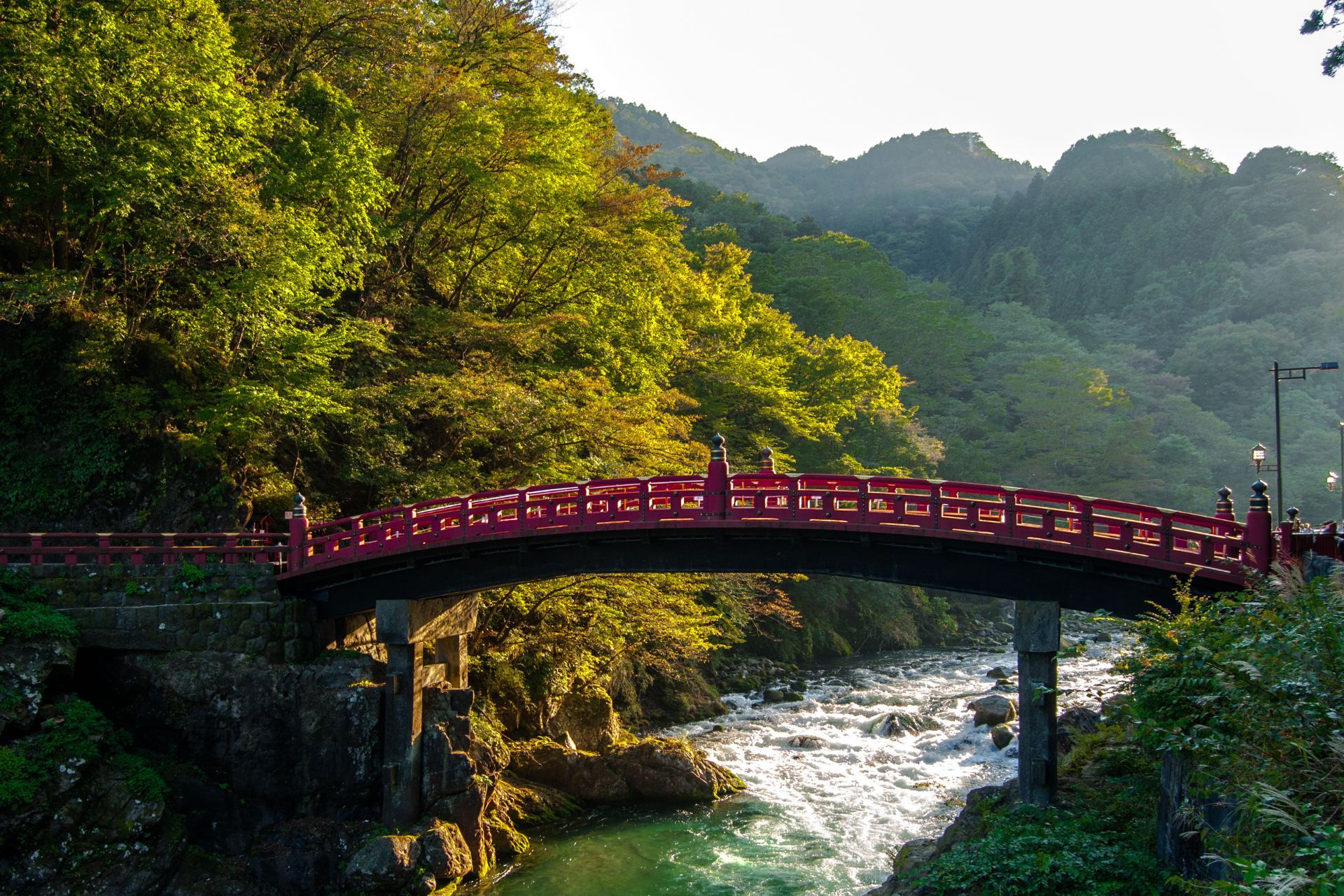
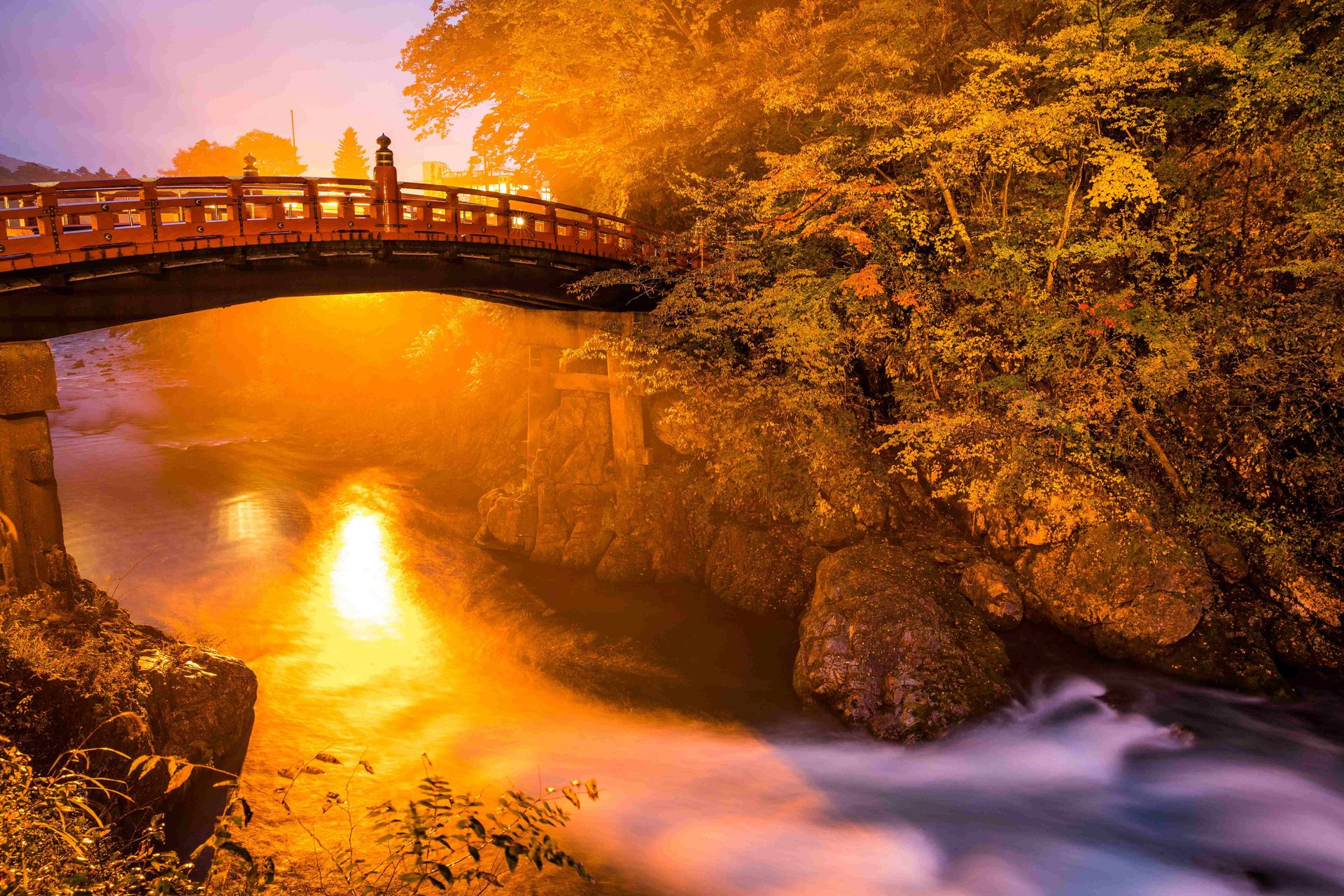
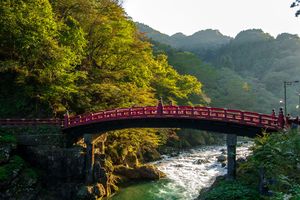
River walk past Narabi Jizo statues to the iconic red Shinkyo Bridge
Scenic train from Tokyo into sacred Oku Nikko mountains, lakes and waterfalls
Wellness
Pack-free walking to Yumoto Onsen, with luggage transferred ahead for ease
Two nights in authentic an authentic Onsen with restorative communal bathing rituals
Traditional ryokan stays, tatami rooms and lavish kaiseki meals to savour
Nature
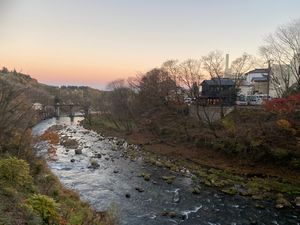
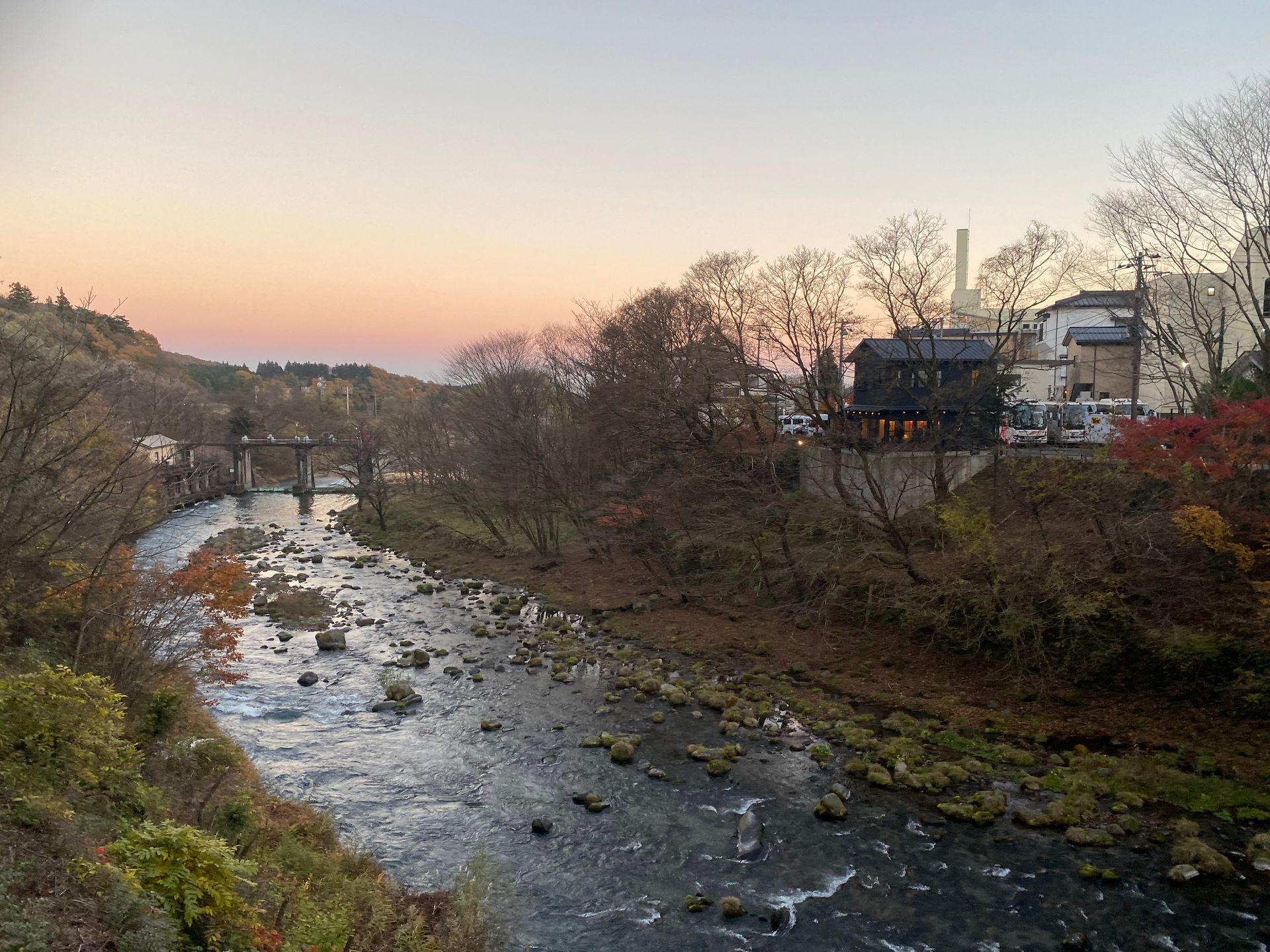
Wildrness immersion as you follow the Yukawa River from Ryuzu Falls to splendid Yudaki Falls
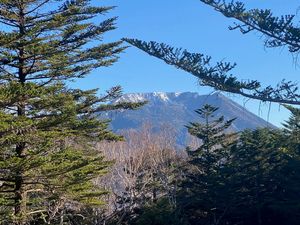
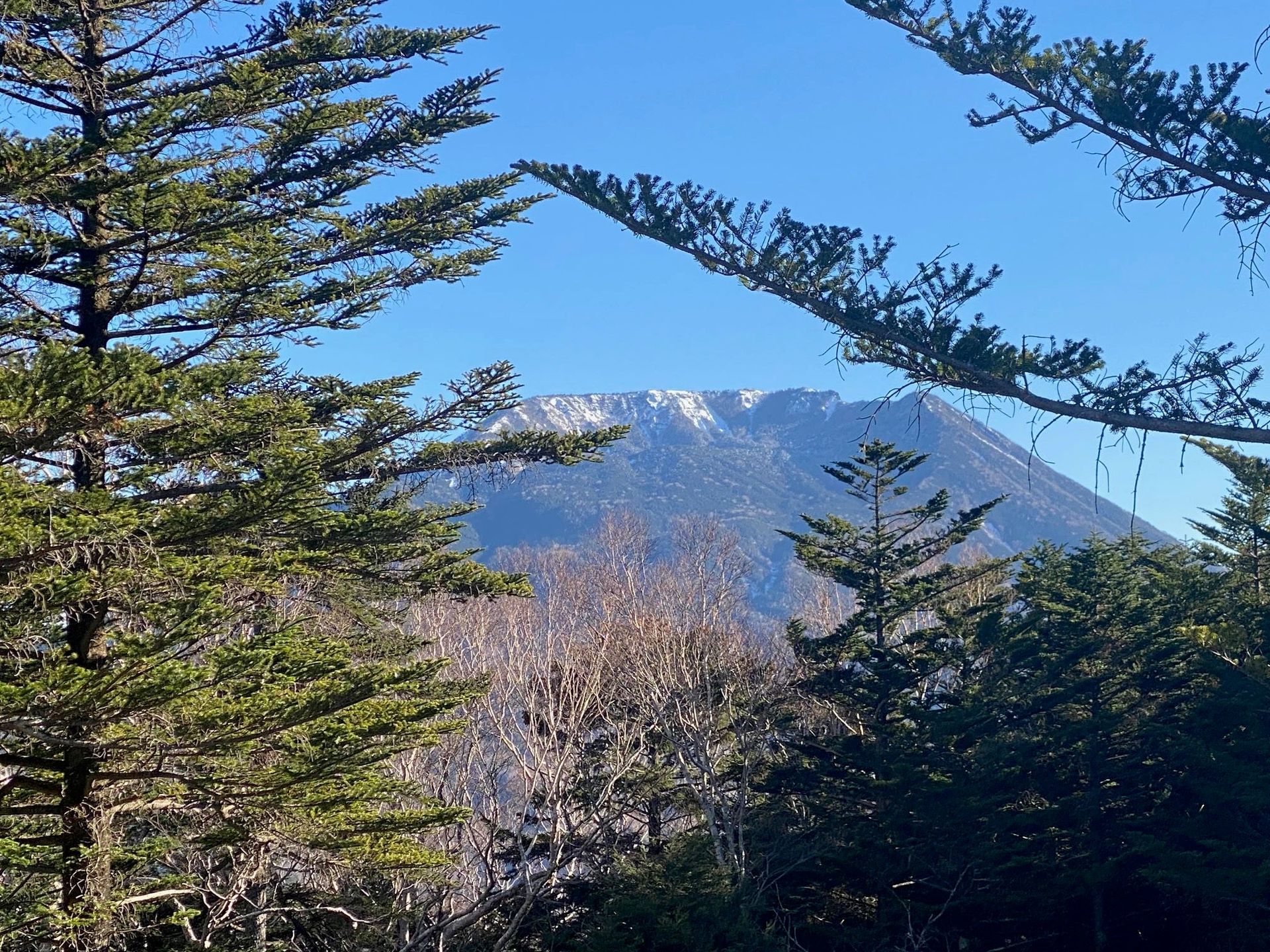
Roam quieter trails around Mount Orugura, Mount Mitsudake and Karikomi Lake
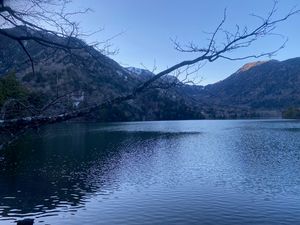
Breathtaking lake and valley views, with monkeys and deer often nearby

What you'll eat


Kaiseki
Multi-course dinners in ryokans, paced slowly after long days on the trail
Traditional Breakfasts
Japanese breakfasts with rice, pickles and savoury dishes before setting out
Yuba
Nikko’s delicate tofu skin, a local staple with quiet mountain character

Where you'll stay


Ryokan Stays
Tatami rooms, shoji screens and futons make evenings feel distinctly Japanese
Onsen Inns
Hot spring stays where bathing becomes part of the walking rhythm
Family-run Inns
Long-held local hospitality gives these stays an intimate, lived-in warmth

How you'll travel


Scenic Rail
Travel from Tokyo through the mountains on a relaxed two-to-three-hour train journey
Temple Walks
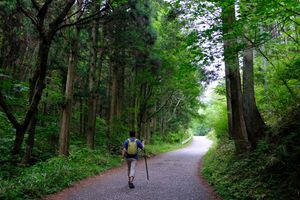
Much of Nikko is best explored on foot, between shrines, river paths and forests
Luggage Transfers
Your main bag goes ahead to Yumoto Onsen, leaving you lighter on the trail

Nikko reviews

Loved by walkers

4.9/ 5
298 reviews
4.8/ 5
Google reviews
4.9/ 5
people like this

More About This Destination

This walk is available from April to October. Spring and autumn are the most popular times - cherry blossoms in April and May and the vivid autumn colours of October make for spectacular walking conditions. While the temperatures increase during April, there is still the chance of some snow on the trail. Summer is warm and pleasant, while November through to February brings cold temperatures and potential snow, making the walk unavailable during this period.
Check local weather information for average conditions throughout the year.

Frequently Asked Questions

On Day 2, your luggage is transferred from Nikko to your accommodation in Yumoto Onsen, so you only carry a daypack on the trail. This transfer cannot be pre-booked or pre-paid — you'll need to drop your luggage at the train station yourself after 9:00 AM on Day 2 and arrange and pay for the transfer on the spot. The cost is approximately $20 per 20kg bag. It's a straightforward process and your walk notes explain exactly how to do it. For all other nights, your luggage will be at your accommodation.

No. For safety reasons, Stroll does not accept solo bookings on the Nikko walk. Some sections of the track are remote with limited mobile reception, and walking alone in these areas presents a higher risk in the event of an emergency.

Onsens are a highlight of this trip — particularly in Yumoto Onsen, where soaking in a hot spring after a day in the mountains is one of those experiences you'll remember long after you're home. A few important customs to follow. You bathe completely naked — swimwear is not permitted. Before entering the communal bath, wash and rinse yourself thoroughly at the shower stations provided. Keep your towel out of the water. Onsens are separated by gender. If you have tattoos, be aware that many onsens in Japan restrict entry — speak with your accommodation host before you arrive, as policies vary and some properties can arrange stickers to cover small tattoos for a modest charge. If possible, avoid peak bathing times and be considerate of other guests. The best times to soak are early morning, before breakfast or after dinner when it's quieter.

Remove your shoes at the entrance and change into the indoor slippers provided — this applies throughout the inn. Your room will include a yukata (cotton robe) for the evening. Wear something underneath, fold the left side over the right, and tie the belt firmly. A loose yukata is considered disrespectful. Meal times are set, so confirm dinner and breakfast times when you check in. Your yukata is perfectly acceptable attire for wandering around the inn, but is not appropriate for formal spaces like temple ceremonies.
A shower-proof daypack with a waterproof liner is ideal. Key items include a waterproof jacket, warm layer, sun hat and sunscreen, comfortable walking boots, 2–3 litres of water, lunch supplies, insect repellent, a first aid kit, toilet paper, your phone, and cash. In summer, wear long sleeves and pants due to leeches and bring bug spray.

Nikko is home to some of Japan's most sacred shrine and temple complexes, so cultural respect is particularly important here. Remove your shoes before entering traditional buildings — indoor slippers are usually provided. Dress modestly when visiting temples and shrines, and follow any posted guidelines about photography or restricted areas. Speak quietly in sacred spaces. On trains and buses, keep noise to a minimum and avoid eating or drinking. A slight bow when greeting people goes a long way. It is illegal to bring over-the-counter medicines containing pseudoephedrine or codeine into Japan — check your medications before you travel.

Japan runs largely on cash. Most ATMs outside airports and convenience stores don't accept foreign cards, so withdraw sufficient Yen early — 7-Eleven and other convenience store ATMs are your most reliable option for accessing cash with an overseas card.

No. Tipping is not customary in Japan and is generally not expected — in fact, it can sometimes cause awkwardness. Excellent service is simply the standard.

Coverage is generally reasonable in and around Nikko, but can be patchy on some of the more remote sections around Yumoto Onsen. Keep your phone charged and carry a backup power bank. Most accommodations have WiFi.

Traditional Japanese cuisine relies heavily on soy sauce, miso, and fish stock (dashi), which are present in most dishes and very difficult to remove. If you can tolerate these in trace amounts your options will be much broader. Vegetarian meals can sometimes be arranged with advance notice, but options are more limited in remote areas like Yumoto Onsen. Flag any dietary needs at the time of booking and bring supplementary snacks if your requirements are complex.

Can't find what you're looking for?

We can create a custom trip tailored to your preferences.