


-300x200.jpg)











-300x200.jpg)







-300x200.jpg)



-300x200.jpg)



































-300x200.jpg)




























Deborah G
July 2026
Well organised. Provided necessary info for the walks.
Plan your Dordogne trip with an expert in a free 1:1 consultation.
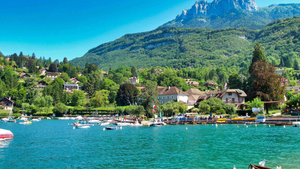
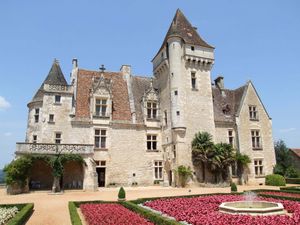
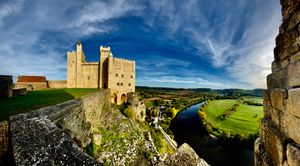
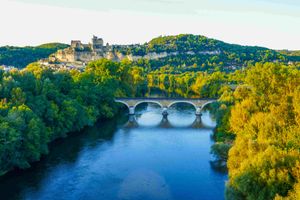
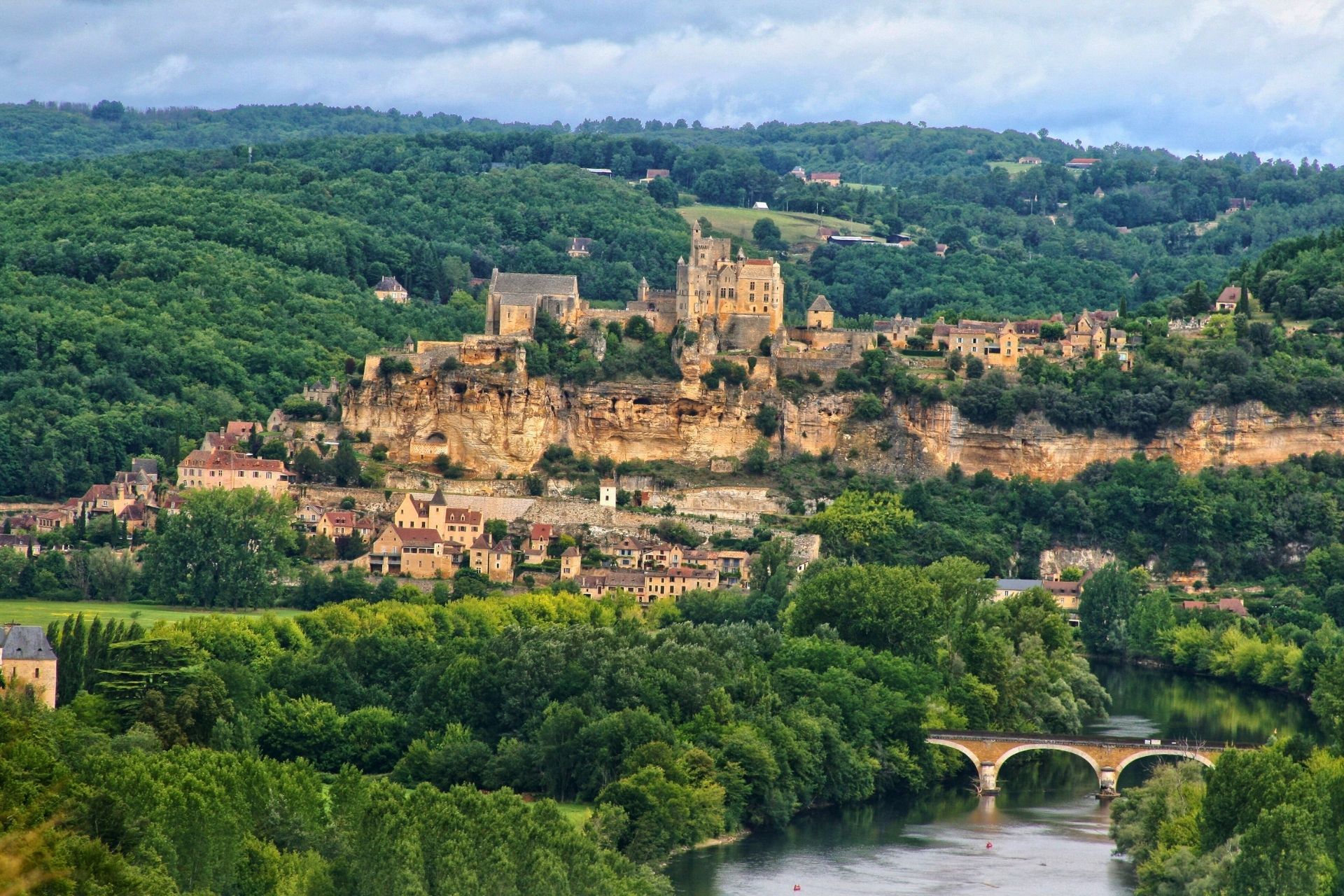
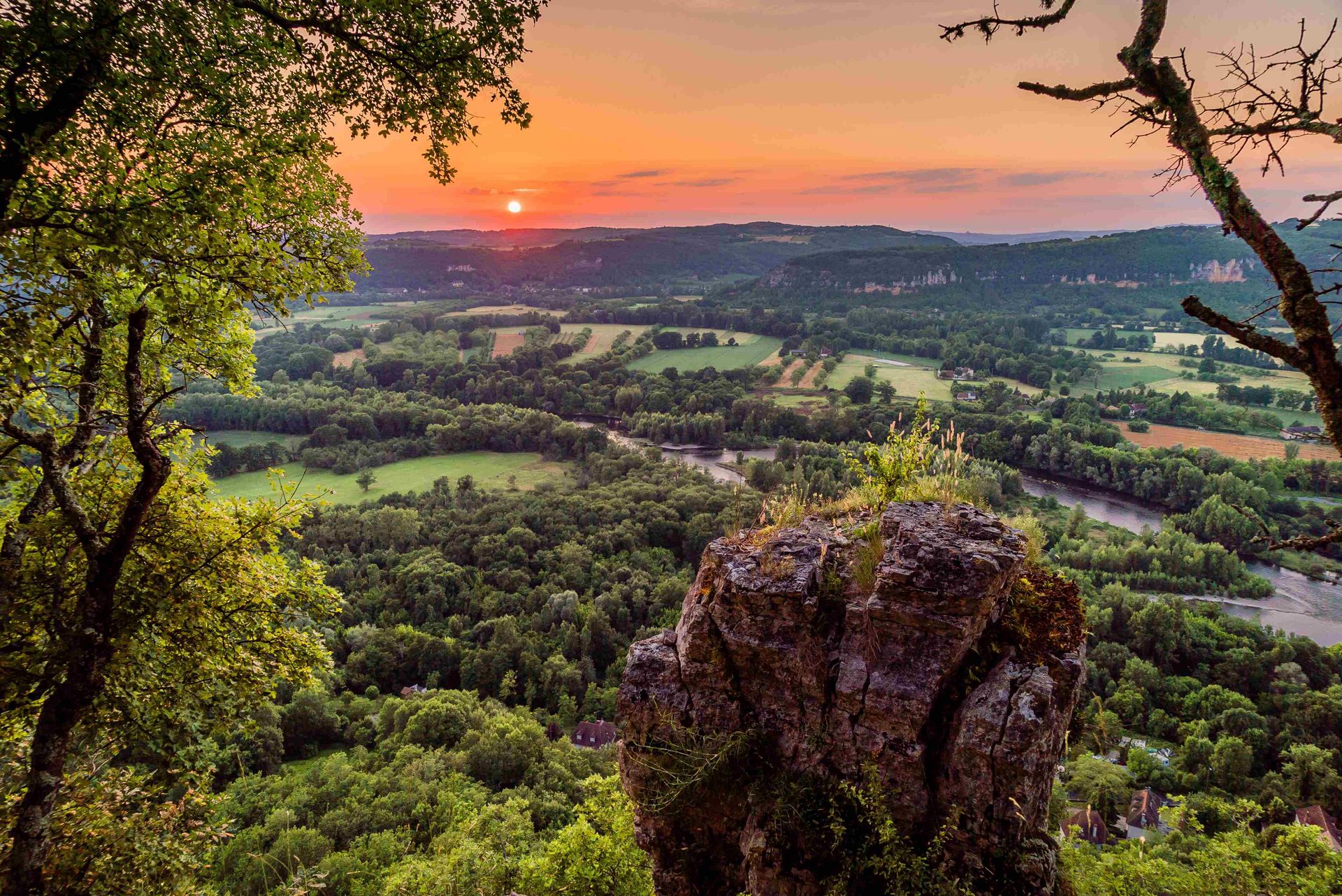
Walk through one of France's most captivating regions, where fairytale castles line the river, prehistoric cave art dates back 17,000 years, and medieval villages appear almost unchanged from the Middle Ages.
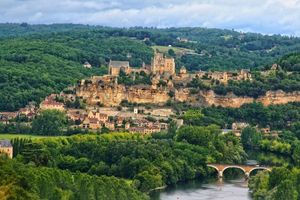
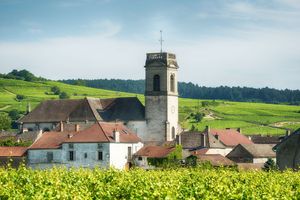
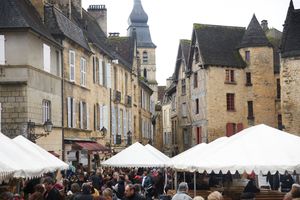
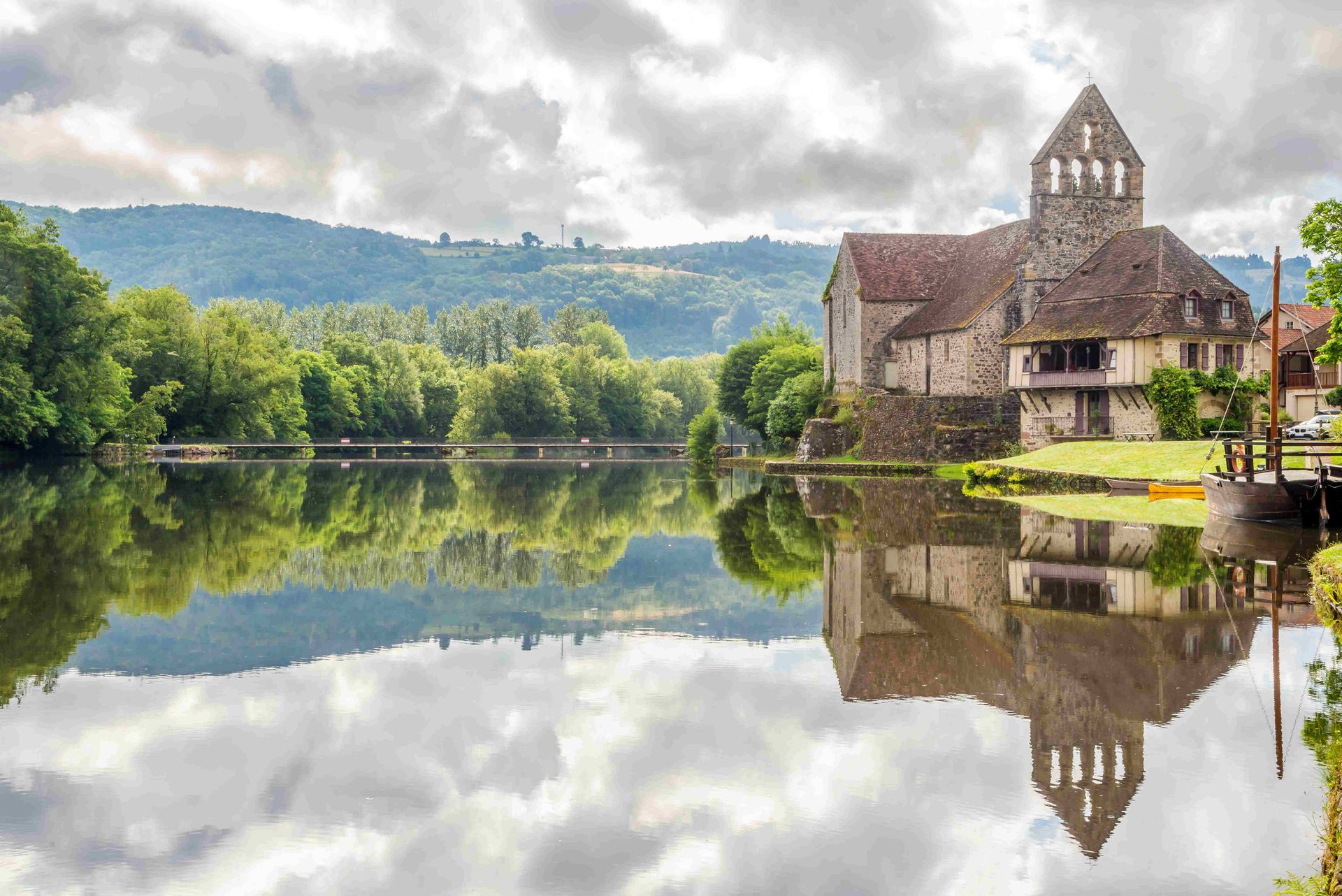
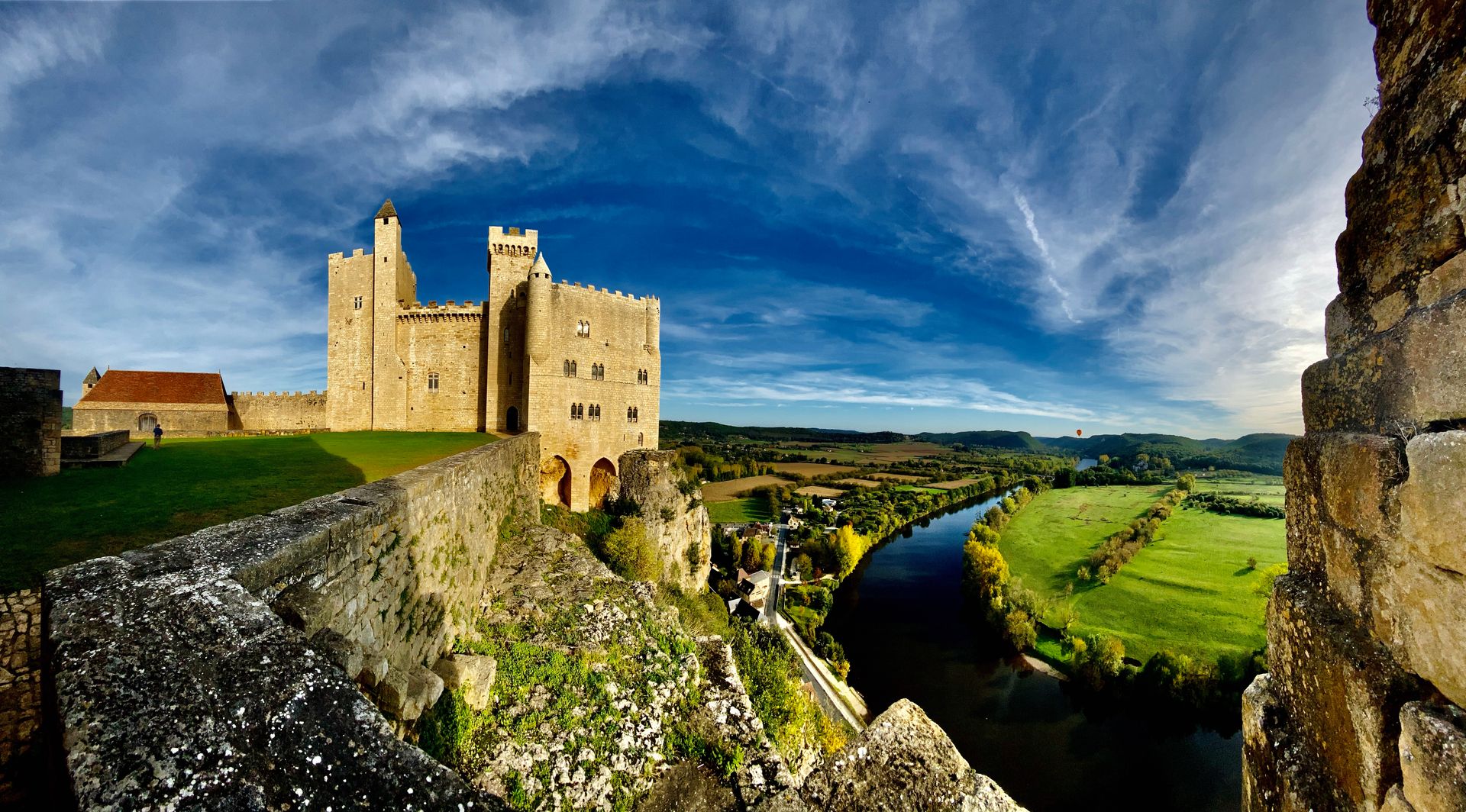
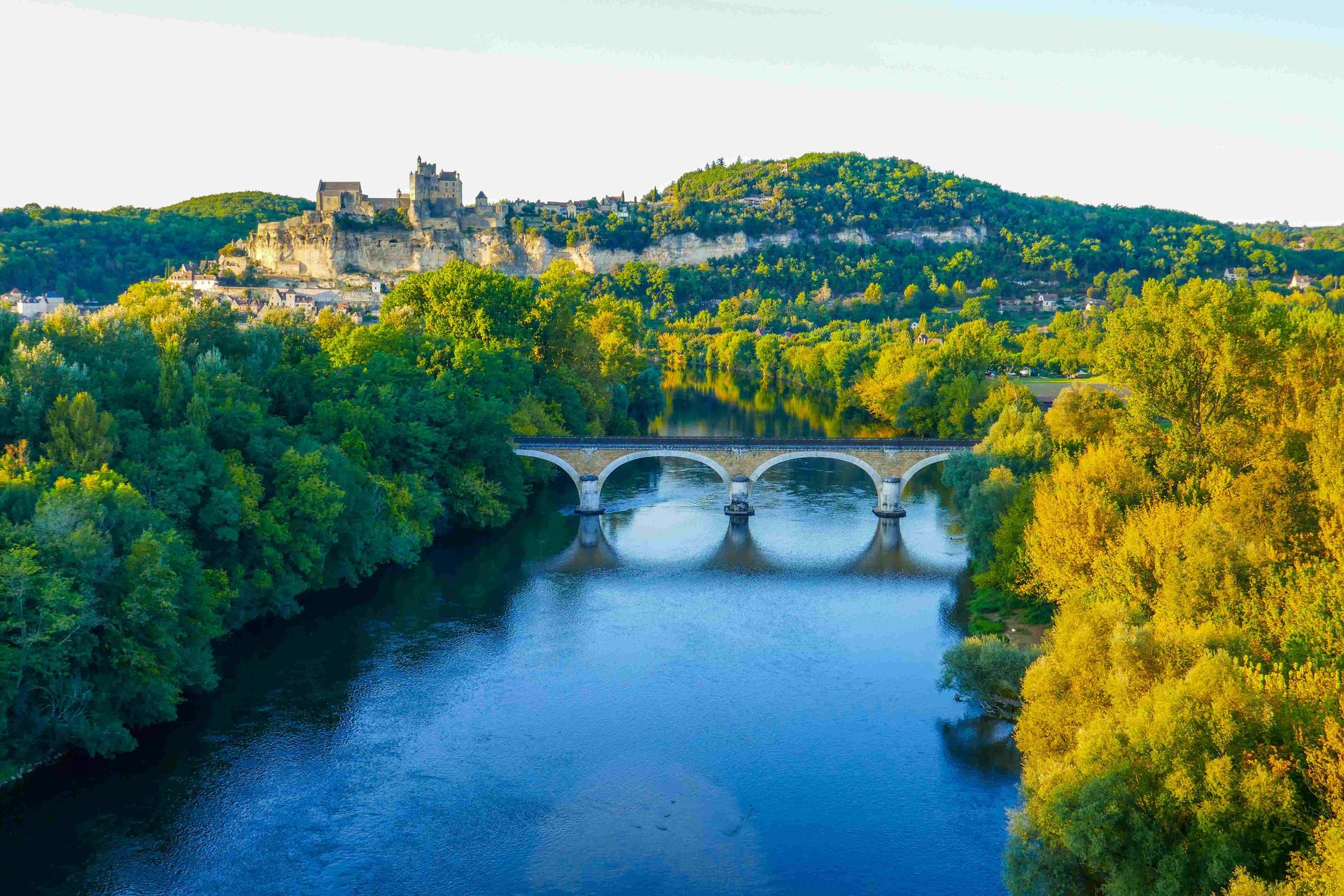
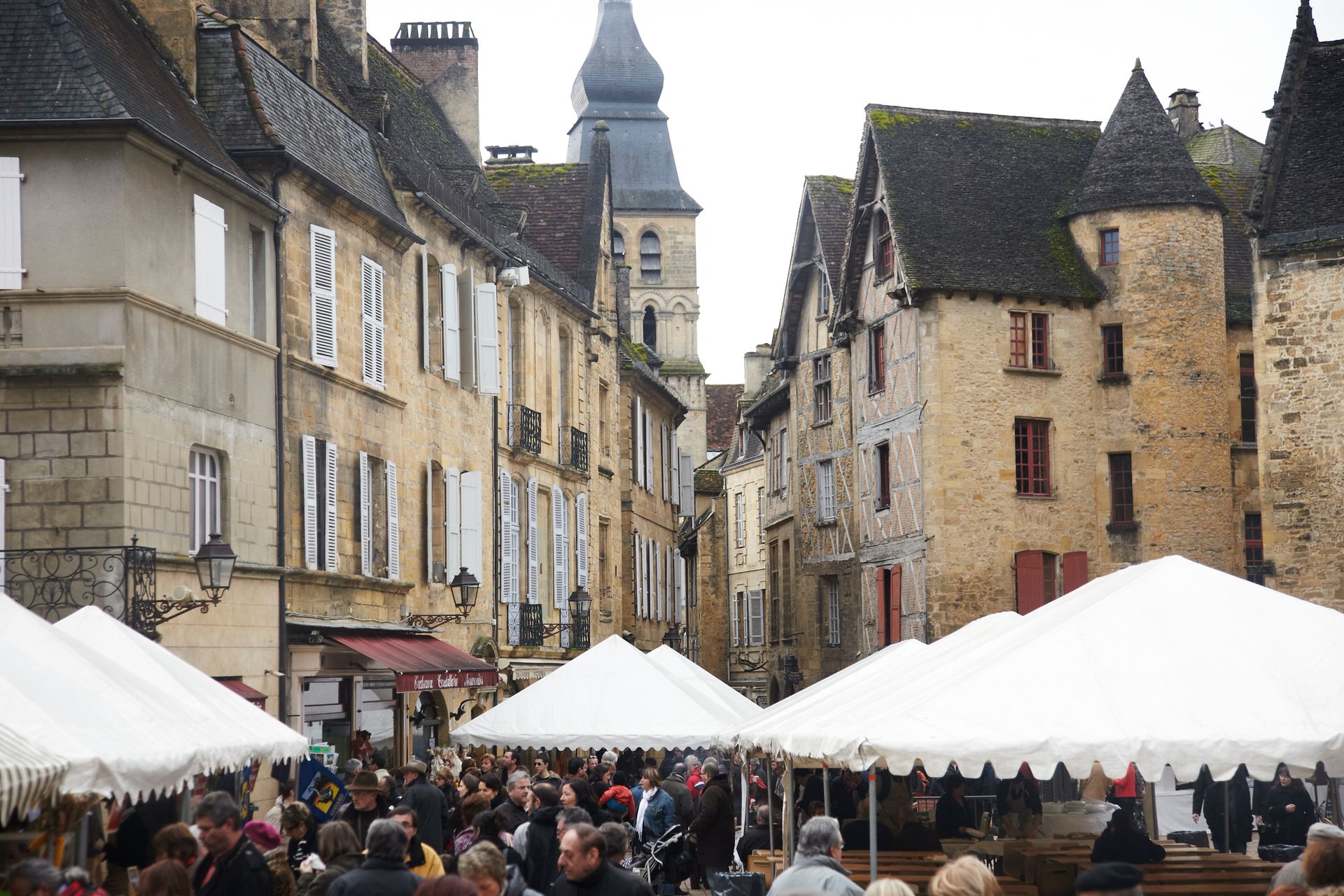
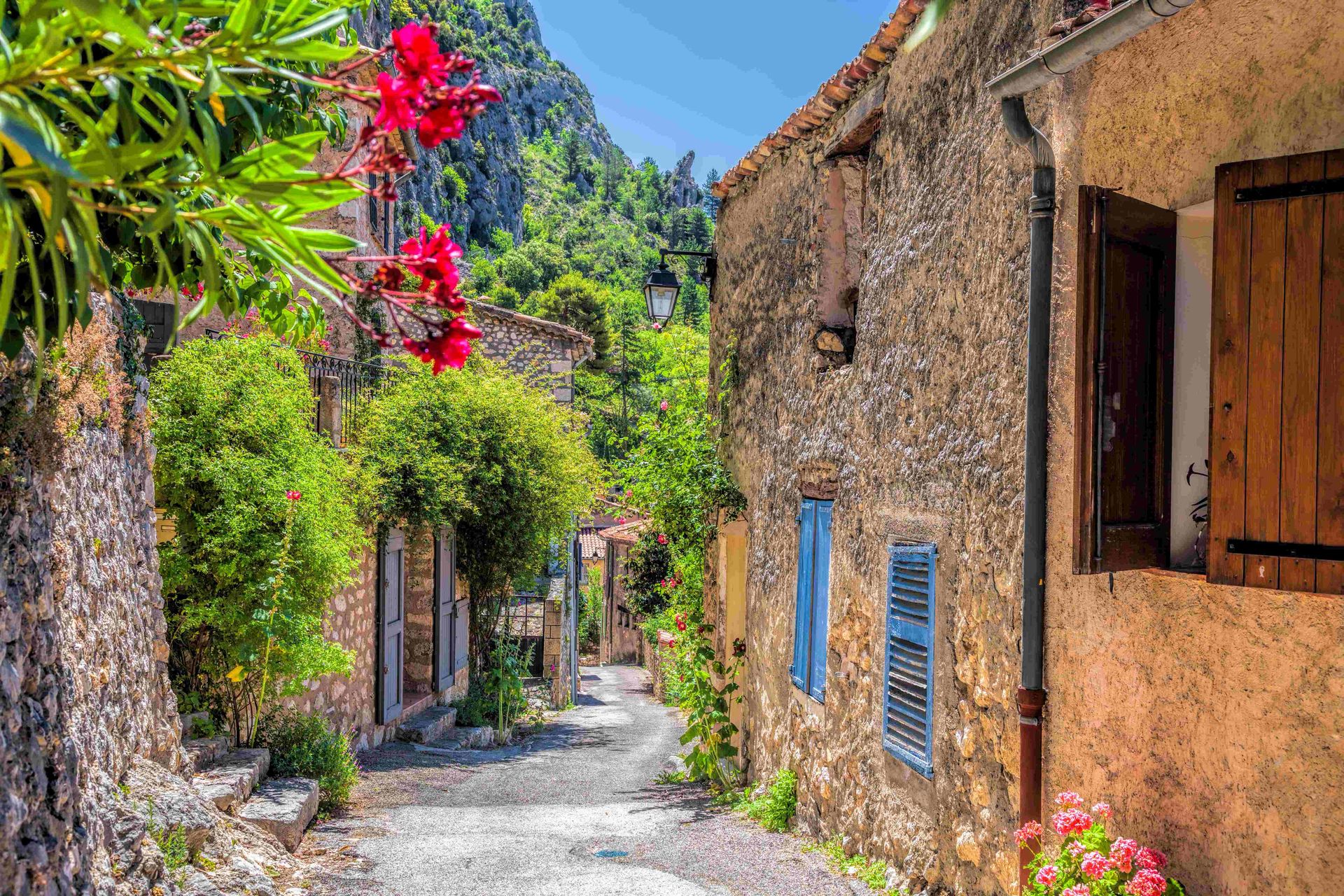
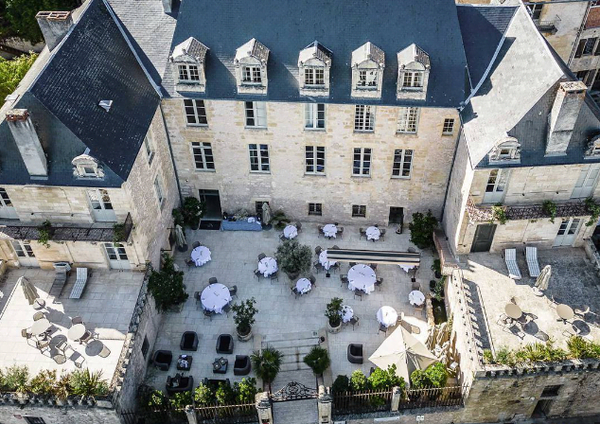
Gentle trails wind along the river through chestnut forests and walnut orchards. Cliff-top villages like La Roque Gageac, Domme and Beynac line the valley, each one among the most beautiful in the country. The cobbled streets of Sarlat-la-Canéda make a magnificent base, with medieval architecture and a bustling market. Further on, the Vézère Valley holds the UNESCO-listed prehistoric caves of Lascaux IV, home to one of the world's most significant collections of ancient art. Each night ends in handpicked, characterful accommodation that feels every bit as special as the walking itself.
A closer look at Dordogne


Well organised. Provided necessary info for the walks.
Really well organised, fabulous and well appointed accommodation, gorgeous environment and good trip notes and navigation app.
The departure point process was super easy. We had all the contact numbers in the kit provided. We absolutely loved our walk. Every day was a little different from the other and the scenery during the spring season was beautiful. We loved that we could choose shorter or longer walks each day depending on how we were feeling. We will definitely reach out Stroll for our next walking adventure.
Scenic walk varying each day from farmland to Chateaus and villages in the beautiful Dordogne Valley
The walking choices were great - lots of variety, taking us through different landscapes and areas of historical interest. The accommodation was also great, really lovely choices. Friendly and welcoming hosts.
A brief history of Dordogne
The Dordogne has, in fact, a very long history according to archaeologists that dates back before the ice age.
Dordogne is known for prehistoric civilisations and contains 145 prehistoric caves that have paintings of wildlife all over the walls. You can also travel back through millennia to see the works of art that decorate cave walls in the Vezere Valley and uncover the four divisions of historic Périgord. The sites were declared a UNESCO World Heritage Site in 1979. The caves of the Vezere Valley prove that the French have inhabited this area for 10's thousands of years. They provide an insight into the early civilisations of the Dordogne.
It is also known for being able to explore medieval castles and grand monuments. You can virtually recapture the events of the French Revolution, one of the main drawcards of the Dordogne experience.
The Middle Ages brought war on a grand scale, with the Hundred Years’ War being one of the most talked about. The Battle of Castillon sealed victory for the French over the English. The Wars of Religion were to follow next, and as in all wars, the region was devastated until the Edict of Nantes saw an end to the conflict. And stability followed.
The transition from Périgord to the Dordogne occurred following the French Revolution, with the region being one of 83 départements that were created.
In the 20th, tourism has taken over in the Dordogne to some degree. The rich history and the captivating landscapes including the rolling countryside and stunning châteaux are some of the main drawcards.
Fortunately, the Second World War didn't dent the area’s splendour, despite its active role in the French resistance. The region lives on, largely intact and for you to discover as you walk from town to town, via historical sites, stunning castles and chateaux.
We can create a custom trip tailored to your preferences.
As Featured In