


-300x200.jpg)







-300x200.jpg)


-300x200.jpg)

-300x200.jpg)
















-300x200.jpg)







-1920x1280.jpg)
Balkans
Plan your Balkans trip with an expert in a free 1:1 consultation.
- 30+ Years Experience
- Pack-Free Walking
- Self-Guided Itineraries
- Comfortable Stays
Overview
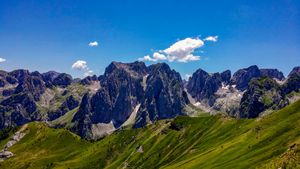
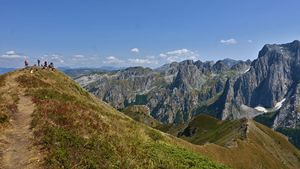
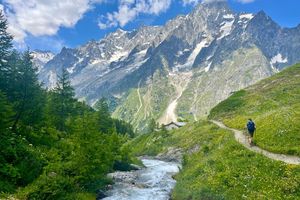
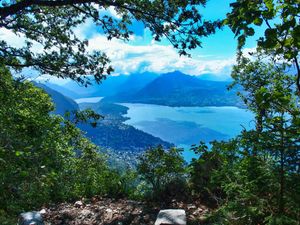
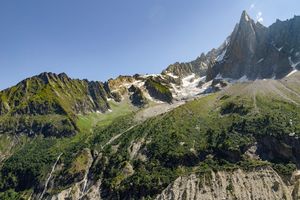
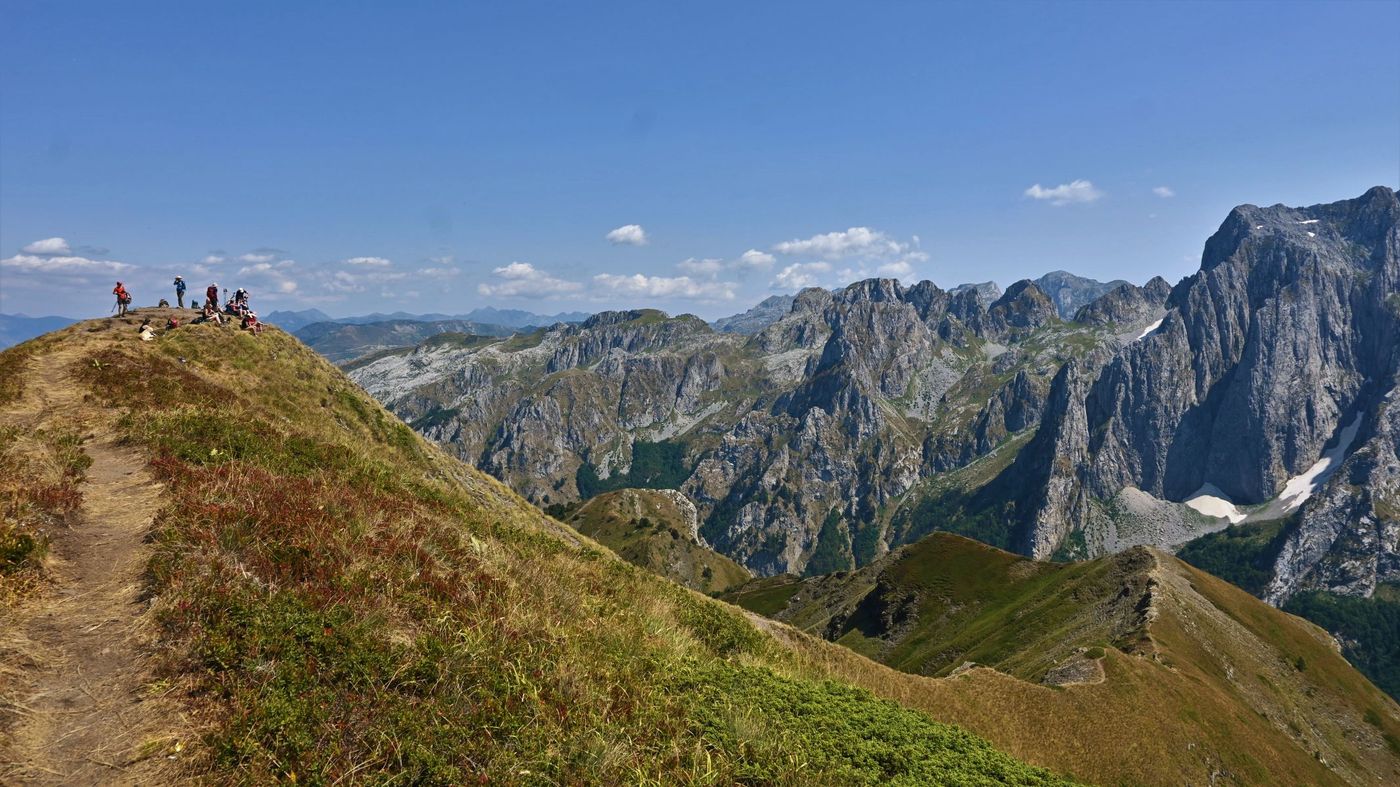
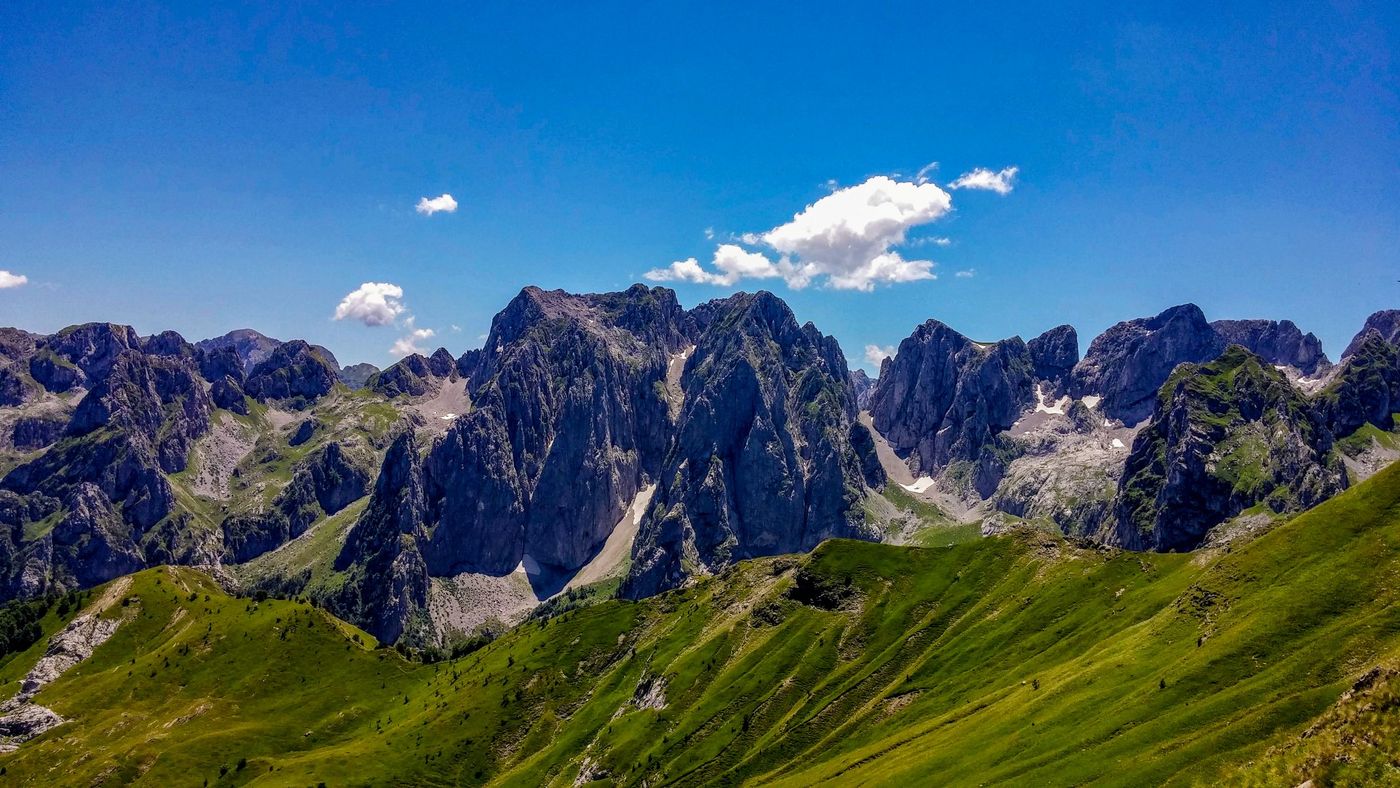
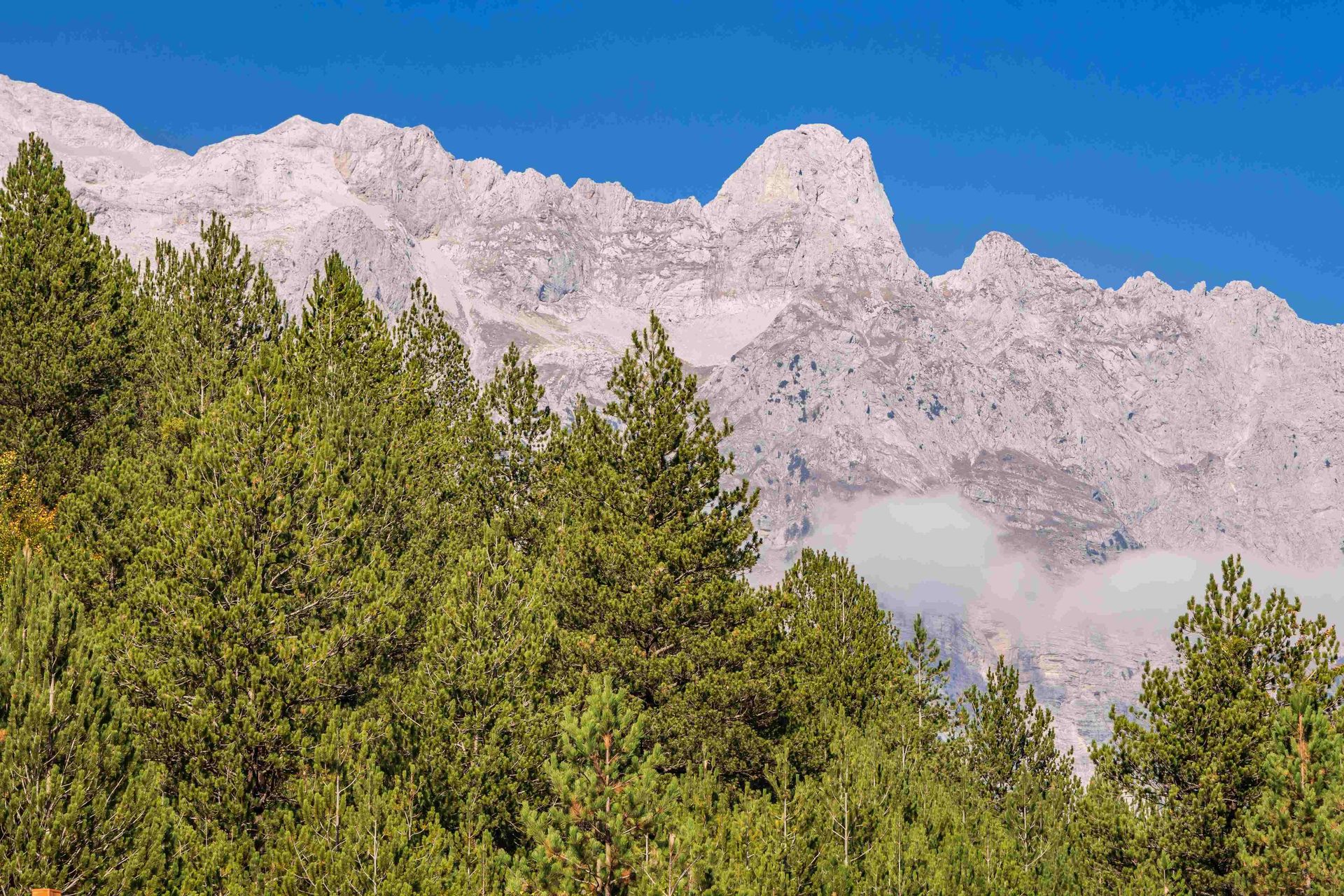
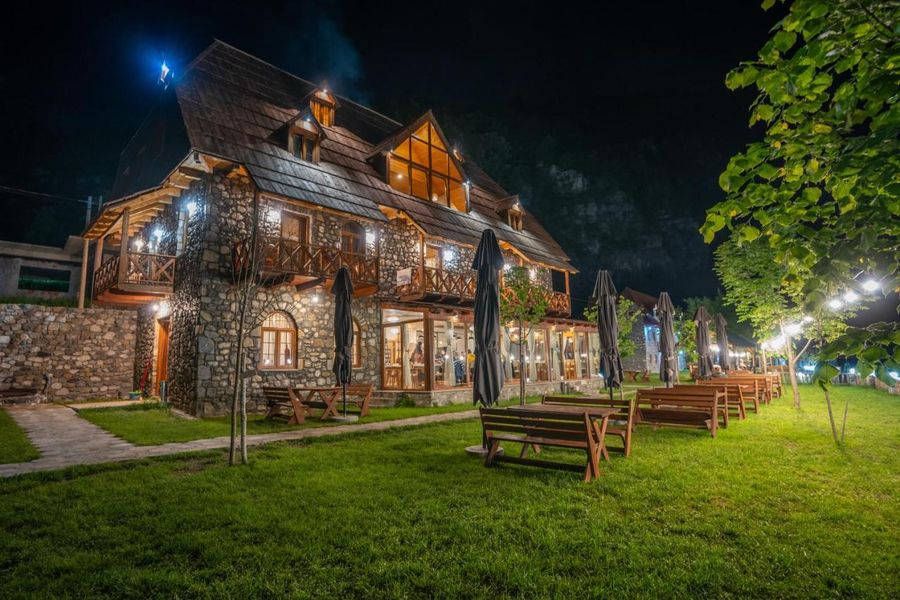
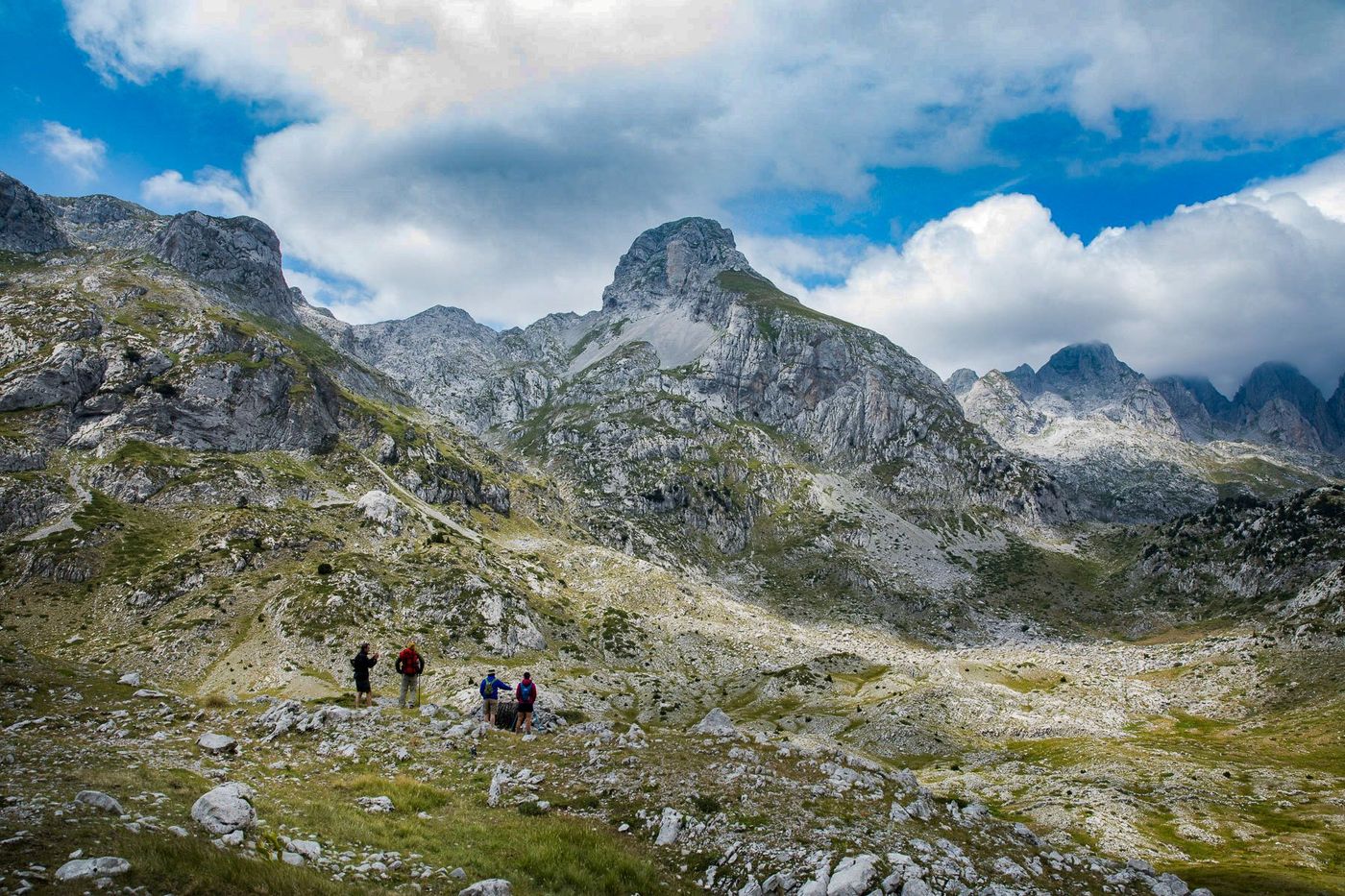
Few trails in Europe feel this remote. The Peaks of the Balkans Trail winds through dramatic mountain scenery, passing traditional mountain villages that often feel like somewhere time forgot. Ancient shepherd paths climb over high alpine passes, drop into deep glacial valleys and connect communities that until recently were sealed off from the world by Cold War borders. Our walk covers some of the trail's finest sections through Albania and Montenegro, with nights spent in family guesthouses where the hospitality is genuine, and the food is homegrown. This is the Balkans at its most raw and most rewarding.
Gallery
A closer look at Balkans
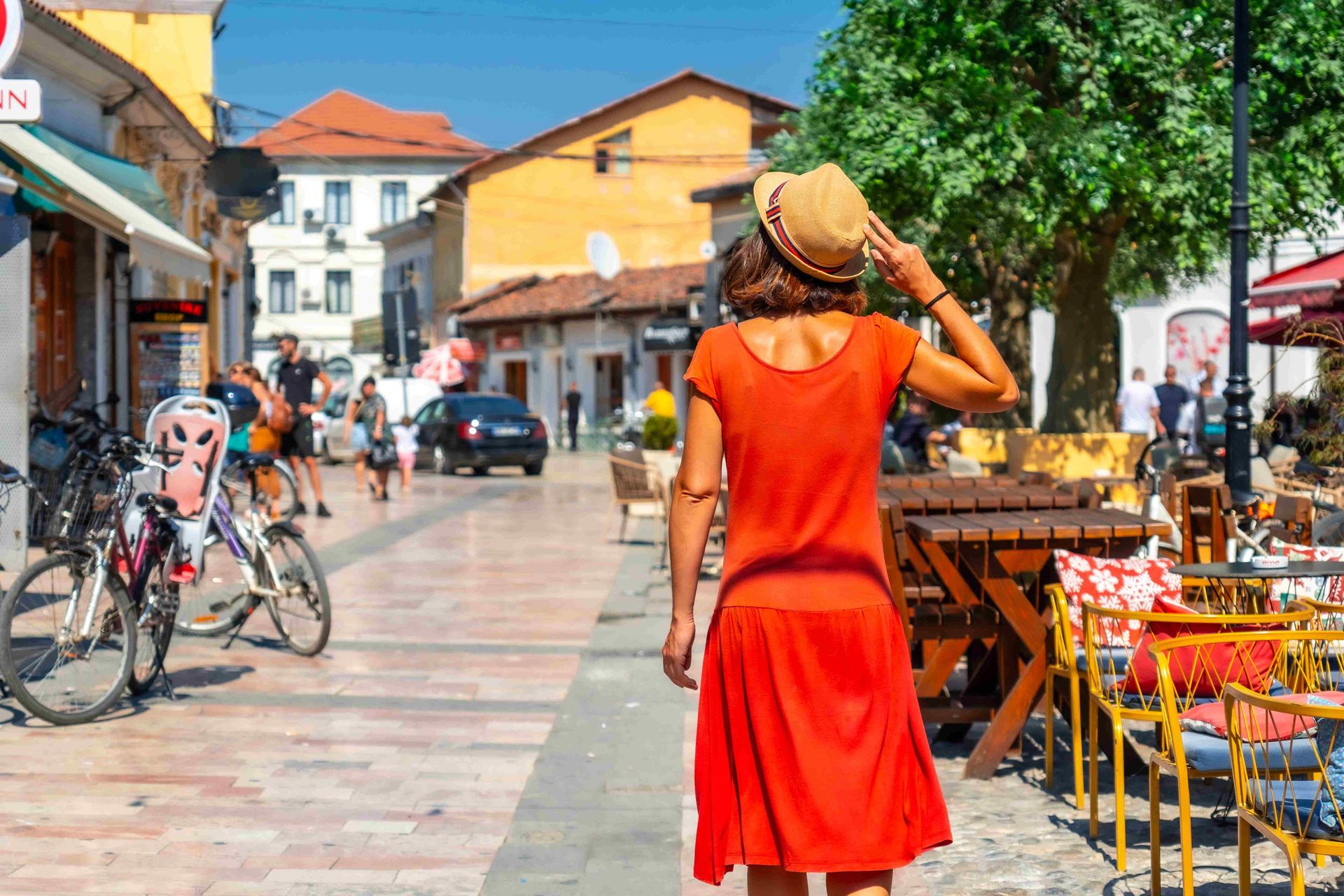
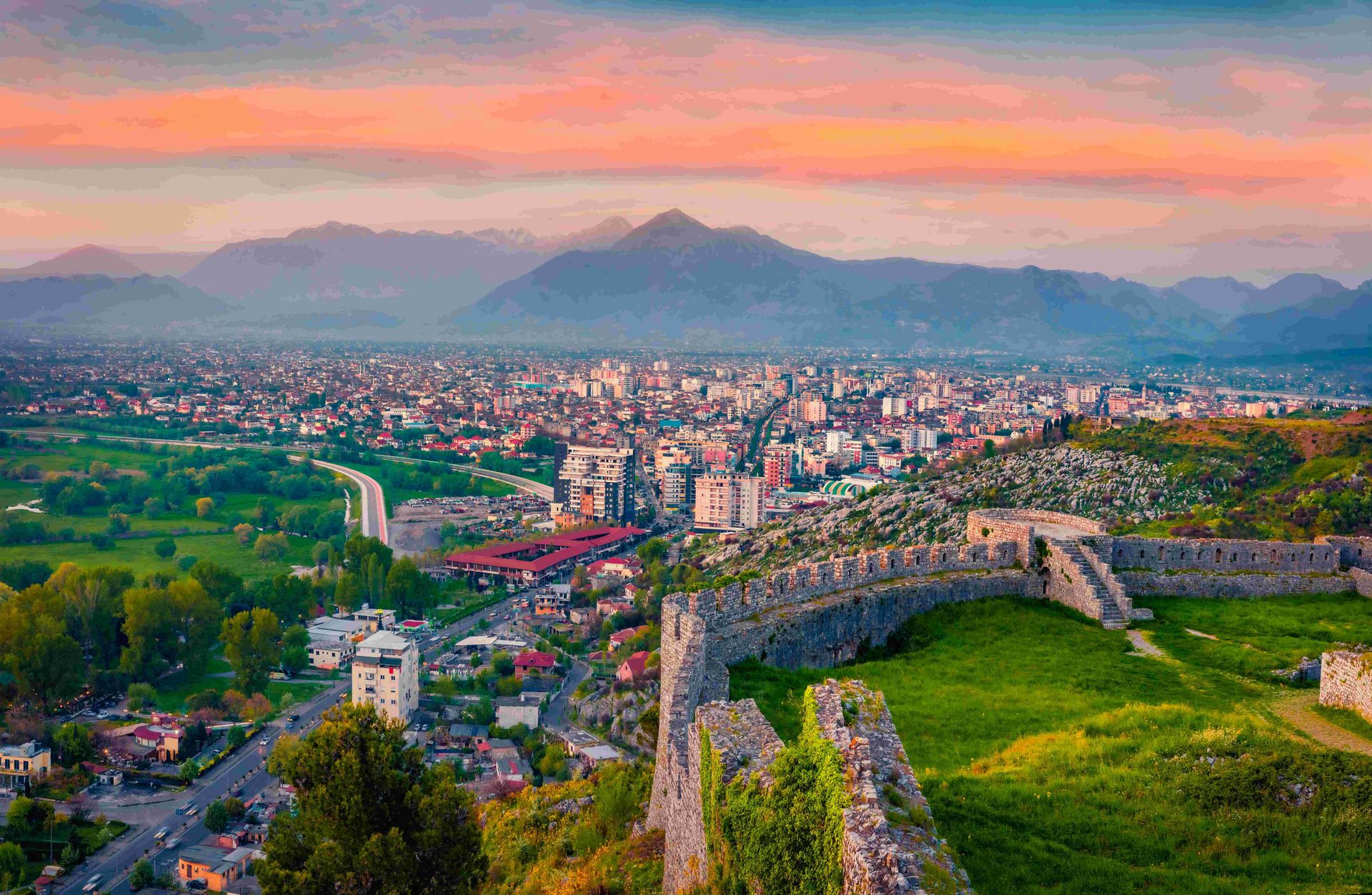
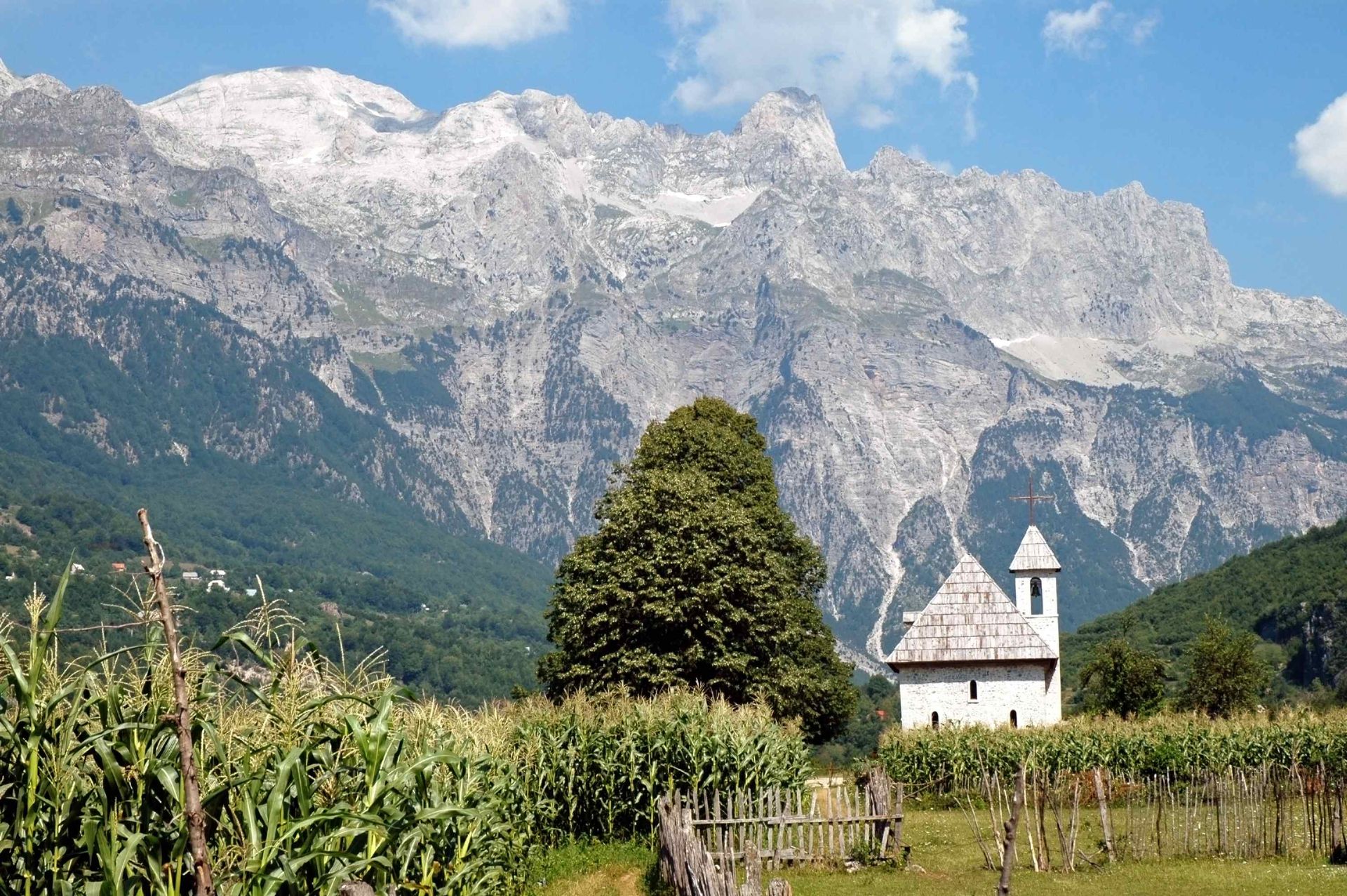
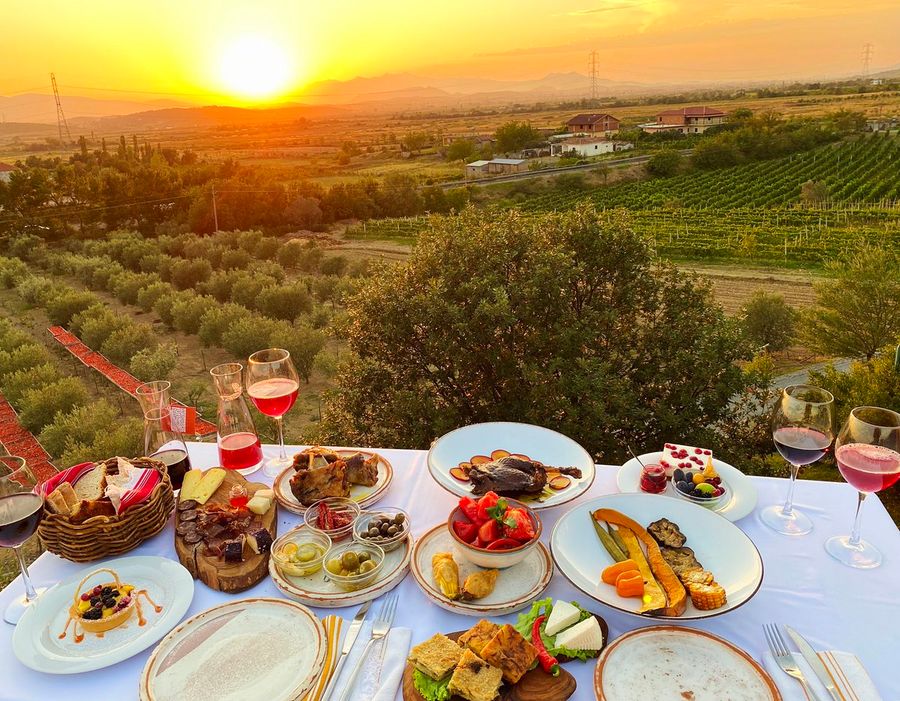
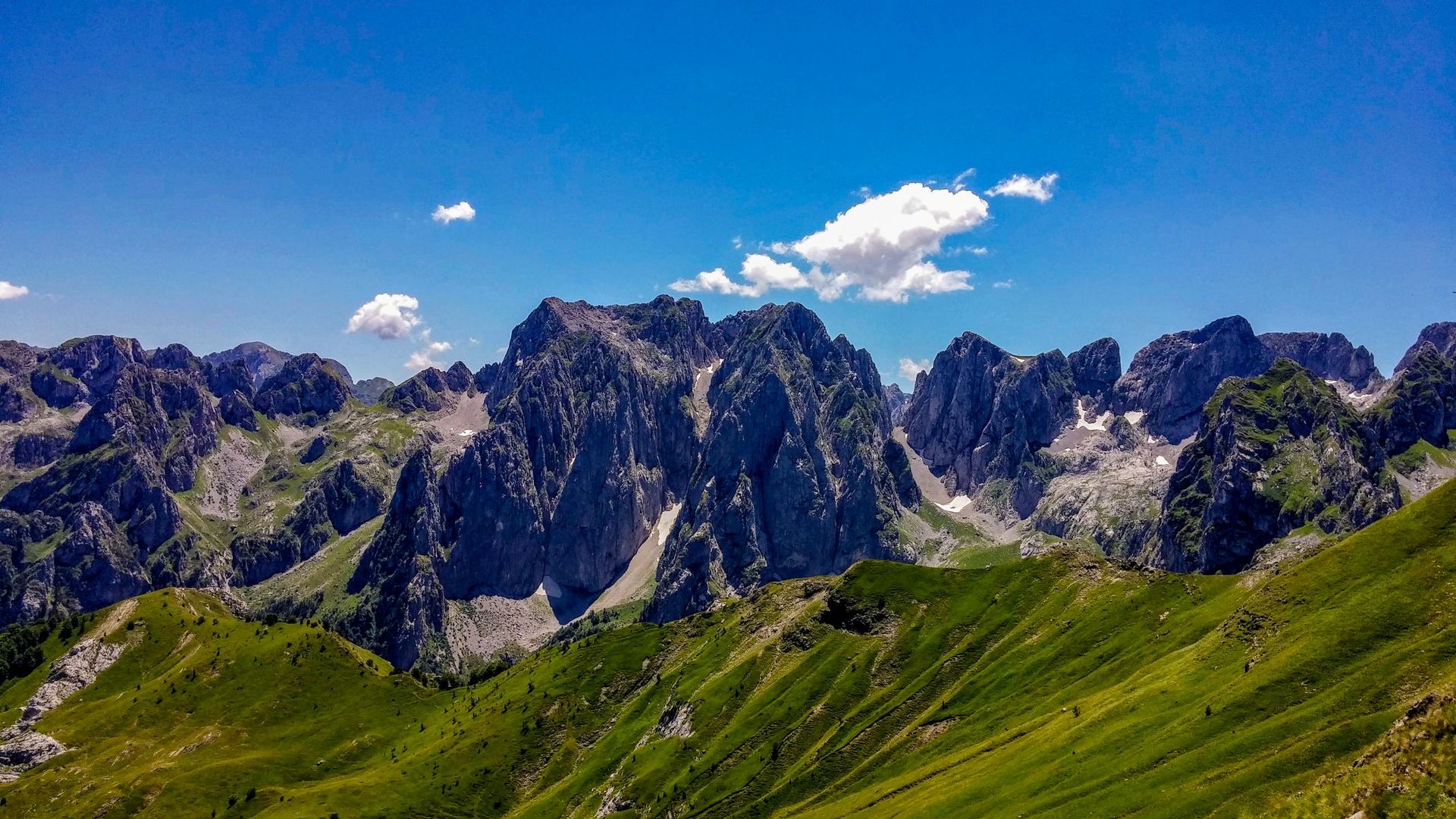
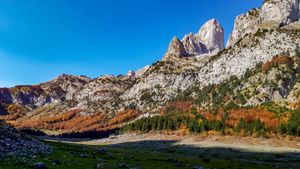
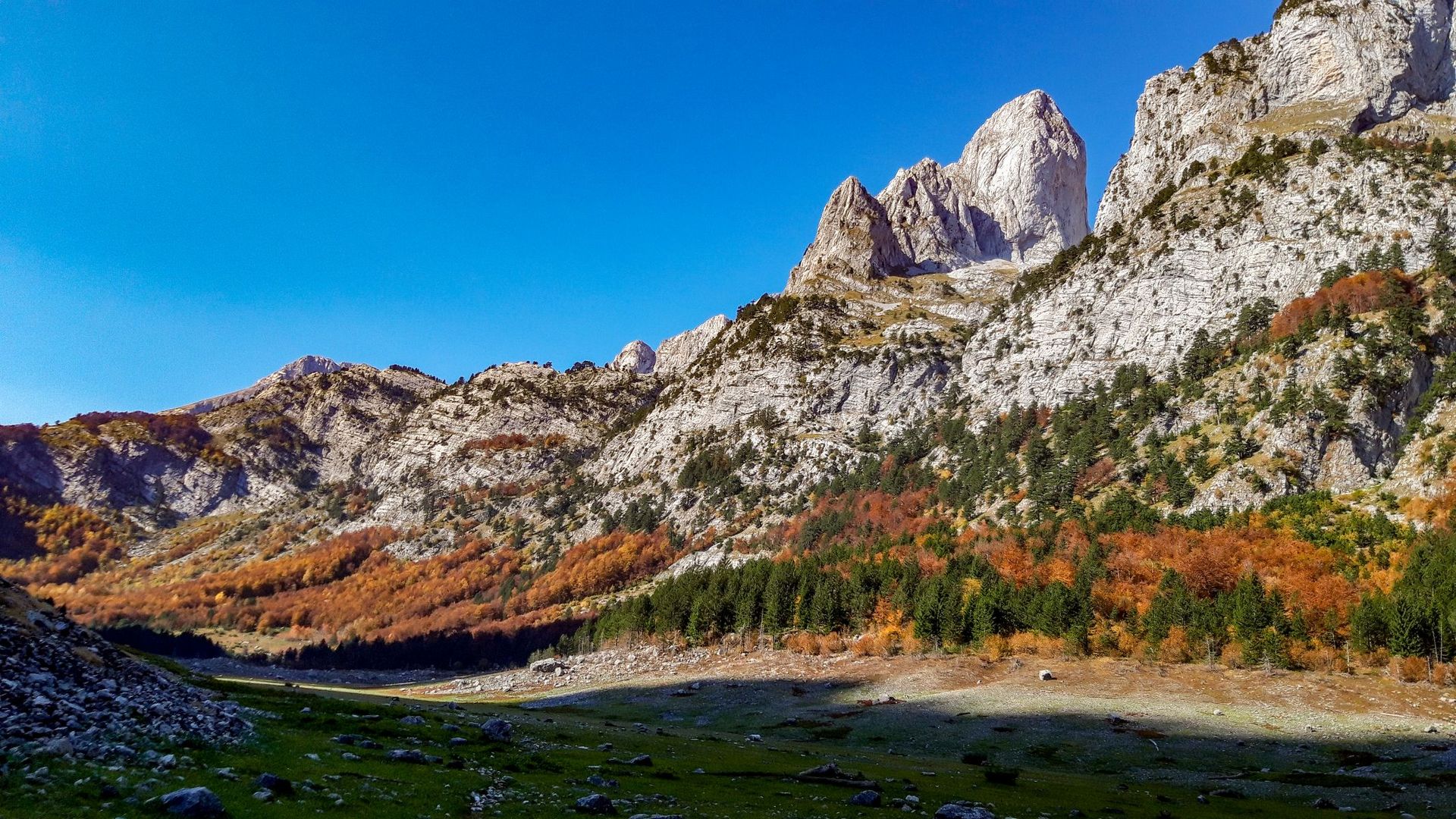
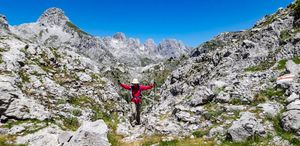
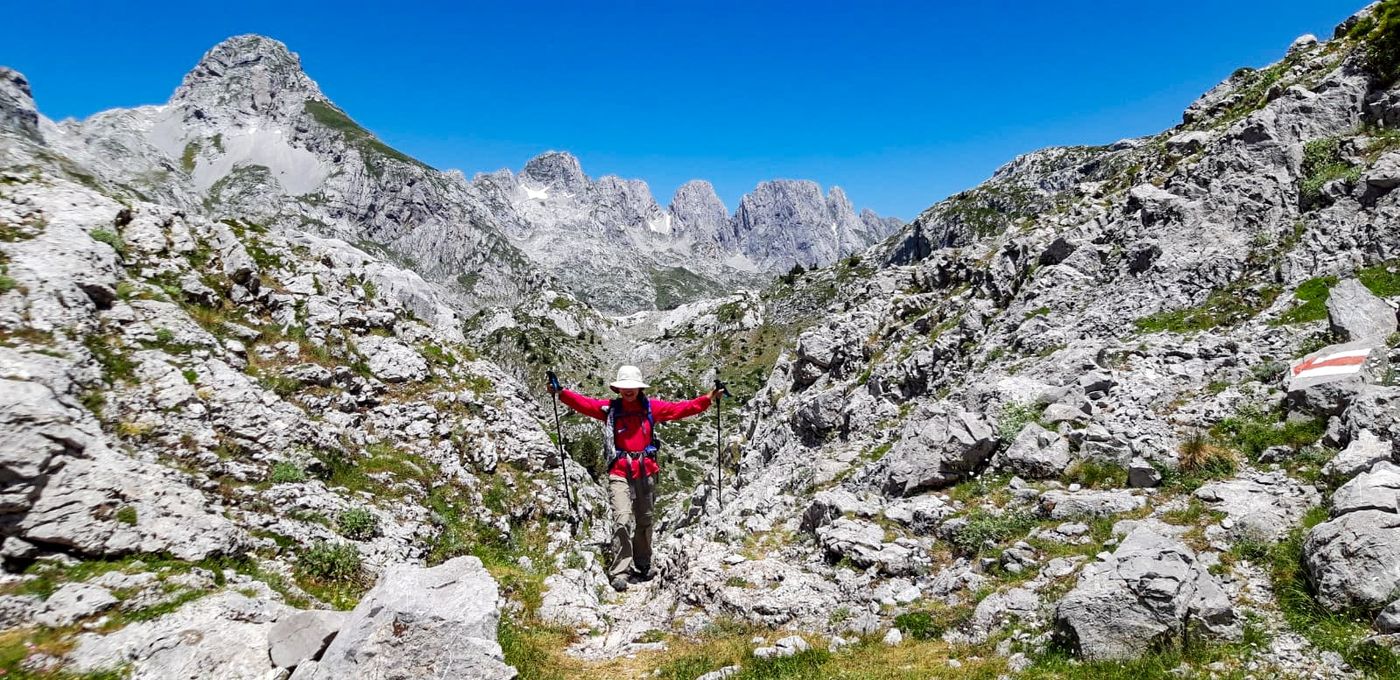
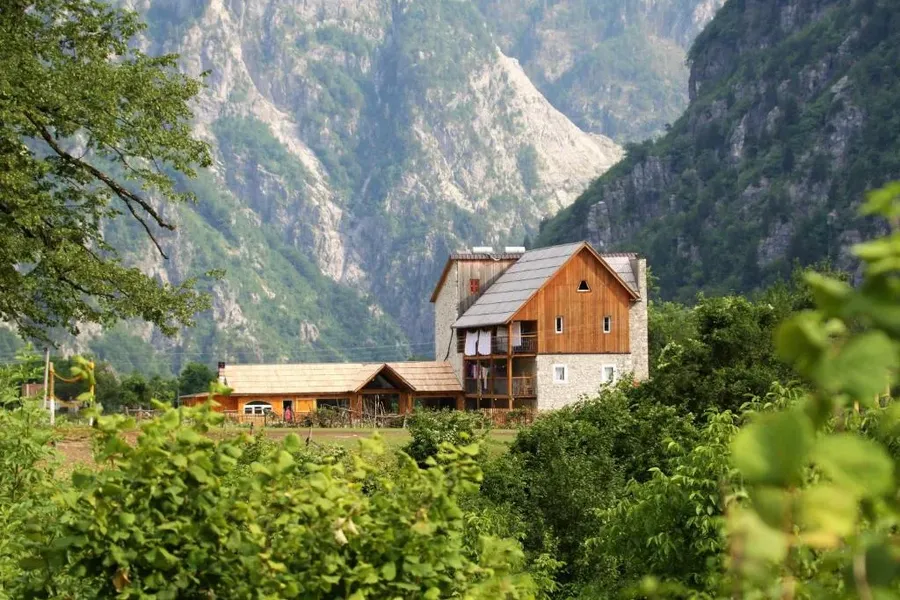
The Balkans Experience
What you'll eat
Where you'll stay
How you'll travel
More About This Destination
The history of the Balkans over the last 3,000 years is a history of being a vital geographical and cultural crossroads, marked by successive waves of invaders, the rise and fall of great empires, the schisms of Christianity, and cycles of conflict driven by cultural and nationalist identity.
I. Antiquity (c. 1000 BC – AD 395)
The Balkans initially developed distinct indigenous cultures that later came into contact with the influence of classical civilisation.
Indigenous Tribes (Pre-Roman): The peninsula was primarily home to the Illyrians in the west (ancestors of modern Albanians), the Thracians and Dacians in the east, and the north. Ancient Greek city-states also began to colonise the southern coasts and establish trade routes.
Rise of Macedon (4th Century BC): The Kingdom of Macedon, under figures like Philip II and Alexander the Great, rose from the southern Balkans to briefly conquer the vast Persian Empire, spreading Greek culture and influence across the Near East.
The Roman Empire (2nd Century BC – AD 395): Rome conquered the entire peninsula, transforming it into a major, prosperous, and stable region. The Balkans became the birthplace of many Roman Emperors, including Constantine the Great. Roman rule established a unifying legal system, infrastructure (like the Via Egnatia), and the linguistic root for later Romance-speaking groups (like the Romanians/Vlachs).
II. Medieval Period (AD 395 – c. 1450)
The division of the Roman Empire, significant migrations, and the emergence of independent Slavic kingdoms characterise this era.
Division and Byzantium (AD 395): The Roman Empire split, with the Balkans becoming the contested border between the Western Roman Empire (Catholic, Latin) and the Eastern Roman (Byzantine) Empire (Orthodox, Greek). Constantinople (Byzantium) became the dominant political and religious power.
Slavic Migrations (6th–7th Centuries): Waves of Slavic tribes migrated south into the Balkan Peninsula, settling throughout the lands previously held by Rome and Byzantine Empires. These tribes are the ancestors of modern Serbs, Croats, Bosnians, Slovenes, Montenegrins, and Bulgarians.
Medieval Kingdoms and Religious Split:
Independent States: Powerful medieval kingdoms emerged, including the First and Second Bulgarian Empires and the Serbian Empire (under Stefan Dušan in the 14th century).
The Great Schism (1054): The formal split of Christianity cemented the religious and cultural divide still seen today:
Eastern Orthodoxy (Byzantine influence) in Serbia, Bulgaria, Montenegro, and Greece.
Roman Catholicism (Roman influence) in Croatia and Slovenia.
Islam: The Bogomil (Christian Gnostic) population in Bosnia resisted both Orthodoxy and Catholicism, making the area a fertile ground for later mass conversion to Islam under the Ottomans.
III. Ottoman and Habsburg Rule (c. 1450 – 1878)
The conquest by the Ottoman Turks marked the single most significant geopolitical shift in Balkan history.
The Ottoman Conquest (14th–15th Centuries): The Ottoman Empire began its rapid conquest, defeating the Serbs at the Battle of Kosovo (1389) and taking Constantinople in 1453. By the 16th century, the Ottomans controlled almost the entire peninsula.
Impact: The Ottoman period introduced Islam (becoming the majority religion in Bosnia and Albania) and established the Millet system, which governed populations based on religion.
Imperial Decline and the Rise of Nationalism (18th–19th Centuries): As Ottoman power waned, the resulting weakness and administrative abuse fueled ethnic and religious resistance movements. This struggle became known as the Eastern Question.
1804–1829: The Serbian Revolution and the Greek War of Independence successfully created the first modern, independent Balkan states, inspiring others.
1878: Following the Russo-Turkish War, the Congress of Berlin recognised the complete independence of Serbia, Montenegro, and Romania, and the autonomy of Bulgaria, shrinking Ottoman territory to a small southern pocket.
IV. Modern Era: Turmoil and Nation-States (1878 – Present)
The final push for self-determination and the emergence of new national states led to massive conflict.
The Balkan Wars (1912–1913): The Balkan states united to expel the Ottomans completely, then immediately fought each other over the spoils, which created the intense resentments that helped trigger the next global conflict.
World War I (1914–1918): Nationalism, particularly the conflict between Serbia and Austria-Hungary over Bosnia, led to the assassination of Archduke Franz Ferdinand in Sarajevo and the outbreak of World War I.
Yugoslavia (1918–1991): After WWI, the Kingdom of Yugoslavia was formed to unite the South Slavs. After World War II, it was reconstituted as the Communist Socialist Federal Republic of Yugoslavia under Marshal Josip Broz Tito. Tito suppressed nationalism for decades, maintaining unity through a multi-ethnic, non-aligned federal state.
The Breakup and War (1991–2001): Following Tito’s death and the collapse of communism, suppressed ethnic and nationalist tensions violently resurfaced, leading to the Yugoslav Wars (most notably in Croatia, Bosnia, and Kosovo) and the dissolution of Yugoslavia into seven independent countries.
Today, the region is marked by its ongoing journey toward economic stability and integration with the European Union, while still navigating the deep cultural and political fault lines that have been inherited from three millennia of imperial rule and ethnic intermingling.
The Balkan Peninsula is one of Europe's most important biodiversity hotspots, owing to its complex geology, varied climate (Mediterranean, Continental, Alpine), and its role as a glacial refuge, which allowed many ancient species to survive. This results in a high number of endemic species (species unique to the region).
Here are the main flora, fauna, and endemic species of the Balkans.
Flora (Plant Life)
The Balkan region boasts an exceptionally rich flora, with over 8,000 plant species, nearly 1,000 of which are endemic.
Main Flora
Forests: The most widespread vegetation is the Balkan Mixed Forests, dominated by:
Beech (Fagus) and Oak (Quercus) forests in the lower and middle elevations.
Conifers like Macedonian Pine (Pinus peuce) and Bosnian Pine (Pinus heldreichii) grow in the high mountains.
Alpine Flora: High mountain pastures (particularly in the Dinaric Alps and Prokletije) are rich in colourful subalpine and alpine flowering plants.
Mediterranean Flora: The Adriatic and Ionian coastlines are characterised by typical Mediterranean vegetation, including evergreen shrubs such as maquis and hardy aromatic herbs.
Endemic Plant Species (Balkan Endemics)
The high number of plant endemics is a defining feature of the region's flora. Key examples include:
Serbian Spruce (Picea omorika): A rare and beautiful conifer endemic to a small area along the Drina River in Serbia and Bosnia.
Serbian Ramonda (Ramonda serbica): Known as the "phoenix flower" for its ability to revive after being completely dried out.
Macedonian Pine (Pinus peuce): A five-needle pine relict species found in the mountains of the central and southern Balkans.
Many unique varieties of hellebores, gentians, and campanulas.
Fauna (Animal Life)
The Balkans is one of the last places in Europe with significant populations of large carnivores and a high diversity of freshwater life.
Main Fauna
Large Mammals: The region supports some of Europe's largest remaining populations of top predators:
Eurasian Brown Bear (Ursus arctos): Abundant, particularly in the dense forests of the Dinaric Alps (Croatia, Slovenia, Bosnia) and the Pindus Mountains.
Grey Wolf (Canis lupus): Widespread throughout the mountainous, forested areas.
Eurasian Lynx (Lynx lynx): Present, though in small, fragmented populations.
Wild Boar (Sus scrofa) and Chamois (Rupicapra rupicapra).
Birds: The wetlands (like Lake Skadar) and mountains are vital for birdlife:
Griffon Vulture and Egyptian Vulture.
Dalmatian Pelican (especially at Lake Skadar).
Golden Eagle and Saker Falcon.
Endemic Animal Species
Endemism is particularly high in aquatic species, often due to the unique karst geology.
The Olm or Proteus (Proteus anguinus): An extraordinary, blind, aquatic salamander endemic to the underwater caves of the Dinaric Karst. It's often called the "human fish" because of its skin colour.
Balkan Lynx (Lynx lynx balcanicus): A critically endangered subspecies of the Eurasian Lynx, with a tiny population concentrated in North Macedonia and Albania.
Fish: The karst rivers and ancient lakes like Lake Ohrid (shared by North Macedonia and Albania) are famous for endemic fish, including the Ohrid Trout and dozens of species of snails and crustaceans found nowhere else.
Reptiles: The Mosor Rock Lizard (Dinarolacerta mosorensis) is endemic to the coastal Dinaric Alps.
Balkan cuisine is a vibrant, hearty, and diverse fusion of European and West Asian culinary traditions. Its characteristics are a direct reflection of its history, heavily shaped by centuries of Ottoman rule, as well as Mediterranean, Austro-Hungarian, and Slavic influences.
The food is characterised by strong flavours, an emphasis on grilled meats, stuffed vegetables, rich dairy products, and savoury pastries.
Core Characteristics & Staples
- Ottoman Influence: This is the foundational layer, responsible for popularising filo dough pastries, ground meat dishes, and syrupy desserts.
- Meats & Grills (Roštilj): Grilled meat is central to the cuisine, often made from minced beef, lamb, and sometimes pork (depending on the religious background of the region).
?evapi (or ?evap?i?i): Small, oblong grilled minced meat "sausages," typically served in a flatbread (Lepinje or Somun) with chopped onions. A staple of Bosnia, Serbia, and Croatia. - Pljeskavica: A large, seasoned grilled meat patty, essentially the Balkan version of a hamburger, often topped with Kajmak and Ajvar.
Pastries & Pies: The daily staple often involves paper-thin layers of dough (phyllo/filo).
- Burek: A flaky pastry, usually coiled into a spiral or layered into a round pie, filled with spiced meat (the traditional, proper Burek in Bosnia), cheese (Sirnica), spinach and cheese (Zeljanica), or potato (Krompiruša).
- Gibanica / Banitsa: A slightly fluffier, layered pastry pie filled primarily with white cheese (like feta or Sirene).
Stuffed Vegetables (Dolma / Sarma): Dishes that involve filling vegetables or leaves with a mixture of rice, minced meat, and herbs.
- Sarma: Minced meat and rice wrapped in pickled cabbage leaves or grape leaves, slow-cooked in a broth, a winter favourite.
- Punjene Paprike: Bell peppers stuffed with meat and rice, stewed in a tomato sauce.
Dairy & Condiments:
- Kajmak: A rich, thick, creamy dairy product similar to clotted cream. It's often eaten as a spread with bread or melted over grilled meat.
- Ajvar: A savoury relish or spread made primarily from roasted red bell peppers, often mixed with eggplant and garlic. It ranges from sweet to spicy and is the quintessential Balkan condiment.
The temperature in the Balkans can change dramatically depending on the season. Summer is the best time to visit the Balkans.
See the website walk page for more details.
Your main piece of luggage will be transported for you each day as you walk, so when you arrive at your accommodation, it will be there waiting for you. You will only have to carry a light day pack with your essentials.
As with any journey, it is essential to be prepared for your self-guided walking holiday. While we will be transporting your luggage from accommodation to accommodation, you will still be carrying a lightweight day pack with you. Here is what we suggest that you take with you each day:
- Walking notes, map and a map case
- Picnic lunch packed in an insulated container (when supplied)
- Quality waterproof jacket with a hood
- Warm jumper or jacket
- Sunhat/Rainhat
- Comfortable walking shoes or boots
- Waterproof backpack cover
- Sunscreen (at least 15 SPF+)
- 1 to 2 litres of water
- First aid kit
- Toilet paper
- Some money
- Mobile phone (please note that reception is not available in all walk areas)
- Personal insect repellent, band-aids, and a small container of salt mixed with rice grains
- Personal necessities (example: required medication)
Now that we have the essentials packed, it is time to think of any additional items that may be worth taking along with you. These items may include but are not limited to:
- Waterproof over-trousers
- Warm hat
- Extra socks
- Sunglasses
- Camera (with a spare battery or SIM cards)
- Binoculars
- Notebook and pen
- Matches
- Small torch
- Walking stick / walking poles
- Additional snacks
If you have any questions, please feel free to contact our office and have a chat with our friendly team. We will happily advise you on what types of clothing, backpacks, boots, and other materials you may need for your walking holiday.
Frequently Asked Questions
Can't find what you're looking for?
We can create a custom trip tailored to your preferences.
As Featured In