


-300x200.jpg)





-300x200.jpg)


-300x200.jpg)

-300x200.jpg)




















-300x200.jpg)







Japan
Strolls in Japan blend cultural immersion, stunning landscapes, and authentic experiences unlike anywhere else. Walk along ancient pilgrimage routes, coastal paths, and mountain trails while experiencing the country's soul through tea ceremonies, restorative onsen baths, and traditional ryokan stays.
Tips, tricks, and trail insights - everything you need to know about multi-day walks in Japan.
30+ Years Experience
Three decades of crafting memorable walks worldwide
Pack-Free Walking
Your luggage travels ahead while you walk light
24/7 Support
We're always just a phone call away
Eco Travel
Tread lightly through the places you love
As Featured In









Destinations in Japan
8 destinations to explore
Swipe to explore
-1400x933.jpg)
-1400x933.jpg)
All Strolls in Japan
29 strolls available
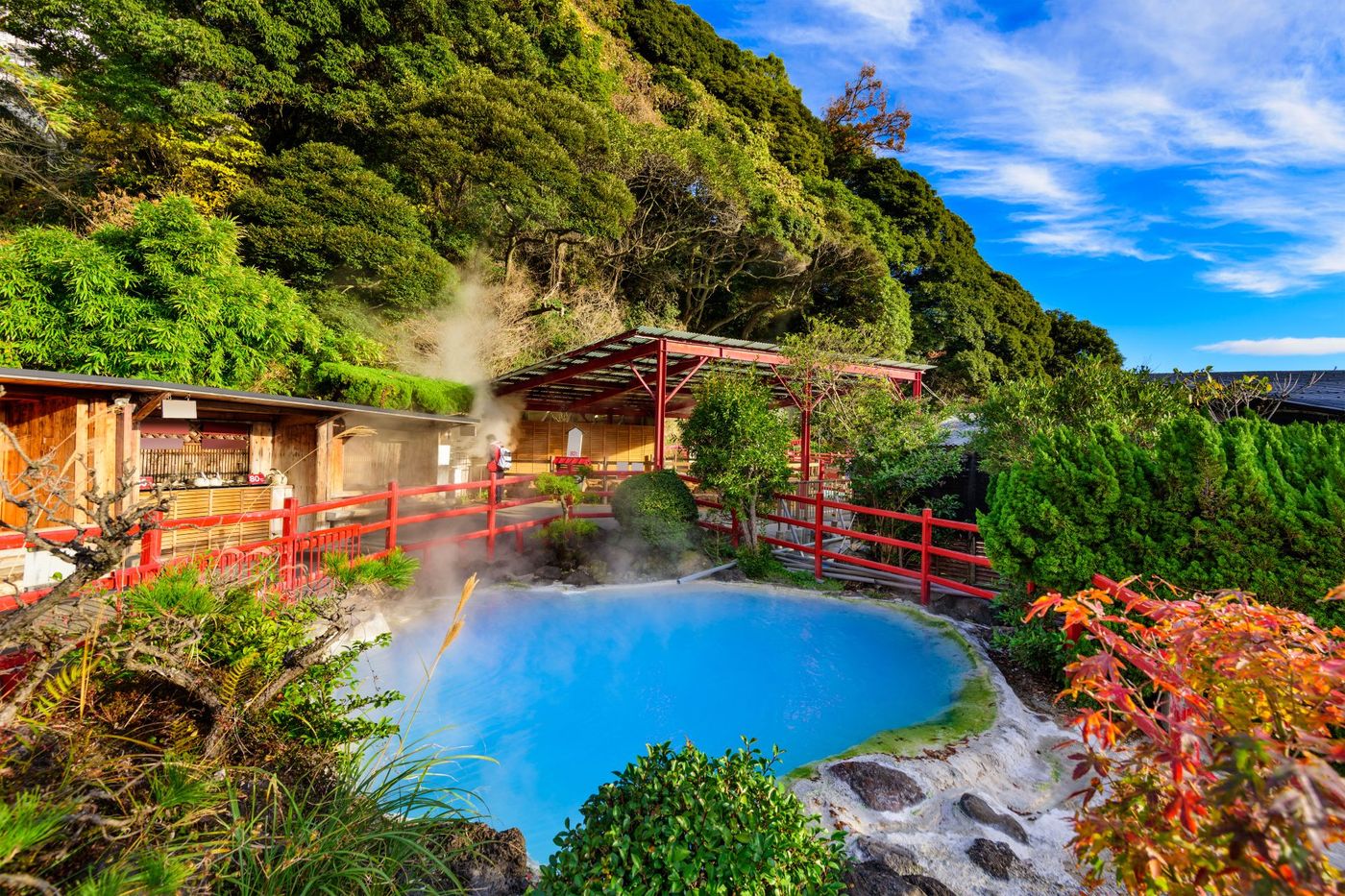

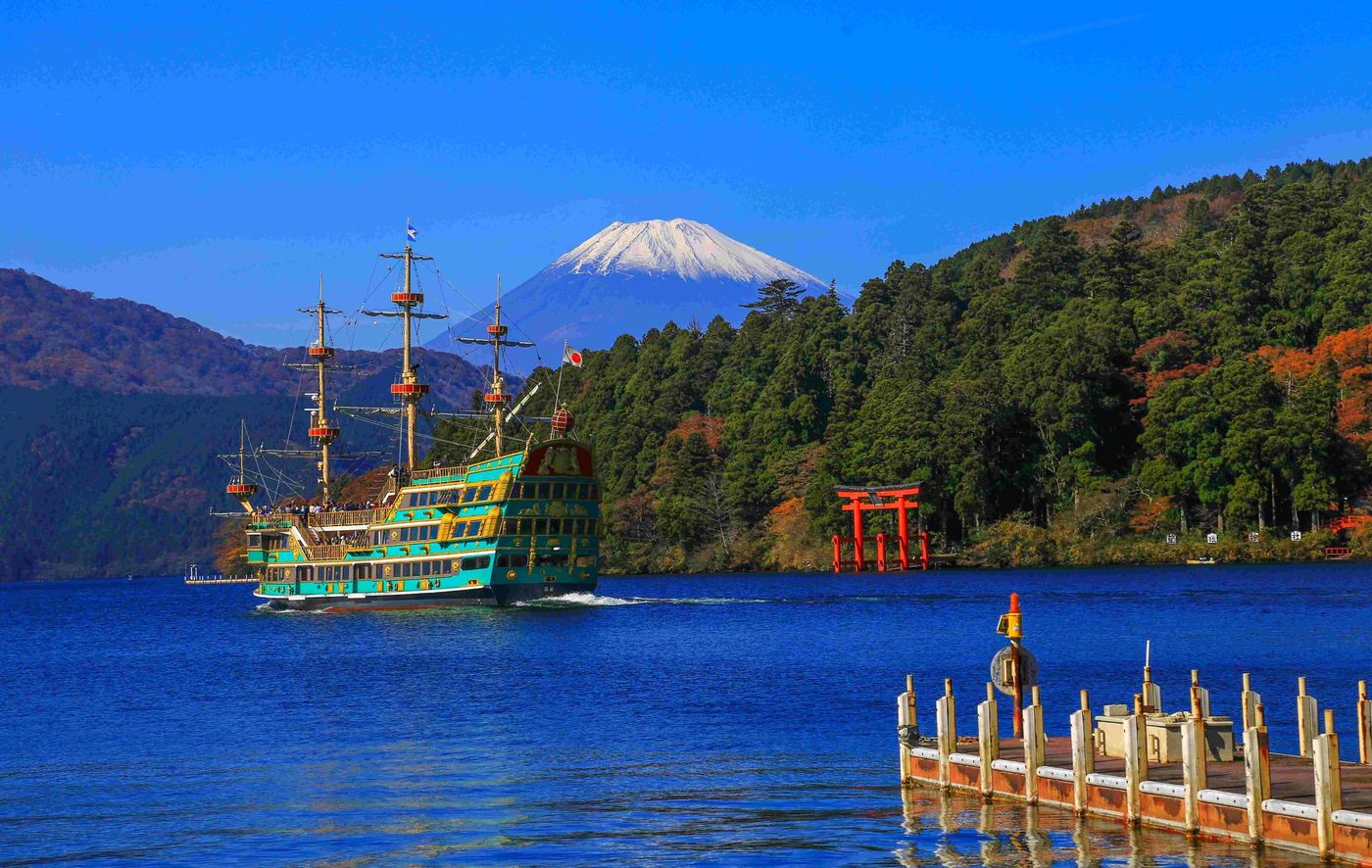
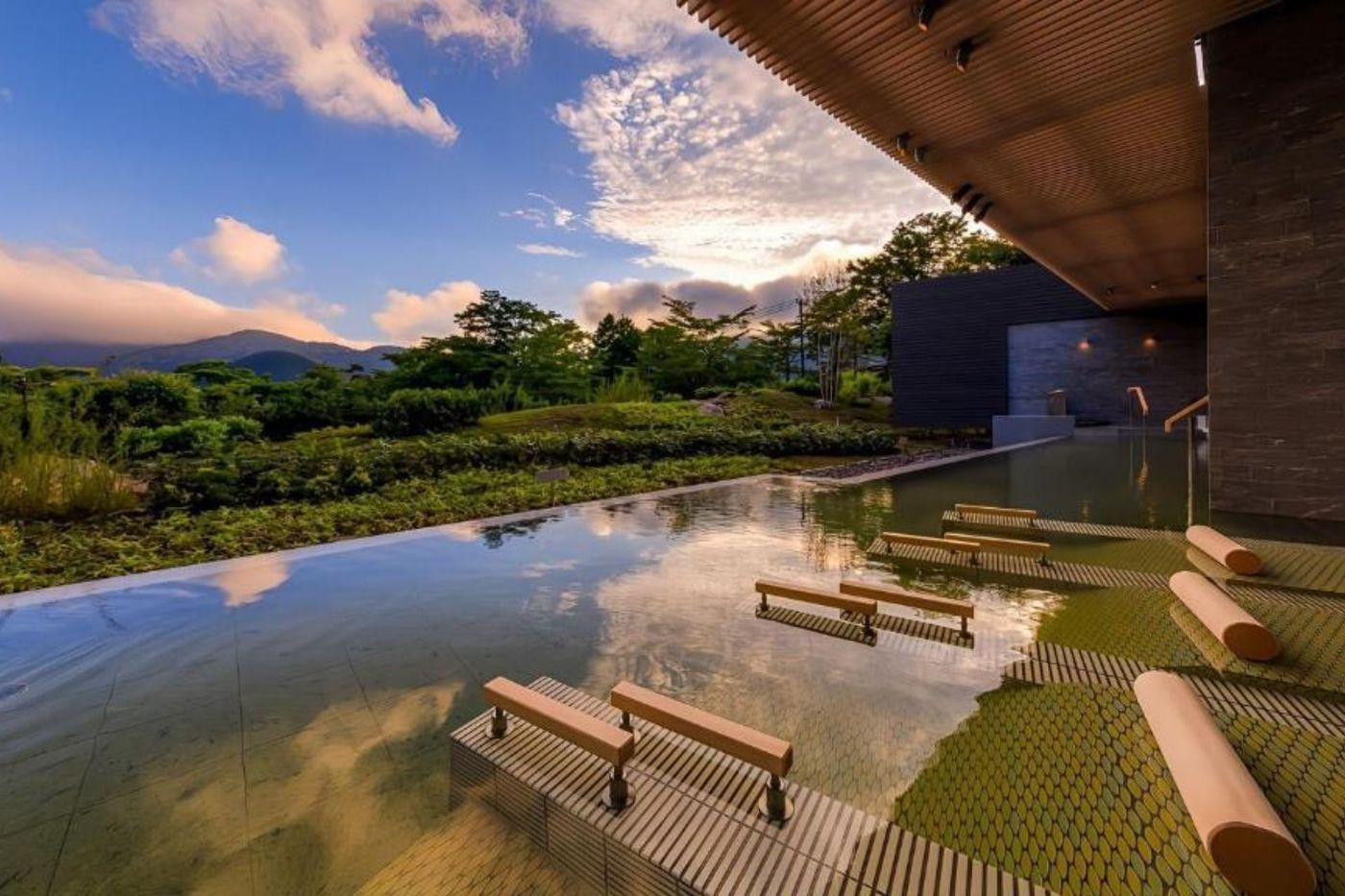
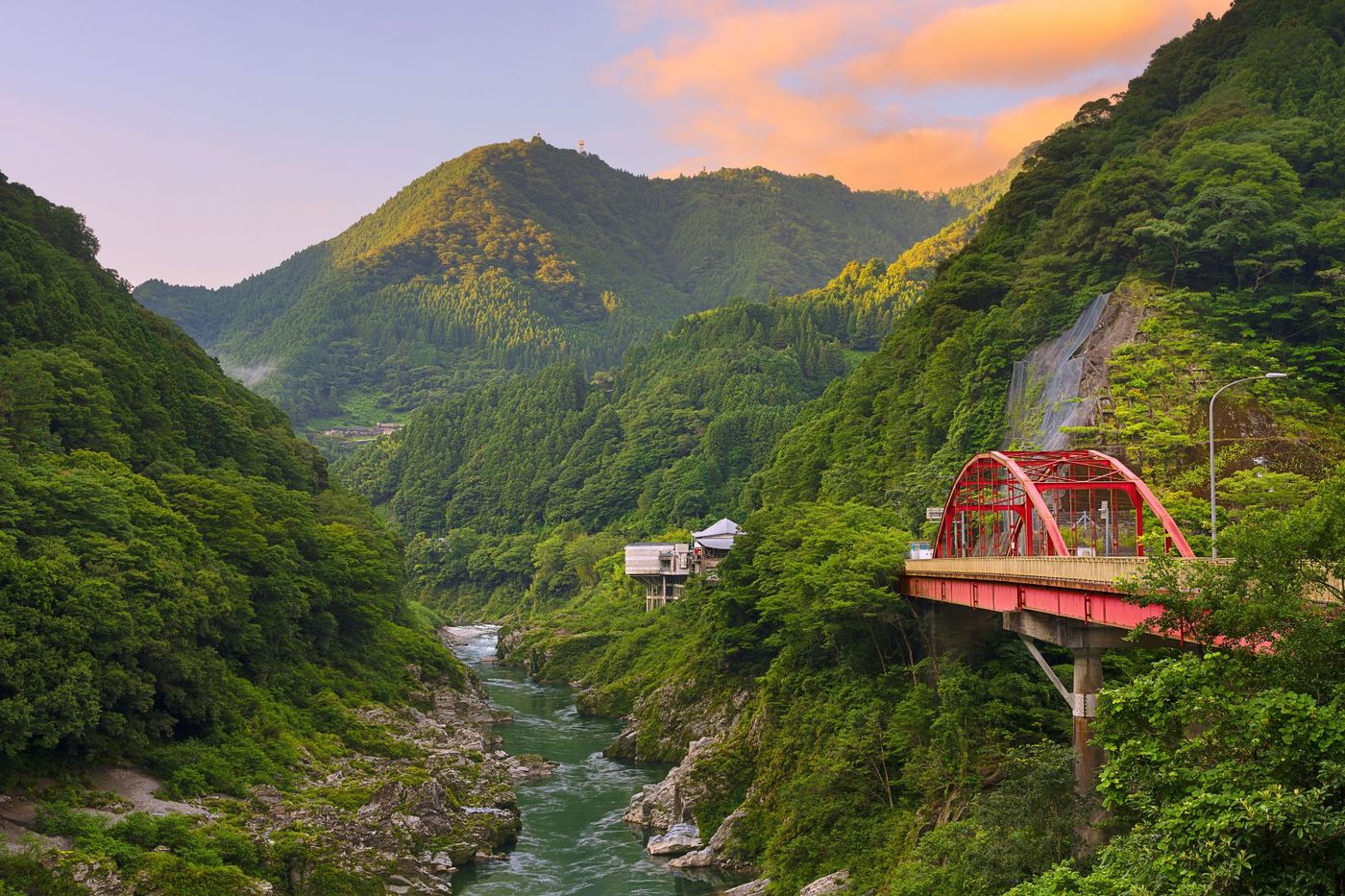
Gallery
A closer look at Japan
Japan reviews
Loved by walkers
More About This Region
- Benefit from 30 years' experience in delivering walking holidays
- Accommodation in authentic Japanese Ryokans, hotels and guesthouses
- Multi-course dinners and breakfasts
- All luggage transport (see the luggage transfer section on individual walk pages for specific details)
- Most transfers on the walk (there are a few short low-cost journeys on public transport that can't be pre-booked)
- Stroll App and comprehensive walk notes and written and curated by Stroll so you can walk with confidence
- Support from the Stroll team both in Australia and on the ground
- Insulated lunch bag, silicone lunch box, and eco spork
As per the landscape and time of year, the weather can also vary wildly. From snow and below zero to forty degrees Celsius with 90% humidity.
The best times to walk on almost all destinations are spring and autumn, but please see below and review the detailed information for each destination on the specific walk's website page.
Key Regional Differences:
Hachinohe (Northern Honshu):
Coldest region with winter temperatures from -4°C to 3°C, warmest in August at 28°C, with August being the wettest month at 140mm
Best months are June and September with pleasant temperatures between 20-26°C
Kyoto (Central Honshu):
August reaches the highest temperatures at 26.1°C average, with July being the wettest month at 241mm rainfall
January is coldest at -0.2°C to 5.8°C, and spring (April-June) and autumn (October-November) provide the most pleasant conditions
Tokyo (Eastern Honshu):
August is hottest at 26°C, January coldest at 5°C, with June being wettest at 181mm
Autumn (September-November) is considered best time to visit with comfortable temperatures between 12-18°C l
The charts clearly show the climate variation across Japan's main island, helping you plan walks based on your preferred weather conditions!
We provide trips in Japan that suit almost all levels of fitness, however some of the longer trips are more challenging (though not in our toughest 'strenuous' category).
The grading system has been designed from having 30 years of experience walking the tracks and with our guides, to enable you to understand what you'll face and prepare accordingly. The grades are depicted at the top of each walk webpage and range from easy to moderate to strenuous.
There is a fitness guide on each website page (e.g. Kumano Kodo 7 day) for the trip you might be interested in. Please also refer to the fitness guide in About Us.
As with any journey, it is essential to be prepared for your walking holiday and what we have outlined will vary slightly from destination to destination and season. Our experts have written some guides you might find helpful preparing for your trip (note: we have recommended some brands we personally favour but note none of these are sponsored posts!)
- What's the best footwear for hiking?
- What are the best hiking socks?
- What's the best clothing and accessories for hiking?
- What are the best walking poles?
- What is the best back pack for a walk of this type?
It is important to note that while we will be transporting your luggage from accommodation to accommodation, you will still be carrying a lightweight day pack with you. Here is what we suggest that you carry with you each day:
- Stroll App, walking notes, a map, and a map case
- Quality waterproof jacket with a hood
- Warm jumper (weather dependent) and or jacket
- Sunhat
- Comfortable walking shoes or boots
- Sunscreen (at least 15+)
- At least 2 litres of water
- First aid kit
- Toilet paper
- Some Japanese money - essential as many remote places only accept cash
- Mobile phone and battery backup pack (please note that reception is not available in all walk areas)
- Personal insect repellent, band-aids, and a small container of salt mixed with rice grains
- Personal necessities (e.g. medication)
Now that we have the essentials packed, it is time to think of those additional items that may be worth packing along with you. These may include and are not limited to:
- Waterproof over-trousers - weather-dependent
- Warm hat or hat depending on the season
- Sunglasses
- Camera (with an extra battery or sim cards)
- Small torch especially on the Michinoku Coastal Trail as there are tunnels
- Walking sticks
- Thermos (for hot drinks)
- Additional snacks
Japan has some magnificent walking destinations. This includes cities like Kyoto which, though busy, have some magnificent walking tracks and you can stumble across less frequented gardens, temples and shrines. However, the key to discovering the real Japan lies outside the cities. Many regions do not get tourists where we walk, so when you roll in you are generously welcomed and will likely be treated as well as a looked after like a samurai!
The Key Hiking and Walking Destinations are:
The Kumano Kodo
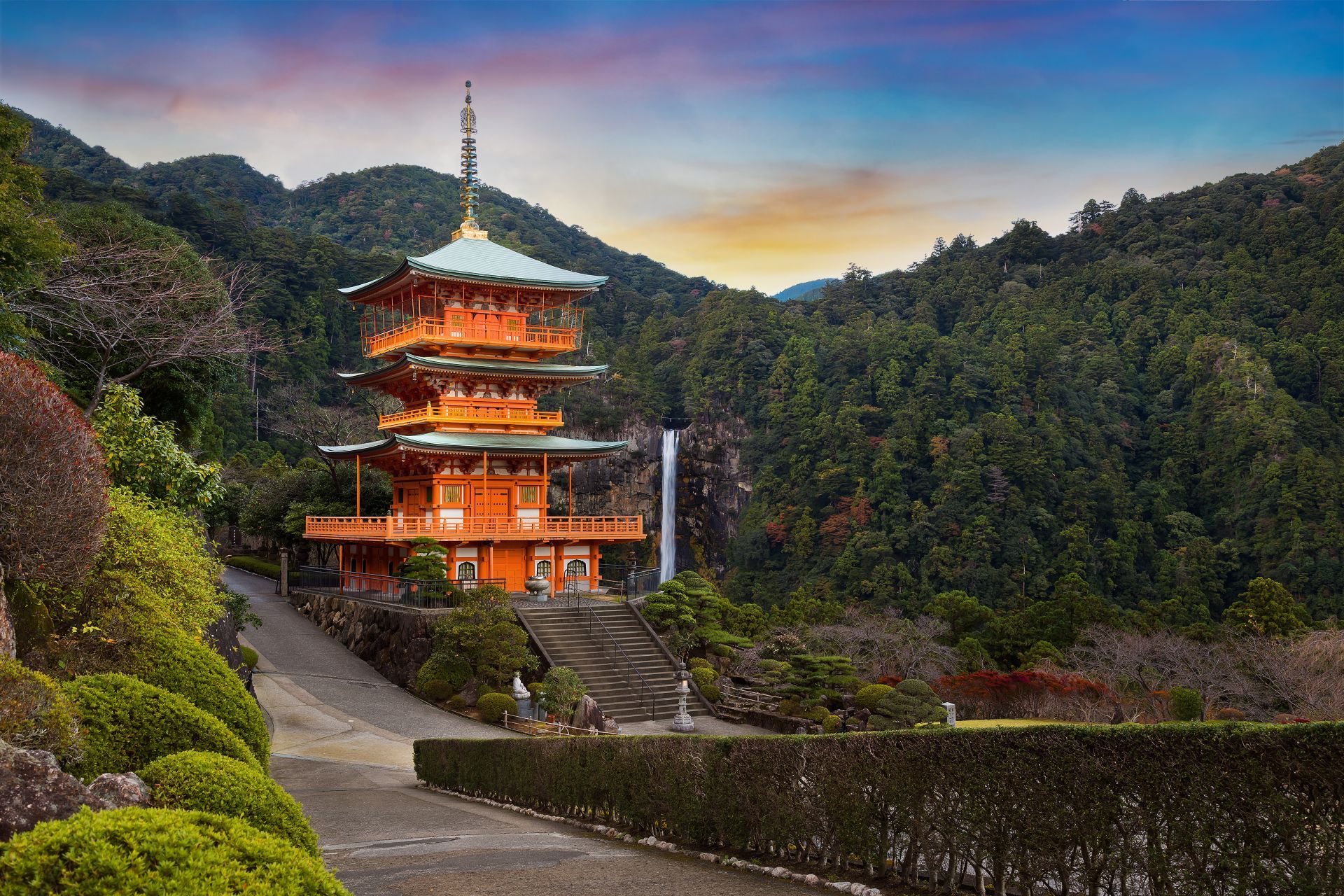
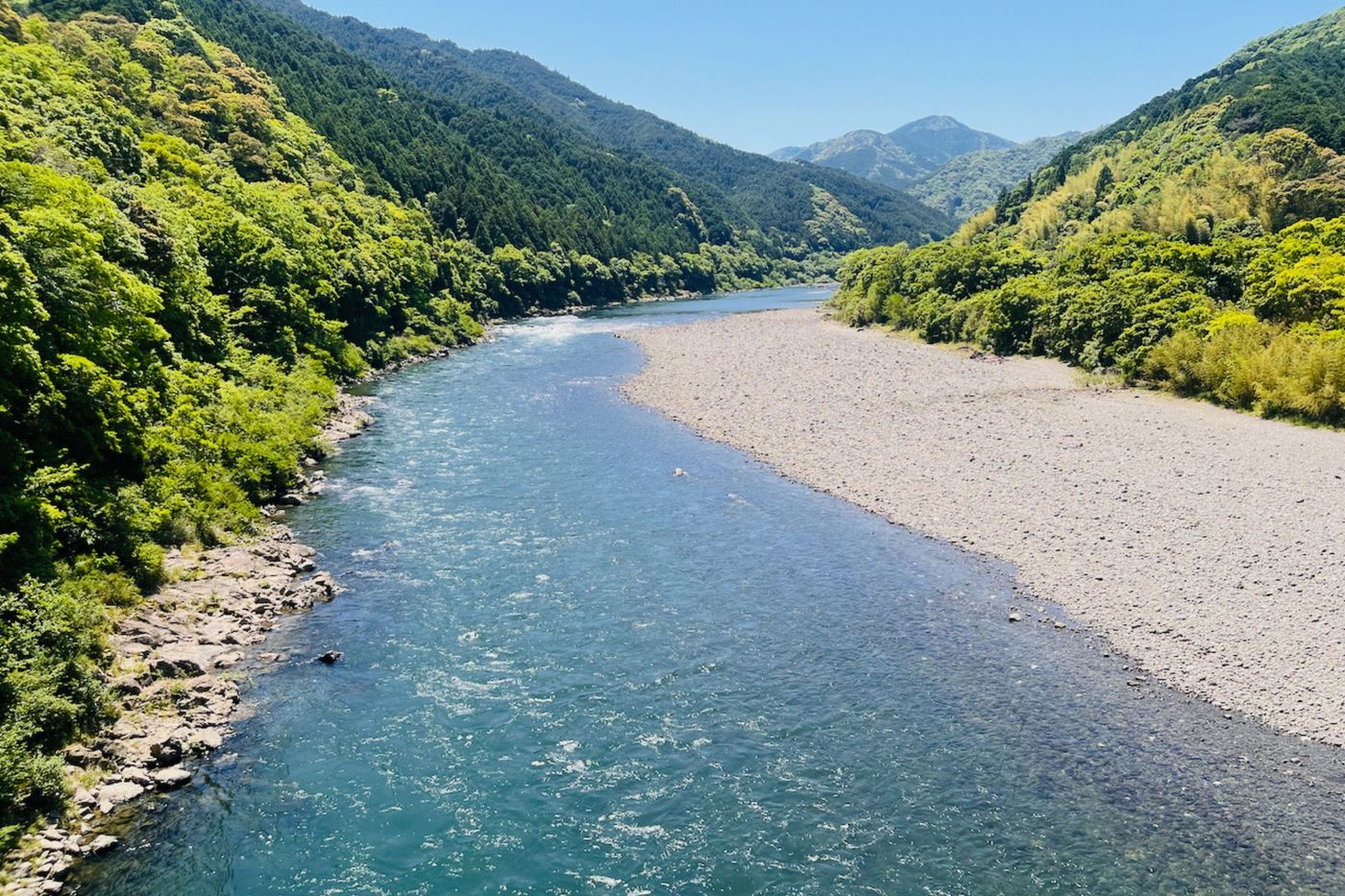
This track is a network of ancient pilgrimage trails on the Kii Peninsula and is a designated UNESCO World Heritage site. These trails lead to sacred sites such as Kumano Hongu Taisha, offering a spiritual journey through forests and mountains. The walk ends at the stunning Waterfall and temple in Nachisan.
The Nakasendo Trail
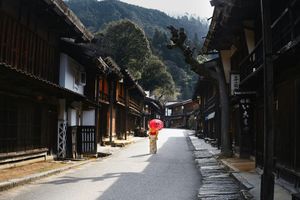
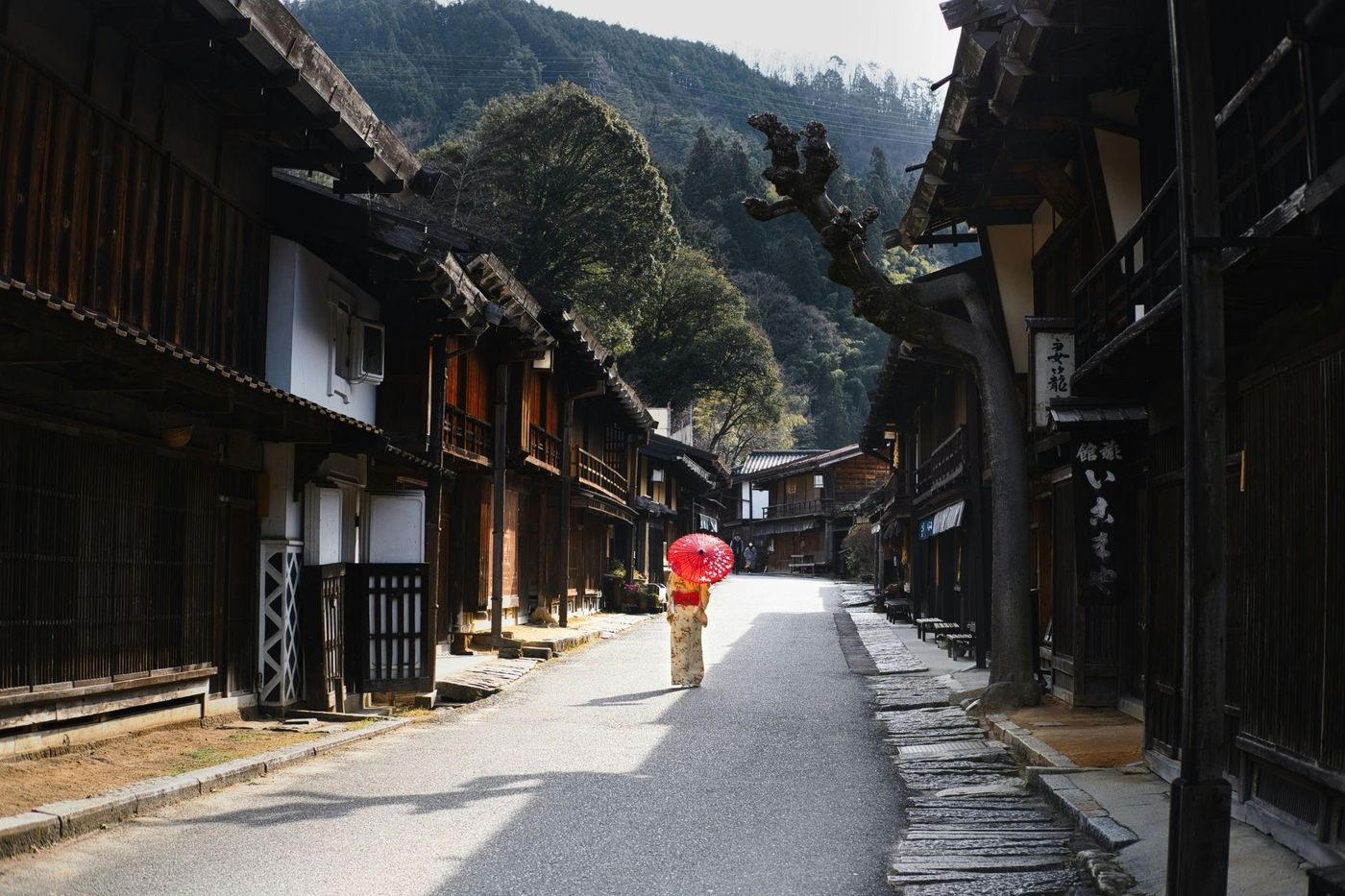
The track is an Edo-period commercial route connecting Tokyo and Kyoto, passing through forest and well-preserved post towns like Magome and Tsumago. It is also not far from the Kaida Plateau and Mount Otake which are great places to walk. This trail provides a historical perspective, showcasing traditional Japanese architecture and culture. A big portion of it has been used for transport and there are some real stand-out sections.
The Shikoku Pilgrimage
This is a 1,200-kilometer route visiting 88 temples on Shikoku Island, associated with the Buddhist monk Kobo Daishi. However, it is best to walk the Shikoku Pilgrimage in shorter segments as much of the walk has been paved over and used for day-to-day transport. Walking through natural areas on the more beautiful tracks and via temples offers the best experience on this route.
The Michinoku Coastal Trail
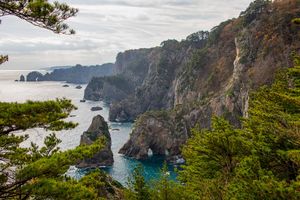
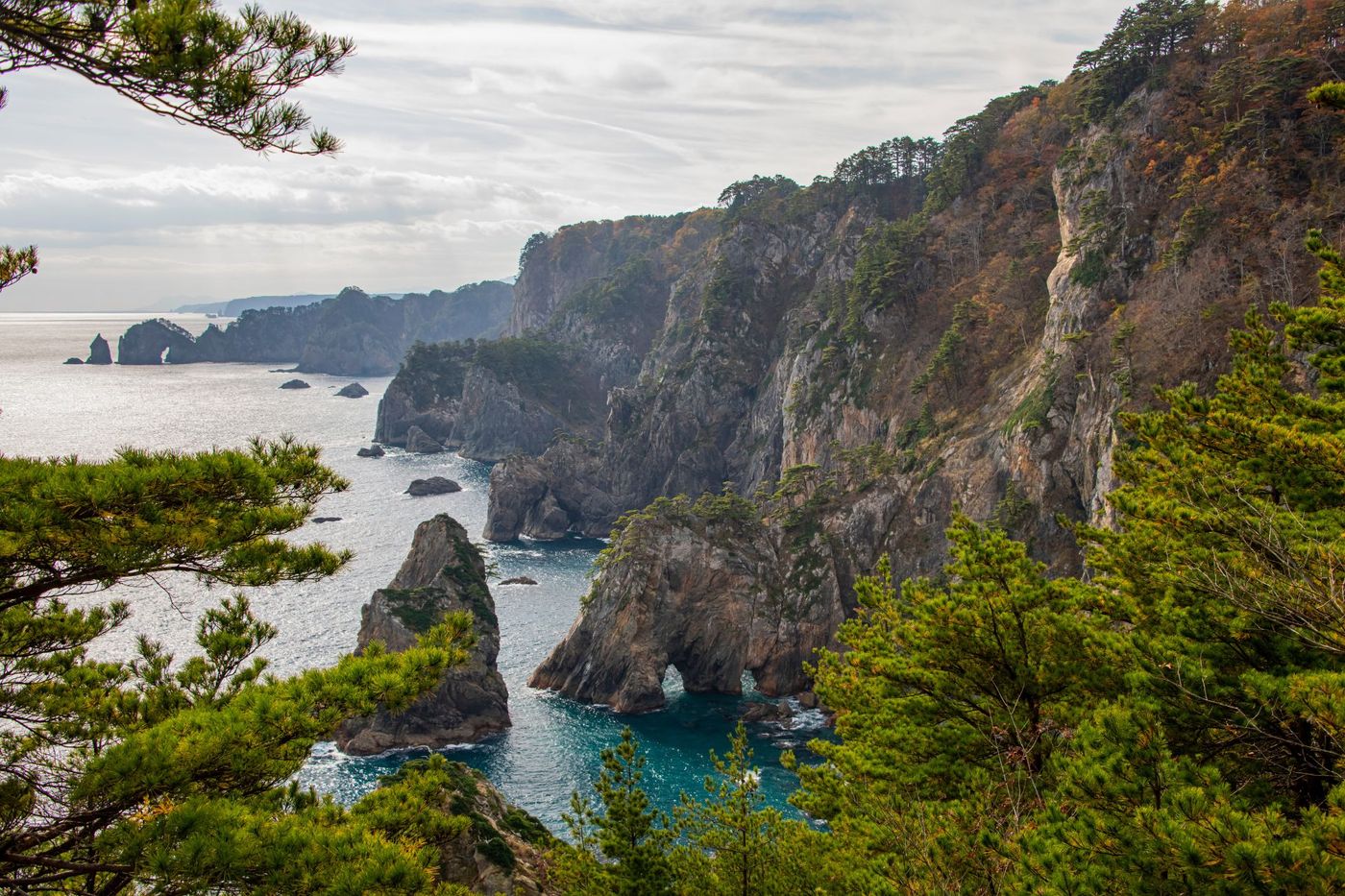
The Michinoku Coastal Trail stretches over 1,000 kilometres from Hachinohe to Soma, and features rugged cliffs, sandy beaches, and lush forests. You will get up close to Japanese culture, especially in the fishing villages and areas recovering from the 2011 tsunami. The highlights include Sanriku Fukko National Park, Hiraizumi, and Kesennuma. The walks are stunning and as you travel through the different towns you will marvel at the Japanese resilience and ingenuity in the face of the disaster.
Nikko National Park and Waterfalls
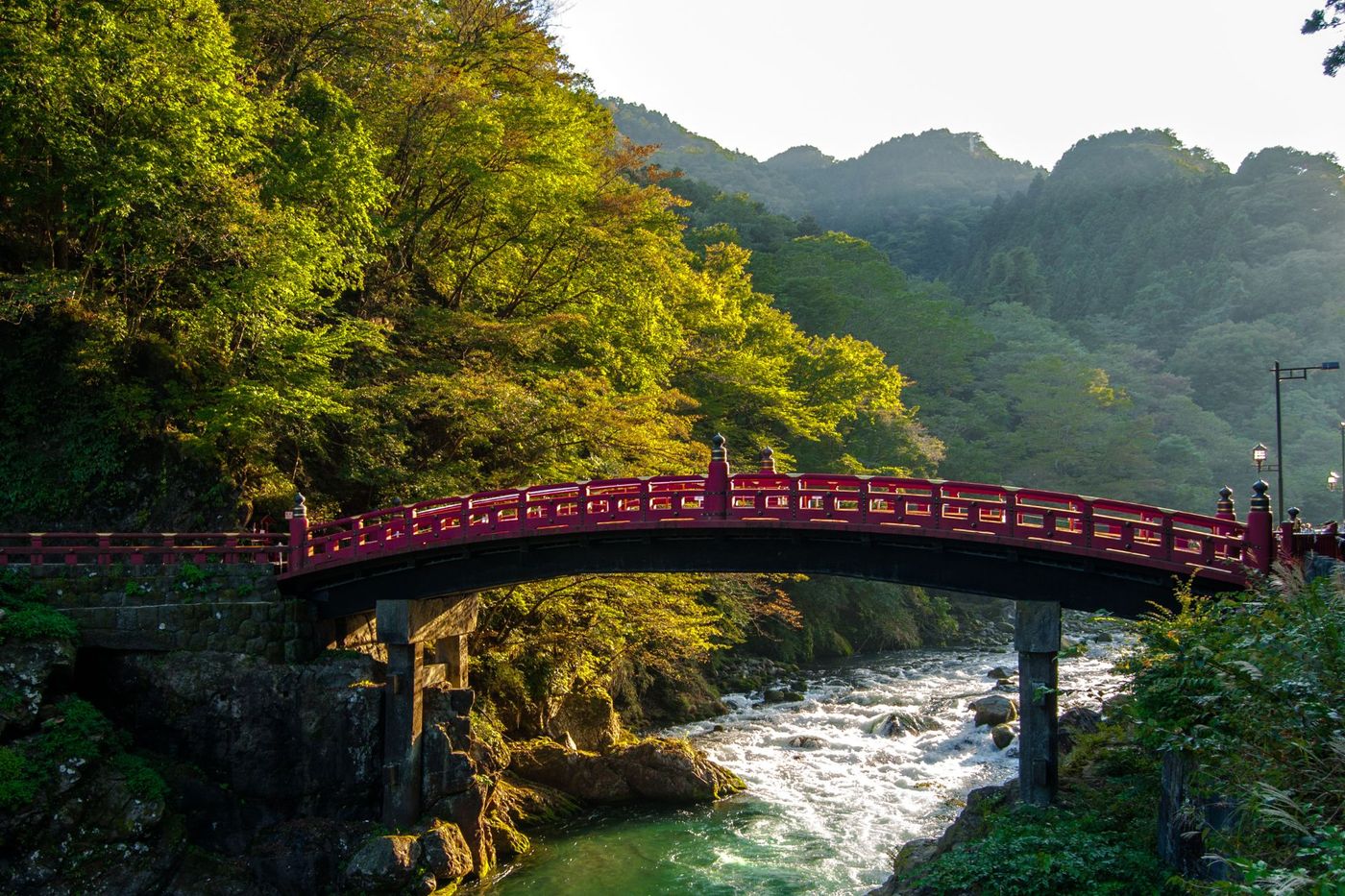
Nikko National Park is a standout amongst many other stunning locations as it offers the best of both worlds: stunning temples and shrines, but also superb mountain, forest and waterfall walking - and is only 2 hours from Tokyo.
Kyoto
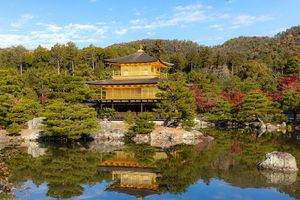
Kyoto rocks its socks off when it comes to hiking. The Kyoto Trail almost circumnavigates the city over the surrounding mountains and via many of the key temples and gardens. We have walked the whole track and put together the best sections. The remote walk into Arashiyama is superb: once you get there it's stunning but crowded. The walk from Fushimi Inari via the mountains, the Emperor's family graveyard, and Kiyomizu-dera Temple to the Gion is also quite amazing.
The Alps and National Parks
The Japanese Alps, including the Northern, Central, and Southern ranges, offer stunning alpine scenery and challenging hikes. National parks like Daisetsuzan in Hokkaido or the Shin Etsu Track near Nozawa Onsen provide diverse flora and fauna, hot springs, and breathtaking landscapes.
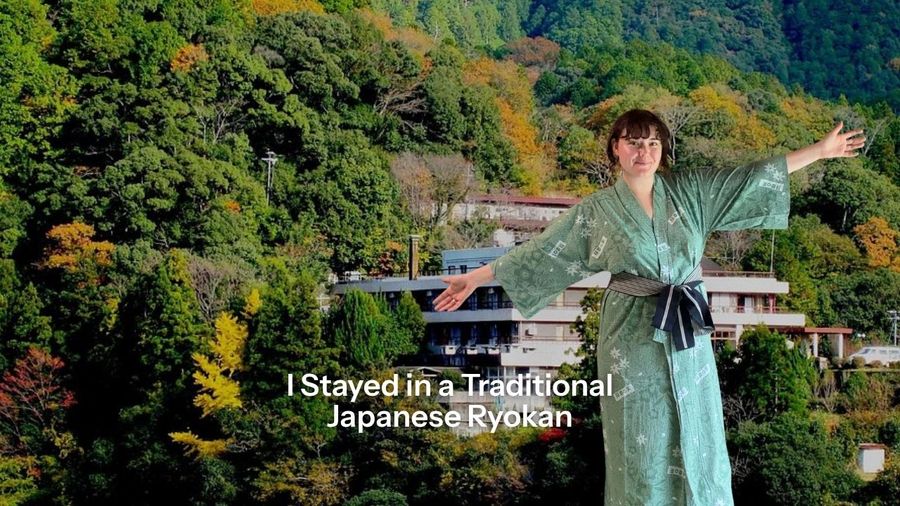
Each night you will be staying in a lovely Ryokan, Minshuku, or Japanese Lodge or Hotel. The rooms are always very comfortable and clean and almost always include ensuites (you will be advised if this isn't the case). Meals are elaborate, especially dinner and breakfast, which often come in the format of either a multi-course extravaganza or a buffet where you can eat as much as you want. A yukata, a kind of jacket-type dressing gown, will almost always be supplied, so you can be dressed as you will find all the locals. Your accommodation is often a highlight of the day as you soak in an onsen, peering over the ocean in some cases.
Ryokans
Ryokans: These are Japanese guest houses that come in a variety of styles, from traditional wooden structures to more of a modern hybrid hotel. Ryokans have Japanese-style rooms with tatami mats, shoji sliding doors, and futons for sleeping. Few Ryokan Hotels have rooms with actual beds. The rooms may or may not have ensuites. However, be prepared for a little luxury when it comes to the heated toilet seats. The bathing area is often the pride of the Ryokan, especially when they are located in an onsen area. These are usually communal and separated by gender.
Meals are elaborate affairs from a Western point of view served in a traditional dining area. A traditional Kaiseki set meal is what is usually offered. Sometimes there is the option of a buffet at the larger Ryokans.
Minshukus
This style of accommodation are family-run accommodation that are often found in rural Japan. There is a fine line between a Minshuku and some smaller Ryokans, making it hard to distinguish between the two. Most Minshukus are very small, with only a few Japanese-style rooms, a bit like a Bed and Breakfast Japanese style. Staying at a Minshuku has its advantages, as it is a good chance to meet the local people and get right up close to the Japanese culture. The atmosphere is often like that of a home with traditional meals served much like at a Ryokan but with even more intimacy. Be prepared, as baths and toilets are often shared.
Japanese Hotels
Hotels are often stylised with Japanese design in mind. The rooms often have tatami mat floors and offer a blend of modern amenities and traditional hospitality. They can vary from luxury five-star establishments to budget-friendly business hotels, providing comfortable accommodation with essentials like Wi-Fi, air conditioning, and en-suite bathrooms.
Many hotels feature restaurants offering both Japanese and international cuisine, fitness centres, and sometimes spas. Japan’s hotel service is renowned for its meticulous attention to detail and exceptional customer service, ensuring a pleasant and comfortable stay for all guests.
You Might Also Like
Explore more walking destinations
Frequently asked questions
Want a custom experience in Japan?
We can create a tailored trip just for you.