


-300x200.jpg)





-300x200.jpg)



-300x200.jpg)

-300x200.jpg)






















-300x200.jpg)







Paul S
April 2026
Have used Stroll now on 6 occasions- Domestic and International - always been impressed.
Tips, tricks, and trail insights - everything you need to know about multi-day walks in Japan.
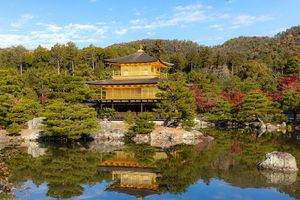
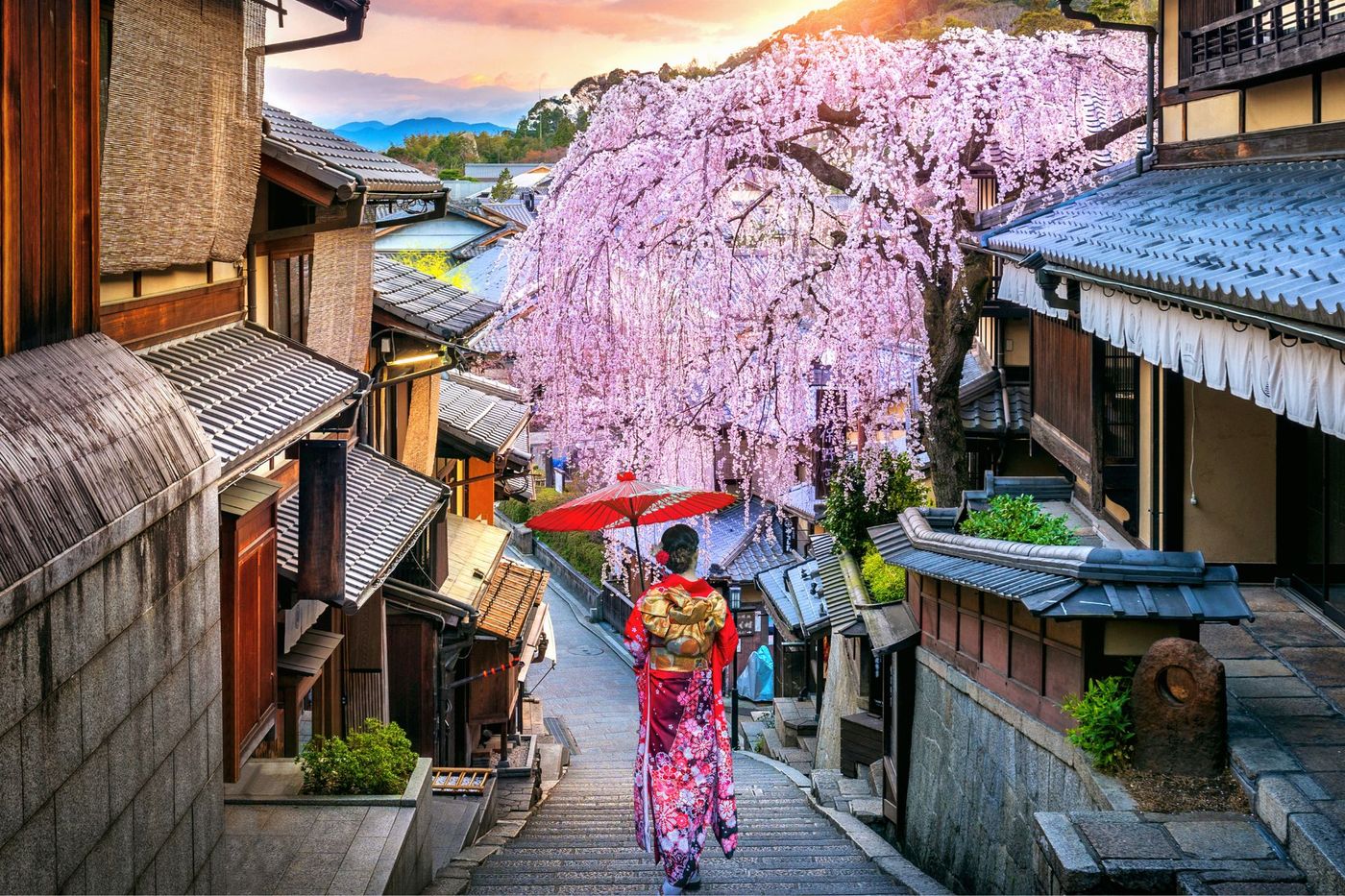
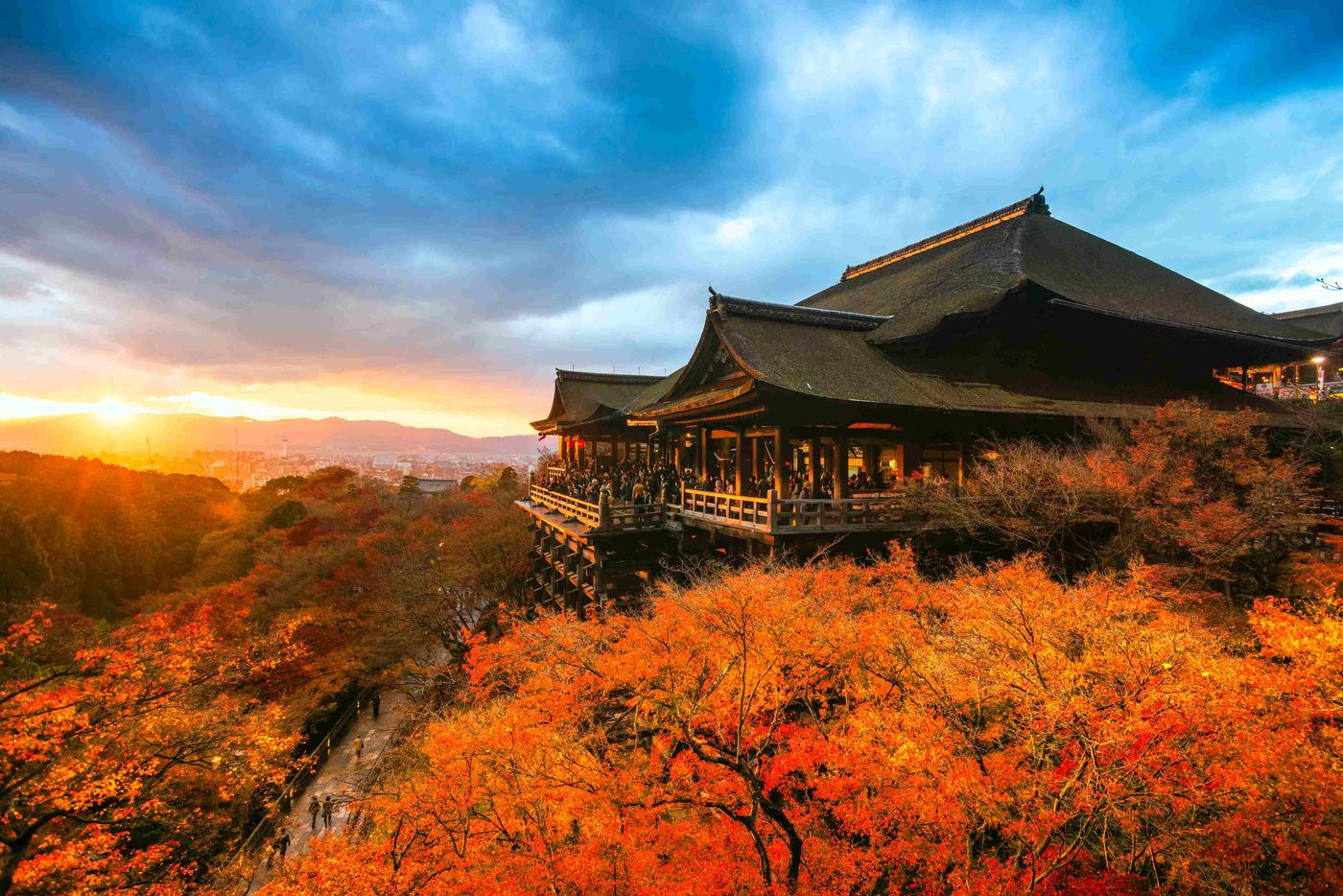
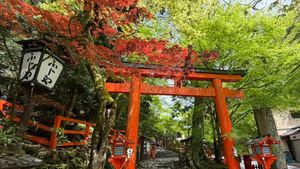
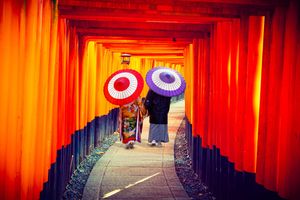
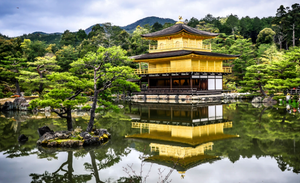
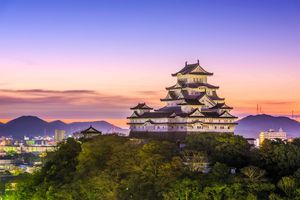
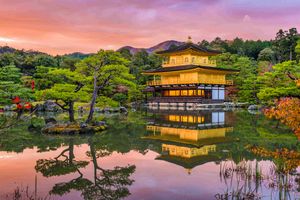
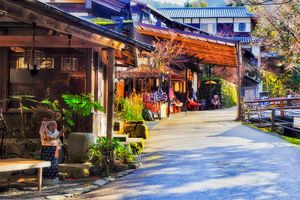
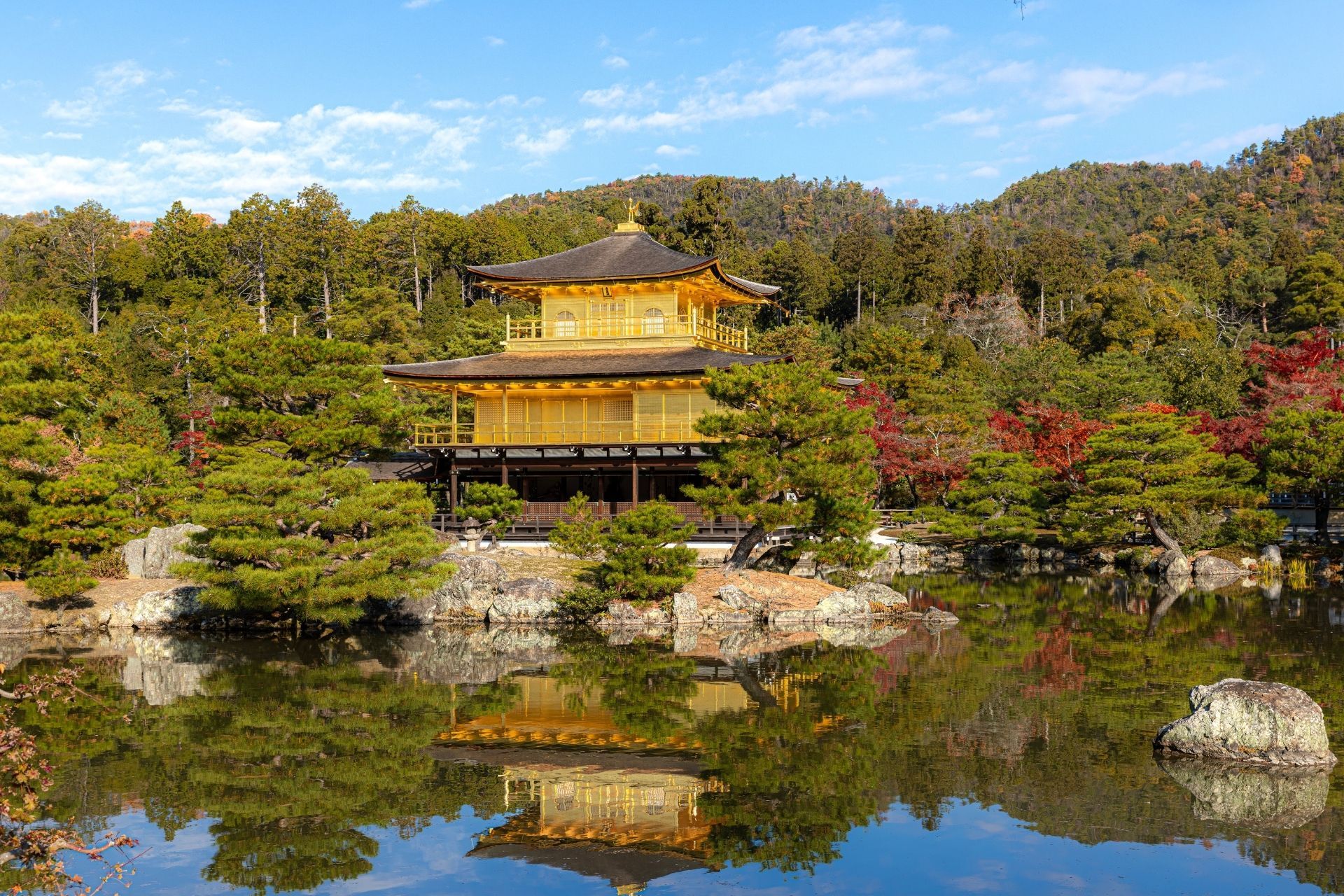
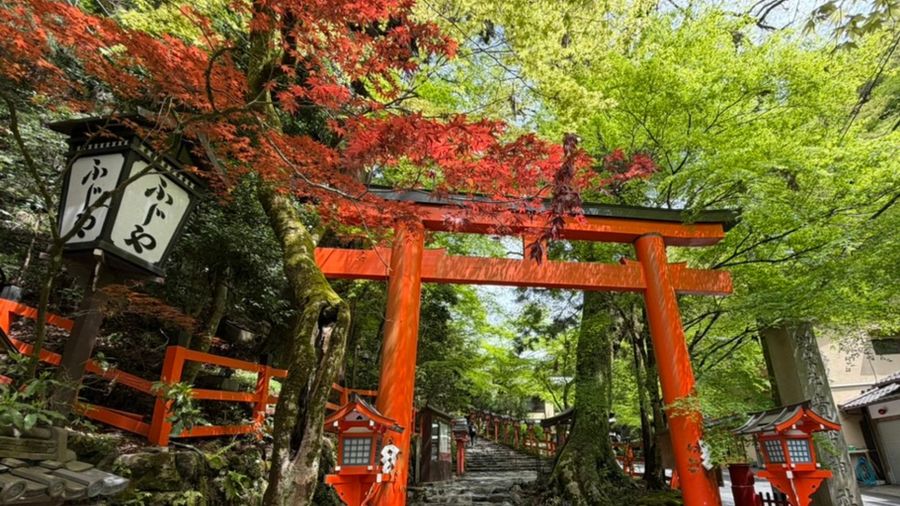
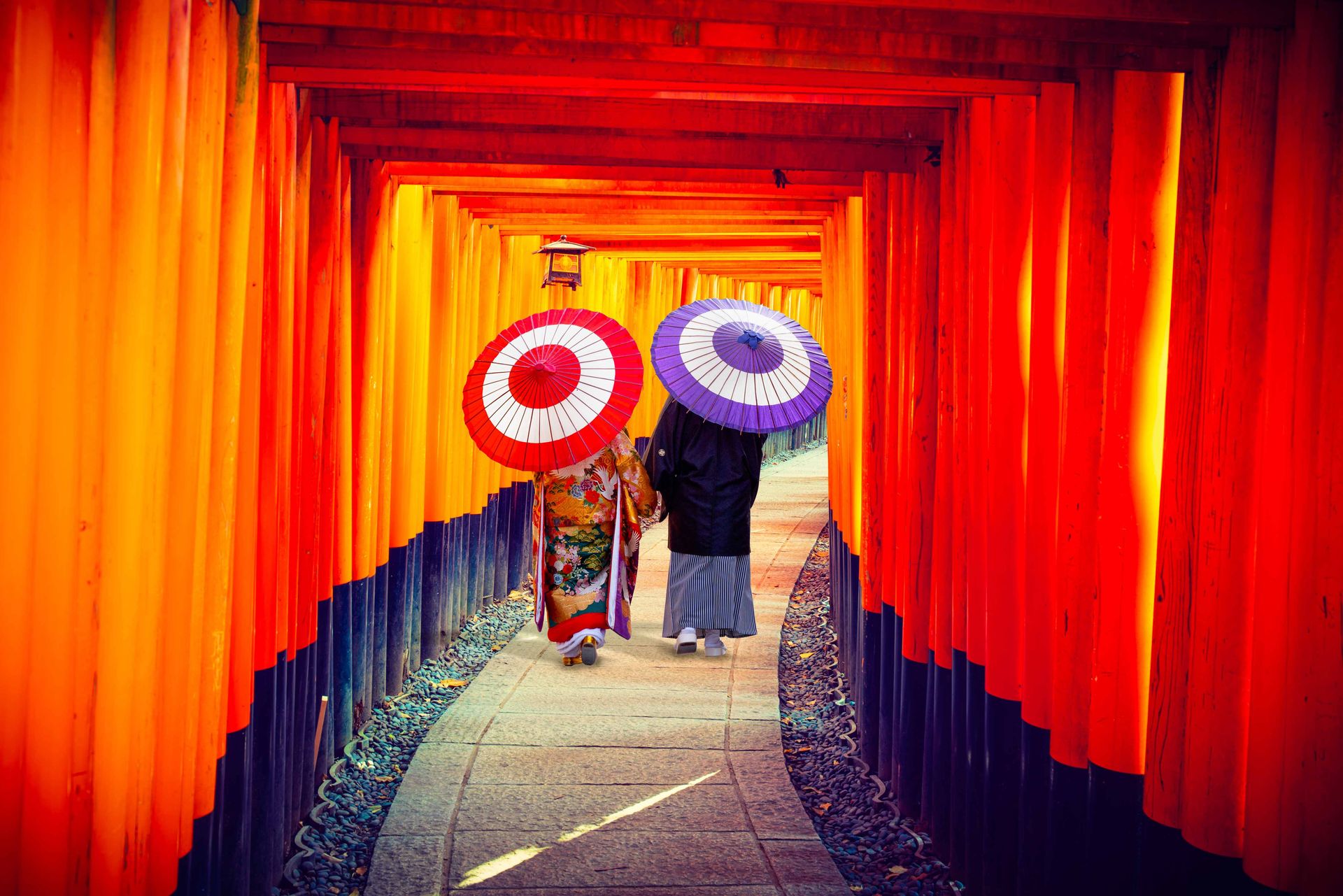
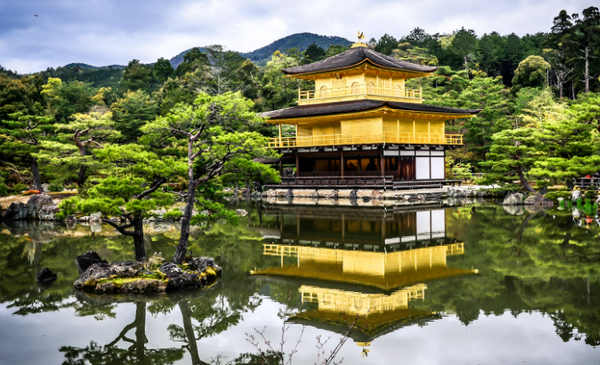
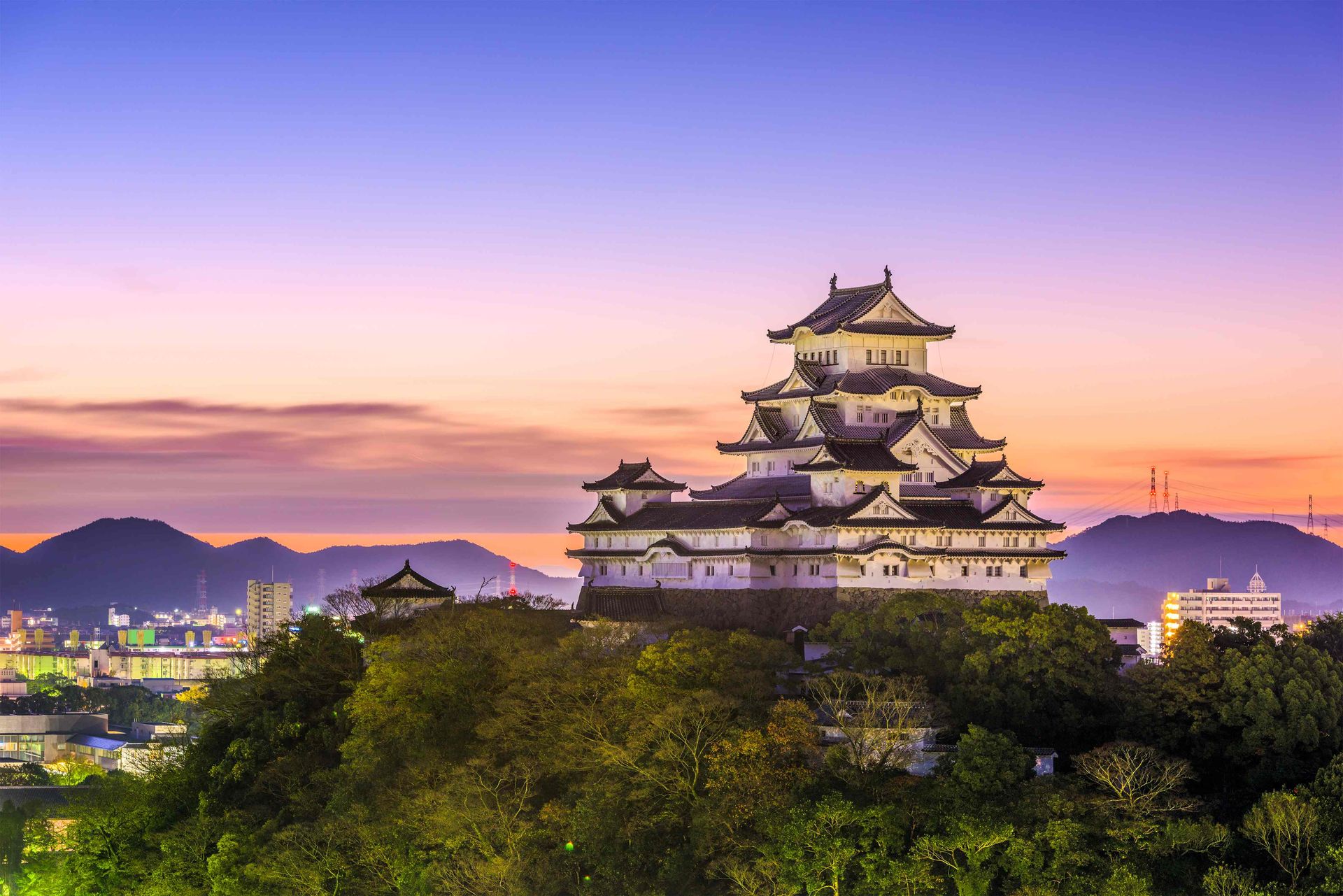
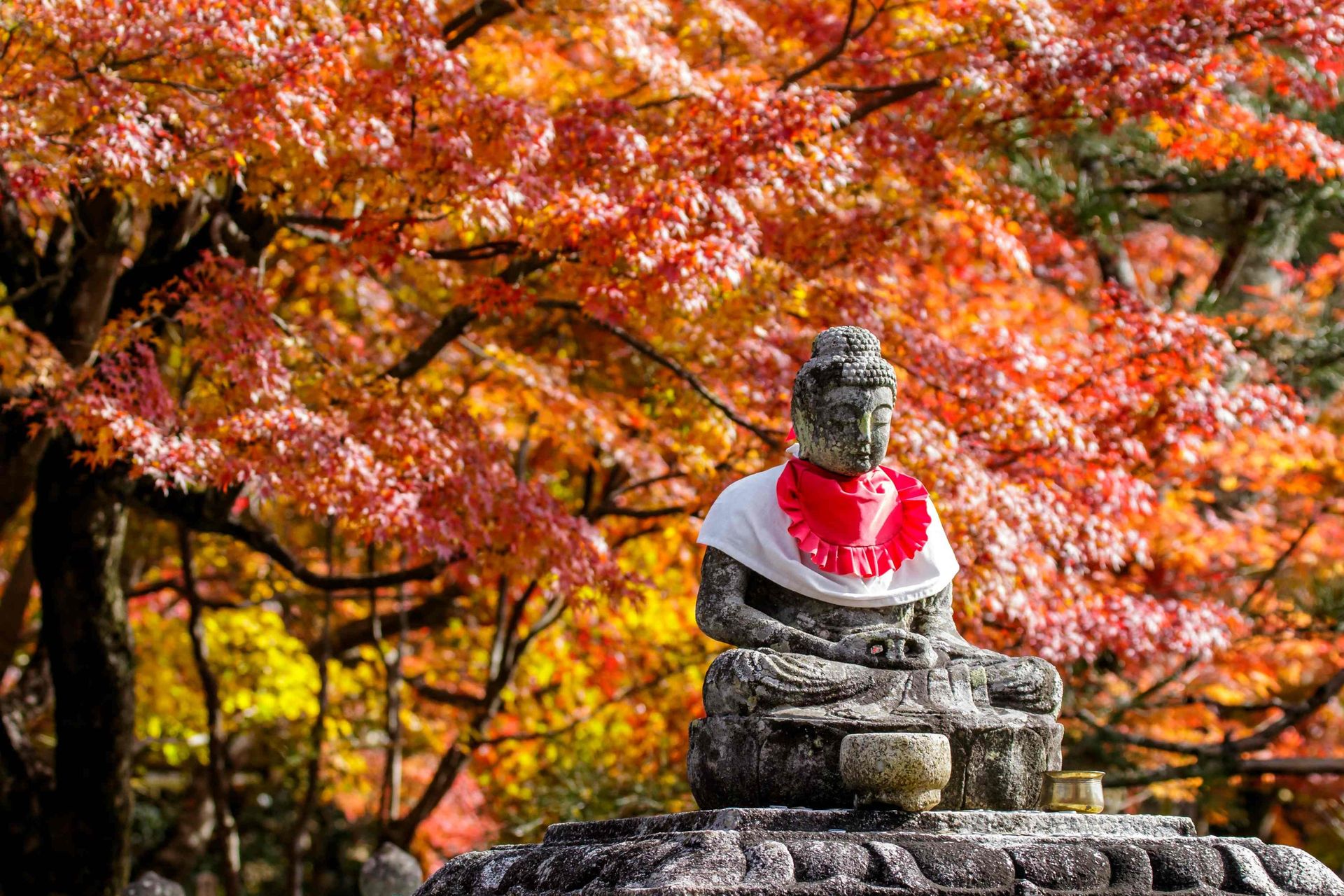
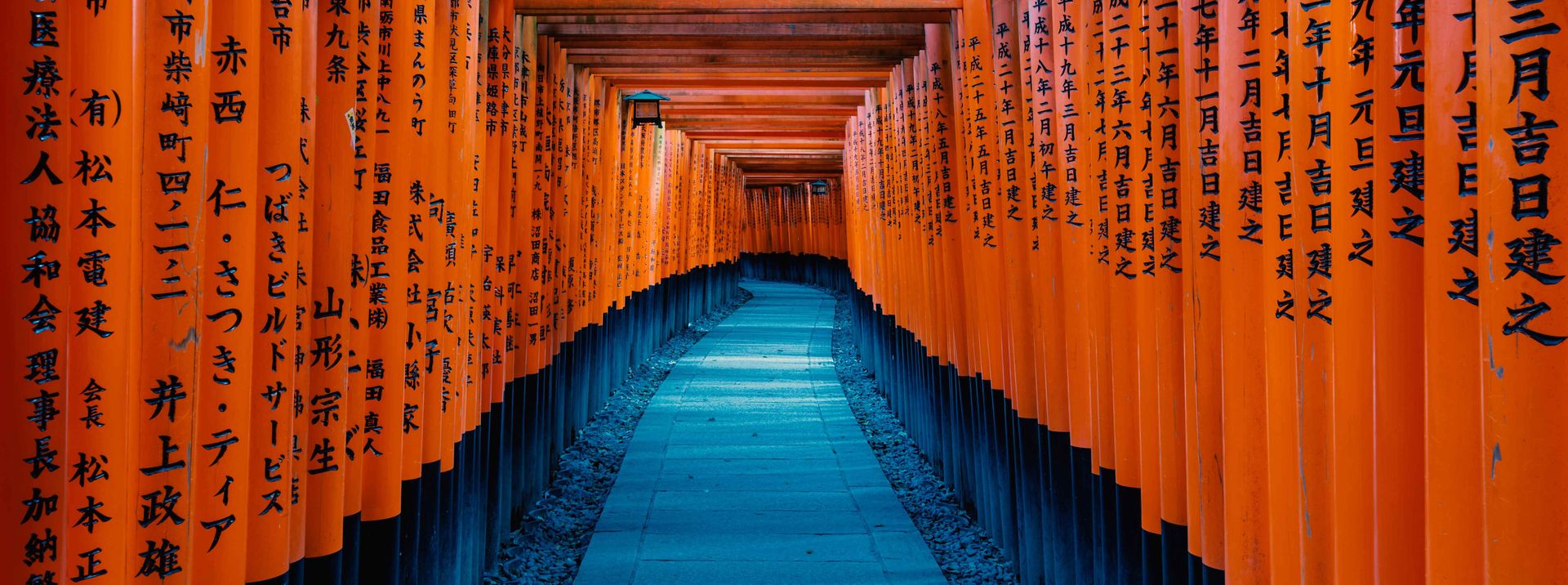
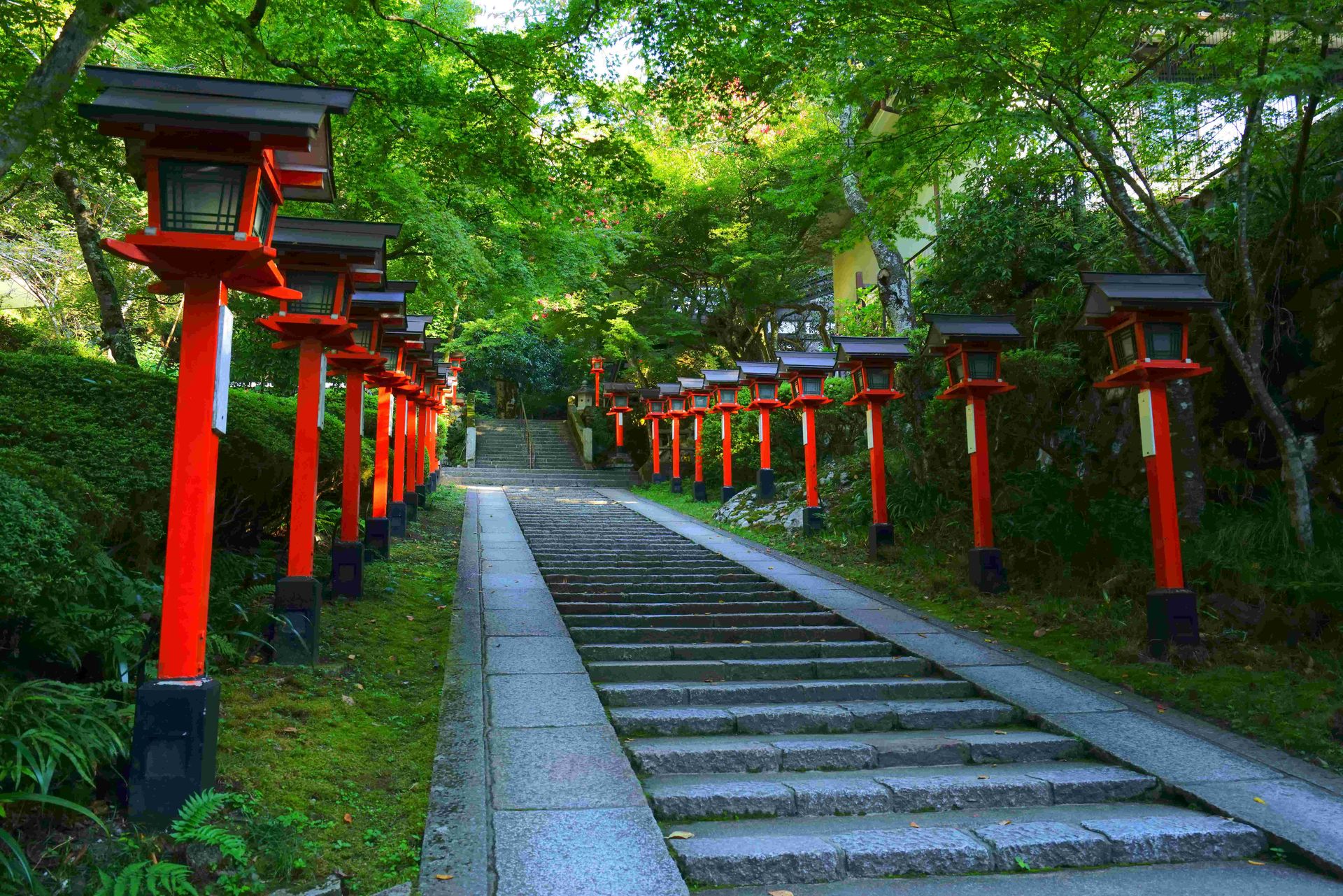
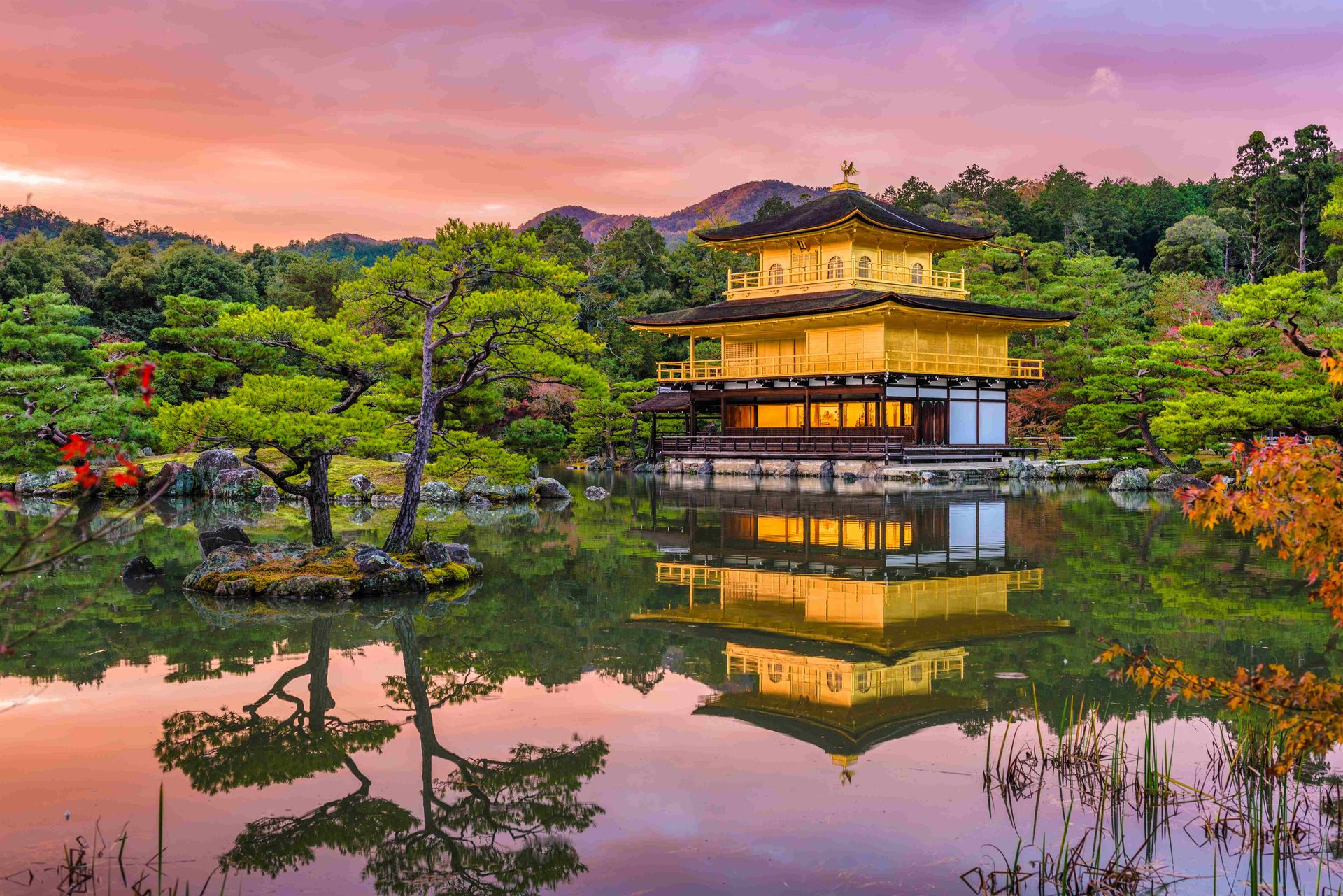
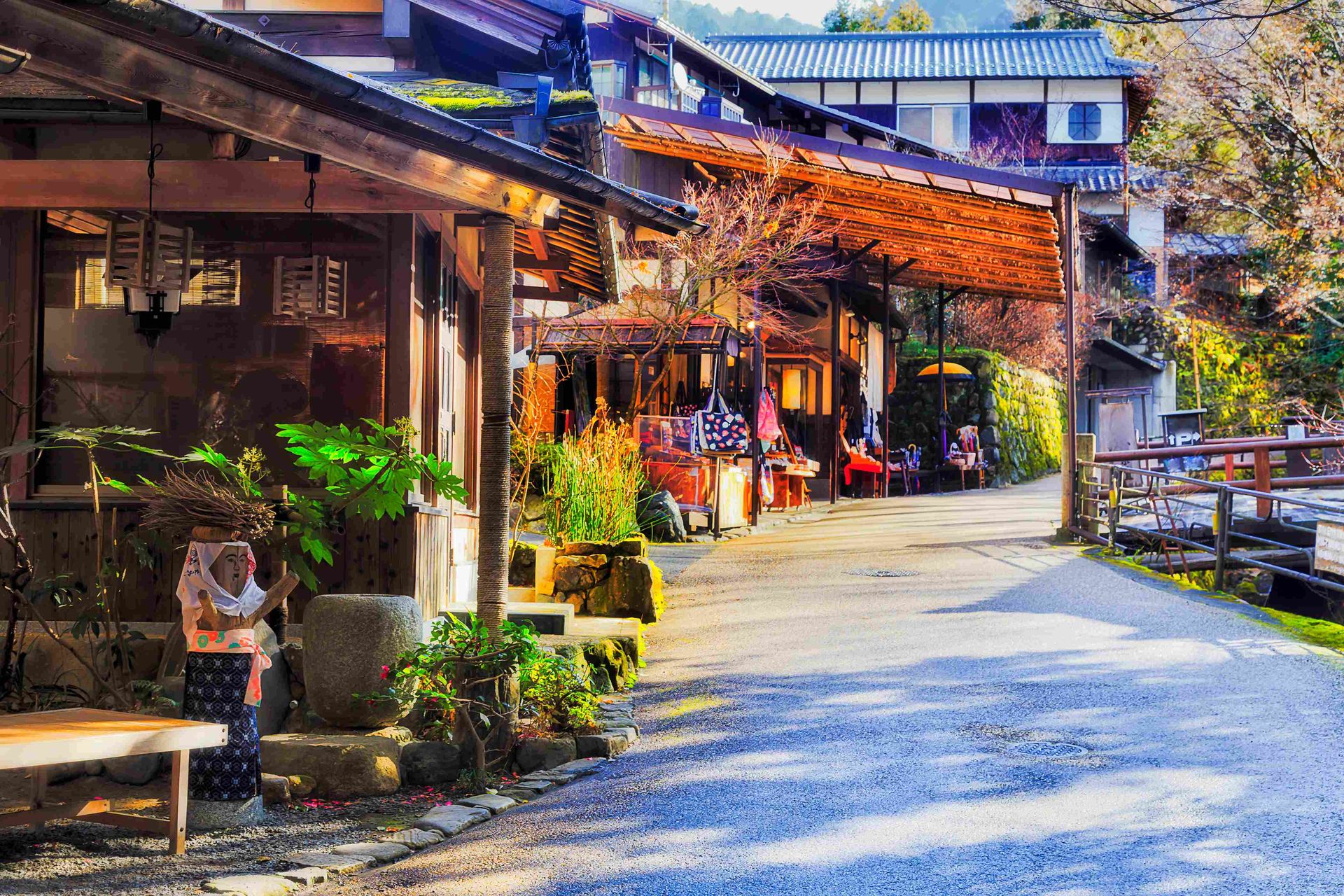
The Kyoto Trail winds through forested hills surrounding Japan's ancient imperial capital, connecting its greatest temples and shrines while leaving the crowds behind. Walk away from the tourist flow at Fushimi Inari, passing through the Imperial family's graveyard on the way to Gion. Trek mountain trails to the sacred complex at Kurama and the bamboo groves of Arashiyama. Off the trail, there is time to visit the Golden Pavilion, Nijo Castle and the Imperial Palace, rounding out an immersion into Japanese heritage that goes well beyond the surface.
A closer look at Kyoto
Have used Stroll now on 6 occasions- Domestic and International - always been impressed.
Excellent accommodation and outstanding temples. The food was fantastic. Highly recommend
We throughly enjoyed the Japanese walking holiday that Maika and her team put together, the transfers worked smoothly and we always felt well supported. They gave us prompt updates regarding snowfalls we experienced. Highly recommended.
Great walk and well organised. The Jpanases accommodations were beautiful. The walks in the mountains was what made the walk away from the crowds. There was no one there with us on the trail. At the popular places there were many people and that made the actual Kyoto trail feel like the best part of the walk.
The Kumano mountains are home to a wide array of exotic and beautiful native species. The most prolific is the mighty cedar tree, which can be found all over the mountains and valleys, creating atmospheric forests to get lost in or to find yourself in.
Japanese Cedar Tree Cryptomeria japonica
An extremely fast-growing evergreen that can reach up to 100 feet high and 30 feet wide and live to be 600 years old. They emanate a pleasant pine scent, and they’re insect repellent - which is also pleasing.
Their trunks grow tall and straight, and the wood is waterproof and light, so they’re often used for building. In fact, that’s why there are so many of them all over Japan.
The Government embarked on a massive reforestation effort after World War II, and even today, of the 62.3 million acres of forest in Japan, over 10 million are cedar forests.
Japanese Black Bear Ursus thibetanus japonicus
Although Kumano literally means ‘Bear Field’, it’s extremely unlikely that you’ll come across a bear on your walk as there are very few left. In fact, they’re listed as vulnerable on the endangered species list.
It is possible, though. The Japanese Black Bear tends to live in forests and mountains, although they’re not too keen on Cedar’s as they don’t produce any nuts for them to eat.
They’re black, of course, and have a distinctive crescent moon of white or silver across their chest. And they’re vegetarians most of the time, however will happily take a swipe at anyone who gets in their way.
Some people wear little bells to warn them off, however, we’re not entirely sure that’s reliable advice. Best to stay aware and stay out of their way if you see one.
Japanese Giant Hornet Vespa mandarinia japonica
If you spot a Giant Hornet, you’ll know about it. Coming in at three to four centimetres, the aptly named Giant Hornet isn’t the largest hornet in the world, but it’s pretty close.
Their sting, particularly because of the amount of venom injected, can also cause anaphylactic shock if you’re allergic.
The good news is that they’re not interested in human beings at all, however, they’re territorial, so if they think you’re invading their space, they‘ll chase you away rather aggressively.
If you see one, or a few, simply turn around and walk away. If you run or wave your arms around, they’ll think you’re a danger, and they’ll go after you at speeds of up to 25mph!
Like most wild animals, they’re not something to be concerned about unless you bother them. As any Australian used to walking the bush will already know. See a snake? Turn around and walk away.
Just leave the Giant Hornets alone and you’ll be fine. If you are prone to anaphylactic shock, however, we’d recommend you take an epi pen with you, just in case.
Tanuki Nyctereutes procyonoide
Also known as Racoon dogs, although they’re not actually related to Racoons, Tanuki are sociable little animals that live in pairs or small groups. They live in burrows and come out at night to forage around.
They’re the only canine that actually hibernates, so depending on when you visit, you may or may not spot a Tanuki or two.
If you don’t see one in real life, you may come across a drawing or a little model of one. These cute little animals have crept into Japanese folklore as shape-shifting spirits called Bake-danuki.
And although they used to have a rather sinister reputation, over the last few hundred years, their reputation has changed to that of a fun-loving character who brings good fortune and prosperity.
So if you see a real one, as they do come out to forage during the day sometimes - congratulations!
Japanese Macaque Macaca fuscata
This hardy species of monkey lives further north than any other non-human primate, can be seen all over Japan, and is also known as a ‘Snow Monkey.’
You may have seen pictures of these cold-looking fellows, with snow stuck to their bushy grey eyebrows, pink faces poking through the steam as they bathe in a lovely hot spring.
There’s only one place in Japan where they do that, and it’s nowhere near the Kumano. There is a good chance you’ll see a macaque on your walk, though, and if you do, don’t look into their eyes. They can get upset with that. And an upset monkey can totally ruin your day.
Mamushi Gloydius blomhoffii
The Mamushi, or Japanese pit viper, is one of the most dangerous snakes in Japan, biting a couple of thousand people every year.
They hunt at night using heat-sensitive ‘pits’ that allow them to track down warm-blooded rodents, and if you see one you’ll recognise their dark brown head is a triangular shape with light grey sides.
They are quite common and live in all kinds of environments, so there’s a good chance you’ll spot a Mamushi on your walk. Keep your eyes open and don’t step on one; you’ll be alright.
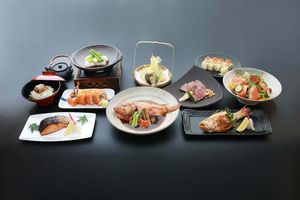
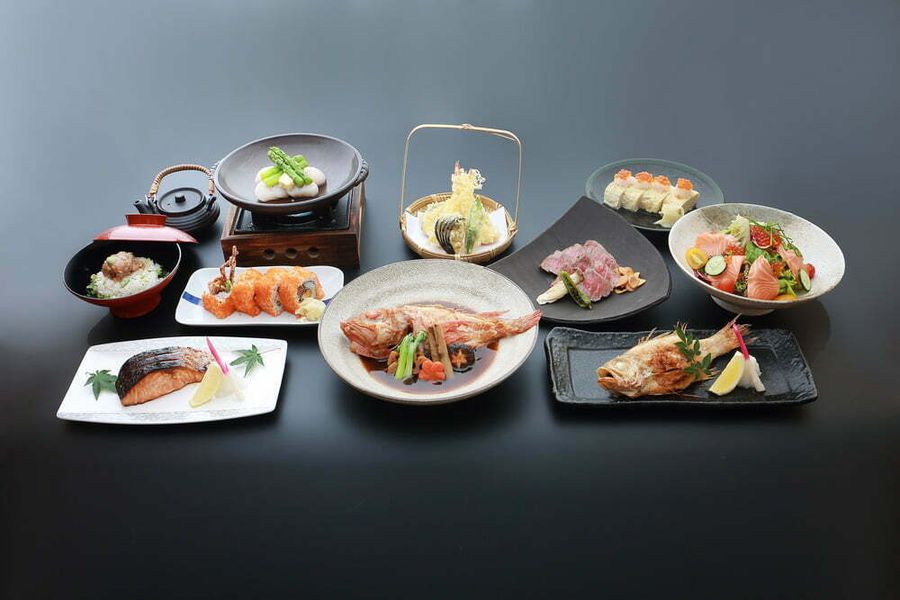
Coming from the West, Japanese dining is almost as magnificent an adventure as climbing Mount Otaki. In Kyoto, you will largely be able to eat anything you want, traditional Japanese or anything else that you'd expect a big city to be able to provide. The best place to eat are located all over the coty, but many people are attracted to the Pontocho Alley (riverfront dining) with its hundred plus restaurants. The Gion (geisha district/fine dining) and Nishiki Market (“Kyoto's Kitchen”) are both other areas which are famous for dining.
Seafood
Sushi and sashimi, of course, are staples in Japan, and when you’re on the coast – in Tanabe – the variety of dishes available is incredible.
The Kuroshio current flows across the Kii Peninsula, acting like the Gulf Stream, bringing warm waters to sustain the coral reefs and a wide variety of seafood endemic to the region.
Scabbardfish sashimi is a meaty delicacy that washes down well with a beer, sake, or a healthy green tea. Grilled squid, prawn dim sum, mackerel nigiri rolls, octopus tempura, yellowtail tuna, scallops – the list goes on.
Mountain Food
As you move further into the mountains, local plants and animals make their way onto the menu. Mushrooms, in particular, have a special place in Japanese cooking, and many come with amazing health benefits too.
Shiitake, eryngii, enoki, maitake, matsutake – again, the list goes on, as do the dishes they’re in. Shiitake mushrooms are probably the most well-known, and with a meaty, smoky flavour, you’ll often find them in soups and stir-fries. They’re also anti-viral, stimulate immunity, lower your cholesterol and help promote cancer resistance. So when you’re served a plate of them – eat up!
You might find eggplant presented in a tasty broth with umami miso sauce, delicately sliced beef with a sesame dressing, Japanese curry with croutons, and if you’re lucky and brave enough - you might have the chance to eat Hachinoko or ‘bee children’.
Served with a siding of rice, Hachinoko is the cooked larvae of the Japanese Giant Hornet, and is said to have a rich earthy taste.
A culinary adventure indeed.
Kaiseki ryori haute-cuisine
Although your meals in a Ryokan will be vast, varied and, most importantly – delicious, they’ll also follow a well-established routine.
Kaiseki ryori is traditional Japanese haute cuisine, and although chefs can vary the courses to highlight regional specialities, they’ll generally appear in the following order, with the mains representing a particular cooking method.
Typical Starters
Shokuzen-shu
Your meal begins with a sweet wine or a locally brewed alcohol of some kind.
Appetizers
A variety of carefully prepared, and beautifully presented appetisers will begin to give you a taste of the region.
Common Main Courses
Suimono - Soup
Your soup dish is often a clear miso broth with simple vegetables, mushrooms, tofu or seafood.
Otsukuri - Sashimi
The Japanese staple of fresh, thinly sliced raw seafood. Generally delivered with soy sauce and wasabi and served on a bed of daikon – Japanese radish.
Nimono - Boiled Dish
Seafood or meat is either simmered, boiled, or stewed along with some vegetables in a sweetened soy sauce and cooking sake broth.
Yakimono - Grilled Dish
The local speciality will generally be grilled and served for this dish. Be it seafood of some kind, Wagyu, or Kobe beef, for example.
Agemono - Deep Fried Dish
Your Agemono is often tempura, consisting of locally grown or foraged produce, served with a light soy dipping sauce.
Mushimono - Steamed Dish
This dish may come in a little teacup, with a little lid, and a little spoon to eat it with. If it’s Chawanmushi, however, it certainly doesn’t come with a little flavour – the savoury custard with seafood, fish stock, chicken, mushrooms and ginkgo nuts is packed with flavour, and utterly wonderful.
Sunomono - Vinegared Dish
This is often fish, or octopus swimming in a vinaigrette dressing with a sprinkling of vegetables, although it could be anything really, so long as it tastes good in vinegar.
Shokuji
After your mains, there’s another set of courses before your dessert. Are you still hungry? Full up already?
Rice
It’s incredible how even a plain bowl of rice in Japan can be as delicious as it is.
Some chefs experiment and add some local flavour; others keep it old school, fluffy, and unbelievably good.
Miso Soup
Another Japanese staple that tastes so much better in Japan than it does anywhere else. Miso paste and vegetables in a clear, tasty broth. Yum yum.
Tsukemono - Pickles
Rounding off this course is an array of pickled vegetables such as cabbage, plum and daikon.
You’re best to fly into Osaka to get to Kyoto. It’s the closest big city, with regular flights worldwide and direct flights from most of Australia’s population centres. Tokyo is also an option, as you can take the Shinkansen to Kyoto from there.
From the end of March, the temperature begins to increase. In summer, it’s pretty warm and humid but still good for walking, particularly if you enjoy warmer temperatures and taking a dip in a stream. In Kyoto July and August, it can be boiling and not pleasant for walking unless you start very early.
The walk is offered in winter, but bring warm clothes and good rain gear. The area is just as beautiful, if not more, and is not busy at all. Soaking in an outside onsen in the cool of the night is one of those authentic Japanese experiences you can look forward to after a big day on the track.
As walkers, we believe spring and autumn are the best times as the weather is perfect for walking. You might also catch the cherry blossoms in late March and early April and the changing colours of Autumn in October and November.
See the weather information about Osaka’s average weather at different times of the year.
If you’ve never been to Japan before, you’ll find almost everything is totally different from what you’re used to. Which, of course, is part of the fun. Here are a few practicalities to help you get started.
Manners & Customs
Life in Japan is governed by a large array of manners and customs that may seem odd to outsiders, yet it’s worthwhile trying to learn a few. Not only will it prevent you from being rude, but the locals will also appreciate your efforts.
Take off your shoes
Many places require you to take off your shoes before entering.
If the floor is raised, and you see a pile of shoes, please do the same.
Pointing is not on
Extremely rude, and you should try to use open-handed gestures instead.
Don’t eat and walk
Sit down instead, or you’re considered a sloppy eater.
Don’t blow your nose
At least not in public, anyway. Many will go to the toilet to do this.
Slurping is good!
Slurping noodles show that you’re enjoying your meal!
Don’t tip
It’s not expected and can even be considered rude.
Don’t play with your chopsticks
Just eat with them, that’s all.
Take your backpack off
When you’re on a train.
Language
A few words in Japanese can go a long way:
- Hello: Kon'nichiwa
- Thank you: Arigato
- Thank you very much: Domo Arigato
- Cheers!: Kanpai
- Bathroom: Basurumu
- How much?: Ikura
- Delicious: Oishi
Money
There are no ATM machines on the Kumano Kodo trails, and credit cards can’t be counted on, so make sure you take plenty of cash with you.
Bathing
Be aware that in most hot springs and communal baths, you’re expected to be naked. The etiquette is to take your clothes off in a changing room, rinse off first of all, then soak in the bath and enjoy.
Yukata
Staying in a Ryokan, you may end up wearing a Yukata, traditional cotton gowns that are also used as pyjamas. Make sure you wear something underneath, fold the left side over the right, secure your belt and you’re good to go. A loose Yakuta is also considered a little rude.
Plugs
You’ll need to take an adaptor plug for your devices. The voltage is 100 Volt, and the plugs have two pins identical to the plugs used in North America.
At its core, the Kyoto is about shrines, temples and the Imperial and Shogun Palaces. The sheer beauty of the place, is overwhelming, not to mention the sheer quantity of ancient historical sites that can be visited. Museaums, Palces, shrines, Gardens and temples are locates all over the city.
Shinto
In fact the Shinto religion, one of the oldest and still one of the strongest faiths in Japan, is actually built on this reverence of nature.
Shinto ‘spirits’, or ‘kami’ take the form of natural elements such as wind, rain, mountains, trees and rivers, and the Kumano Kodo shrines were built over time to represent this.
There is no absolute right and wrong in Shinto, and nobody is perfect. It’s an optimistic faith believing that humans are all fundamentally good, and the evil in the world is thought to be caused by spirits.
These evil spirits can be warded off with ritual, hence the large number of festivals and events that involve purification rights, prayers and offerings.
In the Kumano Kodo, many of these are centered around the three sacred shrines, although they’re not purely ‘Shinto’ anymor
Buddhism
Buddhism arrived from China in the 6th Century, and in search of the sacred, many pilgrims ended up in the Kumano region. Shinto and Buddhism began to intermingle, and the shrines were worshipped as a collective, called the Kumano Sanzo.
The story behind the Yumonine Onsen nicely encapsulates this blending of faiths.
Discovered over 1,800 years ago, the restorative nature of the hot spring at Yumonine was a draw long before religion was part of the picture.
As Shinto emerged the Hongo shrine was built, pilgrims performed
purification rights in the springs, and it stayed this way for centuries.
Eventually Buddhism arrives, and the legend says the hot springs began streaming out of a stone statue of Yakushi Nyorai - the Buddha of Healing and Medicine – which now takes pride of place at the Buddhist Toko-ji Temple.
So you’ve got a respect for nature combined with Shinto and Buddhist shrines,
all happily co-existing in a beautiful natural setting with undisputed health benefits.
No matter what your beliefs the spiritual nature of the Kumano Kodo is
hard to deny. Best to come with an open mind, take it all in, relax, and enjoy.
We can create a custom trip tailored to your preferences.
As Featured In