


-300x200.jpg)







-300x200.jpg)


-300x200.jpg)

-300x200.jpg)




















-300x200.jpg)







Jacqueline B
September 2026
Great way to see the highlights of the Dolomites.
Plan your Dolomites trip with an expert in a free 1:1 consultation.
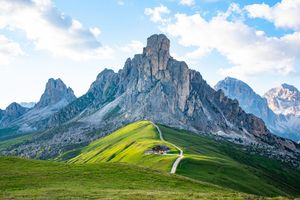
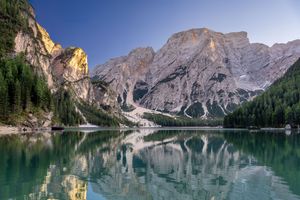
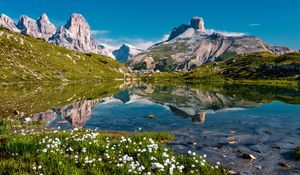
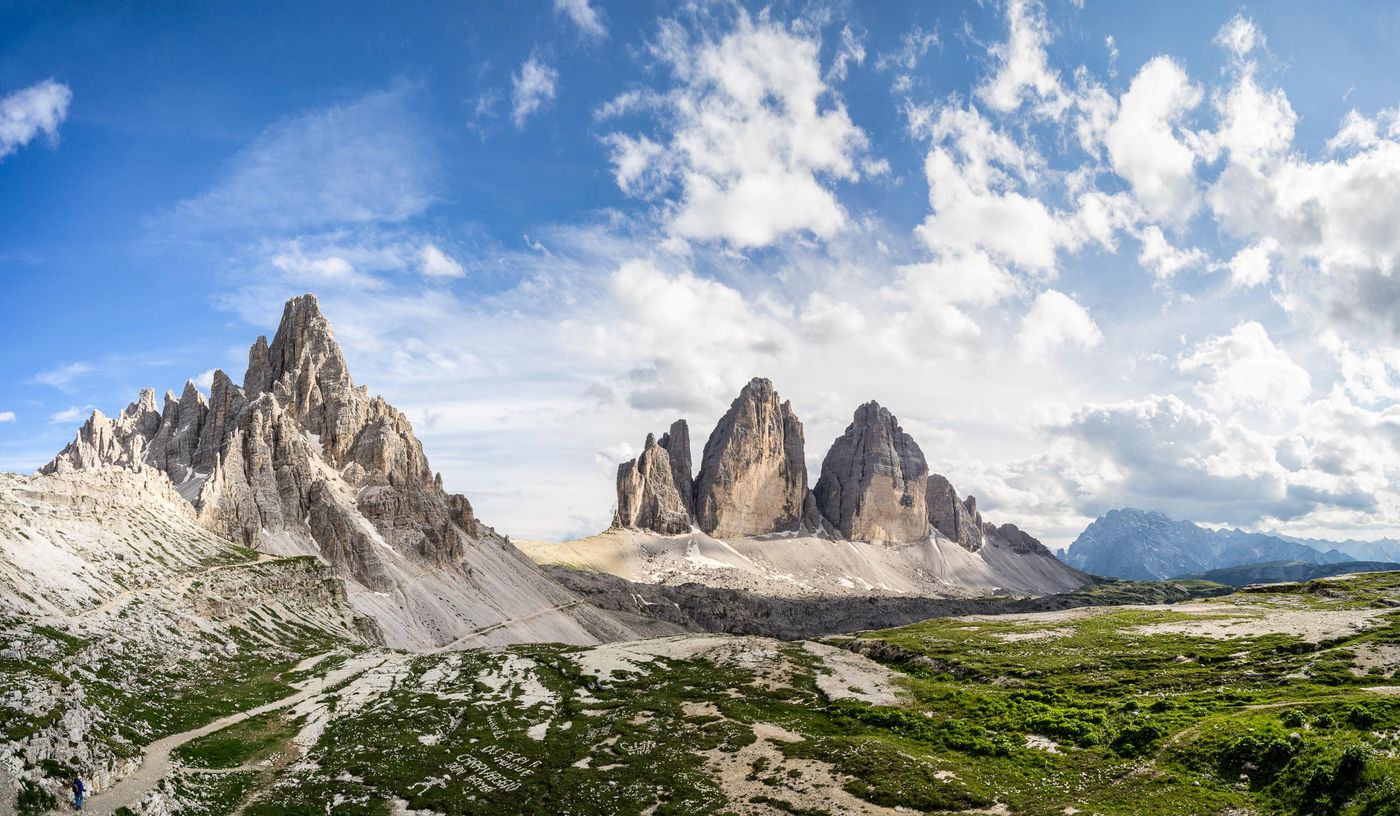
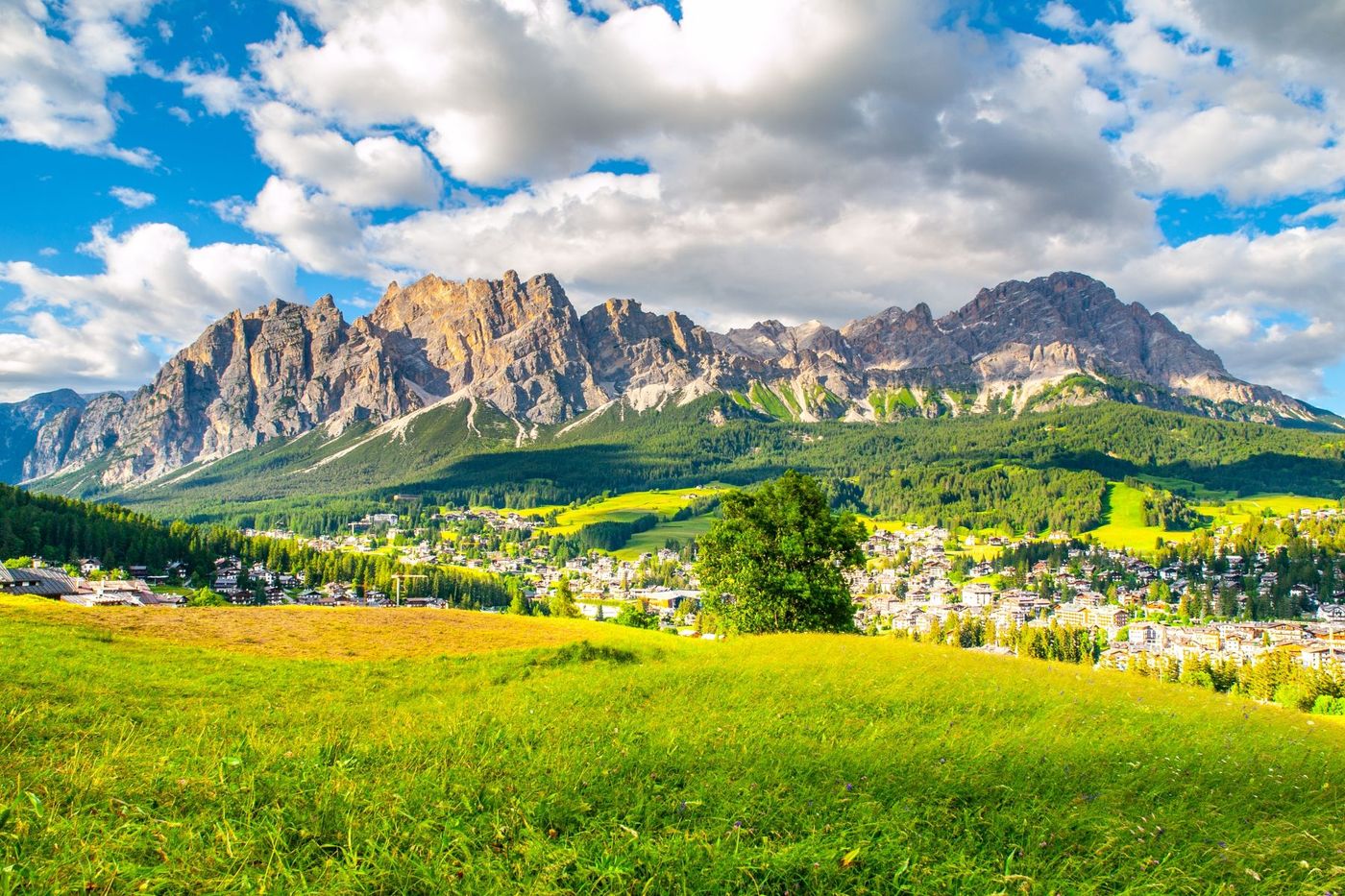
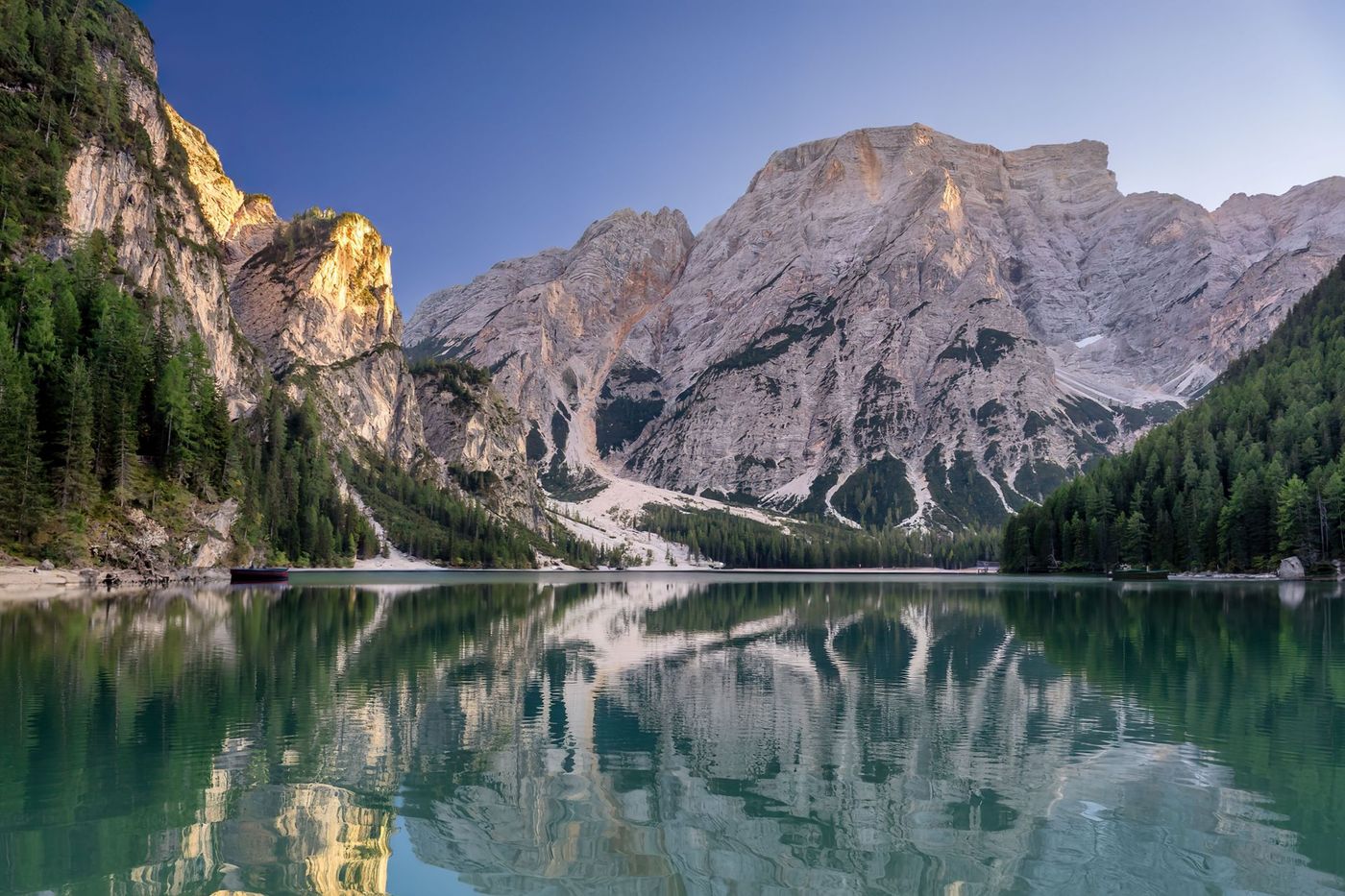
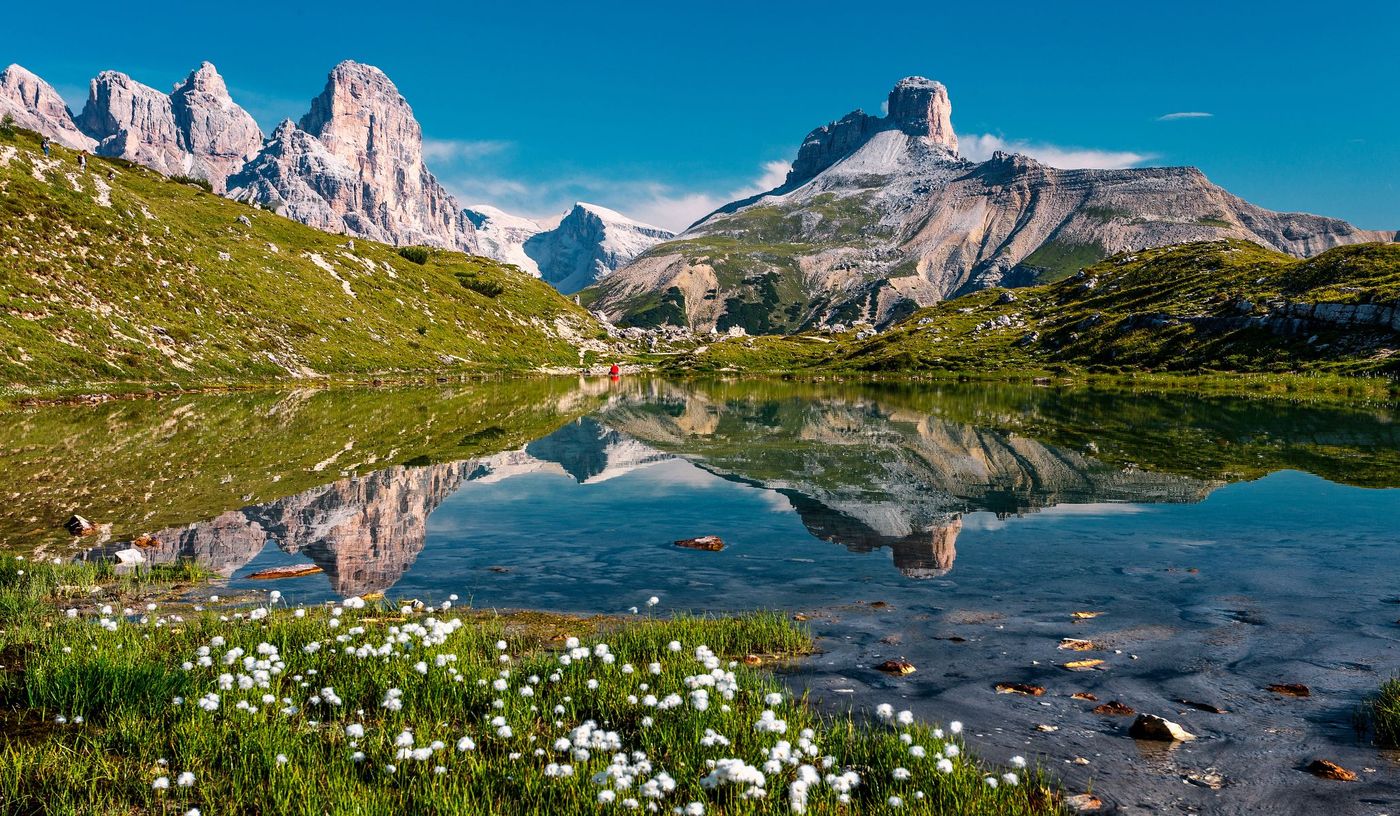
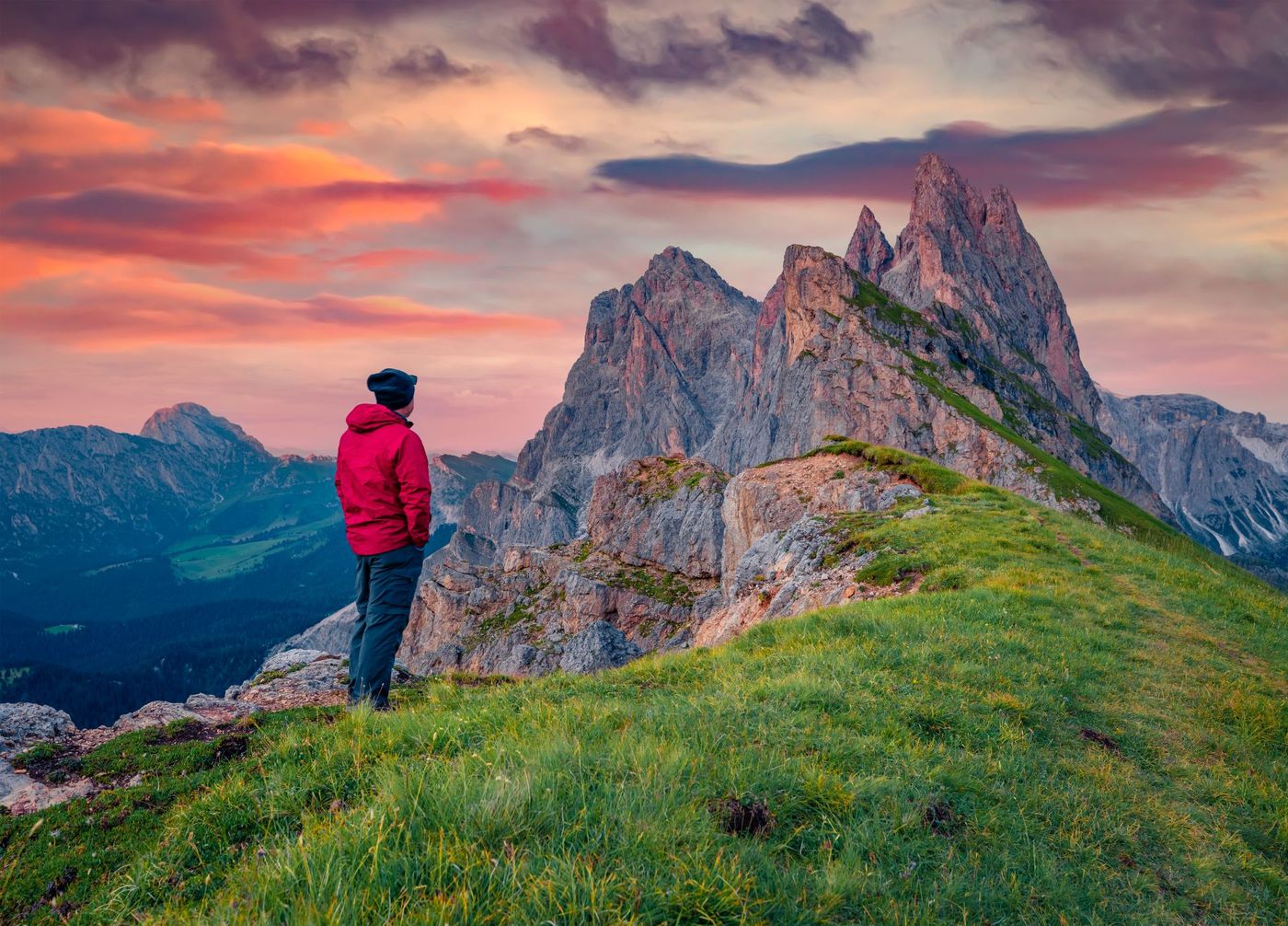
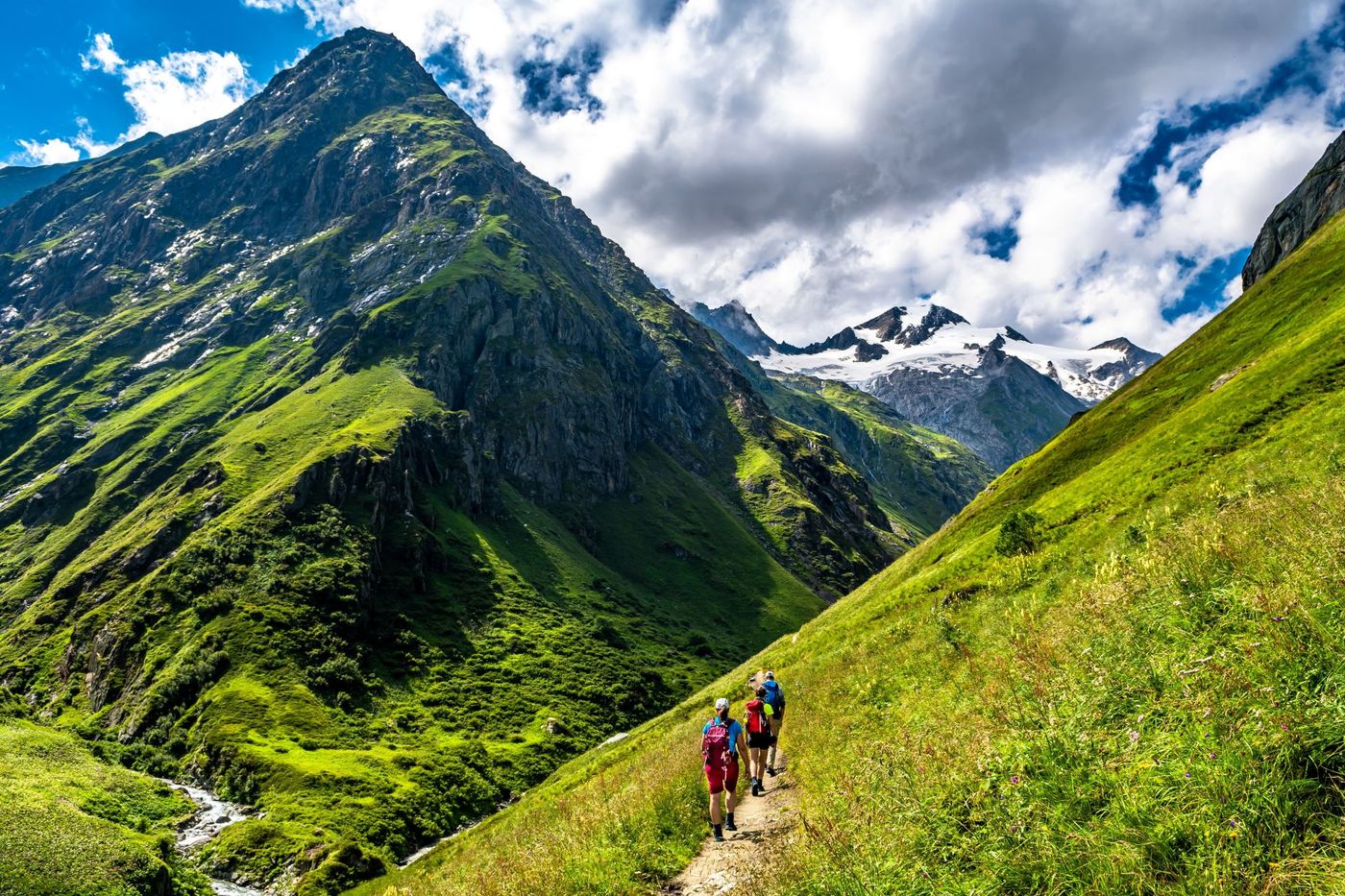
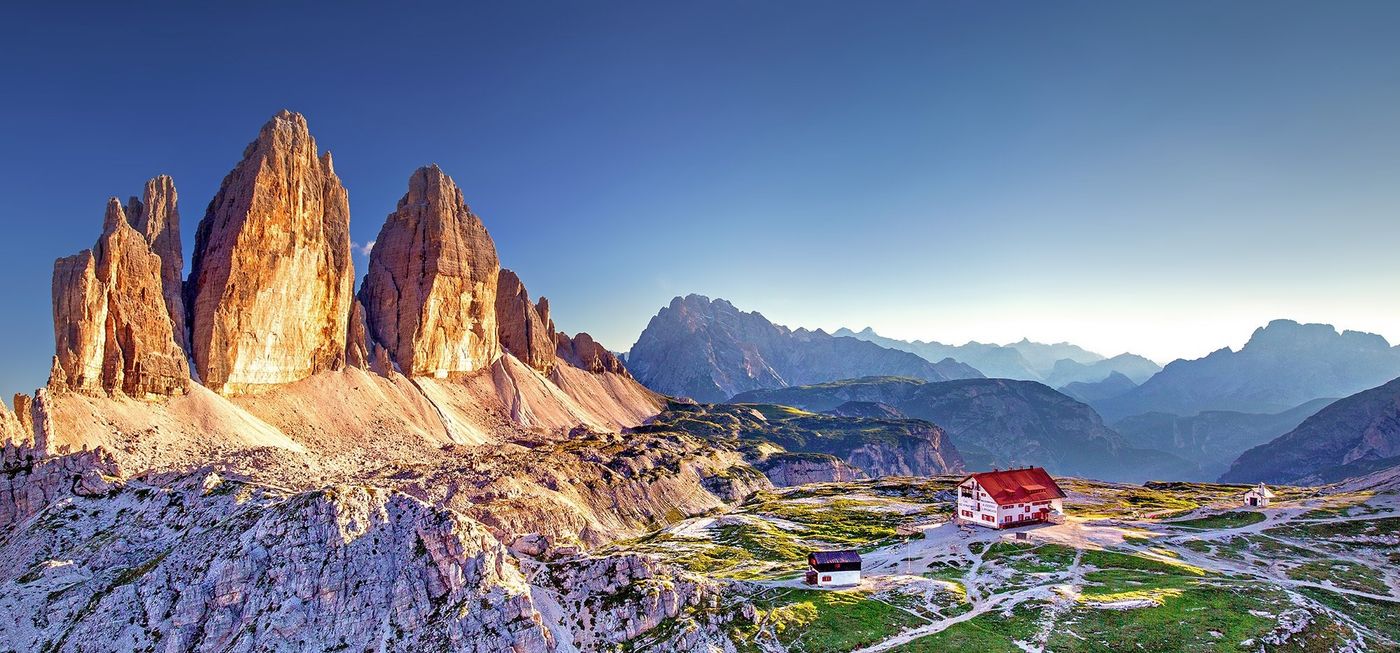
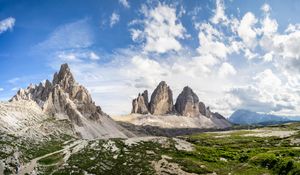
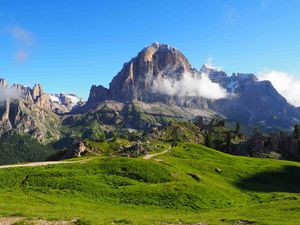
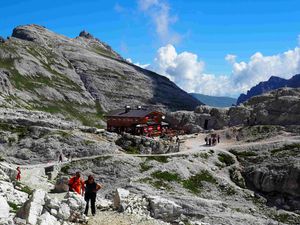
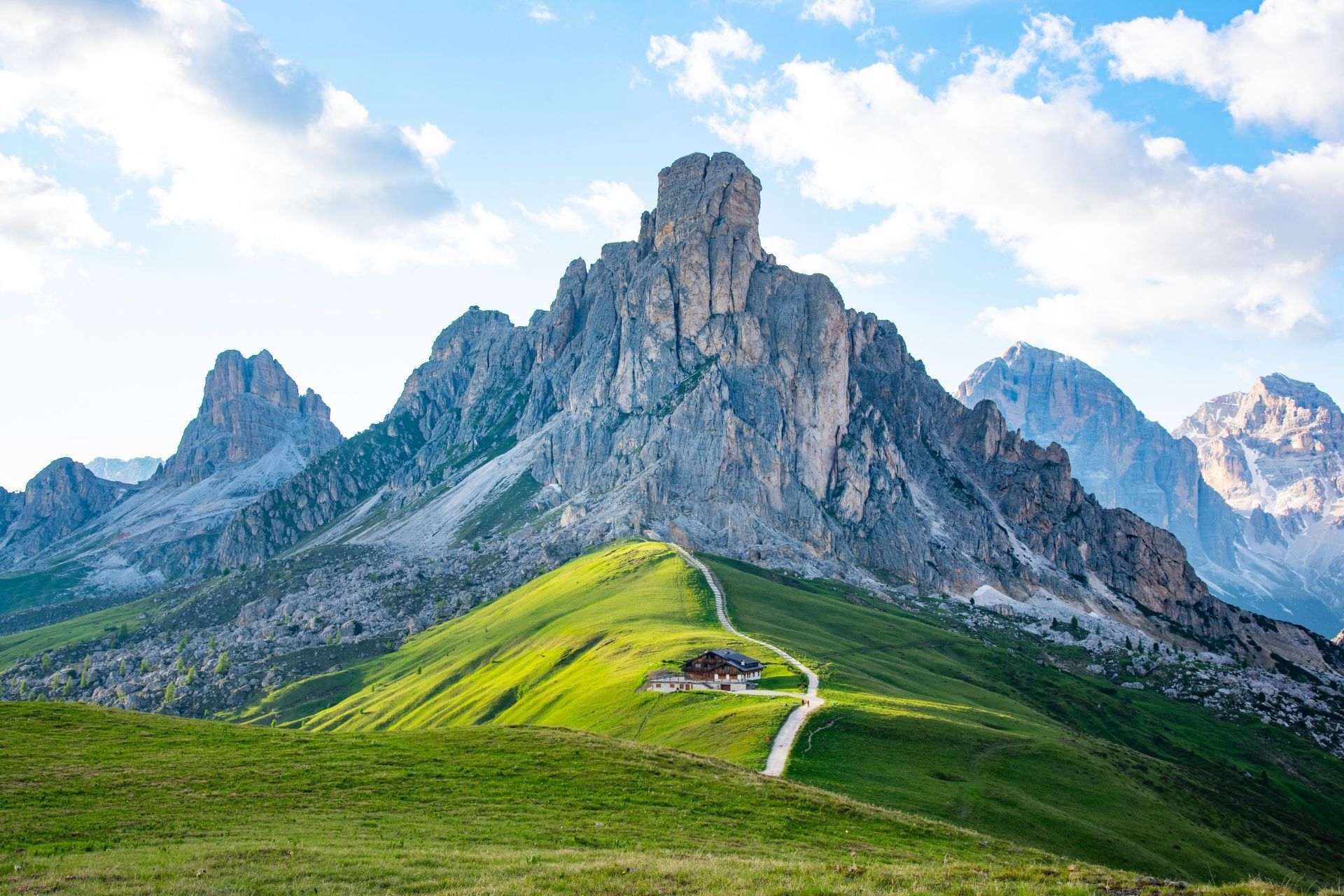
The Dolomites are unlike anywhere else in the Alps. This UNESCO World Heritage site sits at the crossroads of Italian, German and ancient Ladin culture - a blend that shapes everything from the architecture to the food. Iconic landmarks like the three spires of Tre Cime di Lavaredo, the turquoise waters of Lake Braies and the mirror-still Lake Misurina give each walk its own unforgettable moments. With seven routes on offer, there is a Dolomites walk to suit every level, from gentle valley strolls to high ridge traverses with views that stop you in your tracks. The scenery shifts constantly, but the reward is always the same: big mountains by day, comfortable stays by night.
A closer look at Dolomites
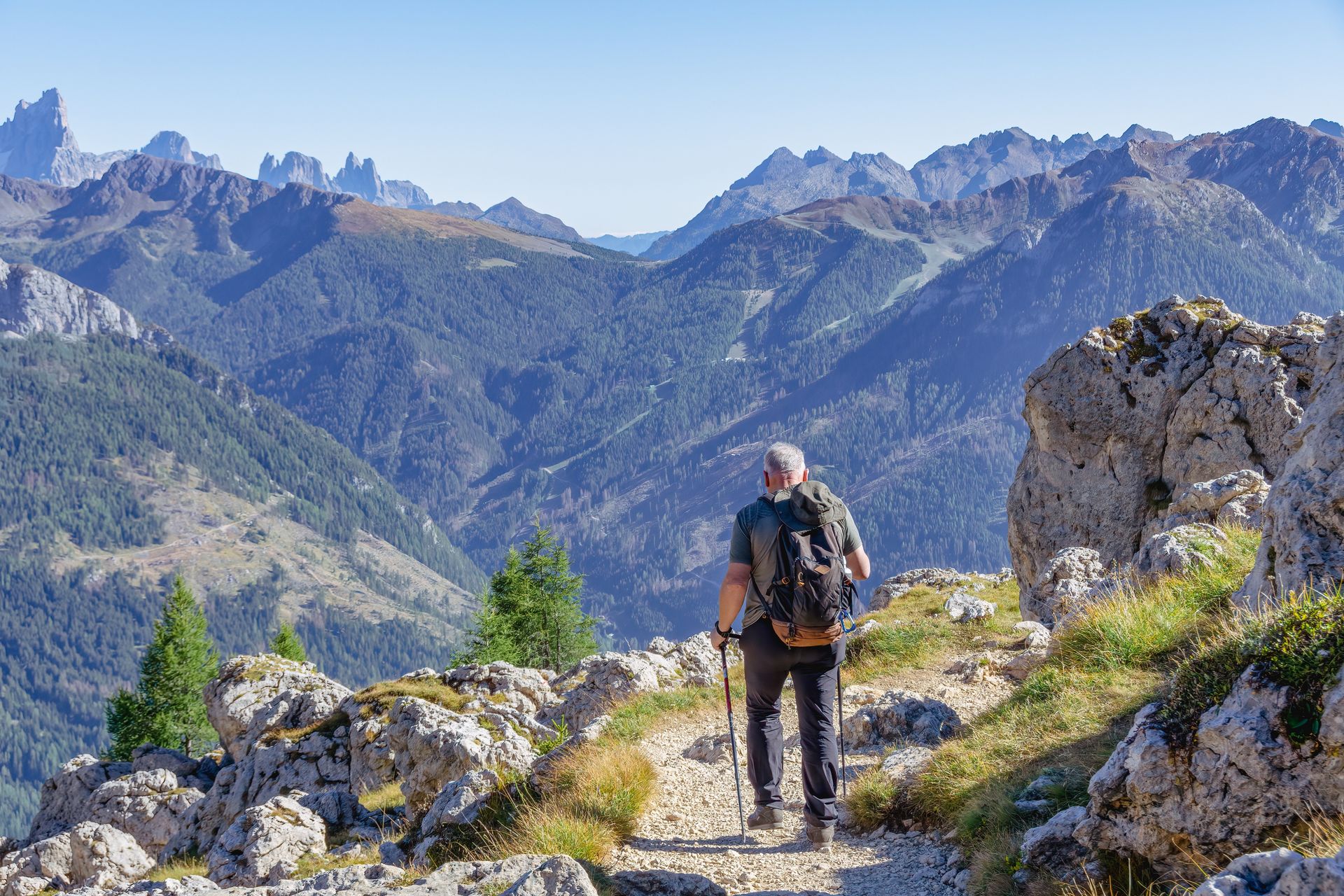
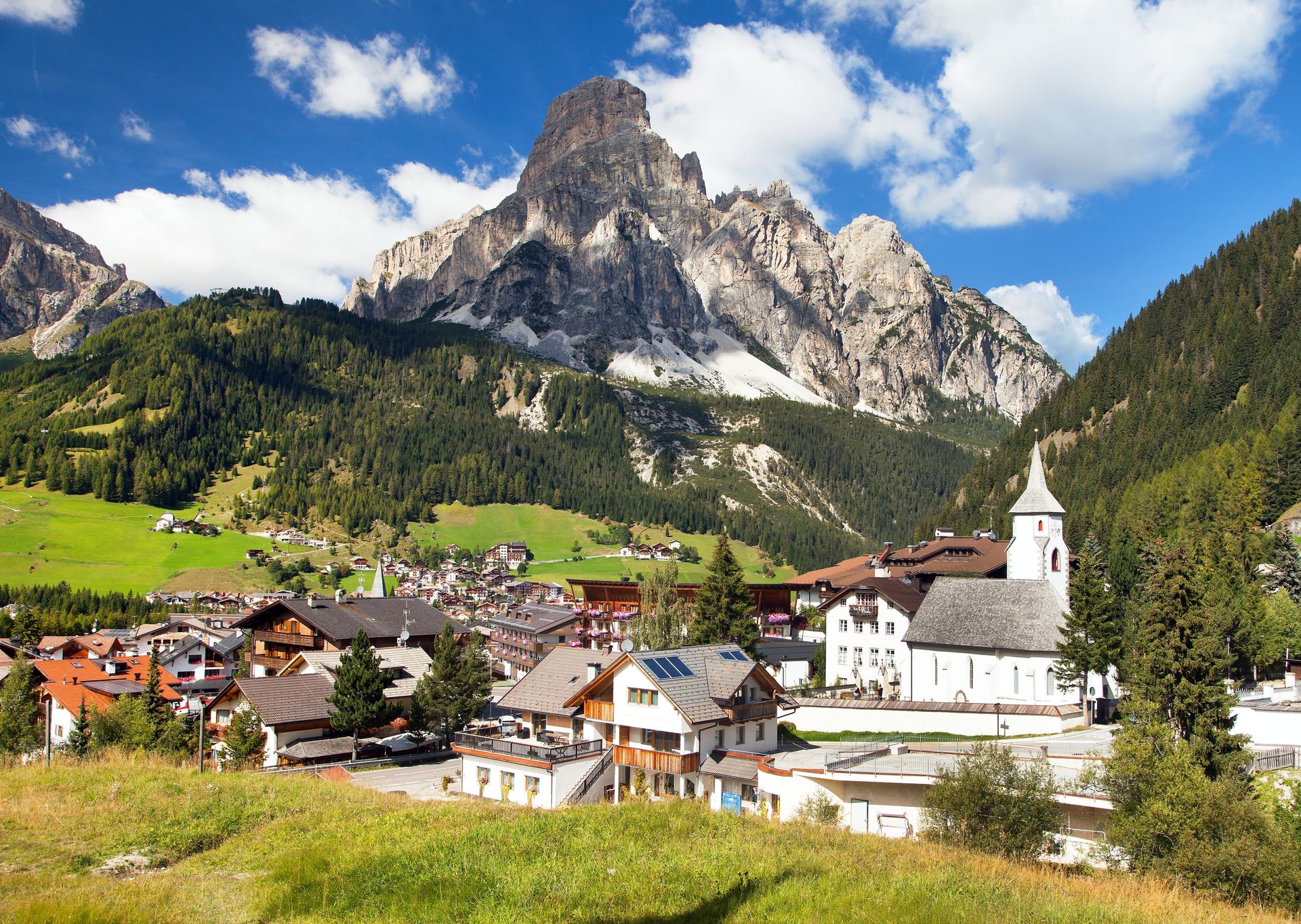
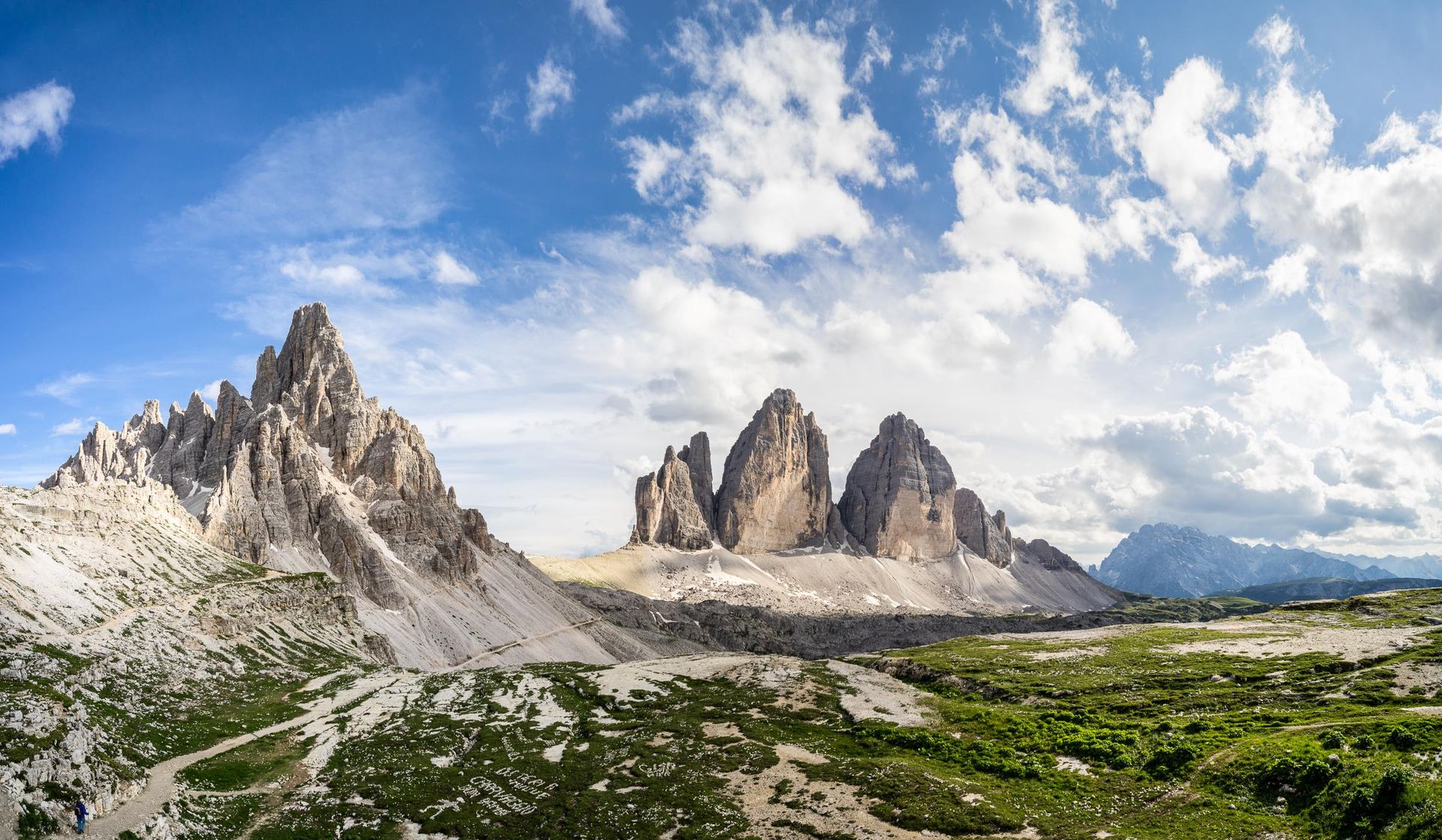
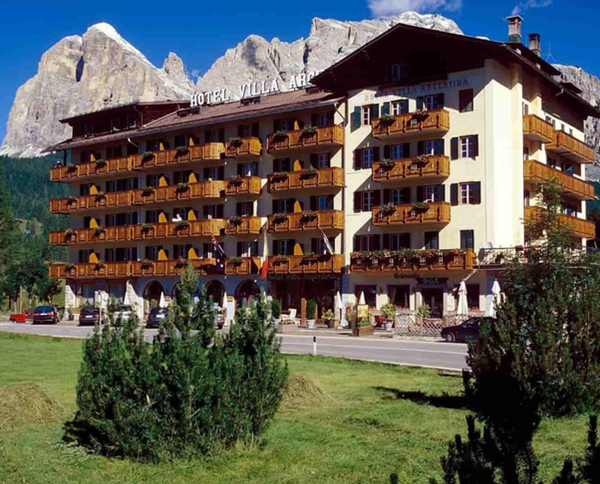
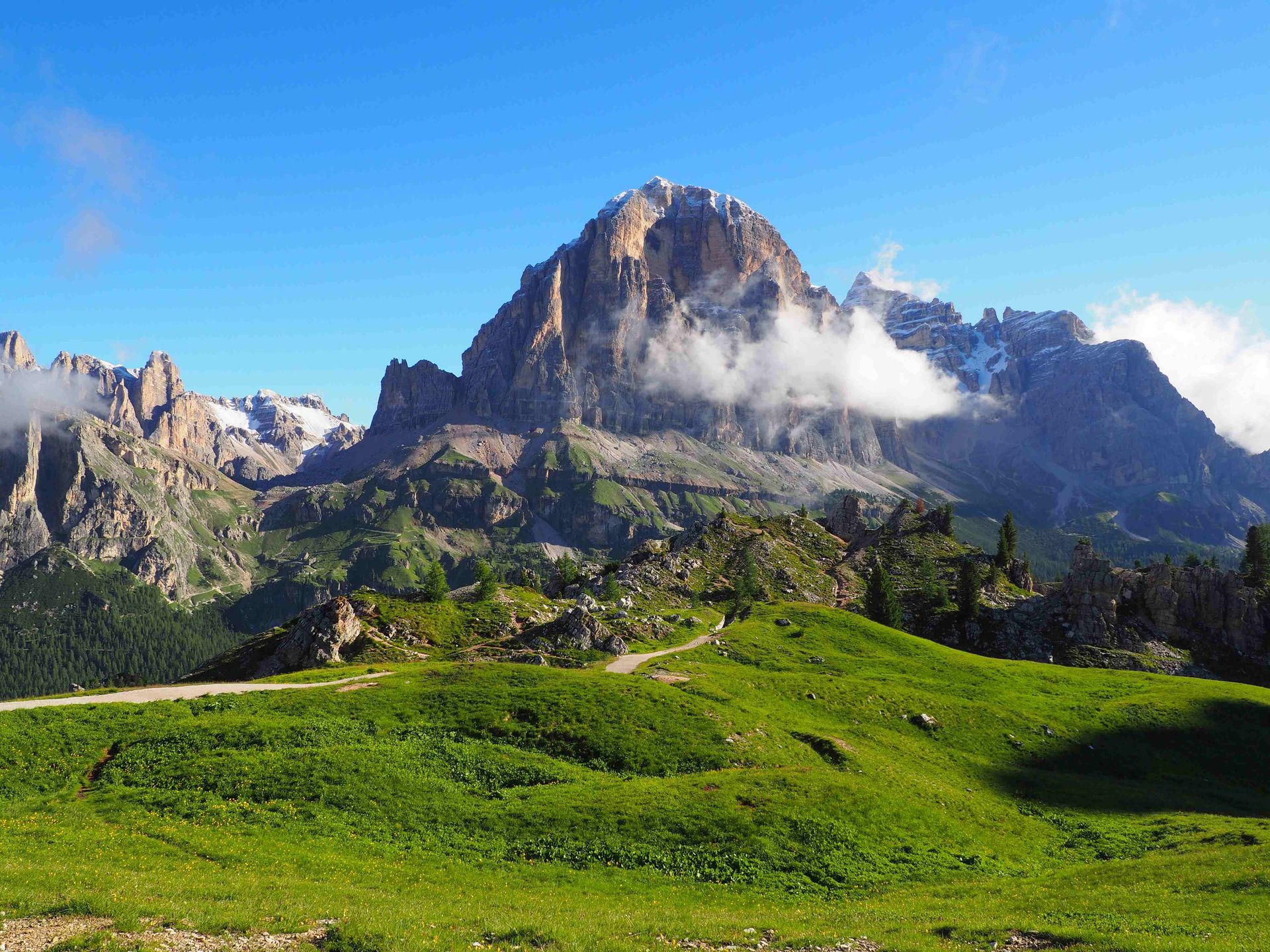
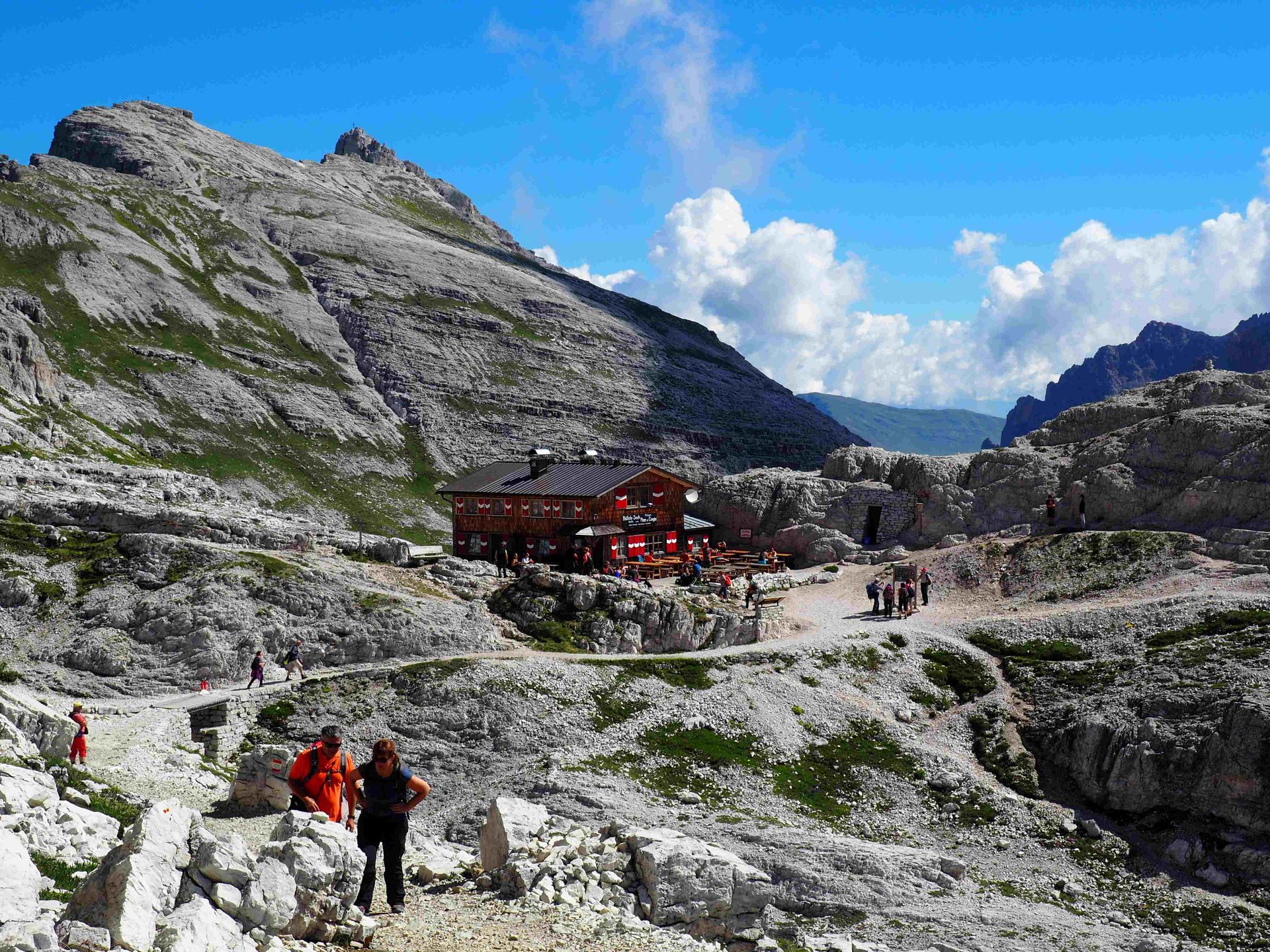
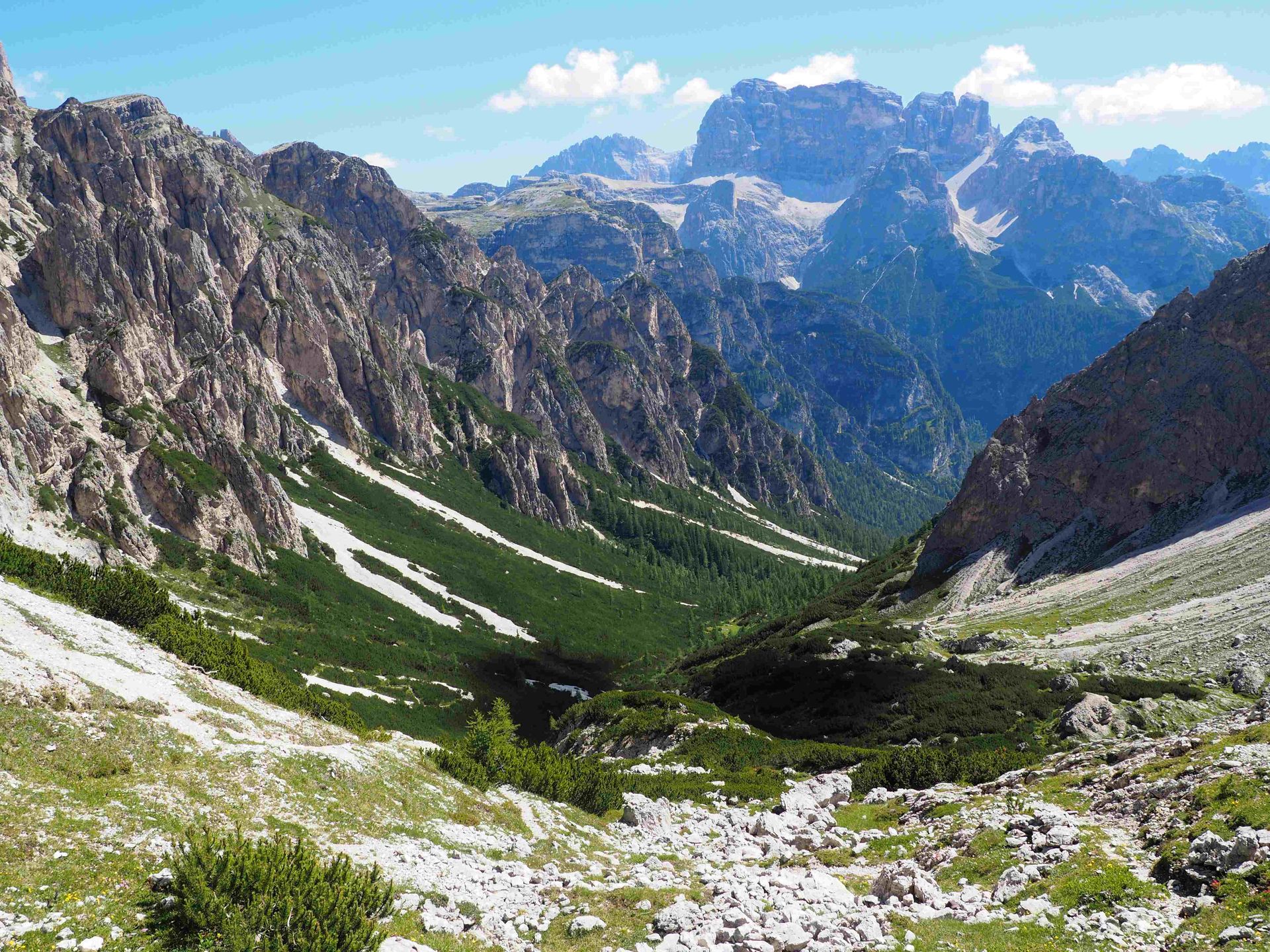
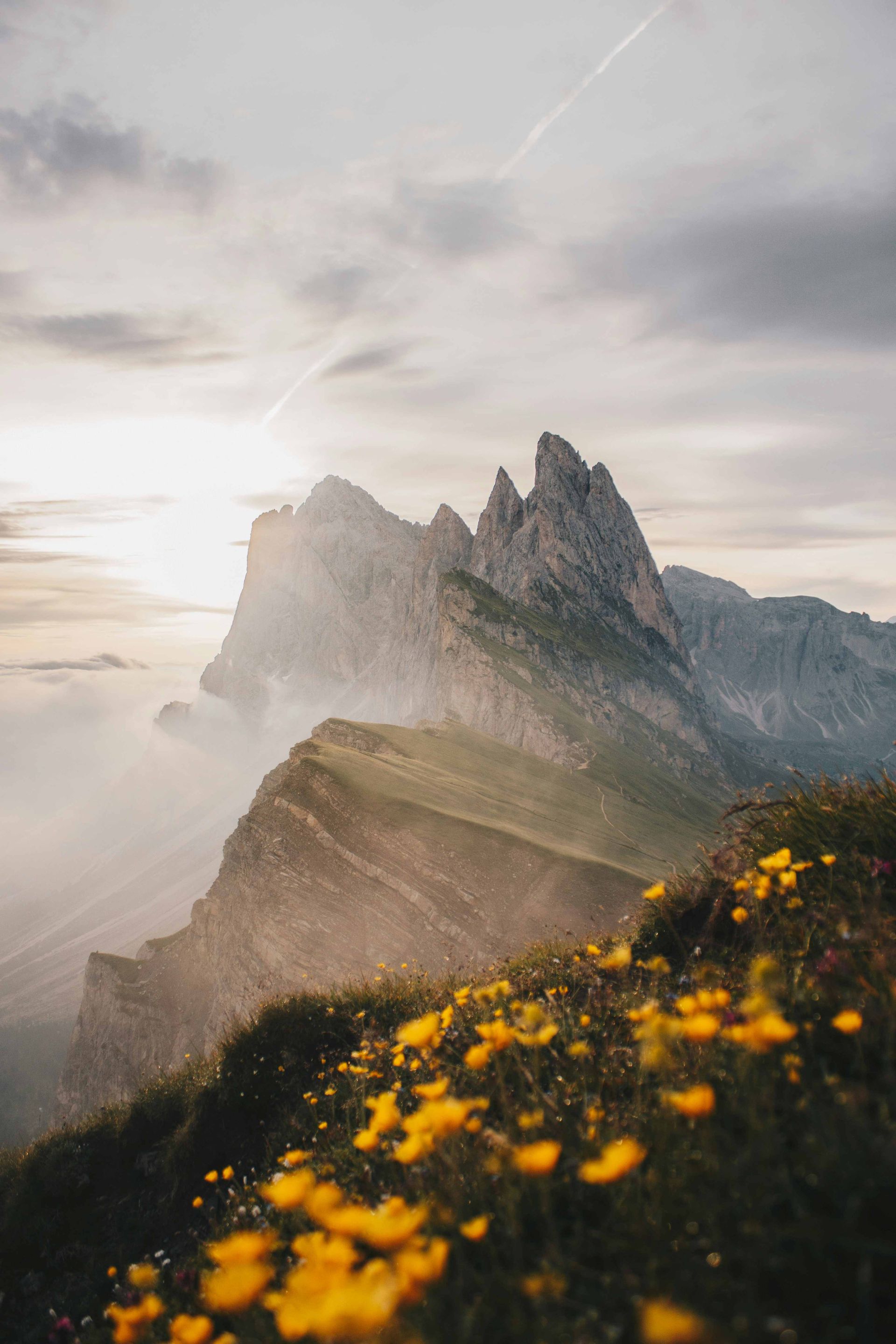
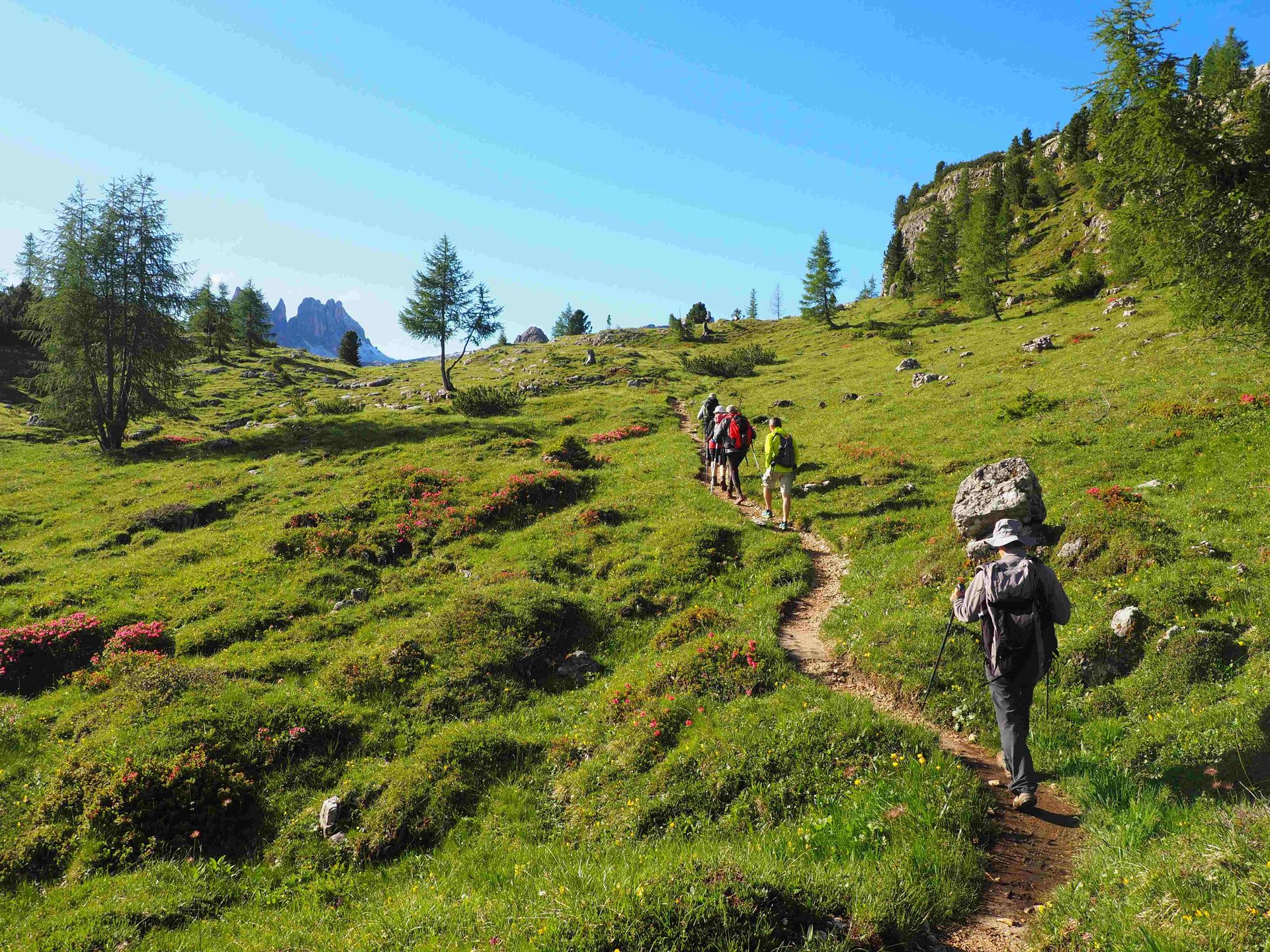
Great way to see the highlights of the Dolomites.
Really well shaped 5 days, amazing scenery with different experiences each day. Well organised trip, good information. There was one error with the hotel bookings —we were informed the hotel had changed for the last night of the walk but it was actually for the first night, but we resolved it fairly easily.
All arrangements for our Classic Walks in the Dolomites tour were excellent except the beginning. We were not met at Venice airport in the way that was advertised or at the time promised. The company that was contracted to transport us to Dobiacco was either poorly informed or just badly organised. Subsequent transfers were fine. Nonetheless, entire walk went well with brilliant mountain scenery and excellent leadership from our guides.
Great variety of local & international itineraries using quality overseas partners. Smallish boutique accommodation in character hotels & BnBs. Well selected walking routes. Reliable pick-ups & transfers of walkers &/or luggage.
The Walk through the Dolomites was a great experience. Monica & Jess & all staff we had contact with were prompt with their responses & helped with all travel transfer requests. Very grateful for all their assistance. Some instructions were in another language. But mostly it was delivered well. The whole area is just spectacular. As you walk, there are so many awesome views in every direction. It's truly a magical environment.
Was easily organised and communication was great. If I messaged via email or WhatsApp with any issues I got prompt replies both prior to and during the trip
The best time for hiking in the Dolomites, weather-wise, is generally from late June to September. During this period, you'll find warmer temperatures, longer days, and most high-altitude trails will be clear of snow. July and August typically offer the most stable weather, though afternoon thunderstorms can occur.
Here are the average temperatures (in Celsius) for Cortina d'Ampezzo, a town in the Dolomites:
Keep in mind that temperatures decrease with altitude, so be prepared for cooler conditions as you ascend. It's always wise to check the local forecast before your hikes.
We can create a custom trip tailored to your preferences.
As Featured In