


-300x200.jpg)







-300x200.jpg)


-300x200.jpg)

-300x200.jpg)

















-300x200.jpg)









-300x200.jpg)




Camino de Santiago
Walk the ancient pilgrimage route through mountains, coastal paths and historic towns to the awe-inspiring Cathedral of Santiago de Compostela. With multiple Camino routes available, Stroll's 30+ years of expertise ensures every step is seamless, supported and unforgettable.
Tips, tricks, and trail insights - everything you need to know about multi-day walks in Camino de Santiago.
30+ Years Experience
Three decades of crafting memorable walks worldwide
Pack-Free Walking
Your luggage travels ahead while you walk light
24/7 Support
We're always just a phone call away
Eco Travel
Tread lightly through the places you love
As Featured In









Destinations in Camino de Santiago
9 destinations to explore
Swipe to explore
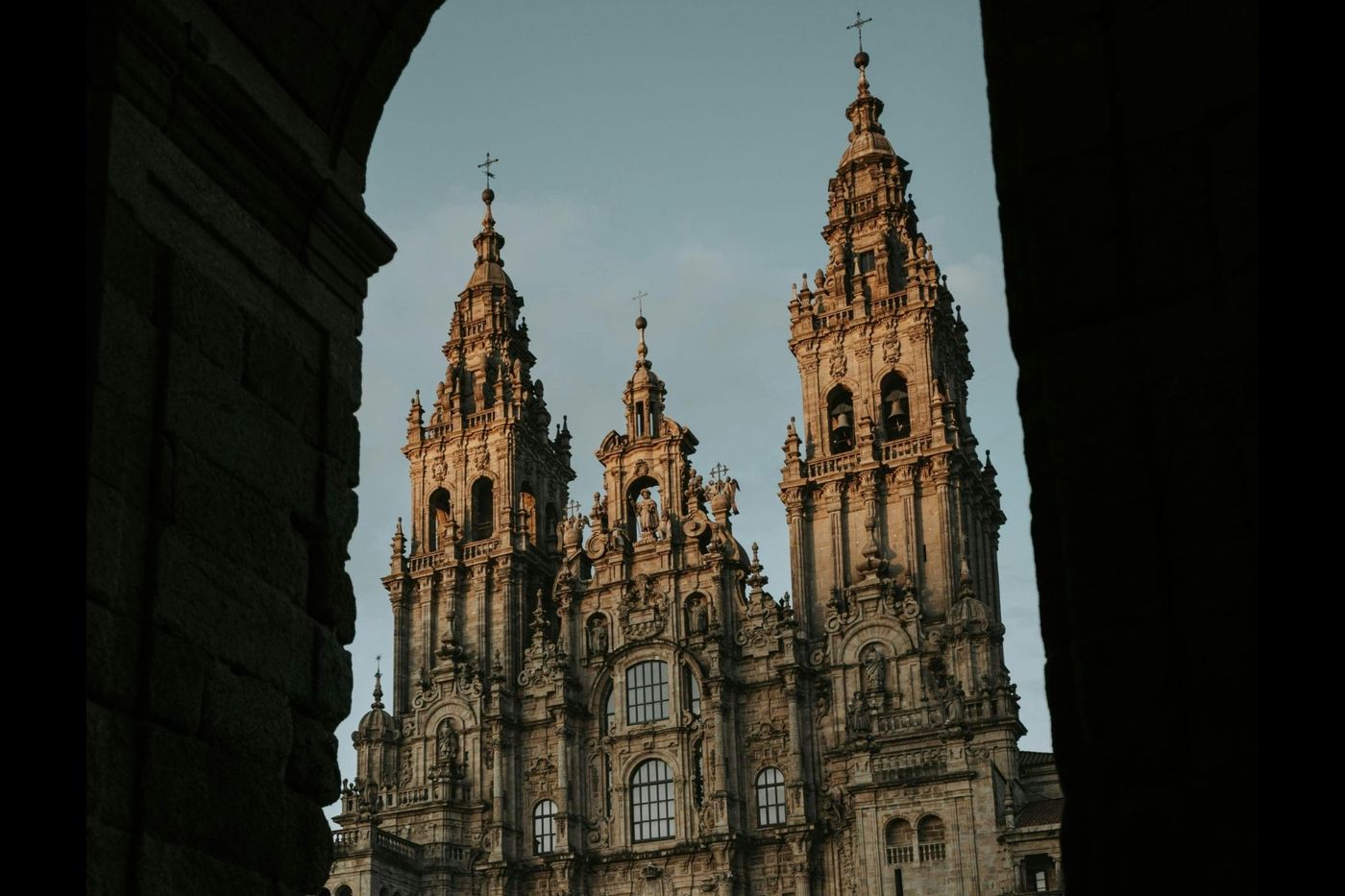
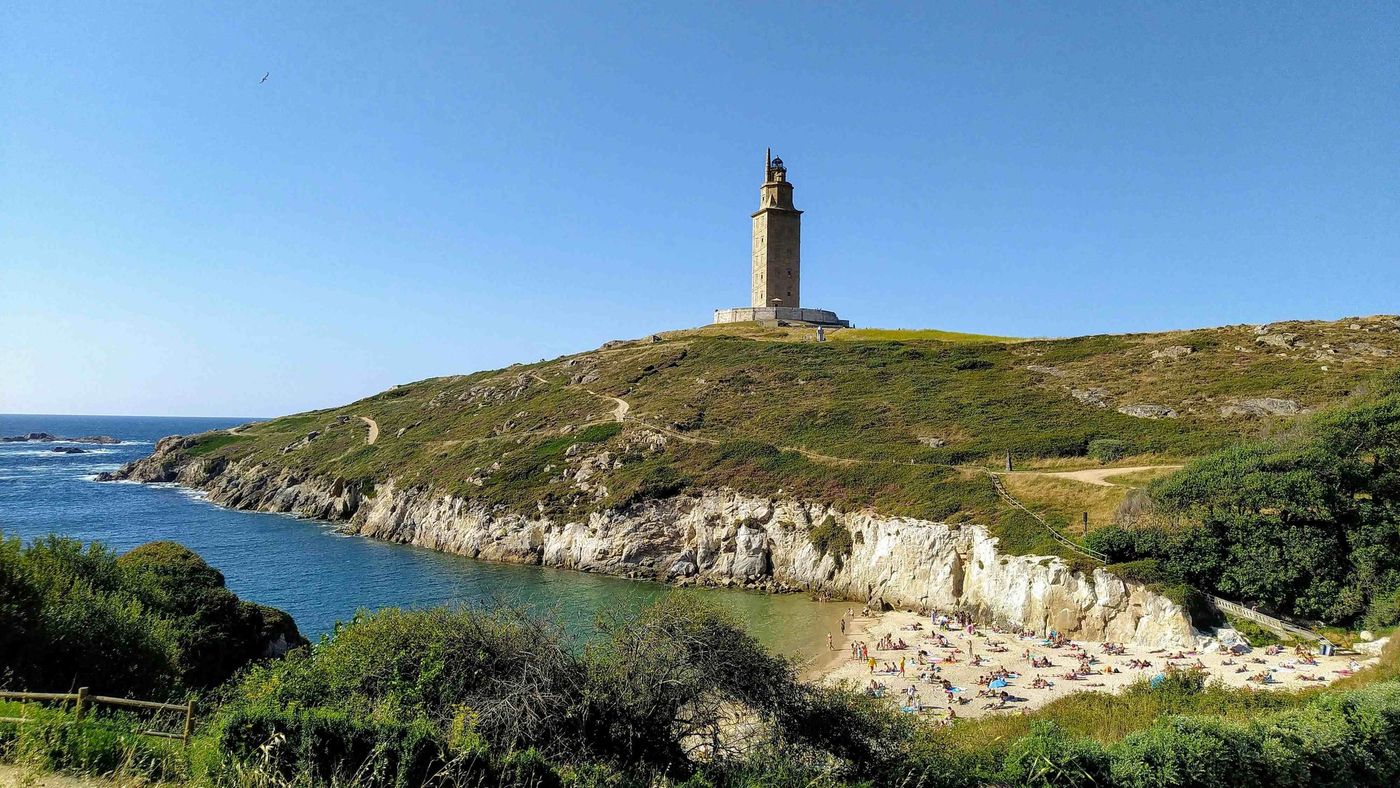
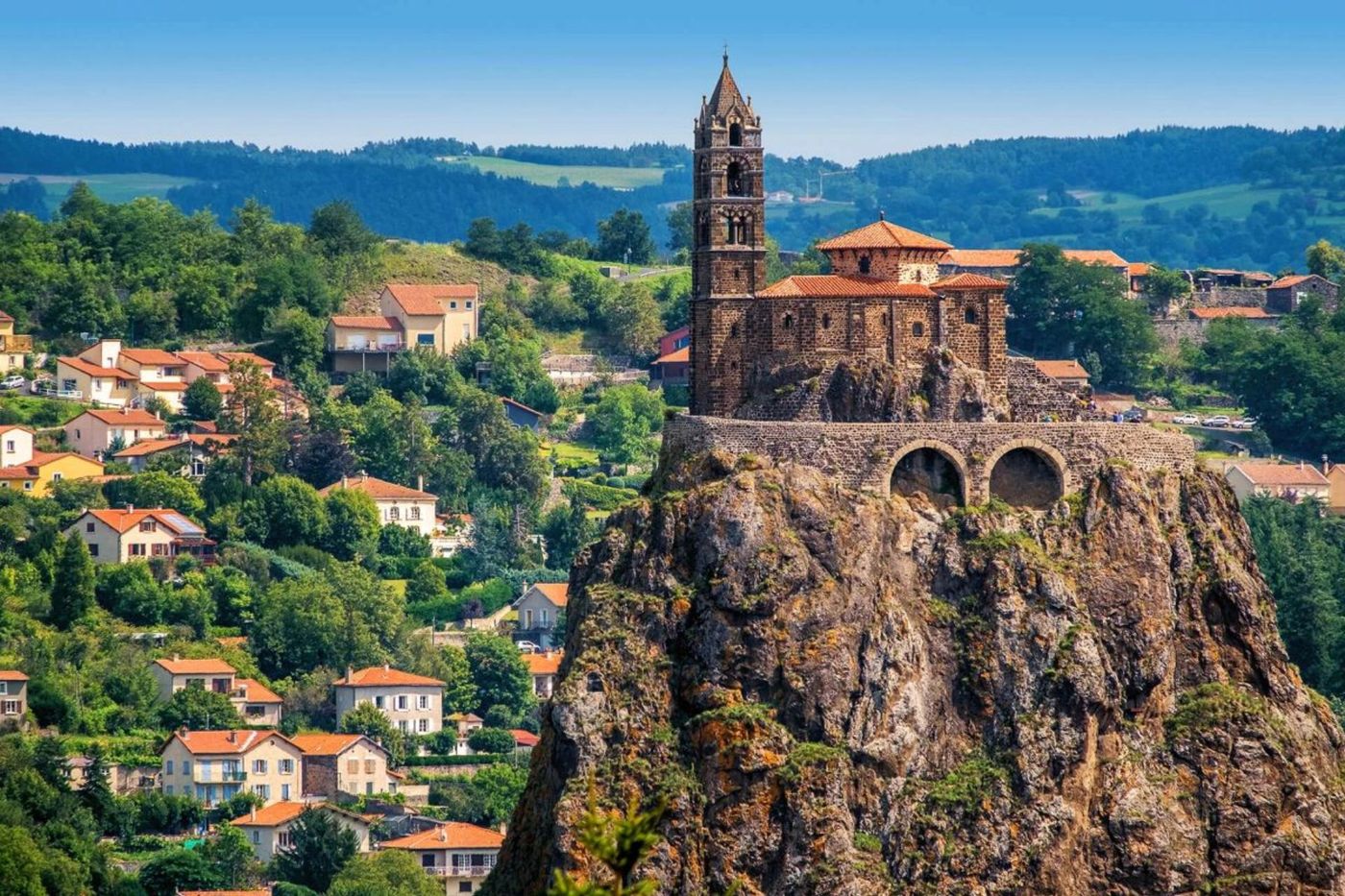
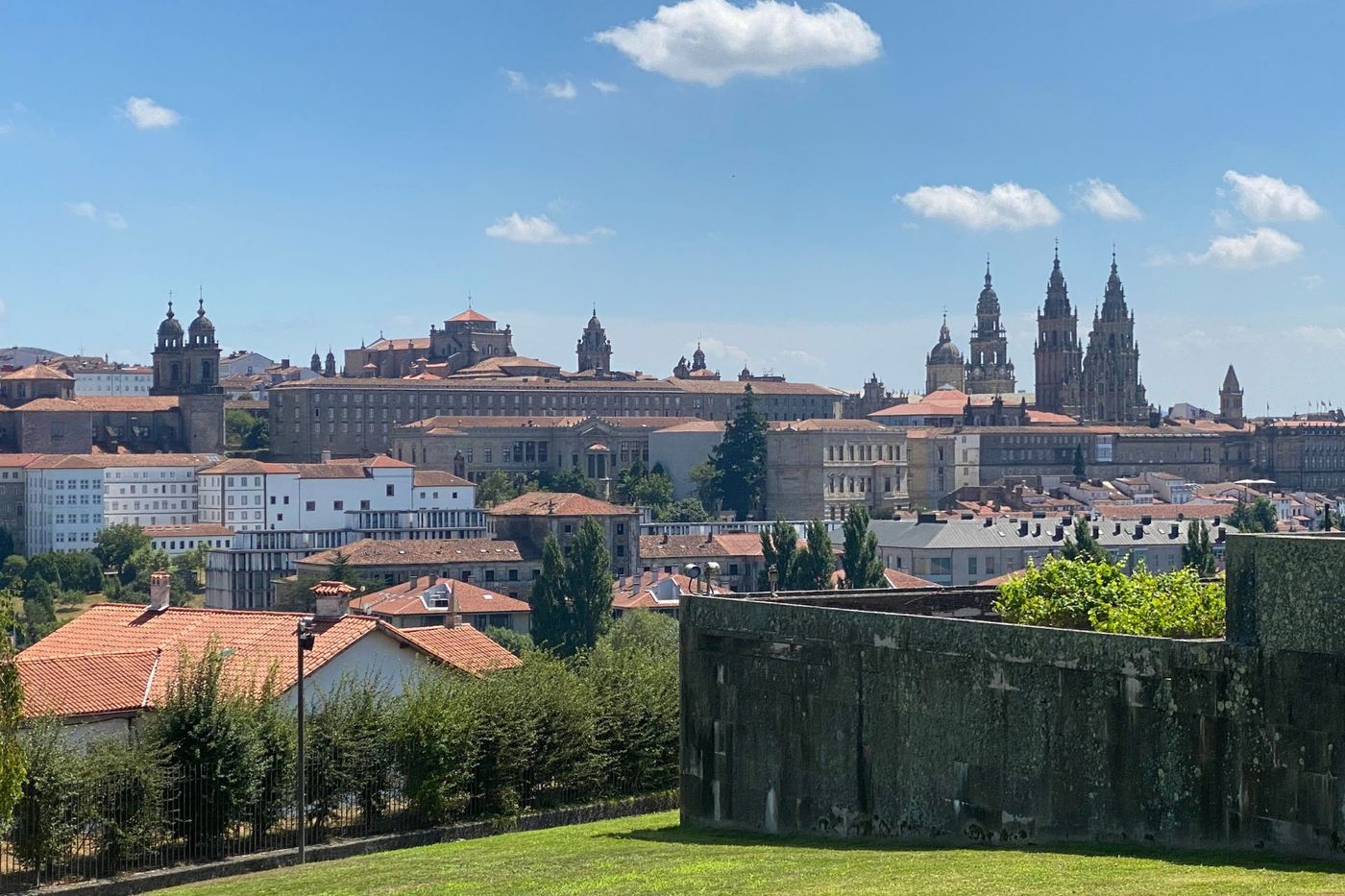
All Strolls in Camino de Santiago
54 strolls available
Camino de Santiago reviews
Loved by walkers
More About This Region
According to scripture, James was one of Jesus’ first disciples, and after Jesus died he travelled to the Galicia region of northwestern Spain to preach the word of Christianity.
This area was accepted by the Romans, at the time, to be the very edge of the known world, so you could surmise that James was trying to get as far away as possible from the powers that crucified his lord, and by all accounts he should have stayed there.
Local tradition has it the Virgin Mary appeared to him on the banks of the Ebro River, prompting him to return to Jerusalem where he was promptly beheaded by King Herod, becoming the first disciple to be martyred.
He obviously made an impression during his time in Spain, as his body was ceremoniously wrapped, carefully transported by boat and then overland to what eventually became Santiago de Compostela – which translates to St James of the Field of Stars.
The first pilgrims to the site can be traced back to the 9th Century, however, it grew in popularity and by the 11th Century, people were crossing the Pyrenees to visit his remains.
By the 12th Century there were even more visitors, encouraged by a document called the Codex Calixitus which is recognised as being the first-ever guidebook.
Interesting side note:
The codex was found in the archives of the Cathedral at Santiago de Compostela in 1886 and displayed until it was stolen in 2011. A year later it was discovered in the garage of a Cathedral employee, along with 2.4 million Euros from the collection boxes!
The black plague, the emergence of Protestantism and a series of wars and political unrest whittled away the number of pilgrims until the 16th Century, when it was a seldom travelled route indeed.
It wasn’t until 1987, when UNESCO bestowed world heritage status on the walk that it began to attract greater numbers again. Since then it has gone from strength to strength, inspiring hundreds of thousands to walk the Way of St James, once again.
Religion and the Pilgrimage
There’s no doubt, or debating the fact that the Camino de Santiago began as a Christian pilgrimage. A way to test your faith, respect your god and perhaps seek redemption.
The Codex Calixtinus, written in the 12th Century as a guide to the Camino (also the very first guidebook ever written, about anywhere) leaves you in no doubt as to the nature of the walk.
‘The pilgrim route is for those who are good: it is the lack of vices, the thwarting of the body, the increase of virtues, pardon for sins, sorrow for the penitent, the road of the righteous, love of the saints, faith in the resurrection and the reward of the blessed, a separation from hell, the protection of the heavens.
It takes us away from luscious foods, it makes gluttonous fatness vanish, it restrains voluptuousness, constrains the appetites of the flesh which attack the fortress of the soul, cleanses the spirit, leads us to contemplation, humbles the haughty, raises up the lowly, loves poverty.’
Nowadays, however, even the Dean of the Cathedral of Santiago de Compostela is not so sure anymore. Here’s what Segundo Perez Lopez has to say about the people who walk the Way of St James today.
“The current situation of crisis in the world, and personal searching, leads oneself to get out on the pilgrimage route, to try to find oneself, and transcend, making sense of our existence.”
Notice he doesn’t mention anything about religion, or god, gluttonous fatness or the protection of the heavens. Even for a Catholic priest he recognises the more personal, spiritual nature of many pilgrims today.
The church will even provide you with a non-religious ‘Compostela’ – certificate of completion – if you like, which makes only one stipulation in accordance with religion.
You have to ‘make the Pilgrimage for religious/spiritual reasons or at least have an attitude of search’.
So even the Church is saying it doesn’t necessarily have to be about religion anymore.
Spirituality, a shared experience with others, the monotonous isolation of walking for weeks on end – perhaps, the church is admitting that maybe, there’s a touch of the divine in the act of the walk itself. Who knows, but it can’t do any harm to go and find out.
Wondering which Camino de Santiago walking route is best for you?
See below for a quick recap on Camino trails at Stroll - you can also jump to our Camino Track Matrix for a table summary of the differences between each route.
Stretching 780km from Saint-Jean-Pied-de-Port to Santiago de Compostela, the Camino Frances walk provides a culturally rich and vibrant pilgrimage experience. This iconic trail covers historic towns such as Pamplona, known for its famous Running of the Bulls, Burgos, home to a magnificent Gothic cathedral, and León, celebrated for its historic architecture and vibrant local culture.
This walking route also offers beautiful landscapes to enjoy, including the Pyrenees Mountains, the vast solitude of the Meseta Plateau, and the lush, rolling hills of Galicia, culminating in the spiritual destination of Santiago de Compostela Cathedral. Whether you choose to embark on the Camino Frances full route, the last 100km, or venture through in sections, you have a range of walking route options with our self guided walking tours at Stroll.
The Camino Portuguese is a journey of cultural discovery, stretching 615km from Lisbon through Portugal’s bustling cities and tranquil countryside. You’ll then cross over into Spain’s lush Galicia, ending at Santiago de Compostela. The walk includes cultural treasures like Lisbon’s Jeronmio’s Monastery as well as Porto’s Ribeira district, coastal views, and spiritual landmarks such as the Pontevadra’s pilgrimage church.
Choose from options to walk the most popular traditional route, explore the Atlantic coast, or complete the shorter 8 day walk from Tui/Valenca to the Cathedral in Santiago de Compostela. Our Camino Portuguese walking tours let you experience these beautiful areas at your own pace and journey.
The Camino del Norte is a tranquil 800km scenic journey that follows Spain’s breathtaking northern coastline - starting from Irun and ending at Santiago de Compostela. Known for its rugged beauty and cultural diversity, this walking route offers ocean views, quiet fishing villages, and opportunities to experience Basque, Cantabrian and Galician traditions.
Top highlights of this walk include the coastal trails near Gijon, the lush inland paths of Ribadeo, as well as Santiago's cathedral. Perfect for seasoned walkers seeking solitude or a bit of a challenge - see Stroll’s range of route options including the 10 day walk from Gijon to Ribadeo, to the 11 day walk from Ribadeo to Santiago and more.
The Camino Finisterre is a 90km extension of the Camino routes, starting from Santiago de Compostela to the “end of the world” at Cape Finisterre. Highlights of this route include serene coastal views, lush forests, and fishing villages, with opportunities to connect to traditional customs such as burning clothes or boots as symbolic closure.
With Stroll’s range of Camino Finisterre walking tours you can extend your walk to Muxia, known for its coastline and the Sanctuary of Our Lady of the Boat. Choose from moderate paced walks like the 6 day Camino Finisterre self guided trail, or opt for a more relaxed pace with the 9 day Santiago de Compostela to Muxia self guided walk.
The Camino Ingles, or “English Way”, provides a compact yet fulfilling pilgrimage experience. Choose between starting your journey in either Ferrol (118km) or A Coruna (75km), both of which trace the steps of medieval pilgrims who arrived by sea from the British Isles. This walking route explores Galicia's picturesque countryside, small town villages, and peaceful coastal landscapes, providing a slower-paced alternative to the busier Caminos.
If you’re after a shorter or more relaxed journey, the 6 Day Coruna’s path is the perfect choice. Otherwise Ferrol’s 7 day route meets the 100km requirement for a Compostela certificate, suitable for those who want more of a challenge.
For a more luxurious, private pilgrimage experience across northern Spain, consider the Camino Frances/Norte Premium route. This trail combines the best sections of the Camino Frances, Camino del Norte, Camino Vadiniense, and Camino Lebaniego.
This 13 day, self-guided walking tour features stunning landscapes, historic towns, and regional cuisine while avoiding crowded routes. Ideal for smaller groups looking for a more personalised, comfortable, relaxed yet enriching cultural experience.
The Camino Primitivo is the oldest Camino route. At Stroll we offer a 13 day self guided Camino Primitivo walk to help you enjoy a sample the best of the walking on three of the Northern Camino Pilgrimages; an 11 day self guided Camino Primitivo trail spanning from Oviedo to Lugo where you can see Galician and Asturian villages, lush countryside, and embark on off-pavement trails; alternatively, there is an 8 day Camino Primitivo route where you can take on the final 103km to Santiago, joining the festive final stretch with fellow pilgrims.
Highlights of the Camino Primitivo include Lugo’s iconic walled city and opportunities to immerse yourself in authentic Spanish culture. Suitable for those seeking a quieter, historical Camino experience.
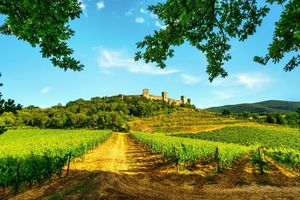
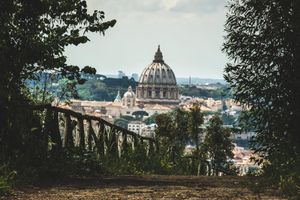
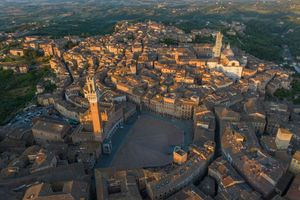
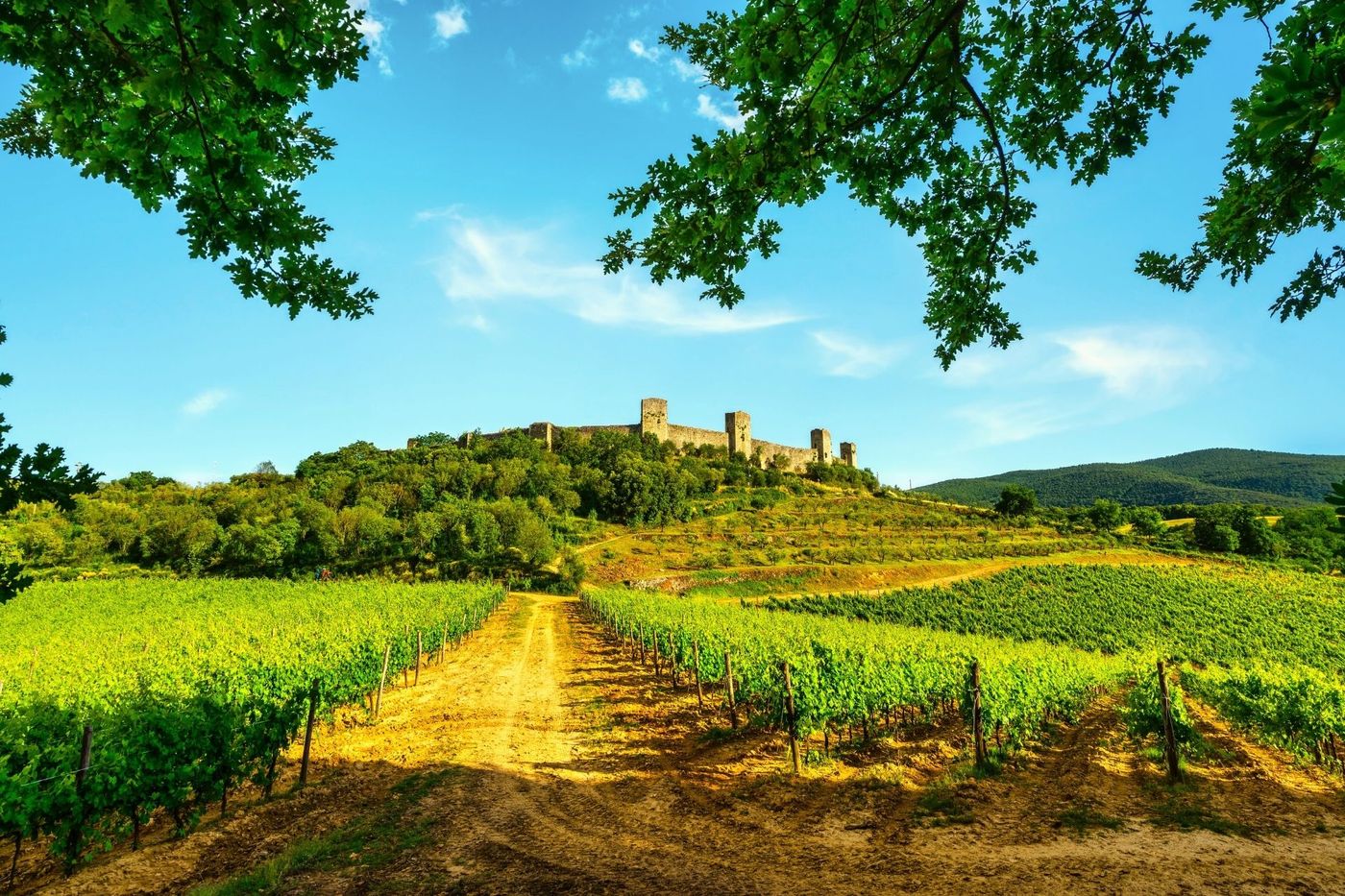
The Via Francigena is a historic pilgrimage route, offering options like the last 100km to Rome or scenic tours through Tuscany from Lucca to Siena. Highlights of this walk includes traversing through medieval towns, rolling hills and exploring landmarks like St. Peter’s Basilica.
Venture on the Camino Via Francigena to Rome walking tour at Stroll, perfect for moderate-level walkers - this journey blends rich culture, stunning landscapes and spiritual significance for an unforgettable journey.
Camino Final Stage Pilgrimages
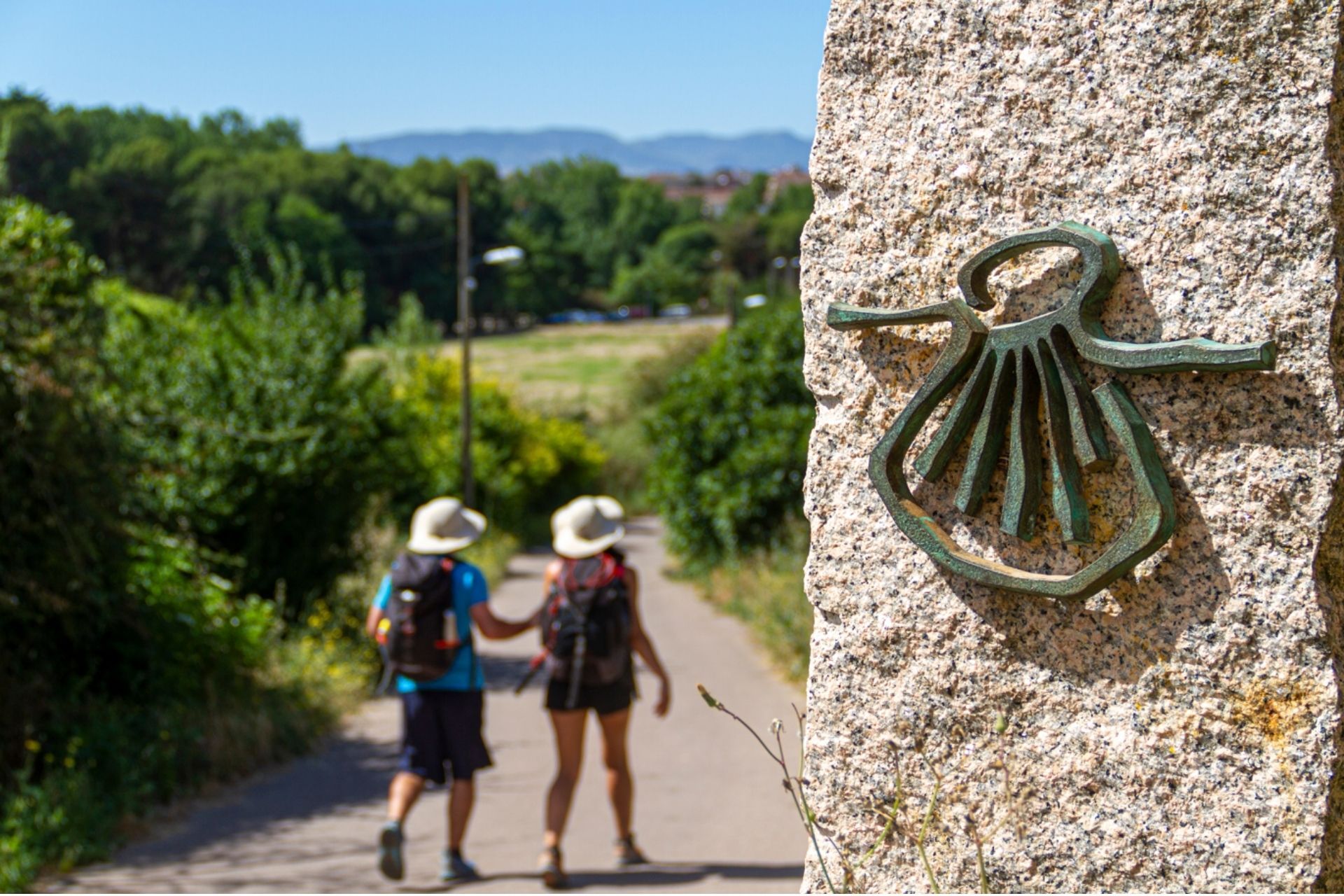
These pilgrimages cover the last 100km+ to Santiago de Compostela. Walkers collect stamps in the Pilgrim’s Passport, which go towards receiving the Compostela certificate. Routes include Sarria to Santiago, the Camino Ingles, and the Camino Portuguese.
See medieval towns, iconic landscapes, and the Santiago Cathedral. Choose from Stroll’s group guided Camino Final Stage or from a range of self-guided tours, with options suitable for various fitness levels.
The Camino Final Stage Pilgrimages at Stroll blend culture, history and spirituality, making for a meaningful and enriched walking journey.
Given the Camino crosses three different countries, it’s a little difficult to summarise the cuisine you’ll enjoy along the way. But we’ll give it a try.
When you’re not in the cities, you’ll be travelling for most of the time in between lots of little villages and towns, and whenever you stop for the night, or lunch, you’ll have the pleasure of tasting a cheese, or a dish that’s been made locally for hundreds of years.
Cured meats and salamis that have probably never made it out of the region you’re in. Fresh bread that melts in the mouth, and now and again, you’ll stumble into a wine region – like La Rioja.
We’re convinced they keep the best wines for themselves here, and if you visit during the summer festival, on June 29th, you’ll be lucky enough to experience the Batalla de Vino – one of the world’s biggest food fights.
Spanish omelettes are a delight wherever you are in Spain, and Tapas varies depending on the region you’re in too. More seafood the closer to the coast, of course, and when you’re near Padrón, if it’s the right season, you’ll find a plethora of peppers known as Pimentos.
In Portugal, you can sample a variety of Bacalhão dishes – cod fish combined with rice, potatoes and locally made sauces. Cocido, a huge plate of meat, garbanzos and greens. Roast goat, drowned octopus, and of course, the ubiquitous Portuguese tart.
The further into the countryside you get, however, the less chance of there being a menu in English, so you either need to brush up on your languages, or go with a sense of culinary adventure – and an iron stomach. Enjoy!
For a pilgrim route as popular as this is, you could imagine there’s a wide variety of places to stay – and you’d be right.
Alberges
Most people stay in the numerous Alberges dotted along all routes through France, Spain and Portugal – and they’re extremely good value. These ‘pilgrim’s hostels’ can provide a bed in a dormitory from as little as 3 Euro a night. Some are owned by the local Municipality, some are privately owned, and generally a little more salubrious, and a few are located in monasteries.
Chambre d’Hotes
If you’re beyond bunking in a dormitory - although it can be challenging, it has its charms too (!) - then there are plenty of small, often family run, bed & breakfasts to stay in. They’re generally pretty rustic, but you’ll receive a warm family welcome, and a comfy bed for the night.
Hotels
With a bit more to spend, you can stay in a wide variety of hotels along the way. From five star boutique experiences, to a range of standard accommodation options, there’s plenty to choose from. And if you’d like something a little unusual there are converted barns, old parishes and historic buildings throughout.
Paradors
Alfonso III was the King of Spain from 1886 to 1931, and he was literally born with a silver spoon in his mouth – well not quite, but he was King from the moment he was born, and he was presented naked, on a silver tray, to the prime minister of the time.
What a start in life. Who would have thought, from that privileged beginning, he would go on to open up many of Spain’s most beautiful historical buildings to the public.
These paradors are castles, palaces, fortresses, convents and monasteries where only the chosen few could have stayed in before, but after Alfonso started to open them up, they became luxury five-star hotels for anyone who could afford a night’s accommodation.
There are 94 of these magnificent buildings across Spain, and a good number dotted along the Camino de Santiago. Some new buildings have been built too, generally in areas of outstanding natural beauty.
One night (at least) in a Spanish palace, or castle, is a night not to be missed.
Anywhere you want to start your walk, it’s pretty easy to get to. Europe, in general, is well served by plane, train and bus services – especially the larger destinations like Seville, Porto or Pamplona.
Santiago de Compostela is the end point for many however, so here’s a few details about getting back home afterwards from Santiago de Compostela.
Flights
You can fly direct to Madrid, Barcelona, Valencia, London, Liverpool, Frankfurt, Rome, Barcelona, Paris and Dublin.
Trains
To Madrid. Leaving at 9am and arriving at 2pm, or the overnighter, leaving at 10:30pm and arriving at 7:30am the next morning.
To Barcelona. Via Madrid as above. Another 2hrs 45 minutes onto Barcelona. Service on the hour, every hour.
To Pamplona. Via Ourense Emplane. Trains every four hours, taking 1 hour 37 minutes. From Ourense Emplane there’s only one train a day to Pamplona, and it takes 7 hours 45 mins. Seems like quite a long journey, but considering you’ve probably just taken two weeks to walk it, maybe not so bad.
Buses
To Santander. Two buses a day, taking 7 hours 45 mins.
To Madrid. Via Mendez Alvaro. Four buses a day, taking 8 hours and 45 mins. From Mendez Alvaro the train takes 28 minutes, and delivers you at terminal 4 of the Madrid Barajas Airport.
Timetables change, of course, so it’s best to check all of this with the local tourist board before you go.
The variety of routes you can take, and the distance you can travel make it rather tricky to forecast the weather. Nevertheless, we are talking about Northern Europe in general, so mid-summer isn’t going to be too hot (compared to most of Australia for example) and mid-winter you’re going to get some snow, especially in the Picos de Europas, and the Pyrenees.
Galicia itself is heavily influenced by the Atlantic. It’s frequently windy between October and April, and it can be foggy anytime – which actually adds to the beauty of the landscapes in the early morning.
Santiago De Compostela is cool and humid, with the warmest weather between July and August – average highs of 24°C and lows of about 14°C. It’s frequently rainy too, and even in these summer months, you’ll get five days of rain.
The best time to walk is actually in spring, or autumn, however, as it’s a lot less crowded, there's less chance of rain and the temperature is much nicer for walking in.
The overwhelming majority of those who walk the Camino take the ‘French Way’ - which means crossing the mountainous boundary between France and Spain – the Pyrenees.
It crosses a lot further north than Hannibal and his famous elephants did, but it’s the same imposing barrier nonetheless, and quite a test for the legs at the beginning of your walk.
Further along the northern coast of Spain you’ll also skirt the fierce looking Picos de Europa mountains, however apart from these two regions, you’ll be walking, for the most part, through a variety of agricultural landscapes that have been shaped by generations of farmers tilling the land, and feeding the population for thousands of years.
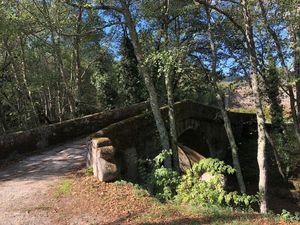
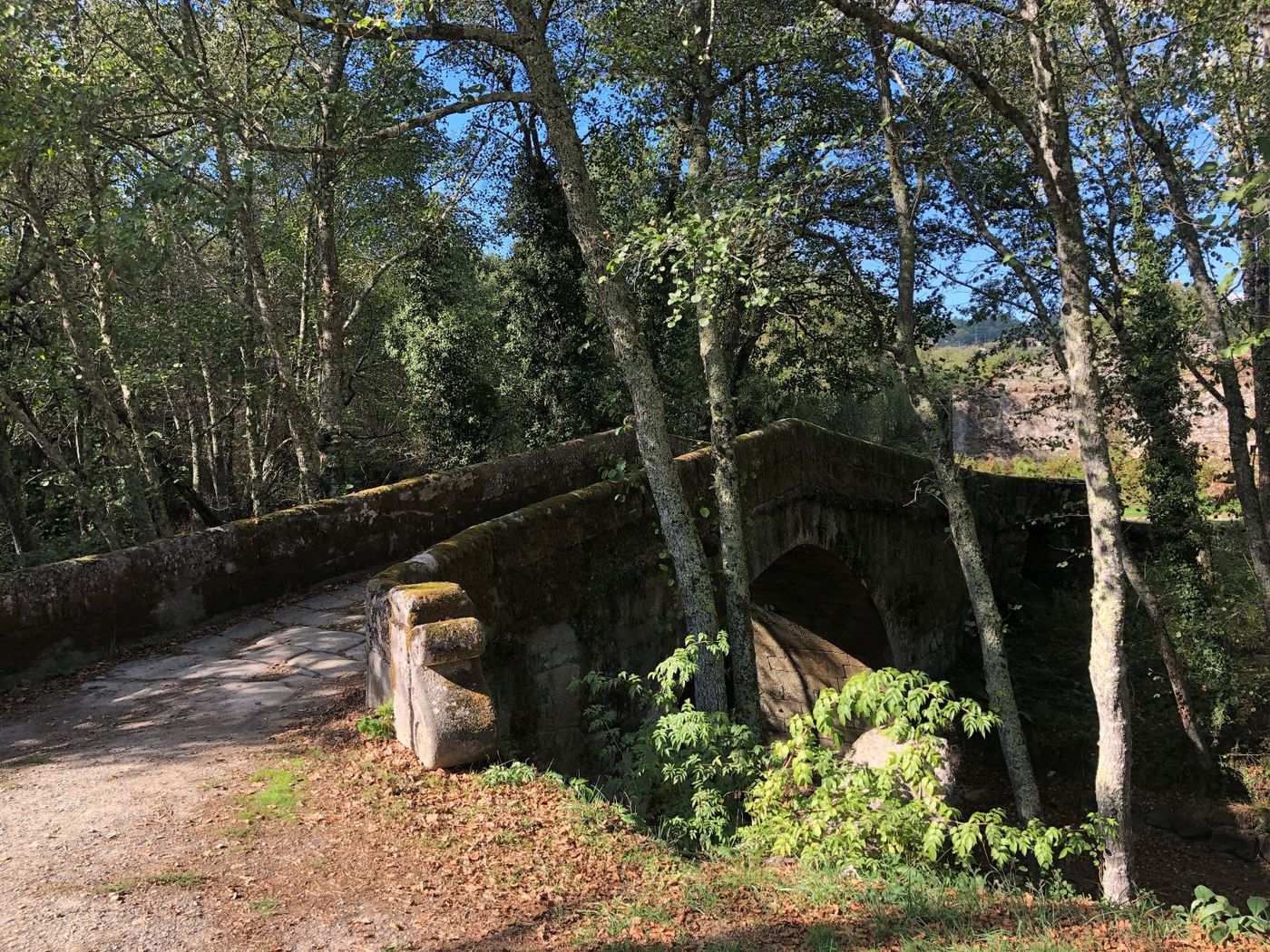
Rolling fields of cereals, olive groves, vineyards and the lush green pastures of the Cantabrian coast, interspersed with picturesque villages and cobbled lanes lined with sunflowers, roman bridges and gothic cathedrals.
The high plains of Castilla last for hundreds of kilometres, and are perhaps the most uninteresting section of the walk, yet there’s nothing too taxing, and overall across all of the routes, the paths themselves are wide, and in good condition.
In fact the majority of the Camino is not very difficult, except for the fact that you’ll be walking for, potentially, two or three weeks in a row.
At the end of the walk, and after a decent rest (!) many pilgrims continue another 70kms to the coast, and the most Westerly point of Spain – Finisterre. This was the end of the known world for the Romans, and the translation in Latin is ‘Finis’ – ‘End’ and ‘Terre’ – Earth.
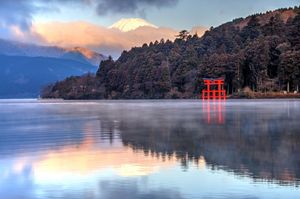
The Dual Pilgrim initiative unites two UNESCO world heritage listed walks, the El Camino in Spain and the Kumano Kodo in Japan.
Both are culturally significant, beautiful walks that pilgrims have been completing for over a thousand years, however the natural environments you’ll find yourself in, and the experiences you’ll enjoy are as different as you can probably get.
While the El Camino takes you on Christian pilgrimage through Europe to the north-west of Spain, where the relics of St James are buried, the Kumano takes you through a mountainous region of Japan to visit three sacred shrines, steeped in the Buddhist and ancient Shinto religions.
If you complete them both you’re given a certificate and a badge, and if you want, you’re listed on the Dual Pilgrim website, with a picture of you receiving your certificate next to your name, and the date you completed the task.
So what do you have to do?
Camino de Santiago
Complete one of the Way of St. James routes, walking the final 100km on foot or by horse, or the last 200km by bicycle.
Kumano Kodo
No bikes or horses allowed on the Kumano, so you have to walk any of the following routes:
- Takijiri-oji to Kumano Hongu Taisha - 38 km
- Kumano Nachi Taisha to/from Kumano Hongu Taisha - 30 km
- Hosshinmon-oji to Kumano Hongu Taisha - 7 km - plus a visit to Kumano Hayatama Taisha and Kumano Nachi Taisha
- Koyasan to Kumano Hongu Taisha - 70 km
If you start with the Camino, you need to register at the Santiago Tourist Office. You won’t get a ‘dual pilgrim passport’ starting here, but you’ll be able to get a certificate that you can present in Japan when you finish.
What happens at the end.
If you complete the two at Santiago, you’ll be given a badge in the Santiago tourist office without much fanfare or celebration. If you finish in Tanabe, in Japan, however, there’s a special Taiko Ceremony where you’ll be invited to express your spiritual journey, thoughts and emotions in the physical realm, by banging on the sacred Taiko drum.
You’ll also receive a certificate from the Head Priest, made from local Washi Japanese handmade paper, and featuring the character for "Way" in the background. A unique memento of your achievement.
Pilgrims Passports
You can buy a ‘Credencial del Peregrino’ from any number of churches, shops and tourist offices. These will give you preference in the Auberges if they’re crowded, and if you get it stamped along the way, you can receive a ‘Compostela’, or, certificate of completion at the end.
Compostelas
Available from the Pilgrims Office in Sangtiago, on production of a stamped ‘Credencial del Peregrino’. Christian, and non-religious compostela’s are also available.
What to take
You can have a look at our blog on what to take on a walk, however, keep in mind that you will never be too far away from civilization – and you’re best to pack light on a walk of this length. Because of the conditions in northern Spain, we’d also strongly advise you take a set of waterproofs.
Languages.
We’d recommend a phrasebook for the countries you’ll spend most time in, however here are a few words of Spanish.
Hello – Ola
What is your name? – Como te llamas?
My name is – Me llamo es…
How are you? – Cómo estás?
I am good – Muy Bien
Where did you start walking the Camino? – Donde empezaste el camino?
Where is the hotel? – Dónde está el hotel?
In Galicia, most people also speak a regional dialect called Galego – but they’ll be pleased if you at least attempt a little Spanish.
Money.
The Euro is used throughout, and you’ll be able to use credit cards in most places too.
Plugs.
You’ll need a European converter with two-point round plugs. 230 V and 50 Hz.
Tipping
Not mandatory, or even expected in Spain, Portugal or France, but 5% might be given if the service was very good – and you’d like to express your thanks.
Albergue Etiquette
Respect for your fellow pilgrims is at the heart of Albergue etiquette.
Don’t make a noise in the dorm room, don’t set an alarm, respect the lights out curfew at 10pm, turn your phone to silent and don’t use it in the dorm, clean up after yourself in the kitchen, and everywhere else for that matter – and don’t snore.
In fact, there are sometimes snorers’ rooms if you ask.
Or instead of having to worry about all of that, you could ask us to arrange everything and instead of staying in a dorm room, you’ll be staying in a boutique hotel – using your phone as much you like, and not queuing up to use a shower in the morning.
St Jean Pied de Port
This is the starting point for the most popular Camino route ‘The French Way’ and it’s a beautiful little market town nestled in the foothills of the Pyrenees, hugging the River Nive.
Before you buy your final provisions and set off for Spain, make sure you take in some of the ancient inscriptions above the doors around town. See if you can find the old bakery, and discover the price of wheat in 1789.
Pamplona
Pamplona has been around since 75BC, when it began as a camp for the Roman General Pompey – which is where the name came from. The city’s fortunes rose and fell over the years, throughout various German and Visigoth invasions, the advance of the Moors and eventual annexation into Spain.
All of this rich history can be found in the buildings throughout the city, however it’s better known for hosting one of the biggest parties in the world – the festival of San Fermin – and in particular, the running of the bulls. If you’re there between 6 and 14 July there will be a million other people visiting too – so you might want to just keep on walking.
Burgos
A must as you pass through Burgos is a visit to the cathedral, which is heralded as one of the most magnificent in all of Spain. A UNESCO World Heritage Site in its own right, the Burgos Cathedral has been attracting devotees since the 13th Century.
The Burgos Castle may also have been magnificent, however the French army destroyed it in 1813 leaving only ruins behind. Nevertheless it’s a great place to get a great view of the city, as the ‘Mirador de Castillo’ lookout delivers a 270 degree, panoramic view.
It does sit on a hill however, so you may have walked enough by the time you get there, and decide to sit with a glass of wine and some Tapas instead.
Leon
Once again it’s a cathedral that’s at the heart of this city. The Santa Maria de Leon is one of the best examples of Gothic architecture in Spain, and it’s also home to one of the largest, and best preserved collection of medieval stained glass windows in all of Europe. Hence its nickname - The House of Light. It’s so impressive that it inspired the famous architect, Antoni Gaudí, to design and build the Casa Botines – which can also be found in the city.
The Christian theme continues with an oriental and biblical museum to be found, and a Holy Week that features the "Procession of the Meeting", which represents the meeting of St John, the Virgin Mary and Christ.
Still, throughout many of these ancient towns, you can often find a nod to the unusual. And in Leon it appears to be the celebration of alcohol called "The Burial of Genarín" – named after a drunk beggar who was killed by Leon’s very first rubbish truck, in 1929.
Why on earth this event is a cause for celebration, we don’t know, however there must be an interesting story to be found there, somewhere…
Sarria
In order to receive a Compostela of completion, you need to walk at least 100km to get to Santiago – and with Sarria lying only 111km away, it’s a very popular place for pilgrims to begin the Camino.
It’s filled with medieval churches, monasteries, fortresses and castles, yet it’s now a central hub for farming, and furniture making. There are festivals for St John, a day for Corpus Christi, and there’s a Noite Meiga (Witch’s night) towards the end of August.
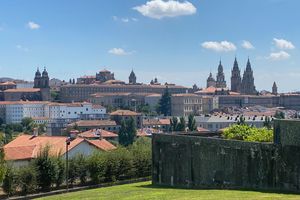
Santiago De Compostela
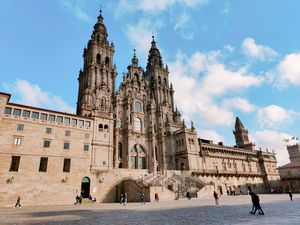
The very place we’re all heading to, of course, and the cathedral is once again – the centre of the city. Even if you’re not walking the Camino yourself, you can find a spot to sit, and watch the pilgrims arrive after their long walks across the top of Spain. The ‘French Way’ is almost 800km’s in total, so there’s often an emotional response when they arrive – and it can be quite a moving experience to witness.
You can also attend mass, where the Priest welcomes pilgrims from all over the world and congratulates them on their efforts – resulting, often, in a few tear soaked pews.
The Old Town of the city is well worth a visit too, it was designated a UNESCO World Heritage Site in 1985, two years before the Way of St James was. It’s one of the most elegant quarters in Spain, and in amongst the gothic churches and historic buildings, you’ll find little gems serving up a variety of seafood, and the odd Rioja.
COMPARE ALL THE TRPS WITH THE MATRIX
The above matrix gives an overall summary of the walks as of January 2024. If you have any questions, please speak to one of our many Camino experts at 03 95979767 or info@Stroll.com.au.
You Might Also Like
Explore more walking destinations
Frequently asked questions
Want a custom experience in Camino de Santiago?
We can create a tailored trip just for you.