


-300x200.jpg)







-300x200.jpg)


-300x200.jpg)

-300x200.jpg)


















-300x200.jpg)










-300x200.jpg)





Leonie P
June 2026
The whole walk was very well organised. I do think you need to use the hiking app and the guide book. The Croatia walk was wonderful. It was well organised. The scenery in Croatia is beautiful.
Plan your Croatia trip with an expert in a free 1:1 consultation.
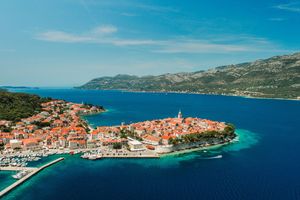
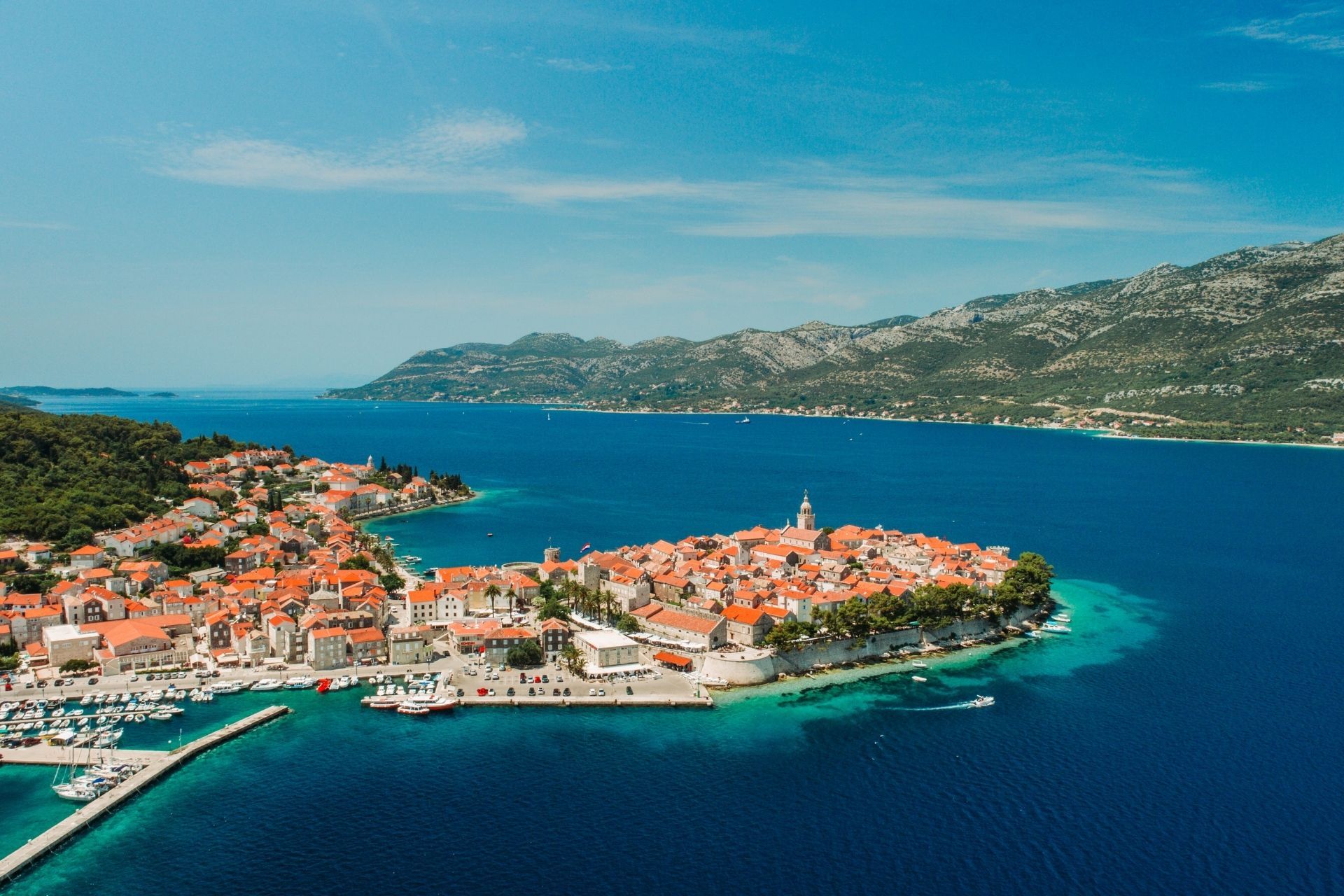
Croatia is one of Europe's most varied walking destinations, packing limestone coastlines, forested islands, Roman ruins and medieval walled cities into a remarkably compact stretch of the Adriatic. Each region has its own distinct character: the rolling, truffle-scented hills of Istria carry echoes of Venice and Tuscany, while the Dalmatian islands offer trails above some of the clearest water in the Mediterranean. Centuries of Venetian, Roman and Balkan influence have left their mark at every turn, and the food and wine are reason enough to linger. Croatia is well known, but walking it remains the best way to find the parts that aren't.
A closer look at Croatia
The whole walk was very well organised. I do think you need to use the hiking app and the guide book. The Croatia walk was wonderful. It was well organised. The scenery in Croatia is beautiful.
Our island hopping walk in Croatia was a memorable experience. Visiting four beautiful islands (Hvar, Korcula, Mjlet and Lopud) on foot allowed us to appreciate their unique character, stunning scenery and some charming villages at a relaxed pace. We loved the quietness of travelling early in the season with fewer people on the trails and perfect walking temperatures. Walking is such rewarding way to experience a place giving time to soak up the landscape along with enjoying the local culture and hospitality in the evenings.
Totally exceeded my expectations. Self guided, self styled walk with Stroll was challenging, fun and a must repeat somewhere else on there list of choices
Stroll were fantastic to communicate with. With a couple of emails I was able to book a 7 day walk without having to research the ins and outs of where to go, what to do and how to arrange luggage transfers. We were able to see a lot more than just the main ports of the Croatian islands. Highly recommend.
Stroll were fantastic to communicate with. With a couple of emails I was able to book an 8 day walk without having to research the ins and outs of where to go, what to do and how to arrange luggage transfers. We were able to see a lot more than just the main ports of the Croatian islands. Highly recommend.
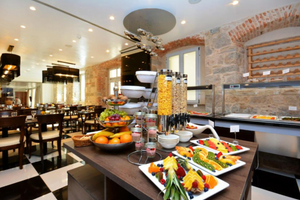
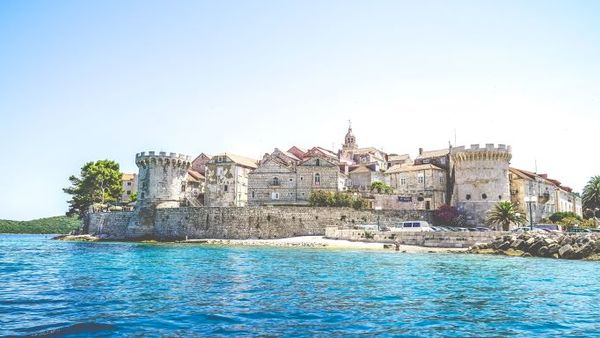
We couldn't fault the company that Stroll used for the Split to Dubrovnik walk. They were so hospitable and helpful. The guide who met us to give us our travel pack was able to give us a lot of information and made us feel really comfortable. We enjoyed our time at the Marco Polo Hotel in Korcula and wished we could have stayed longer on the island. We also appreciated that the hotel in Dubrovnik made us a breakfast pack as we were leaving very early on our departure date. The Croatian people are so relaxed and kind. We loved it.
As a part of your tour package with Stroll, we transfer your luggage between accommodations. Therefore, you will only have to carry a light daypack as you enjoy your walking holiday.
How you arrive in the starting city of the walks and depart from the final town is up to your discretion. However, we do provide transfers to and from airports on the trips on the Dubrovnik coast. We are more than happy to arrange a private transfer at your request on the other walks. If you have any questions, please feel free to contact one of our service representatives who will happily guide you through the best available options.
The temperature in Croatia changes dramatically depending on the season. Sping to Autumn are the best times to visit Croatia. Winter can be terrible in Croatia.
The weather becomes much more pleasant as soon as spring hits. In April, the temperatures can rise to 18°C during the day.
Summer draws the big crowds, which is not a surprise given the fantastic weather.
The best time to walk along in Croatia is from spring through to the end of autumn. Summer can be hot and there are bound to be more people around.
Your main piece of luggage will be transported for you each day as you walk, so when you arrive at your accommodation, it will be there waiting for you. You will only have to carry a light day pack with your essentials.
As with any journey, it is essential to be prepared for your self-guided walking holiday. While we will be transporting your luggage from accommodation to accommodation, you will still be carrying a lightweight day pack with you. Here is what we suggest that you take with you each day:
Now that we have the essentials packed, it is time to think of any additional items that may be worth taking along with you. These items may include but are not limited to:
If you have any questions, please feel free to contact our office and have a chat with our friendly team. We will happily advise you on what types of clothing, backpacks, boots, and other materials you may need for your walking holiday.
Split
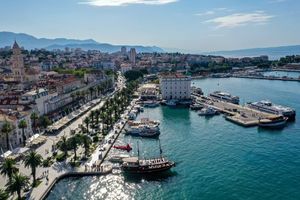
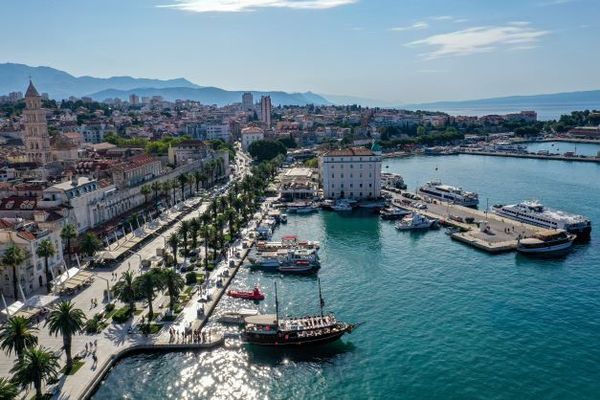
Split was originally built in the 4th century as a magnificent retirement palace for the Roman Emperor Diocletian. The Diocletian’s Palace is still the centre of this very cosmopolitan coastal Croatian city. It is packed with hundreds of ancient buildings added throughout the ages.
At the very centre of this World Heritage-listed site is a well-preserved colonnaded Roman Peristil (courtyard), and the octagonal Cathedral of St Domnius, which was originally Diocletian’s mausoleum.
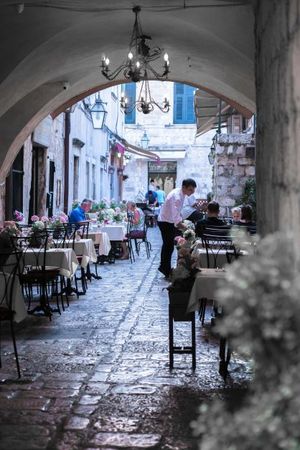
Split has numerous cafes, restaurants and bars. The palace is also a brilliant place to spend the evening. Or simply join the locals for an evening stroll and a drink on the city’s Riva waterfront promenade. You can hike in Marjan Forest Park or chill on Bacvice or Firule beaches, all very close to the city centre.
Dubrovnik
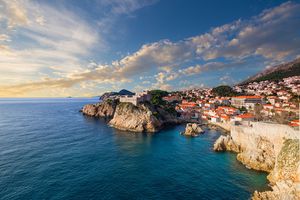
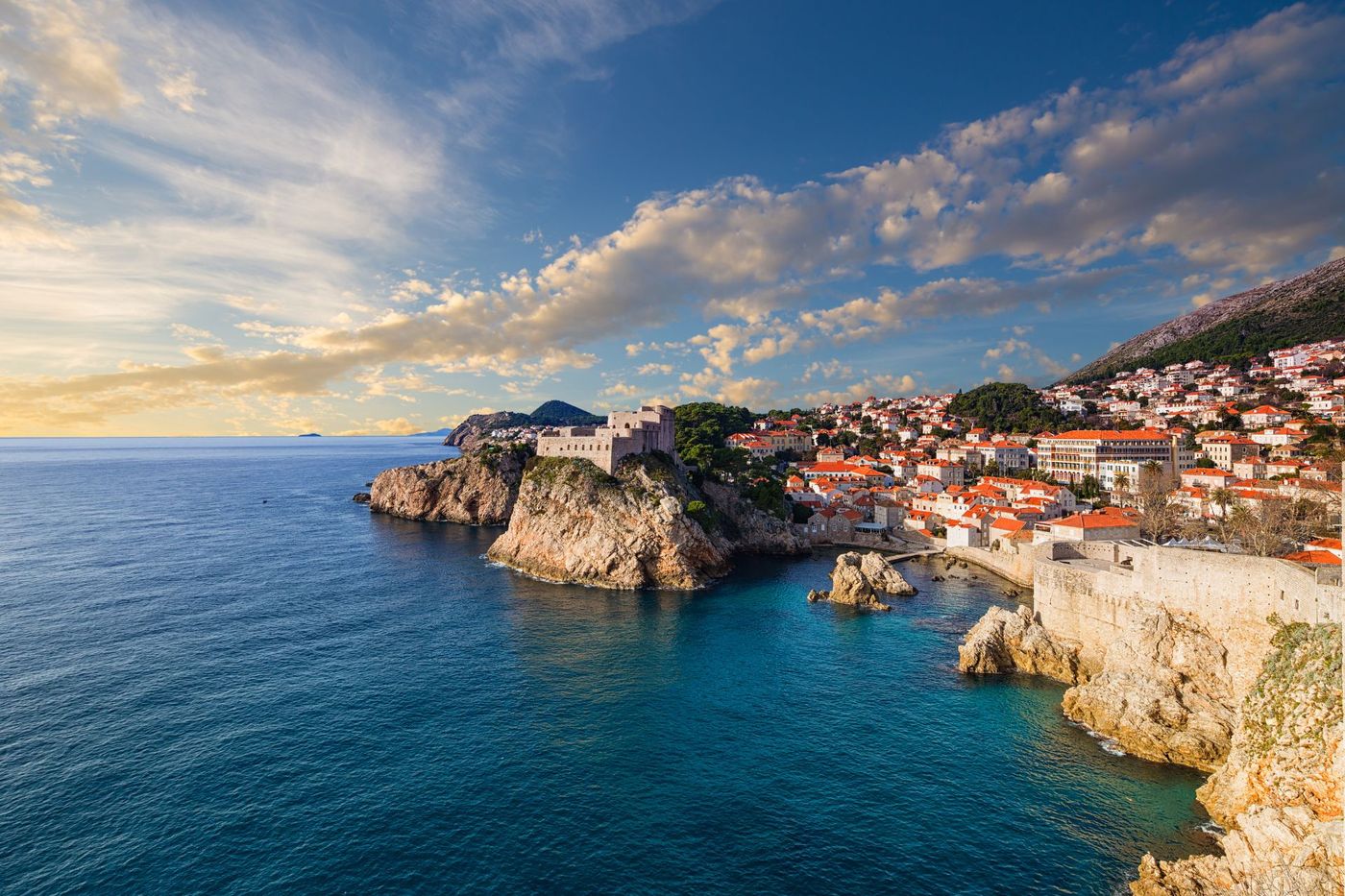
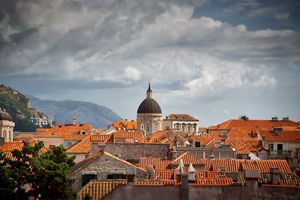
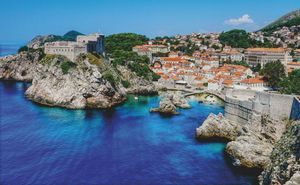
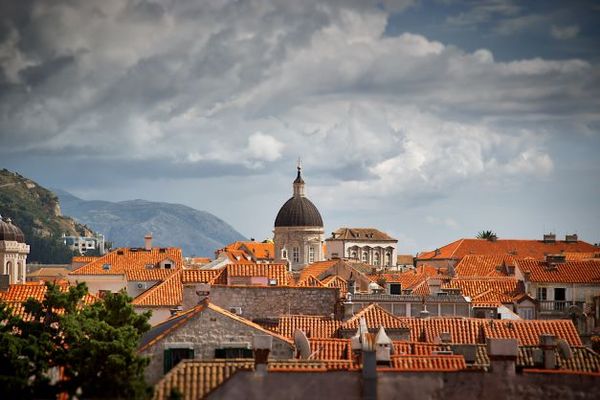
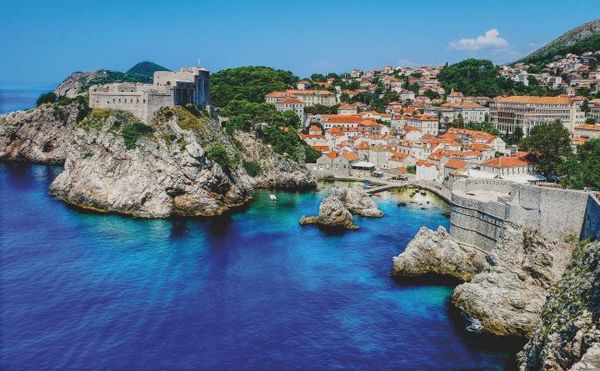
A sense of awe manifests when your eyes first beset the beauty of the old town of Dubrovnik. It’s hard to imagine anyone becoming jaded by the city’s limestone streets, ancient baroque buildings and the endless shimmer of the Med. Be inspired as you walk along the ancient city walls that once protected the capital of this sophisticated republic for centuries.
Although the shelling of Dubrovnik in 1991 horrified the world, the city has bounced back with vigour to enchant visitors again. Marvel at the interplay of light on the old stone buildings; trace the peaks and troughs of Dubrovnik's past in museums replete with art and artefacts; take the cable car up to Mt Sr?; exhaust yourself climbing up and down narrow lanes – then plunge into the azure sea.
Mljet
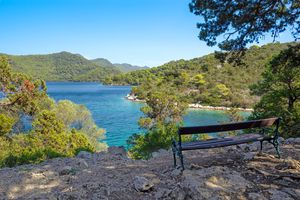
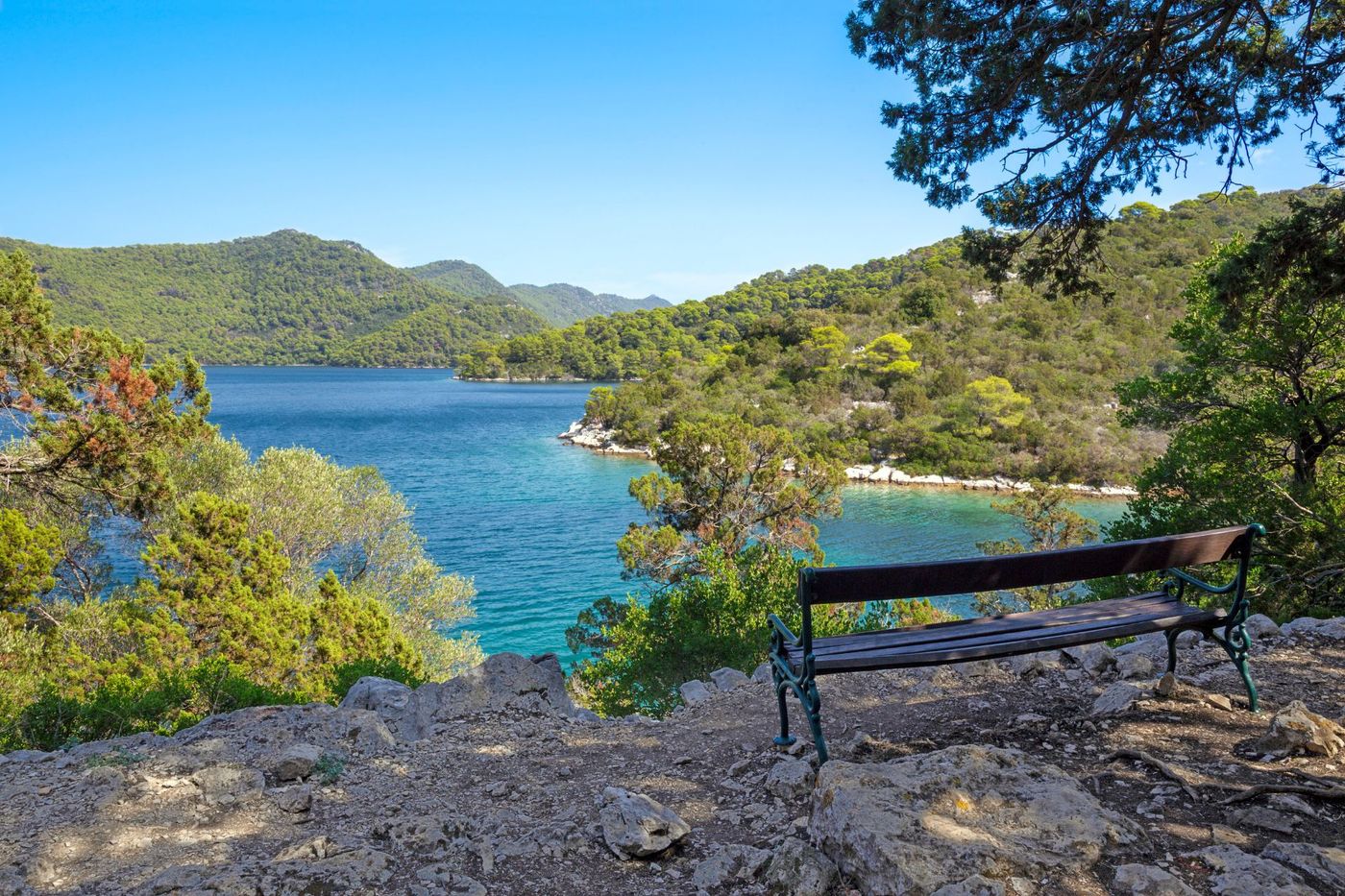
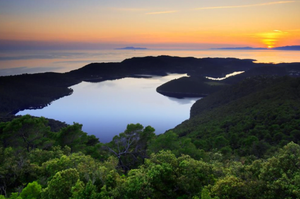
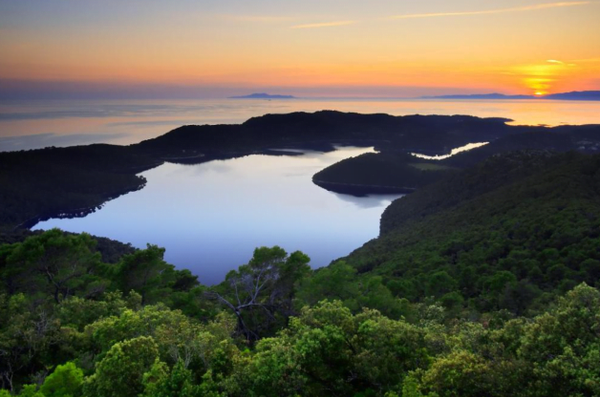
Mljet is Dalmatia’s most southerly and most verdant overwhelmingly green isle. More than 70 per cent of this thin island is covered in pine forest and over a third of it is a national park. There are two outstanding lakes to swim in and of course the Adriatic to take a dip.
We can create a custom trip tailored to your preferences.
As Featured In