


-300x200.jpg)



-300x200.jpg)


-300x200.jpg)

-300x200.jpg)












-300x200.jpg)
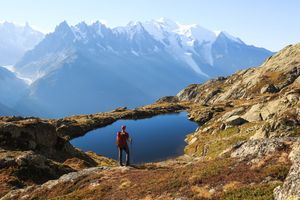
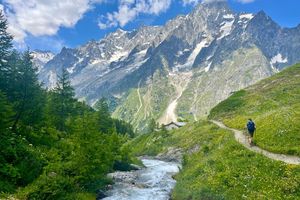
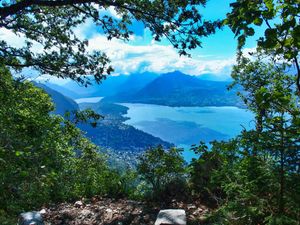





-300x200.jpg)





- 30+ Years Experience
- Pack-Free Walking
- Self-Guided Itineraries
- Comfortable Stays
Overview
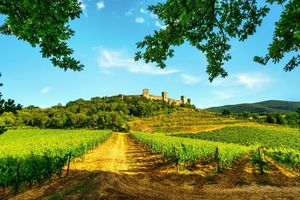
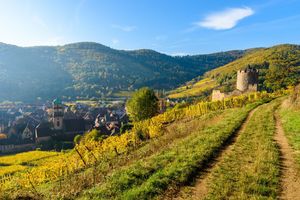
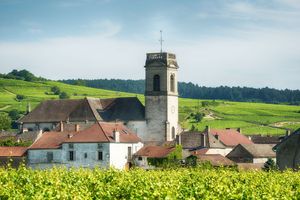
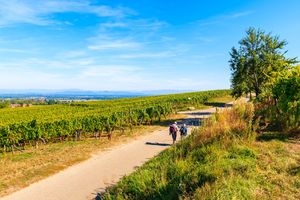
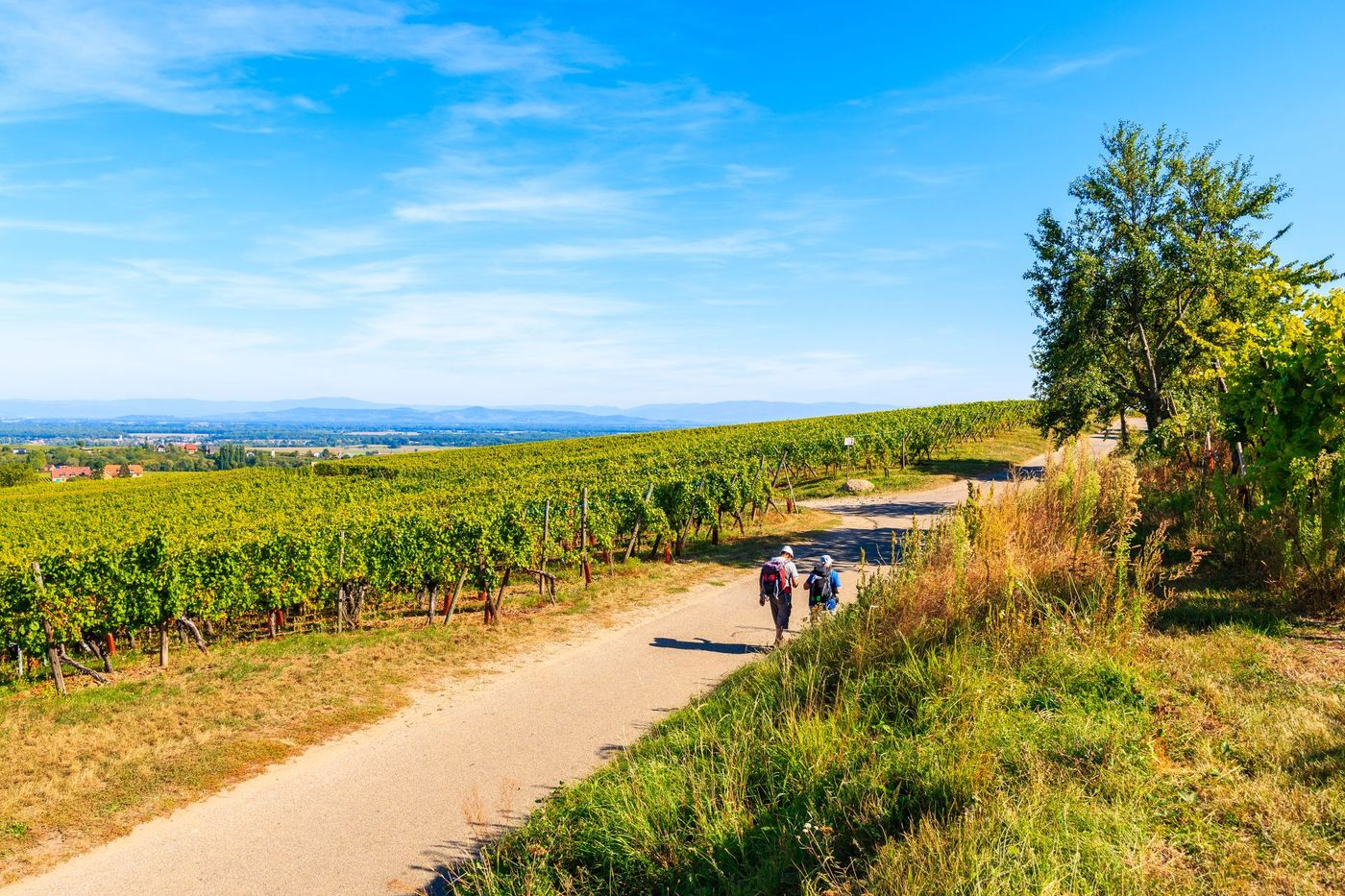
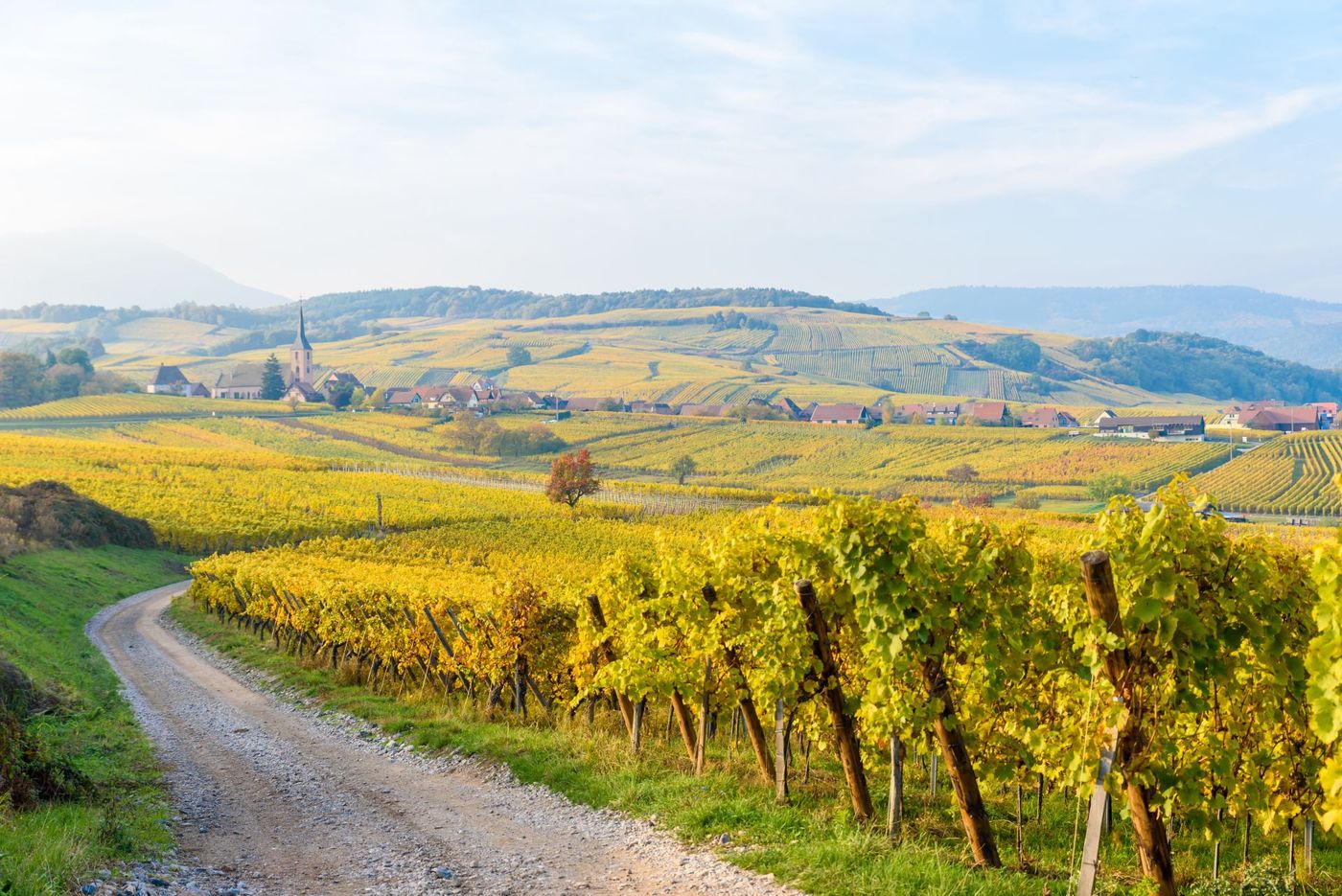
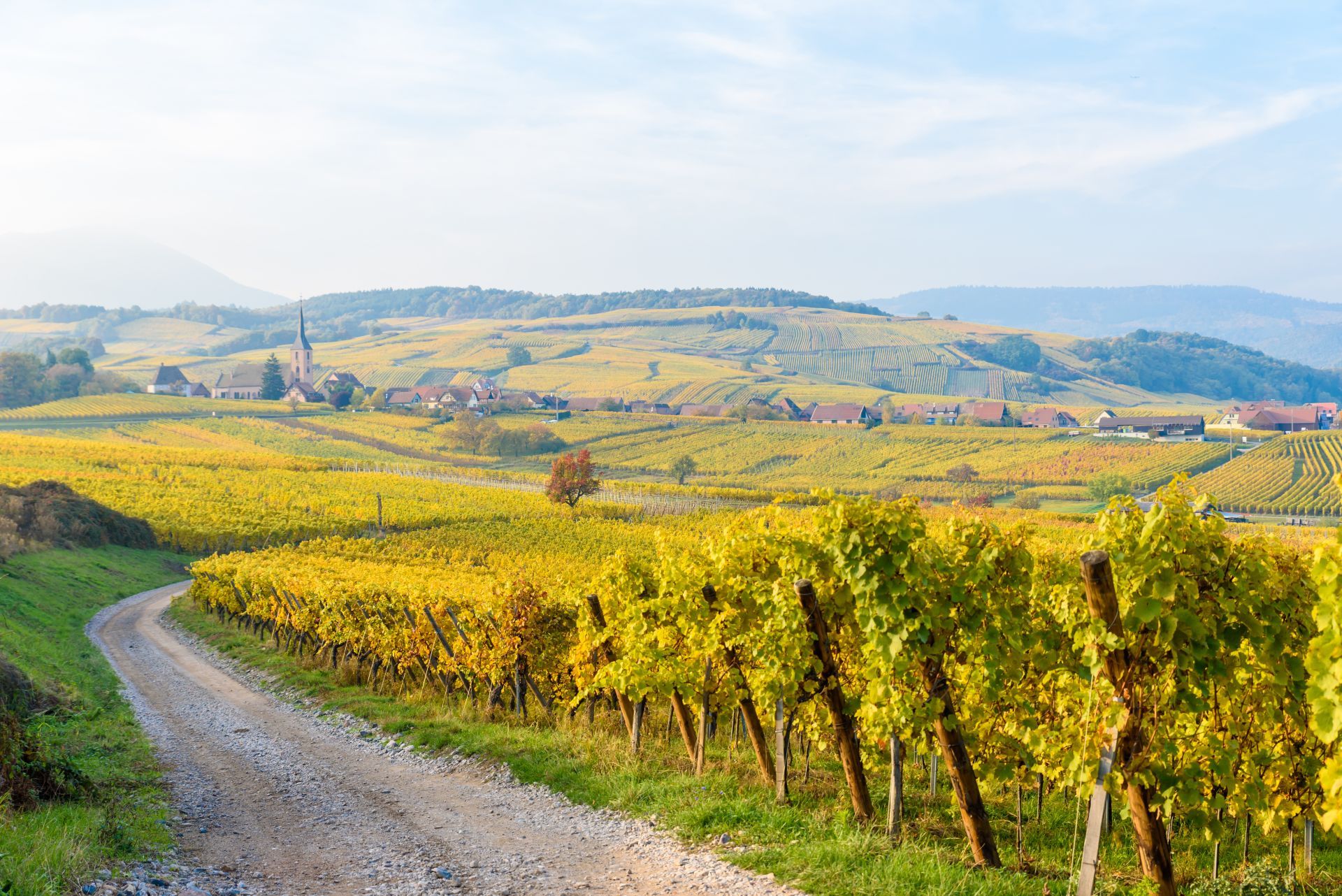
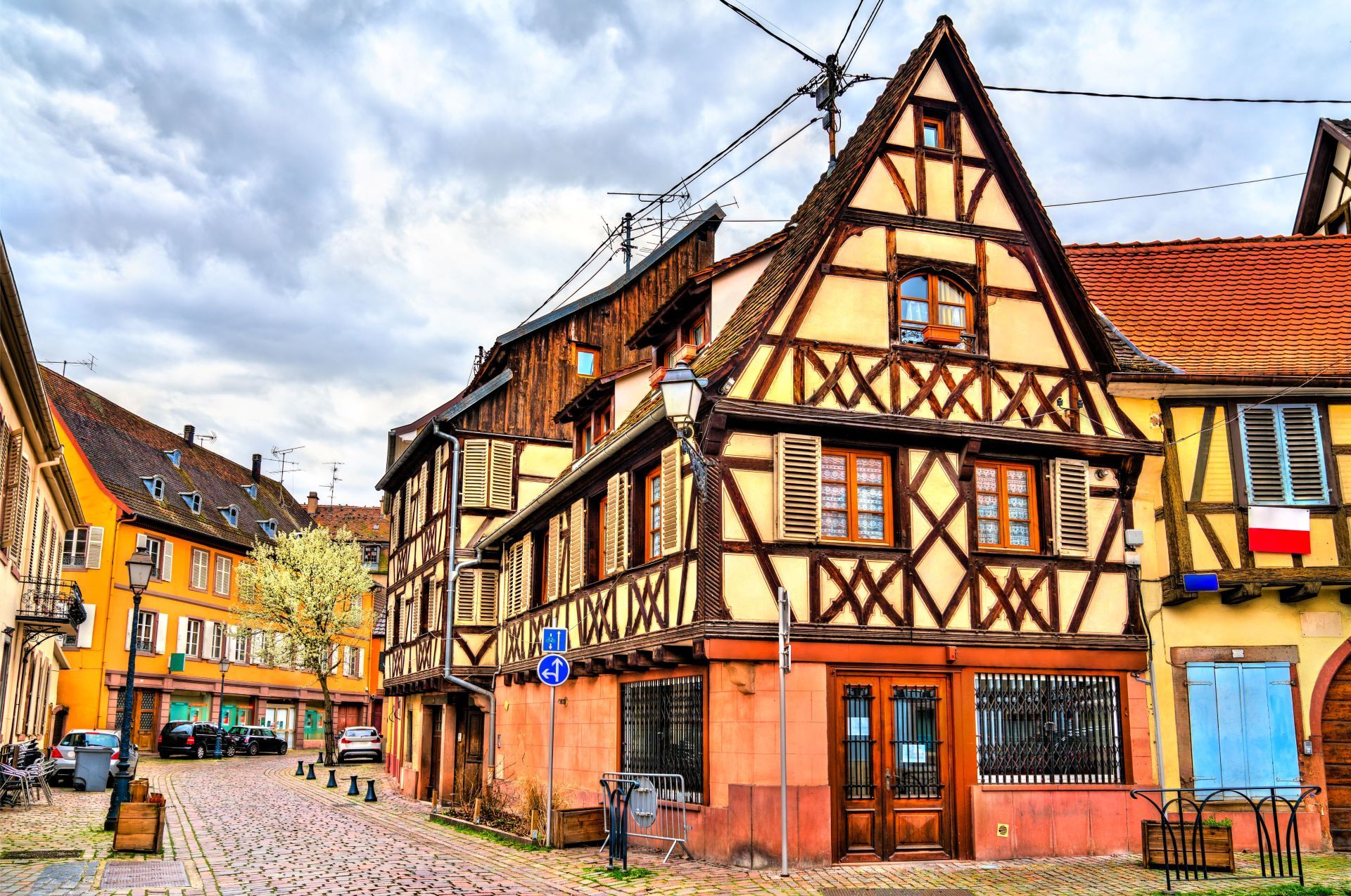
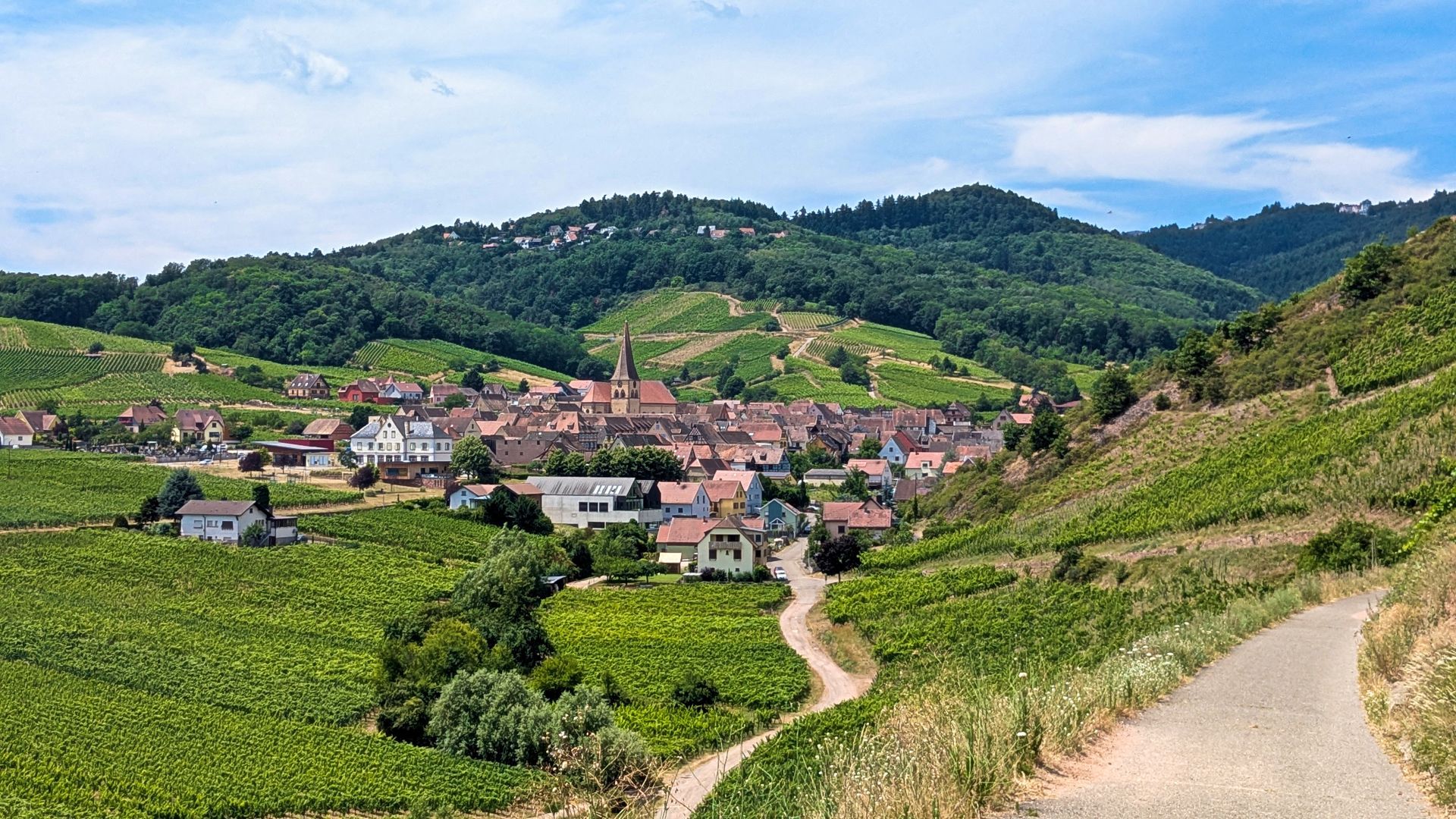
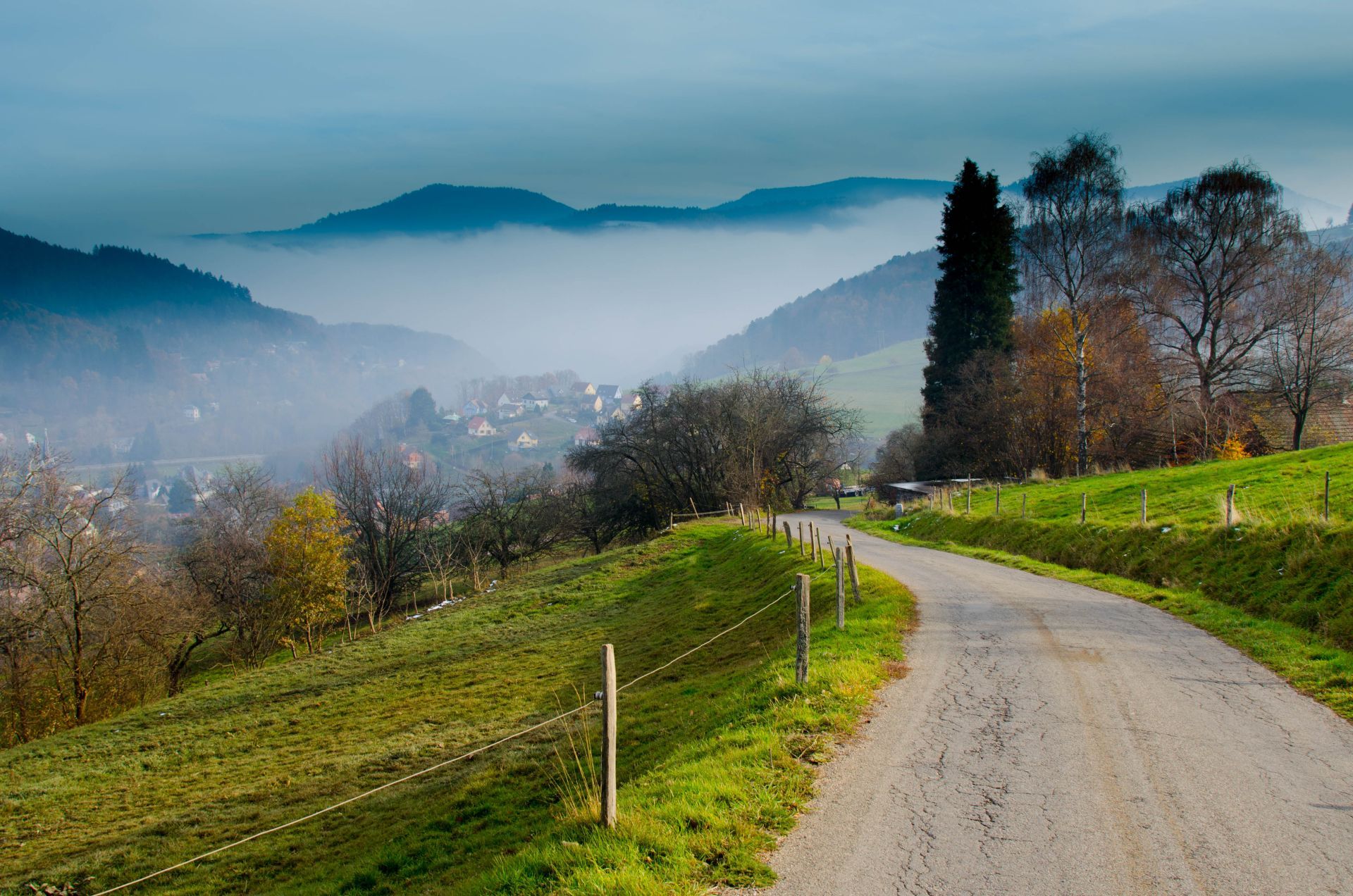
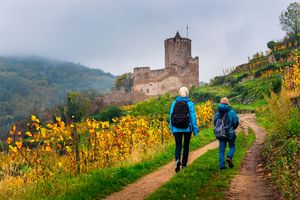
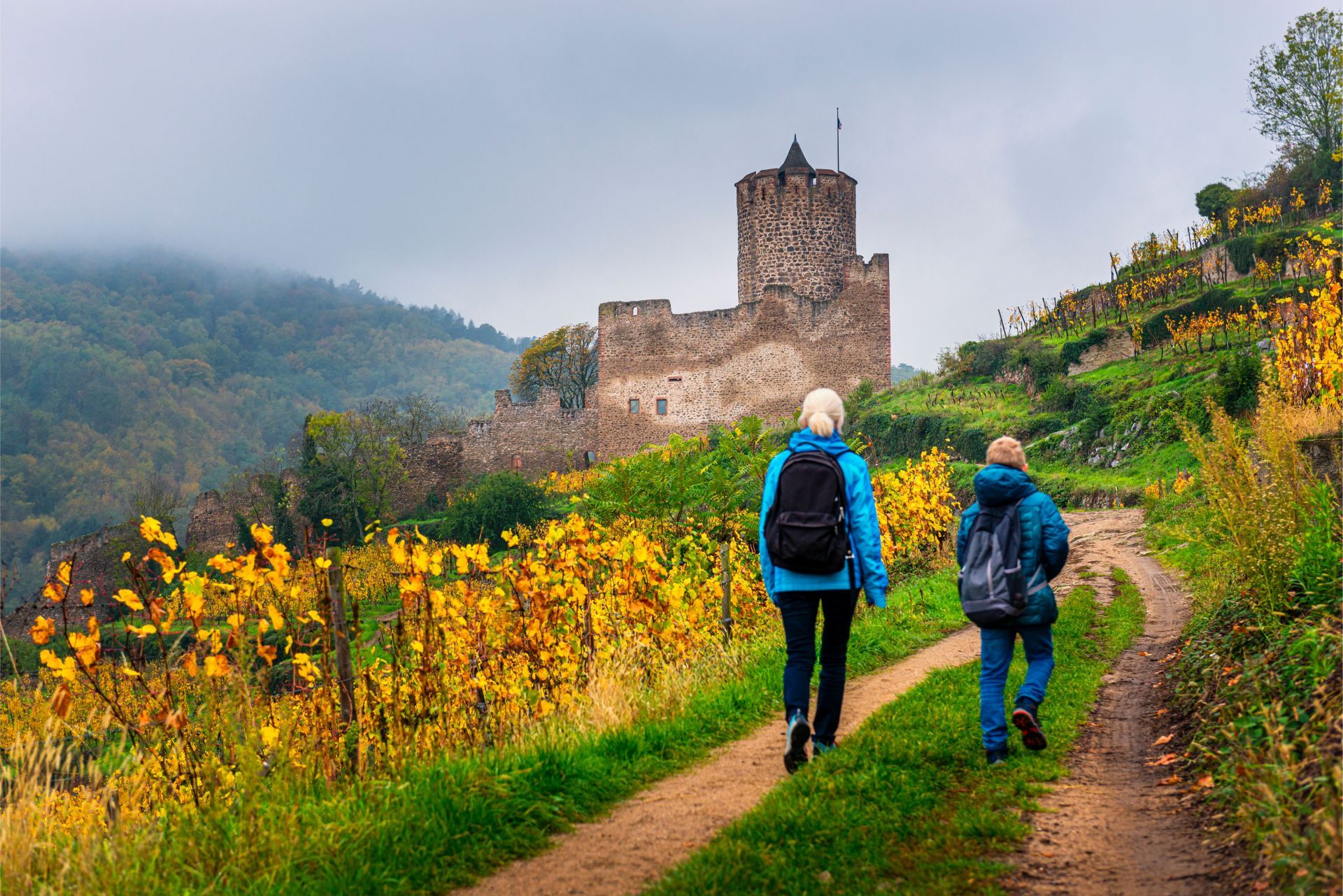
Alsace is a region unlike anywhere else in France. Nestled between the Vosges Mountains and the Rhine, its half-timbered villages, feudal castle ruins and world-class vineyards create a landscape that feels lifted from a fairytale. The trails follow the famous Route des Vins through medieval villages like Riquewihr, Ribeauvillé and Kaysersberg, with wine tastings at family-run cellars a natural part of the day. Above the vines, forested ridges lead to panoramic fortresses like Haut-Koenigsbourg. Each night ends in handpicked accommodation, where Alsatian warmth and hospitality are as memorable as the walking.
Gallery
A closer look at Alsace
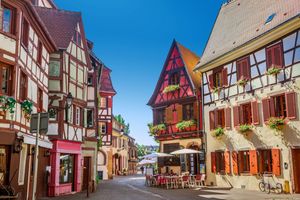
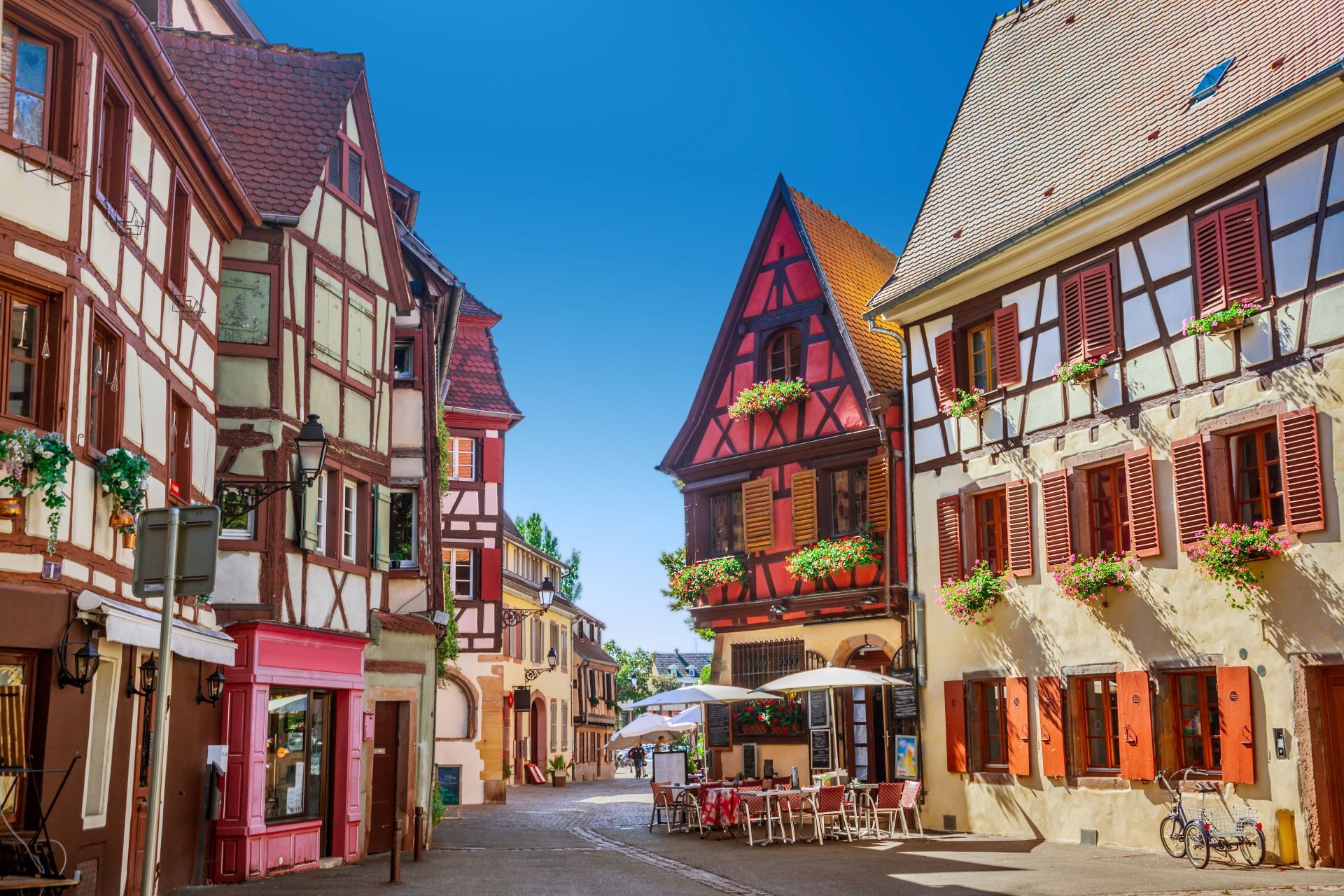
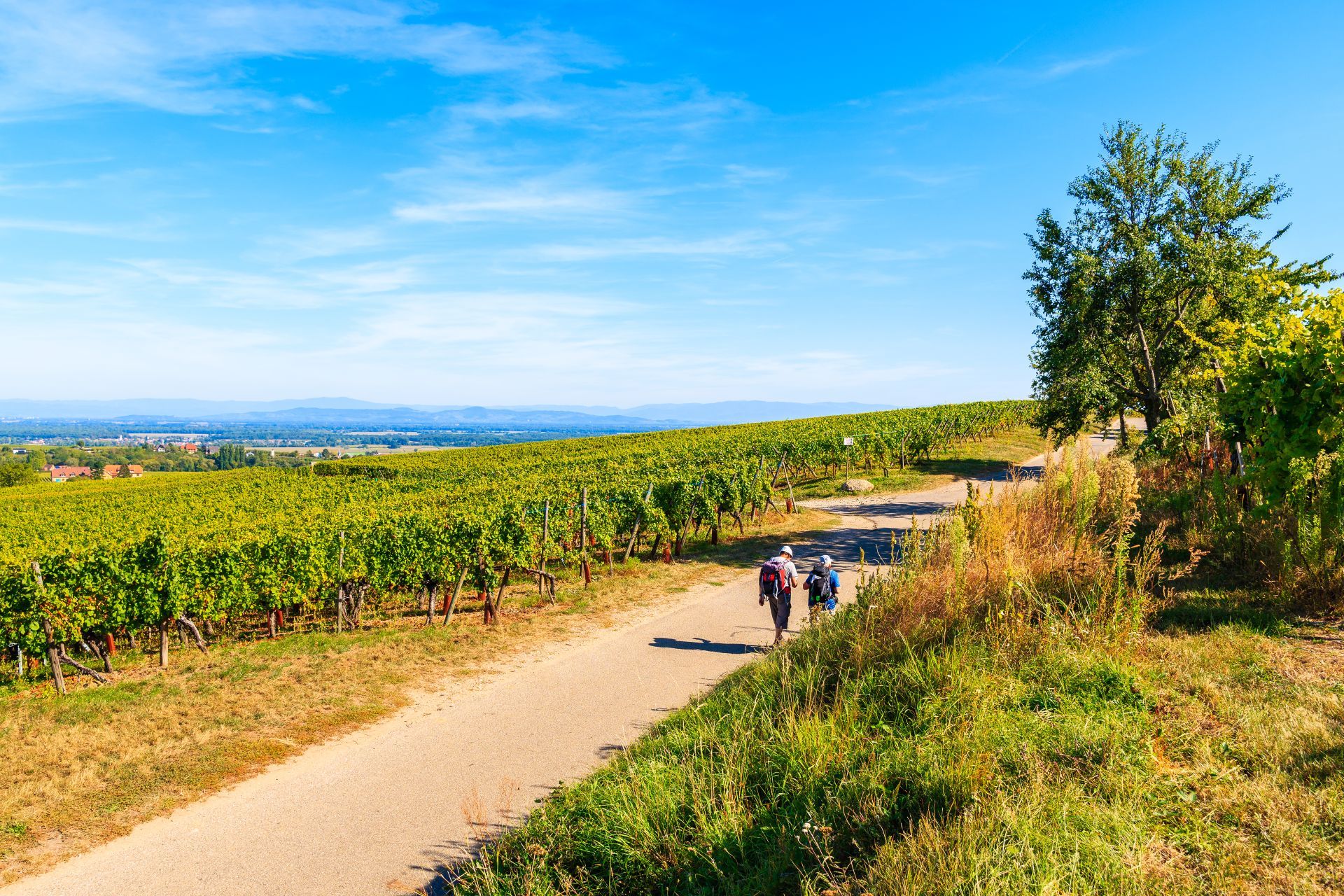
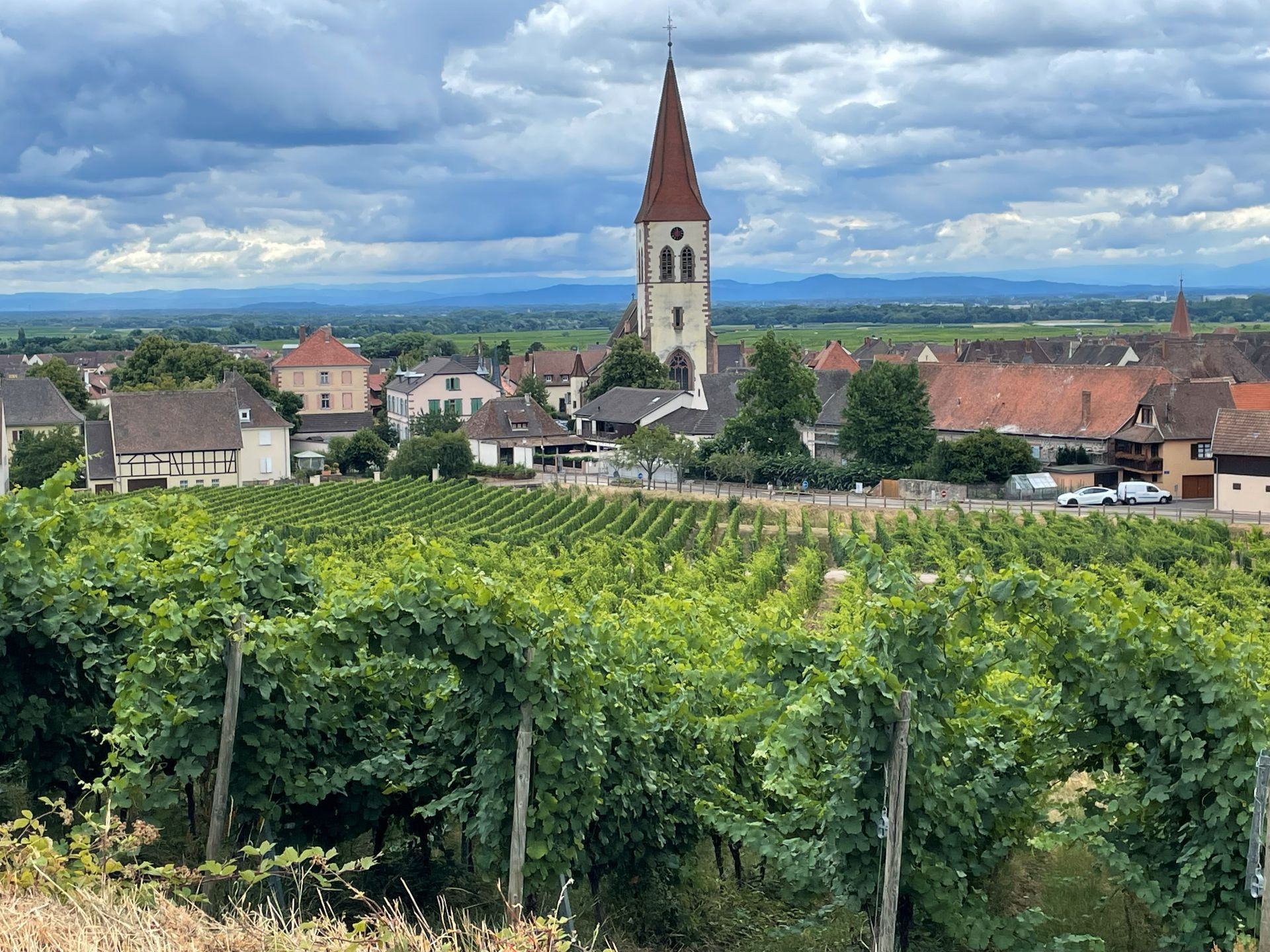
The Alsace Experience
What you'll eat
Where you'll stay
How you'll travel
More About This Destination
The cuisine and wine of Alsace are inseparable, forming a "Franco-Germanic" hybrid that is arguably the most distinct in France. Because the region is a dry mountain valley, the food is hearty and rustic, designed to sustain farmers and mountain dwellers, while the wine is famously aromatic and world-class.
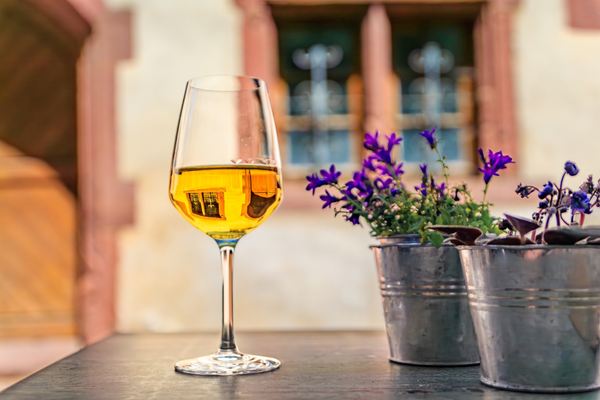
Unlike the rest of France, Alsace labels its wines by the grape variety rather than the village. About 90% of production is white wine, characterized by high acidity and intense aromatics. The wines include Riesling, Gewürztraminer, Pinot Gris, Muscat, Pinot Blanc, Sylvaner and Pinot Noir.
The region’s flagship dish is Choucroute Garnie. It consists of finely shredded sauerkraut (fermented cabbage) slow-cooked in Riesling and juniper berries, served under a mountain of smoked meats, including ham hocks, bacon, and Knacks (the local snappy sausages).
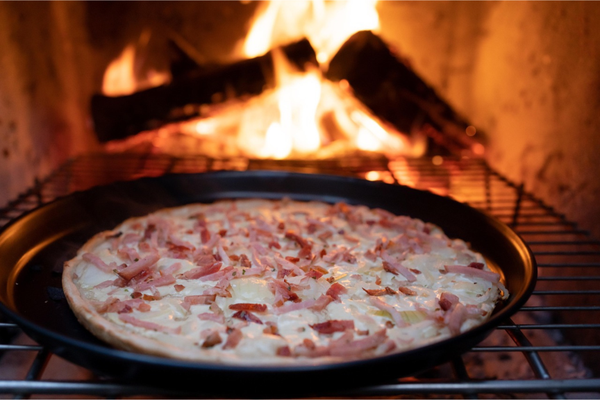
Often called Alsatian pizza, Flammekueche (Tarte Flambée) is a paper-thin dough topped with crème fraîche, white onions, and smoky lardons (bacon bits). Traditionally, it was used to test the oven's heat before baking bread.
Baeckeoffe is a three-meat stew (beef, lamb, and pork) marinated overnight in white wine and slow-cooked for hours with potatoes and carrots in a sealed clay terrine.
Munster Cheese is a pungent, soft cow's milk cheese from the Munster Valley. It is traditionally eaten with caraway seeds and boiled potatoes, or even dipped in sugar for a dessert-like finish.
Coq au Riesling is a local twist on the classic French Coq au Vin, using the region’s dry Riesling to create a lighter, creamier sauce for chicken and mushrooms.
Alsatian pastries are world-renowned, especially during the festive seasons. Kougelhopf is a tall, crown-shaped brioche cake with raisins and almonds, baked in a specific clay mold. Bredele is a small, intricate biscuits baked by the thousands during the Advent season. Tarte au Fromage Blanc is a local cheesecake that is much lighter and fluffier than the American version.
Choosing the best time to walk in Alsace depends on whether you prefer the lush green of the blooming vineyards or the golden hues of the autumn harvest. Because of the Vosges rain shadow, the region stays drier than most of France, making the walking season exceptionally long, stretching from late March to October.
March & April is a time of rapid transition. While the peaks of the Vosges may still have snow, the valley floor begins to bloom early. It is a popular time for walkers, though late frosts are a constant anxiety for winemakers, as a single freezing night in April can destroy an entire year's grape crop.
May and June is arguably the most beautiful time to visit. The vineyards are vibrant green, the villages are exploding with flowers (Geraniums are everywhere), and the days are long. It is warm enough for mountain hikes in the Vosges but not "stifling" in the valley.
July & August can be warm and stormy. Because the air is often still in the valley, humidity can build up, leading to dramatic evening thunderstorms that provide the necessary water for the vineyards.
September and October is is the peak of the grape harvest. The weather is stable and crisp, and the vineyards begin their transformation into gold and red.
The climate is not uniform across the region. The slopes of the foothills enjoy a slightly warmer microclimate than the flat plain because they sit above the "frost pockets" of the valley floor and receive more direct, angled sunlight. This is why the most prestigious Grand Cru vineyards are almost exclusively located on these sun-drenched hillsides rather than the flat land near the Rhine.
Your main piece of luggage will be transported for you each day as you walk, so when you arrive at your accommodation, it will be there waiting for you. You will only have to carry a light day pack with your essentials.
As with any journey, it is essential to be prepared for your self-guided walking holiday. While we will be transporting your luggage from accommodation to accommodation, you will still be carrying a lightweight day pack with you. Here is what we suggest that you take with you each day:
- Walking notes, map and a map case
- Picnic lunch packed in an insulated container (when supplied)
- Quality waterproof jacket with a hood
- Warm jumper or jacket
- Sunhat/Rainhat
- Comfortable walking shoes or boots
- Waterproof backpack cover
- Sunscreen (at least 15 SPF+)
- 1 to 2 litres of water
- First aid kit
- Toilet paper
- Some money
- Mobile phone (please note that reception is not available in all walk areas)
- Personal insect repellent, band-aids, and a small container of salt mixed with rice grains
- Personal necessities (example: required medication)
Now that we have the essentials packed, it is time to think of any additional items that may be worth taking along with you. These items may include but are not limited to:
- Waterproof over-trousers
- Warm hat
- Extra socks
- Sunglasses
- Camera (with a spare battery or SIM cards)
- Binoculars
- Notebook and pen
- Matches
- Small torch
- Walking stick / walking poles
- Additional snacks
If you have any questions, please feel free to contact our office and have a chat with our friendly team. We will happily advise you on what types of clothing, backpacks, boots, and other materials you may need for your walking holiday.
Frequently Asked Questions
Can't find what you're looking for?
We can create a custom trip tailored to your preferences.
As Featured In