Tips, tricks, and trail insights - everything you need to know about multi-day walks in Japan.
30+ Years Experience
Pack-Free Walking
Self-Guided Itineraries
Comfortable Stays
4.9/5reviews on
Overview
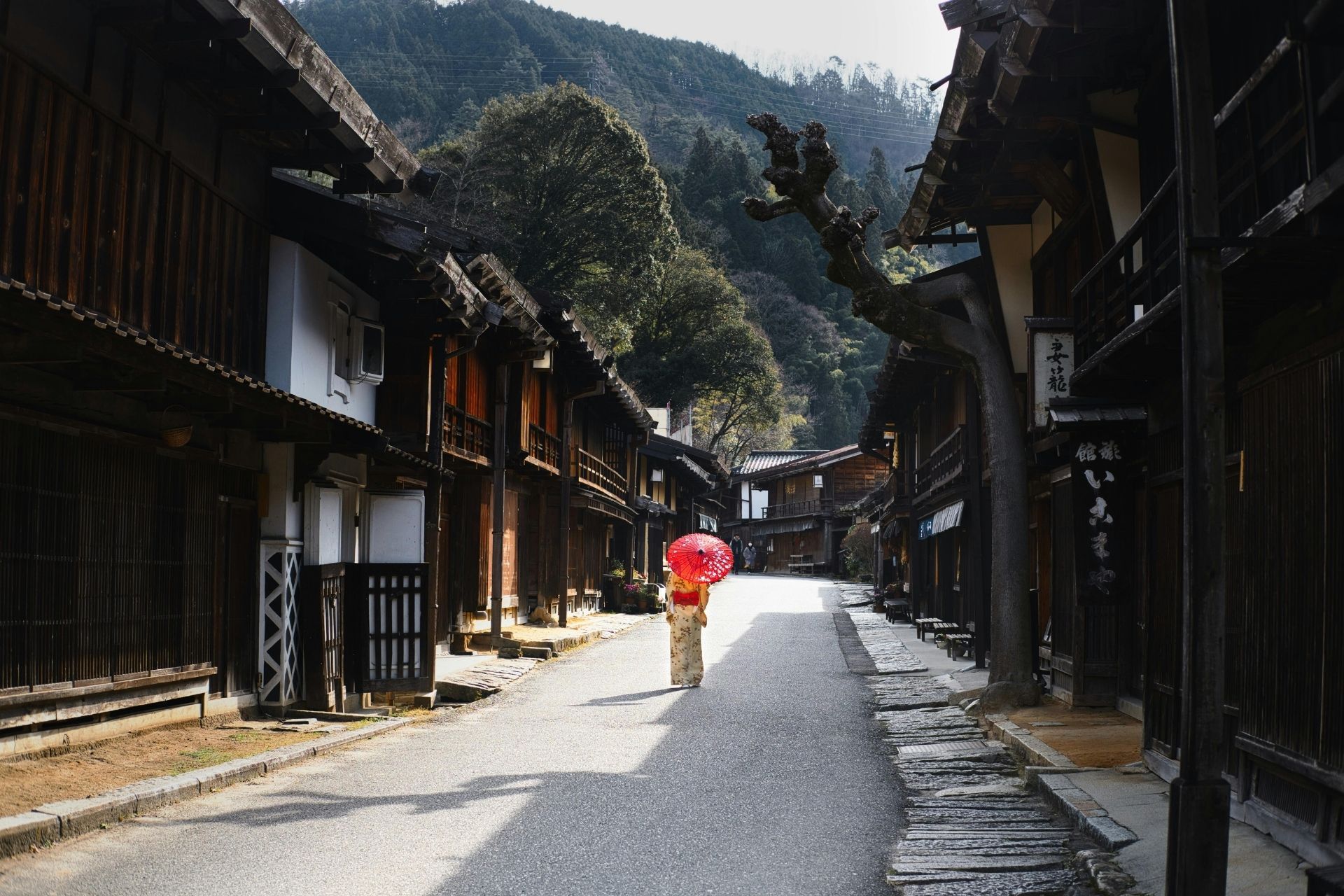
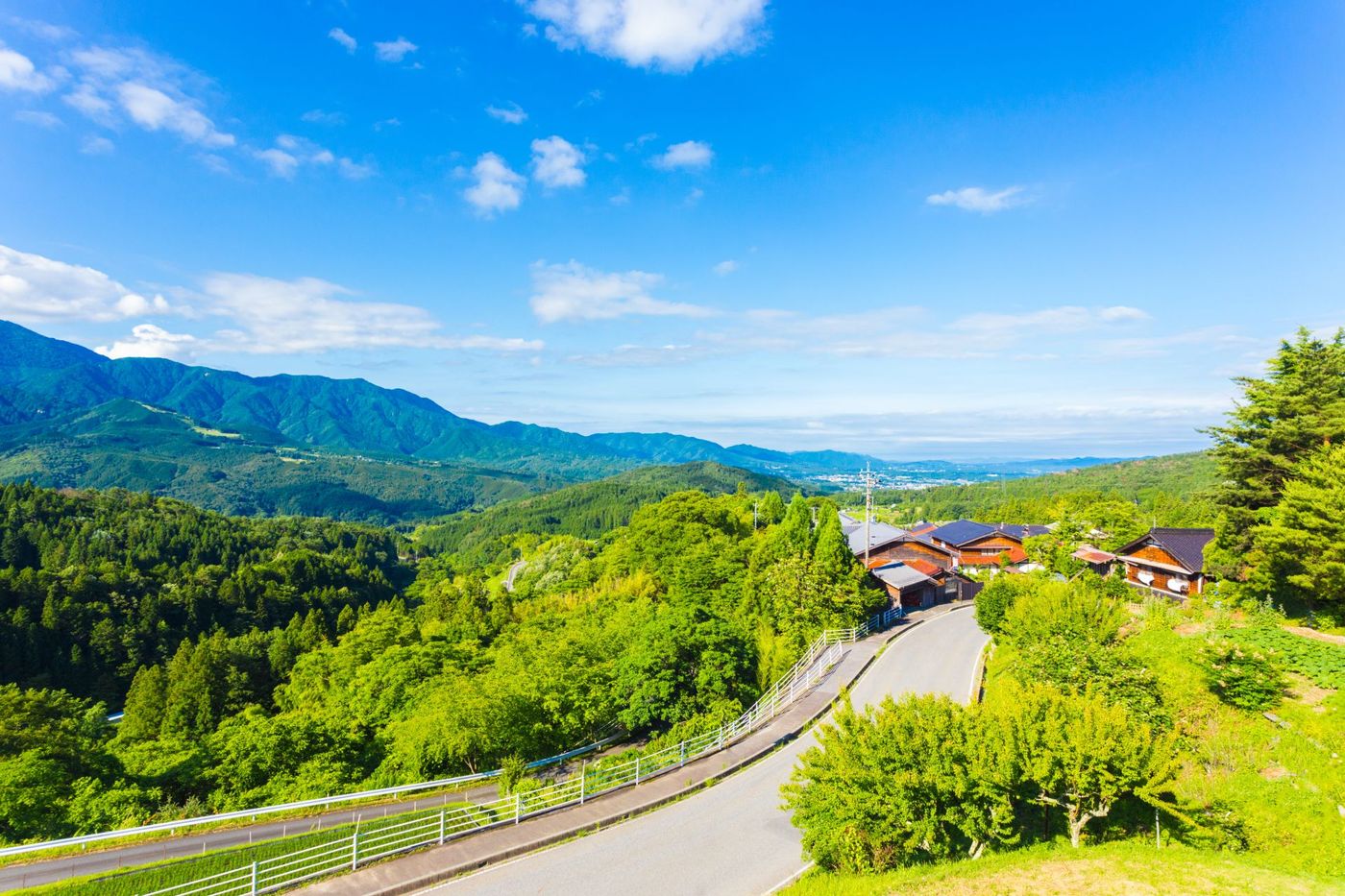
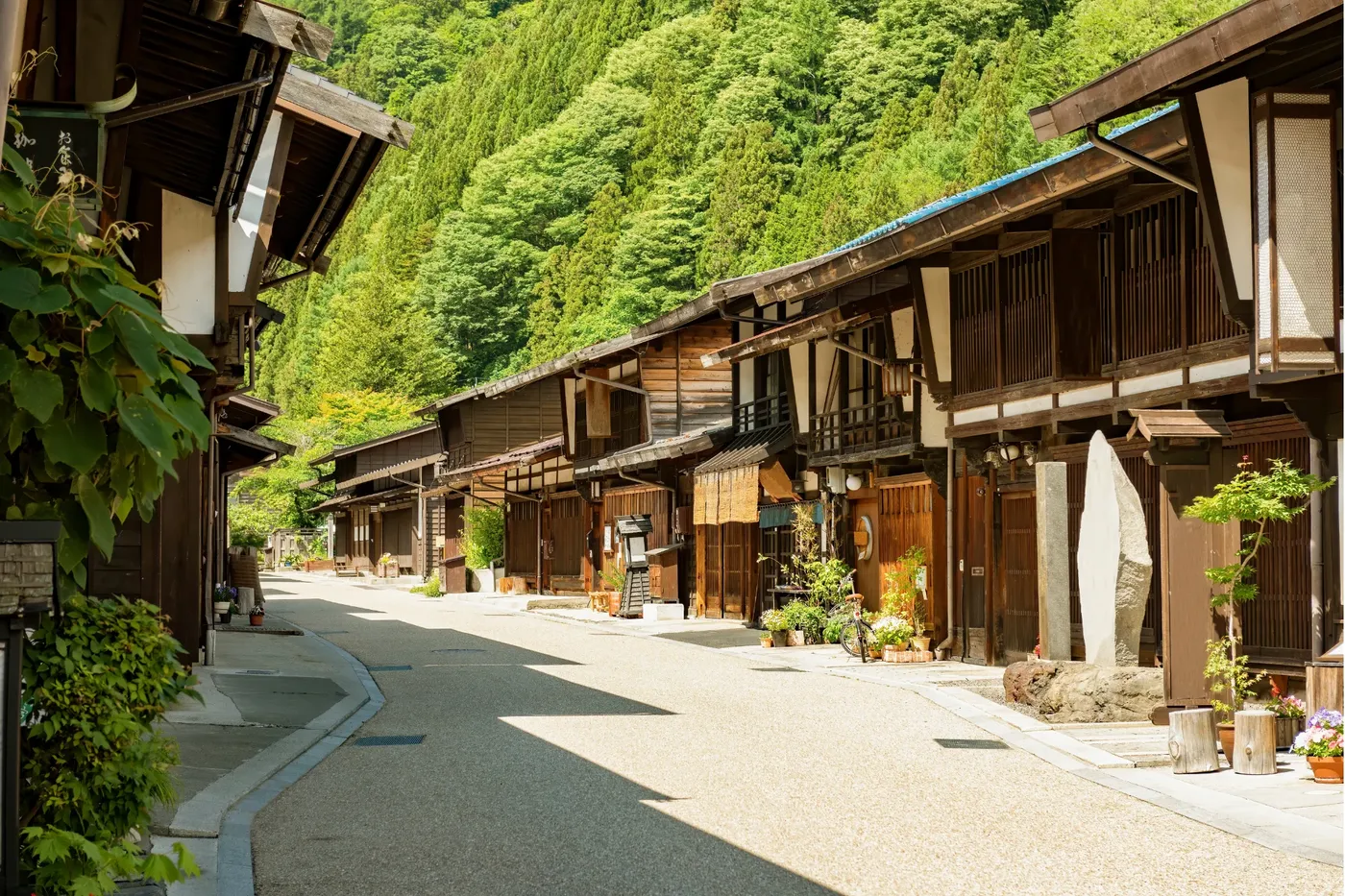
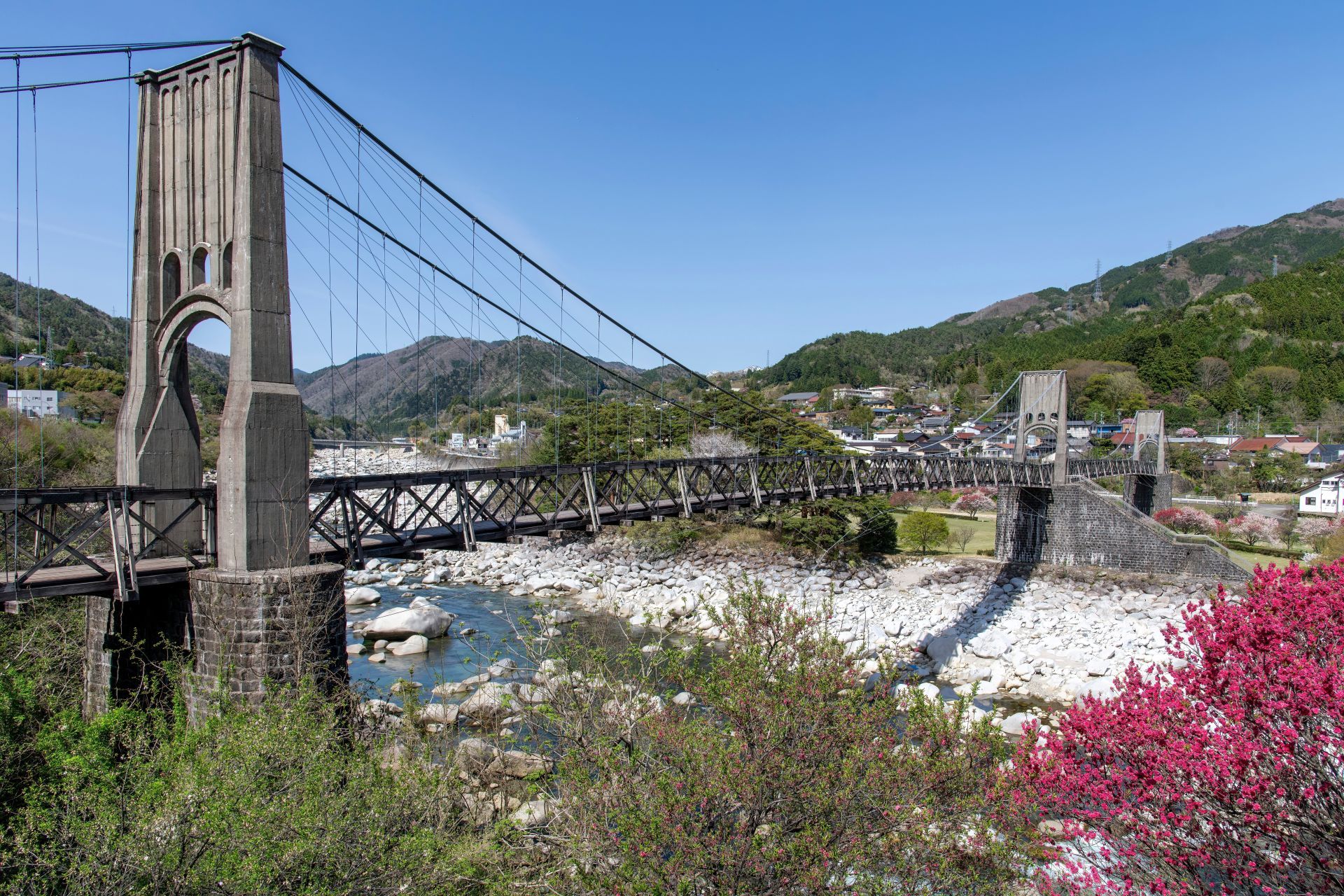
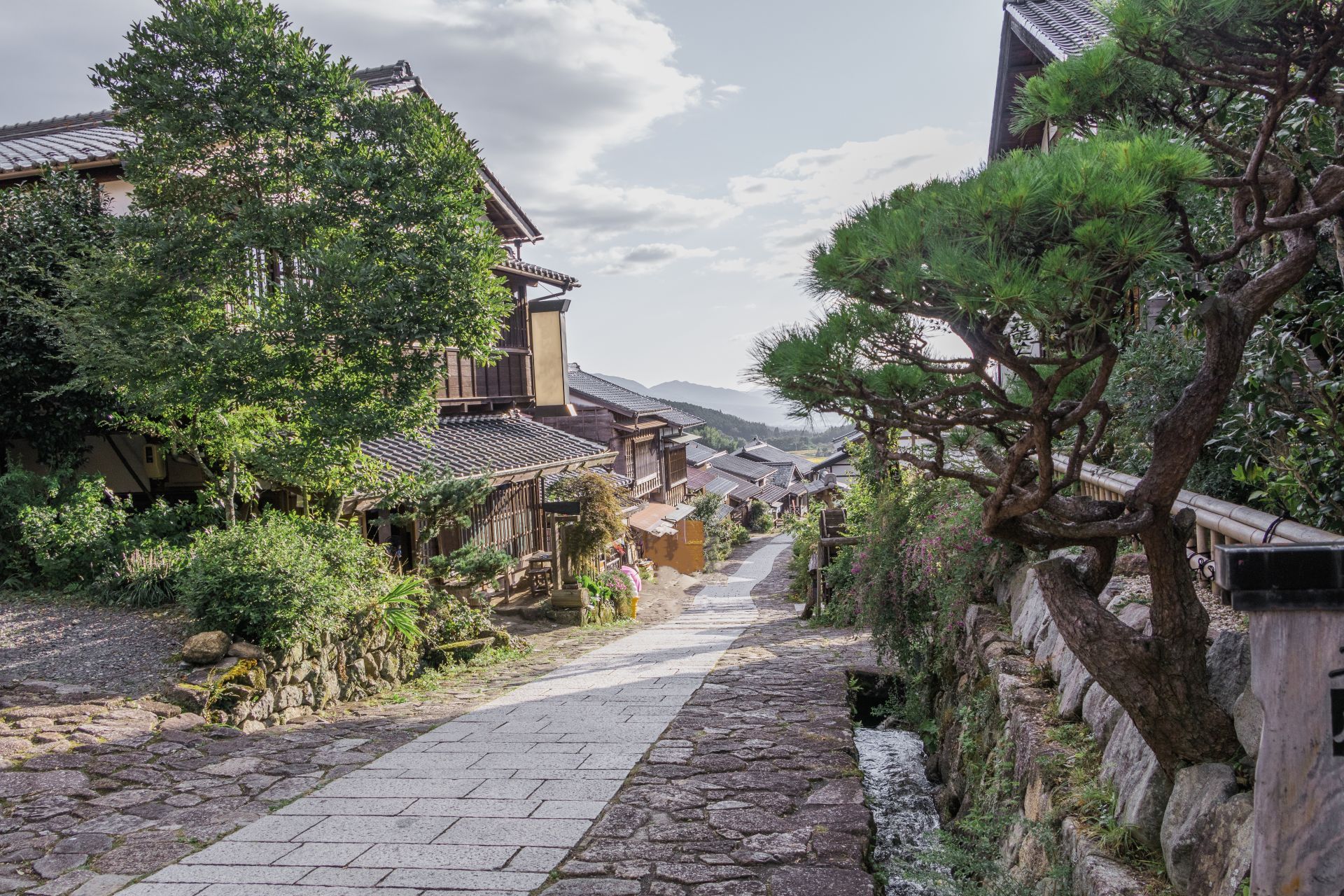
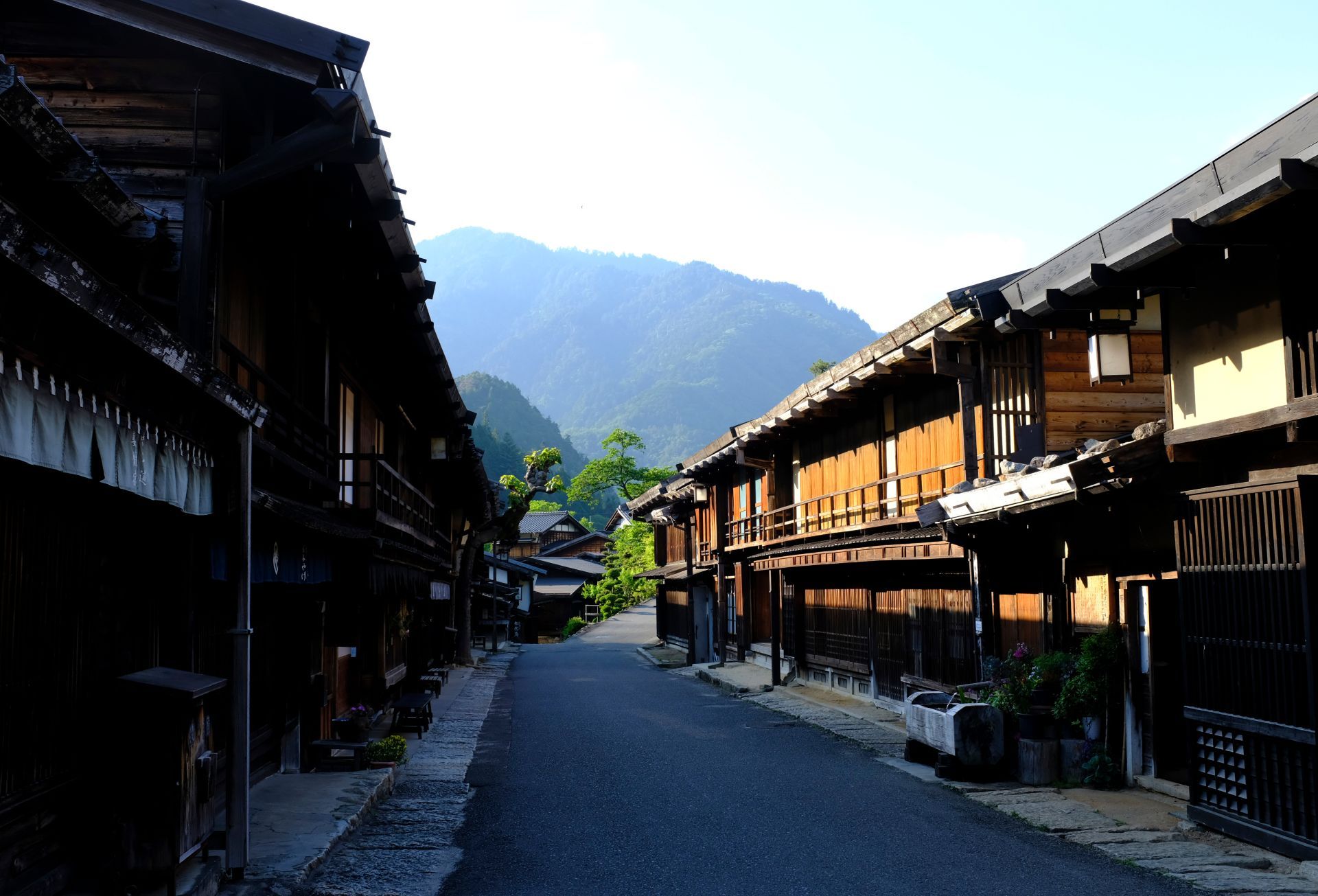
The Nakasendo, which literally means "the road through the mountains", was one of Japan's great Edo-period highways, connecting Kyoto with Edo - present-day Tokyo. In its heyday, around the seventeenth century, it was crowded with feudal lords, samurai, merchants and pilgrims.Our walk follows the most scenic stretch through the Kiso Valley, where the narrow valleys and mountainous terrain have left many sections of the trail and several post towns largely unchanged.Towns like Tsumago, Magome and Narai feel untouched, their wooden inns and cobbled lanes preserved as if time simply forgot them. Nights are spent in traditional ryokans, with onsen baths and home-cooked meals waiting at the end of each day.
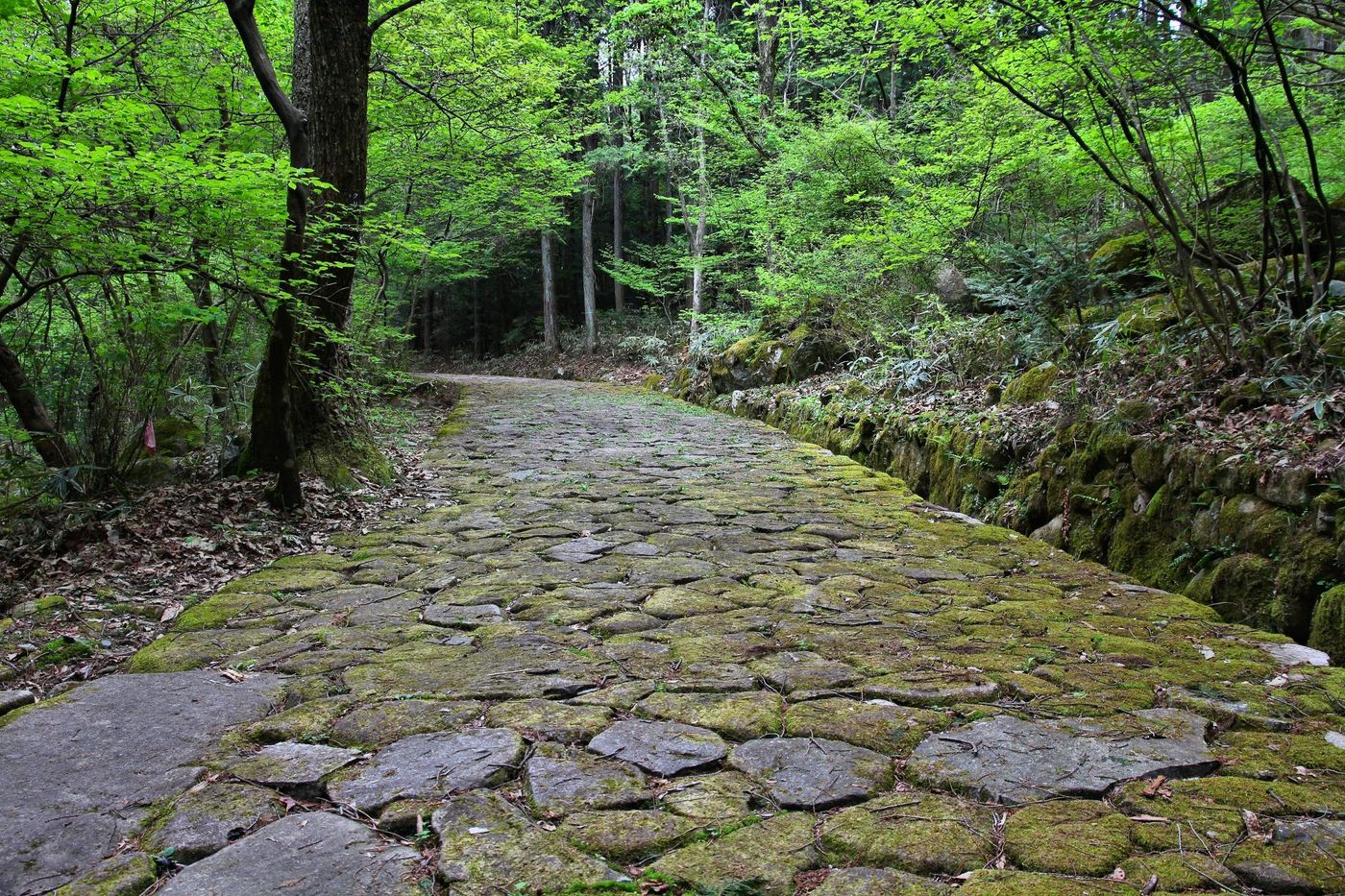
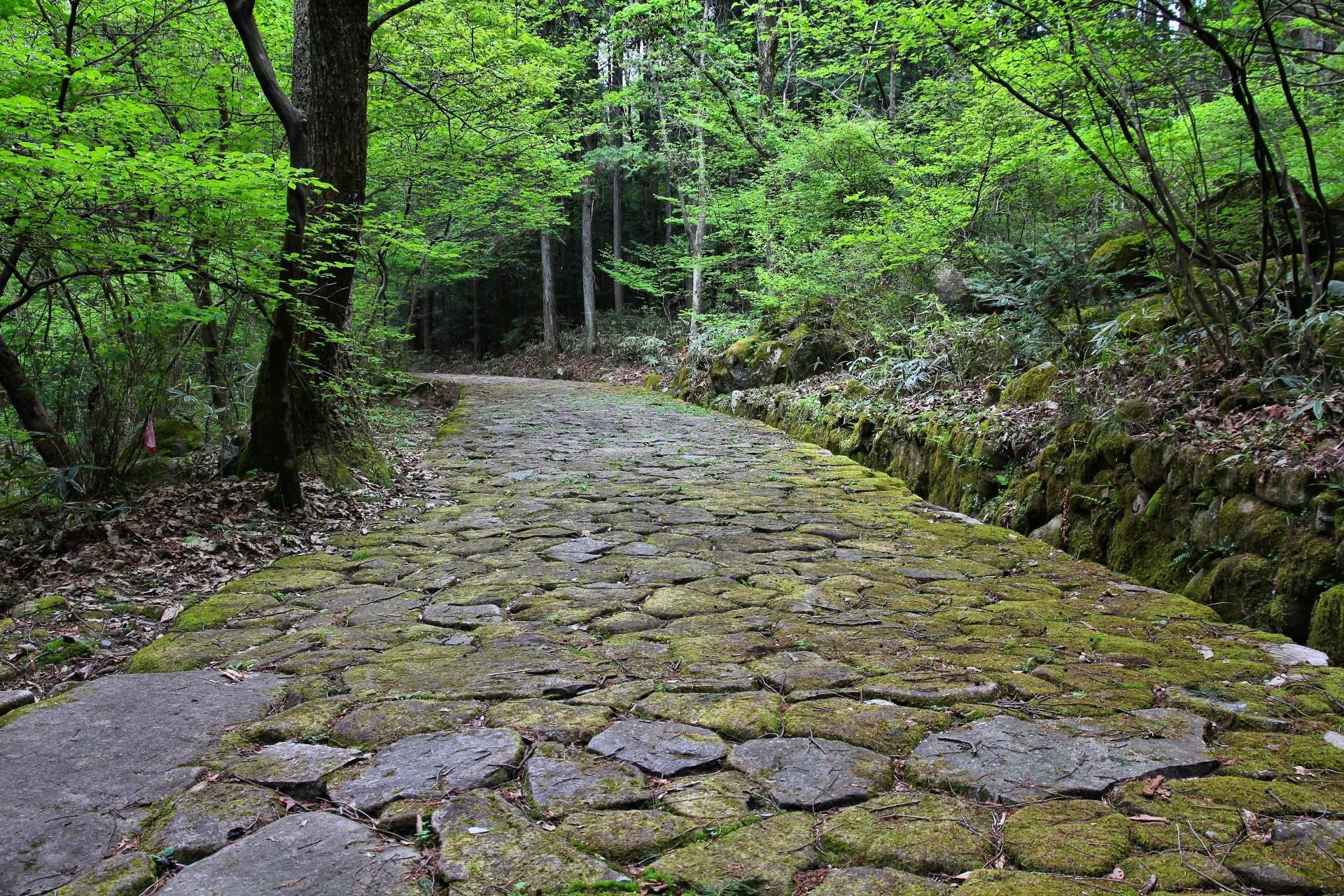
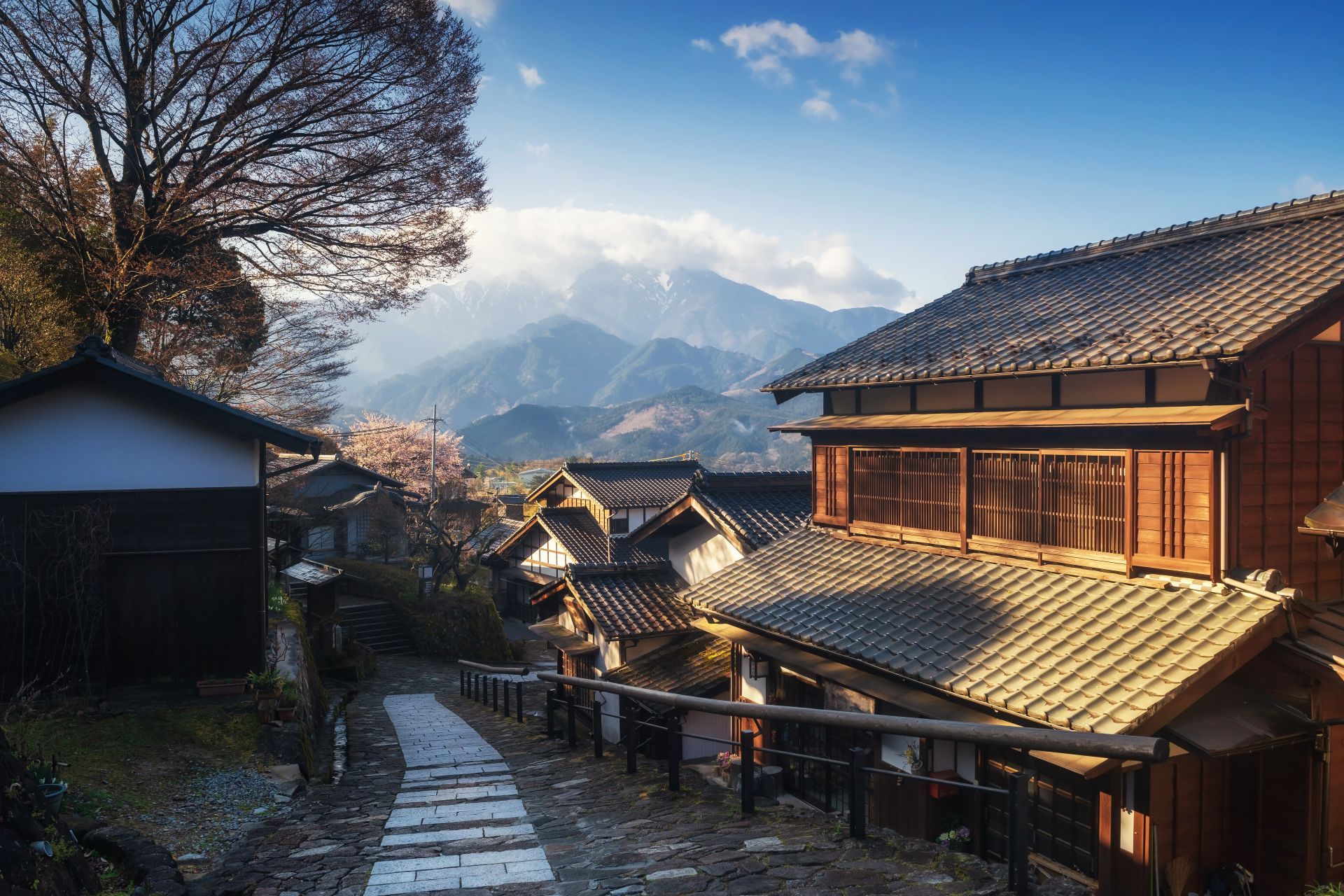
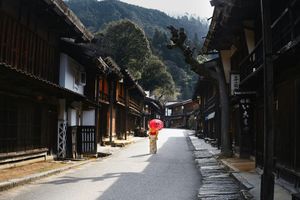
Walk ancient cobblestone paths through Magome, Tsumago and beautifully restored Narai
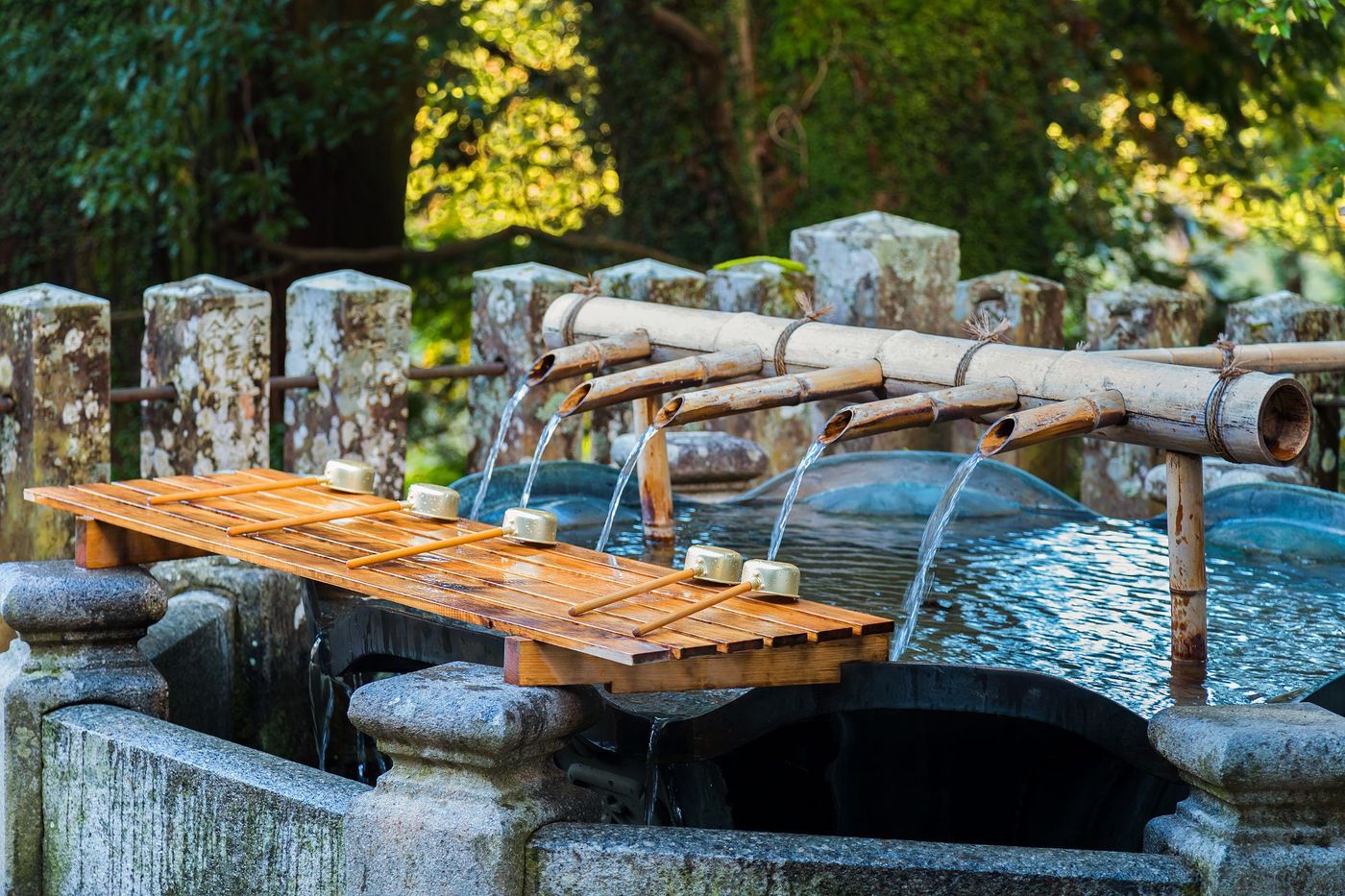
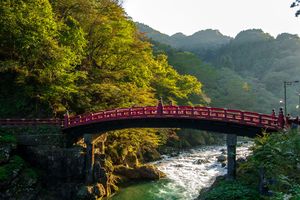
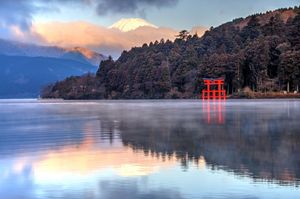
Pass iconic red torii gates, proclamation boards and centuries-old post towns
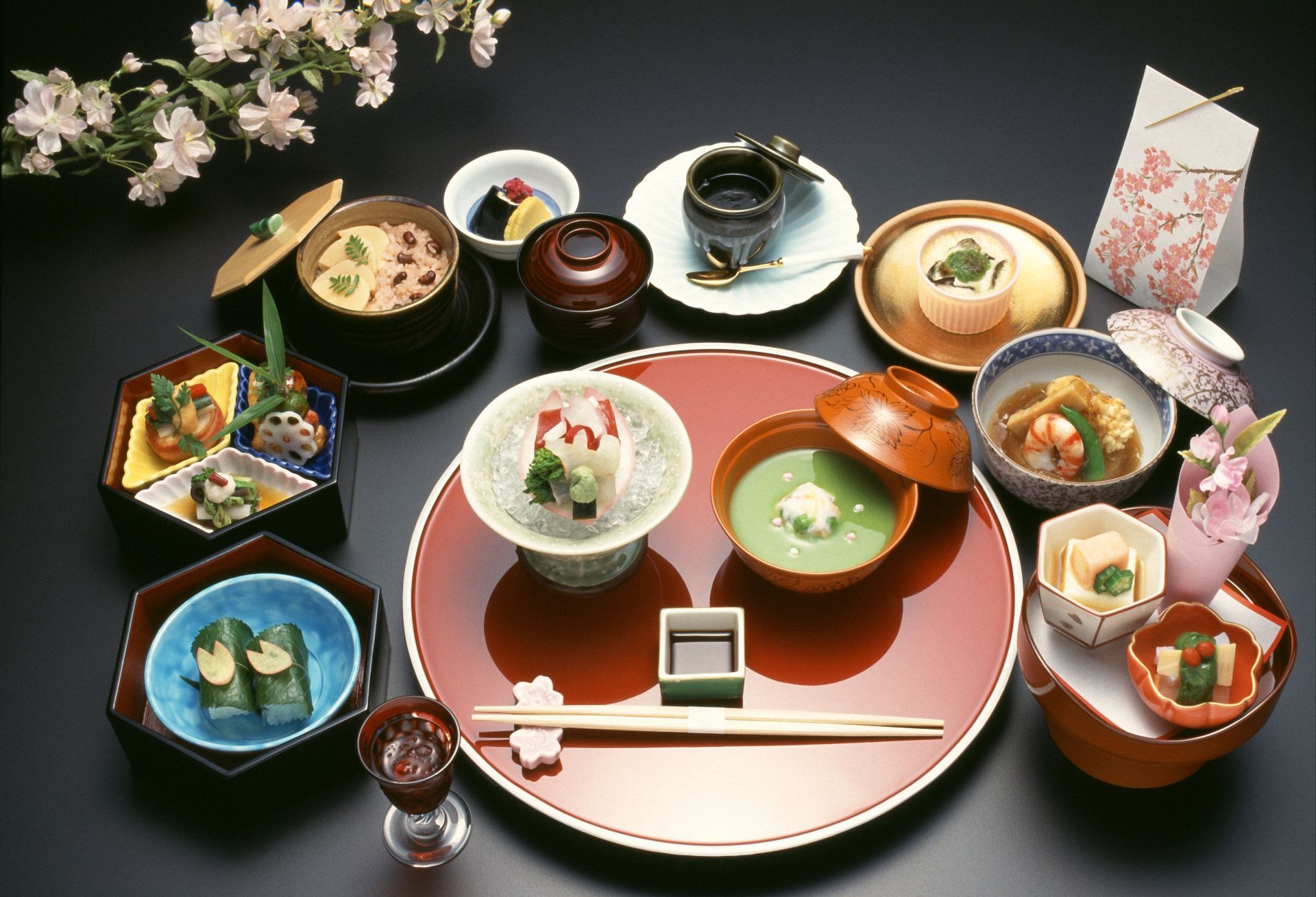
Live like a local staying in traditional ryokans, enjoying tatami dining and multi-course Kaiseki meals
Wellness
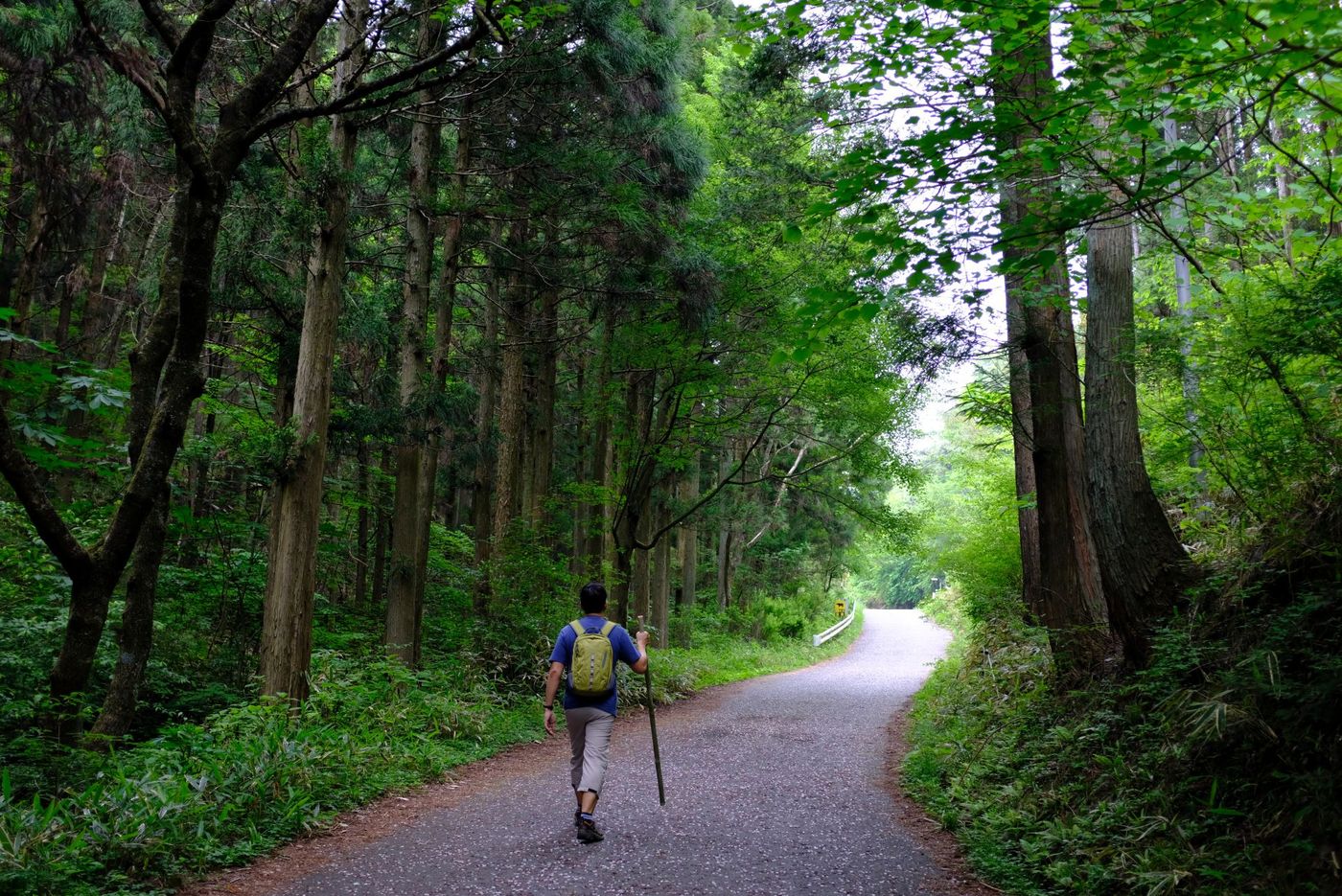
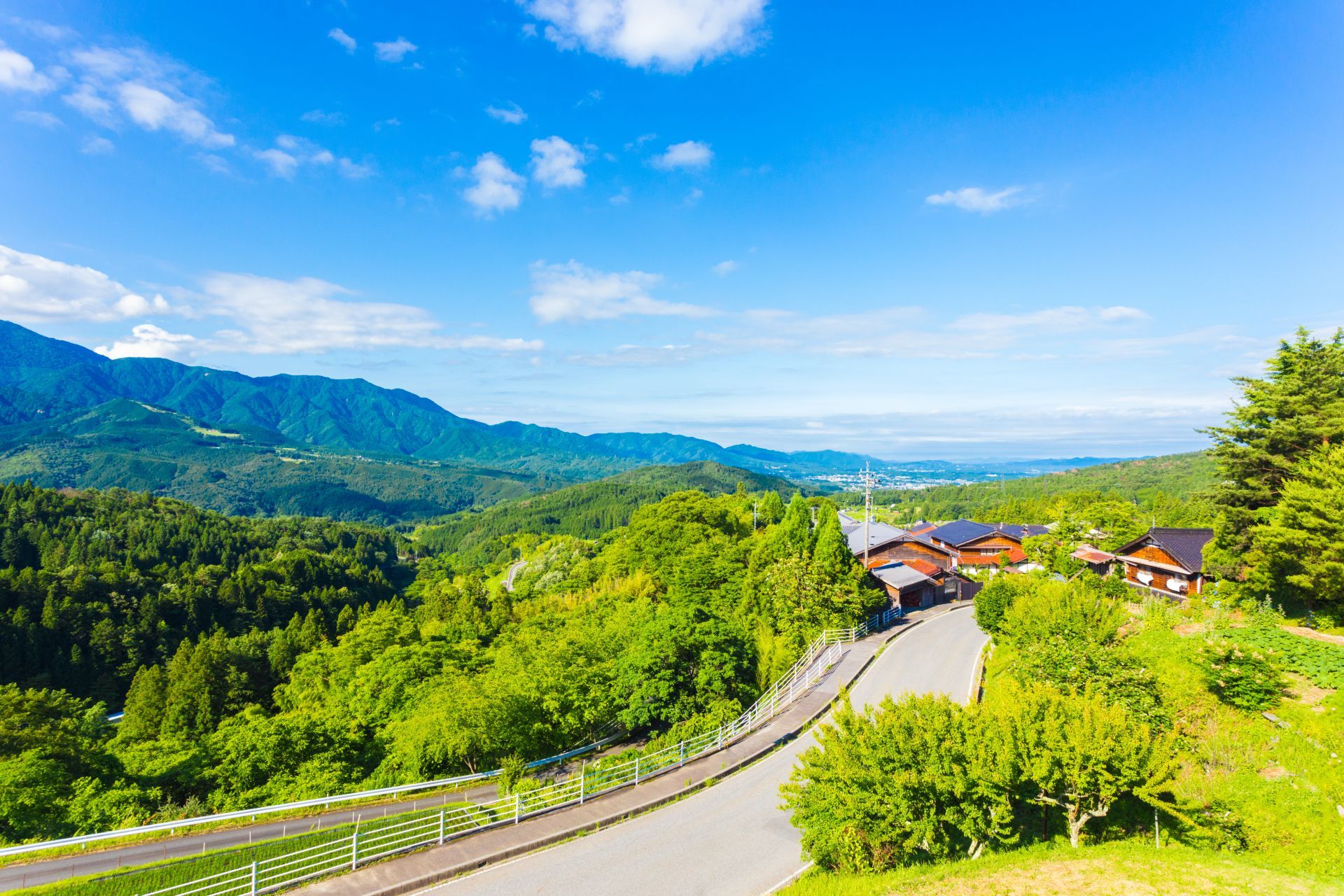
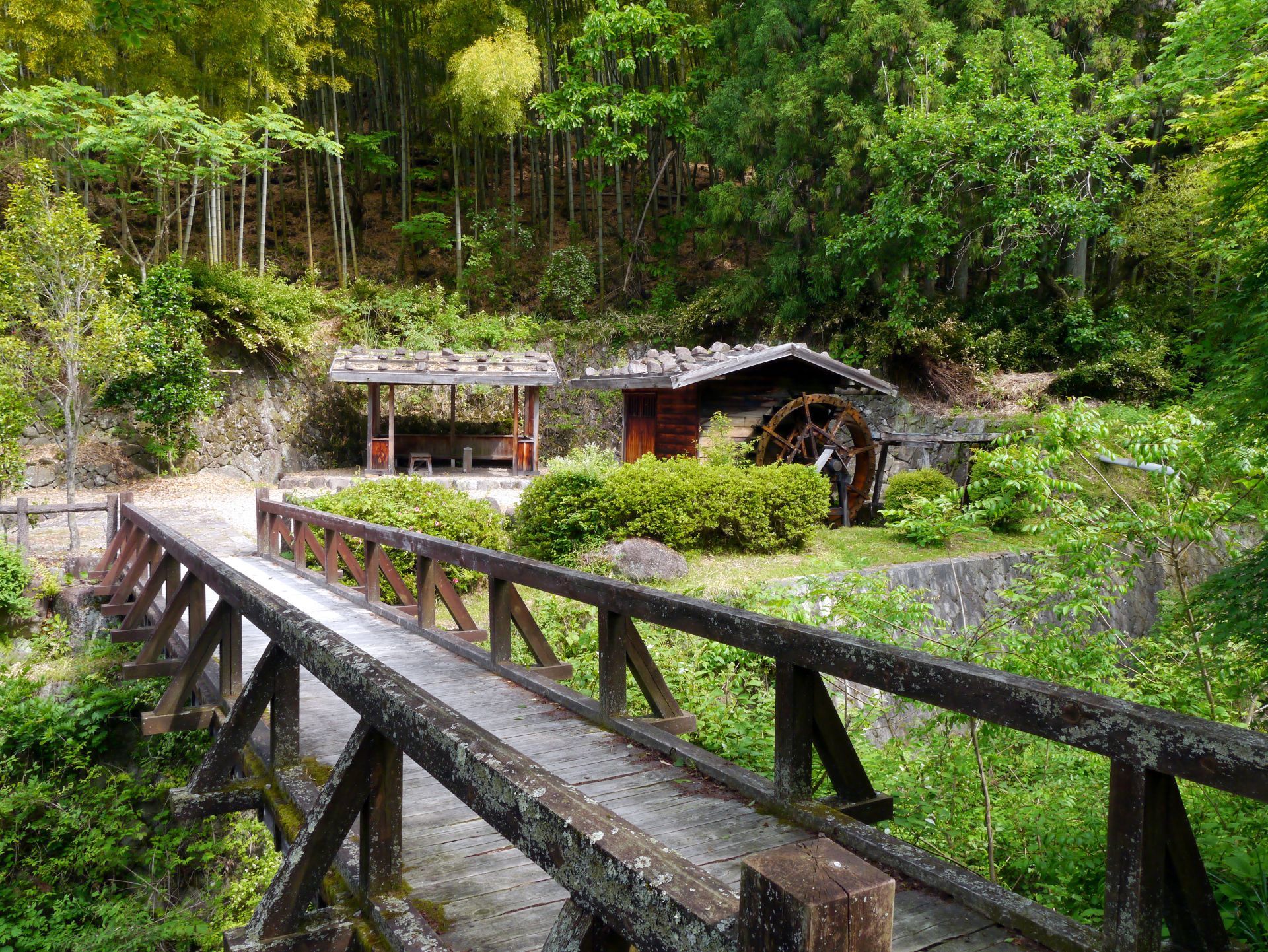
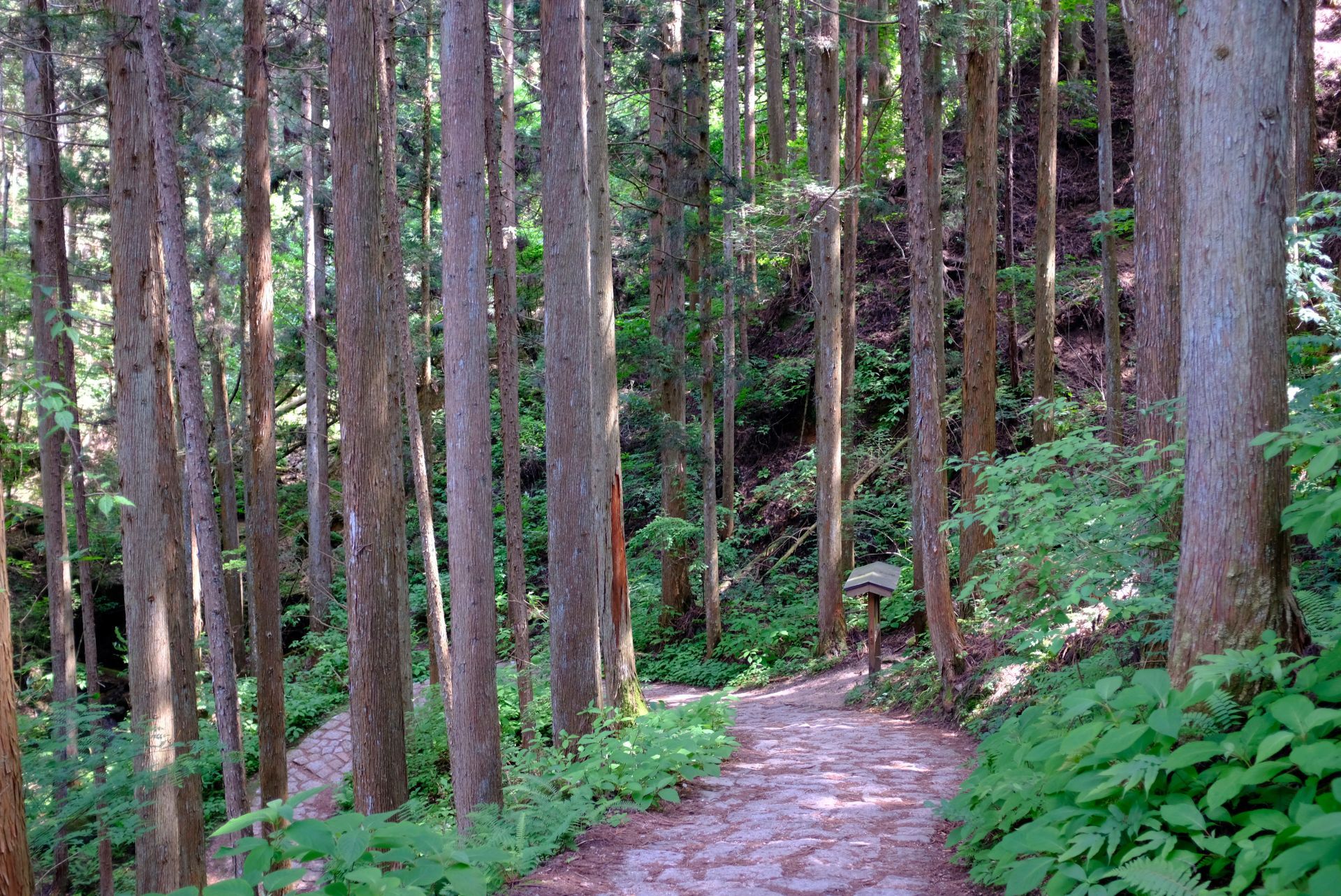
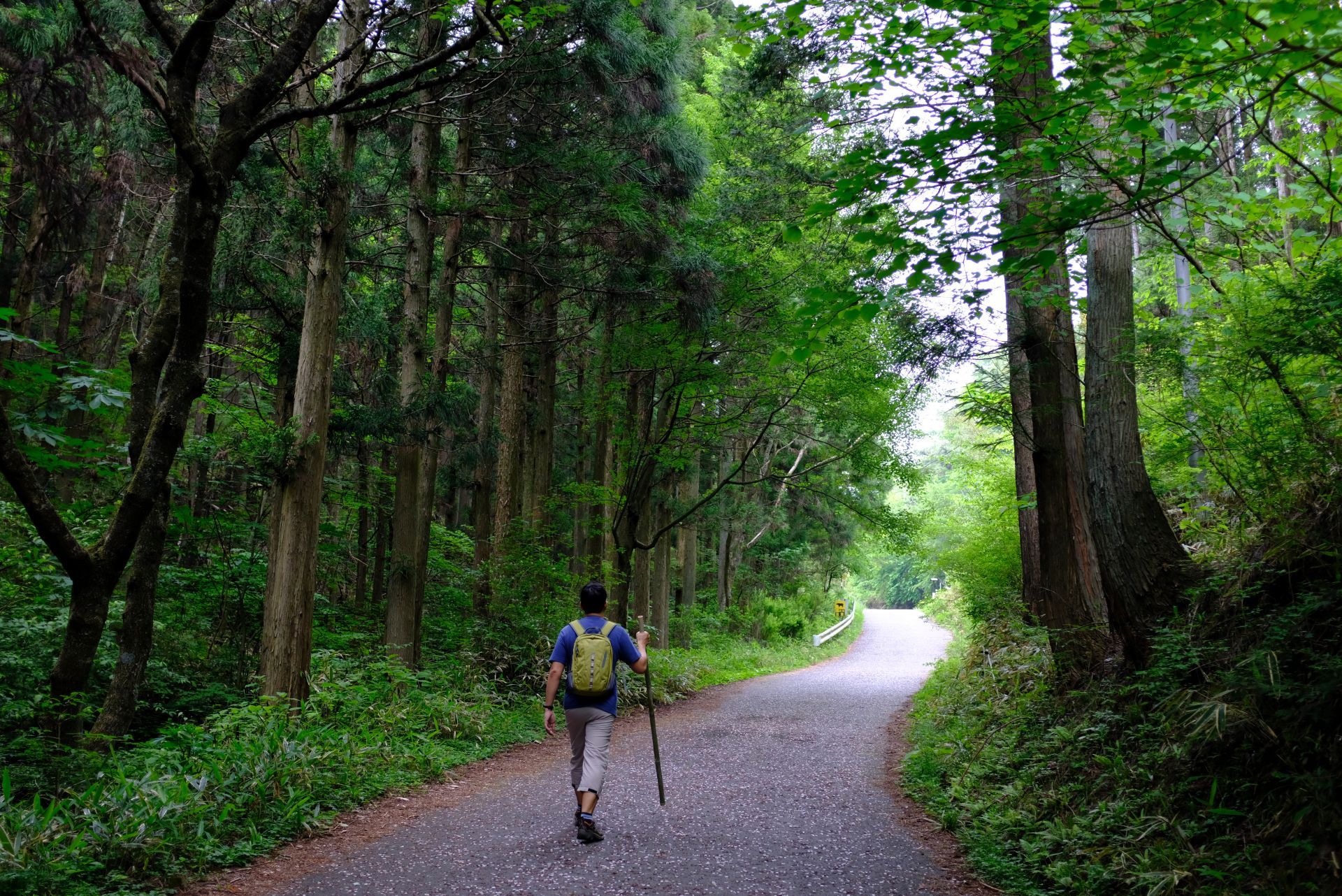
Slow travel on a well-graded path pack-free walking through rice paddies, villages and cedar forest
Unwind in Enakyo Onsen baths with panoramic views over Enakyo Gorge
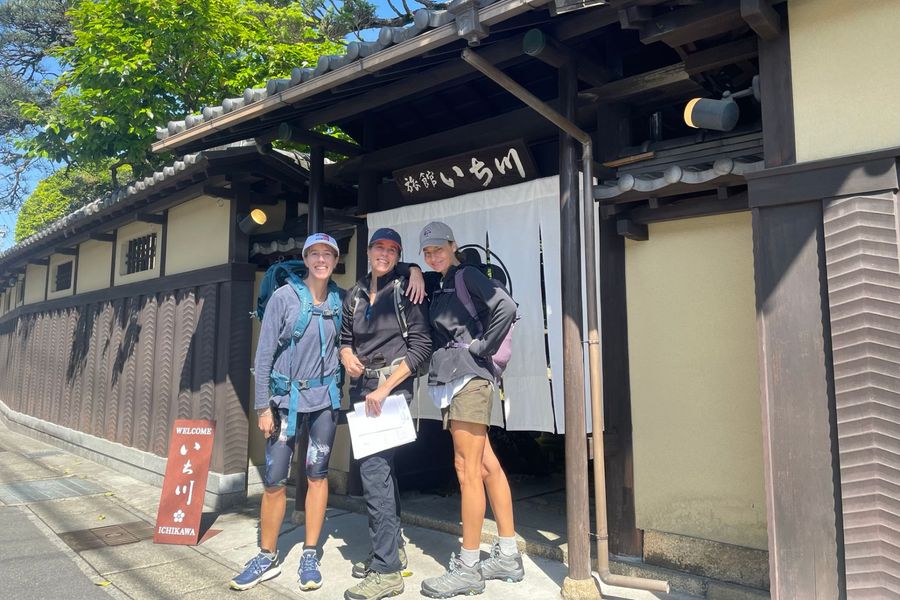
Friendly family-run minshukus, home-cooked food and intimate Japanese hospitality
Nature
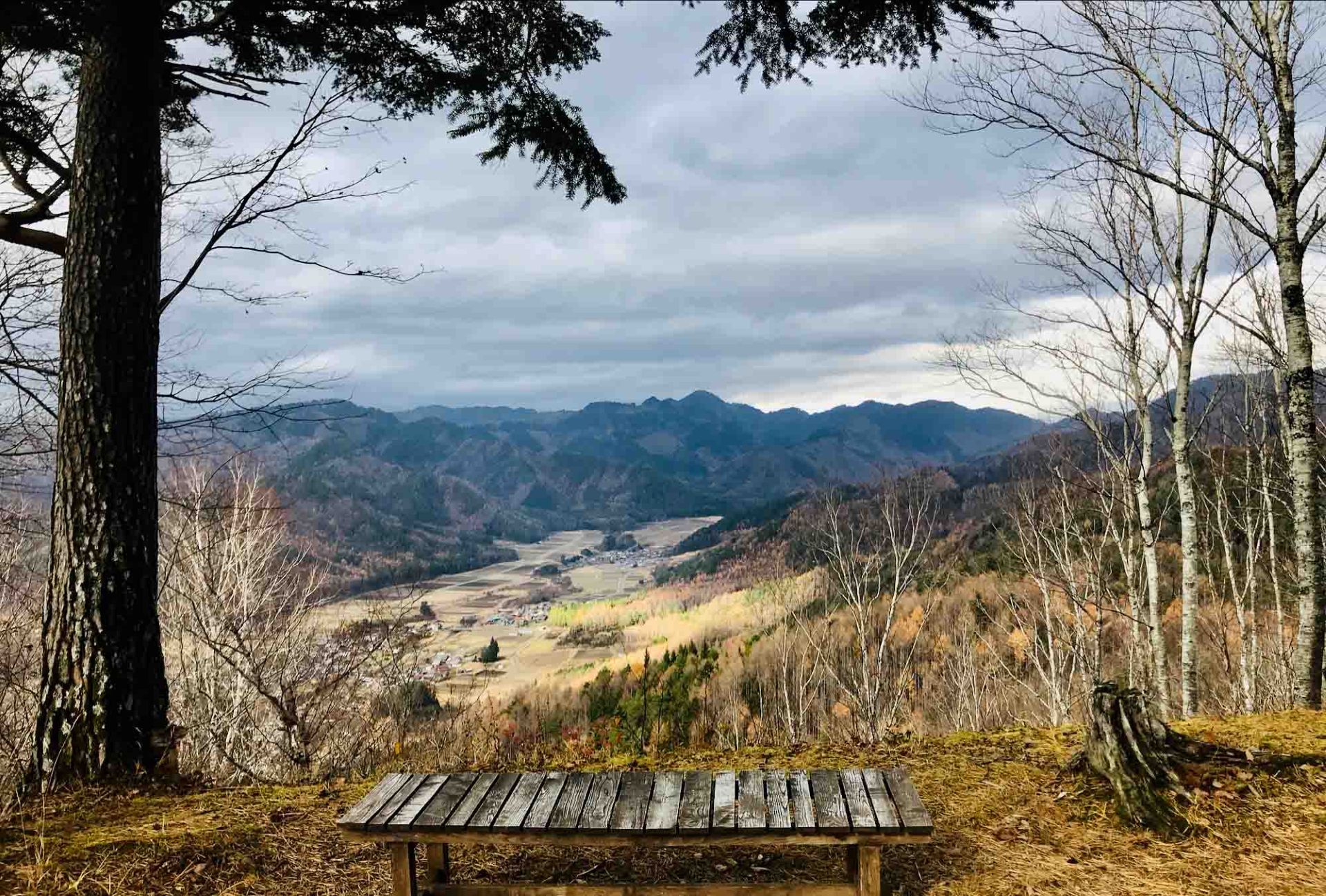
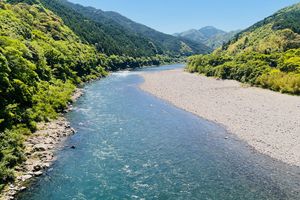
Walk the Kiso Valley beneath Mount Ontake and Mount Komagatake
Visit Karasawa Waterfall, Odaki-Medaki falls and streams through dense woodland
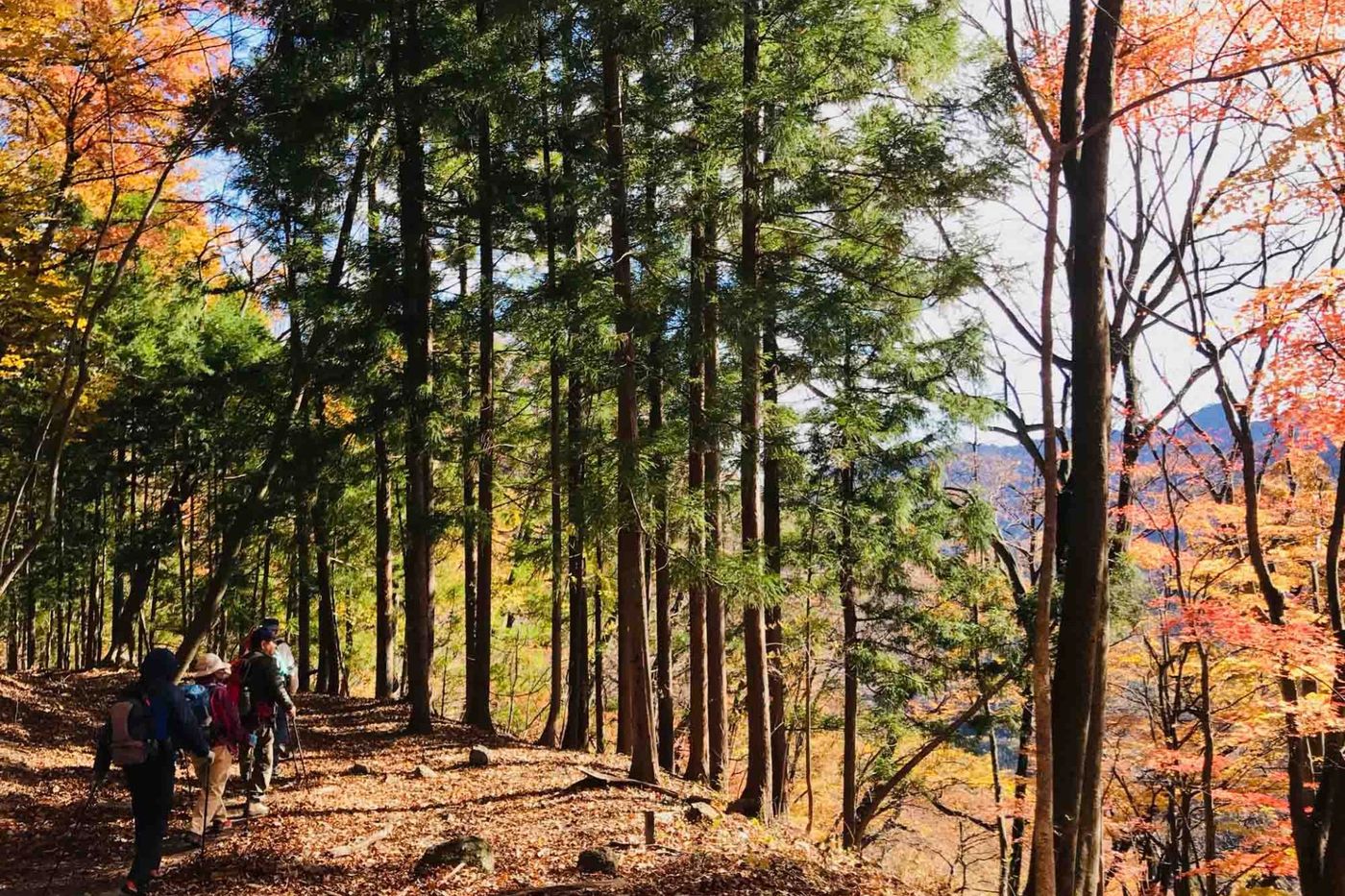
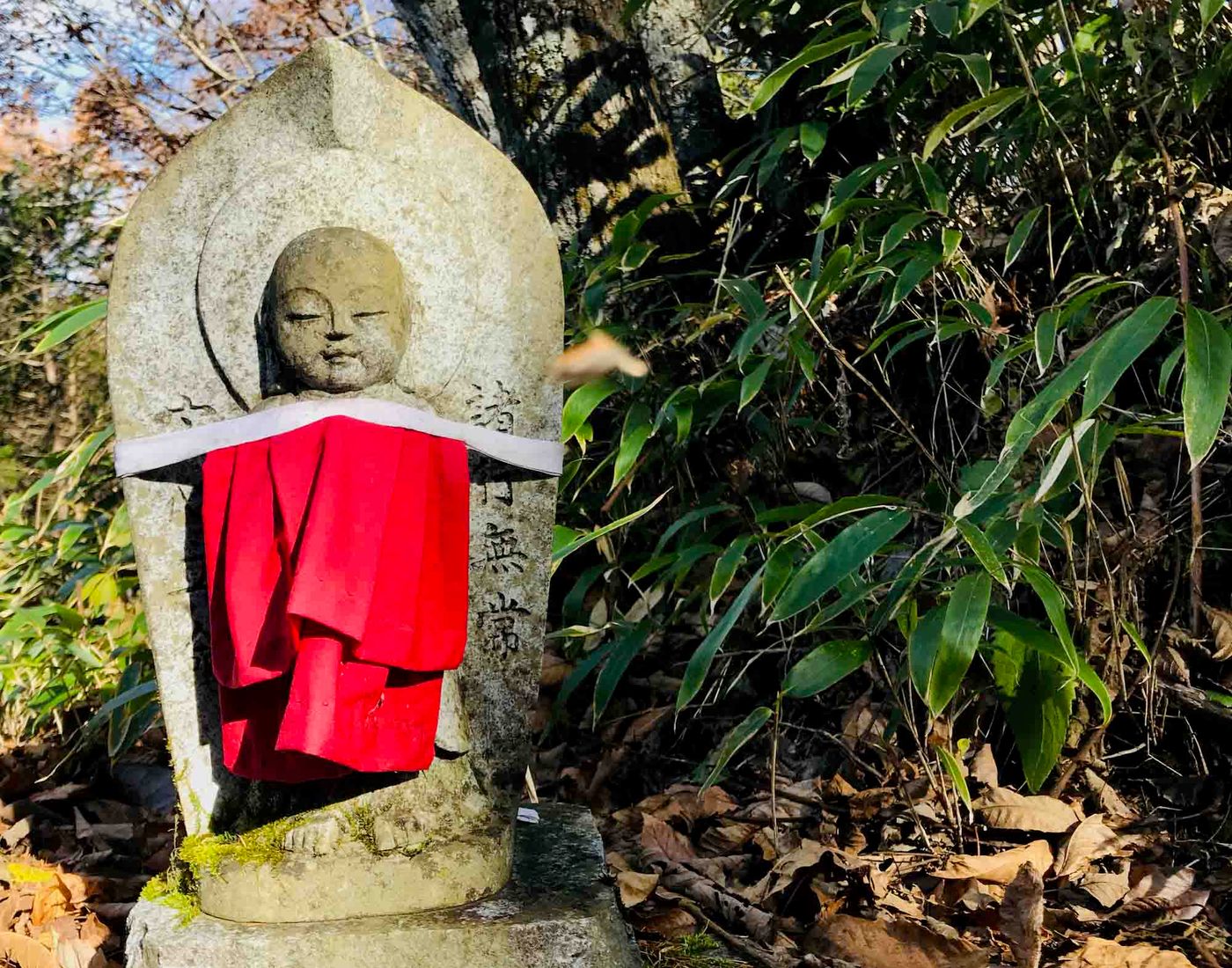
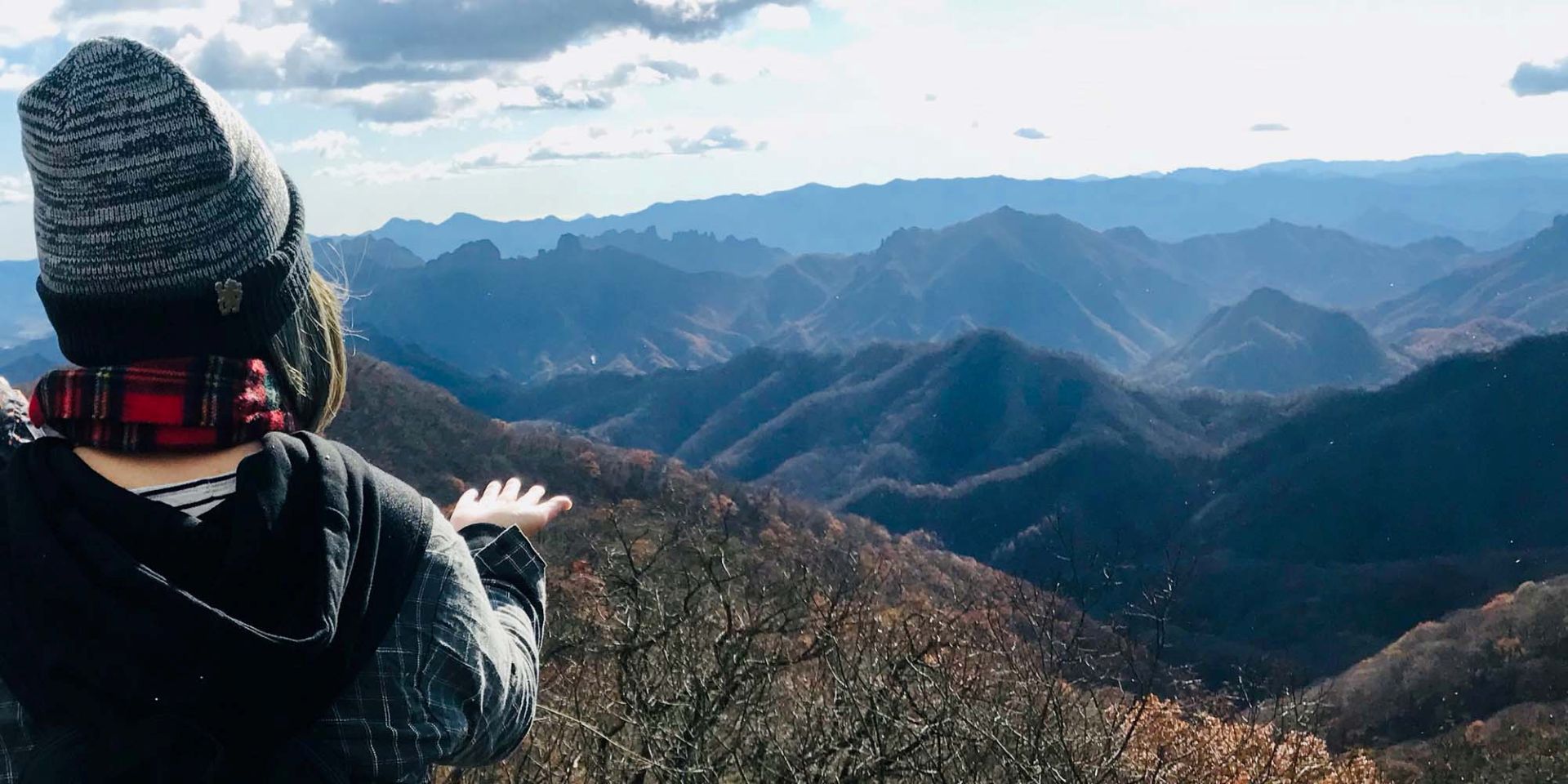
Cross the Kaida Plateau, Jizo Pass and autumn-bright deciduous forests
What you'll eat
Kaiseki
Traditional multi-course dinners served in guesthouses, seasonal and carefully paced
Sake
Regional sake sipped where old merchant routes still shape local tastes
Soba
Mountain buckwheat noodles, simple and satisfying after a long walking day
Where you'll stay
Minshuku
Family-run guesthouses with warm hosts, shared baths, and an intimate homely feel
Ryokan
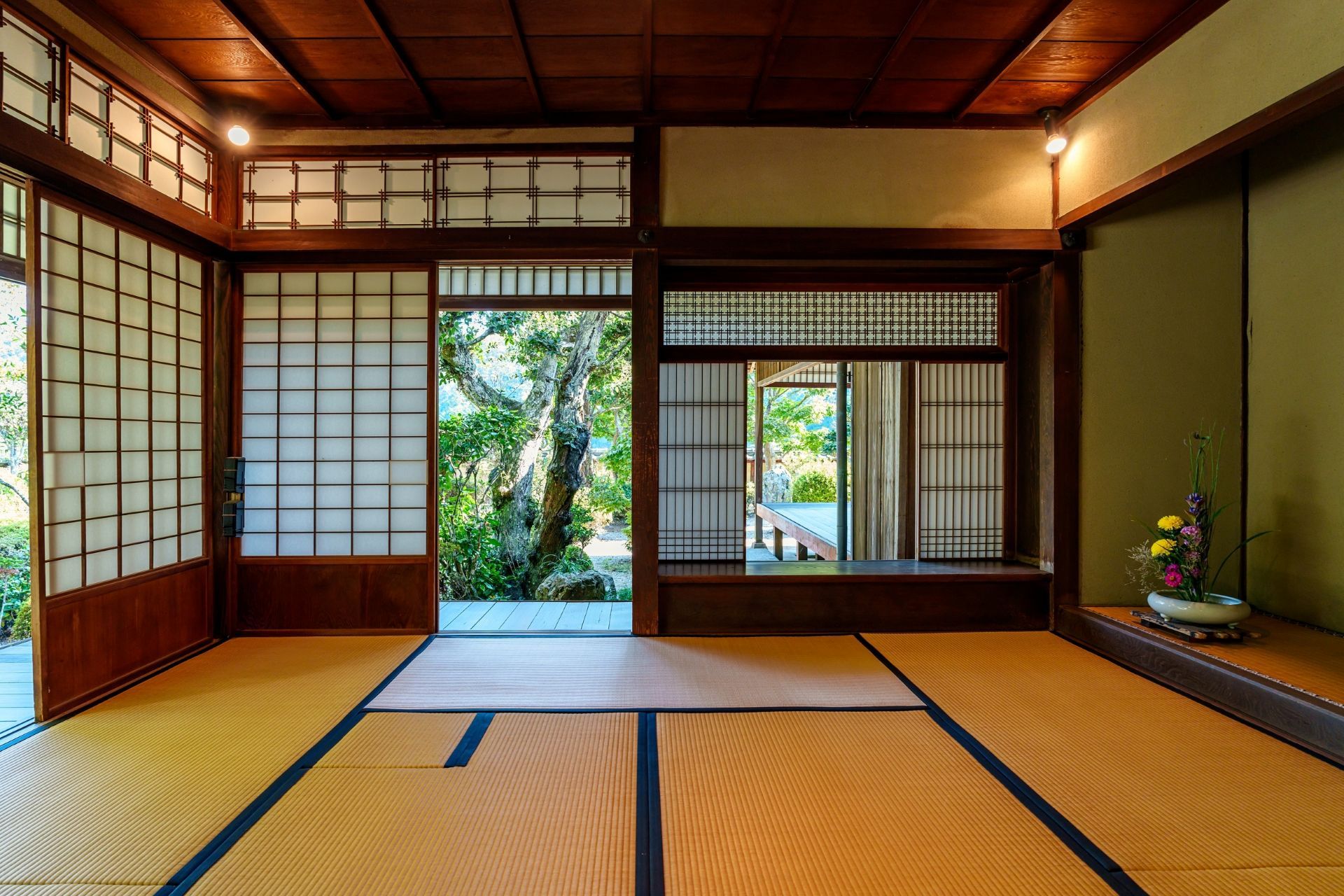
Tatami rooms, shoji screens and futons give each night a distinctly Japanese rhythm
Onsen Hotels
Larger country stays where communal baths ease tired legs after the trai
How you'll travel
Shinkansen
Arrive from Tokyo or Osaka by bullet train, fast and surprisingly serene
Regional Trains
Short rail journeys link trail sections, post towns, and overnight stops
Mountain Buses
Useful local buses help reach trailheads and the Usui Pass section
Nakasendo Way reviews
4.9
53 reviews
5 Star
49
4 Star
4
3 Star
0
2 Star
0
1 Star
0
JR
Jenny R
June 2026
I would absolutely recommend the Nakasendo Way to anyone with a basic level of fitness. Stroll made it straightforward & apart from Tsutamaraya the accommodation & food was wonderful. We would have liked the option of western breakfast in Kiso Fukushima. Not everyone loves Japanese breakfast but we were in Japan so it is all part of the experience.
JS
Jennifer S
June 2026
Departure point process was quite ok and enjoyed time in Ena and the woodblock print museum. Excellent choice of accommodations diverse and friendly staff.
SG
Sandra G
June 2026
Stroll support was great to help us organise our walking trip on the Nakasendo Trail in Japan. The accommodation was luxurious which was a total treat as well. We needed Stroll support during the trip and they responded and supported us immediately which was very much appreciated. Thank you Stroll … a great trip.
RP
Robyn P
May 2026
Fortunately there was sufficient information supplied. Seemed a bit ‘overwhelming’ when the package arrived in the mail BUT once you arrive at the destination it all falls into place. It was a fantastic walk- with comprehensive notes.
PC
Phillipa C
May 2026
Thoroughly enjoyed our walk and the notes were very comprehensive. Accommodation exceeded our expectations All in all a great experience.
PM
Paula M
April 2026
There were literally no dramas with any of the organisation of the trip - everything went really well. I have to say the app was great - it saved us a couple of times and I really wish I had it when I did the C2C! All of the accommodation was superb. The Nakasendo path itself was quite a different experience to C2C as it was not a continuous trail. I think personally if someone asked me, I would say not to worry about the very first leg from Ena to Nakatsugwa but overall we enjoyed seeing a different side to Japan.
ST
Stuart T
April 2026
This is our second walk with Stroll & we would highly recommend them. The quality of the accommodation & food on the Nakasendo Way was amazing. Notes were clear & App works very well. The prebooking process was responsive & easy. We plan to use them again.
LC
Louise C
December 2025
We loved this walk. We were immersed in the beautiful Japanese culture, beautiful forests, towns, food, met lovely people and stayed in amazing accommodation along this journey. Stroll did a great job of organising and taking any uncertainty out of planning ourselves. Can definitely recommend the Nakasendo.
JL
Joanne L
December 2025
The walk instructions were excellent and very clear, the app was brilliant and the sign-posting on the ground was actually very clear too. The notes were informative and pointed out interesting things - overall we were extremely impressed.
PD
Peter D
December 2025
It was a great mix of town, country and wilderness walking.
As a person with coeliac disease, the dinner and breakfast arrangements were perfect and I didn’t once have a bad reaction to any of the delicious foods.
SC
Sarah C
December 2025
Very well planned and researched walk. The local and traditional considerations for accommodation, meals and relaxation with onsen’s at almost every destination was really terrific. Loved the family owned ryokans, food was amazing. Walk was spectacular- I would highly recommend it- especially in Autumn when the weather is cool clean and fresh and the forest leaves are stunning!
KH
Ken H
November 2025
I loved walking the Nakasendo. The trails are sometimes challenging but always beautifully rewarding . The accommodation was always comfortable and the food incredible.
SW
Stephanie W
November 2025
Arrangements were very satisfactory and by and large the logistics were handled extremely well. The hosts in the ryokans at Ena and Tsumago were gracious and kind, and the quality of our meals and hospitality were outstanding and a uniquely memorable experience.
PH
Peter H
November 2025
The process was straight forward once the Japanese Rail system was conquered. It all went to plan, even the weather in Autumn was kind. The variety of accommodation was enjoyable and it was a good standard. Onsens are a blessing on a hike! he notes and app are excellent and the time frame was also good. The walks manageable to fit the public transport options which were procided.
BH
Brendan H
November 2025
The walk was the perfect combination of reasonable physical challenge, awesome meals and lovely hosts/accommodation. And of course, amazing scenery!
EM
Elizabeth M
November 2025
A lot of the sign posts were very helpful but I'm very pleased with downloaded trails as they were very useful. We assisted other walkers that didn't have the trails downloaded. The instructions were very easy to follow to get to the start of our walk.. Loved the adventure and the peacefulness of the walk - very challenging but very rewarding.
AB
Alan B
October 2025
This is a truly spectacular walk with a stimulating cultural experience thrown in. Accommodation was great and food amazing. The pre-walk information made Self-guided walking easy.
RJ
Rebecca J
October 2025
This was an incredible holiday. The locations and ability to see the "real" japan was amazing, the forest trails and old post towns truly beautiful. The Stroll information provided was excellent, extremely clear and provided all the information I needed. The hotels/ryokan booked as part of the trip were incredible, delicious food, lovely rooms and in great locations. And all of the luggage transfers were smooth and efficient with my bags at the next location by the time I arrived each day. As a solo, self-guided walker I enjoyed the freedom and was never lost because the App worked so well. All in all an amazing adventure. I'll be back to do more and have already recommended the walk to many friends. Thank you Stroll!!
SE
Susan E
October 2025
Absolutely loved the walk. Well planned, great accommodation, food and beautiful locations. Great value for money. Accommodation was first class and food a cultural treat. Stunning Japanese countryside, the perfect way to get to know the rural life of the Japanese people.
MZ
Maree Z
September 2025
Each of the four walk days had varied and always beautiful scenery. We enjoyed each day's walking route. This was our second Stroll adventure and our first trip to Japan.
The entire trip ran smoothly, and we were delighted with the historic and scenic walk, our comfortable accommodation, which featured welcoming and helpful hosts, and delicious, included meals.
MZ
Maree Z
September 2025
Each of the walking days had varied and always beautiful scenery. We enjoyed each day's walking route. This was our second Stroll adventure and our first trip to Japan.
The entire trip ran smoothly, and we were delighted with the historic and scenic walk, our comfortable accommodation, which featured welcoming and helpful hosts, and delicious, included meals.
ST
Sandra T
June 2025
We used Stroll to organise our self guided hiking holiday on the Nakasendo Way. From communication to help along the way, we could not have been happier.
JL
Julian L
May 2025
Had a terrific time! Really pleased we did the walk as we enjoyed discovering the Japanese way of life.
KK
Kate K
May 2025
The Nakasendo Trail is an intriguing walk through beautiful forest and over high passes. The walks through the forest on dirt pads were absolutely beautiful and we really enjoyed them. It was so lovely to go through in spring with all the wildflowers and the fresh greenery. The gardens and villages and post towns along the way spice it up.
SM
Sophie McC
May 2025
Just back from the Nakasendo Trail with Stroll. A brilliant walk in stunning parts of Japan. Magic. Highly recommend
SM
Sophie McC
May 2025
Just back from the Nakasendo Trail with Stroll. A brilliant 7 days in stunning parts of Japan. We loved the Stroll set up giving you directions each day, booking your accommodation but otherwise you are on your own to explore the forests, rivers, villages of this ancient land. Magic. Highly recommend
SM
Sophie McC
May 2025
Just back from the Nakasendo Trail with Stroll. A brilliant walk in stunning parts of Japan. We loved the Stroll set up giving you directions each day, booking your accommodation but otherwise you are on your own to explore the forests, rivers, villages of this ancient land. Magic. Highly recommend
IF
Ian F
April 2025
I had an amazing time. The scenery was stunning, the accommodation was outstanding with friendly service and delicious Japanese food . Each accommodation had an Onsen which I enjoyed regularly after a days walking and before bed.
As first time travelers to Japan I was anxious about travelling to the start of the walk at Nakatsugawa by train. We had Dan with us which helped enormously. Without Dan I would have needed more information about the trains in Japan. The guides were brilliant. We had 3 guides over the walk and we can recommend all of them.
IF
Ian F
April 2025
I had an amazing time. The scenery was stunning, the accommodation was outstanding with friendly service and delicious Japanese food . Each accommodation had an Onsen which I enjoyed regularly after a days walking and before bed.
As first time travelers to Japan I was anxious about travelling to the start of the walk at Nakatsugawa by train. We had Dan with us which helped enormously. Without Dan I would have needed more information about the trains in Japan.
AT
Alison T
April 2025
Excellent walk in Japan. We loved the accommodation , and the meals provided.
Walking notes and app took the stress out of daily planning.
KS
Kylie S
April 2025
Would definitely Recommend Stroll not only for hiking, but for the amazing accommodation with Onsen and incredible food included.
MF
Mark F
March 2025
We thoroughly enjoyed the Japanese walking holiday that Stroll has put together, the transfers worked smoothly and we always felt well supported. Stroll gave us prompt updates regarding snowfalls we experienced on the Nakasendo. Highly recommended.
RP
Rajen P
March 2025
Everything put in place by Stroll worked well and the accommodations were great.
JE
Jacqueline E
February 2025
The accommodation and meals organised by Stroll were a real treat, especially the 400 year old hotel in Karuizawa. The staff were welcoming and friendly. The luggage transfers worked smoothly. The hiking app was great, even without internet. I highly recommend their organisational skills!
ML
Michael L
January 2025
The standards of accommodation & meals included were of highest of quality
SJ
Sarah J
January 2025
Tsutamuraya accommodation near Tsumago was fabulous. Small, family run, fabulous food. An authentic experience. Onyado Tsutaya in Kiso Fukushima was also a great place to stay. The traditional the Japanese breakfast they served was fabulous. The walk was well organised and a fabulous experience. We had a great time. Thank you.
DW
David W
January 2025
The walk went very smoothly. The accommodation was good( loved the onsens!) and the food plentiful and delicious.
CM
Carolyn M
December 2024
We have walked with Stroll a number of times now and have had enjoyable experiences every time. Our Nakasendo walk was no exception.
CM
Carolyn M
December 2024
The route was good and the notes were excellent. We have walked with Stroll a number of times now and have had enjoyable experiences every time. Our Nakasendo walk was no exception.
PH
Peter H
December 2024
We were delighted with our decision to do a guided walk with Stroll. The itineraries were suitably flexible and the guide notes clear though it must be said that the local signs for the Nakasendo Way needed little clarification. The accommodation was well chosen and varied. In short a memorable experience.
PH
Peter H
December 2024
We were delighted with our decision to do a self guided walk with Stroll. The itineraries were suitably flexible and the guide notes clear though it must be said that the local signs for the Nakasendo Way needed little clarification. The accommodation was well chosen and varied. In short a memorable experience.
RK
Robert K
December 2024
The total 6 day experience was fantastic. The beautiful scenery, the historic villages, the wonderful variety of accommodation & food experiences made every day very very fulfilling & enjoyable.
RK
Robert K
December 2024
The entire experience was fantastic. The beautiful scenery, the historic villages, the wonderful variety of accommodation & food experiences and the many recommendations & explanations in your notes made every day very very fulfilling & enjoyable.
RK
Robert K
December 2024
The total 6 day experience was fantastic. The beautiful scenery, the historic villages, the wonderful variety of accommodation & food experiences and the many recommendations & explanations in your notes made every day very very fulfilling & enjoyable.
SM
Susan M
December 2024
Each of the days' walk had its own highlight, so I think they were well chosen to give us a great intro to the trail. I loved the combination of hotels we had - the first night at Hanasarasa (traditional dinner and breakfast banquets were amazing, as was the hotel onsen), Hanaya for something more traditional ryokan, Iwaya as something in-between the two, and the super-mod Twin Line at the end for some luxury - the dinner there was another super treat.
I loved it all!! The last day was a challenge, our friends only did the uphill, which was wise for them as the downhill to Yokokawa was muddy and tricky. But still great!! Also would definitely recommend people bring walking poles if they have them. It was all in all a fantastic walk, well organised to get the best of the trail.
GT
George T
December 2024
Hiking the Nakasendo trail made for a great holiday, especially after the frenetic atmosphere of Tokyo. Could not fault the organisation of Stroll.
CR
Cody R
December 2024
The 6 day Nakasendo and the Kaida Plateau walk was by far the highlight of my autumn trip to Japan. The trail itself is absolutely gorgeous in late autumn with the maple leaves turning red and behind the scenes, Stroll provided everything I needed, including some lovely choices of accommodation, to enjoy this amazing experience. My only complaint is now I absolutely have to see more!
CR
Cody R
December 2024
The Nakasendo and the Kaida Plateau walk was by far the highlight of my autumn trip to Japan. The trail itself is absolutely gorgeous in late autumn with the maple leaves turning red and behind the scenes, Stroll provided everything I needed, including some lovely choices of accommodation, to enjoy this amazing experience. My only complaint is now I absolutely have to see more!
CR
Cody R
December 2024
The 6 day Nakasendo walk was by far the highlight of my autumn trip to Japan. The trail itself is absolutely gorgeous in late autumn with the maple leaves turning red and behind the scenes, Stroll provided everything I needed, including some lovely choices of accommodation, to enjoy this amazing experience. My only complaint is now I absolutely have to see more!
CR
Cody R
December 2024
The Nakasendo walk was by far the highlight of my autumn trip to Japan. The trail itself is absolutely gorgeous in late autumn with the maple leaves turning red and behind the scenes, Stroll provided everything I needed, including some lovely choices of accommodation, to enjoy this amazing experience. My only complaint is now I absolutely have to see more!
CR
Cody R
December 2024
The Nakasendo walk was by far the highlight of my autumn trip to Japan. The trail itself is absolutely gorgeous in late autumn with the maple leaves turning red and behind the scenes, Stroll provided everything I needed, including some lovely choices of accomodation, to enjoy this amazing experience. My only complaint is now I absolutely have to see more!
MJ
Meredith J
November 2024
The dept point was very convenient. Seamless walk, we didn't have any issues. All the accommodation was wonderful, lovely hosts and meals.
MJ
Meredith J
November 2024
The dept point was very convenient - easy to follow basic directions provided. Seamless walk, we didn't have any issues. All the accommodation was wonderful, lovely hosts and meals.The combined notes plus the app were very comprehensive.
More About This Destination
Accommodation in authentic Japanese Ryokans and guesthouses.
Multi-course dinners and breakfasts during the walk.
Luggage transport for most days (see the luggage transfer section on individual walk pages for specific details).
Comprehensive walk notes written and curated by Stroll to assure that you can walk with confidence.
From late March, temperatures rise, making it an ideal time for walking and if you are a flower lover the cherry blossom season is in swing. Summer in Japan is warm and humid but still suitable for the trail, with more chances to cool off in streams. Autumn is also excellent for walking, with pleasant weather and with the change of colour of the foliage quite spectacular. Overall, spring and autumn are the best times for walking, offering the most comfortable conditions. Check local weather information for average conditions throughout the year.
As with any journey, it is essential to be prepared for your walking holiday. While we will be transporting your luggage from accommodation to accommodation, you will still be carrying a lightweight day pack with you. Here is what we suggest that you carry with you each day:
Walking notes, a map, and a map case
Insulated lunch pack and silicon container (when supplied)
Quality waterproof jacket with a hood
Warm jumper or jacket
Sunhat
Please be sure to have comfortable walking shoes
Sunscreen (at least 15+)
At least 2 litres of water
First aid kit
Toilet paper
Some Japanese money
Mobile phone (please note that reception is not available in all walk areas)
Personal insect repellent, band-aids, and a small container of salt mixed with rice grains
Personal necessities (example: required medication)
Now that we have the essentials packed, it is time to think of those additional items that may be worth packing along with you. These may include and are not limited to:
Waterproof over-trousers
Warm hat
Sunglasses
Camera (with an extra battery or sim cards)
Binoculars
Small torch
Walking sticks
Thermos (for hot drinks)
Additional snacks
The 500km long Nakasendo Way which literally means the "Middle Mountain Way," has become one of Japan’s most famous and popular hiking routes. The walk traverses ancient paved paths, via well-preserved authentic Japanese towns and through serene cypress and cedar forests. Many shrines and waterfalls dot the landscape as you hike through the Kiso Valley, brilliantly located between the sacred Mount Ontake and Mount Komagatake.
The trail was developed during the Edo period (1603-1868), and was used by feudal lords, samurai, and merchants traveling between Kyoto and Edo (what is now called Tokyo). Along the route, there are 69 'post towns' where travellers would rest in traditional ryokan inns and bath in hot springs. These towns have retained much of their historical charm, providing a looking glass back into Japan's past.
We offer various itineraries on the Nakasendo Way, allowing hikers to shorten the amount of walking days if desired. Walking the trail immerses you in Japan’s rich history and natural beauty. What’s more walkers get to enjoy local cuisine, traditional crafts, and the warm hospitality of the Japanese people along the way.
Ena is nestled in the Gifu Prefecture, is a charming and historic city. It’s famous for Oi-juku, an Edo-period post town. It has cultural gems like the Hiroshige Museum of Art, showcasing exquisite Japanese woodblock prints, adding to its allure. It is often the starting point for the Nakasendo Way. Ena offers picturesque views of rice paddies and beautifully maintained traditional gardens.
Nakatsugawa
Nakatsugawa is situated in Gifu Prefecture and is a delightful city rich in history. It’s renowned for its Edo-period charm, featuring traditional buildings and the Naegi Castle ruins. This is a great place to explore if you have time. As a key stop along the Nakasendo Way, it offers scenic views, Japanese style local shops, and cultural delights like traditional Japanese sweets and sake.
Tsumago is a beautifully preserved post town in Nagano Prefecture along the Nakasendo. It feels like when you visit here it is a journey back to the Edo period. It’s famous for its traditional wooden buildings and charming streets. Strolling through Tsumago, you can visit ancient inns like the Honjin and Wakihonjin, and enjoy local crafts and cuisine. AIt is a highlight of the Nakasendo Way and a glimpse into Japan's rich history.
Kiso-Fukushima
Kiso-Fukushima is located in the Nagano Prefecture and is one more of the historic gems along the Nakasendo way and from the Edo period. This former post town on the Nakasendo Way features well-preserved samurai residences and the fascinating Fukushima Sekisho-Ato, an ancient checkpoint museum. The town is surrounded by the scenic beauty of the Kiso River and Mount Ontake. You can indulge in soothing hot springs, savour local cuisine, and explore traditional crafts. With its charming streets and rich cultural heritage, Kiso-Fukushima offers a peaceful and enriching experience into Japan's historical past.
Narai also in the Nagano Prefecture is a wonderfully preserved post town along the Nakasendo Way. Known as "Narai of a Thousand Houses," it features traditional wooden buildings, charming streets, and a rich history. Visitors can explore its Edo-period architecture, quaint shops, and local eateries. Narai offers a tranquil and picturesque glimpse into Japan's past, making it a delightful destination for history lovers.
Yokokawa
Yokokawa, located in Gunma Prefecture has much scenic beauty and historical significance. It's a key stop on the Nakasendo Way, offering walkers superb views while walking and the opportunity to stay in traditional inns. The glorious Usui Pass is also on the path.
Karuizawa is as much a ski town as anything else but is also a wonderful place to stay in warmer months. It is located in Nagano Prefecture and is renowned for its beautiful natural scenery and mild climate. Nestled at the foot of Mount Asama, it offers a perfect blend of outdoor activities like hiking and various cultural attractions. Walkers can explore the picturesque Shiraito Falls, hike through lush forests, and enjoy the vibrant autumn foliage. The town also has charming shopping streets, high-end boutiques, and fine dining options. The historical sites such as the Kyu-Karuizawa Ginza shopping street and the Former Mikasa Hotel add to its allure. Karuizawa is easily accessible from Tokyo via the Hokuriku Shinkansen, making it a great place to finish the Nakasendo Way before making your way back to Tokyo.
Check-in is generally from 3:00 PM, with check-out before 10:00 AM. Dinner is typically served at a set time, so plan to arrive by 6:00 PM at the latest. If you're running behind, call your accommodation to let them know — if you haven't arrived by dark, your hosts will assume something has gone wrong and begin making enquiries.
A few customs are worth knowing before you arrive. Remove your shoes at the entrance and change into the indoor slippers provided. Your room will likely include a yukata (cotton robe) for the evening — wear something underneath, fold the left side over the right, and tie the belt firmly. A loose yukata is considered disrespectful. Meal times are set, so confirm dinner and breakfast times when you check in. Towels and toiletries are usually provided, though this varies by property.
Onsens are one of the great pleasures of the Nakasendo, and there are a few important customs to follow. You bathe completely naked — swimwear is not permitted. Before entering the communal bath, wash and rinse yourself thoroughly at the shower stations provided. Keep your towel out of the water. Onsens are separated by gender. If you have tattoos, be aware that many onsens in Japan restrict entry — speak with your accommodation host in advance, as policies vary. Some places offer stickers to cover small tattoos for a modest additional charge. If possible, avoid peak bathing times and be mindful of other guests. A rest day in Kiso-Fukushima is a good opportunity to properly enjoy the local onsens.
Japan is a densely populated country, and you're never far from civilisation on the Nakasendo, but coverage can still be patchy on some forest and mountain sections. Most accommodations have WiFi.
A shower-proof daypack with a waterproof liner is ideal. Key items include a waterproof jacket, warm layer, sun hat and sunscreen (SPF 30+ minimum), comfortable walking boots, 2–3 litres of water, lunch supplies, a first aid kit with insect repellent, toilet paper, your phone, a battery pack, and cash. Walking poles are highly recommended — the track includes short but steep hill sections and they make a real difference. In summer, wear long sleeves and pants due to leeches, and pack bug spray. A folding umbrella and a bandana or handkerchief are also worth throwing in.
Japan runs largely on cash, and the Nakasendo is no exception. Most ATMs outside airports and convenience stores don't accept foreign cards, so withdraw sufficient Yen early — the best options are at the airport on arrival or at 7-Eleven and other convenience store ATMs.
No. Tipping is not customary in Japan and is generally not expected — in fact, it can sometimes be politely refused. Excellent service is simply the standard. Enjoy it without the need to tip.
Japan has a rich culture of etiquette and a little preparation goes a long way. Remove your shoes before entering homes, ryokans, and many traditional restaurants — indoor slippers are usually provided. Speak quietly in public spaces, particularly on trains and buses. Avoid eating or drinking while walking. When visiting temples and shrines, dress modestly and follow any posted guidelines. A slight bow when greeting people is always appreciated. Note that it is illegal to bring over-the-counter medicines containing pseudoephedrine or codeine into Japan — check your medications before you travel.
Traditional Japanese cuisine relies heavily on soy sauce (shoyu), miso, and fish stock (dashi), which feature in almost everything and are very difficult to remove. If you can tolerate these in trace amounts, your accommodation options increase significantly. Vegetarian meals can be arranged at most inns with advance notice, though fish and seafood feature prominently in the standard diet. Strict vegans and those with coeliac disease will find things more challenging. Dietary requirements must be declared at the time of booking and cannot be changed afterwards. Bring supplementary snacks if your needs are complex.
Can't find what you're looking for?
We can create a custom trip tailored to your preferences.
As Featured In
Trip added to your saved list. Find your saved trips anytime using the in the header.



-300x200.jpg)







-300x200.jpg)


-300x200.jpg)

-300x200.jpg)
























-300x200.jpg)