


-300x200.jpg)




-300x200.jpg)


-300x200.jpg)

-300x200.jpg)













-300x200.jpg)





Slovenia
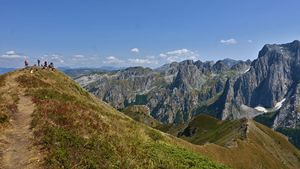
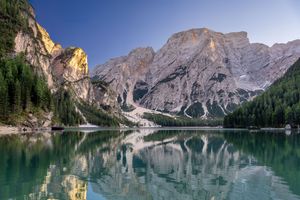
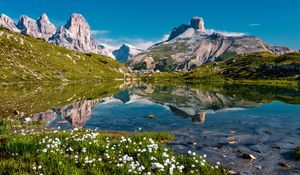
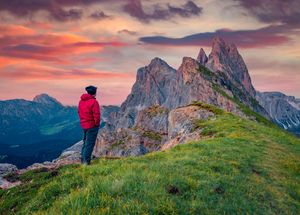
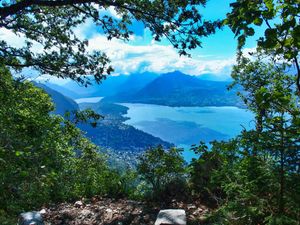
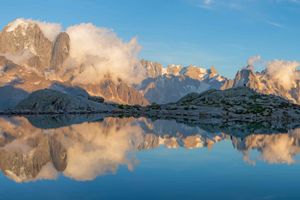
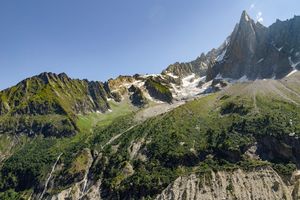
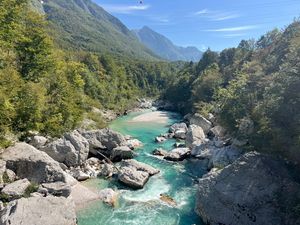
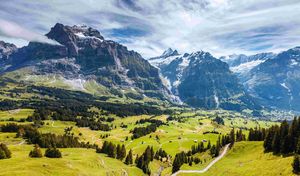
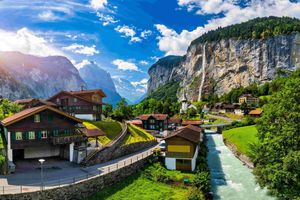
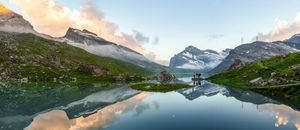
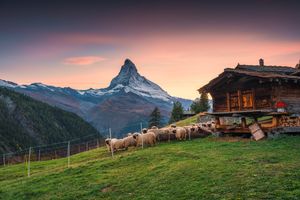
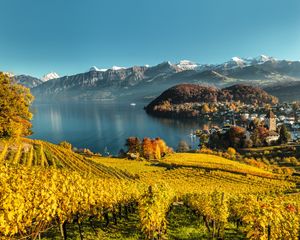
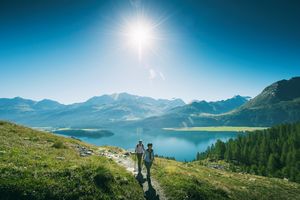
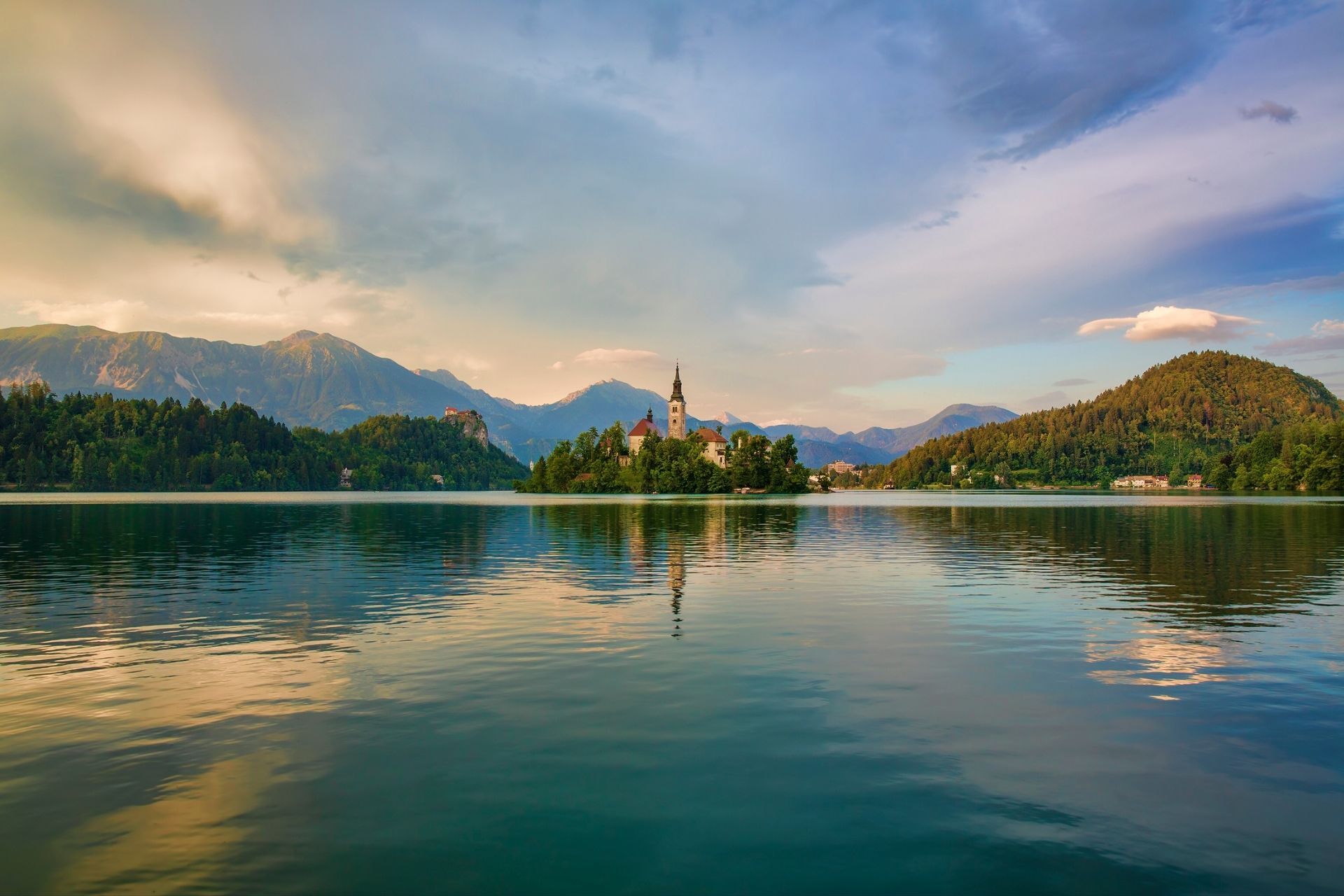
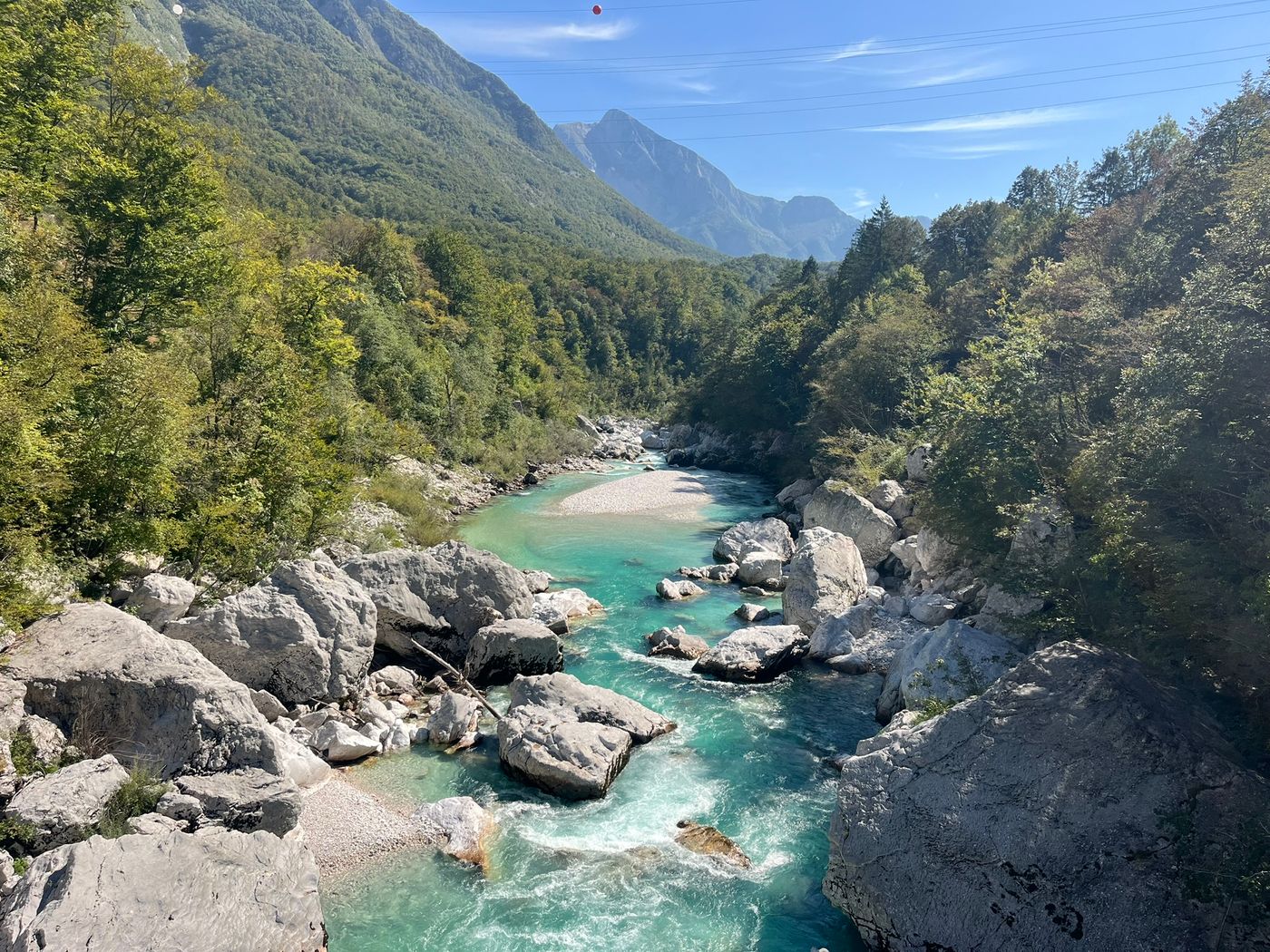
Slovenia - Europe's green heart - is a walking paradise where Alpine peaks descend to meet the Mediterranean. Trek dramatic Julian Alps trails, walk alongside the emerald Soča River, or ramble through mossy Karst forests and rolling vineyards. Uncrowded, peaceful and utterly beautiful.
Plan your Slovenia trip with an expert in a free 1:1 consultation.
30+ Years Experience
Three decades of crafting memorable walks worldwide
Pack-Free Walking
Your luggage travels ahead while you walk light
24/7 Support
We're always just a phone call away
Eco Travel
Tread lightly through the places you love
As Featured In









Slovenia reviews
Loved by walkers
More About This Region
The history of Slovenia is a story of a vital geographical and cultural gateway, where the Slavic world meets the German and Latin cultures of the West. Unlike much of the Balkans, Slovenia’s identity was forged through over a thousand years of integration with Central Europe and the Habsburg Monarchy.
Slovenia's diverse landscape is a sanctuary for a wide variety of wildlife and plant species, largely due to its status as the greenest country in Europe.
Flora:
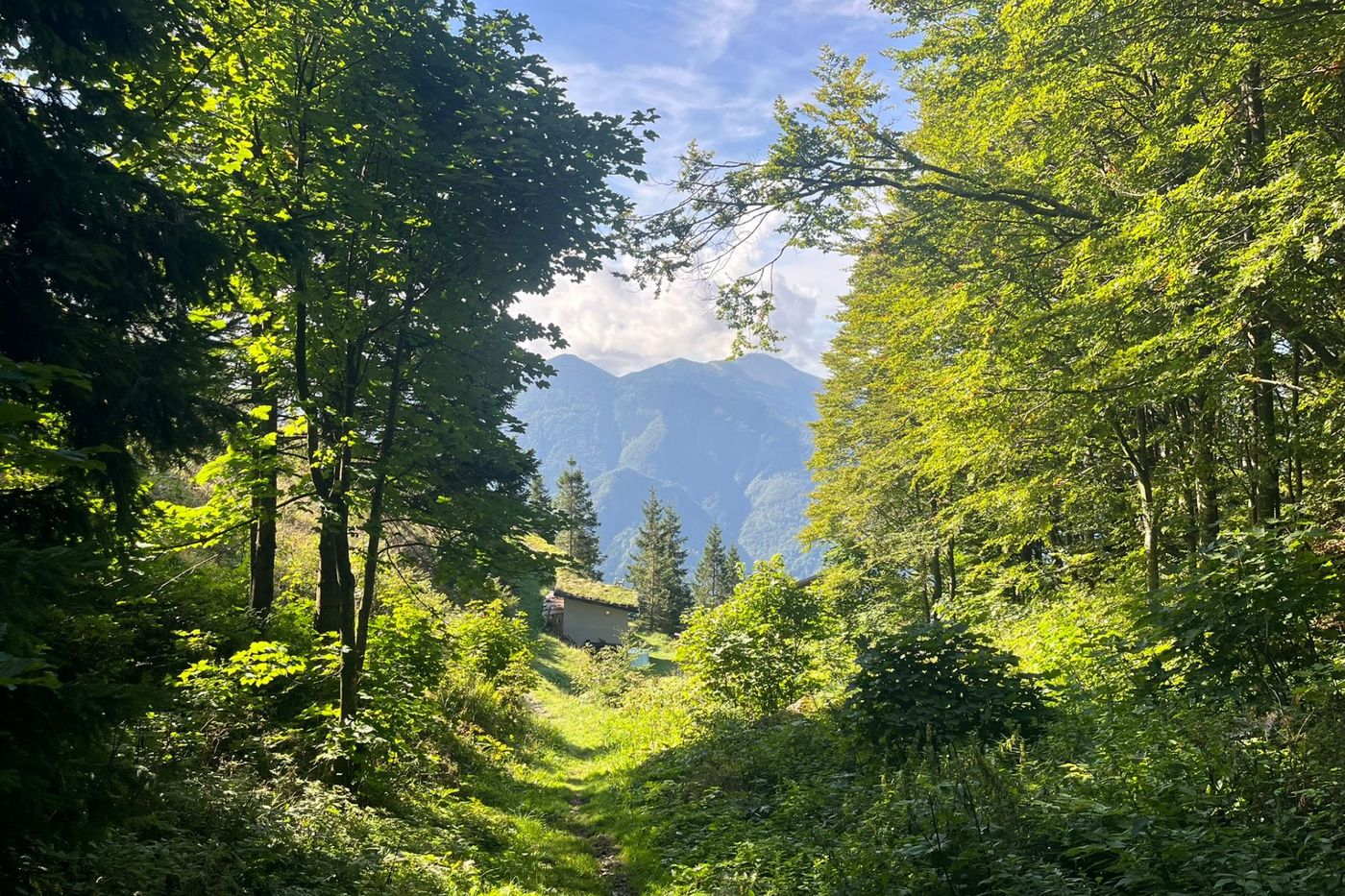
- Diverse Forests: Over half of the country is covered in lush forests, ranging from ancient beech and oak in the lowlands to dense spruce and larch at higher elevations on the Pokljuka Plateau.
- Alpine Meadows: High-altitude pastures like Kranjska Planina and Planina Javornik are famous for their vibrant wildflowers and traditional grazing lands.
- Peat Bogs: Unique ecosystems such as the Goreljek peat bog on Pokljuka host specialised plant life adapted to the damp, nutrient-poor soil.
- Wild Herbs and Flowers: The Julian Alps are home to rare alpine flora, with the meadows of Dobrava offering a panoramic display of natural vegetation.
Fauna:
- River Life: The emerald Soca River and Lake Bohinj support a wealth of aquatic life, including the famous native trout and various bird species attracted to the clean, natural waters.
- Mountain Dwellers: The Triglav National Park is a habitat for large alpine mammals such as the chamois, ibex, and marmots often found on steep ridges and rocky peaks.
- Forest Inhabitants: The vast, quiet woodlands provide a home for deer, foxes, and a significant population of brown bears, which are a symbol of Slovenia’s wild heritage.
- Beekeeping Heritage: Bees are a central part of Slovenian culture, particularly in the village of Begunje, where beekeeping and honey products are celebrated local traditions.
Depending on the tour you book, breakfasts are always included along with a number of dinners. If you have any food allergies or intolerances, please let us know at the time of booking so that we can let your hosts know. Should you have severe food allergies, we suggest bringing along some suitable snacks since specialty ingredients and supplies can be hard to find in the mountains, without prior notice.
Regional Flavours and Traditions:
- Alpine Heartiness: In the mountain regions like Pokljuka and the Julian Alps, the food is designed to sustain hikers and farmers. You will frequently find thick soups, porridges, and mountain stews.
- Dairy and Cheese Heritage: The high pastures, such as Kranjska planina and Planina Javornik, are historic centers of cheesemaking where traditional methods are still used to produce local alpine cheeses.
- The "Bohinjsko" Brand: In the Bohinj Valley, look for products under the Bohinjsko label, which signifies authentic goods produced in the local pastures.
- Italian Influence: As you move toward the So?a Valley and the Italian border at Predil, the cuisine takes on a Mediterranean flair with more emphasis on pasta and light, herb-infused dishes.
Local Specialties to Look For:
- Kranjska Klobasa: A famous smoked honey-and-garlic sausage that is a staple for walkers needing a high-energy meal.
- Štruklji: Rolled dumplings that come with various fillings, either savoury (cheese or tarragon) or sweet (walnut or apple).
- Potica: The most iconic Slovenian dessert, a nut-roll cake traditionally served during holidays and special occasions.
- Bled Cream Cake (Kremšnita): A must-try when visiting Lake Bled, consisting of layers of puff pastry, custard, and whipped cream.
Along this walking holiday, you will stay in 3* hotels. All of the accommodations are welcoming and will give you a feel for the local area.
Our range of Julian Alps treks start in either Bled or Jesenice, which can be easily reached from Ljubljana.
From Ljubljana, Slovenia:
From Ljubljana city centre or airport it is around a 60-90minute transfer to Bled and its surrounding towns. There are several local buses with regular departure times. Should you prefer a pre-booked transfer, we can organise this for you (at an additional cost).
We will transfer your luggage between accommodations along the way and walkers will only have to wear a day pack with your trekking essentials.
If you have any questions regarding transportation from Ljubljana, please feel free to reach out to us and one of our knowledgeable staff members will be happy to assist you.
The climate in the Slovenian Alps varies significantly with the seasons, making spring through autumn the ideal window for hikers.
As soon as spring arrives in mid-April, the landscape becomes much more pleasant and vibrant. In the lower valleys, daytime temperatures can rise to 18°C, creating perfect conditions for the lush green forests and alpine meadows to bloom. You can often expect crisp, clear mornings followed by warm afternoons, which occasionally bring refreshing showers that maintain the country's famous "green heart" scenery.
Summer is the most popular time to visit, as the fantastic weather allows for high-altitude walking on the Pokljuka Plateau and the Julian peaks. While the sun is consistent, the mountain air remains comfortably cool compared to the Mediterranean coast. As the season transitions into autumn, September and October offer stable temperatures and beautiful golden foliage, though the mornings become noticeably more brisk.
Though the walks we offer are not particularly lengthy, we would advise undertaking some elevation training prior to your Slovenia walking holiday: the stunning undulating, mountainous terrain on this island may well test your stamina! Walks are typically classified as Moderate to Moderate to Challenging in difficulty so with a good level of fitness and some preparation, most walkers will have no problems. And the incredible views will likely distract you should you get tired! We highly recommend walking poles on this trip to help tackle the ups and downs.
The grading system has been designed from having 30 years of experience walking the tracks and with our guides, to enable you to understand what you’ll face and prepare accordingly. The grades are depicted at the top of each walk webpage and range from easy to moderate to strenuous.
There is a fitness guide on each website page. Please also refer to the fitness guide in About Us.
The best time to enjoy your walking holiday in Slovenia is over the months of April to September (depending on availability). The walks are not available in Winter due to the very cold weather and snow.
Your main piece of luggage will be transported for you each day as you walk, so when you arrive at your accommodation, it will be there waiting for you. You will only have to carry a light day pack with your essentials.
As with any journey, it is essential to be prepared for your self-guided walking holiday. While we will be transporting your luggage from accommodation to accommodation, you will still be carrying a lightweight day pack with you. Here is what we suggest that you take with you each day:
- Walking information (Stroll app, map and daily description)
- Quality waterproof jacket with a hood
- Warm jumper or jacket
- Sunhat/Rainhat
- Comfortable walking shoes or boots
- Waterproof backpack cover
- Sunscreen (at least 15 SPF+)
- 1 to 2 litres of water
- First aid kit
- Toilet paper
- Some money
- Mobile phone (please note that reception is not available in all walk areas)
- Personal insect repellent, band-aids, and a small container of salt mixed with rice grains
- Personal necessities (example: required medication)
Now that we have the essentials packed, it is time to think of any additional items that may be worth taking along with you. These items may include but are not limited to:
- Waterproof over-trousers
- Warm hat
- Extra socks
- Sunglasses
- Camera (with a spare battery or SIM cards)
- Binoculars
- Notebook and pen
- Matches
- Small torch
- Walking stick / walking poles
- Additional snacks
If you have any questions, please feel free to contact our office and have a chat with our friendly team. We will happily advise you on what types of clothing, backpacks, boots, and other materials you may need for your walking holiday.
You Might Also Like
Explore more walking destinations
Frequently asked questions
Want a custom experience in Slovenia?
We can create a tailored trip just for you.