


-300x200.jpg)







-300x200.jpg)


-300x200.jpg)

-300x200.jpg)


















-300x200.jpg)







-1400x933.jpg)
Larissa L
June 2026
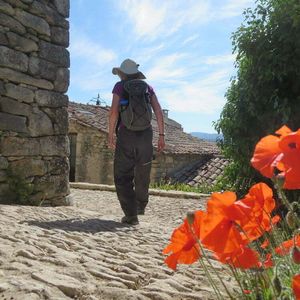
The Provence walk was definitely a moderate walk with some strenuous parts. The views and wildflowers were lovely along the way. Remember to have the picnic provided or buy food as there are limited places along the way.

Plan your Provence trip with an expert in a free 1:1 consultation.
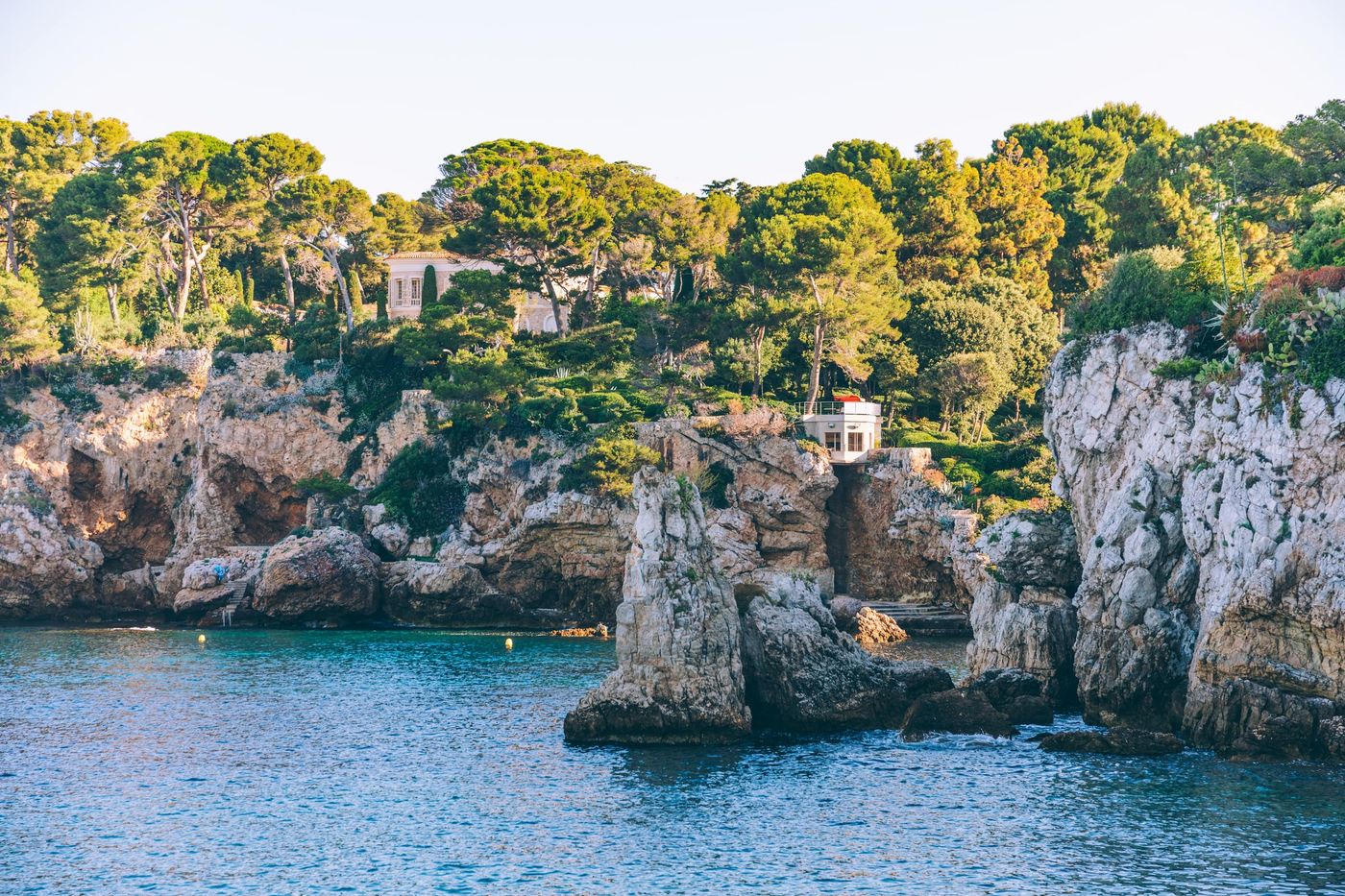
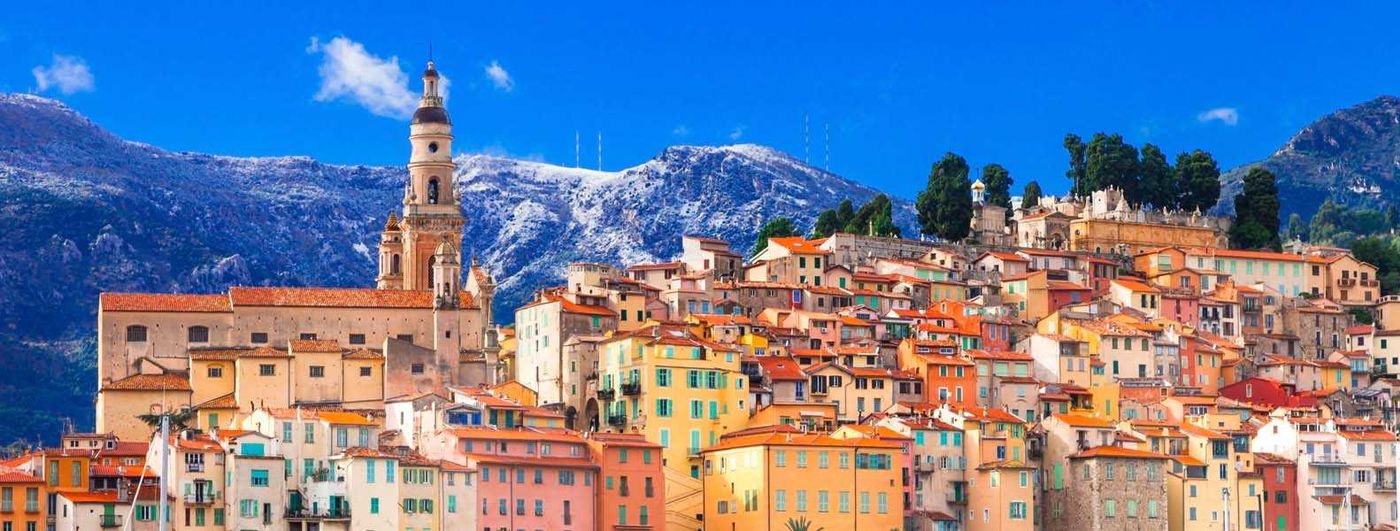
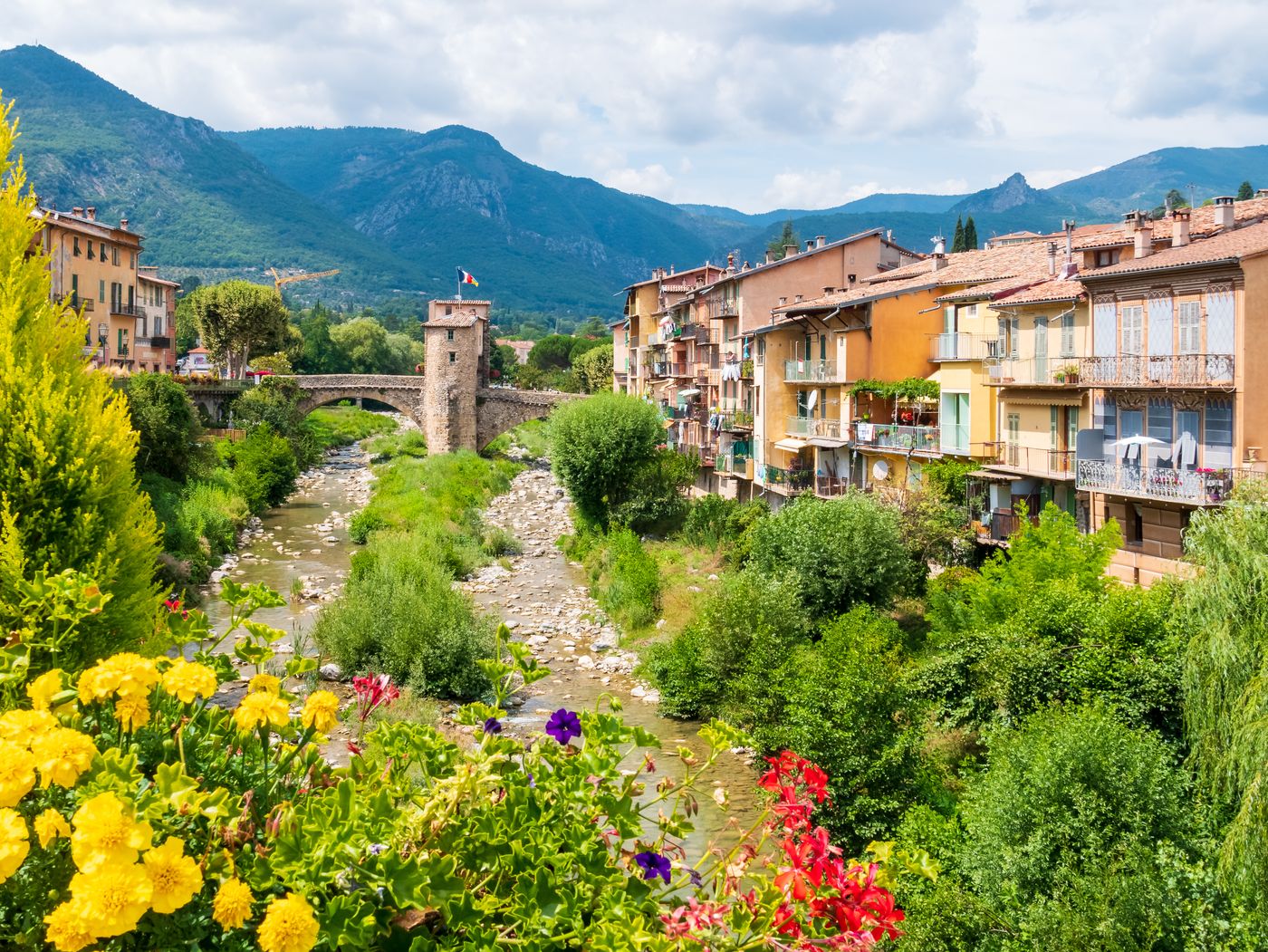
Provence is one of those rare places that looks almost exactly like its paintings. The light is extraordinary, the lavender fields are vivid, and the hilltop villages feel untouched by time. Walking here threads through the heart of it all, from ancient Roman ruins to vineyards and olive groves that connect one beautiful village to the next, and from lavender-scented hilltop villages to the glittering Mediterranean. Iconic towns like Avignon, Gordes and Isle-sur-la-Sorgue sit alongside quieter gems that most visitors never find.
This is France at its most seductive, a landscape that has inspired artists for centuries and a pace of life that makes you want to slow down and stay.
A closer look at Provence
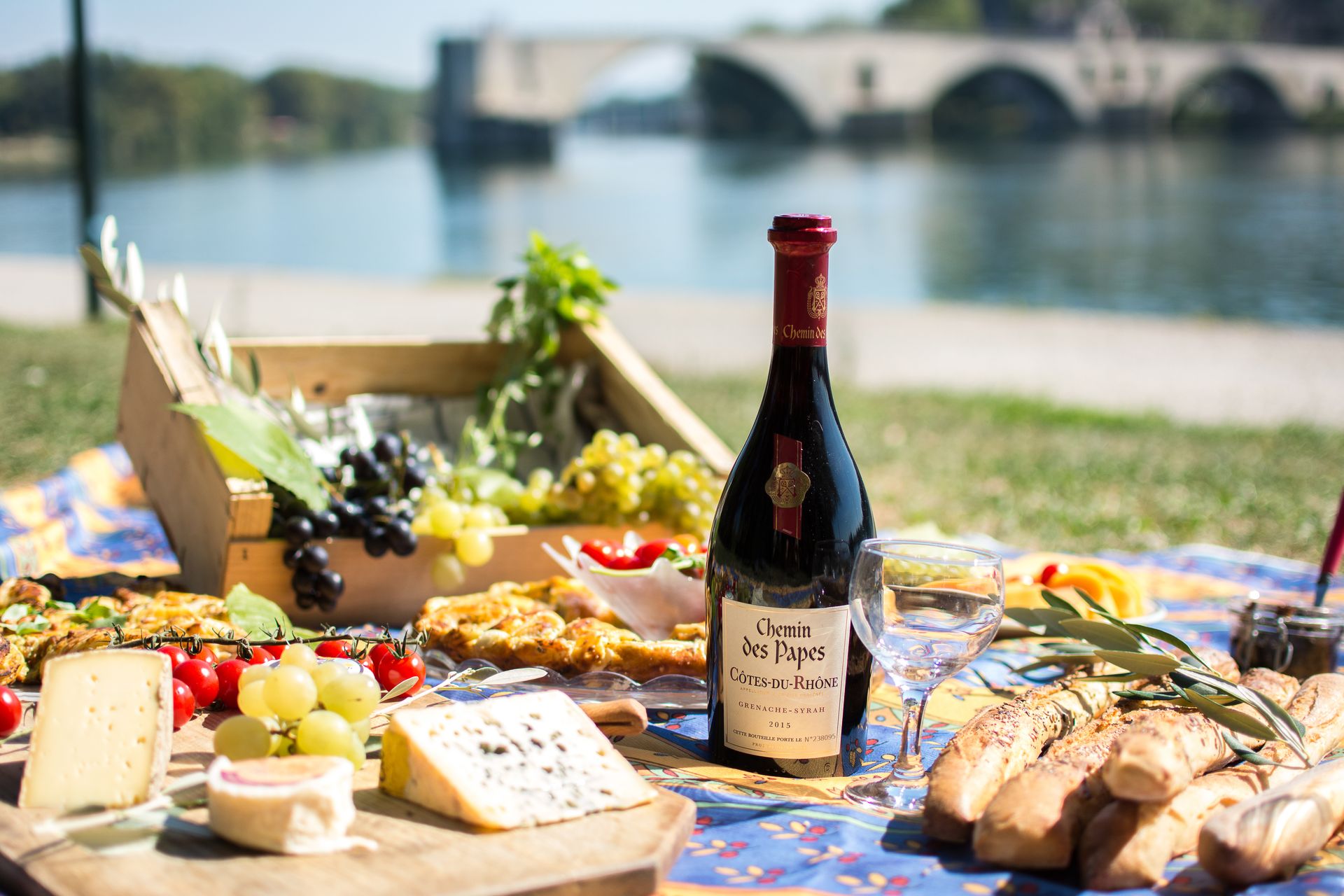
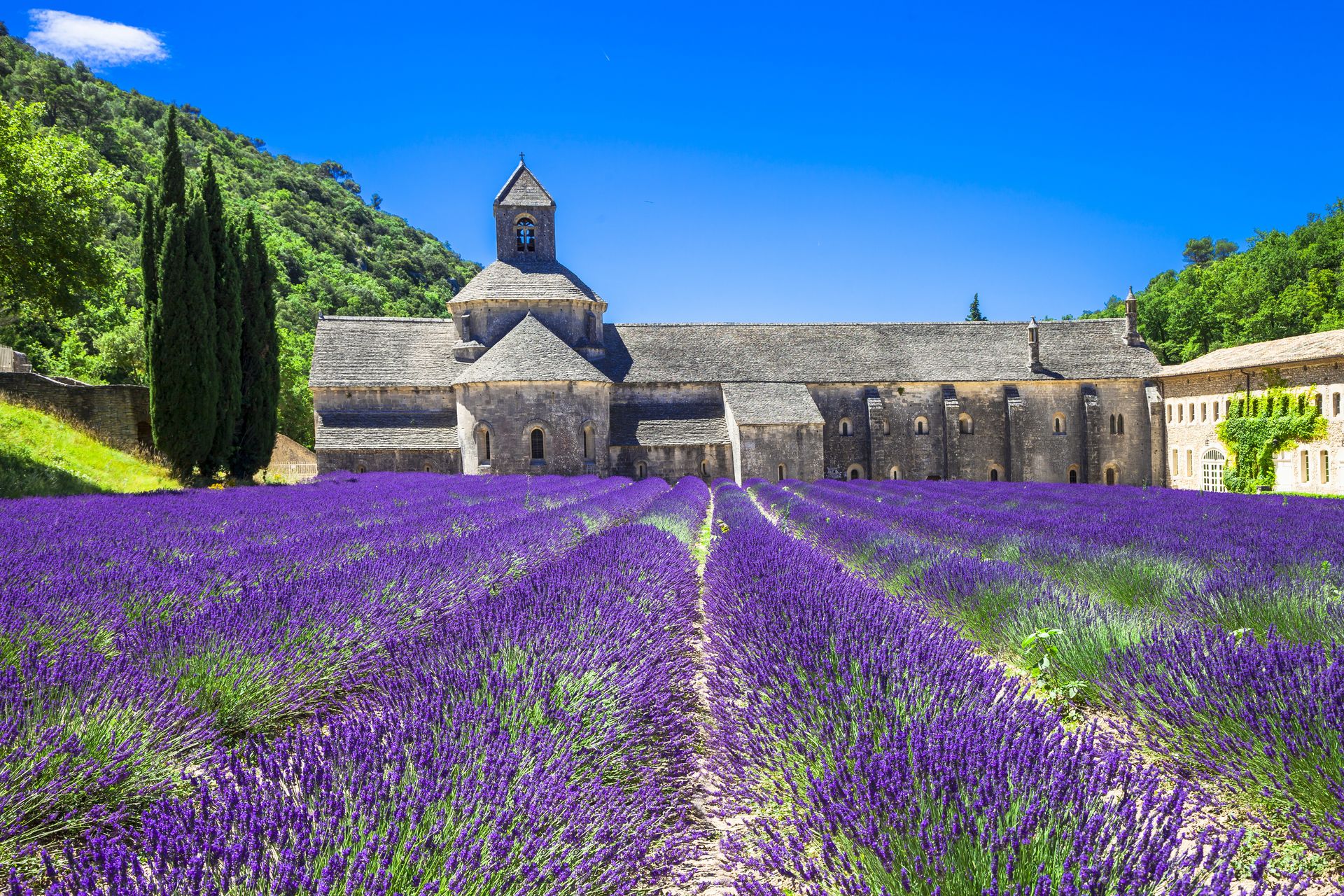
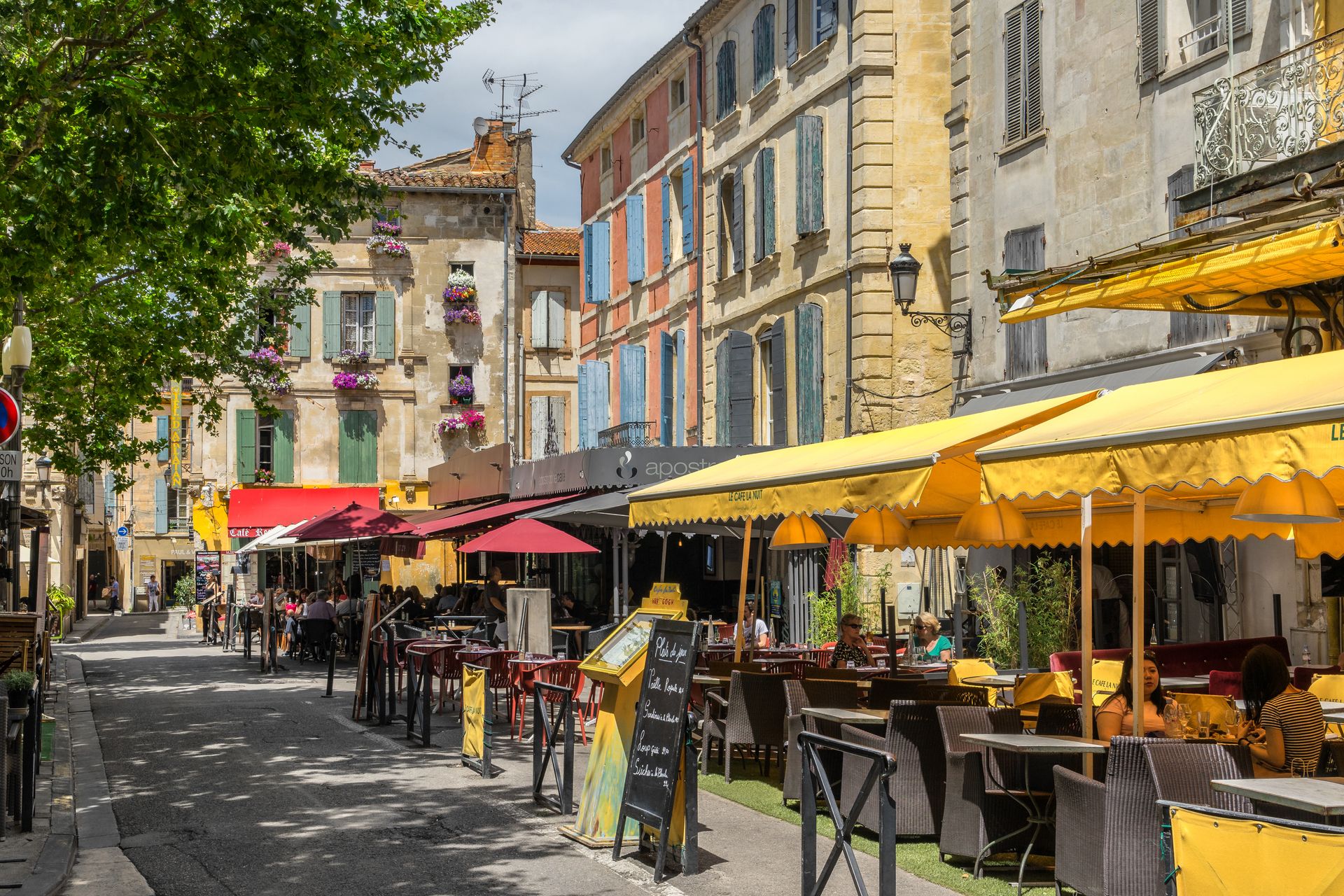
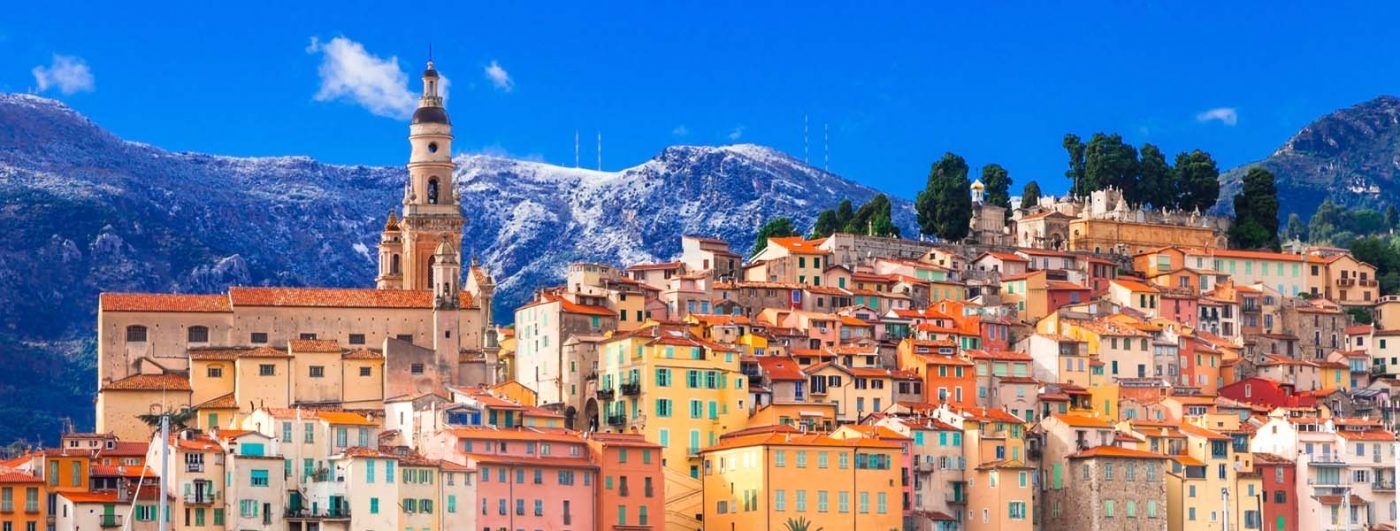
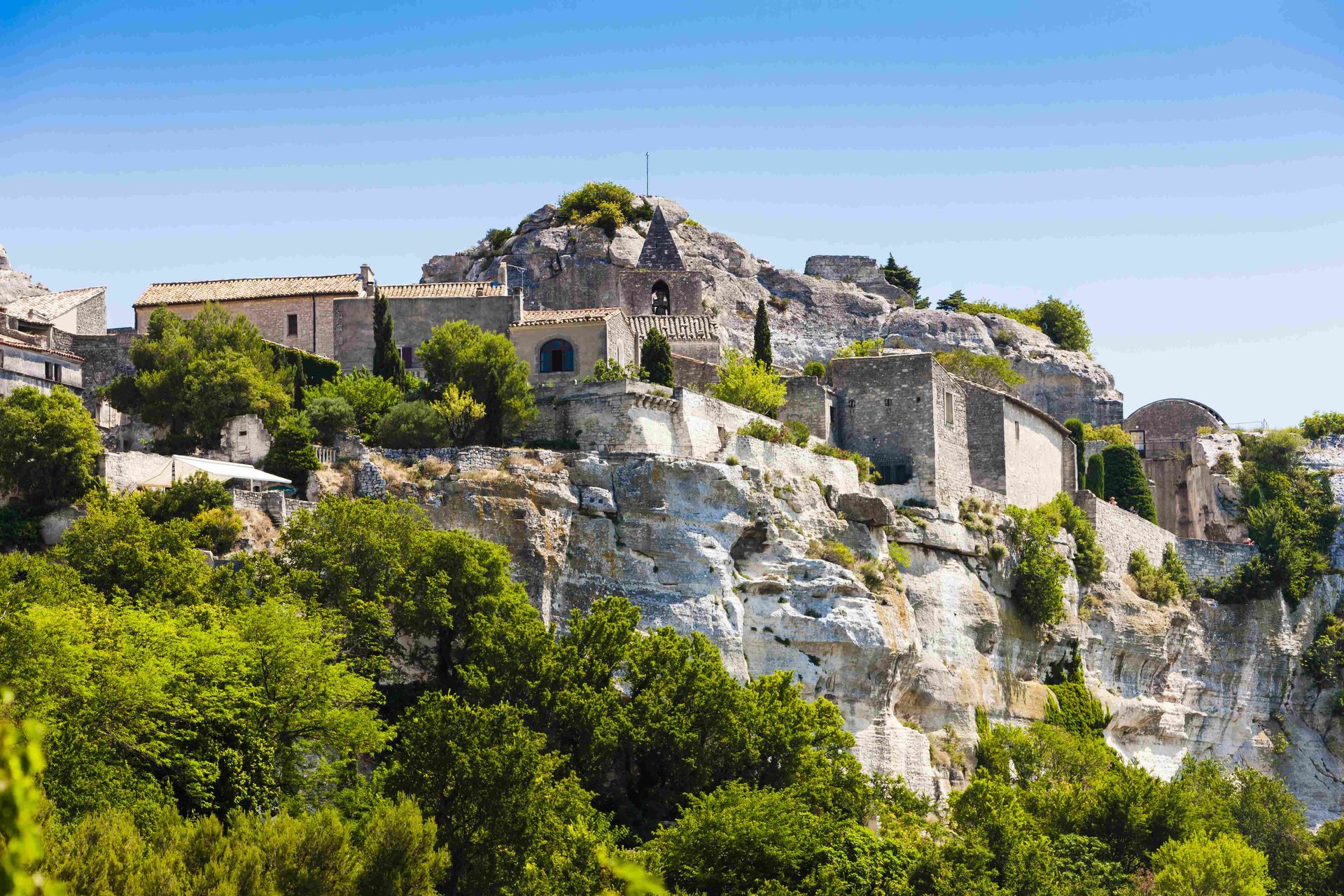
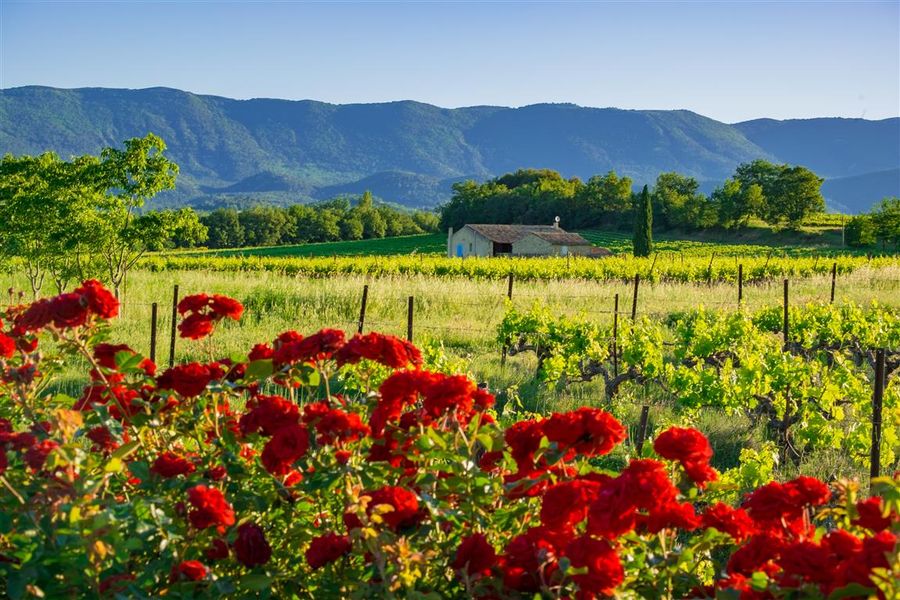
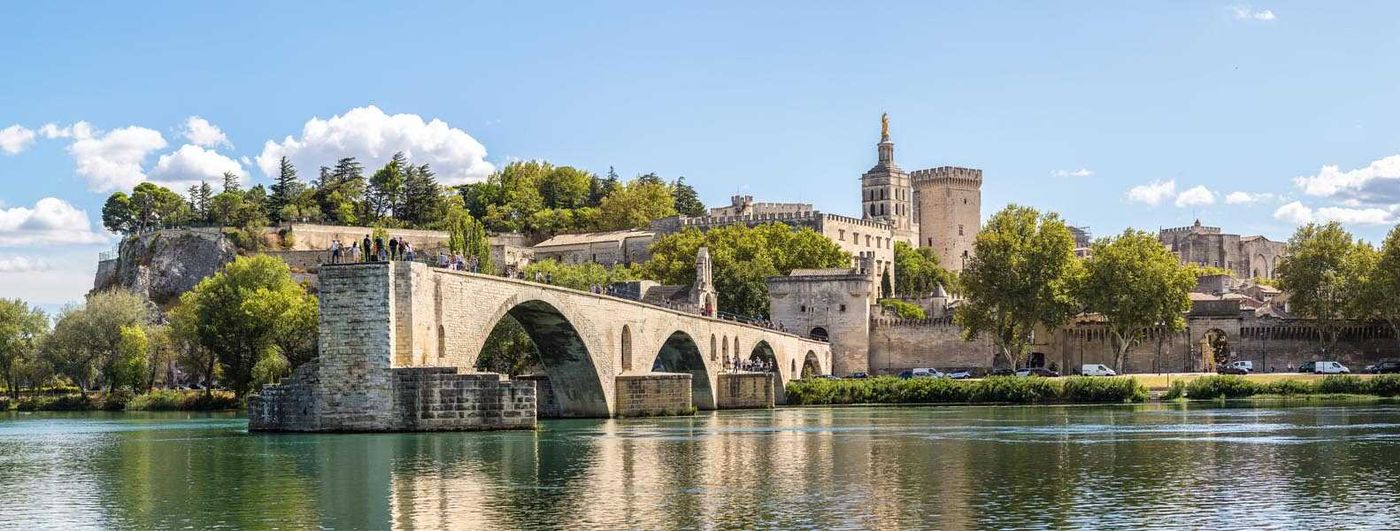
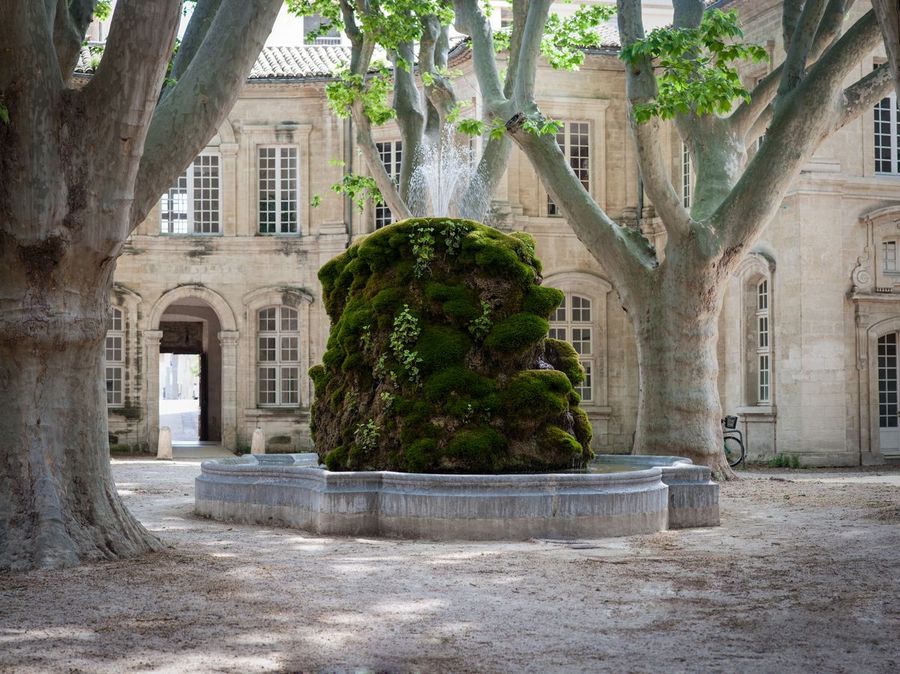
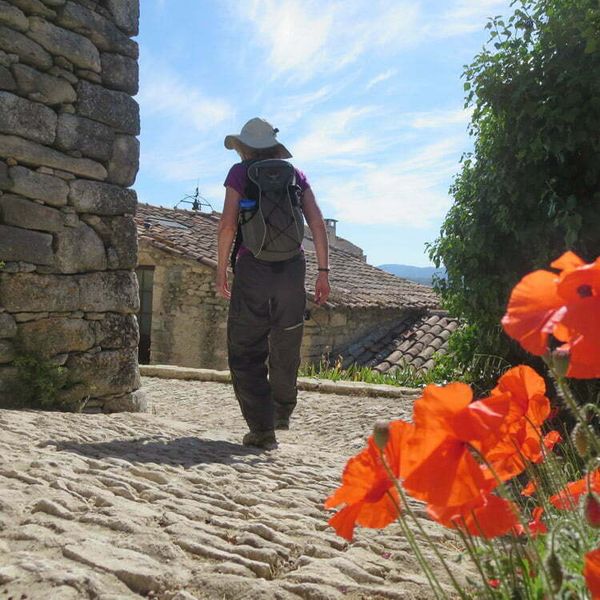
The Provence walk was definitely a moderate walk with some strenuous parts. The views and wildflowers were lovely along the way. Remember to have the picnic provided or buy food as there are limited places along the way.
Alps to the sea is a beautiful walk start to finish. Had a lovely lemon drink at Maison Gannac after crossing under the freeway. Beautiful views. Also excellent flat white coffee at Menton market.
Entire walk went extremely well. The hotels were all good - with the exception of the hotel in Apt.
The communication with Stroll is super efficient and well managed.
The entire walk went extremely well. Luggage transfers happened. The walk notes really were excellent- which is fortunate because if not, getting lost would be easy.
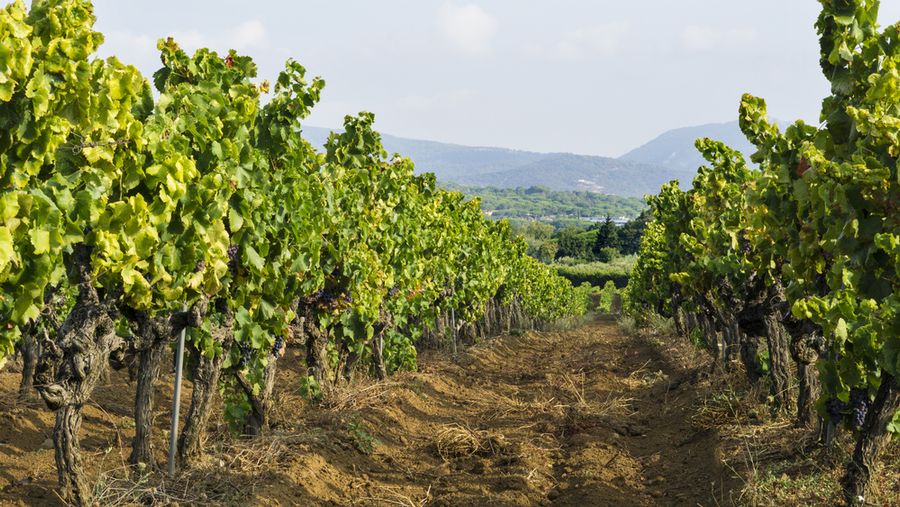
The organisational aspect of the Provence Wine trip was excellent. We thoroughly enjoyed the lovely accommodation, and appreciated the efficient collection and delivery of our main luggage. This northern part of Provence (much of which is the southern part of the Cote du Rhone) is spectacular...primarily because of the mountainous areas within it. This makes for some challenging hiking unless you are young and very fit. We were able to circumvent the tricky trails and use google maps to use the back-country roads to walk between villages to overcome our loss of youth and below par fitness. These minor roads were as equally scenic and mostly very quiet in terms of traffic. We think this trip should be rated intermediate-difficult rather than just intermediate.
Lorem ipsum dolor sit amet, consectetur adipiscing elit, sed do eiusmod tempor incididunt ut labore et dolore magna aliqua. Ut enim ad minim veniam, quis nostrud exercitation ullamco laboris nisi ut aliquip ex ea commodo consequat. Duis aute irure dolor in reprehenderit in voluptate velit esse cillum dolore eu fugiat nulla pariatur. Excepteur sint occaecat cupidatat non proident, sunt in culpa qui officia deserunt mollit anim id est laborum
A brief history on Provence
France has, in fact, a very long history according to archaeologists. The Greeks who are often credited with being here first were no doubt just one group in a long line of inhabitants that populated this area, a history that stretches back tens of thousands of years. The archaeological digs in the Provence area indicate this. However, it is the Greeks that bear the record of being the first peoples of the region. They were the first to cultivate olives and vines in the 5th century BC. They also arrived in the time when we first began to keep record, at the beginning of what we call ancient history.
The Romans arrived at the end of the 2nd century BC, basing themselves in the Aix-en-Provence. The Romans were obsessed it seemed with conquering and also with building infrastructure. What did the Romans do for Provence I hear you ask? Well, they left this place with a vast array of buildings; amphitheatres, baths, temples and of course don’t forget the aqueducts.
As we all know from our history lessons the Roman Empire fell into decline in the 5th century AD making room for a new bunch of interlopers, namely the Christians. They built abbeys and palaces masquerading as summer home for Popes. Although Châteauneuf-du-Pape, the Popes Palace, has a much longer history dating back to possibly the Roman ages
There were a cacophony of new invaders literally arriving in hordes; the Visigoths, the Ostrogoths & the Franks all took advantage of the vacuum left behind by the Romans departing. Not to mention the Arab invaders and North African pirates who were having a field day throughout the Mediterranean without the Romans to keep the peace.
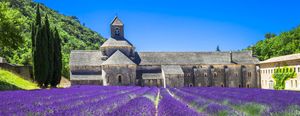
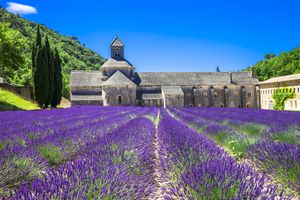
In about the 9th century things turned sour due to the infighting between the Counts of Burgundy, Barcelona and the local Counts of Provence. Provence became a hazardous place to be for about 5 centuries from the 9th to 13th Centuries. Despite this, some fantastic architecture was still built during these times. Even in the dark ages it seemed you could continue to get infrastructure to be built! The Cistercian abbeys of Thoronet, Senanque and Silvacane, were constructed in the 12th century and the Basilique St Maximin la St Baume coming later during the 13th century.
In the 14th century, the Roman Catholic Papacy moved from Rome to Avignon due to a conflict between Pope Boniface III and King Philip IV of France. When Boniface died, he was succeeded by a French Pope, Clement V. He established his version of the papal court in Avignon rather than Rome in 1309. The Papacy remained in Avignon for the next 70 years.
In the 16th century, the extremes of Catholicism and Protestantism battled it out for dominance, which resulted in a full-fledged religious war, with many villages in the Luberon being destroyed because of the religion of their inhabitants. Orange, a protestant town, was the location of gruesome bloodbaths, as was the Catholic town of Nimes. In 1593 the wars ceased with an edict of Nantes, guaranteeing the rights of Protestants. With no war, the region began to prosper. Toulon and Marseille became wealthy from shipbuilding and trade, and the rural countryside began to flourish.
The prosperity was interrupted due to the French Revolution erupting in 1789. The Royals were beheaded and massacred along with religious figureheads, creating another vacuum and disorder prevailed. Many of Provence’s finest and most lavish buildings were destroyed, and chaos ruled for 10 years. The Revolution came to an end when Napoleon Bonaparte became First Consul in 1799, and then Emperor in 1804. Stability finally returned to Provence after a brief period of the Monarchy reigning once again. The Industrial Revolution sped development up even further.
Napoleon and the prime minister of Piedmont in 1859 redrew some very old boundaries with Nice, Roquebrune Cap Martin & Menton joining France and the creation of a united Italy. For a long time, most of what was Italy was ruled by Spain. The French Riviera at this time began to gain real popularity amongst the rich and famous, and an economic boom resulted for the towns on the coast. The French Riviera was born.
However, the Riviera was nearly destroyed in the World Wars, particularly World War II. Provence and particularly the naval harbours of Marseille and Toulon were heavily bombed. In 1944 the Allied forces, that included the USA, landed near Provence and the occupation was over two weeks later. The allied forces ceded power back to the French almost immediately, and rebuilding began. That included some very poor planning decisions, which resulted in some of the concrete monstrosities that you see around the coastline today. However, the beautiful buildings dominate the landscape.
It is estimated that 34 million tourists visit Provence each year, providing 12% of the regions GDP. The other 88% is generated from domestic spend and from industries such as telecommunications, microelectronics, biotechnology, aeronautics and marine technology, multimedia, logistics and chemicals, agriculture, wine, textiles and ceramics.
Lorem ipsum dolor sit amet, consectetur adipiscing elit, sed do eiusmod tempor incididunt ut labore et dolore magna aliqua. Ut enim ad minim veniam, quis nostrud exercitation ullamco laboris nisi ut aliquip ex ea commodo consequat. Duis aute irure dolor in reprehenderit in voluptate velit esse cillum dolore eu fugiat nulla pariatur. Excepteur sint occaecat cupidatat non proident, sunt in culpa qui officia deserunt mollit anim id est laborum
Provence is the premium holiday destination for not just the French but for people worldwide. The French Riviera has some of the most expensive real estate anywhere in the world due to this. We are more interested in discovering those parts of Provence that are less walked, but equally or even more beautiful than the more frequented coastal enclaves. Provence is easy to access from anywhere in France or the world for that matter.
We can create a custom trip tailored to your preferences.
As Featured In