


-300x200.jpg)






-300x200.jpg)


-300x200.jpg)

-300x200.jpg)





















-300x200.jpg)










-300x200.jpg)






Jayne H
June 2026
Very good. Transport was well explained step by step. Everything was perfect.
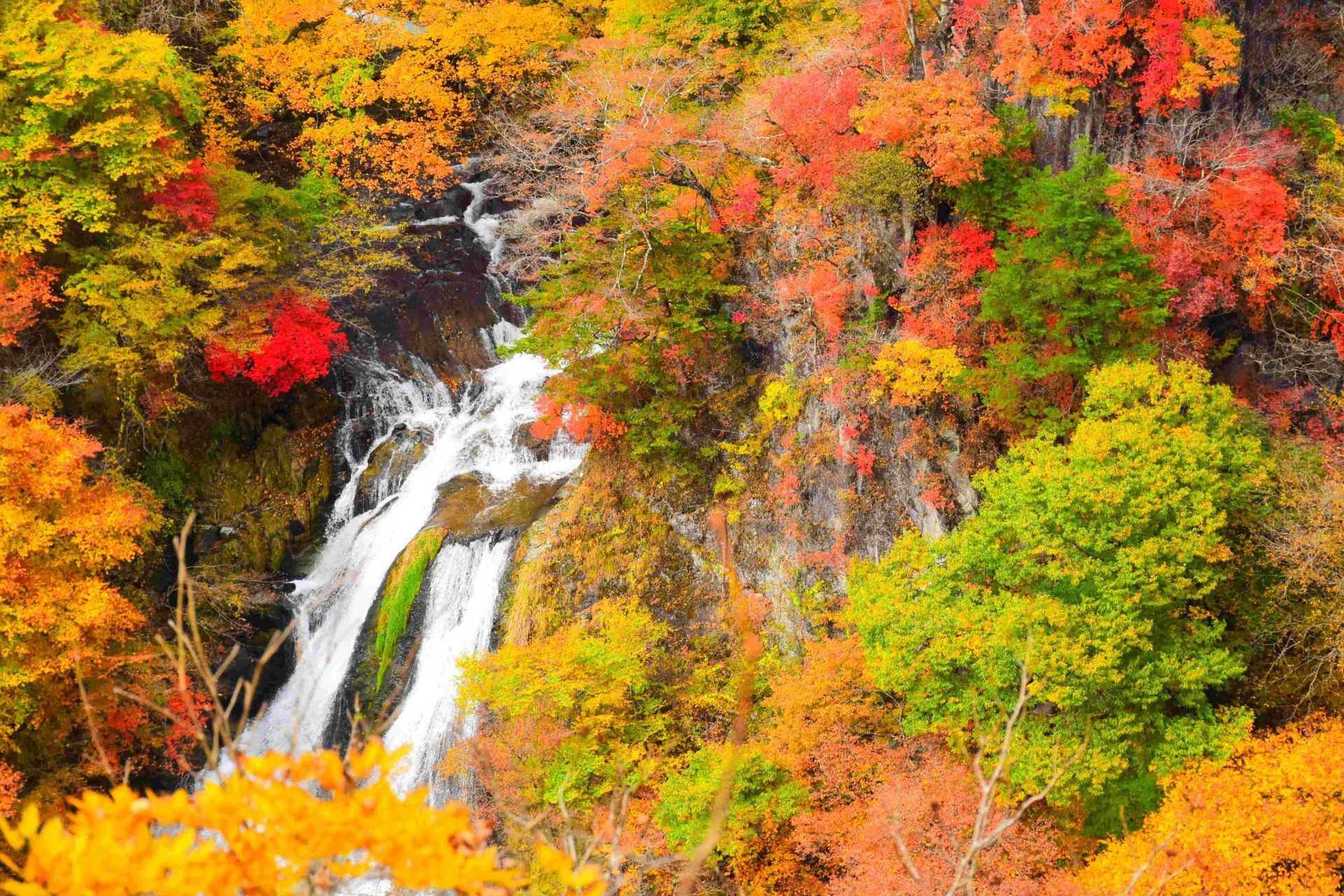
Nikko, Waterfalls and Yumoto Onsen - 4 Days

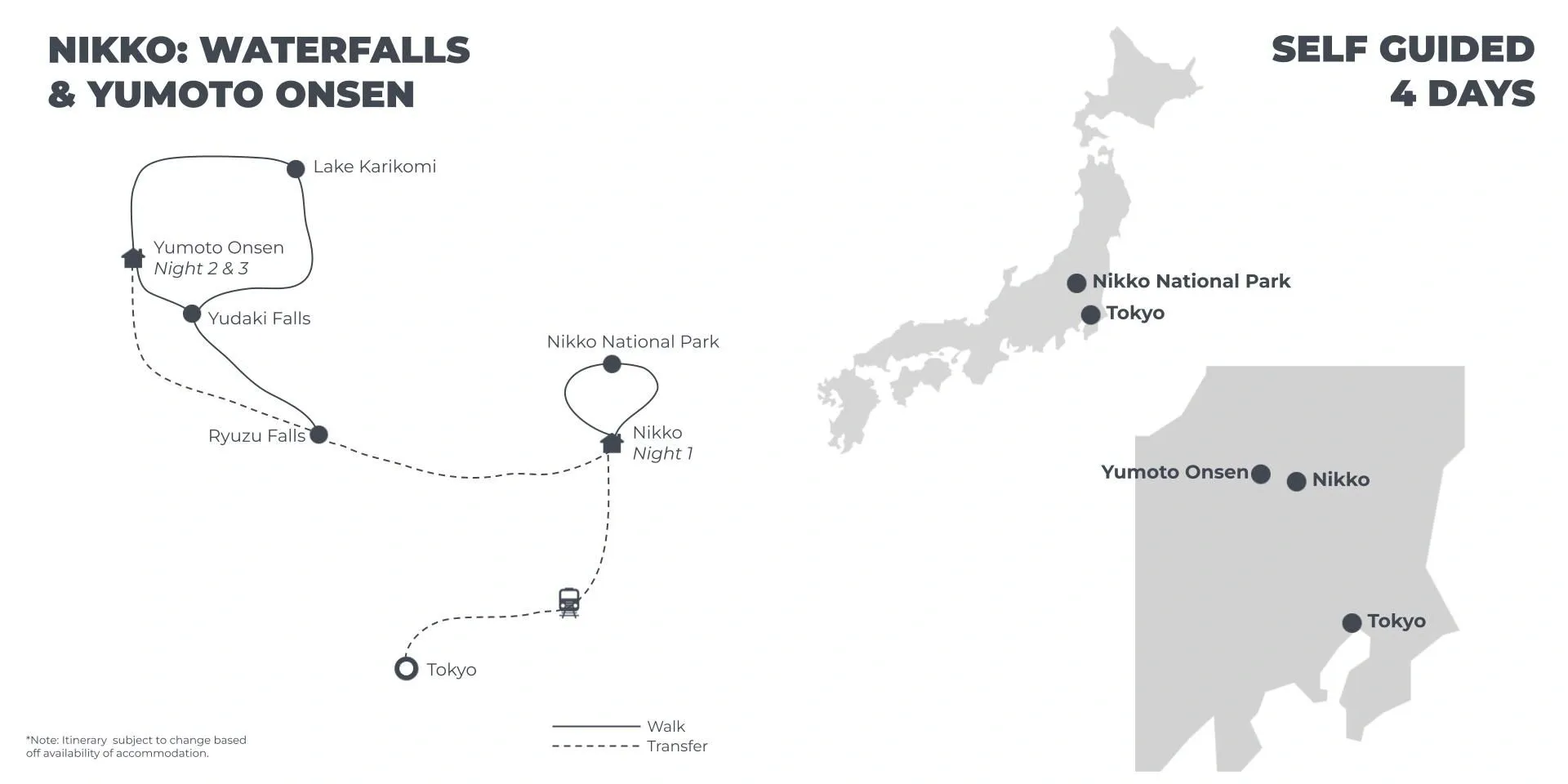
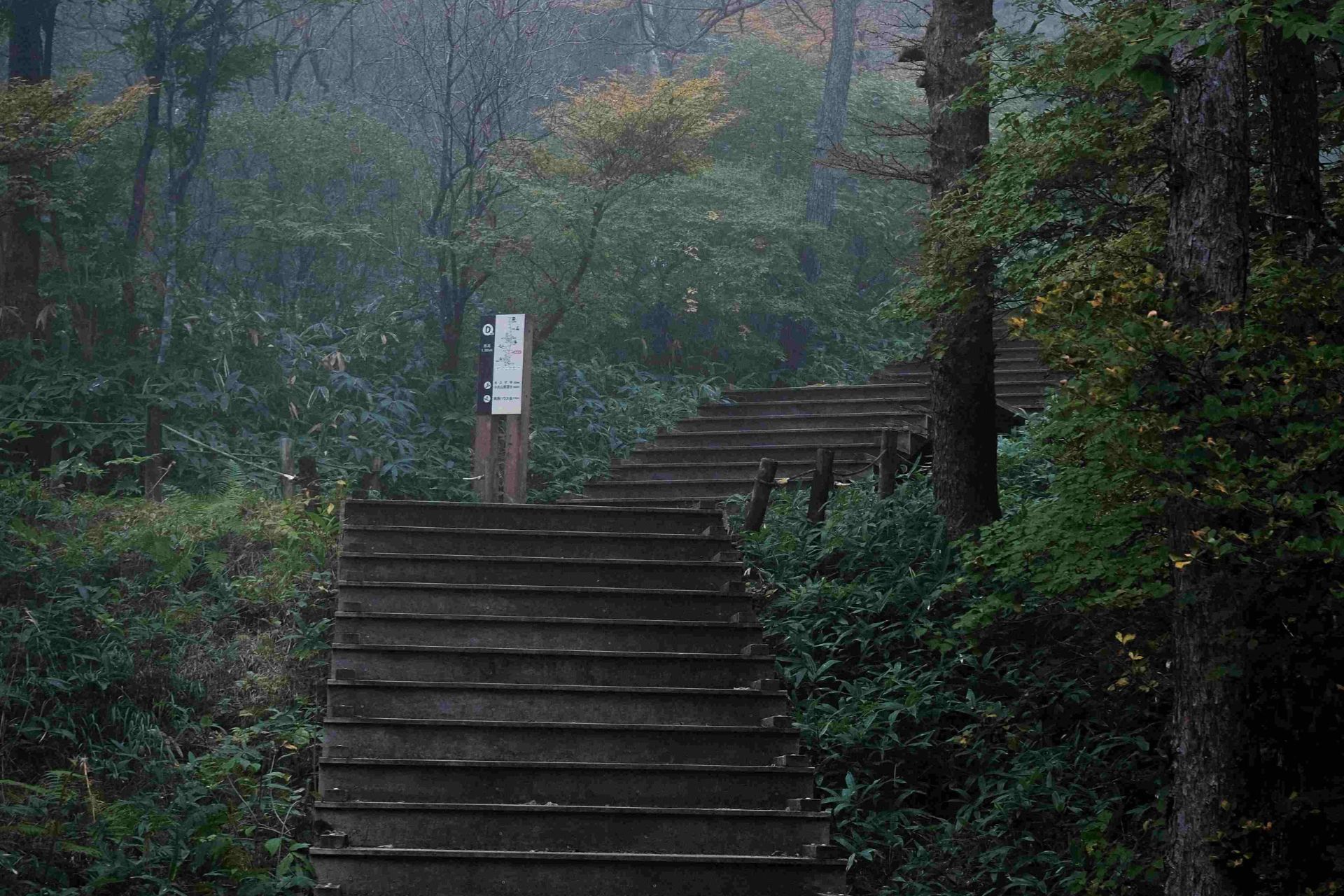
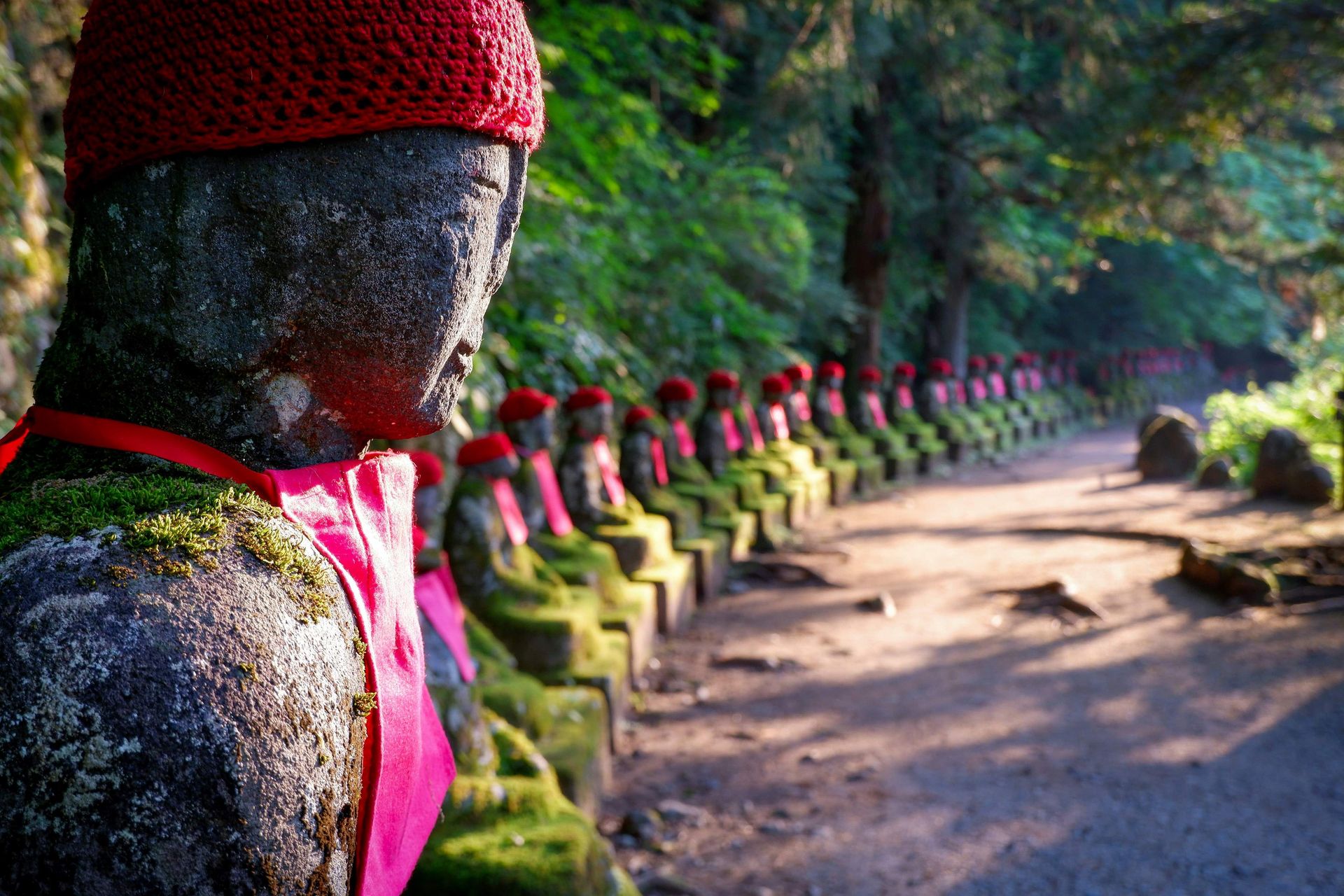
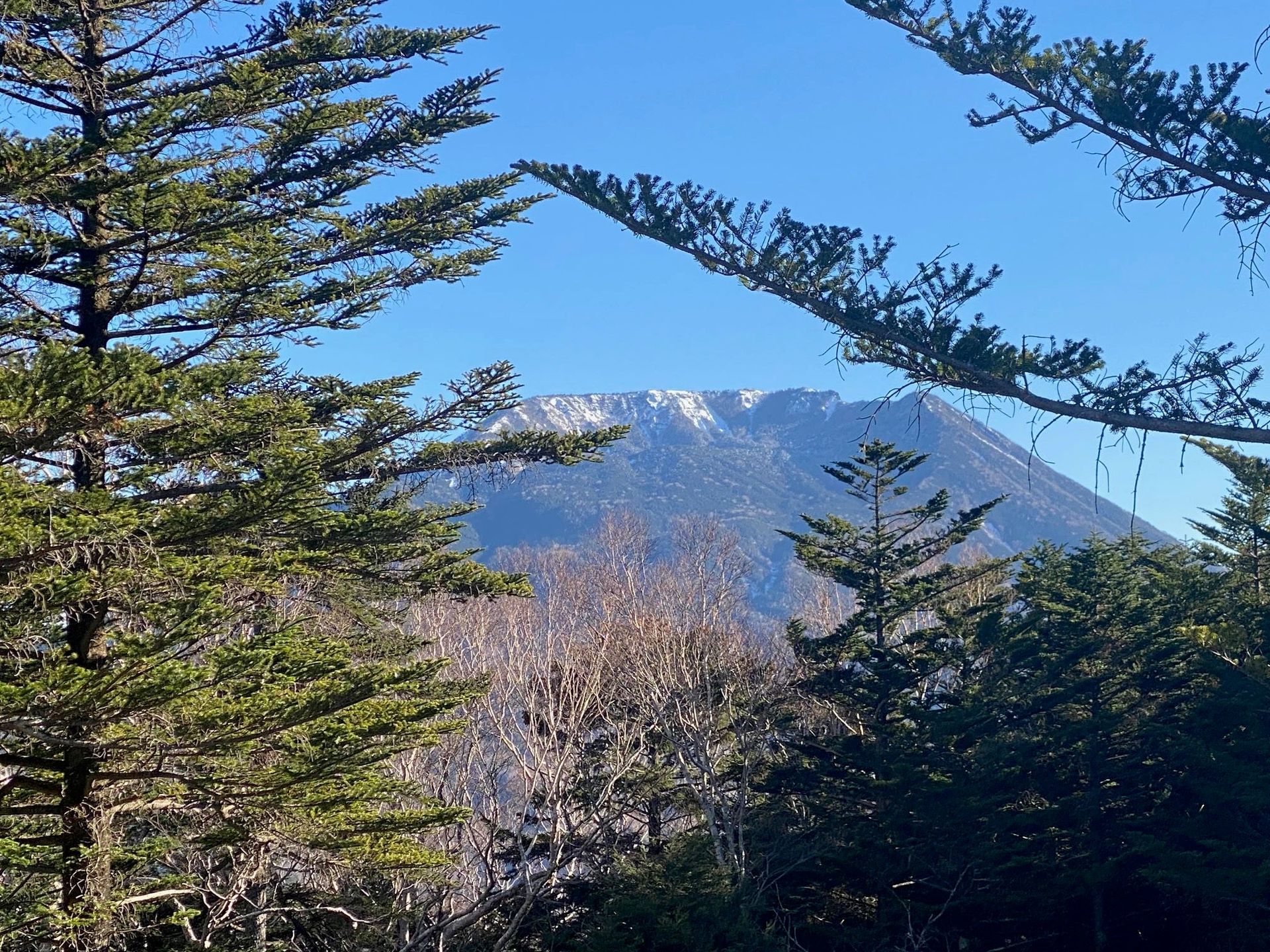
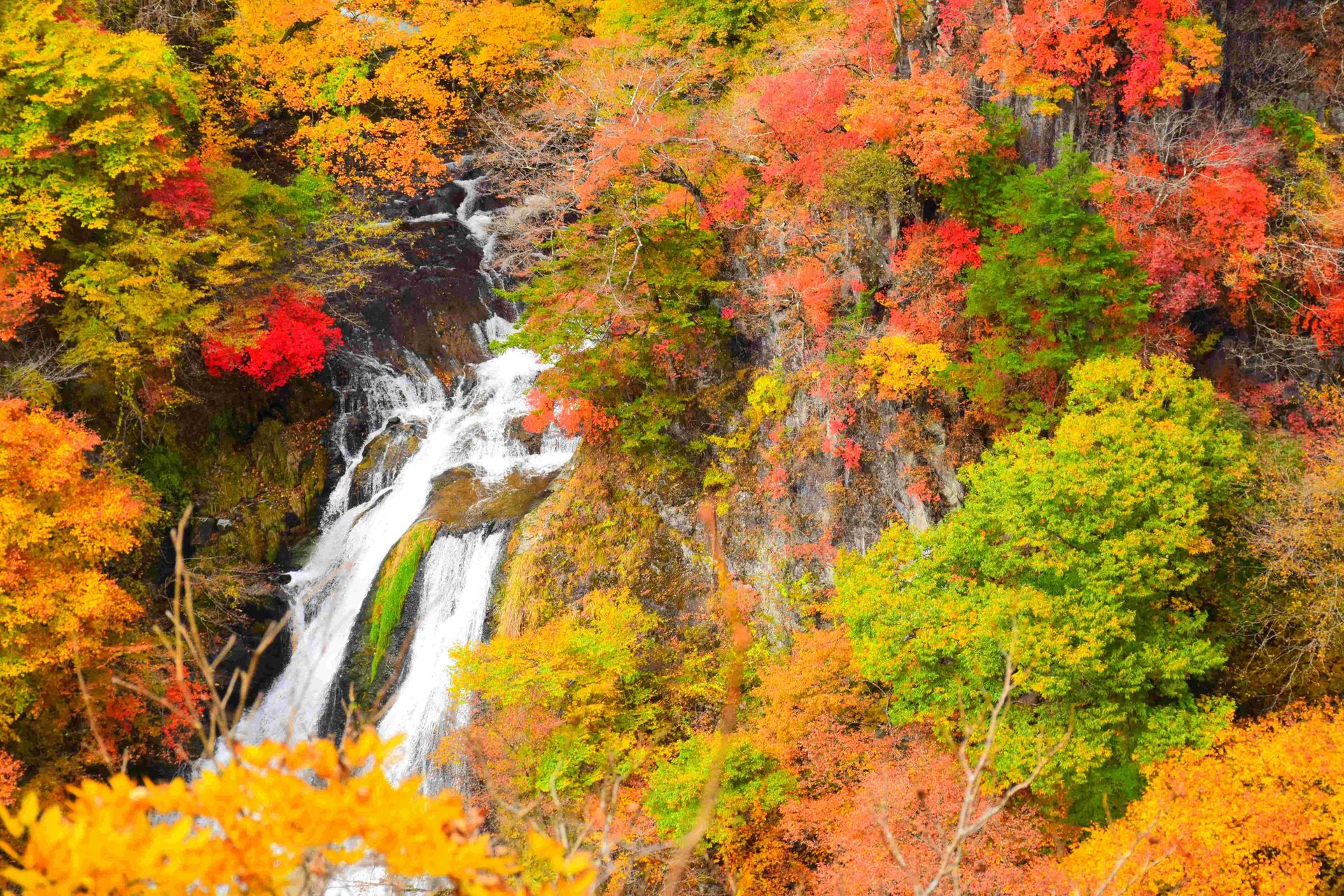
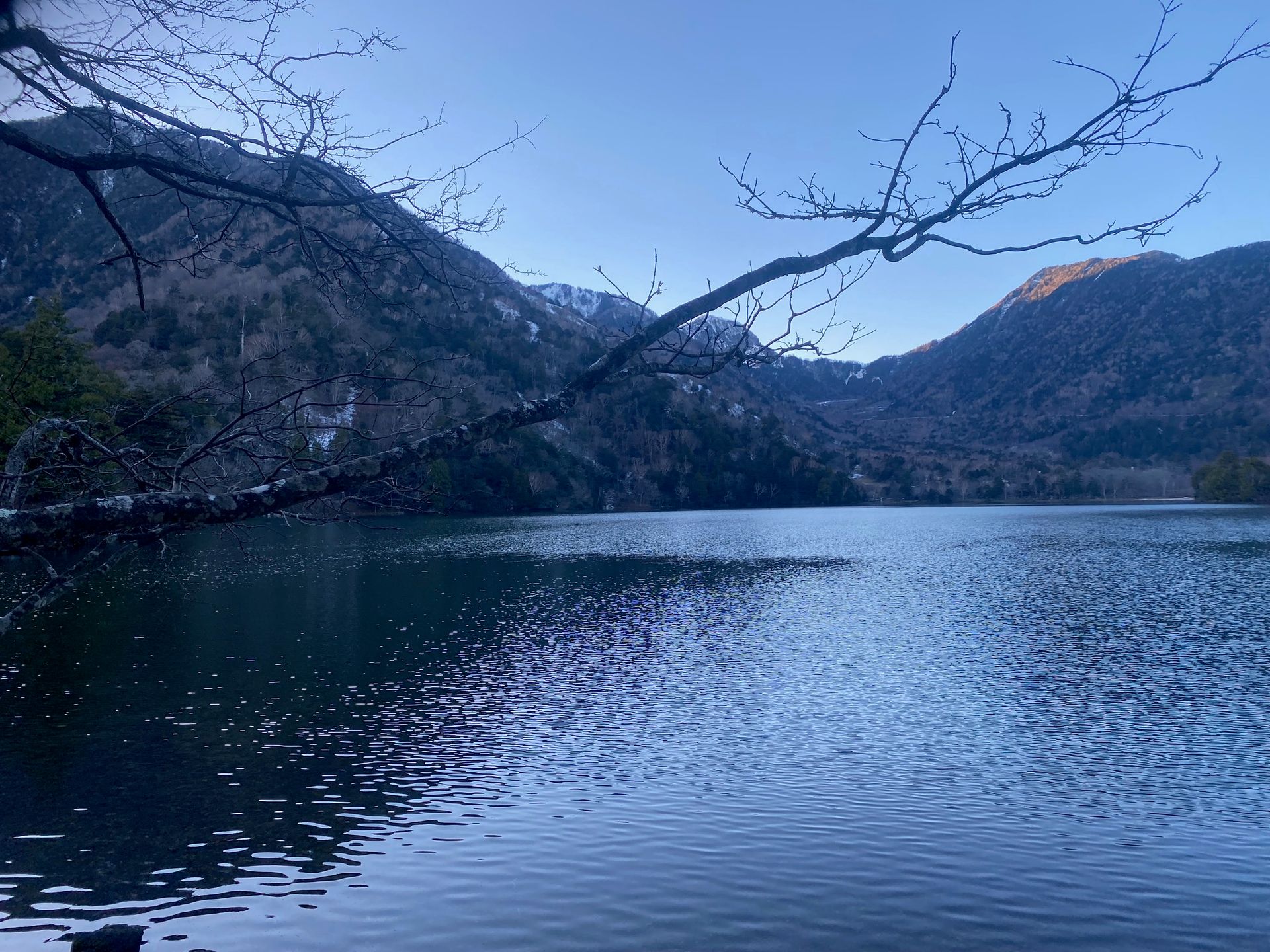
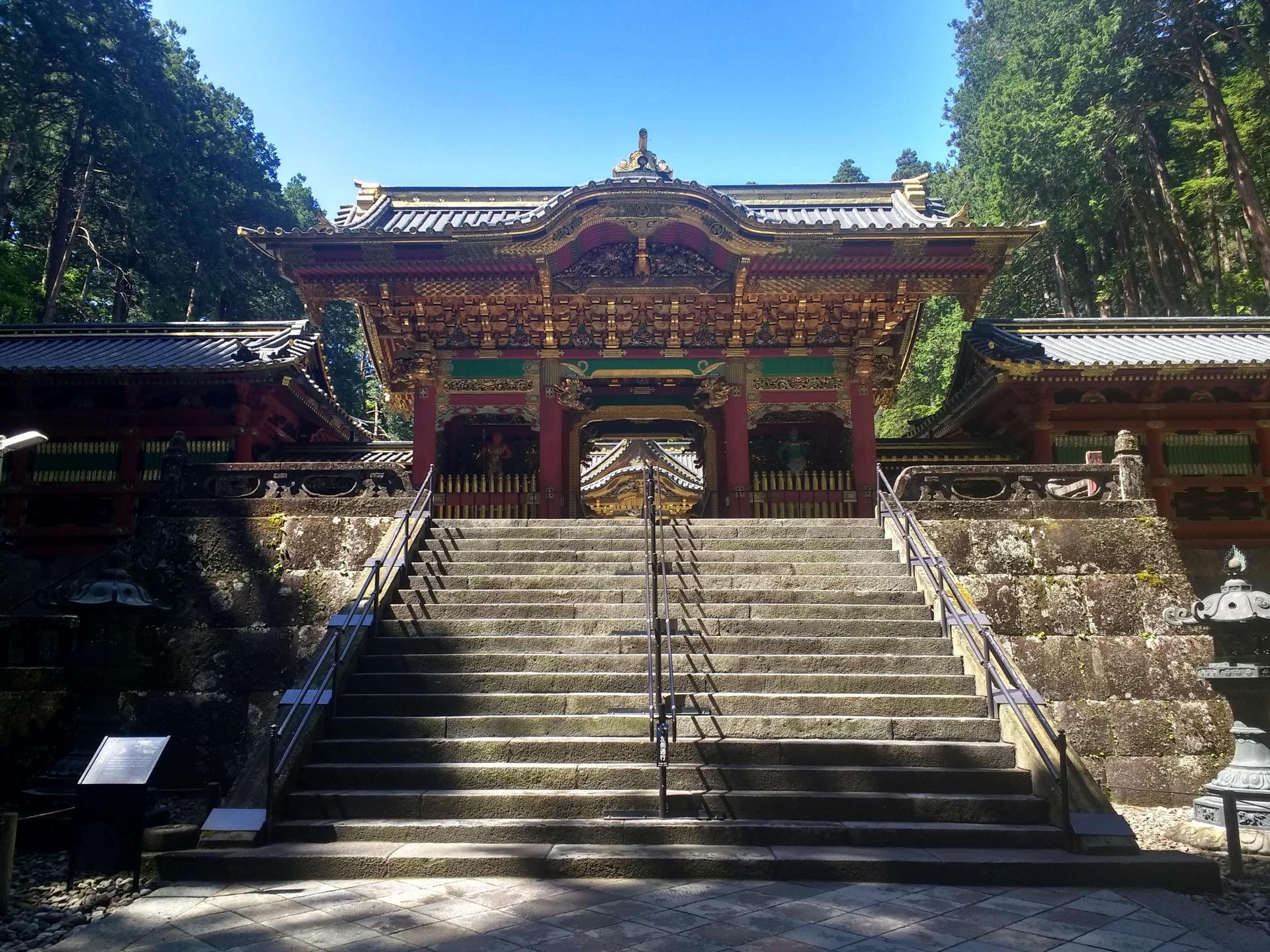
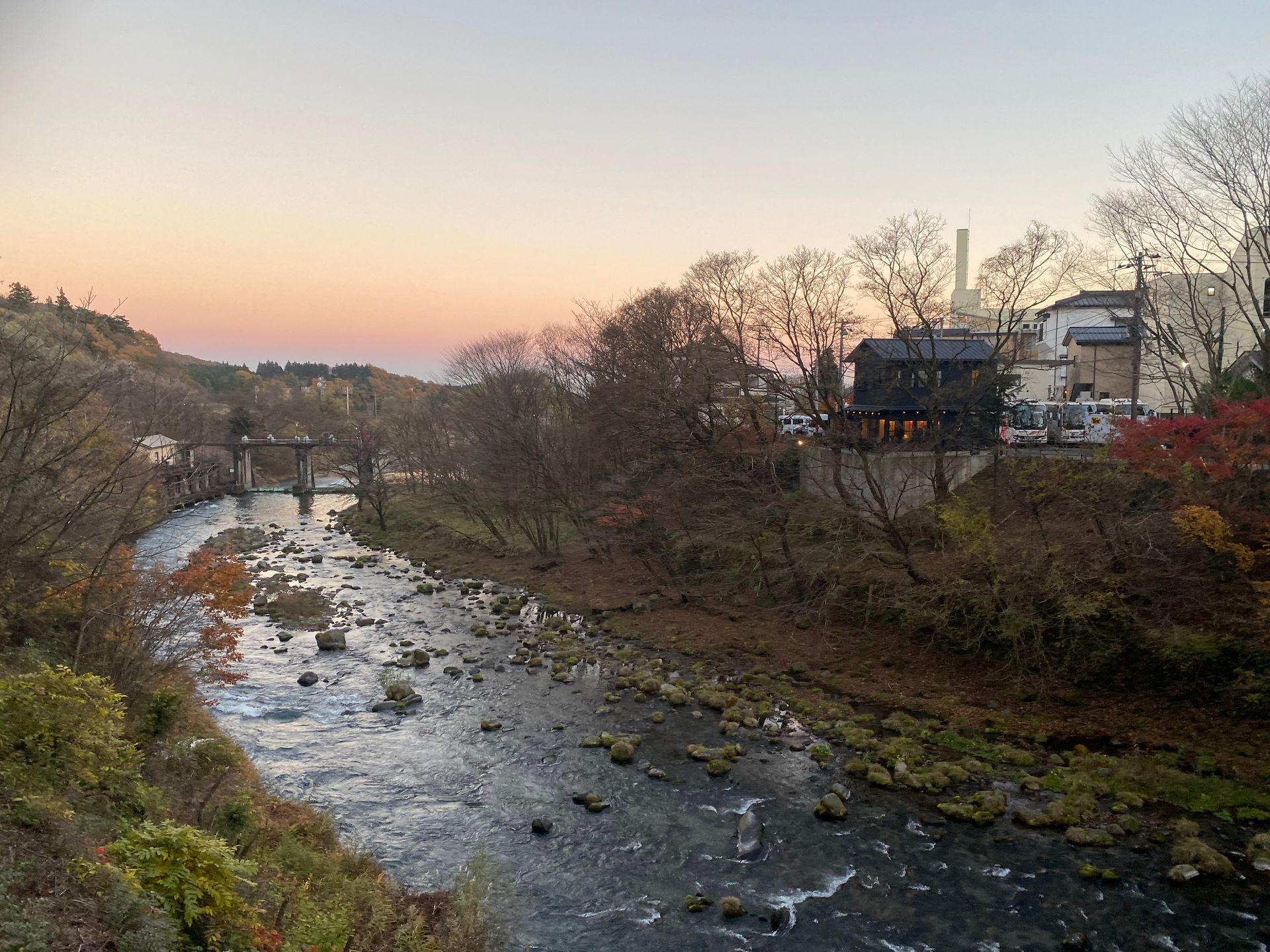
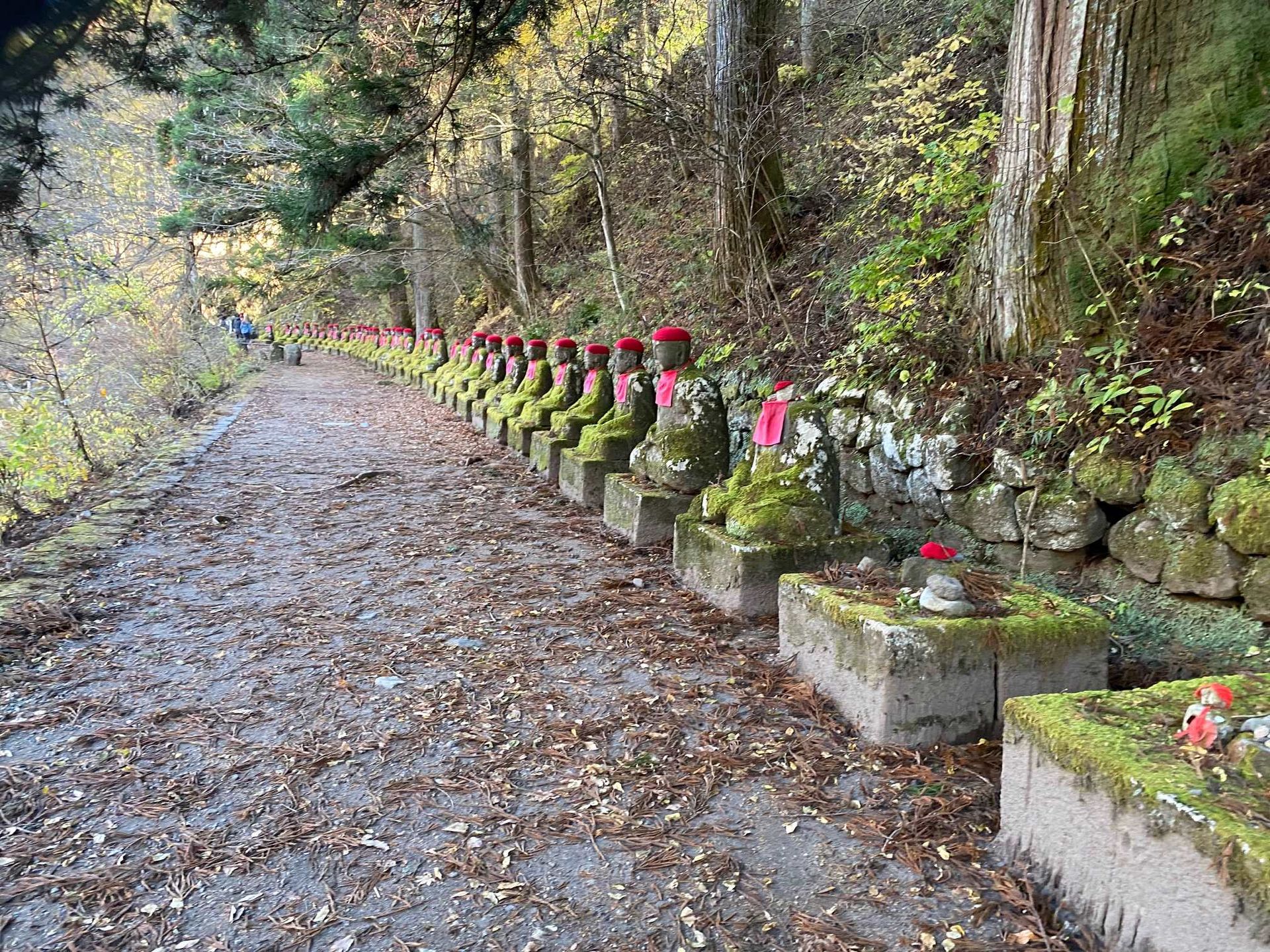
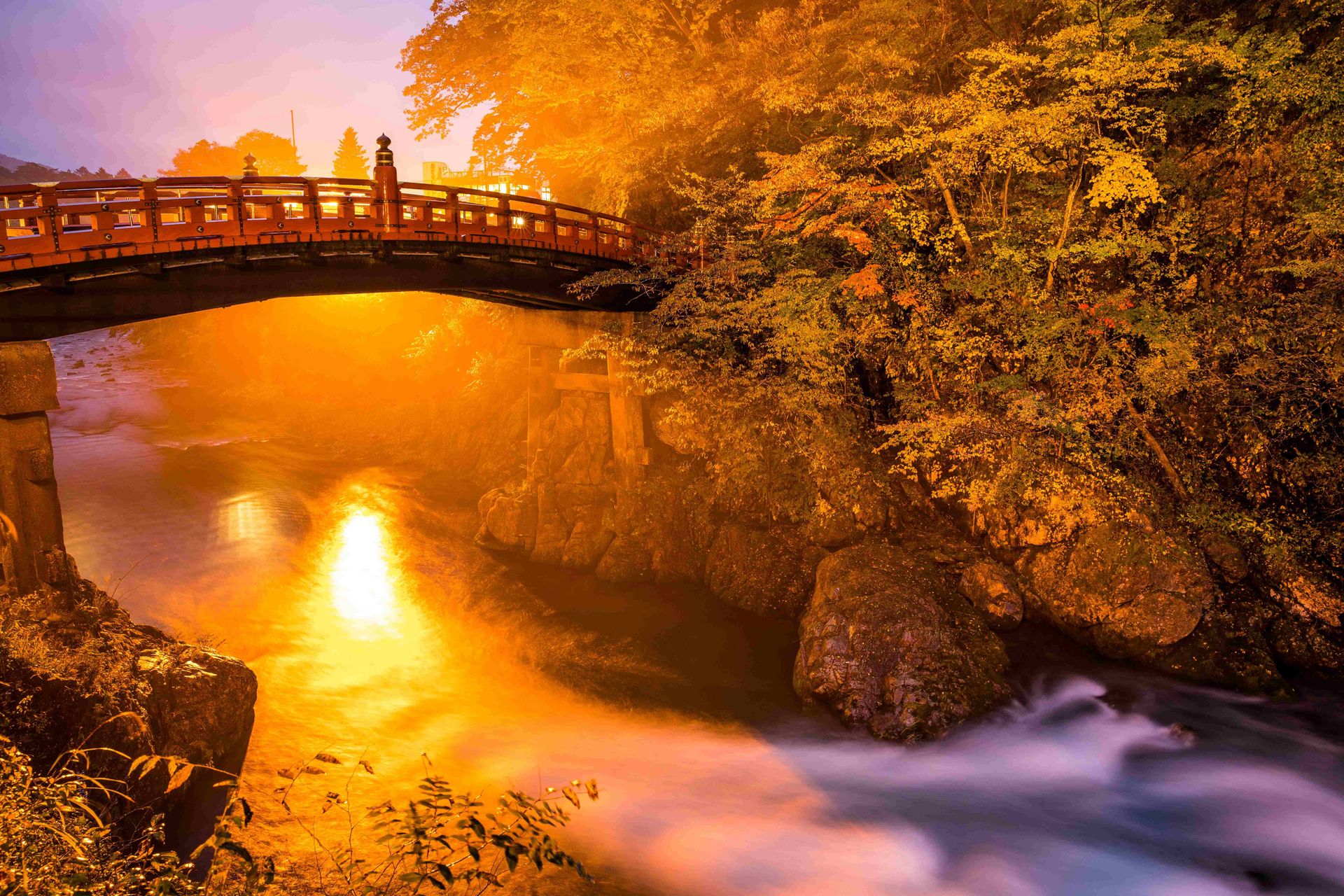
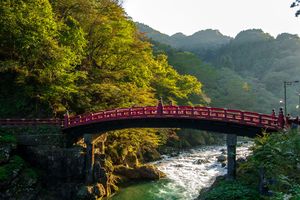
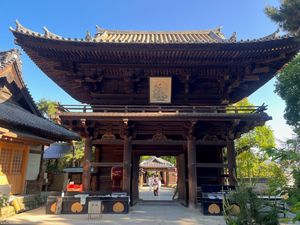
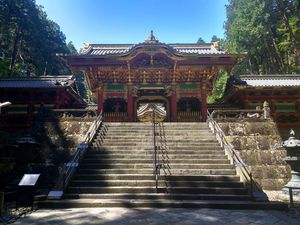
Embark on a scenic train journey from Tokyo into the captivating mountains of Tochigi Prefecture. Explore on foot the atmospheric UNESCO Nikko Toshogu Shrine and national park that now serves as the final resting place of Tokugawa Ieyasu. Nikko not only offers a rich historical and cultural experience but is also celebrated for its diverse and breathtaking natural beauty.
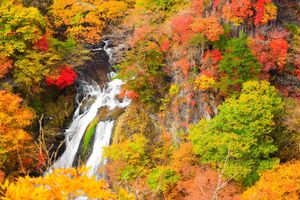
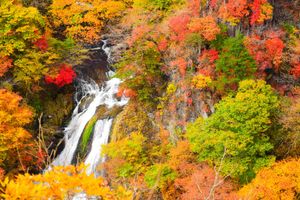
Following the exploration of the central area you will venture deeper into the diverse landscapes of Nikko’s Oku (“inner”) region. Here, you can relish invigorating hikes through lush marshlands, via Yudaki waterfall that leads to Nikko Yumoto Onsen, a charming hot spring village with cosy inns. You spend an additional two days immersing yourself in the stunning surroundings.
Highlights
Loading overview…
3-star Hotel / Ryokan (3 nights)
3 breakfasts, and 3 dinners
Stroll Walking Grade
Easy to Moderate
Rated by our team — we walk every route before we recommend it.
Mostly flat terrain with some gentle inclines. Suitable for anyone with basic fitness who enjoys walking.
View Fitness Guide4
Days on the trail
7-14 km
Daily distance range
312-622 m
Daily ascent range
5/10
Trail difficulty
Nights in Nikko are spent in ryokans and / or hotels depending on availability.
Ryokans are Japanese guesthouses ranging from beautifully preserved historic wooden buildings to more contemporary hybrid styles. Rooms feature tatami mat floors, shoji sliding doors and futon sleeping, creating an atmosphere of quiet, understated elegance. Few rooms have Western-style beds, and ensuites are not always standard — but the heated toilet seats are a welcome touch of luxury. The pride of most ryokans is the bathing area, and many in Nikko are fed by natural onsen hot springs. After a day traversing the sacred mountain trails, soaking in steaming communal pools is the perfect way to end the day.
Meals reflect the character of the accommodations themselves. Most nights, dinner is a home-cooked affair using local ingredients. At larger ryokans, this may be a multi-course kaiseki spread or buffet, while more remote stays are accompanied by a carefully prepared bento box. Breakfasts are also included each morning.
Japan has three major national holiday periods when domestic travel peaks and accommodation costs rise significantly — in some cases by 30% or more. We recommend avoiding these dates where possible:
Golden Week: Usually between 29 April & 05 May
Obon Period: Mid-August (Between 10th & 20th)
Silver Week: Usually between 18 & 26 September
Koyo Season (autumn colours): October & November, weather dependent
This walk starts and ends in Tokyo. Nikko is a 2-3-hour train trip from Tokyo.
By Air: By far, the best option is to fly into Tokyo and take the train to Nikko. Return back to to Tokyo via train.
By rail and bus: Japan has one of the best train systems in the world, so it’s very easy to catch a train to any destination in the country. An express train is the fastest way to travel to the area. Travelling in Japan on trains is a seamless experience, and it is not always necessary to pre-purchase tickets. There are plenty of rail staff who speak English well enough to direct you the right way and to converse with you about how to buy your ticket. We can provide more information if you wish, so please ask one of our destination consultants.
You will find the following website Japan Transit Planner really useful for catching trains in Japan. You can search train and bus timetables, departure and arrival stations, times and prices.
This walk is available from April to October. Spring and autumn are the most popular times - cherry blossoms in April and May and the vivid autumn colours of October make for spectacular walking conditions. While the temperatures increase during April, there is still the chance of some snow on the trail. Summer is warm and pleasant, while November through to February brings cold temperatures and potential snow, making the walk unavailable during this period.
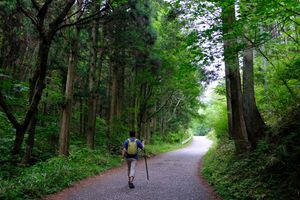
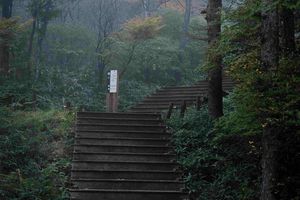
The daily distances average around 12km and four to six hours of walking. The paths are well-maintained throughout, with some reasonable elevation gains at the start of most days. The route passes a remarkable concentration of temples and shrines, and for much of the way you are sheltered under a dense forest canopy — making for pleasant walking conditions in most weather. Options to extend each day's walking are available for those wanting to push further. .
You must hold adequate travel insurance for your trip, including cover for personal liability and accidental injury and illness. For all trips involving international travel, your policy must also include emergency medical treatment, evacuation and repatriation cover. We strongly recommend your policy also covers trip cancellation and curtailment, and loss of or damage to luggage.
A cancellation fee usually applies if you cancel after your booking is confirmed. Travel insurance with cancellation cover will generally cover this fee, so it's worth arranging your policy at the time of booking.
Full insurance requirements are set out in our booking terms and conditions.
A detailed information pack and itinerary will be sent to you around six weeks before departure, covering everything you need to know for a seamless experience. In the meantime, our team is always on hand to answer any questions.
On day two, your luggage will need to be dropped at the train station after 9am for delivery to your next hotel the same day. This transfer cannot be pre-booked or pre-paid on your behalf, so payment is made directly on the day — approximately $20 per 20kg. The process is straightforward and full instructions are included in your walk notes.
For your safety and well-being, we are unable to accept bookings for solo walkers on this itinerary. The remote nature of some tracks and limited mobile reception mean that walking alone presents a higher risk in case of emergencies.
Pick any available date — this is your trip, your schedule
Prices shown are per person, twin/double share basis.
Very good. Transport was well explained step by step. Everything was perfect.
It was a reasonably complex journey from Tokyo to Nikko and this was well communicated in a step by step process. Walking routes and notes were excellent. Entire walk went extremely well.
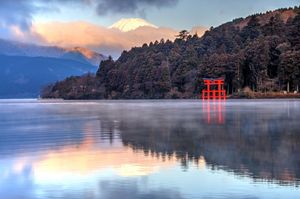
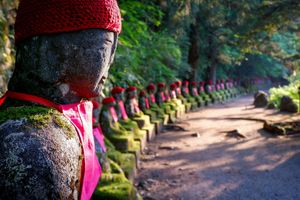
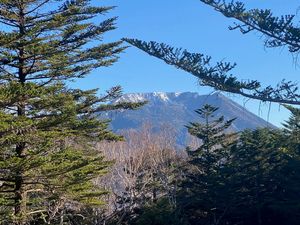
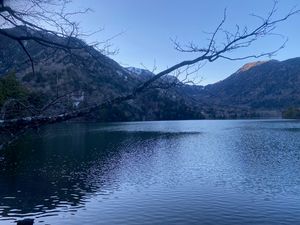
Walking the shrines with devout Japanese in Nikko was interesting. Birdwatchers, forest-bathers and wetland enthusiasts (we are all three!) would love the walk on the second day between the waterfalls. The mountains and lake at the end were all that I dreamed Japan would be.