


-300x200.jpg)







-300x200.jpg)


-300x200.jpg)

-300x200.jpg)



















-300x200.jpg)











-300x200.jpg)









Faye S
June 2026
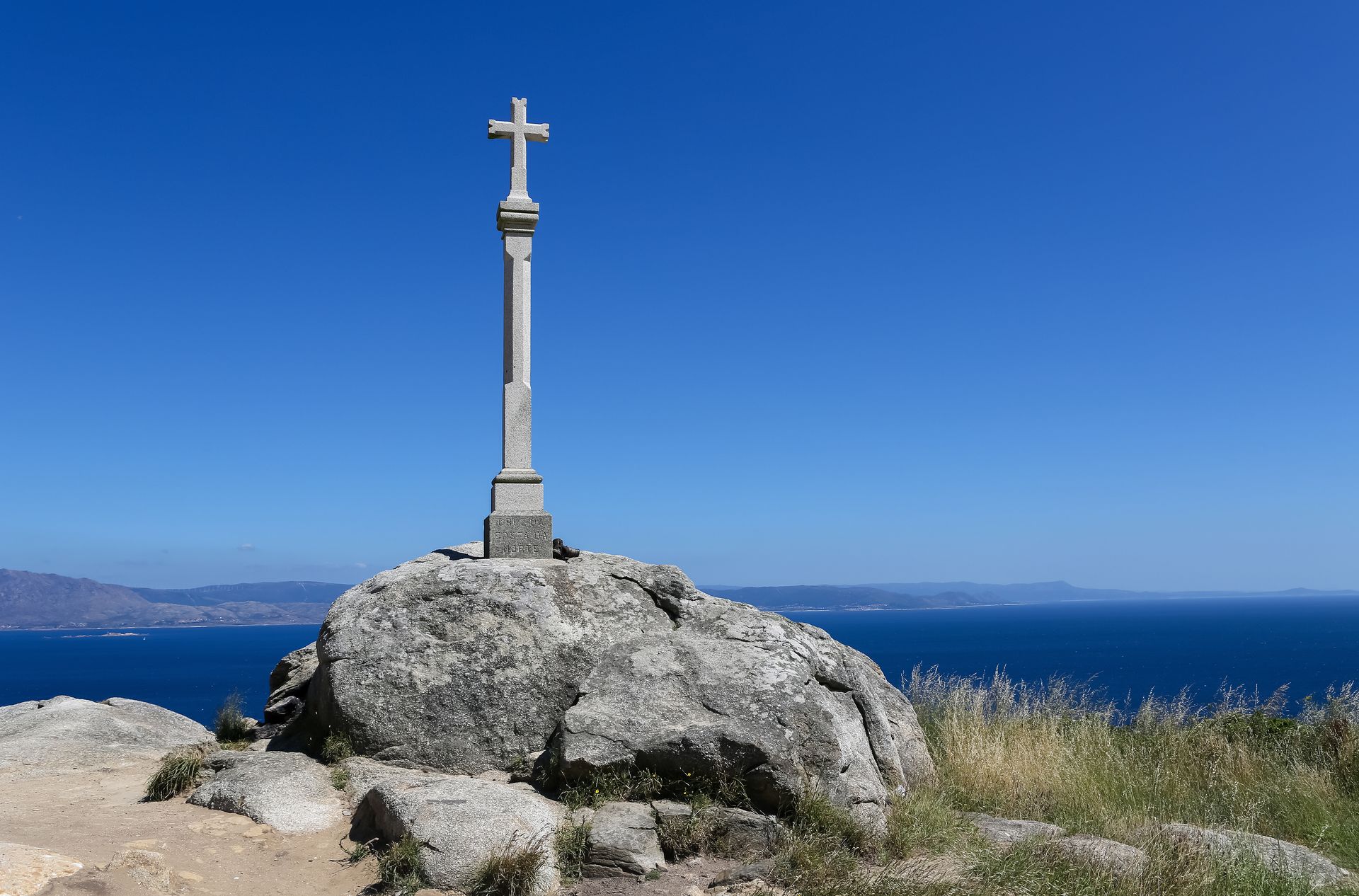
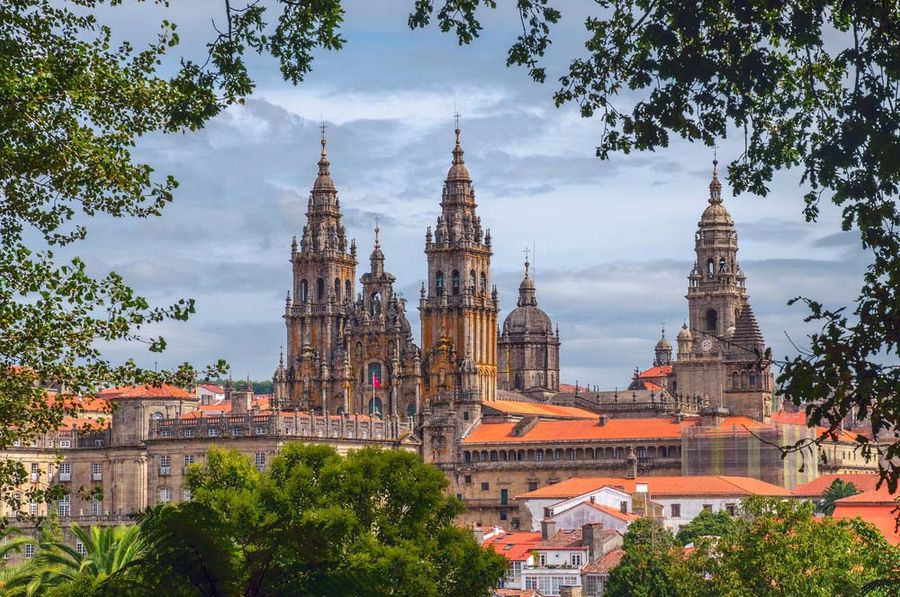
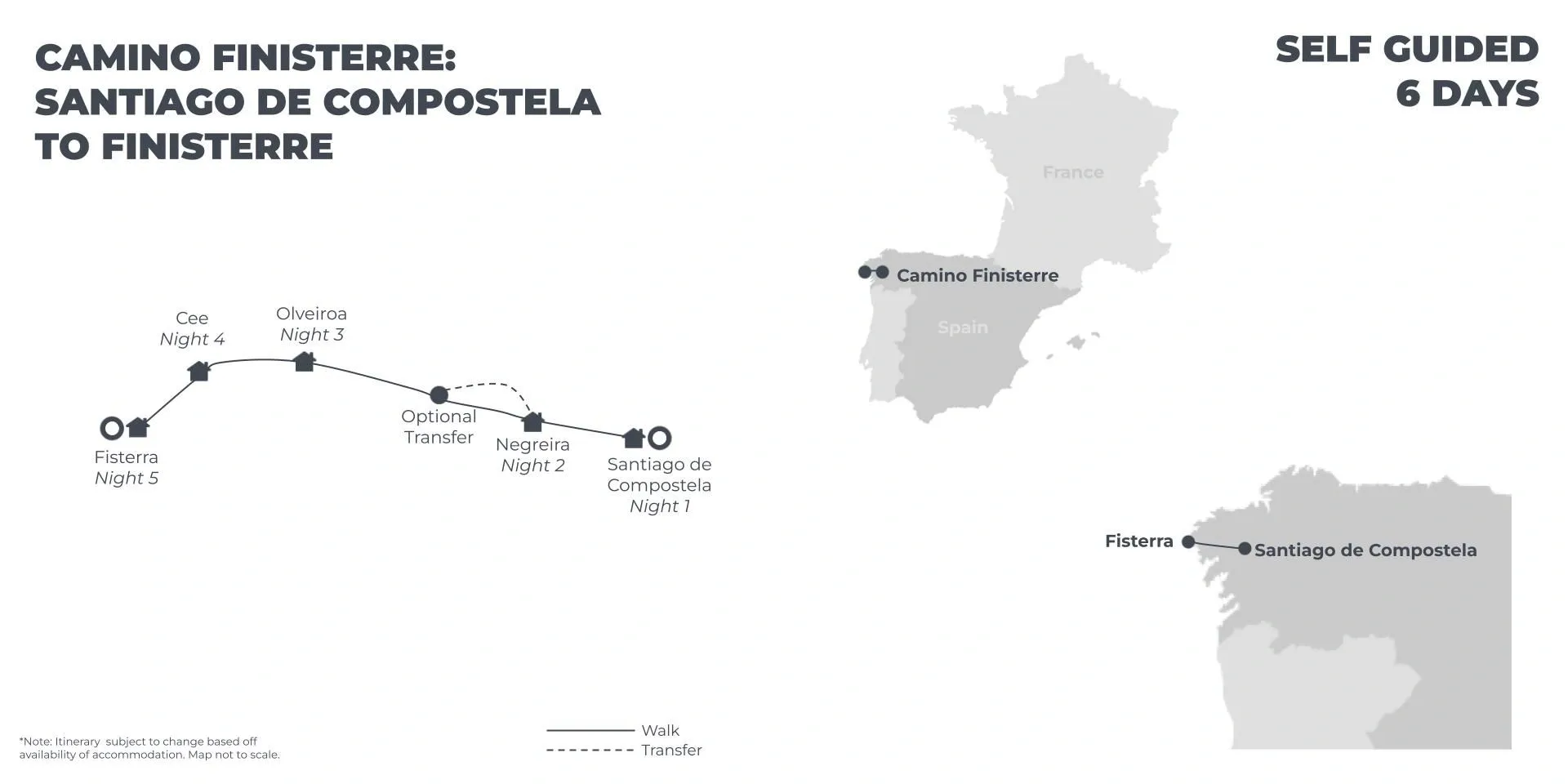
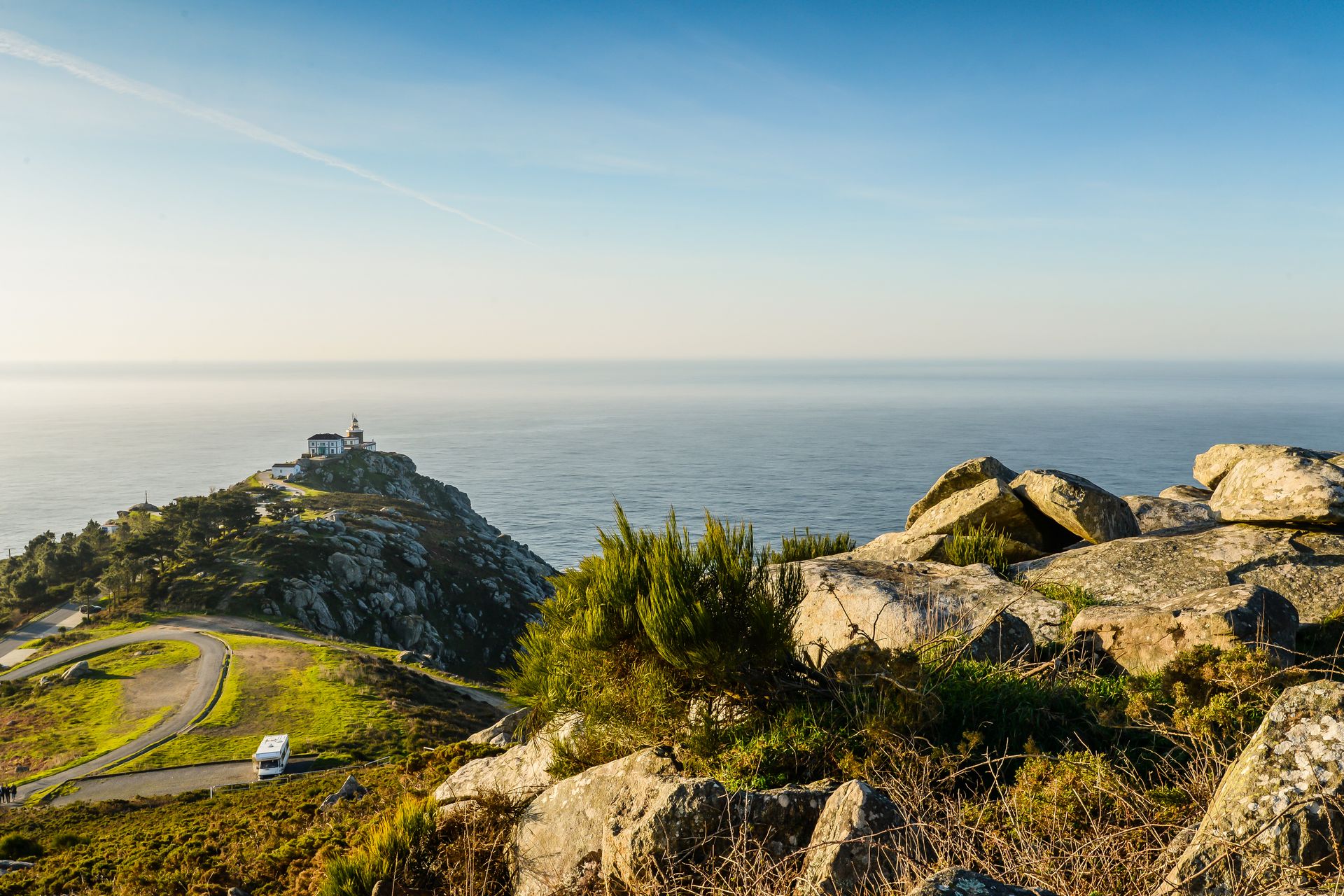
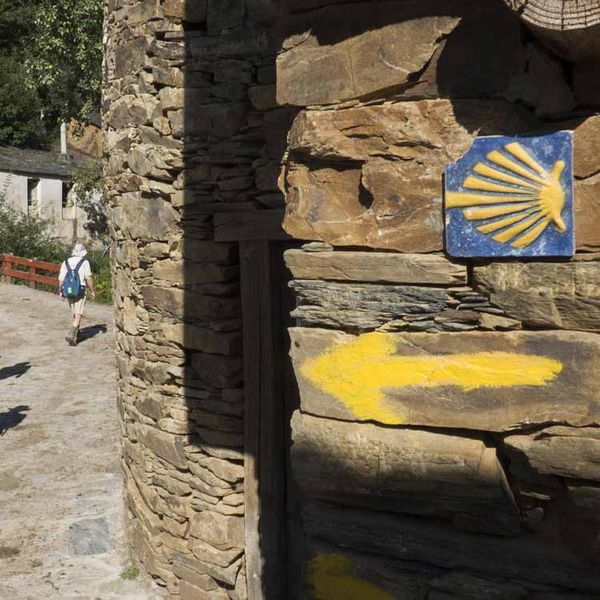
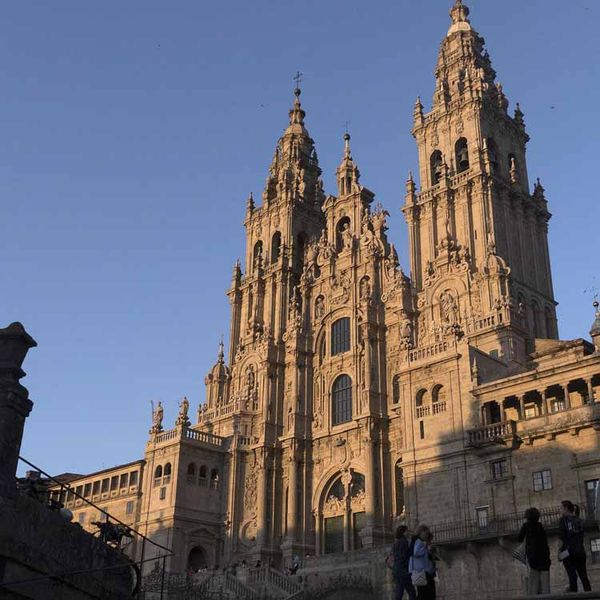
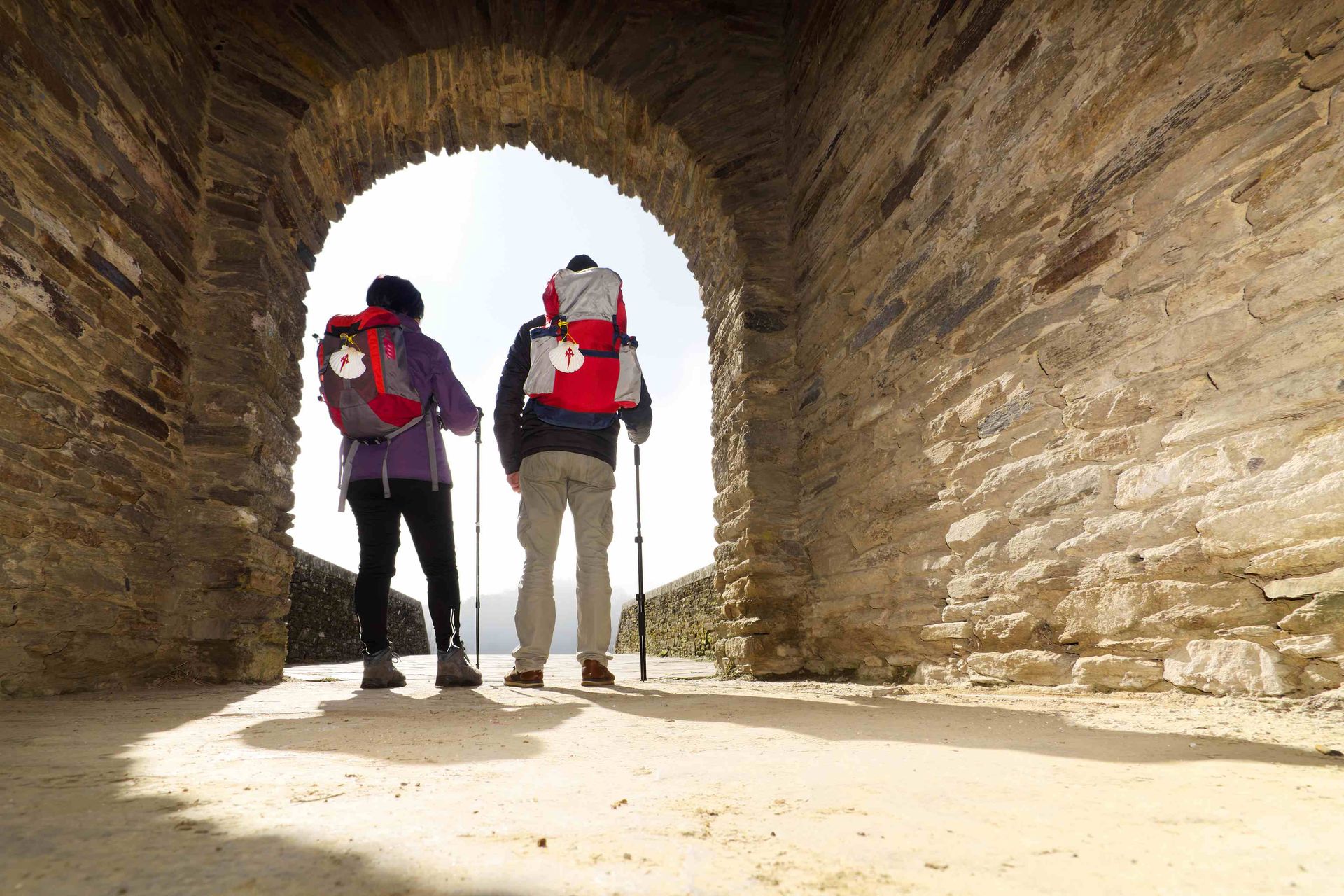
After having such an incredible time on our Camino Frances and Camino Finisterre routes, my sister and I are already planning on doing the Portugese Camino next year and the Japanese Camino the following year. We are looking forward to getting back on the trail ASAP! Very professional. We had the best time on our Camino and Stroll made it seamless. You guys took all the stress out of it so all we had to do was enjoy our walk each day! I've already recommended you to so many of my friends. The whole trip was amazing! The highlight (or one of) was knowing that we had fabulous accommodation waiting for us each day, so we didn't need to rush or compete for a bed!