







Stroll
The Lofoten Islands

The Lofoten Islands

Walk one of Europe's most dramatic island landscapes, where jagged peaks drop into fjords, traditional fishing villages cling to the shoreline and the Arctic light turns every view into something extraordinary.

View 1 stroll

Plan your The Lofoten Islands trip with an expert in a free 1:1 consultation.

The Lofoten Islands badge

30+ Years Experience

Three decades of crafting memorable walks worldwide

Pack-Free Walking

Your luggage travels ahead while you walk light

24/7 Support

We're always just a phone call away

Eco Travel

Tread lightly through the places you love

As Featured In

The TelegraphCNN TravelLonely PlanetTripAdvisorFodor'sFrommer'sNational GeographicThe New York TimesResponsible Travel

Overview

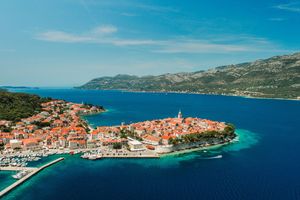
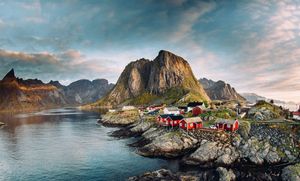
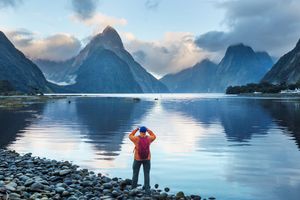
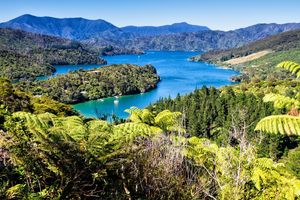
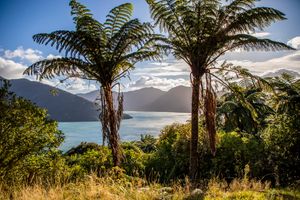
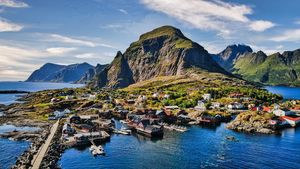
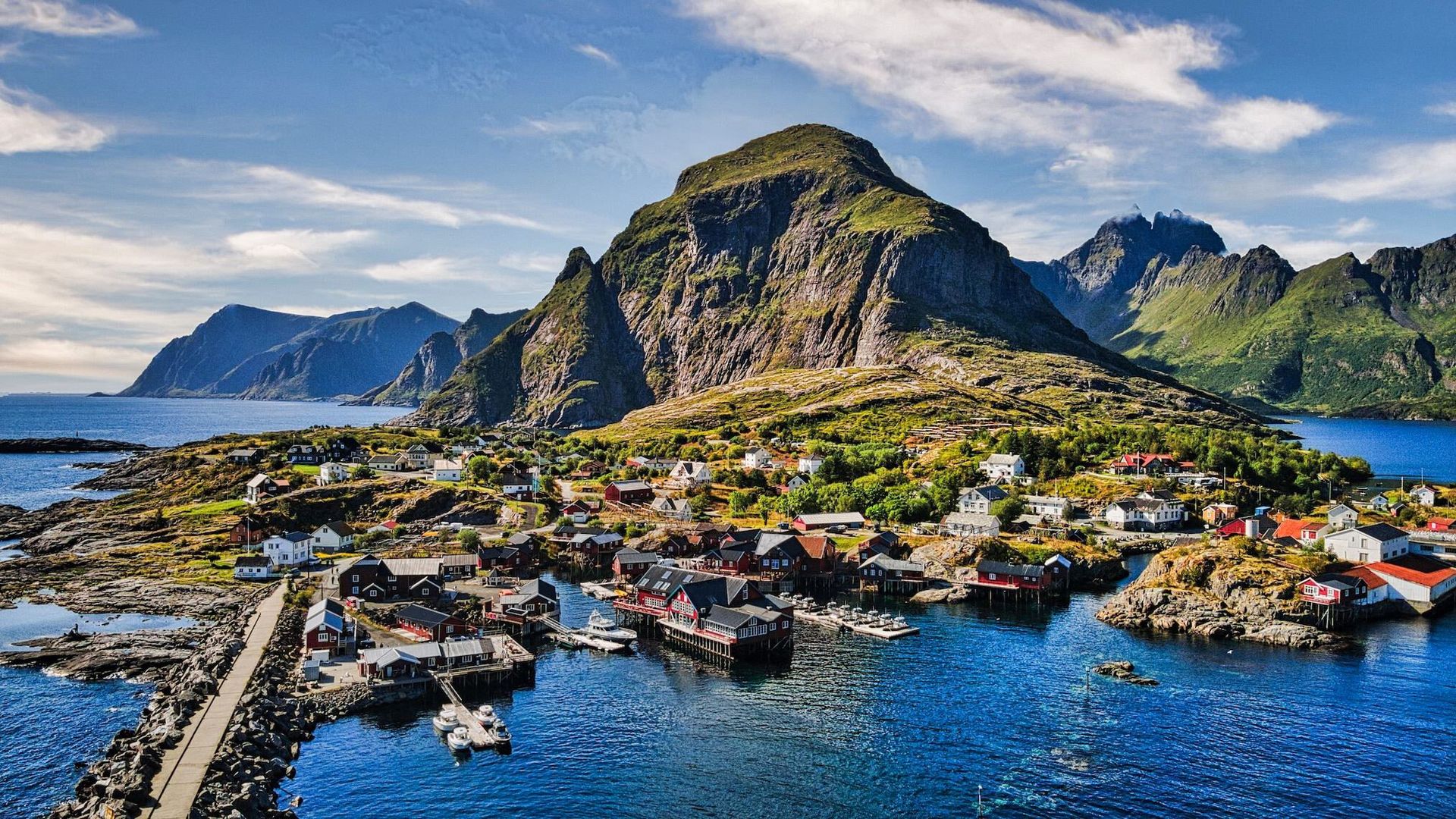
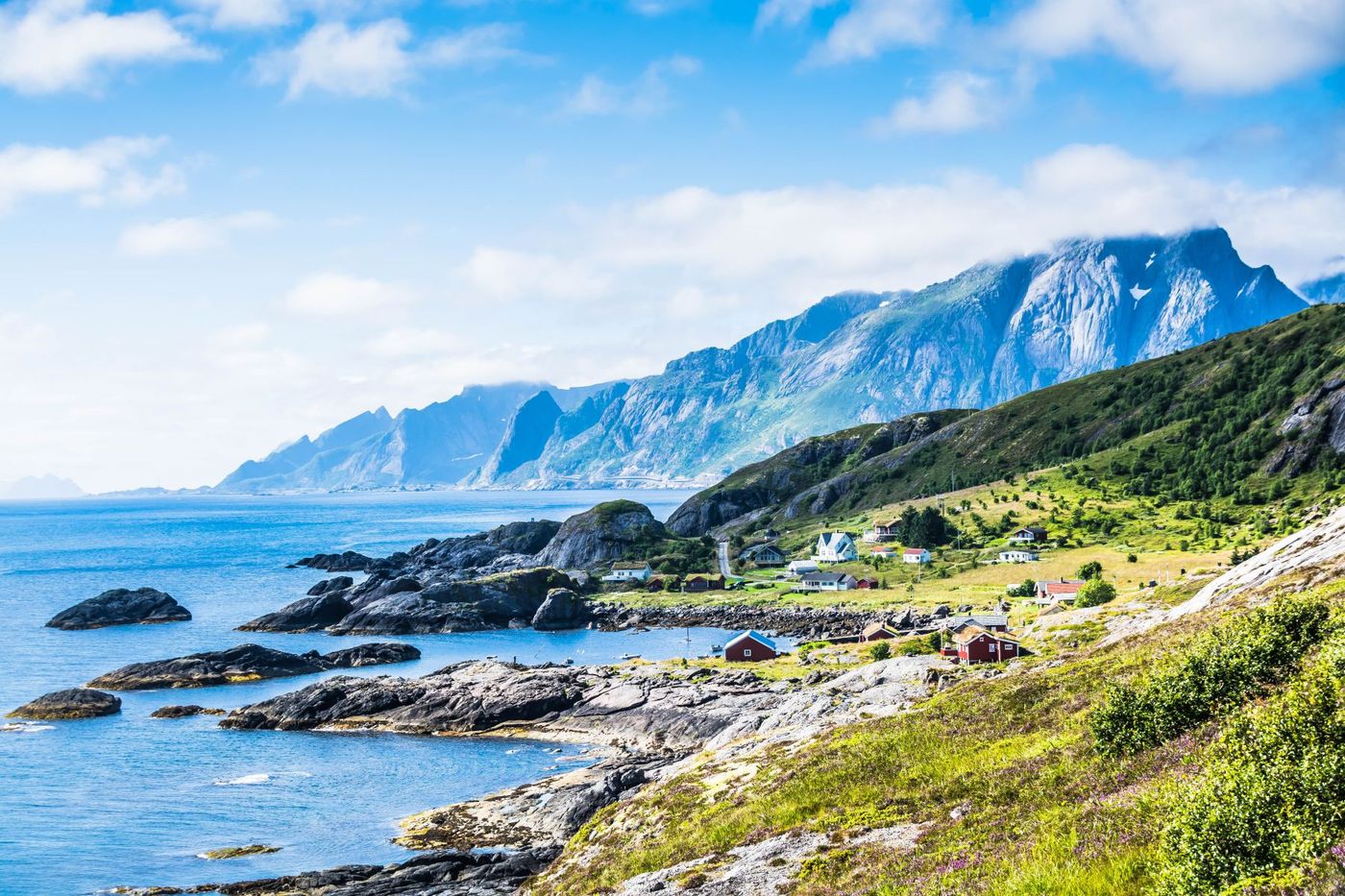
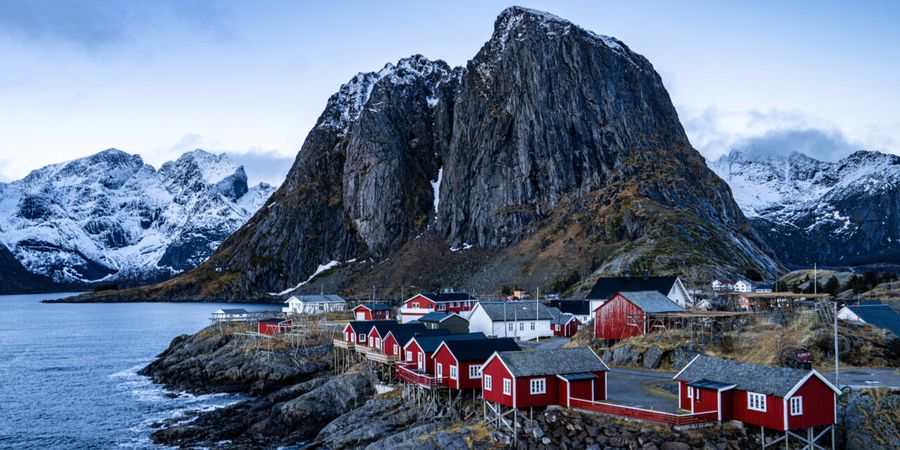
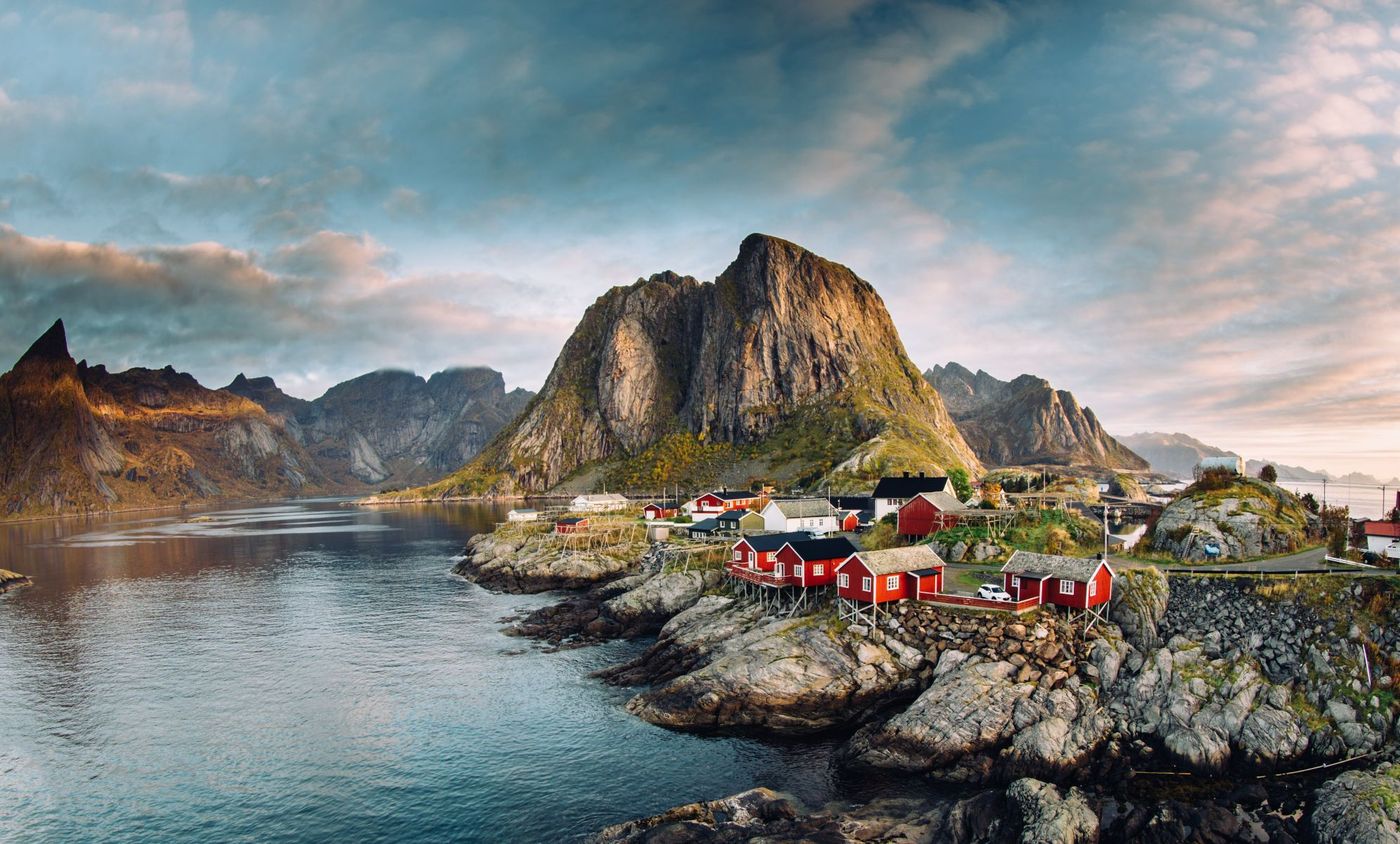
The Lofoten Islands sit above the Arctic Circle off the north-west coast of Norway, and the scenery here is unlike anywhere else in Europe. Razor-sharp mountain peaks rise straight from the sea, turquoise fjords cut between the islands, and clusters of red and yellow fishing cabins, known as rorbuer, line the harbours of villages that have changed little in centuries.

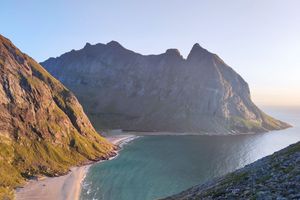
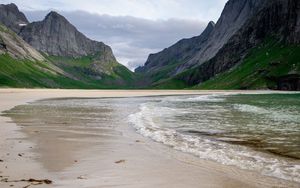
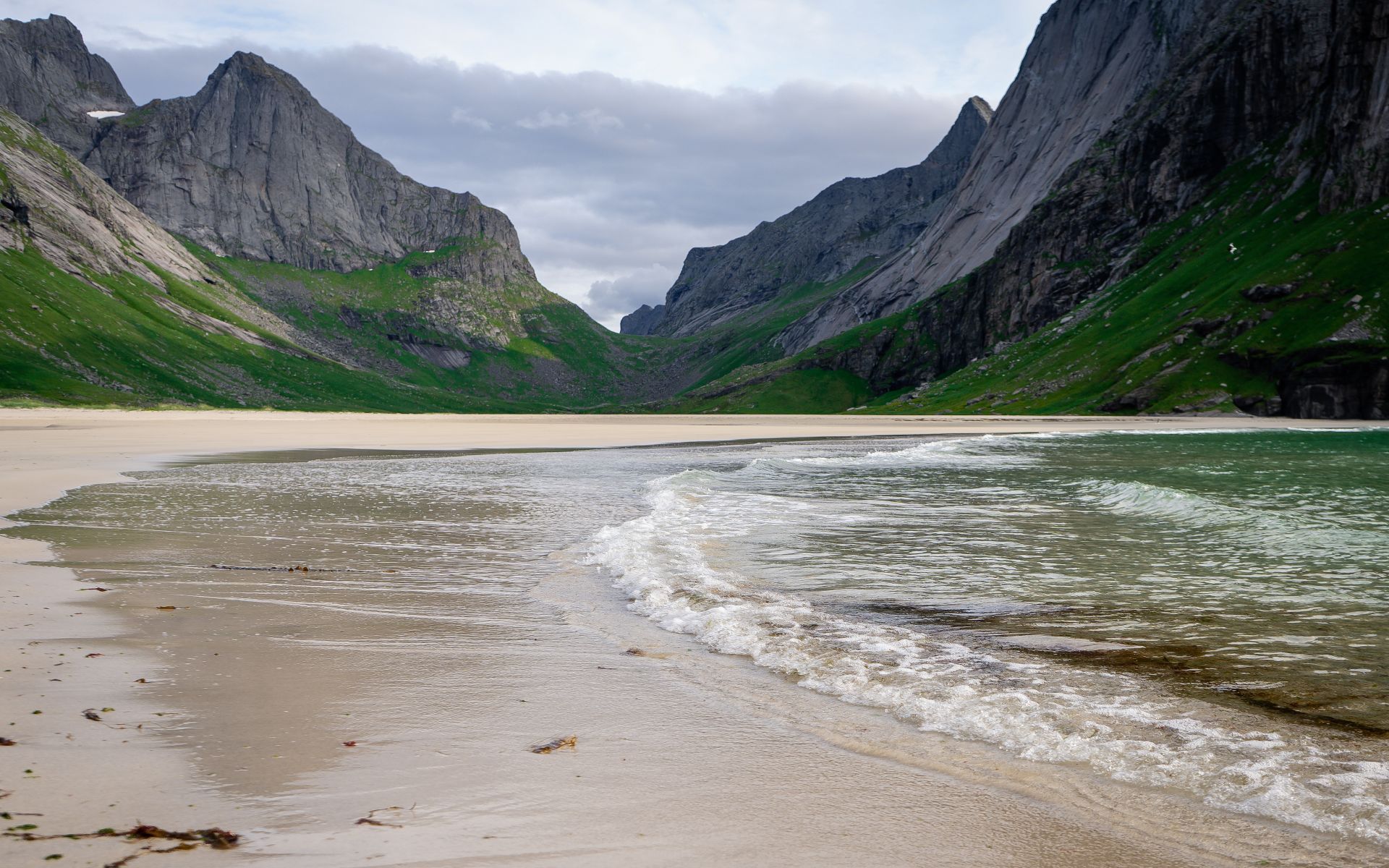
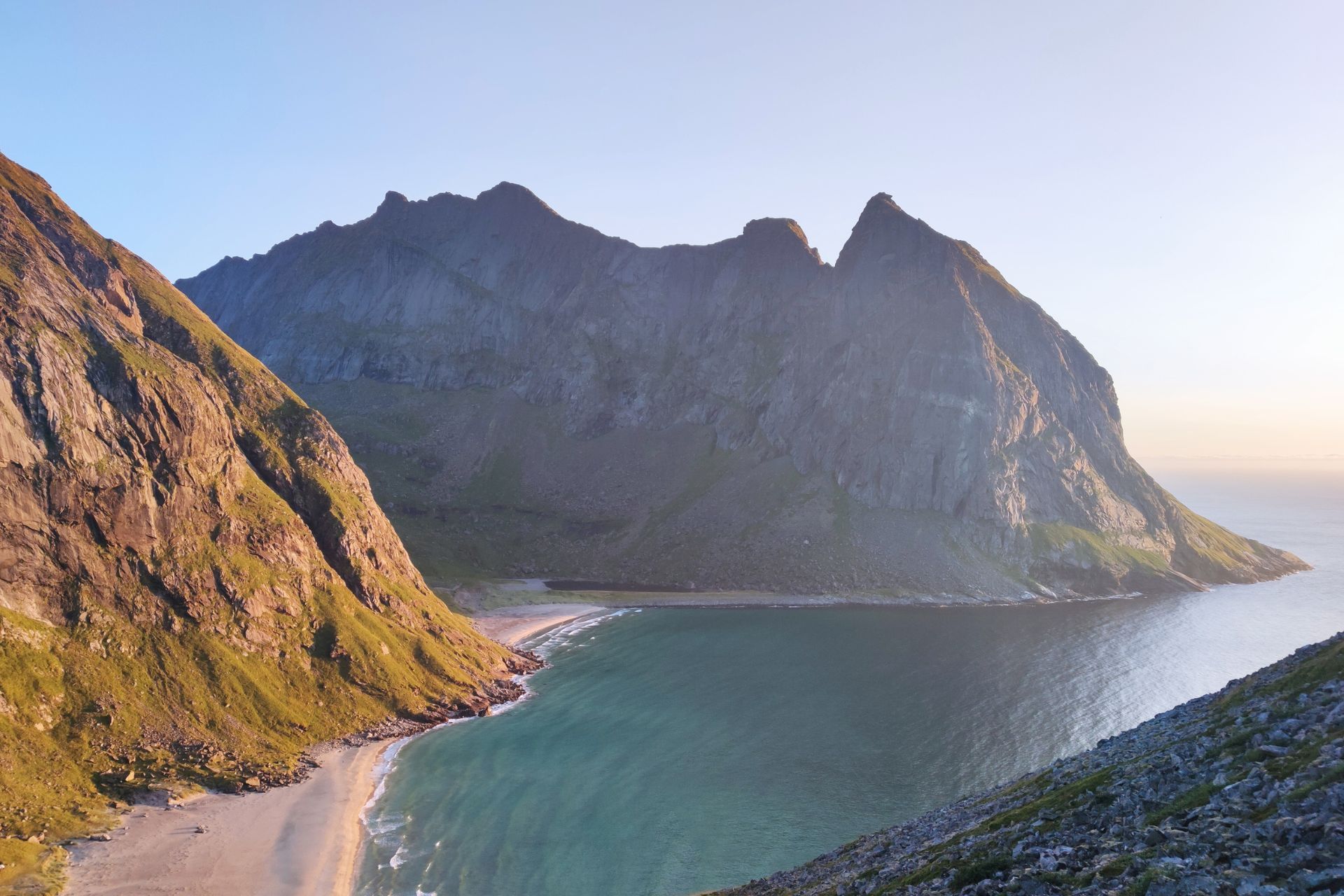
The walking is exceptional. The steep climb to Reinebringen delivers one of the most photographed views in Norway, looking down over the village of Reine and the surrounding peaks and fjords. Tindstinden offers sweeping panoramas across the southern islands, while the full-day Munken hike leads through some of Lofoten's most dramatic terrain to a 360-degree summit view. A morning ferry across Kjerkfjorden opens up the trail to Horseid Beach, one of the most remote and beautiful stretches of sand in the archipelago.

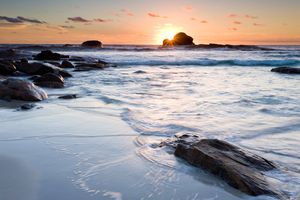
Evenings are spent in traditional fishing cabins, with the long Arctic summer light lasting well into the night.
The The Lofoten Islands experience

Wonder
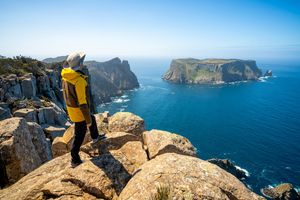
Stand on the summit of Reinebringen and look down on the fishing village of Reine set among towering fjords
Climb to the Munken summit for sweeping 360-degree views stretching to the Norwegian Sea
Stay in traditional red fishermen's rorbuer cabins perched on the water's edge in Reine
Wellness
Remote trails and minimal crowds create a sense of genuine wilderness rarely found in Europe
Fresh local seafood and Nordic hospitality restore walkers at the end of each day on the islands
Traditional rorbuer fishing cabins, now converted with modern comforts, provide memorable accommodation
Nature
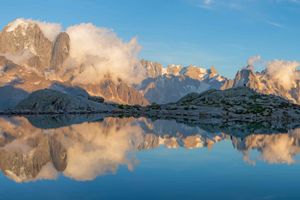
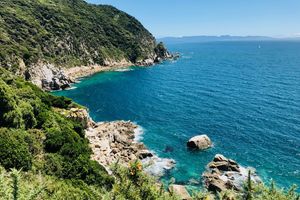
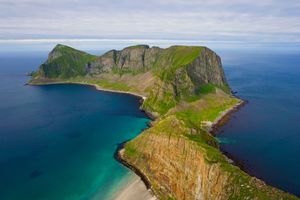
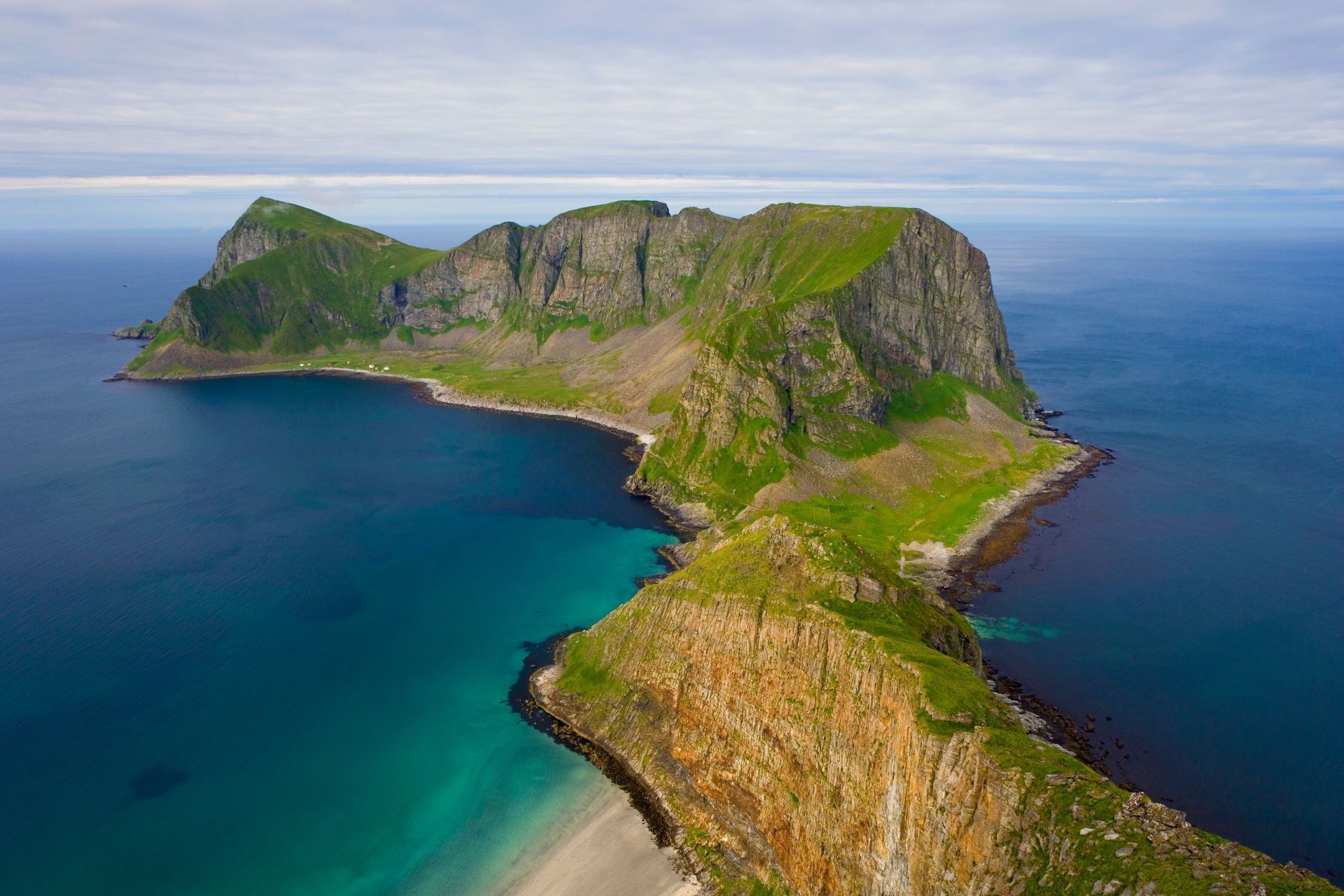
Jagged peaks rise directly from deep blue fjords in one of the world's most dramatic coastal landscapes
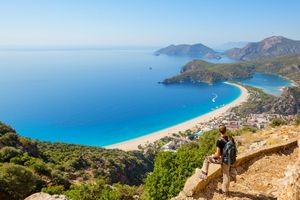
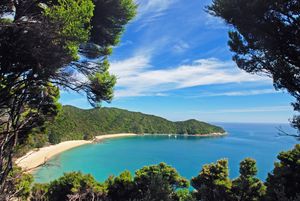
White sand beaches contrast with Arctic waters and sheer mountain walls throughout the archipelago
Keep watch for sea eagles overhead and local wildlife along the rocky Lofoten coastline
Coming soon
Local recommendations are coming soon.

The Lofoten Islands reviews

Loved by walkers

4.9/ 5
298 reviews
4.8/ 5
Google reviews
4.9/ 5
people like this

Frequently Asked Questions

The walk runs from June through August only. Temperatures sit between 10°C and 16°C — mild enough for long days on the trail, and light enough to walk well into the evening under the midnight sun.

Fly into Bodø Airport (BOO), typically via Oslo. From Bodø, a scenic ferry crossing of around three and a half to four hours takes you to Moskenes, where the islands and your rental car await. Airport transfers are not included, but it's a short trip from the airport to your first night's accommodation in Bodø.

Yes — a full rental car is included from Day 2 to Day 7, picked up at Moskenes on arrival by ferry. It's your key to getting between trailheads and accommodations across the islands, and driving distances are generally short and scenic. You're responsible for fuel, tolls, parking fees and any fines during the rental period, so return it with a full tank.

Your main luggage is transported between accommodations each day, so you only need to carry a daypack on the trail. Keep your passport and any valuables with you rather than in your main bag.

The mix is part of what makes this trip. Two nights in Bodø are spent at the Skagen Hotel, a comfortable three-star with a generous breakfast buffet. On the islands, you'll stay in traditional fishermen's cabins — rorbuer — alongside lodges and B&Bs, all chosen for their local character and setting. Most have communal lounges and dining areas, and WiFi is available throughout at no extra cost.

A daypack in the 25–30L range is ideal. Pack water, snacks, a waterproof jacket, warm layers, sun protection, your walk notes, a first aid kit and your phone. The smartphone navigation app included with the trip runs on your phone, so a power bank is worth bringing — reception is patchy in places and you'll want the battery to last.

Conditions in the Lofoten Islands can change quickly even in summer, so layers and waterproofs are non-negotiable. Quick-drying, technical fabrics work best — avoid cotton. A quality waterproof jacket with a hood is essential, as are warm mid-layers for the ridgelines and summits. Temperatures average 10°C–16°C but feel colder with wind at elevation. Waterproof over-trousers, a warm hat and gloves are worth packing even in July.

The walk is graded moderate, but it has some genuinely steep sections — several hikes, including Reinebringen and Tindstinden, involve sharp ascents on varied terrain with days regularly exceeding 12km. Building up your legs before you go makes a real difference, as elevation change tends to be harder on the body than distance.

Yes, and it's a condition of booking. Your policy must cover injury, cancellation, luggage loss and medical evacuation. Store a copy of your passport on your phone and never pack the original in your main luggage.

Norway's currency is the Norwegian Krone (NOK). Most lunches and several dinners are not included in the package, so budget accordingly — Norway is an expensive country for eating out. Card payments are widely accepted across Scandinavia, but having some NOK on hand is useful in smaller villages. Tipping is not customary in Norway the way it is in some other destinations, so no need to factor that into your budget.

Let the team know about any allergies or intolerances at booking. The accommodations with on-site restaurants — including Brygga Restaurant at Å Rorbuer, which focuses on fresh local Lofoten fish — can generally accommodate dietary needs. On days where you're sourcing your own meals, the villages along the route have cafes and local options to choose from.

Can't find what you're looking for?

We can create a custom trip tailored to your preferences.