


-300x200.jpg)





-300x200.jpg)


-300x200.jpg)

-300x200.jpg)












-300x200.jpg)


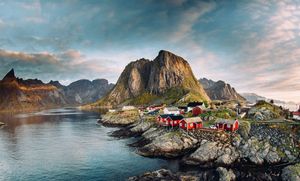
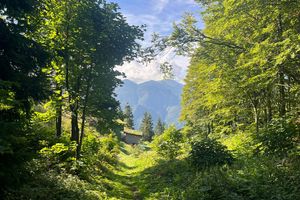

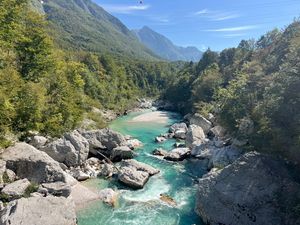
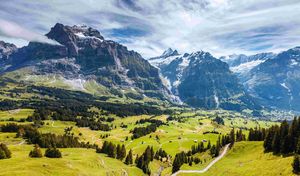



-300x200.jpg)
-300x200.jpg)

-300x200.jpg)





- 30+ Years Experience
- Pack-Free Walking
- Self-Guided Itineraries
- Comfortable Stays
Overview
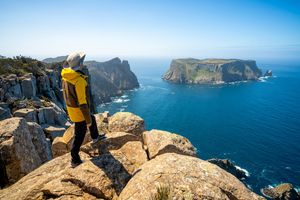
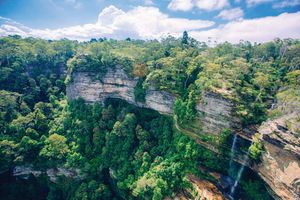
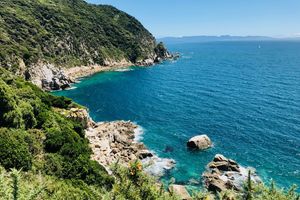
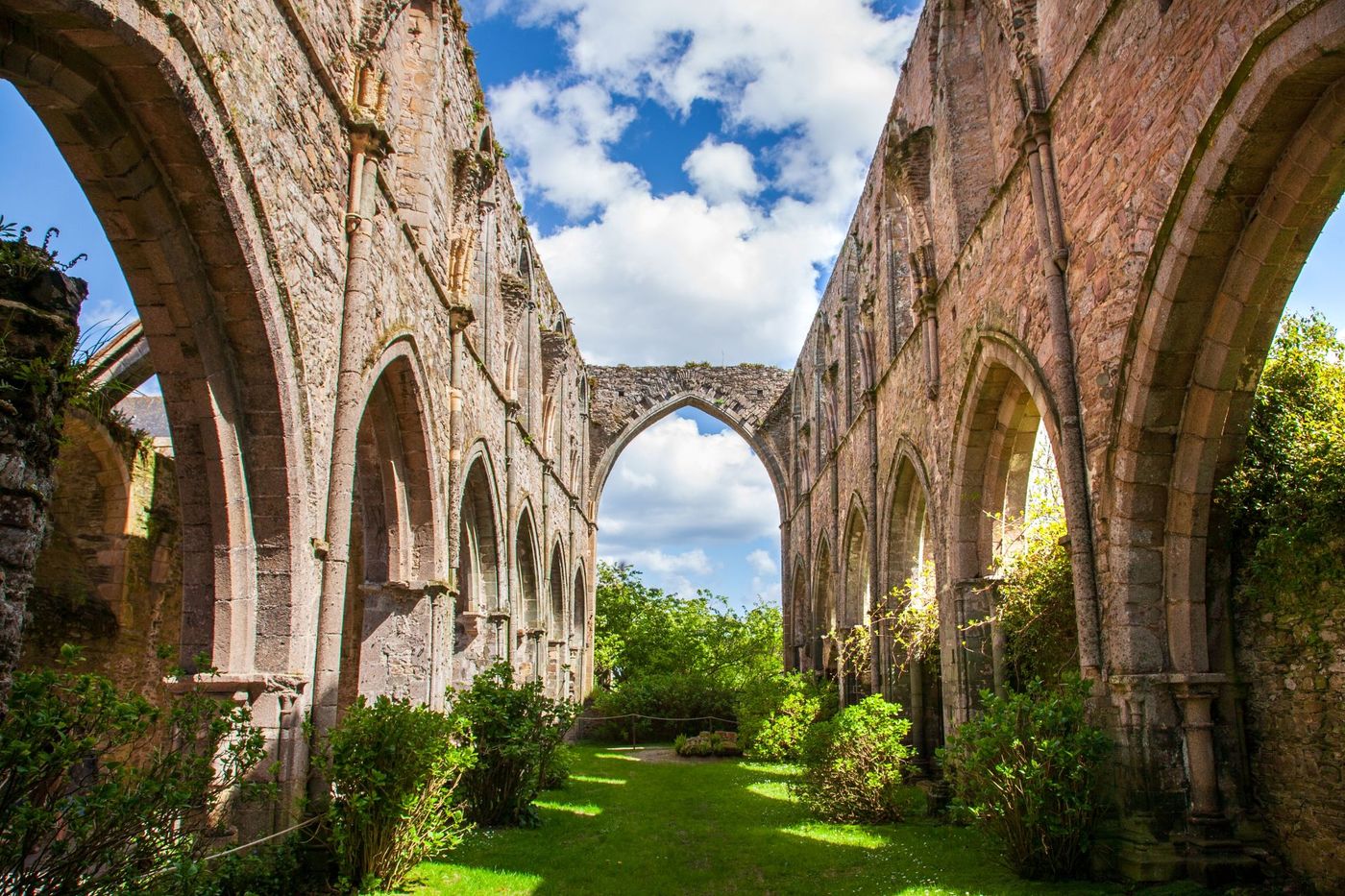
Brittany is unlike anywhere else in France. With a Celtic identity that sets it apart from the rest of the country and a coastline that stretches for over 2,700 kilometres, this is a region that rewards those who explore it on foot. The GR34, known as the Sentier des Douaniers or Customs Officers' Path, was originally walked by customs officers patrolling for smugglers. Today it ranks among the most scenic coastal trails in Europe.
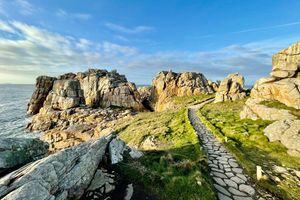
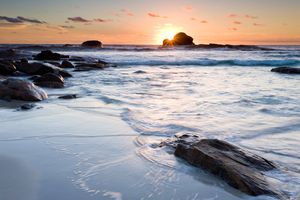
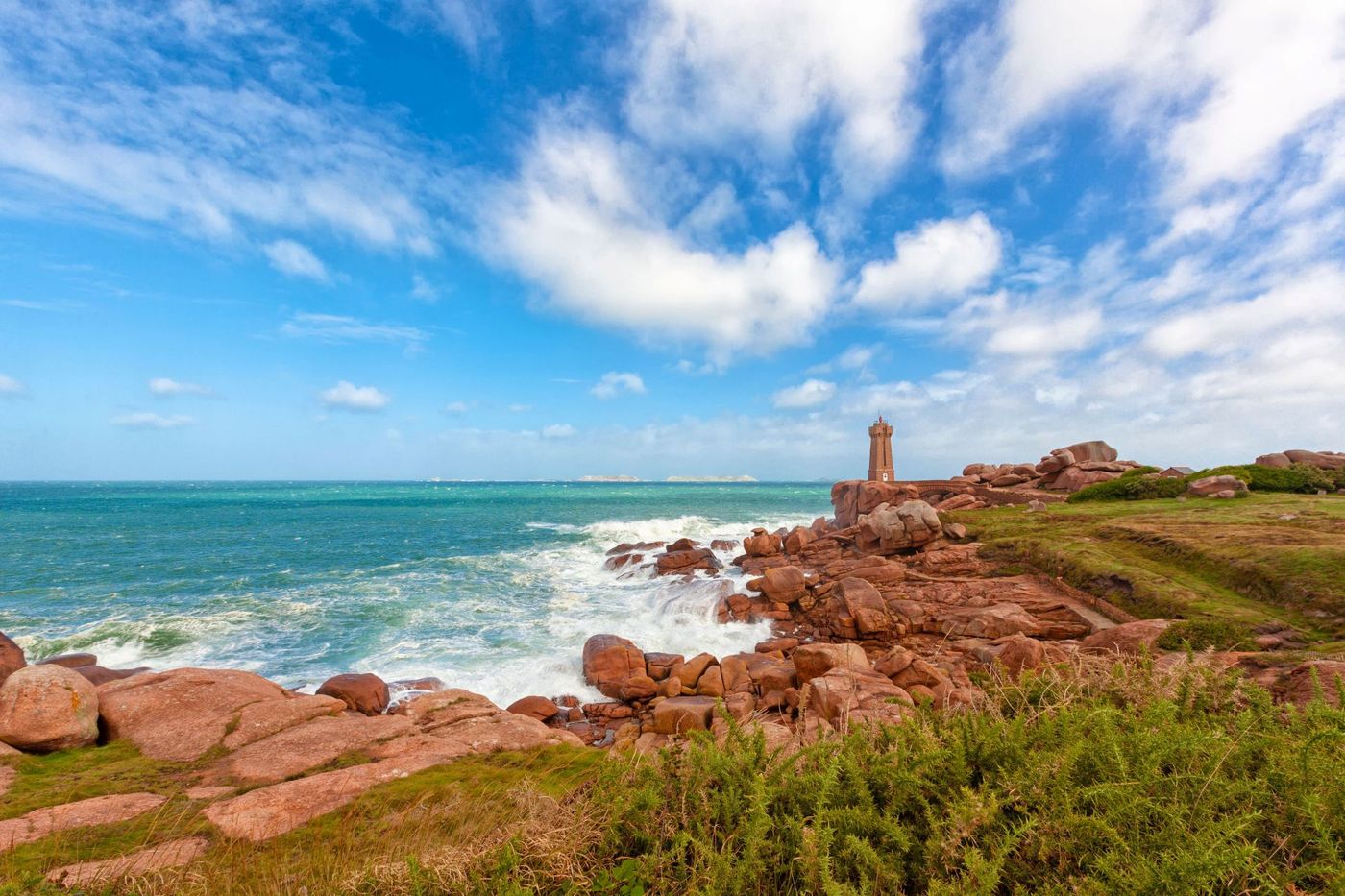
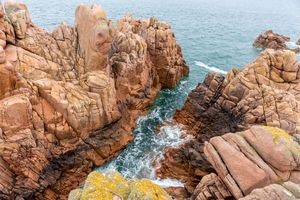
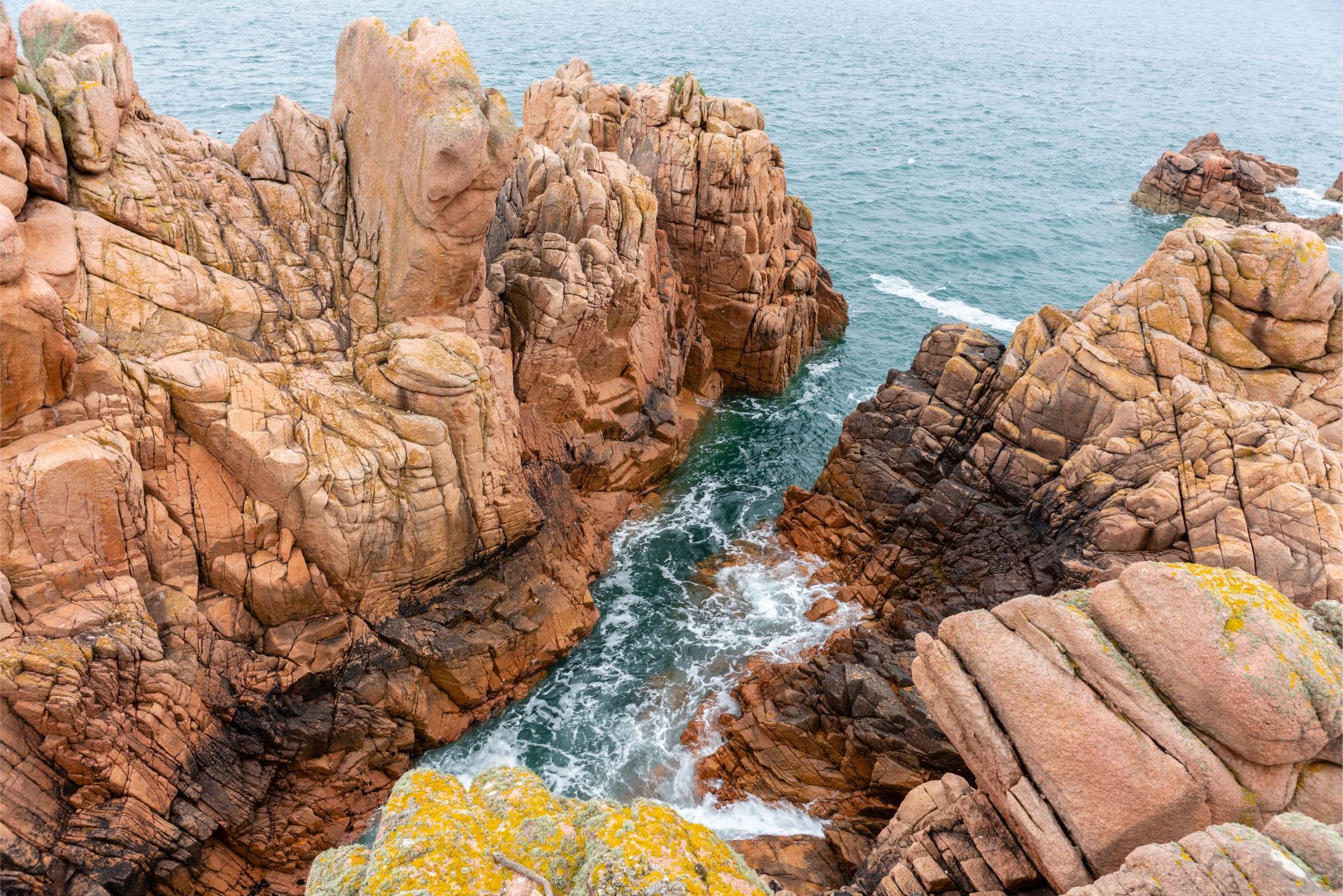
The walking is endlessly varied. The Pink Granite Coast delivers some of the most extraordinary rock formations on the continent, its copper-hued boulders sculpted into fantastic shapes above clear turquoise water. Cap Fréhel offers sheer clifftop drama with views stretching to the horizon, while the ancient fortified city of Saint-Malo anchors the Emerald Coast to the east.
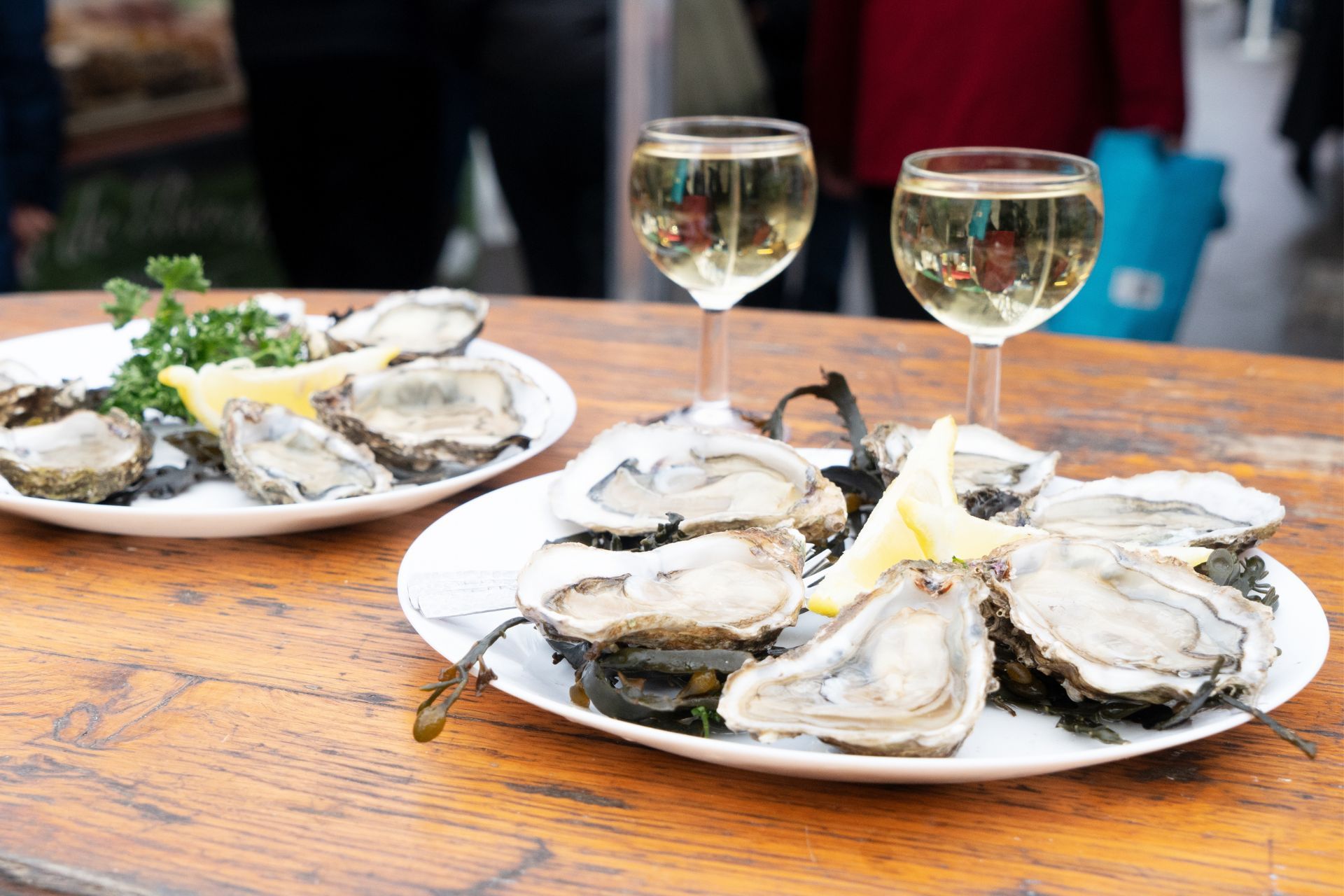
Off the trail, Brittany's food culture is reason enough to visit. Buckwheat galettes, freshly caught Cancale oysters and king scallops define a culinary scene built entirely on what the land and sea provide.
Available Strolls

Gallery
A closer look at Brittany
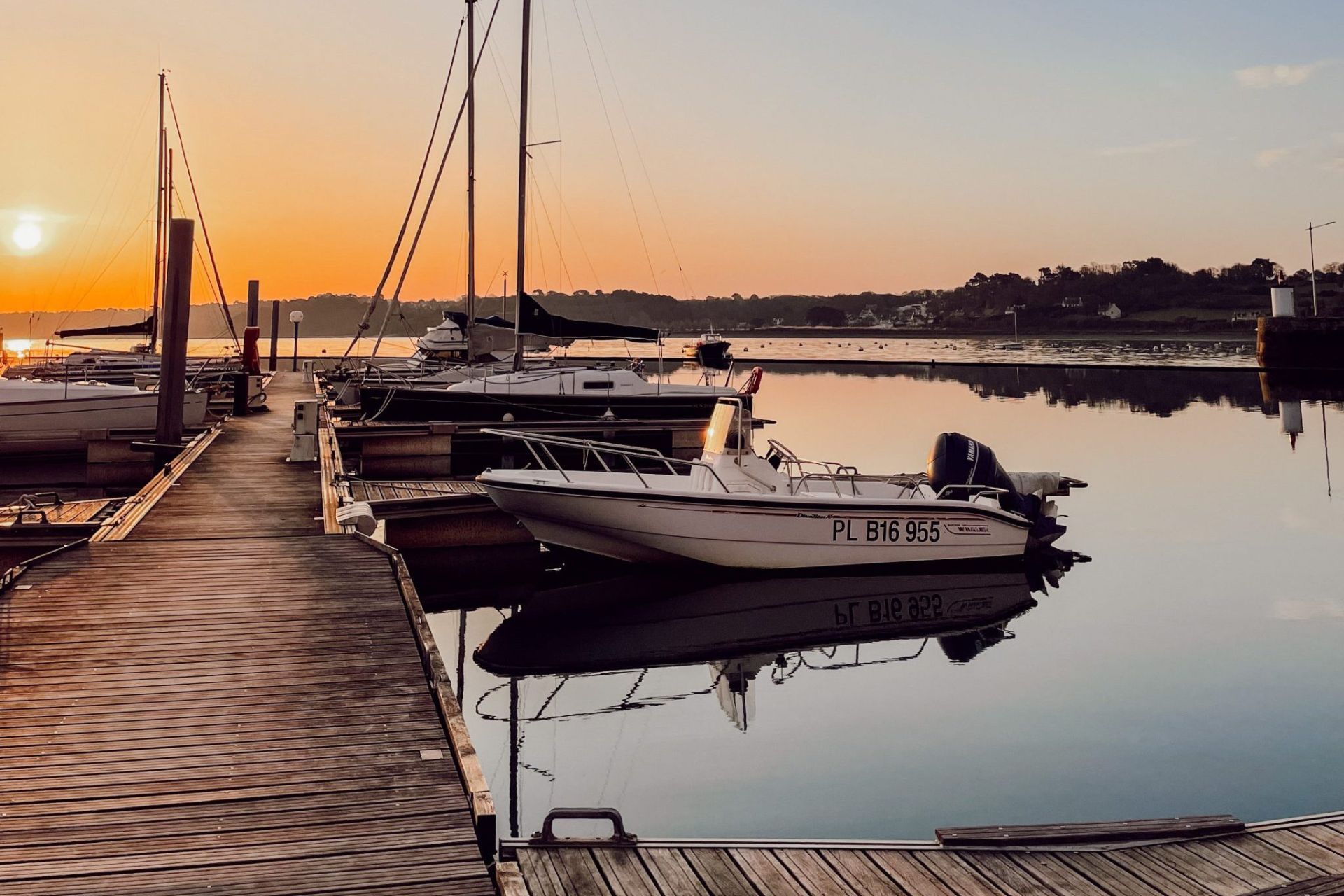
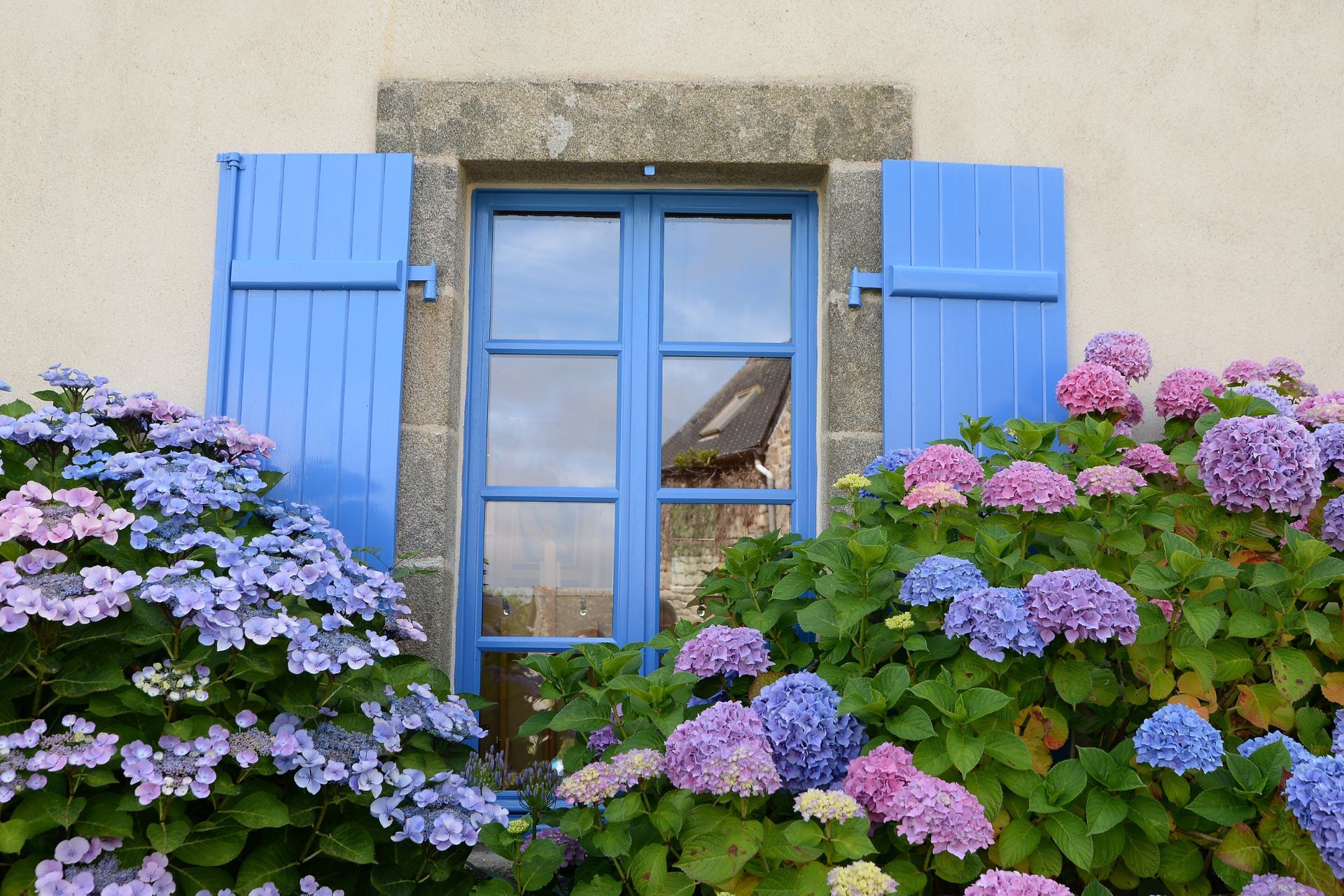
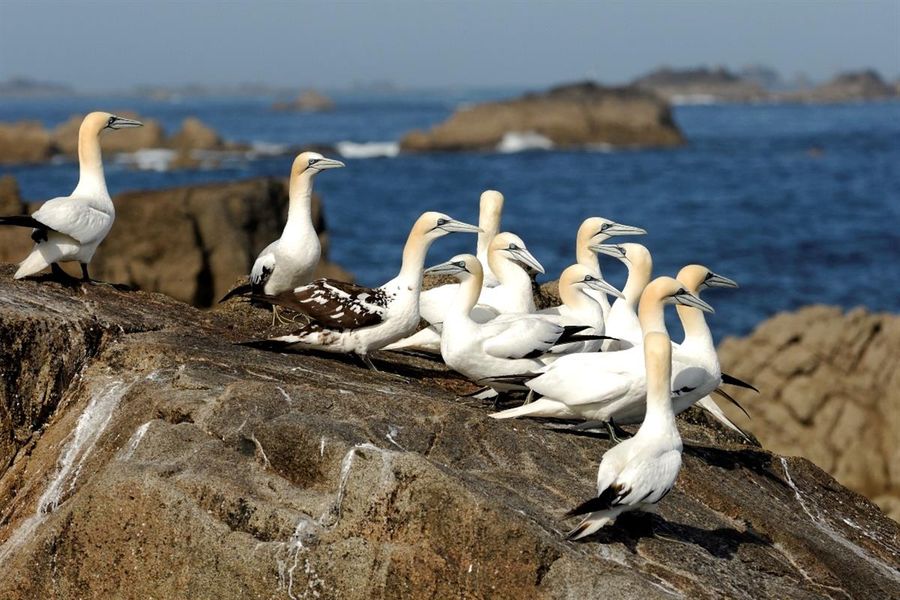
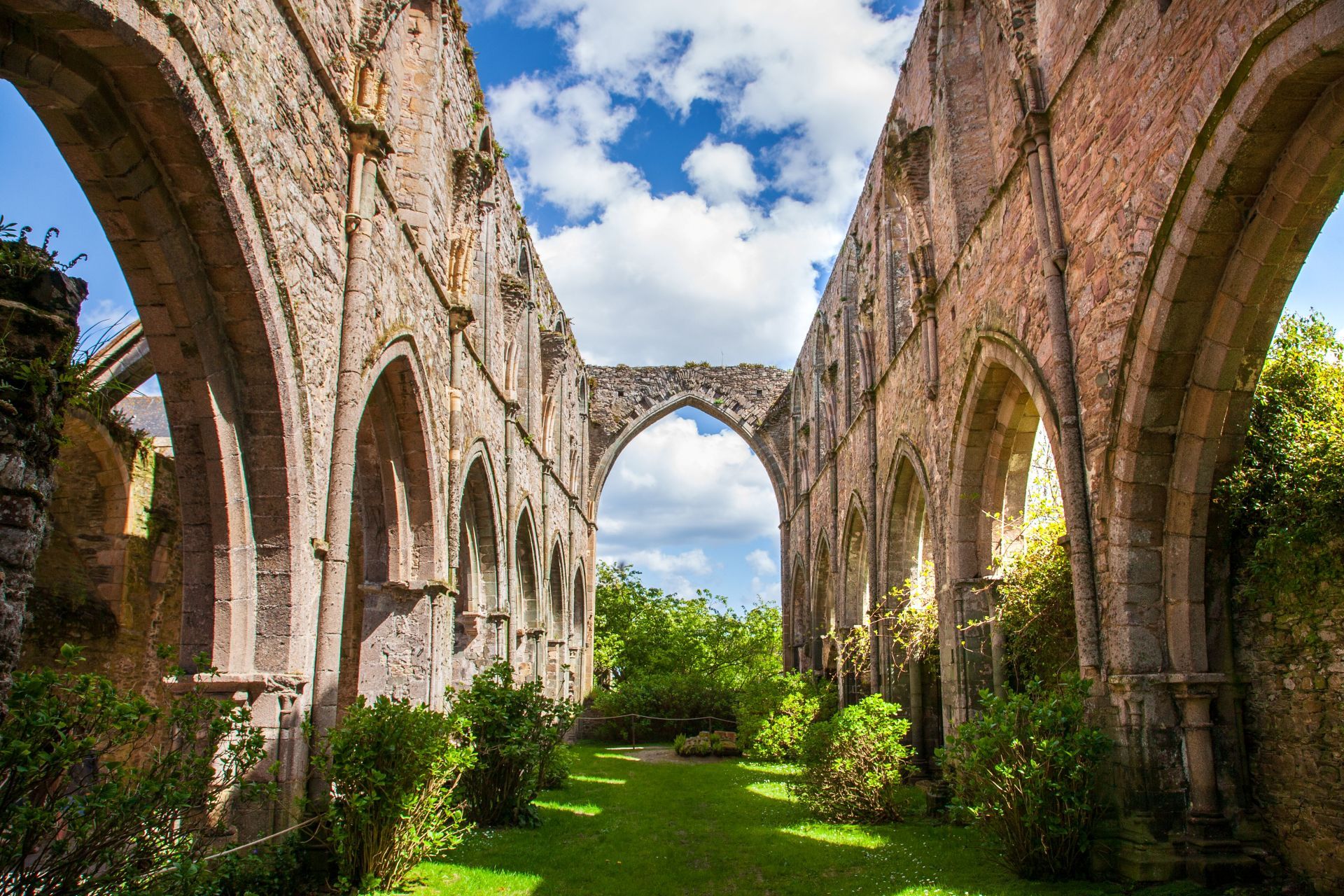
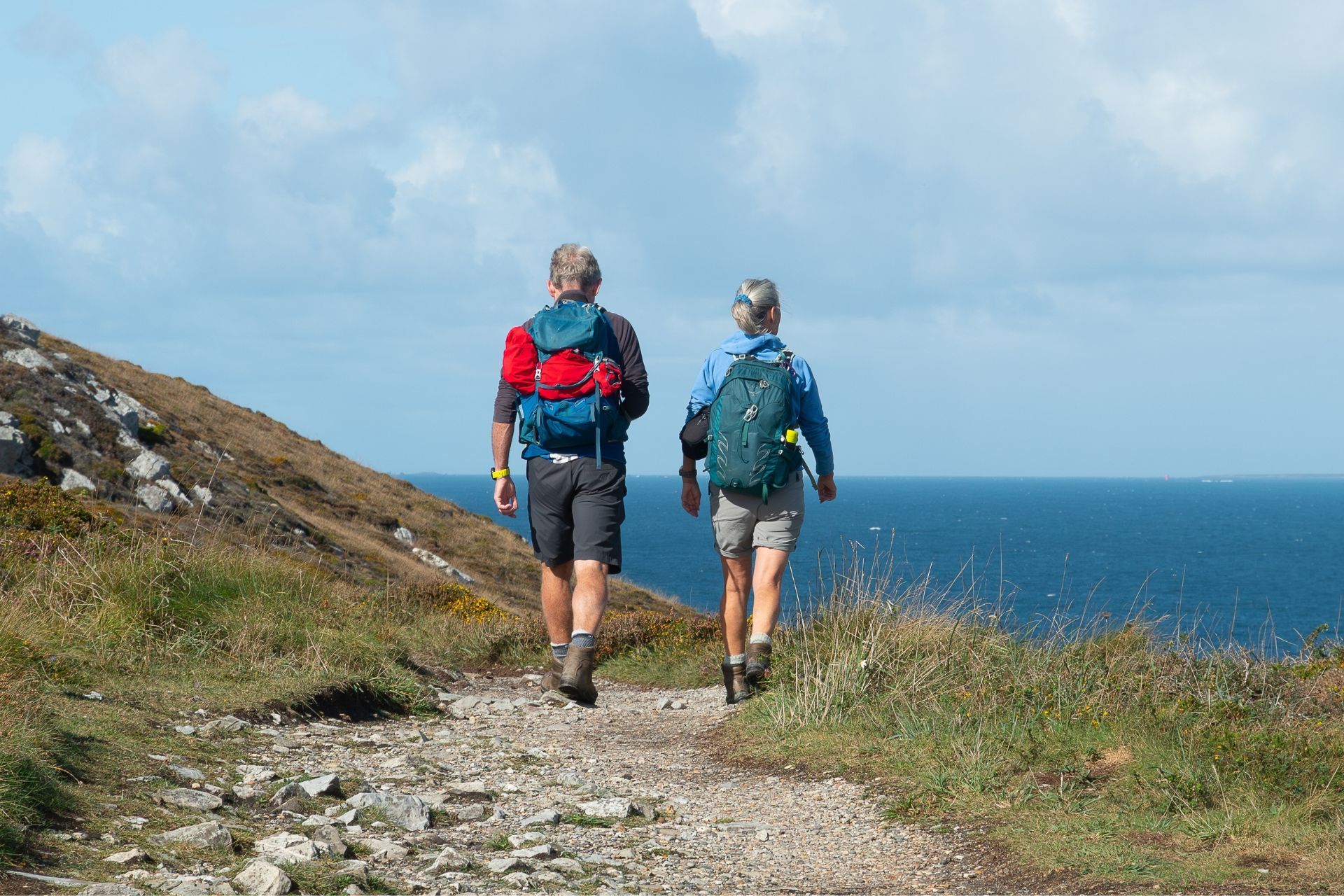
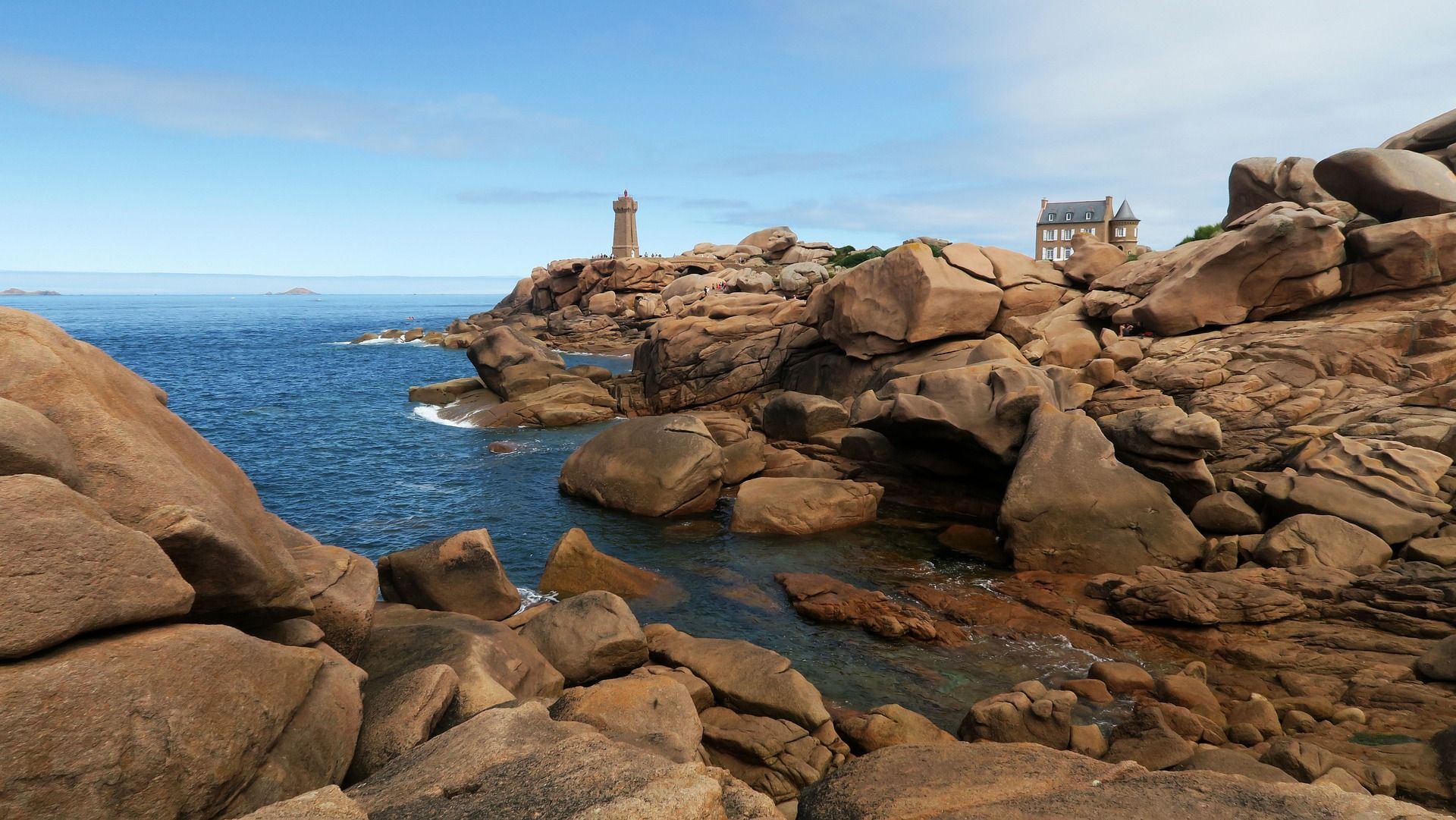
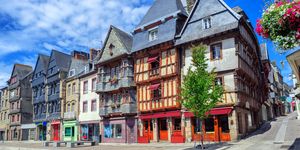
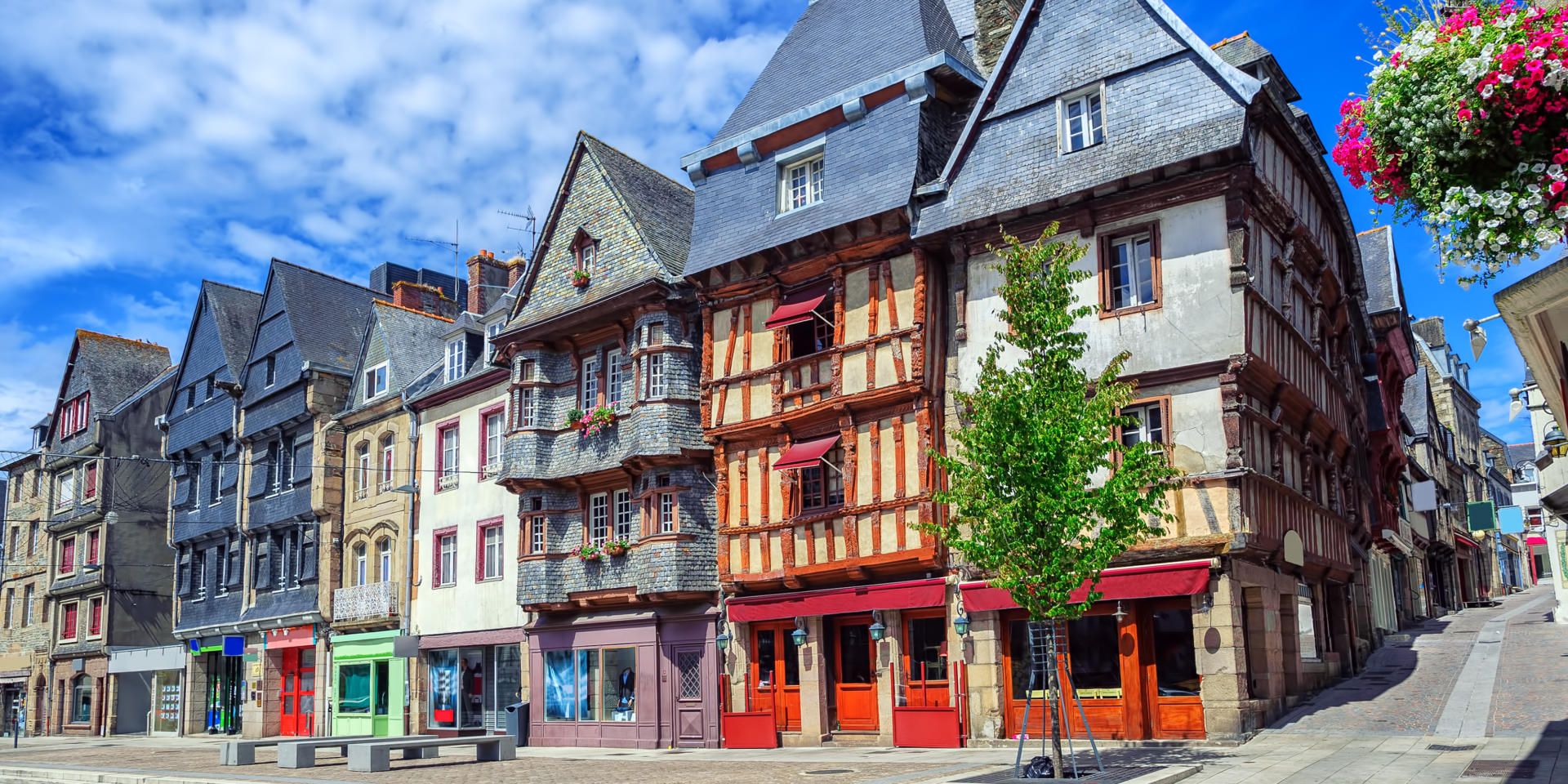
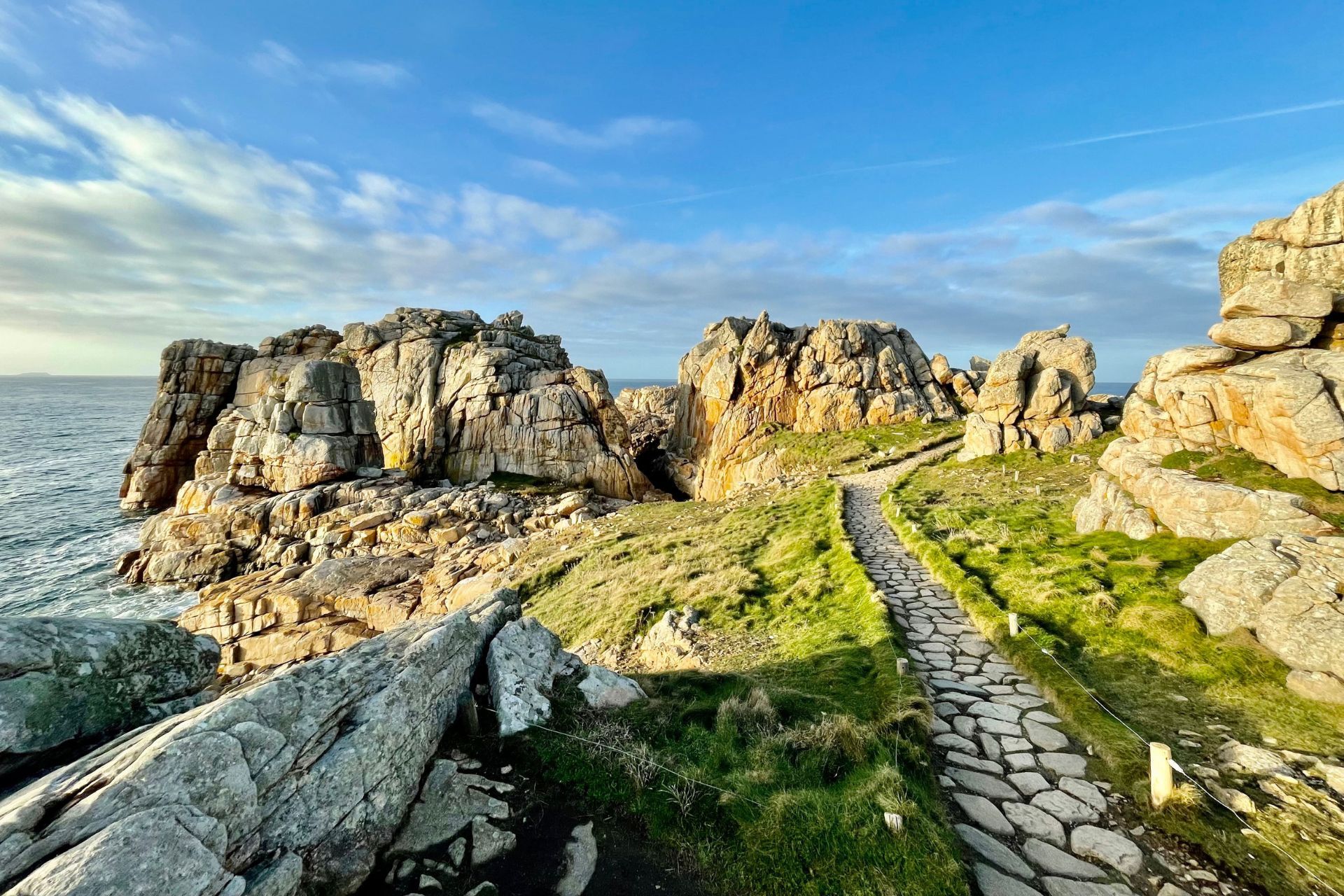
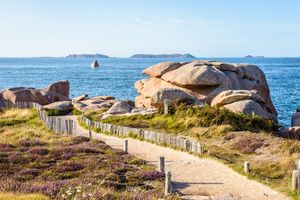
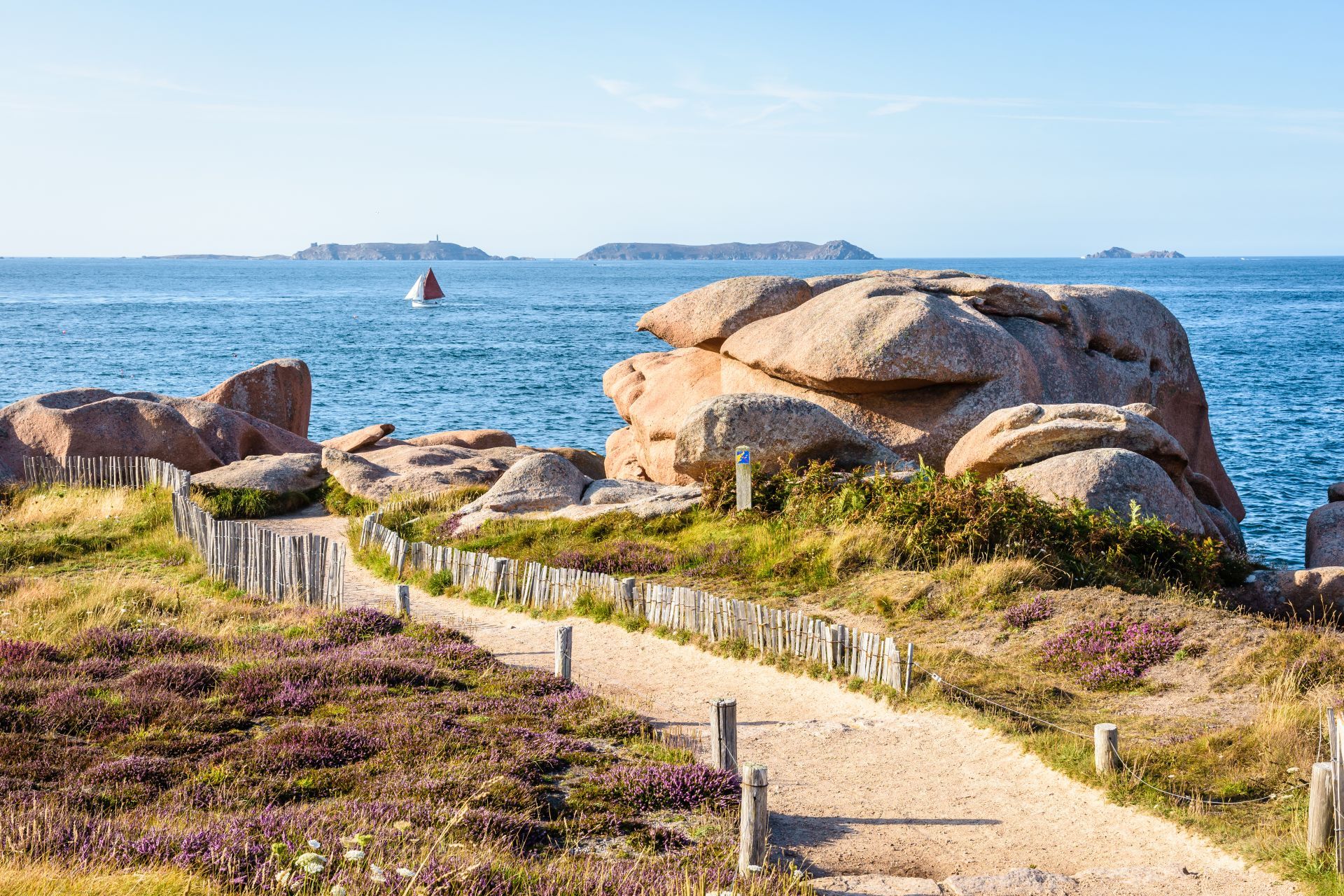
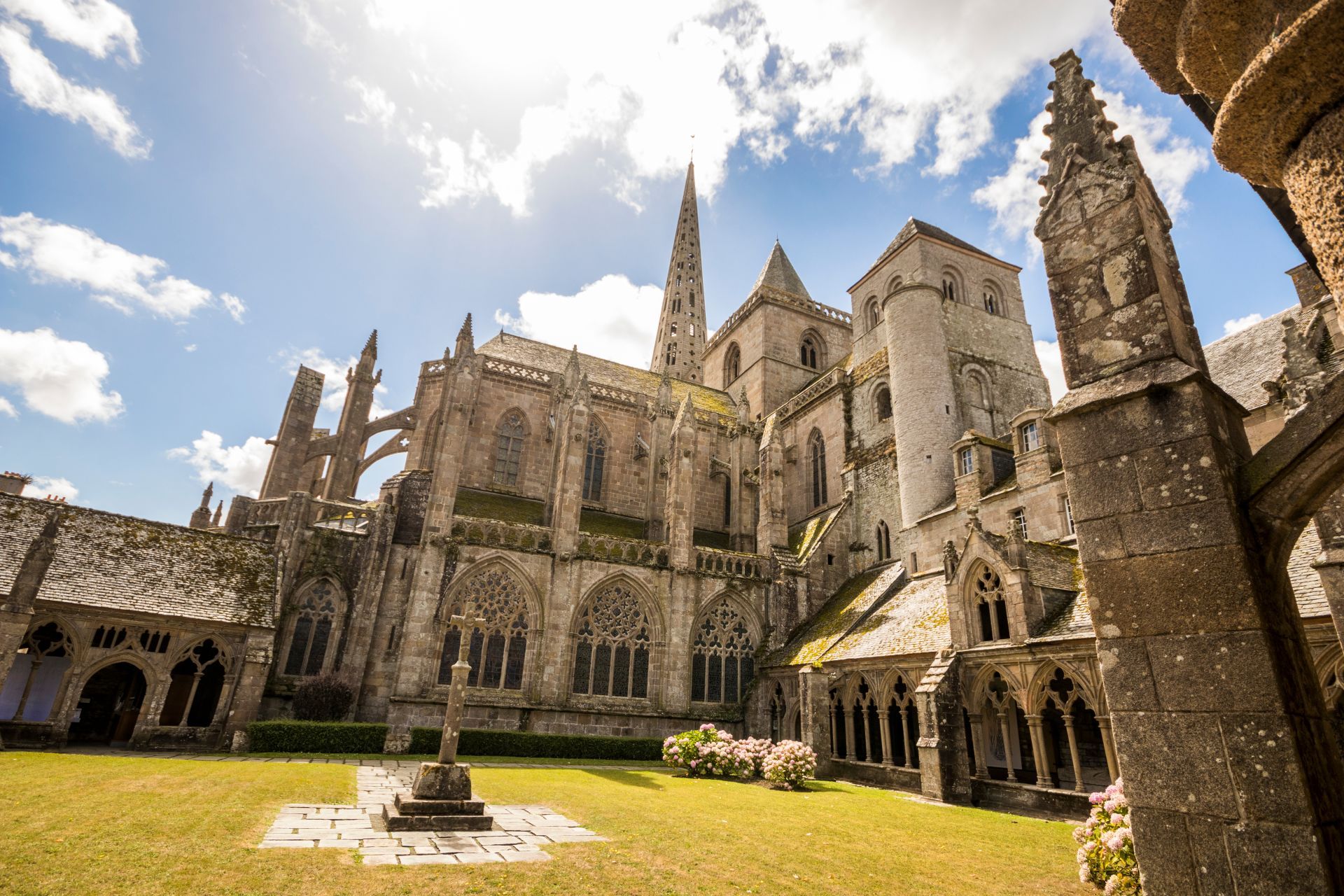
The Brittany experience
More About This Destination
The local cuisine of Brittany, known as gastronomie bretonne, is defined by its rugged Atlantic coastline and rich agricultural heartland. It is a "cuisine paysanne" (peasant cuisine)—hearty, simple, and deeply rooted in tradition, with almost every dish centred around the region's famous salted butter. Salt has shaped the region’s economy, politics, and culinary identity for over 2,000 years. At the Guérande salt marshes, Breton sea salt is harvested manually from clay-bottomed ponds, allowing it to retain a rich profile of minerals like magnesium, calcium, and iron.
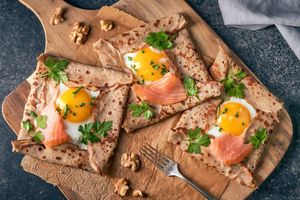
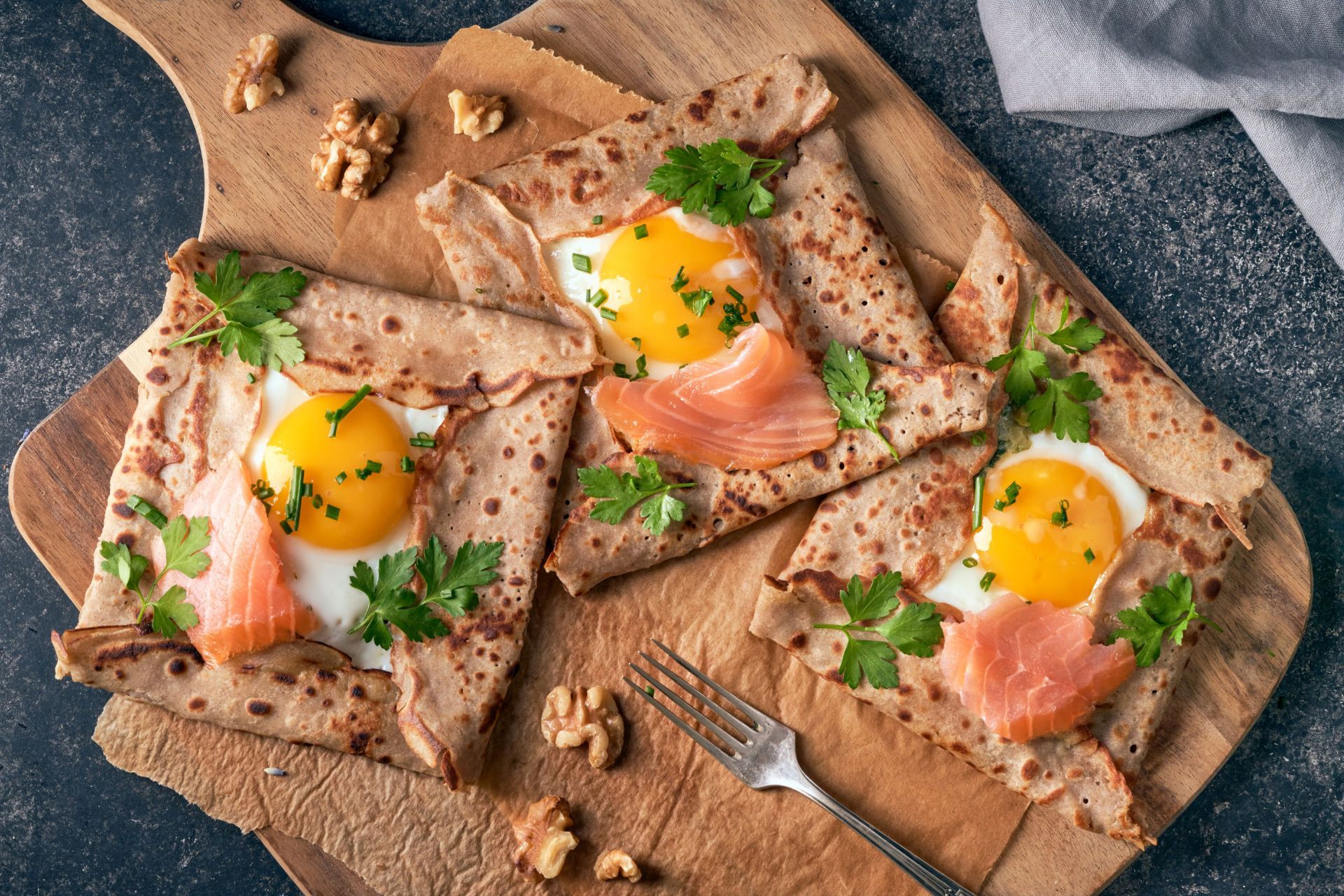
Crêpes are the most famous Breton food and are eaten at any time of the day. Galettes (savoury) are made with buckwheat flour (blé noir), water, and salt; they have a nutty flavour and lacy texture. The classic is the "Complet", filled with ham, egg, and Emmental cheese. Crêpes (sweet)are made with white wheat flour, eggs, and milk. Popular fillings include sugar, jam, chocolate, or the local salted butter caramel (salidou). Galette-Saucisse is a popular street food consisting of a grilled pork sausage wrapped in a cold buckwheat galette.
With over 1,700 miles of coastline, Brittany is France's premier seafood producer. Cancale Oysters, Breton Blue Lobster & King Scallops are prized delicacies, often prepared simply to highlight their freshness. Cotriade is a traditional fisherman’s stew from Morbihan made with various types of local fish (mackerel, hake, conger eel), potatoes, and onions.
Kig ha Farz is a "Breton pot-au-feu" (pot on the fire) consisting of beef and pork simmered with vegetables and a unique buckwheat dumpling (farz) cooked in a cloth bag within the broth. Andouille de Guémené is a strong, peppery tripe sausage made from pig's intestines, smoked and dried over several months. Agneau de Pré-Salé is salt-marsh lamb raised in the Bay of Mont-Saint-Michel, known for its naturally seasoned, tender meat.
Breton desserts are notoriously rich with a high butter content. Kouign-Amann, or butter cake, is a decadent masterpiece of laminated bread dough, sugar, and salted butter that caramelises into a crunchy crust. Far Breton is a dense, golden custard-like flan, traditionally filled with prunes or raisins soaked in rum. Palets Bretons are thick, crunchy shortbread biscuits with a distinctively salty, buttery finish.
Brittany is cider country rather than a wine region. The cider is traditionally served in wide ceramic bowls (bolée), and it ranges from doux (sweet) to brut (dry). Chouchen is a traditional Celtic mead made from fermented honey and water. Lambig is a potent Breton apple brandy, similar to Normandy's Calvados.
The best time for a walking holiday in Brittany is late spring (April to June) or early autumn (September to October). These shoulder seasons offer the ideal balance of mild temperatures, lower crowd levels, and reliable trail access.
Spring (April – June): This is the prime time to see the countryside and gardens in full bloom. May is notably quieter, though the weather can be more unpredictable than in autumn.
Summer (July – August): These are the hottest and busiest months, with temperatures averaging around 22°C. While excellent for long daylight hours and a lively festival atmosphere, trails like the GR34 can become very crowded.
Autumn (September – October): Often cited as the overall best time for a walking holiday. Early September is particularly recommended because the school holiday crowds have left, yet the weather remains mild and sunny. During late September, events like European Heritage Days offer unique access to historic landmarks along the trails.
Winter (November – March): This period is significantly quieter and colder, with average temperatures around 10°C. While suitable for crisp, peaceful coastal walks, access to some countryside trails or heritage sites may be limited.
Your main piece of luggage will be transported for you each day as you walk, so when you arrive at your accommodation, it will be there waiting for you. You will only have to carry a light day pack with your essentials.
As with any journey, it is essential to be prepared for your self-guided walking holiday. While we will be transporting your luggage from accommodation to accommodation, you will still be carrying a lightweight day pack with you. Here is what we suggest that you take with you each day:
- Walking notes, a map and a map case
- Picnic lunch packed in an insulated container (when supplied)
- Quality waterproof jacket with a hood
- Warm jumper or jacket
- Sunhat/Rainhat
- Comfortable walking shoes or boots
- Waterproof backpack cover
- Sunscreen (at least 15 SPF+)
- 1 to 2 litres of water
- First aid kit
- Toilet paper
- Some money
- Mobile phone (please note that reception is not available in all walk areas)
- Personal insect repellent, band-aids, and a small container of salt mixed with rice grains
- Personal necessities (example: required medication)
Now that we have the essentials packed, it is time to think of any additional items that may be worth taking along with you. These items may include, but are not limited to:
- Waterproof over-trousers
- Warm hat
- Extra socks
- Sunglasses
- Camera (with a spare battery or SIM cards)
- Binoculars
- Notebook and pen
- Matches
- Small torch
- Walking stick/walking poles
- Additional snacks
If you have any questions, please feel free to contact our office and have a chat with our friendly team. We will happily advise you on what types of clothing, backpacks, boots, and other materials you may need for your walking holiday.
Frequently Asked Questions
Can't find what you're looking for?
We can create a custom trip tailored to your preferences.
As Featured In