


-300x200.jpg)







-300x200.jpg)


-300x200.jpg)

-300x200.jpg)





















-300x200.jpg)











-300x200.jpg)






Sarah R
September 2026
The trip was amazing and the views was a highlight.
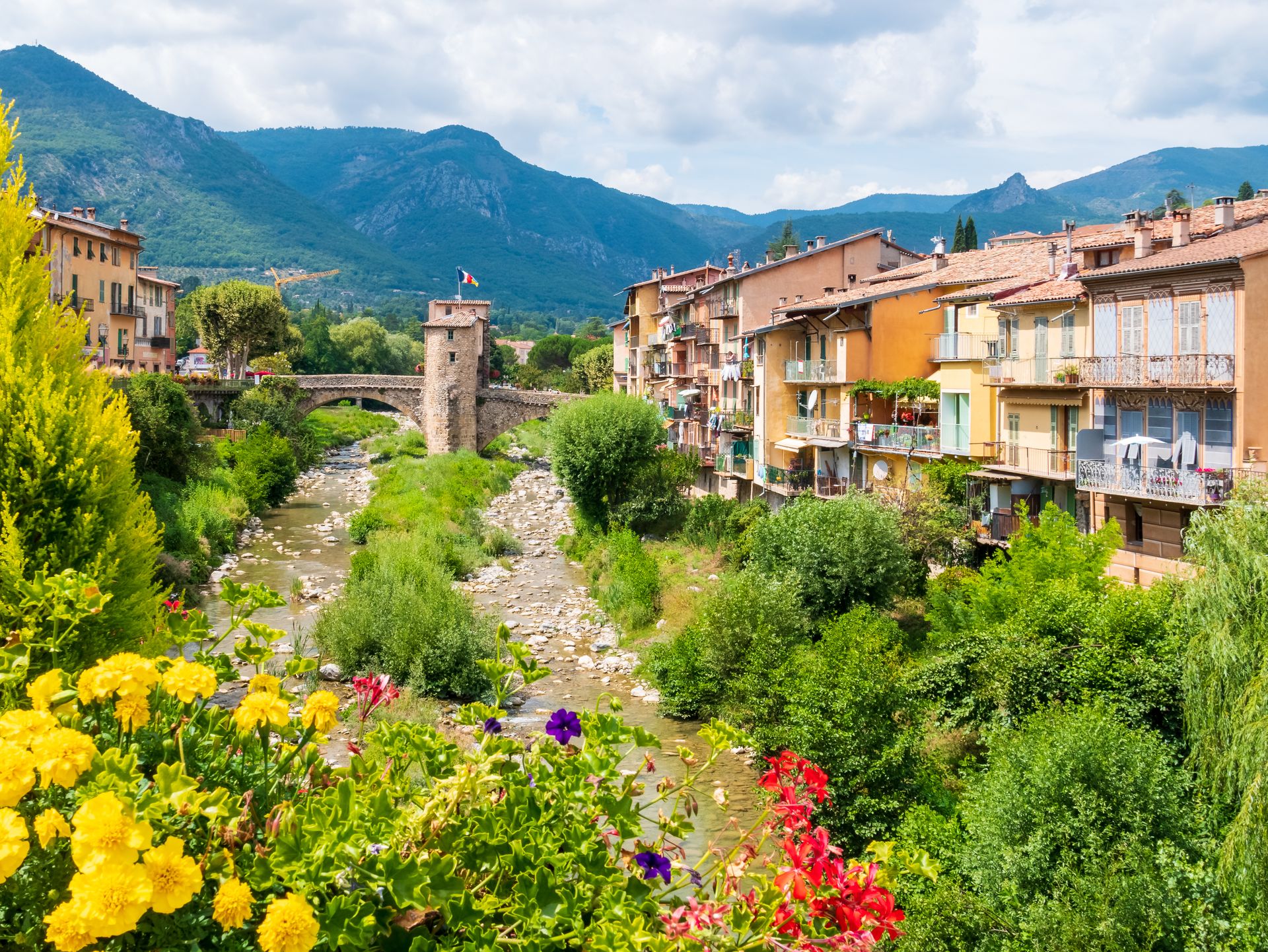
Provence From the Alps to the Sea Highlights - 5 Days
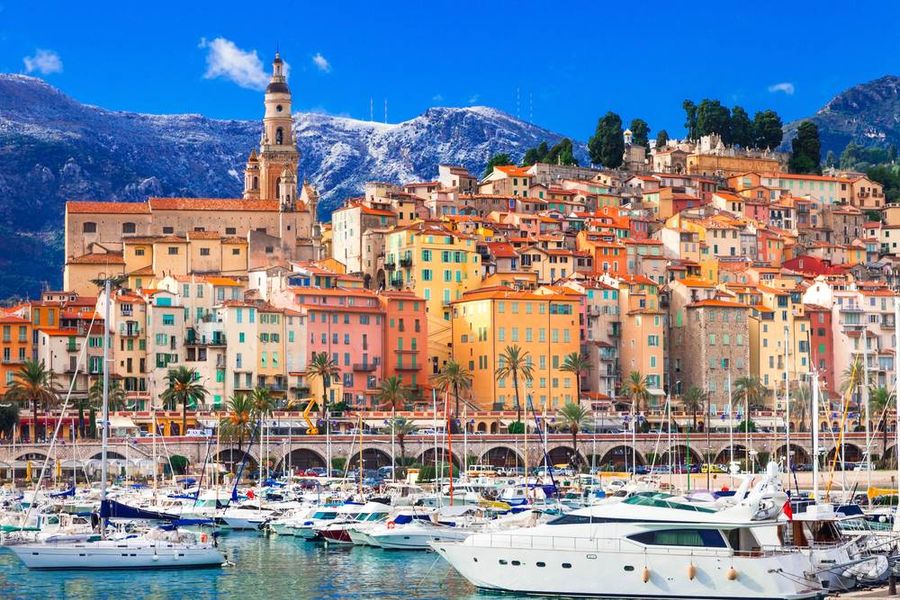
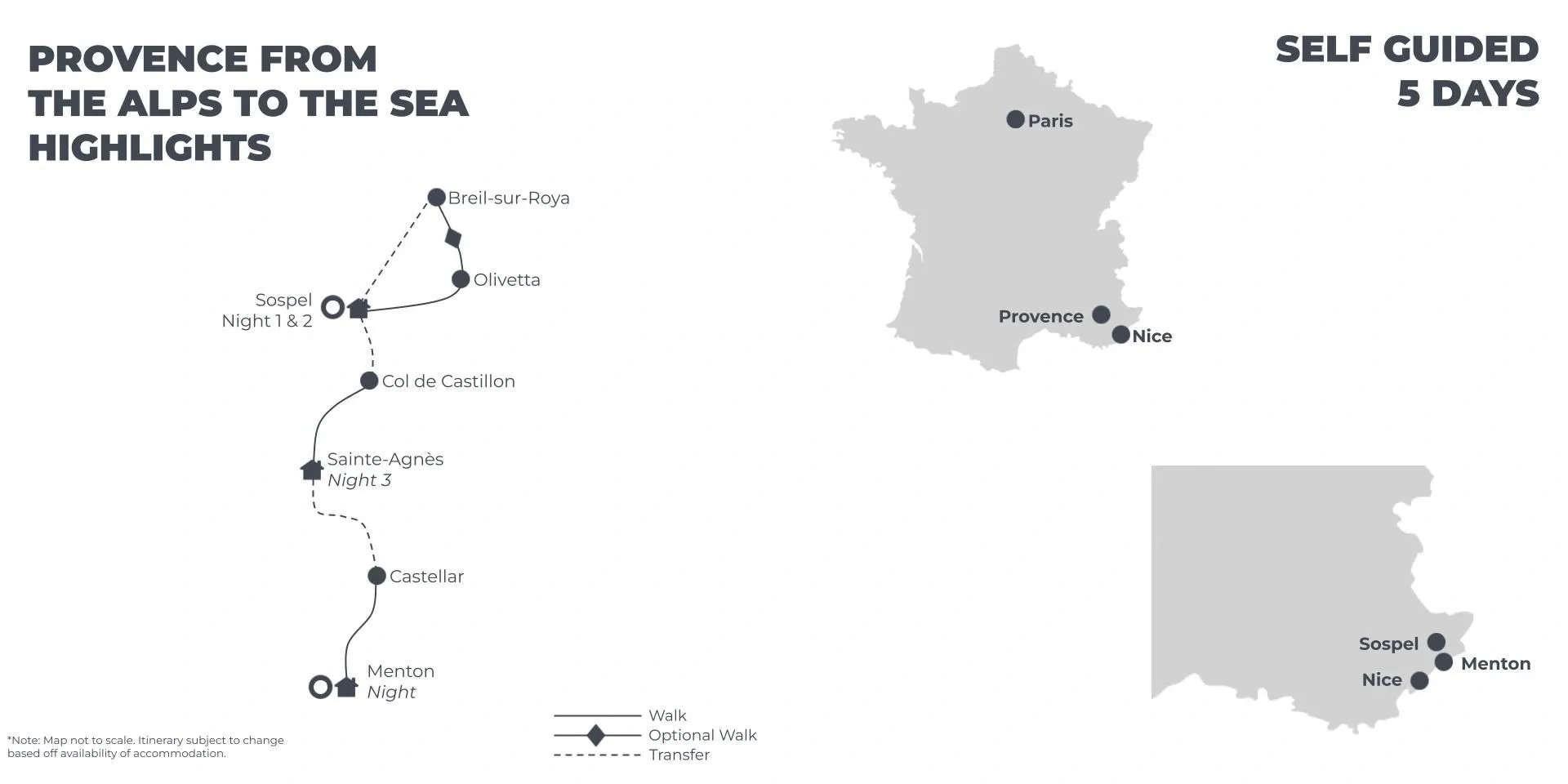
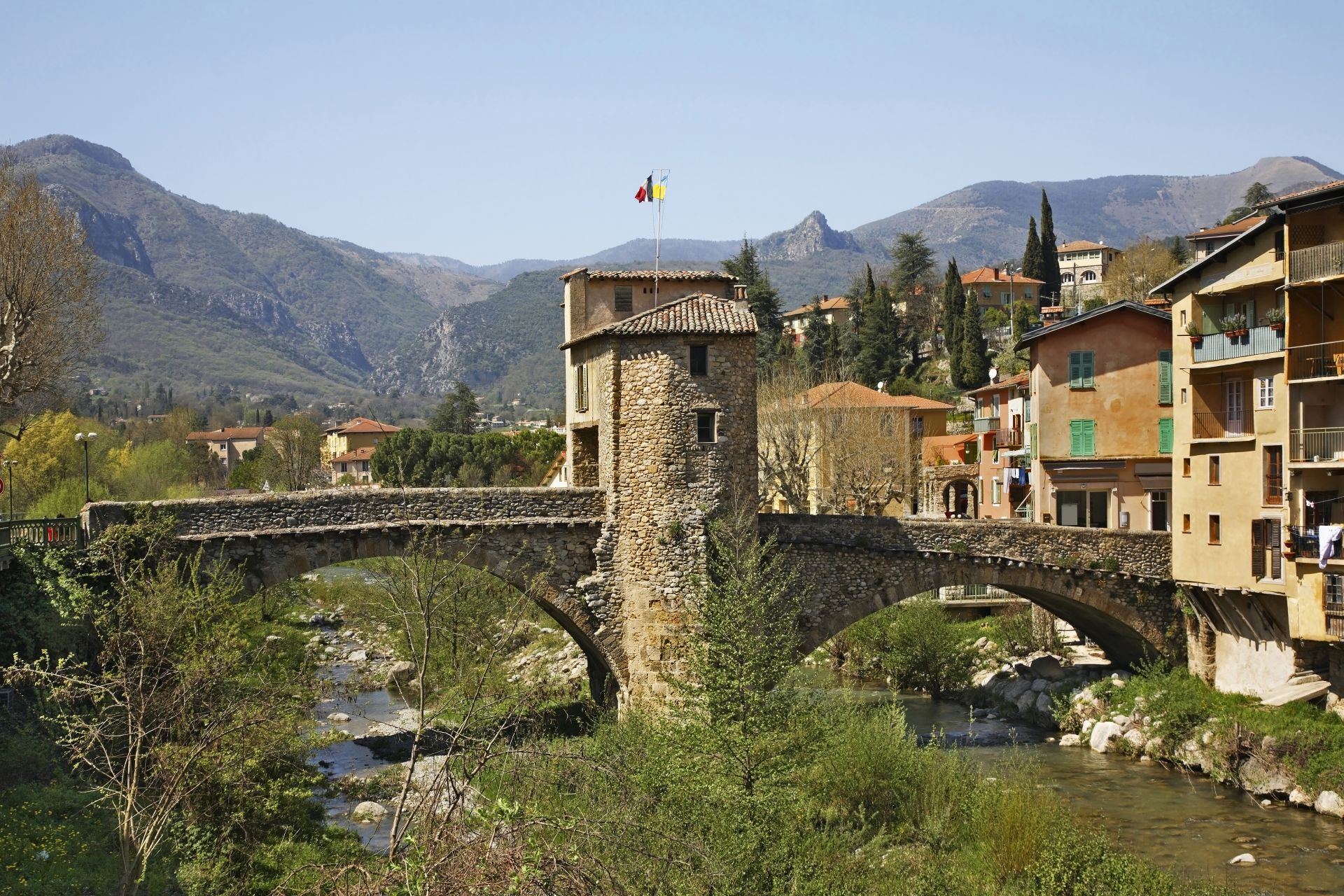
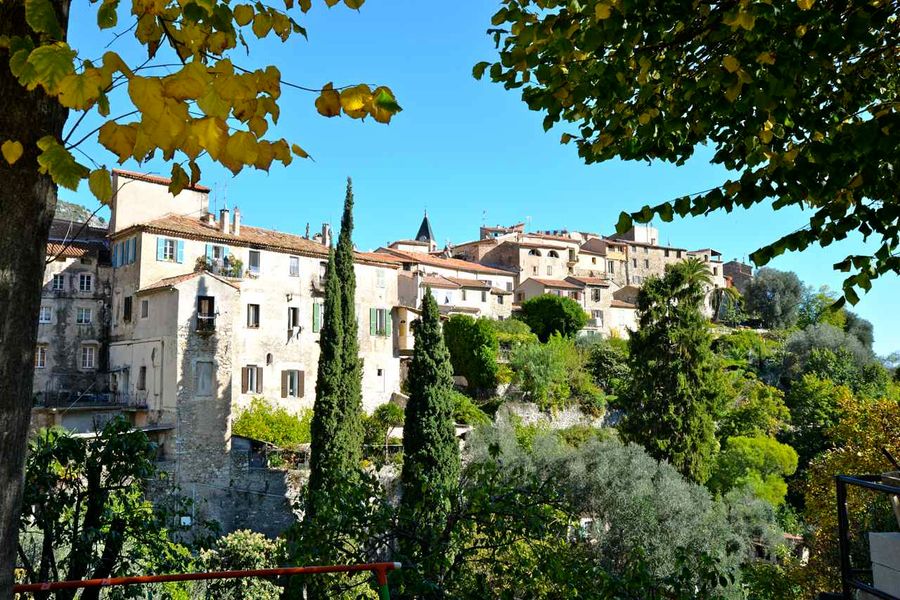
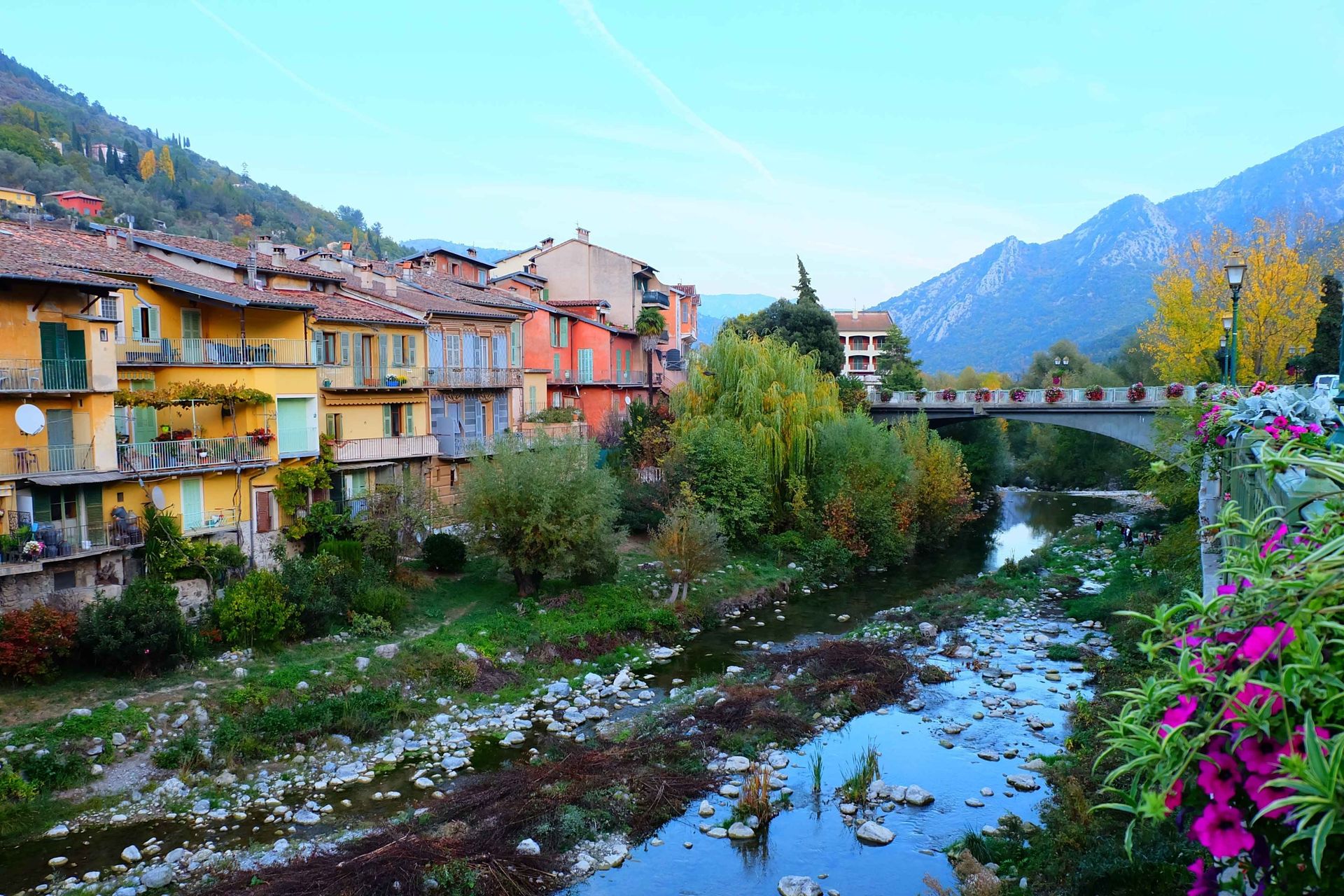
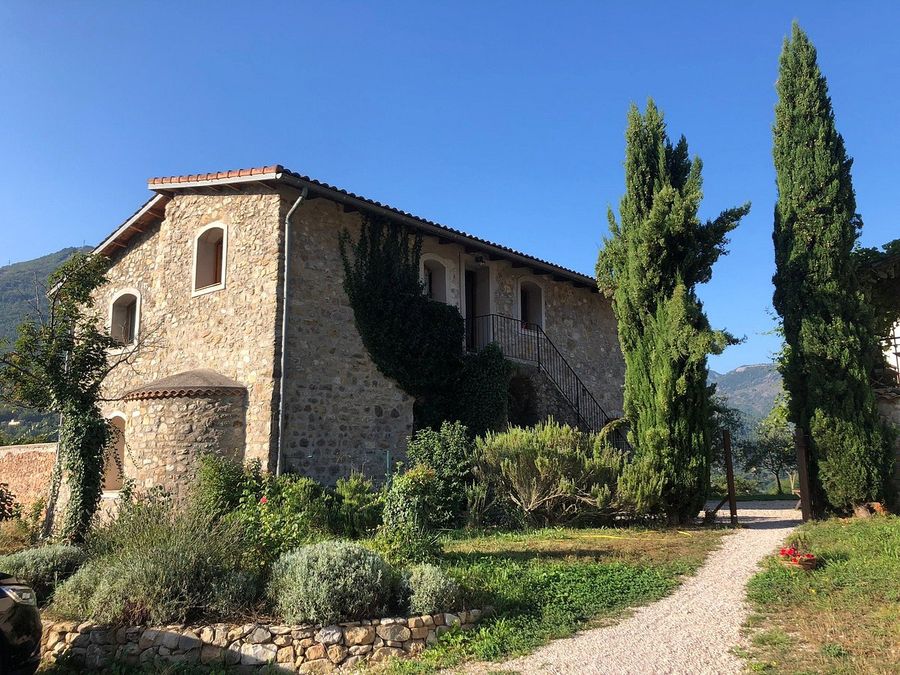
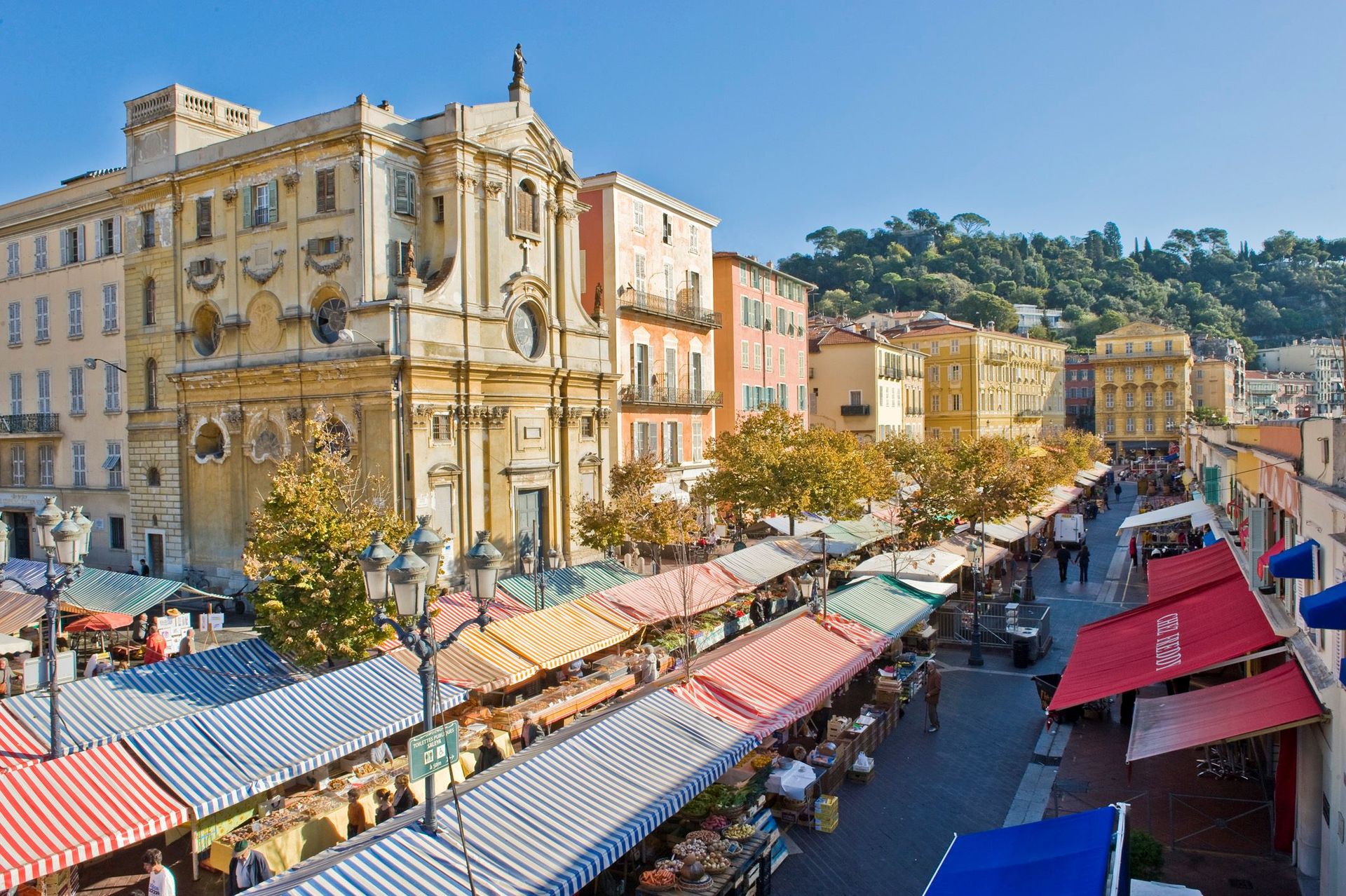
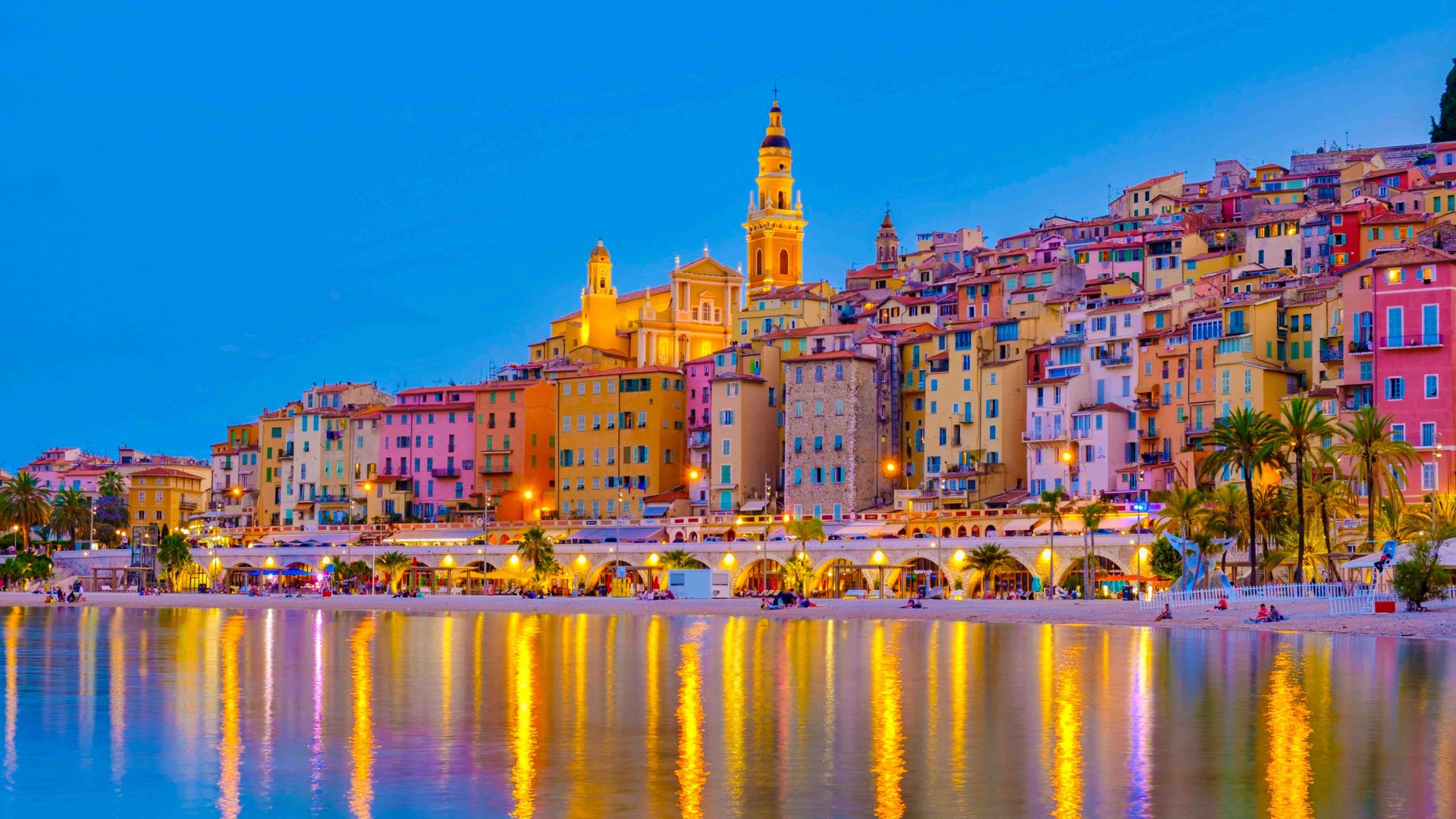
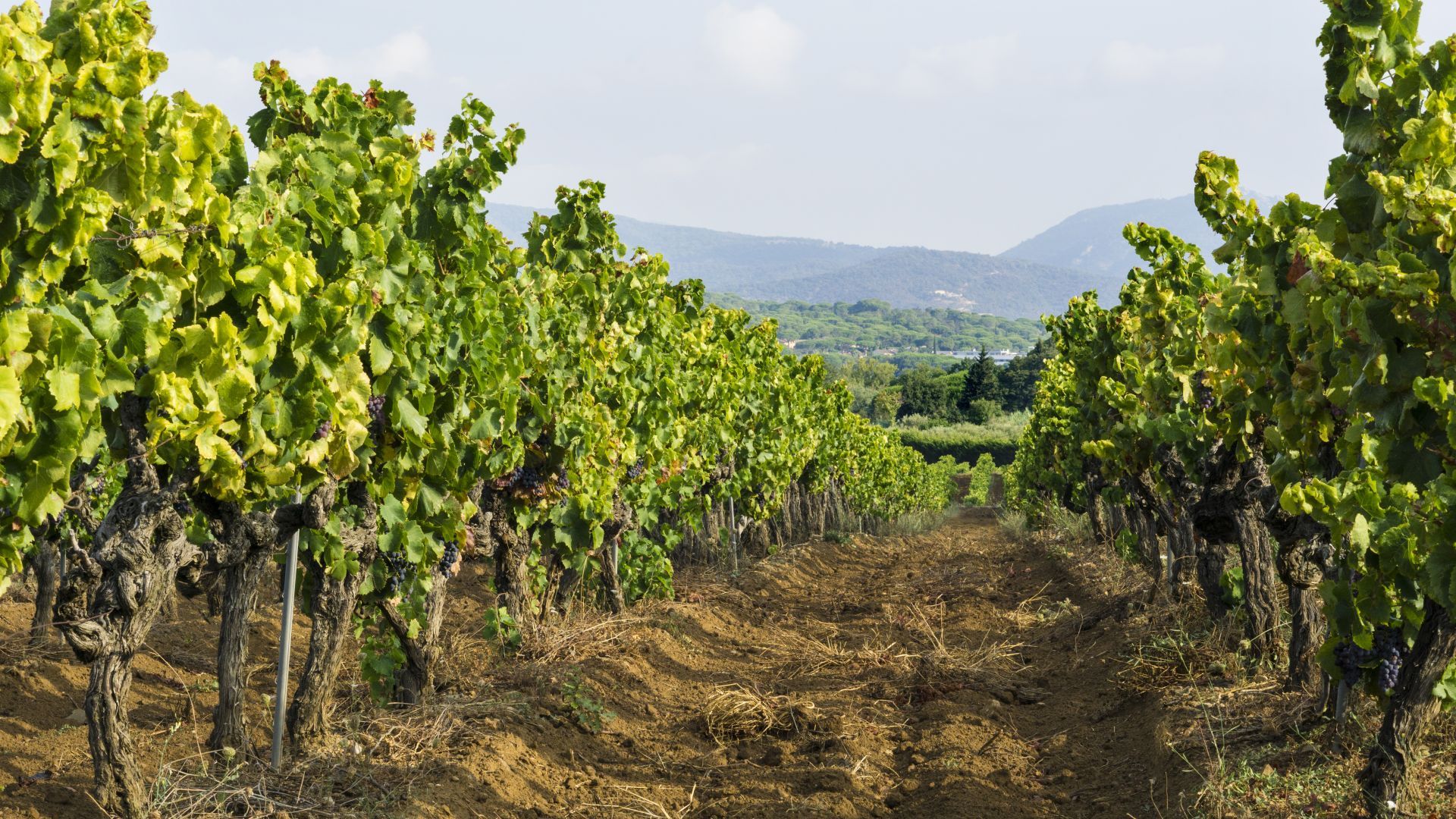
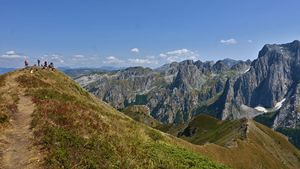
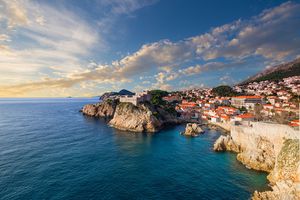
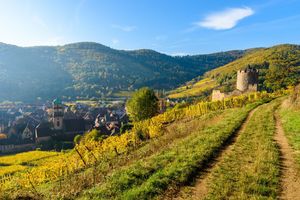
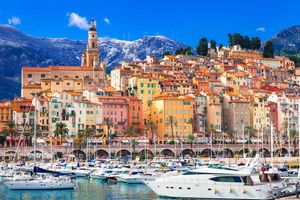
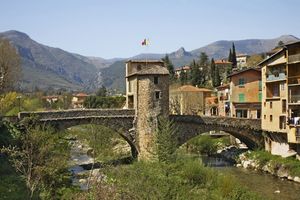
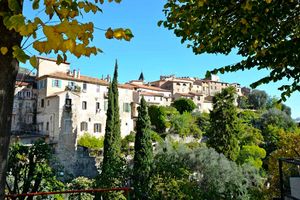
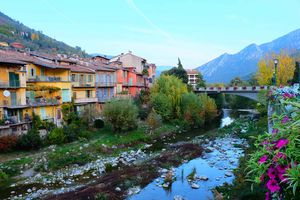
Discover the hidden backcountry of the French Riviera on this five-day walk through one of Europe's most enchanting and least-visited landscapes. Behind the glitz of the coast, ancient paths wind through verdant valleys and past villages perched dramatically on rugged clifftops, threading through old-growth forests and majestic olive groves on their way to the picturesque Italian border town of Menton. The views from the heights are extraordinary — from snow-dusted Alpine peaks to the deep blue of the Mediterranean far below. Rich in history, architecture and the intoxicating scents and flavours of the region, this is the French Riviera at its most timeless.
Note: This is the shorter version of the six-day itinerary.
Highlights
Loading overview…
Guest House (3 nights), 3-star Hotel (1 night)
4 breakfasts, 3 lunches, and 2 dinners
Stroll Walking Grade
Moderate
Rated by our team — we walk every route before we recommend it.
Expect some hills and longer walking days. A reasonable level of fitness will help you enjoy the experience.
View Fitness Guide3
Days on the trail
10-15 km
Daily distance range
230-604 m
Daily ascent range
7/10
Trail difficulty
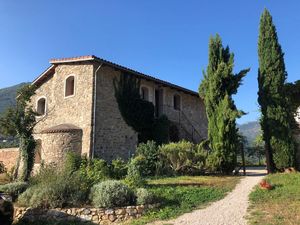
You'll stay in a mix of welcoming guesthouses and a comfortable three-star hotel, each chosen for its character, its setting and its feel for local village life. Many are small, family-run places where the warmth of your hosts is part of the experience. If one of our usual properties isn't available, we'll book an alternative of the same standard and let you know before you travel.
In Sainte Agnes, please note: It is a simple, clean walkers' hotel in the heart of a remarkable clifftop village, and it's the only accommodation there. It's intentionally unpretentious, with nothing fancy and no bells and whistles, but it's a friendly place with generous home-style dinners and plenty of fellow walkers. Staying here means you get to see the village in its most authentic light once the crowds have left, and we feel strongly that it's worth including.
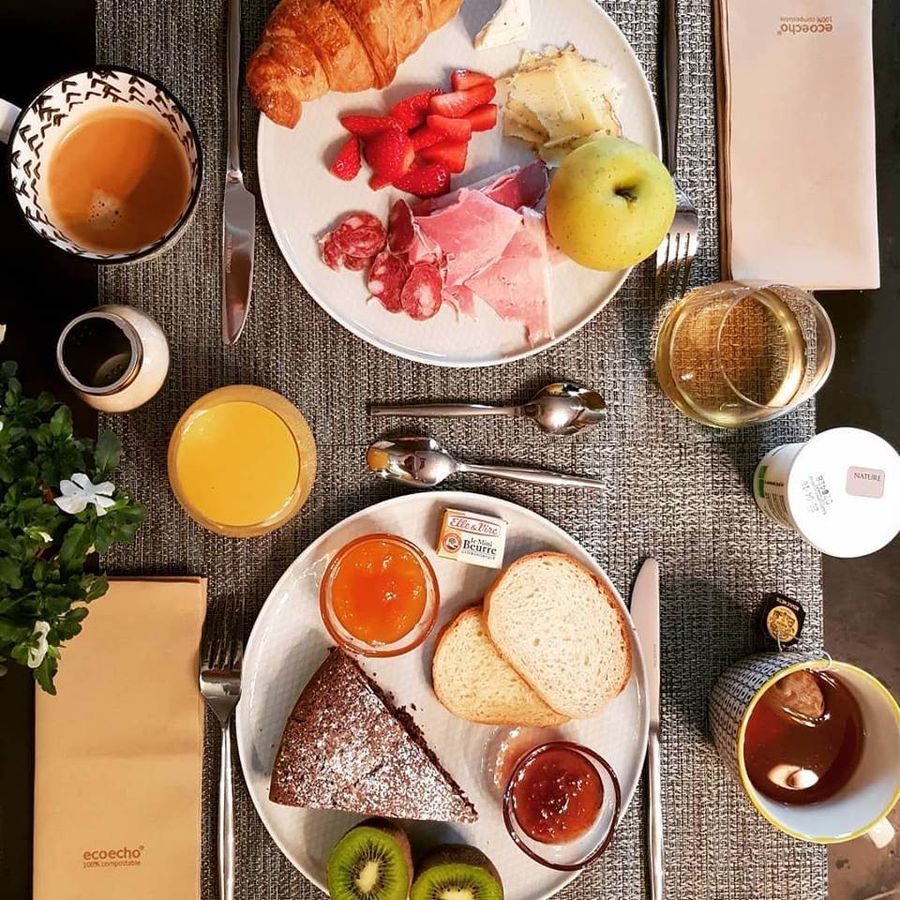
Four continental Provençal breakfasts, three picnic lunches and two three-course à la carte dinners are included throughout the walk. On evenings where dinner is not included, the towns and villages along the route offer excellent independent dining options to explore at your own pace.
Note: Drinks and alcohol are not included with meals, with the exception of tea, coffee and juice served with breakfast.
The walk starts in Sospel and finishes in Menton. The easiest option is to fly into Nice and take the train to Sospel, a scenic journey of around one hour costing approximately €9.50. Nice is well-connected with direct flights from Paris and most major European cities. From Paris, TGV high-speed trains reach Nice in around six hours, with an onward connection to Sospel. Book train tickets in advance at thetrainline.com for the best fares.
At the end of the walk, the train from Menton back to Nice takes around 40 minutes and costs approximately €5.50, with onward flights to Paris and beyond available from Nice Airport.
This walk is available from March to mid-November. Spring and autumn are the finest times, with mild temperatures, beautiful light and the villages and coastline at their most serene. Summer brings warmer days and longer evenings, though the shoulder seasons on either side offer the best walking conditions. The route stays well away from the busier coastal areas, so crowds are rarely an issue at any time of year.
Note: An additional supplement applies for bookings during the last week of May, which coincides with the Monaco Grand Prix. Speak to your destination consultant for details.
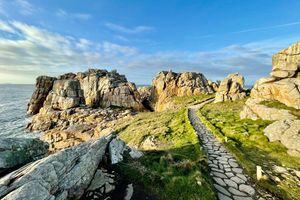
This walk is graded moderate, with daily distances averaging around 13km and four and a half to six hours of walking. The terrain follows very old, well-maintained paths via the most scenic routes to the coast, with some small ascents along the way. There is plenty of flexibility to extend each day's walking for those wanting to push further. The region is extraordinarily rich in history and beauty beyond the trail itself, and an extra day or two after the walk to explore Provence and the Côte d'Azur is highly recommended.
You must hold adequate travel insurance for your trip, including cover for personal liability and accidental injury and illness. For all trips involving international travel, your policy must also include emergency medical treatment, evacuation and repatriation cover. We strongly recommend your policy also covers trip cancellation and curtailment, and loss of or damage to luggage.
A cancellation fee usually applies if you cancel after your booking is confirmed. Travel insurance with cancellation cover will generally cover this fee, so it's worth arranging your policy at the time of booking.
Full insurance requirements are set out in our booking terms and conditions.
A detailed information pack and itinerary will be sent to you around six weeks before departure, covering everything you need to know for a seamless experience. In the meantime, our team is always on hand to answer any questions.
Your main luggage travels ahead of you each day, so you only need to carry a daypack while you walk. It's transferred directly between your accommodations and will be waiting for you on arrival each evening, leaving you free to enjoy the trail without the weight on your back. Transfers are included as part of your package, along with all transport on and off the track, so there's nothing extra to arrange once you're on the road.
Pick any available date — this is your trip, your schedule
Prices shown are per person, twin/double share basis.
The trip was amazing and the views was a highlight.
The Provence walk was definitely a moderate walk with some strenuous parts. The views and wildflowers were lovely along the way. Remember to have the picnic provided or buy food as there are limited places along the way.
Alps to the sea is a beautiful walk start to finish. Had a lovely lemon drink at Maison Gannac after crossing under the freeway. Beautiful views. Also excellent flat white coffee at Menton market.
Entire walk went extremely well. The hotels were all good - with the exception of the hotel in Apt.
The communication with Stroll is super efficient and well managed.
The entire walk went extremely well. Luggage transfers happened. The walk notes really were excellent- which is fortunate because if not, getting lost would be easy.