


Stroll
Swiss Alps

Swiss Alps

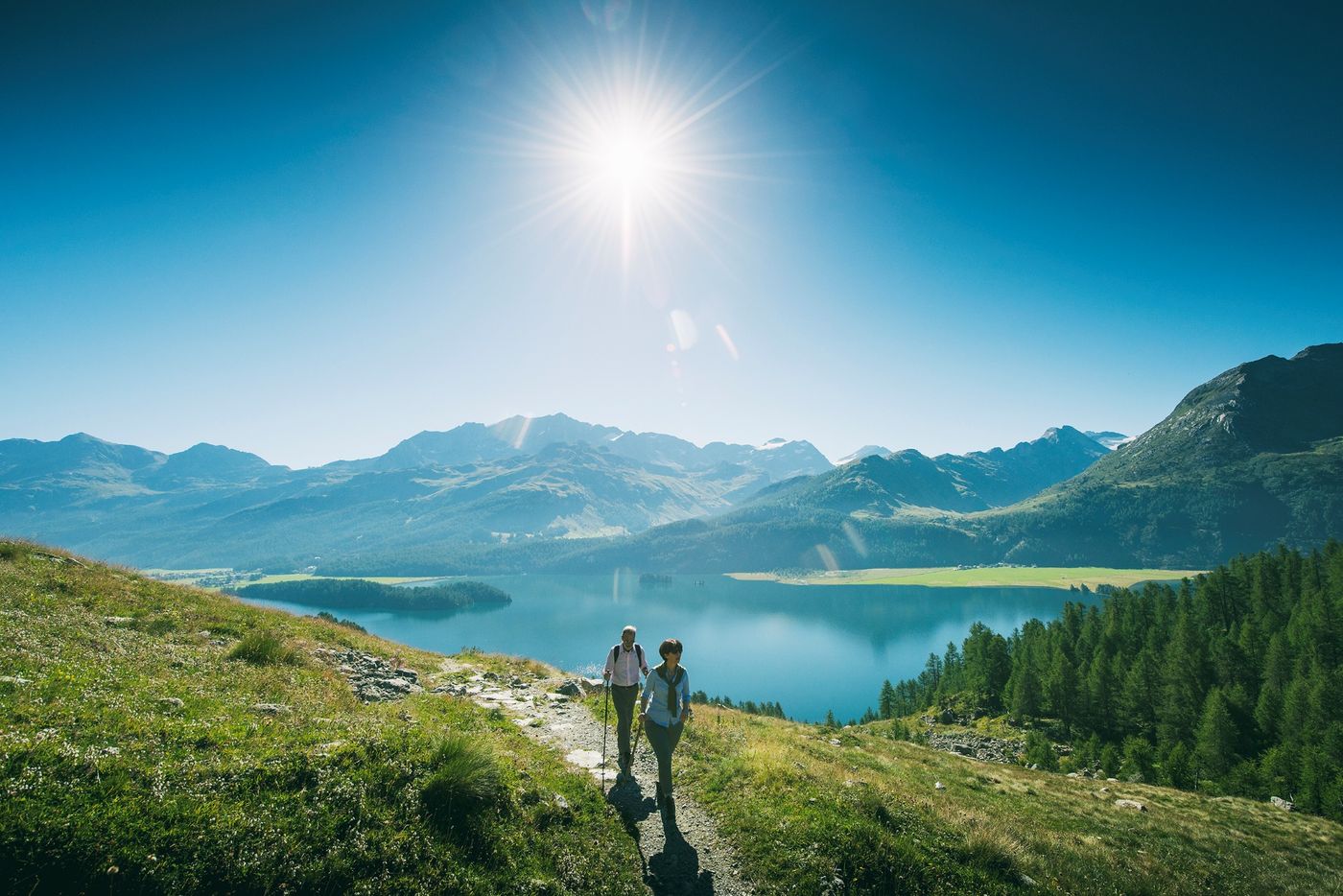
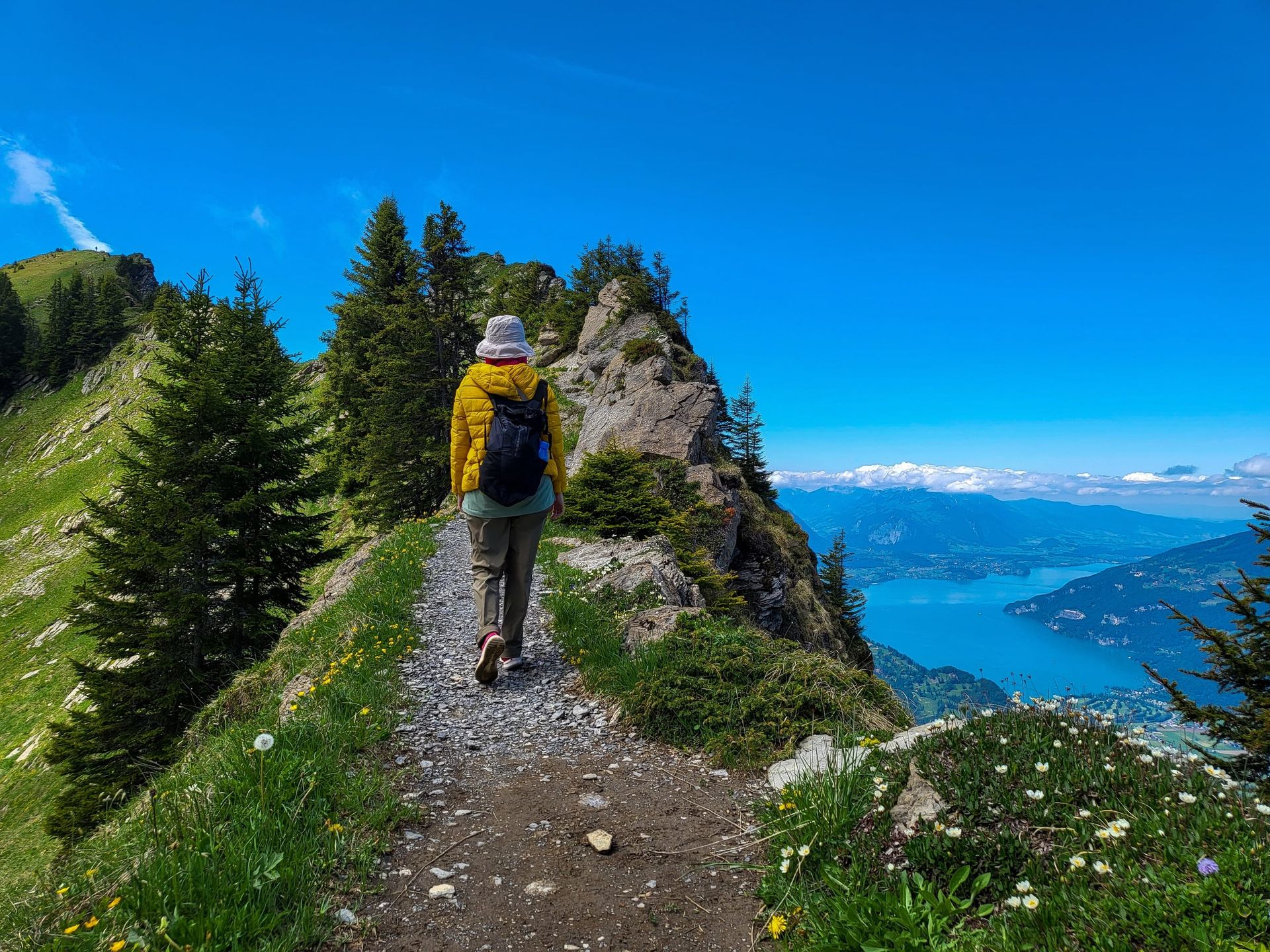
Switzerland sets the standard for Alpine walking, with over 65,000 kilometres of immaculately marked trails threading through some of the most dramatic mountain scenery in the world.

View 1 stroll

Plan your Swiss Alps trip with an expert in a free 1:1 consultation.

Swiss Alps badge

30+ Years Experience

Three decades of crafting memorable walks worldwide

Pack-Free Walking

Your luggage travels ahead while you walk light

24/7 Support

We're always just a phone call away

Eco Travel

Tread lightly through the places you love

As Featured In

The TelegraphCNN TravelLonely PlanetTripAdvisorFodor'sFrommer'sNational GeographicThe New York TimesResponsible Travel

Overview


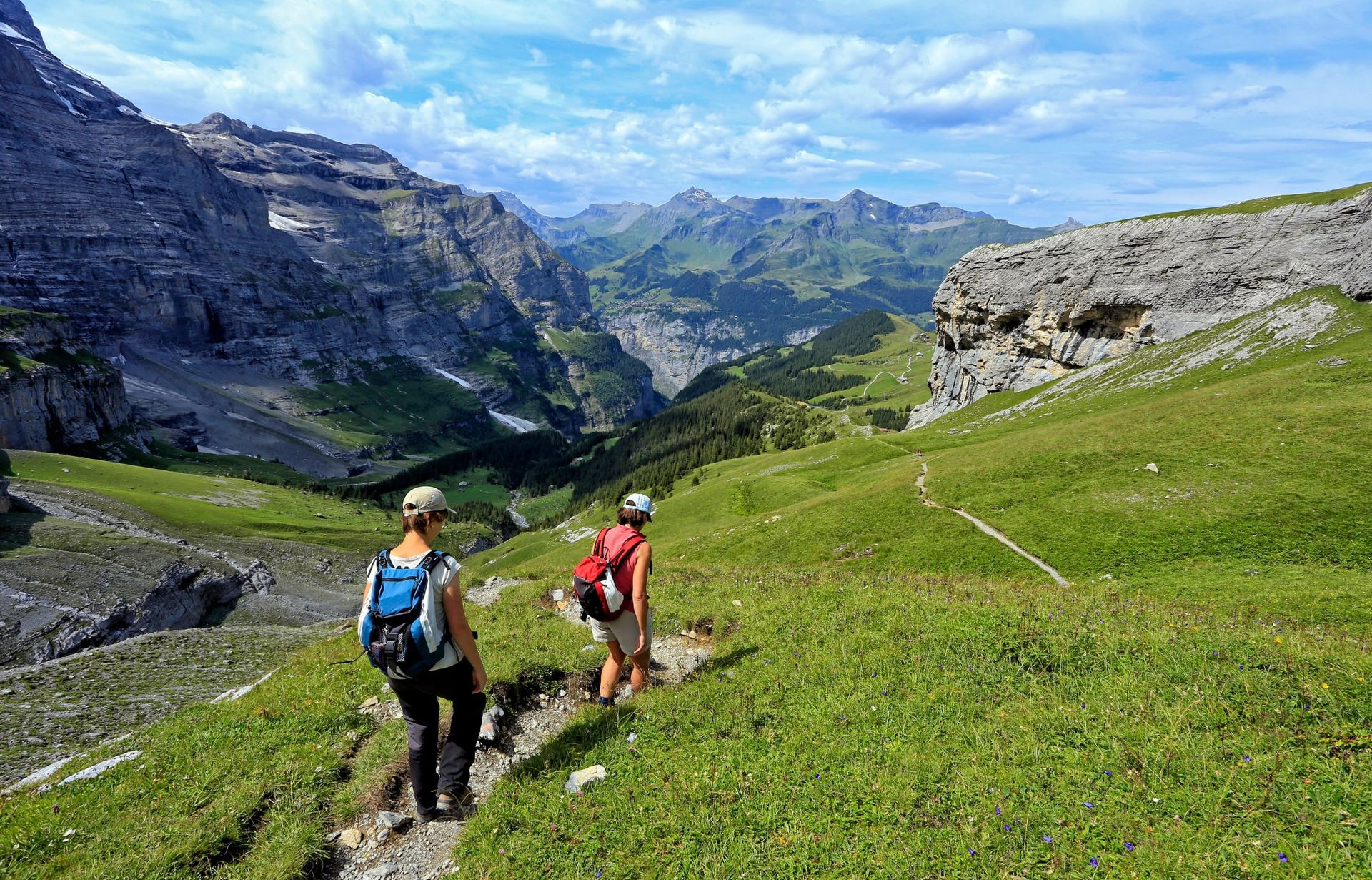
Few countries take walking as seriously as Switzerland. The trails are meticulously maintained, the waymarking is faultless and a world-class network of trains, cable cars and yellow post buses means you can spend your days on the high passes and your evenings in cosy mountain chalets with fondue and rösti on the table.

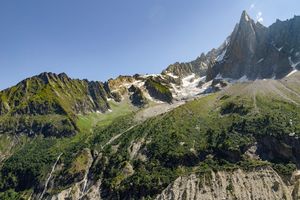
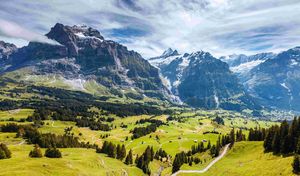
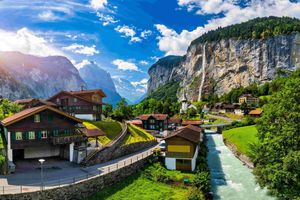
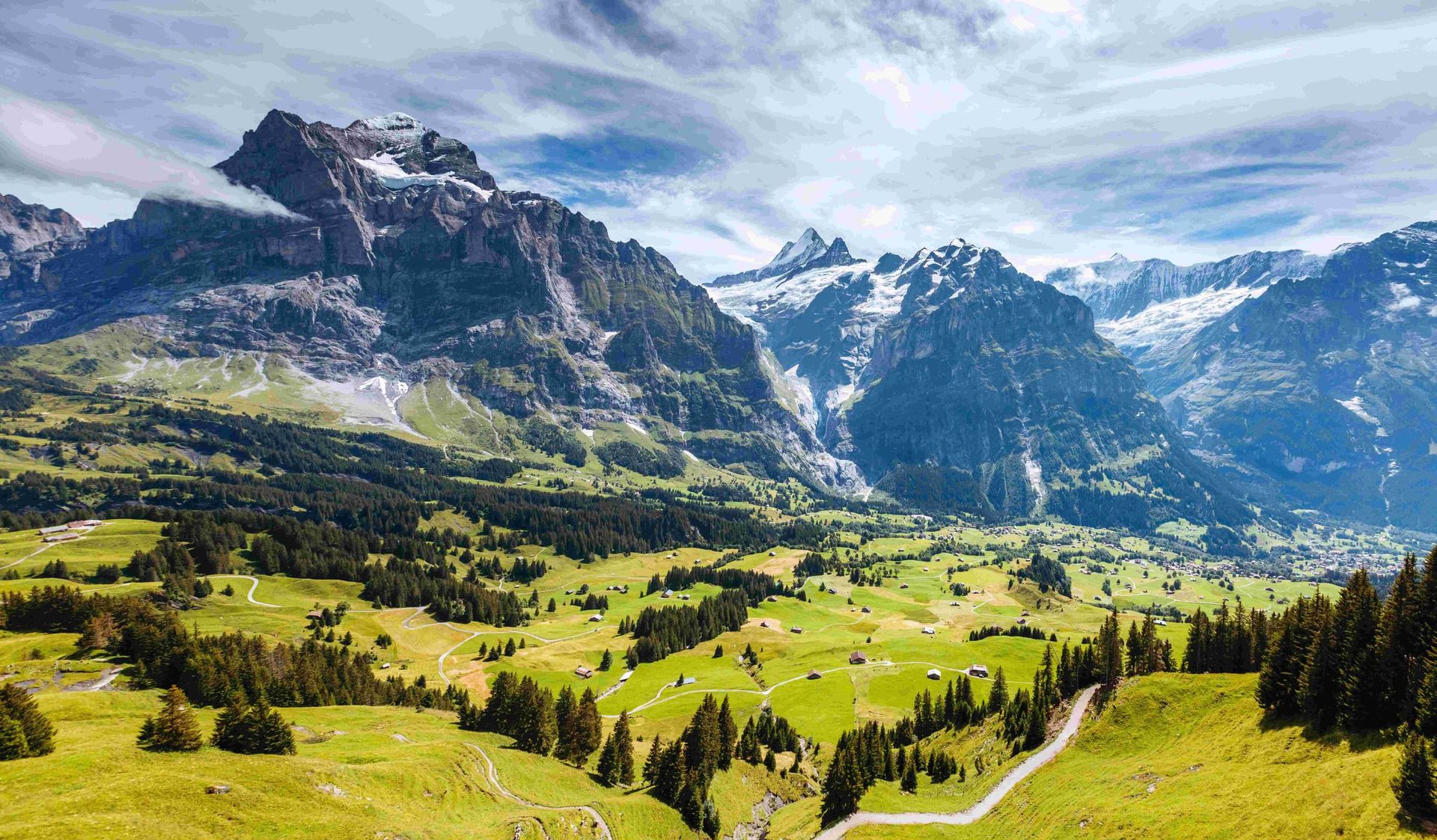
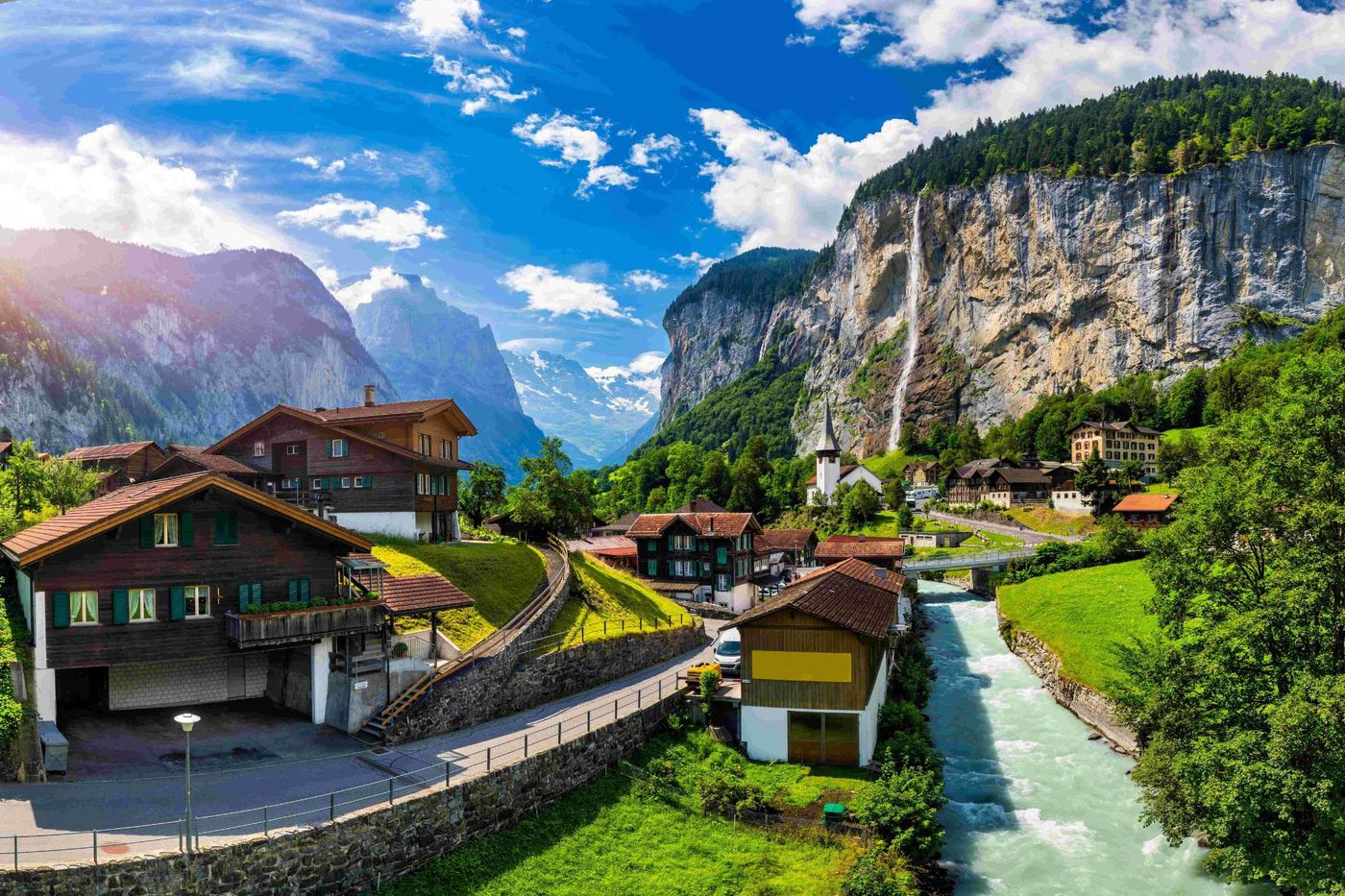
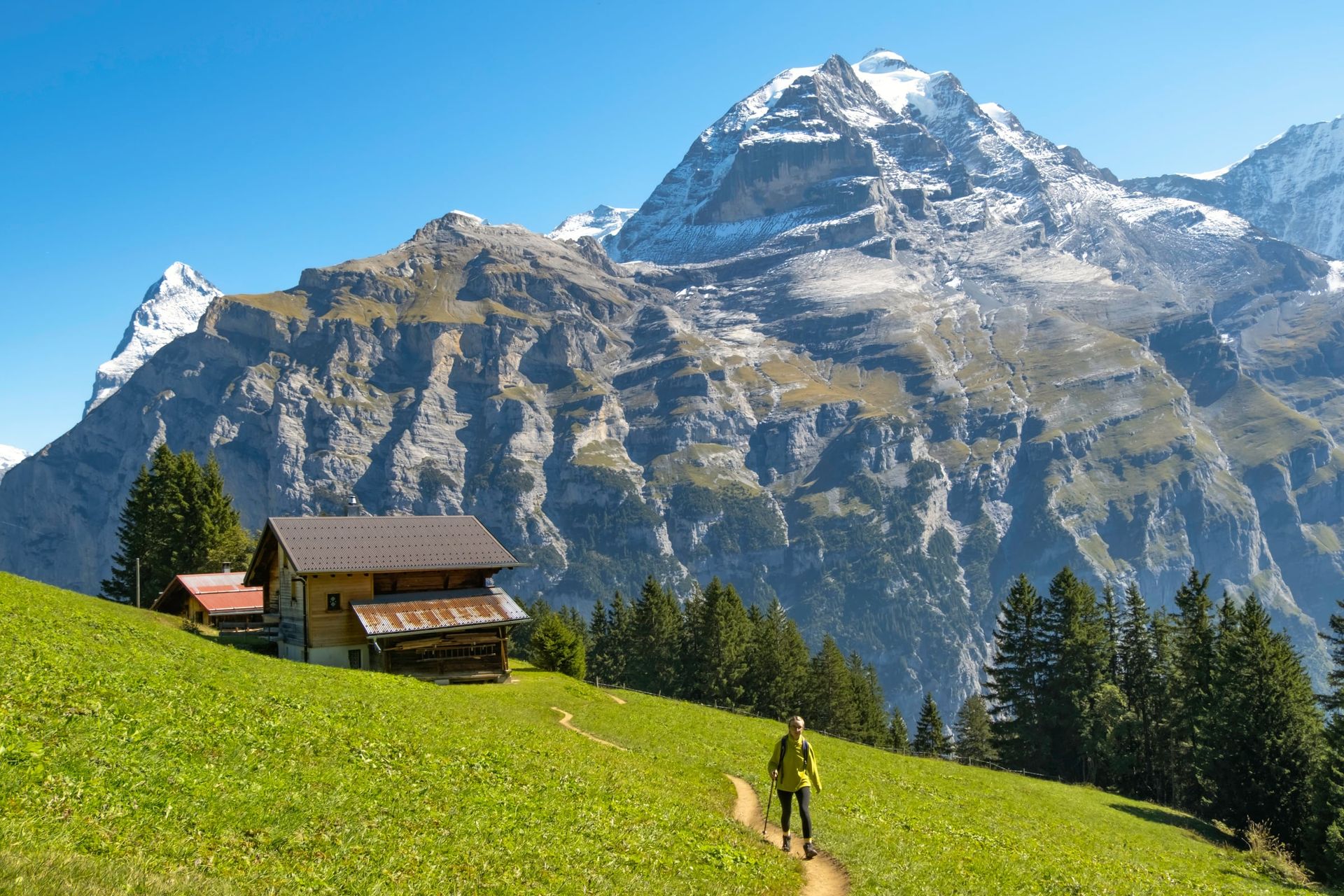
The Bernese Oberland is the classic starting point, where the Eiger, Mönch and Jungfrau dominate the skyline above flower-filled meadows and the car-free villages of Grindelwald, Wengen and Mürren. For something more demanding, the Walker's Haute Route traverses high alpine passes from Chamonix to Zermatt, with the Matterhorn appearing on the horizon as the walk draws to its close. The quieter Engadine valley in the east offers an altogether different character, with Romansch-speaking villages, glacial lakes and trails that rarely feel crowded.

Whatever your pace or ambition, Switzerland delivers. The infrastructure is seamless, the scenery is consistently extraordinary and the mountains have a way of making every day feel well earned.

The Swiss Alps experience

Wonder
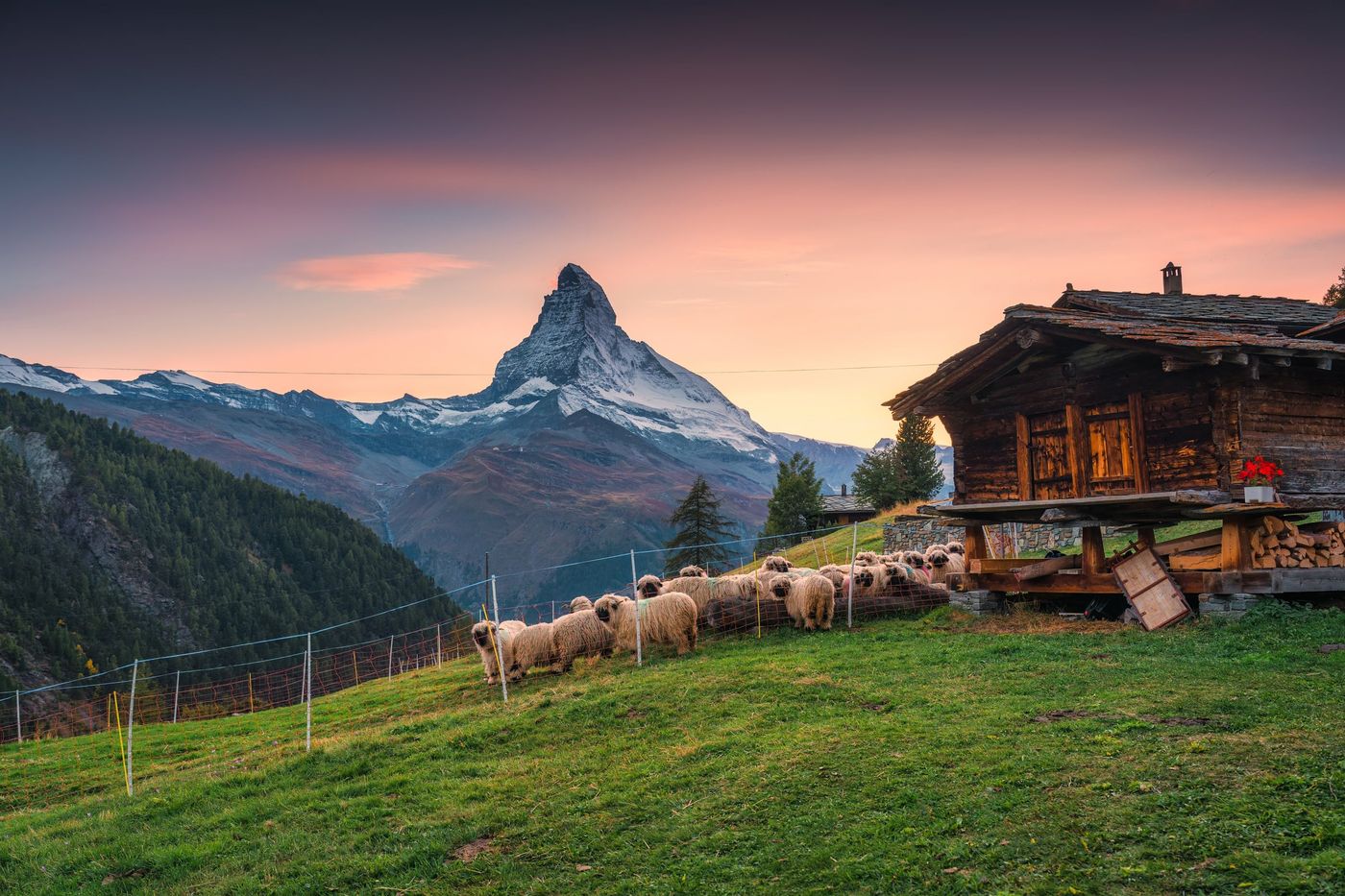
Walk the eastern section of the Walkers Haute Route from Arolla to Zermatt, finishing in the shadow of the Matterhorn
Cross the Col de Riedmatten, the highest section of the route with commanding views over the Pennine Alps
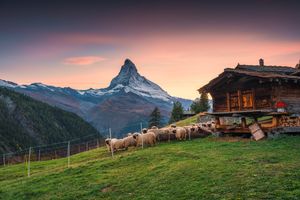
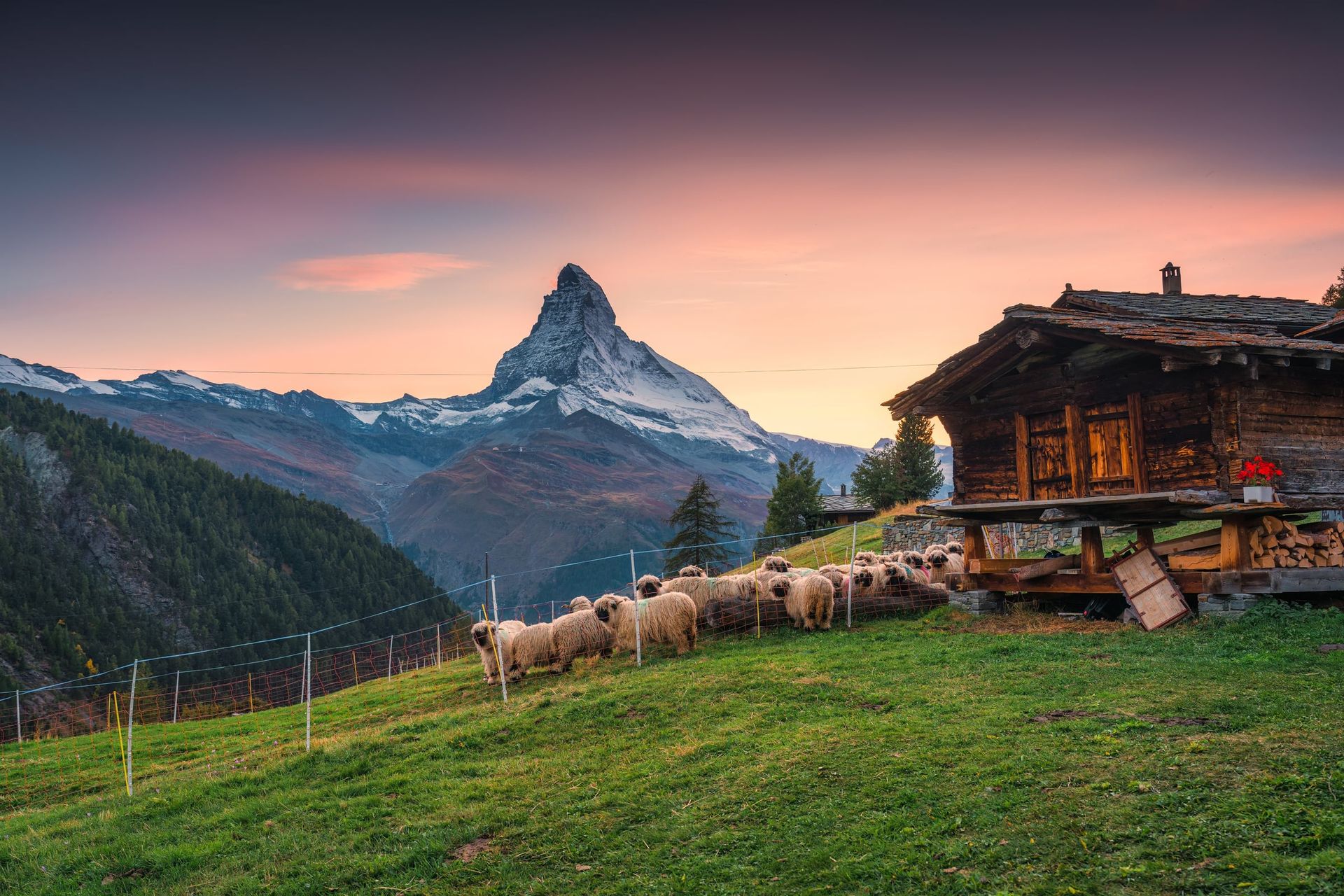
The Matterhorn's distinctive pyramid appears on the final descent into Zermatt, one of the great walk finishes
Wellness
Switzerland's 50,000 kilometres of meticulously maintained trails make this one of the world's great walking destinations
Mountain huts and valley inns provide warm food and comfortable beds at the end of every challenging day
The Haute Route's stages are achievable for experienced walkers seeking a serious but non-technical challenge
Nature
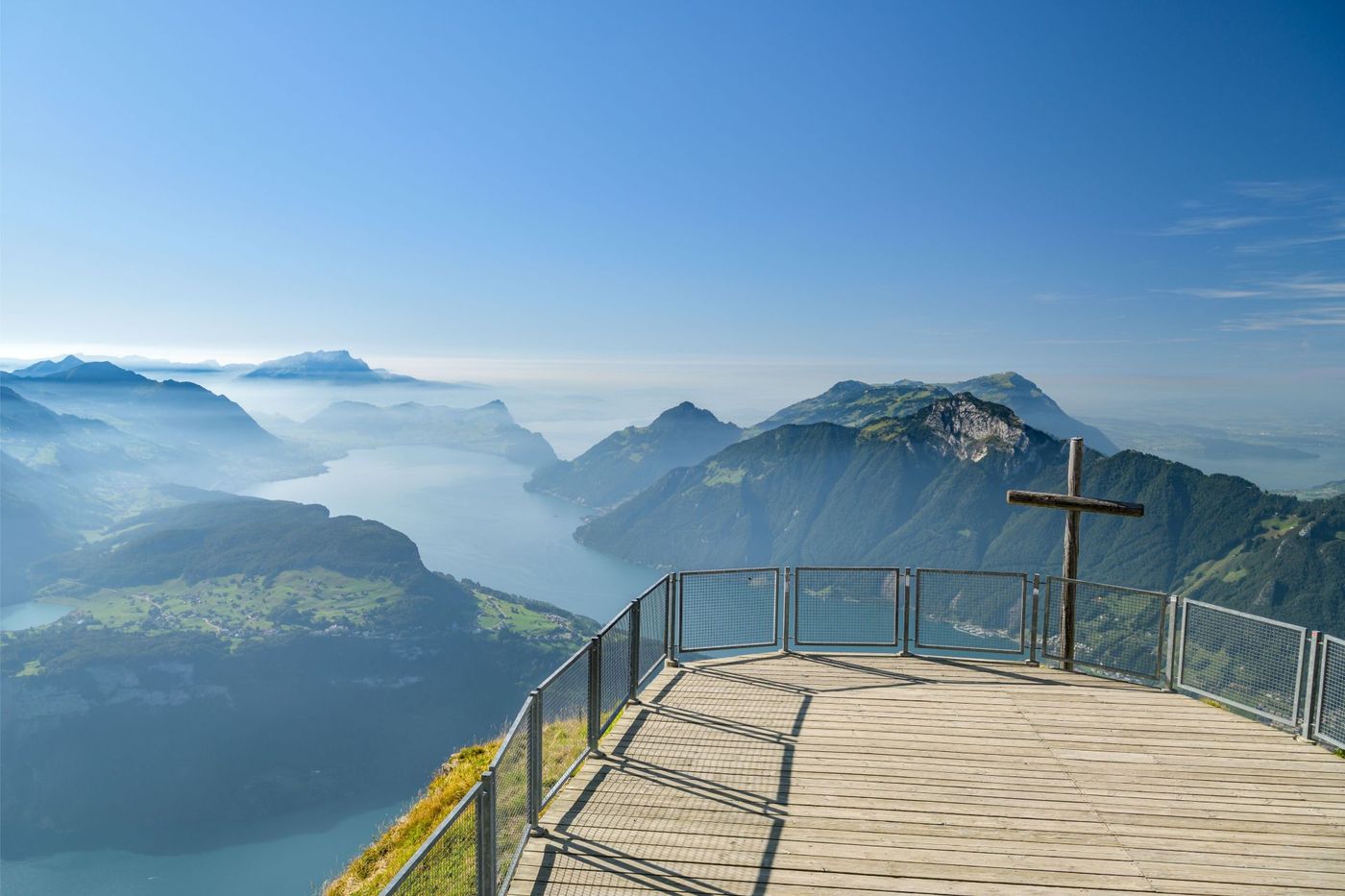
More than fifty peaks above 4,000 metres, including the Matterhorn, Monte Rosa, and the Dom, line the horizon
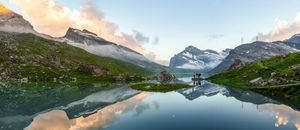
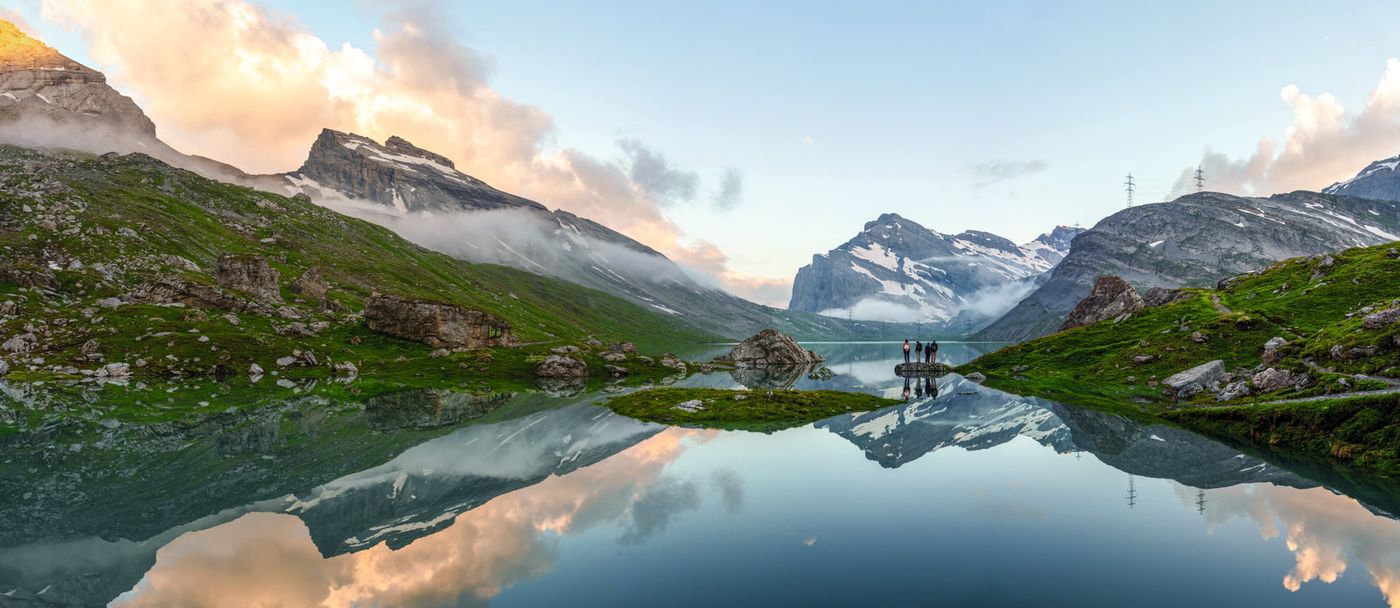
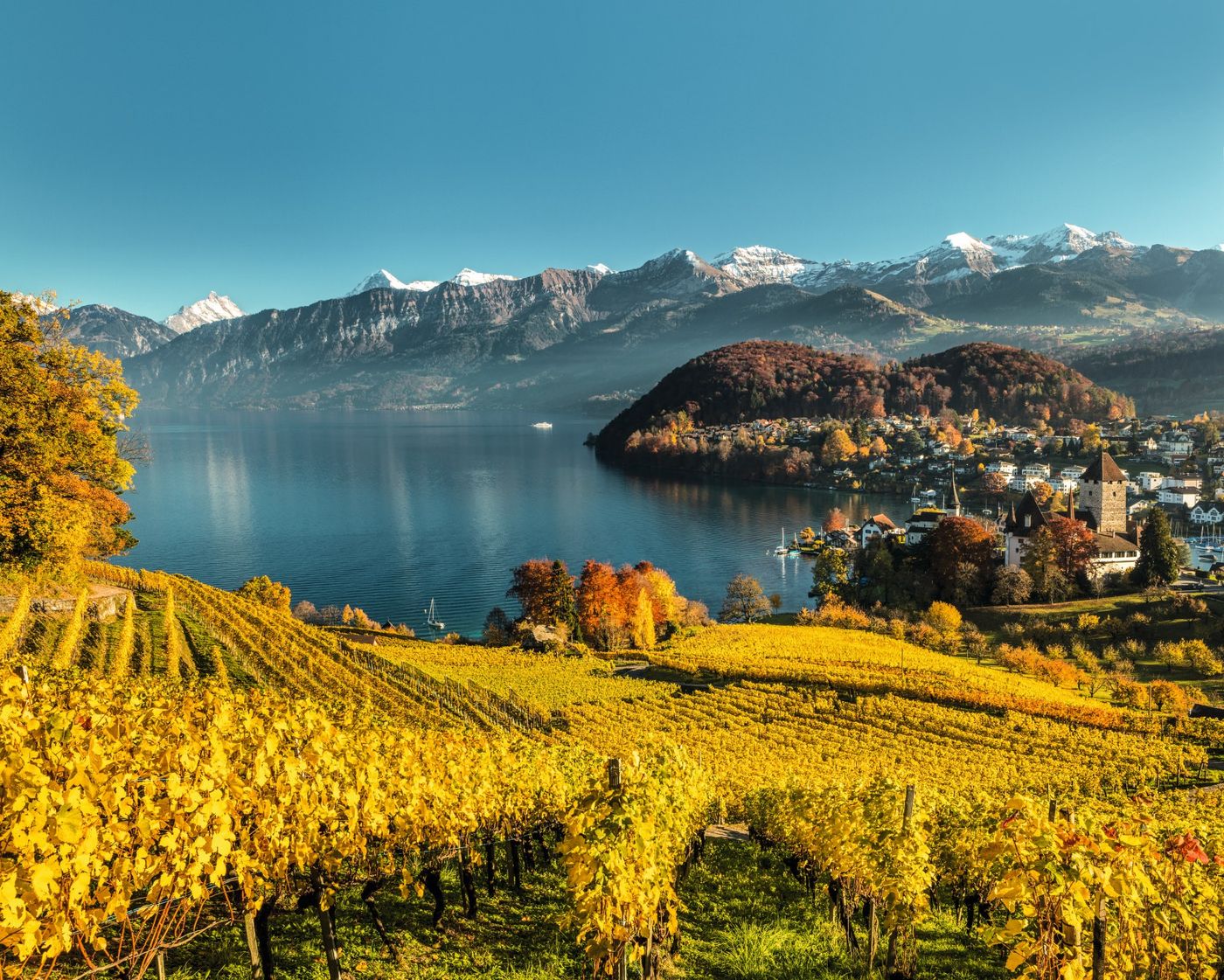
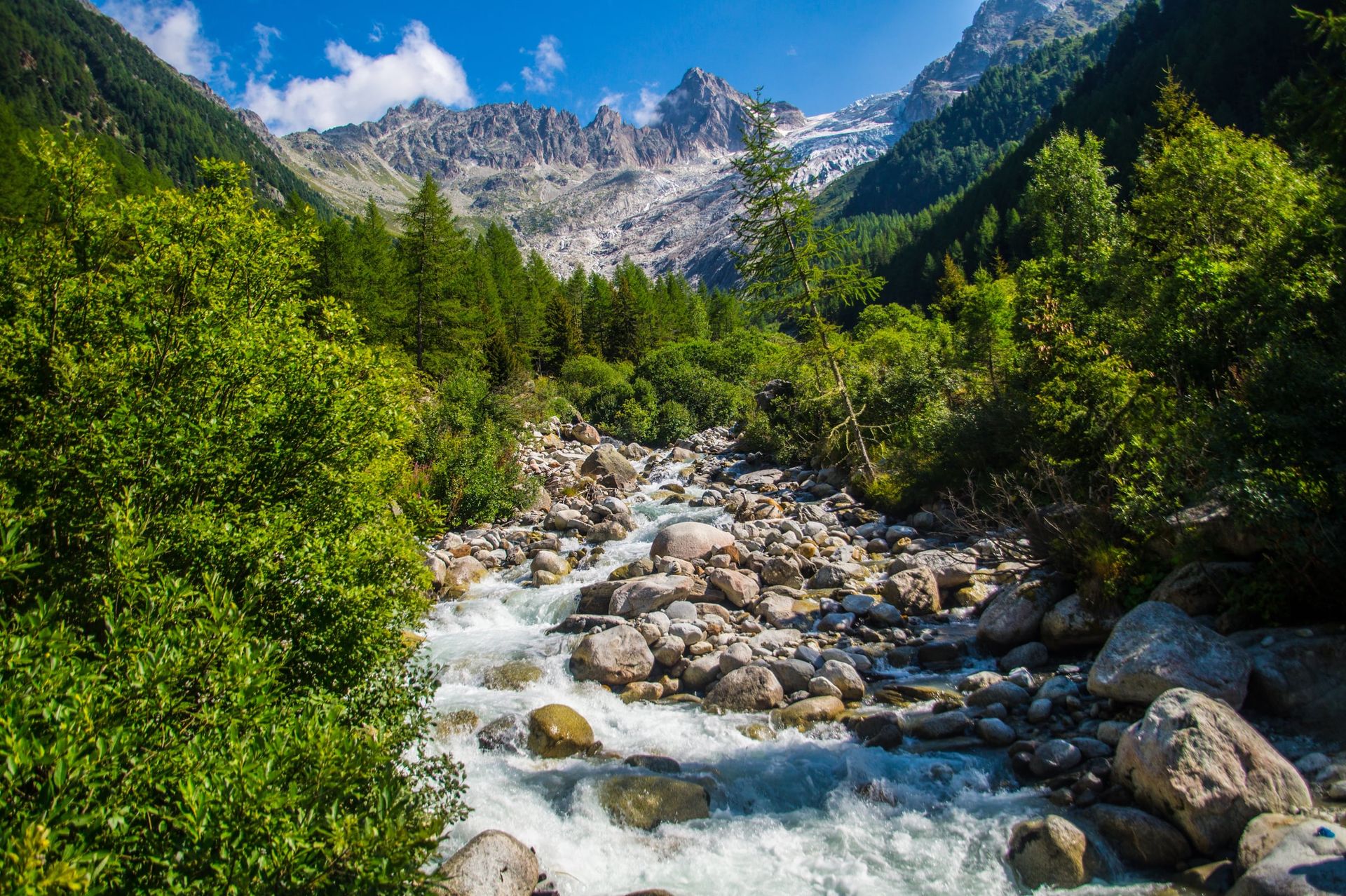
Glacial lakes, alpine meadows, and towering waterfalls mark each day of this classic alpine traverse
Chamois, marmots, and ibex are commonly encountered on the high sections of the Haute Route
Coming soon
Local recommendations are coming soon.

Swiss Alps reviews

Loved by walkers

4.9/ 5
298 reviews
4.8/ 5
Google reviews
4.9/ 5
people like this

Frequently Asked Questions

June through September (summer to early autumn) is the main walking season in Switzerland. July and August offer the warmest conditions and the best chance of clear views, while June brings wildflowers across the alpine meadows and September sees the first golden colours of autumn with noticeably fewer crowds. High passes and some routes above 2,500 metres may still carry snow in early June.
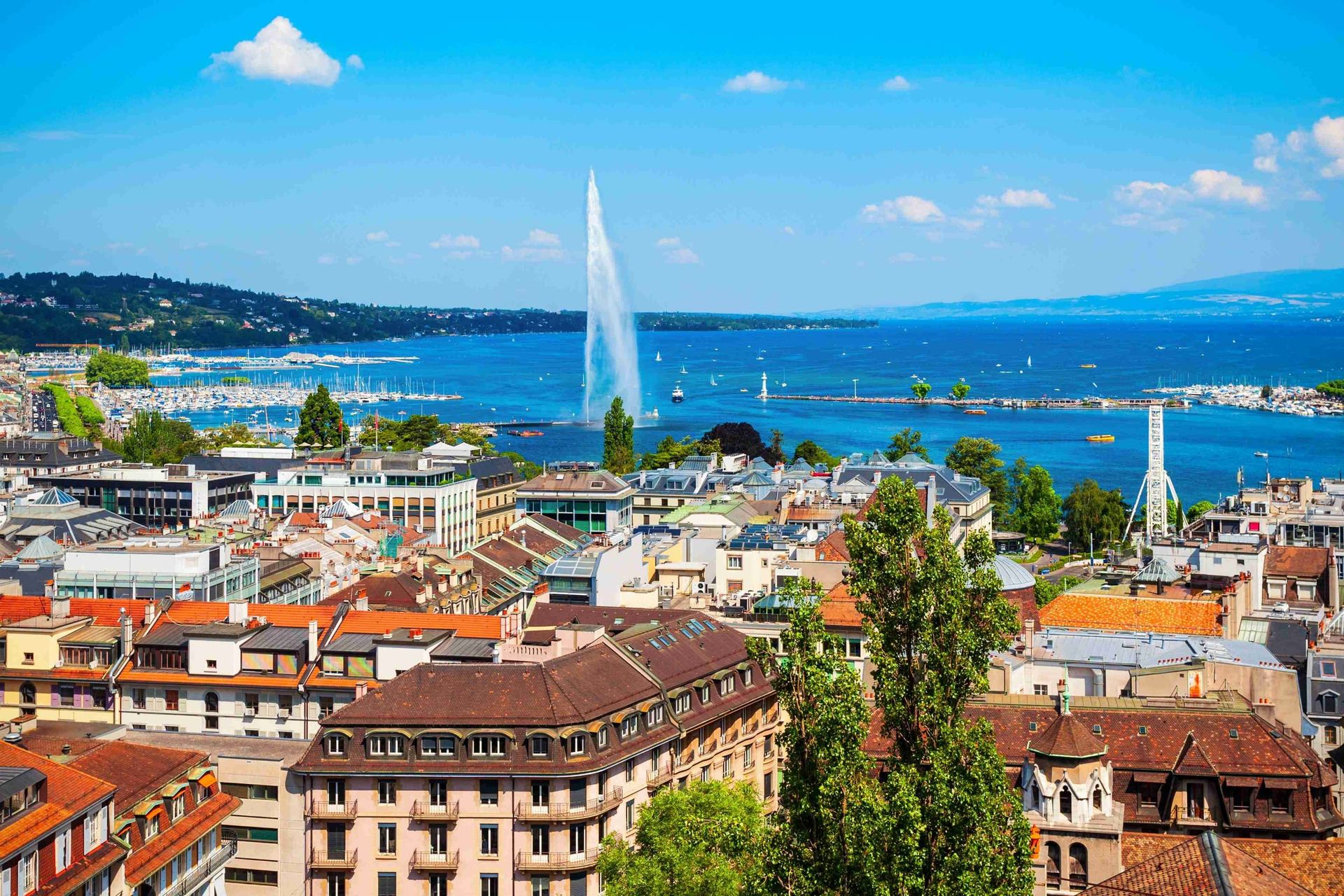
Geneva is the main gateway for the Tour du Mont Blanc and Haute Route itineraries. Zurich is a good option for walks further east. Switzerland's rail network is exceptional — from either airport, trains connect quickly and reliably to virtually any starting point on your itinerary.

Your main luggage is transferred between accommodations each day, so you walk with just a daypack. Bags must weigh no more than 20kg. On most itineraries your luggage arrives at the next accommodation by early evening. Keep your passport and valuables with you rather than in your main bag.

Across the walks, you'll stay in a mix of three-star hotels, family-run guesthouses and simple mountain hotels, all with private ensuite rooms. The standard is consistently comfortable — Swiss hospitality rarely disappoints. Most itineraries include breakfast daily and several dinners.

Coverage is generally good by alpine standards — Switzerland's infrastructure is world-class — but signal can drop in more remote valleys and high passes. A downloaded offline map is a sensible backup, and the smartphone app included with your travel packet works without data.

A daypack in the 25–30L range is ideal. Pack two to three litres of water, snacks, a waterproof jacket with hood, warm mid-layers, sun protection (the alpine sun is strong at altitude), a headtorch, your walk notes and map, and any personal medication. Walking poles are worth considering — the high-pass itineraries involve significant ascent and descent.

Layers are essential. Conditions in the Swiss Alps can shift from warm sunshine to cold wind and rain within an hour, especially at altitude. A quality waterproof jacket is non-negotiable. Waterproof hiking boots with ankle support are strongly recommended for the higher-graded routes. For the Tour du Mont Blanc and Haute Route, warm gloves and a hat are worth packing even in July.

The Switzerland walks are rated challenging to strenuous. The Tour du Mont Blanc and Haute Route both involve daily ascents and descents of 800 to 1,200 metres or more, and several days exceed 20km. A solid base of fitness and regular hill walking in the months before you leave will make a real difference to how much you enjoy it. The Via Francigena itinerary is rated moderate and suits a wider range of walkers.

Switzerland uses the Swiss Franc (CHF). It is one of the more expensive countries in Europe — budget accordingly for lunches, drinks and any activities not included in your package. Credit cards are widely accepted, but having some cash on hand is useful in smaller mountain villages. Tipping is not expected in Switzerland but rounding up the bill is common practice.

Yes, and it's a condition of booking. Your policy must cover injury, trip cancellation, luggage loss and medical evacuation. Mountain rescue in Switzerland is excellent but chargeable — a helicopter evacuation from a high pass can cost several thousand francs. Never pack your passport in your main luggage.

Can't find what you're looking for?

We can create a custom trip tailored to your preferences.