Stroll
Michinoku Coastal Trail - 6 days

Michinoku Coastal Trail - 6 days

6 Days
Easy to Moderate

Michinoku Coastal Trail - 6 days

from £1,450 / person

Overview

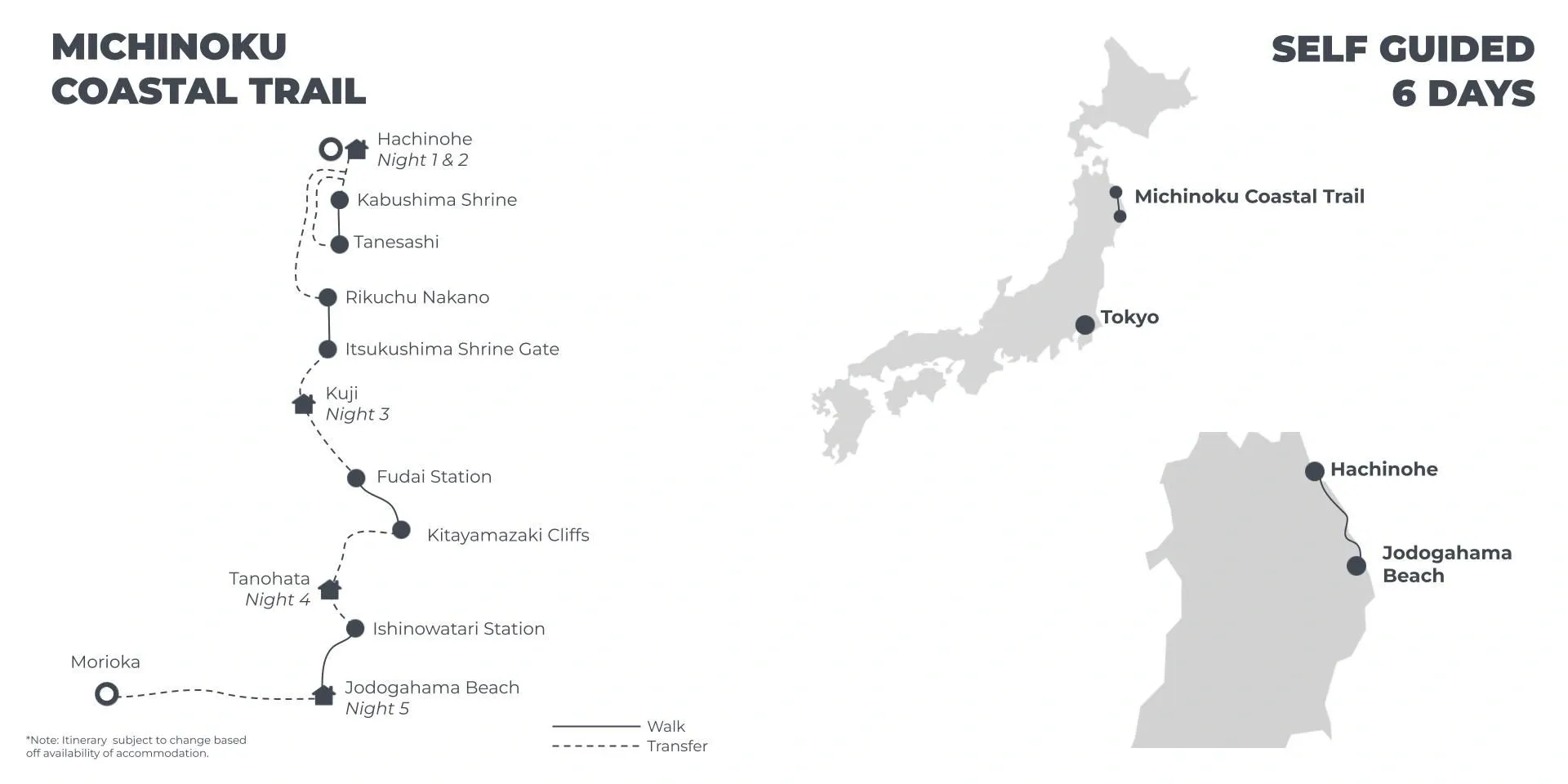
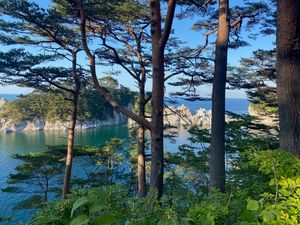
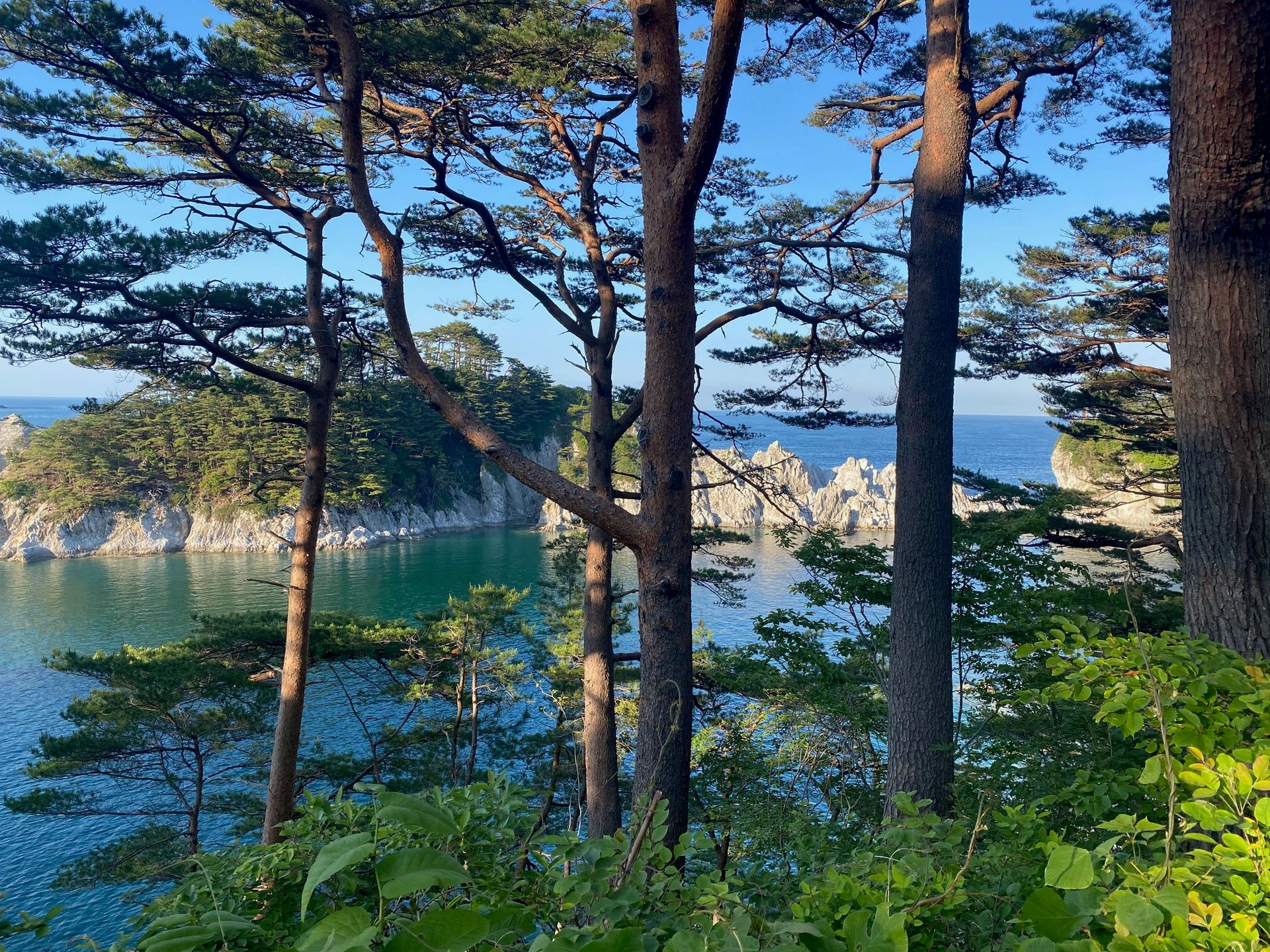
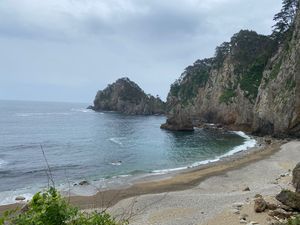
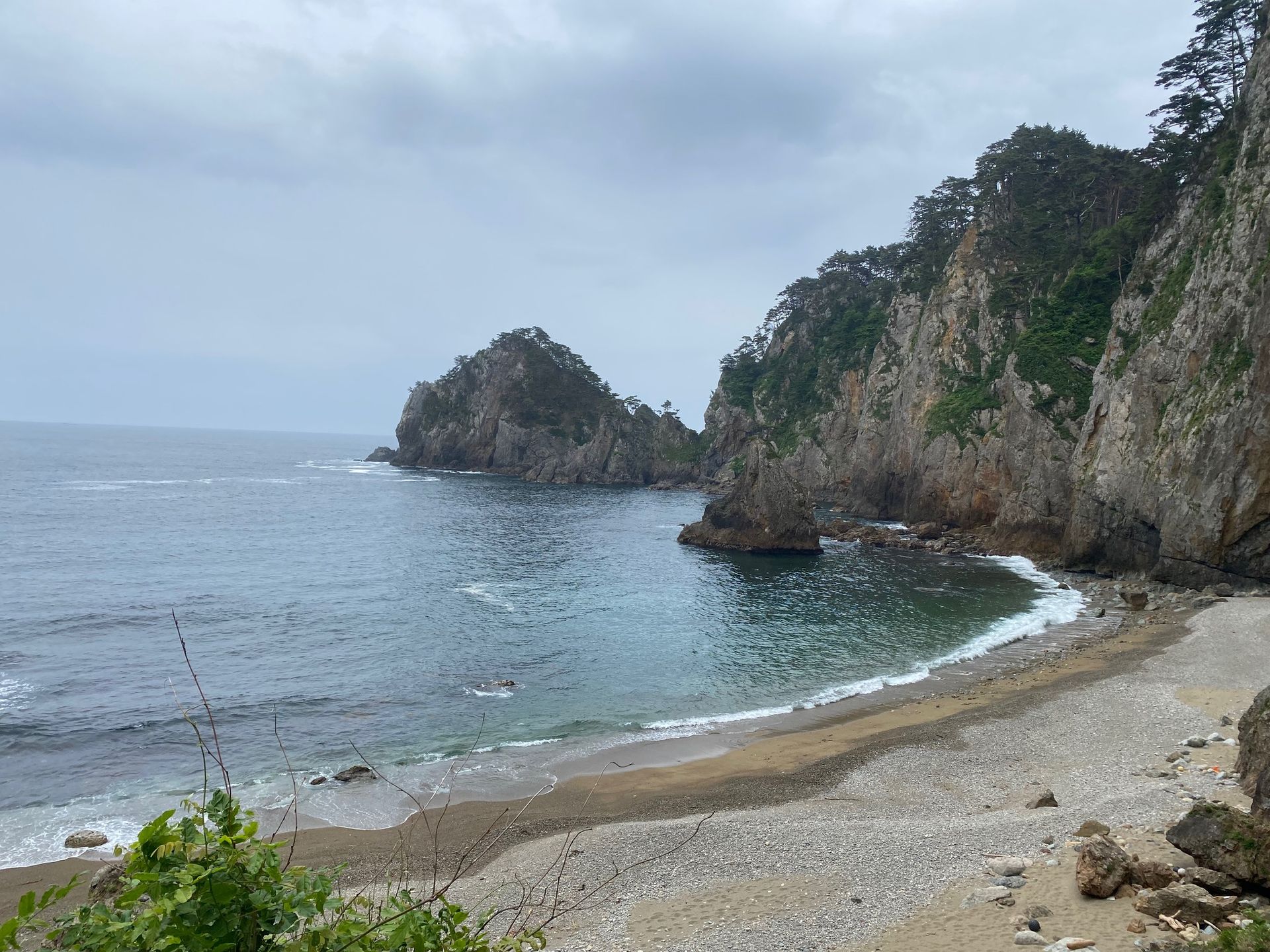
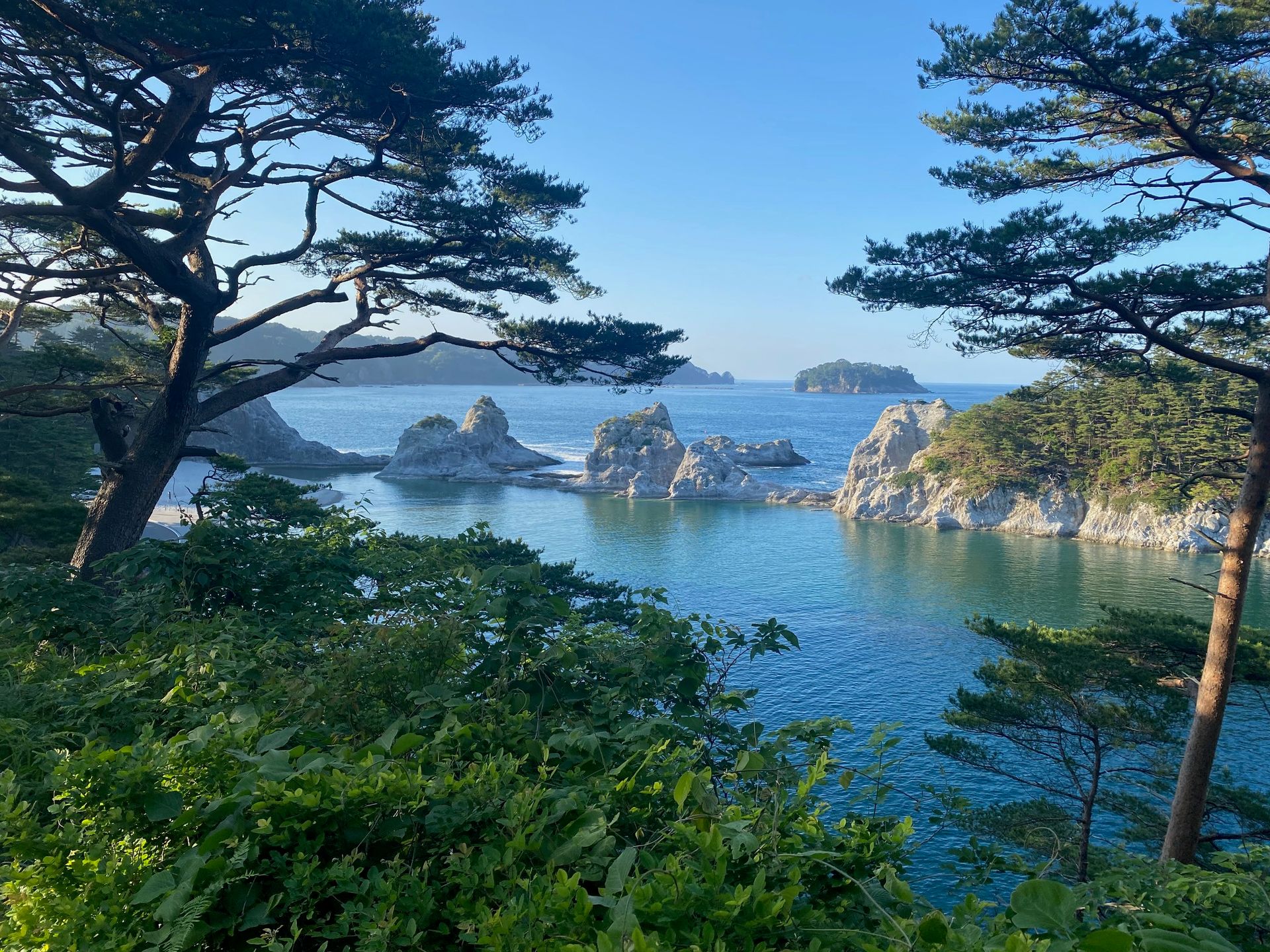
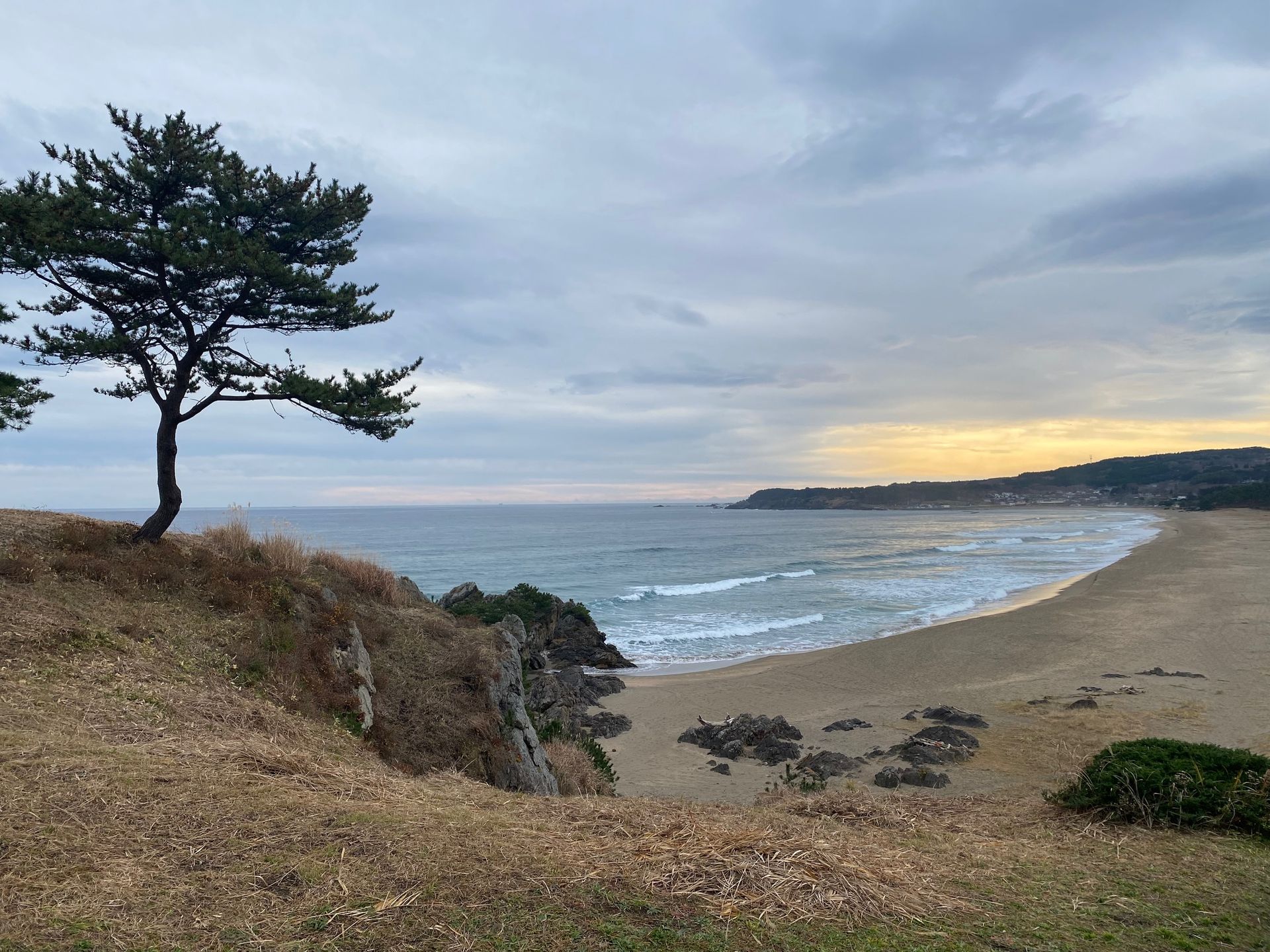
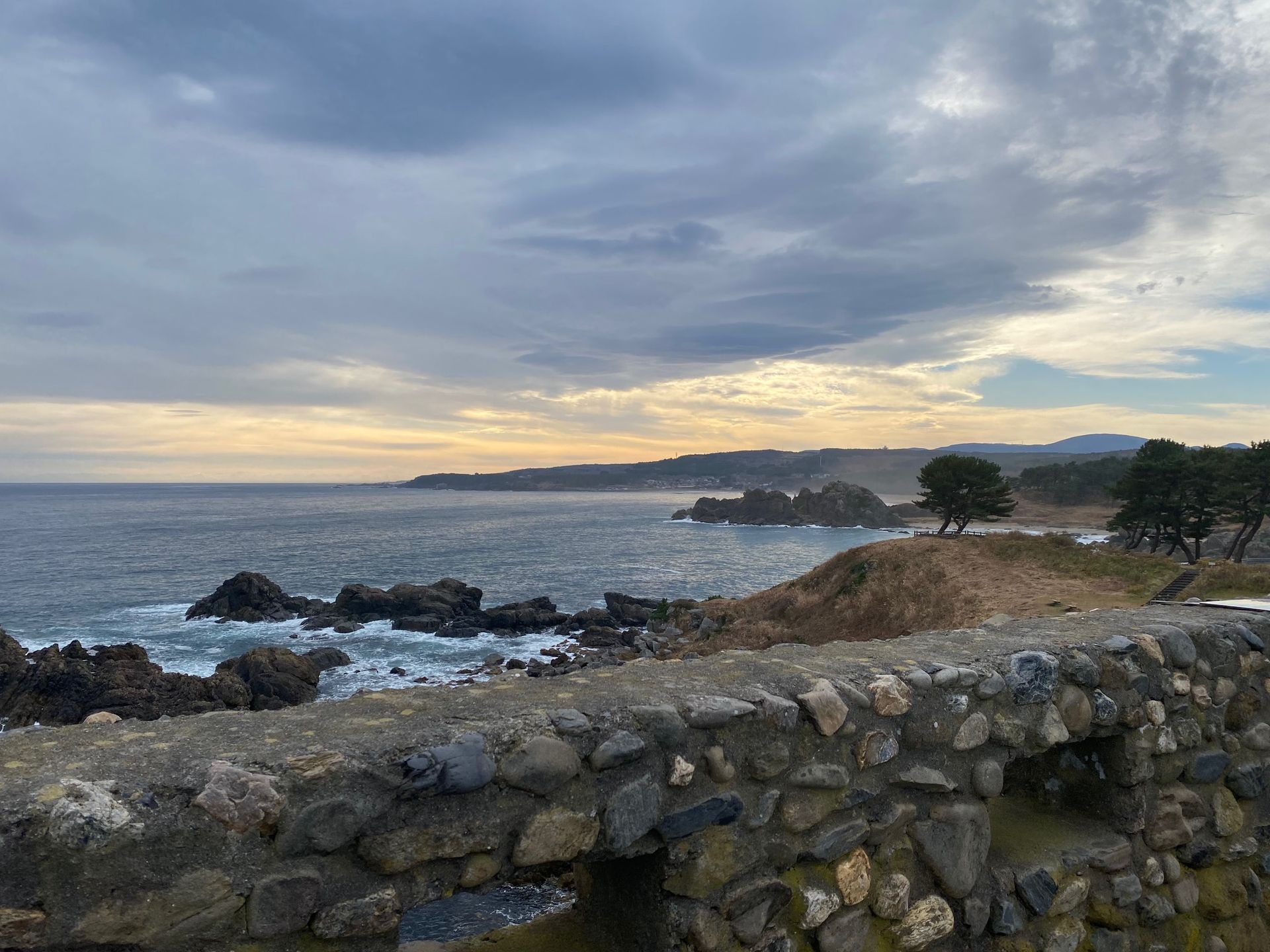
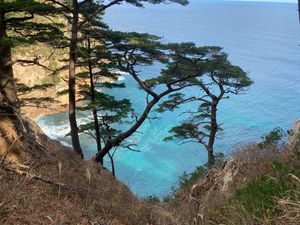
The Michinoku Coastal Trail is one of the longest walks in Japan at 1,025 kilometres. This 6-day self-guided itinerary covers the finest section, moving seamlessly from Hachinohe through native forests, soaring clifftops and remote fishing villages to the iconic white rock beach of Jodogahama.

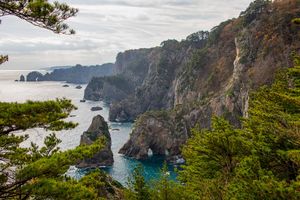
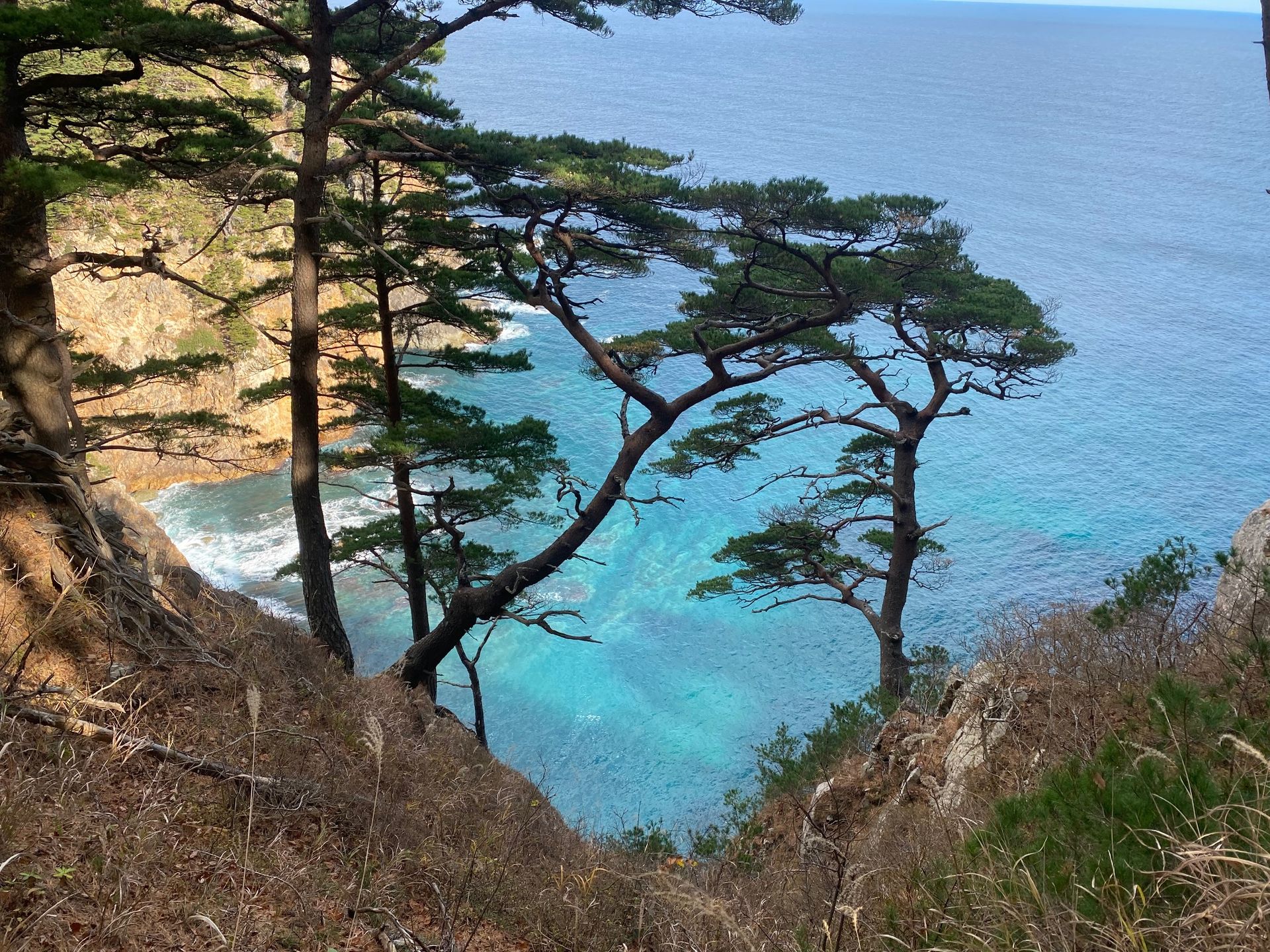
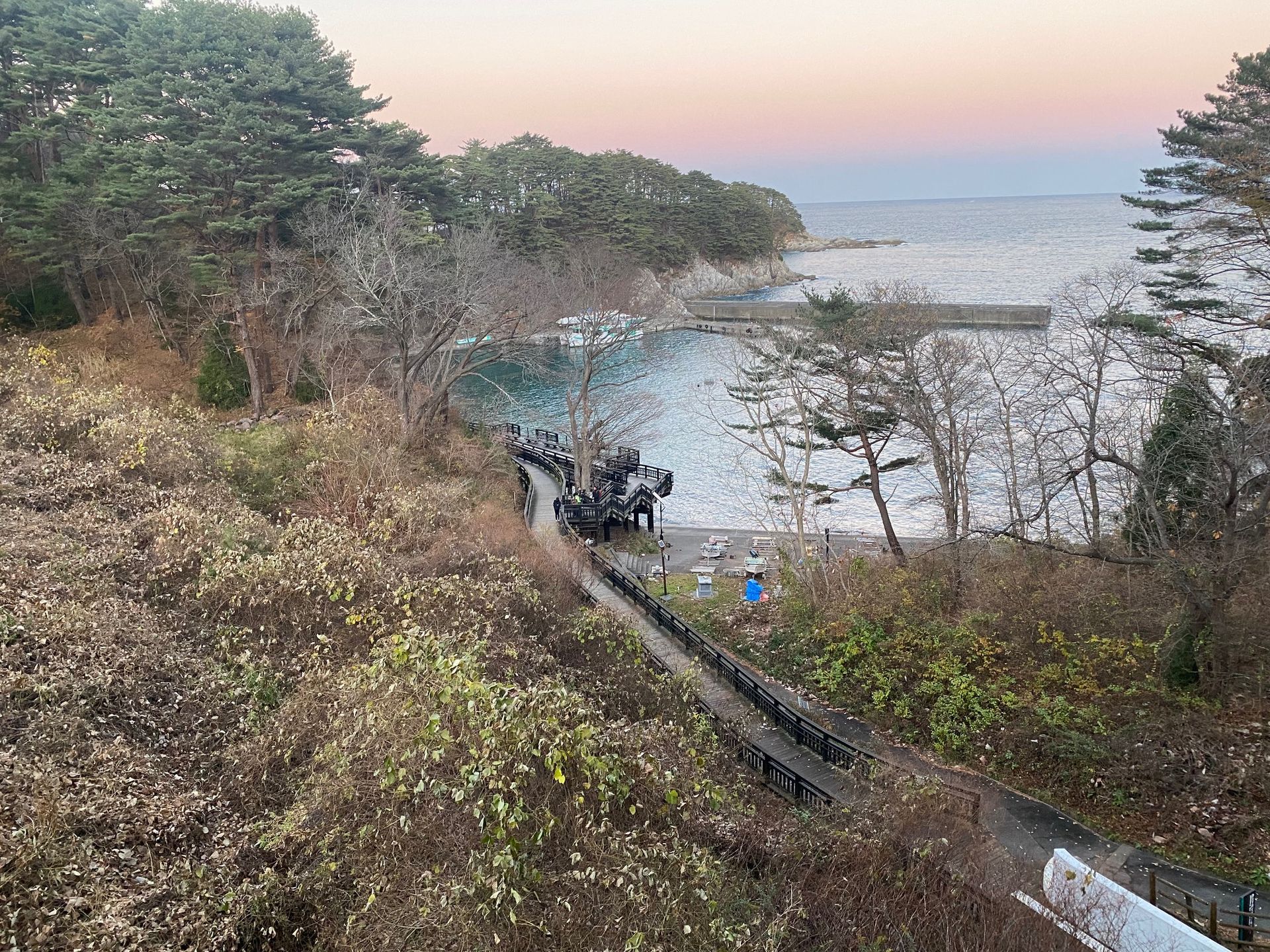
The route passes dramatic 200-metre cliffs at Kitayamazaki, tunnels carved through sea rock and the tsunami sea walls that tell the story of a region shaped by the Pacific. Evenings are spent in Japanese lodges and hotels along the shoreline, several with onsen baths overlooking the sea, with authentic Japanese meals adding to an already immersive experience.

Highlights

  • Japanese forest bathing, remote beaches, and soaring clifftops
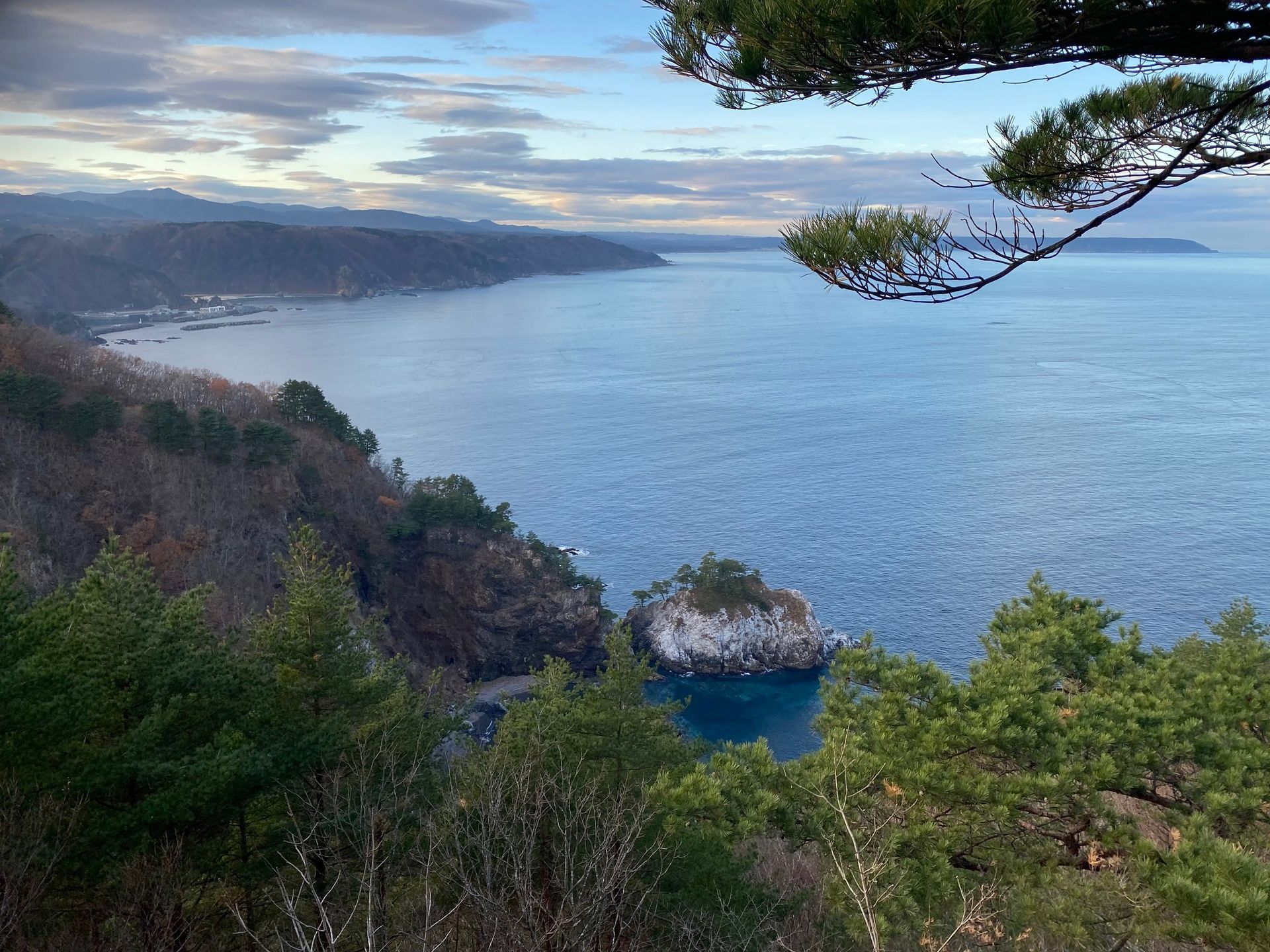
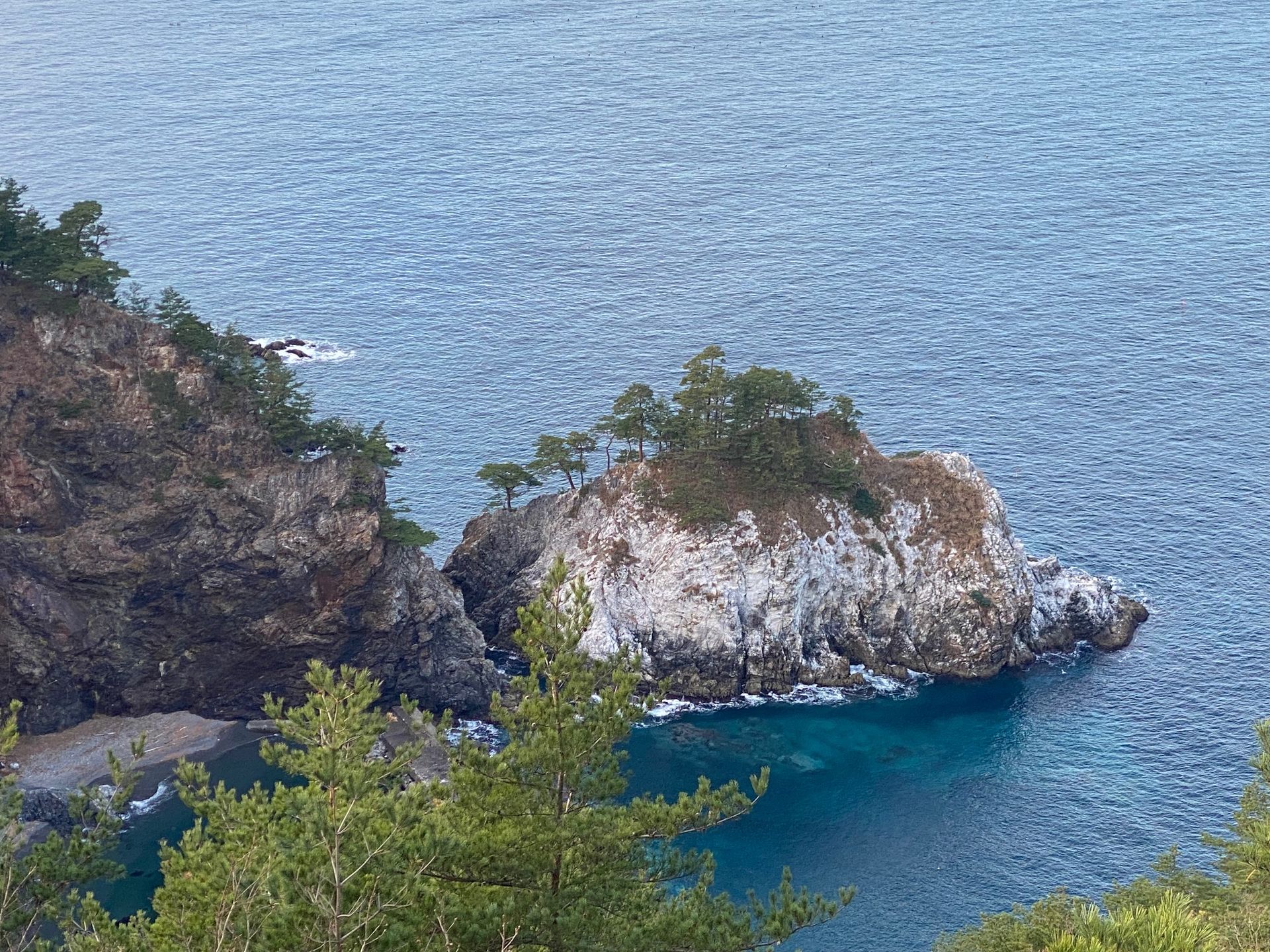
  • Incredible coastal views over the Pacific Ocean and a one-of-a-kind intricately carved coastline
  • Immerse yourself deep into the Japanese way of life in remote coastal towns
  • Jodogahama Beach, Samurai Rocks, Yodo Pine Grove, Kitayamazaki Cliffs
  • Some of our accommodations on the ocean incorporate onsen baths overlooking the sea
  • Visit local fishing communities and ports and quiet coastal villages

Itinerary

Loading overview…

What's Included

Accommodation

3-star Hotel (4 nights), 3-star Hotel / Minshuku (1 night)

Meals

5 breakfasts, and 2 dinners

Transfers

  • Train
  • Public Bus
  • Luggage Transfers

Guidance & Support

  • Itinerary & Walk Notes
  • Walking App for Navigation
  • 24/7 on-trip support

How We Rate This Walk

2

Stroll Walking Grade

Easy to Moderate

Rated by our team — we walk every route before we recommend it.

Mostly flat terrain with some gentle inclines. Suitable for anyone with basic fitness who enjoys walking.

View Fitness Guide

4

Days on the trail

9-18 km

Daily distance range

130-612 m

Daily ascent range

4/10

Trail difficulty

Where You'll Stay

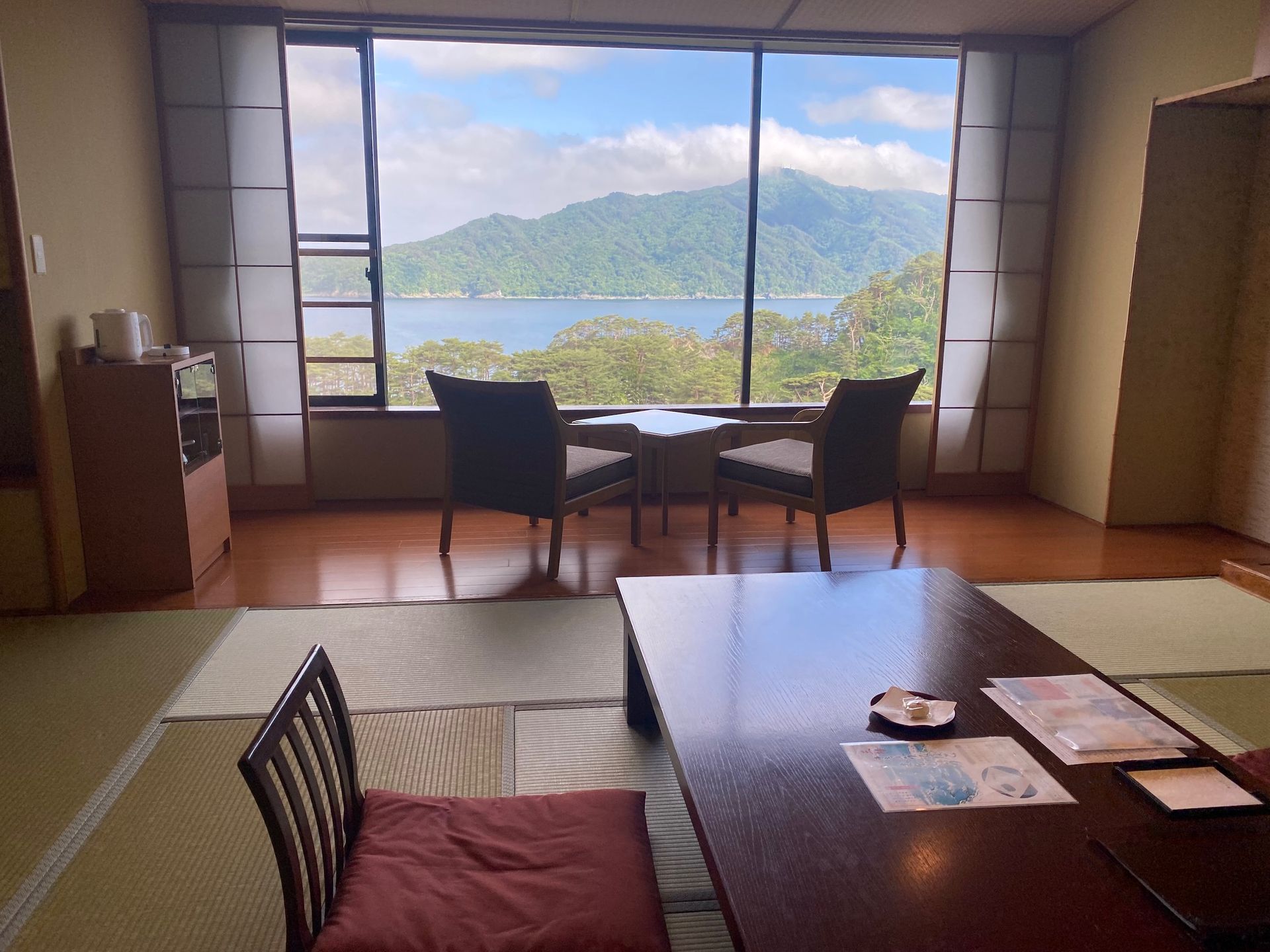
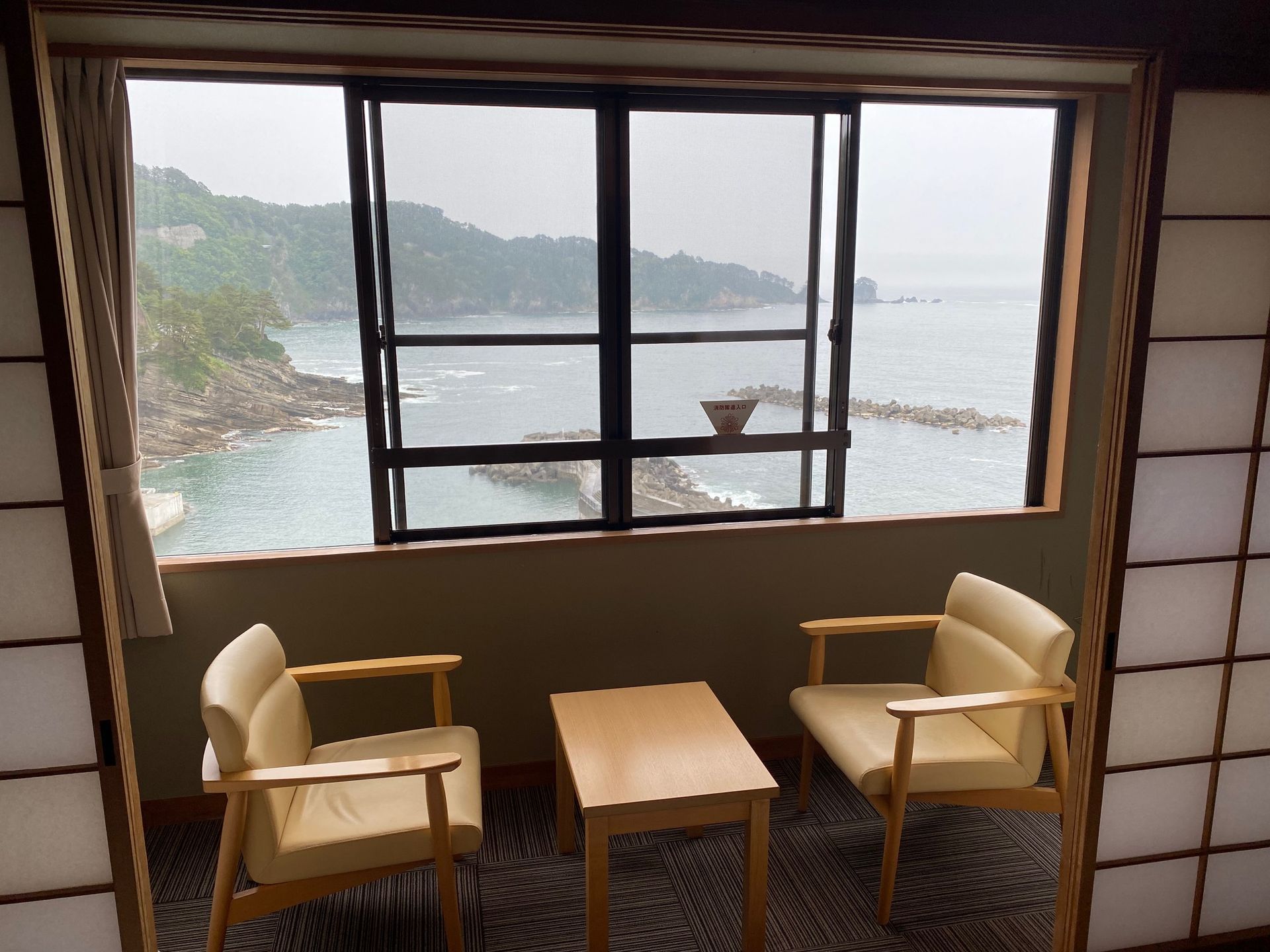
Each of the five nights is spent in three Japanese accommodation, ranging from properties with strong traditional roots to more modern hybrid hotels. Rooms have tatami mats, shoji sliding doors and futons rather than beds, though a few properties along the route do offer Western-style beds.

Baths and toilets may be shared, and Onsen facilities are communal and separated by gender. The final night is spent at a hotel offering an Onsen, sauna, and stunning views over one of the most beautiful stretches of coastline on the trail.

What You'll Eat

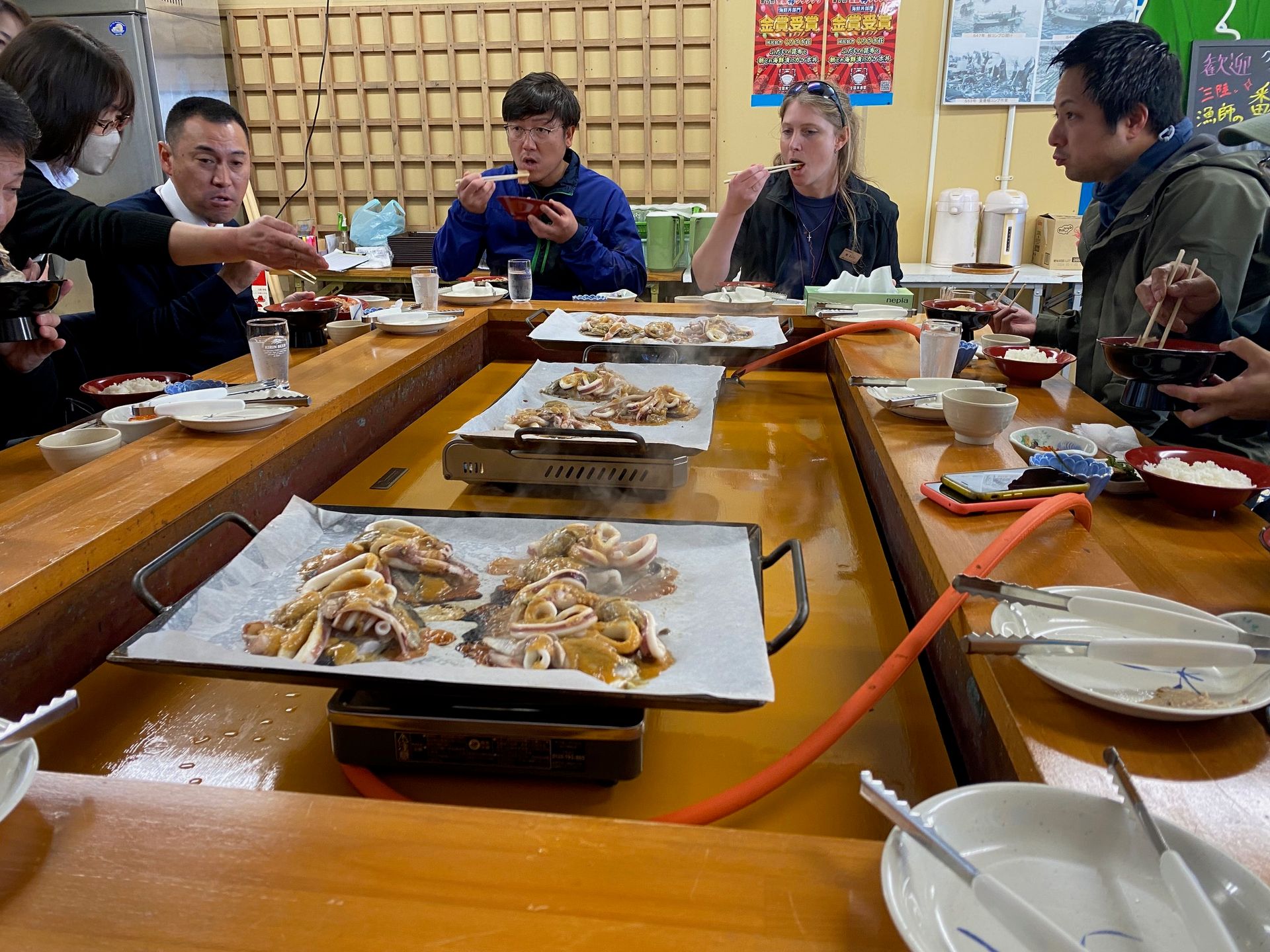
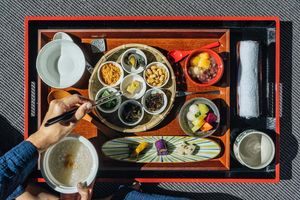
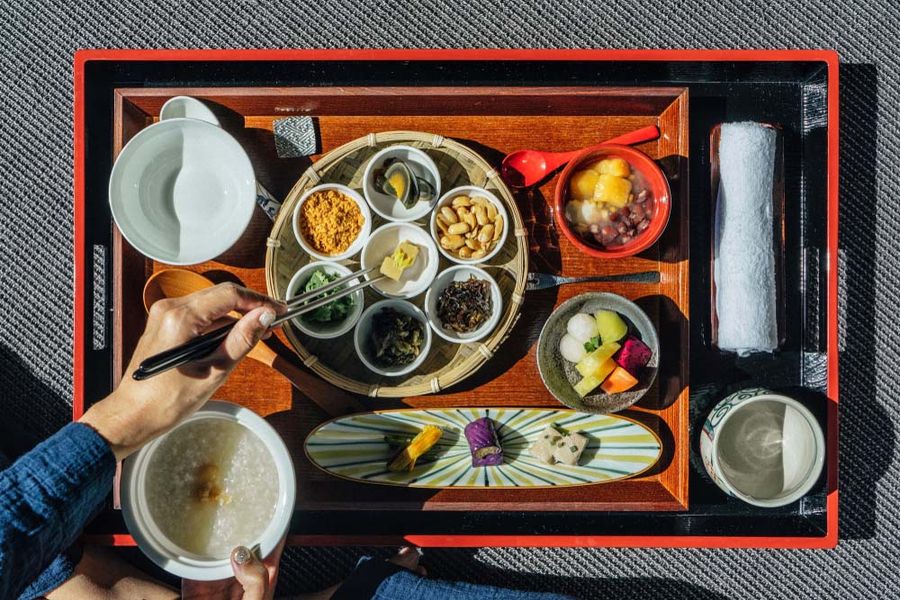
Expect an elaborate spread at breakfast each morning, with five included across the trip, drawing on Japanese regional cooking alongside Western options and breads. Lunch is easily picked up along the trail at local supermarkets selling fresh sushi or at small eateries along the way. Two dinners are included and both are generous affairs, with the final evening delivering a buffet of never-ending sushi and sashimi that rounds off the trip in fine style.

Note: Please advise us of any food allergies or intolerances at the time of booking. If you have severe allergies, bringing some of your own snacks is recommended, as specialist ingredients can be harder to source along the way.

More About This Trip

The walk starts in Hachinohe and finishes in Morioka, in the Tohoku region of northern Japan. The most convenient arrival is by Shinkansen from Tokyo, with journey times of around 3 hours 30 minutes to Hachinohe. A taxi from the Shinkansen station to central Hachinohe takes around 20 minutes. Alternatively, Misawa Airport is around 40 minutes by taxi from Hachinohe, with flights from Tokyo taking around 1 hour. Arrivals are self-arranged.

The walk ends in Morioka, from where Shinkansen services return to Tokyo in around 2 hours 30 minutes to 3 hours 30 minutes. For onward flights, trains connect to major cities with international airports. The Japan Transit Planner is a useful resource for checking schedules and fares.

This walk is available from 1 March to 30 November, with no fixed start days. Spring and autumn are the finest seasons. Spring brings wildflowers, cherry blossom in the fishing towns and comfortable temperatures with long daylight hours. Summer is warmer and livelier, with swimming opportunities along the coast, though July and August bring heat and humidity. Autumn is often considered the finest season, with crisp air, dramatic coastal light and temperatures between 12°C and 20°C. October and November bring the trail to its most colourful. The walk is not offered in winter, when cold temperatures and snow make conditions unsuitable. Pack a waterproof whatever the month.

Japan has three major national holiday periods when domestic travel peaks and accommodation costs rise significantly — in some cases by 30% or more. We recommend avoiding these dates where possible:

New Year: 30 December to 4 January

Golden Week: 29 April to 5 May

Obon: 10 to 20 August

Speak to your destination consultant when planning your dates, and we can help you find the best time to go.

This walk is graded moderate. Daily walks average 14.3 kilometres with around 551 metres of ascent and descent, and a terrain difficulty rating of 6 out of 10. Tracks are modern and well-maintained, with some days offering steady elevation gains that reward with excellent views. The terrain is mountainous and uneven in places, so sturdy walking boots with good ankle support and grip are essential. On one section, a short ladder may need to be negotiated at high tide.

Elevation is the primary training consideration. Include regular hill climbs in your preparation; a treadmill or stair climber works well if hills are not accessible. Build up to covering around 16 kilometres comfortably in a single day, include back-to-back walking days, and incorporate squats, lunges, and balance exercises to prepare for the uneven terrain.

Daily walk notes, maps, and GPX tracks are provided.


On most days of this walk, you will have to catch a train to get to the start and/or from the end of the walk. The train rides vary from 15 minutes up to 2.5 hours. All of the details will be provided in your information pack. Unfortunately, we cannot pre-book the trains for you. You will need to pay the fare on the day, which will range from $3 to $6. The included taxi transfers and hotel shuttles are prebooked and part of your package.

Asiatic black bears are present in the more remote sections of the Michinoku Coastal Trail. They are a protected species and sightings are uncommon, but it is wise to carry a small bell attached to your pack — the sound alerts bears to your presence and most will move away long before you see them. If you do encounter a bear, stay calm, do not run and back away slowly. They are generally as wary of us as we are of them.

You must hold adequate travel insurance for your trip, including cover for personal liability and accidental injury and illness. For all trips involving international travel, your policy must also include emergency medical treatment, evacuation and repatriation cover. We strongly recommend your policy also covers trip cancellation and curtailment, and loss of or damage to luggage.

A cancellation fee usually applies if you cancel after your booking is confirmed. Travel insurance with cancellation cover will generally cover this fee, so it's worth arranging your policy at the time of booking.

Full insurance requirements are set out in our booking terms and conditions.

A detailed information pack and itinerary will be sent to you around six weeks before departure, covering everything you need to know for a seamless experience. In the meantime, our team is always on hand to answer any questions.

For your safety and well-being, we are unable to accept bookings for solo travellers on our self-guided Michinoku Coastal Trail trips. The remote nature of some tracks and limited mobile reception mean that walking alone presents a higher risk in case of emergencies.

Dates & Pricing

Choose Your Start Date

Pick any available date — this is your trip, your schedule

September 2026

Mon
Tue
Wed
Thu
Fri
Sat
Sun
Available
Limited
Unavailable
Out of season

Prices shown are per person, twin/double share basis.

Notes

Available September onwards. Limited Spots available in October. For High Season Charges, see the More About This Trip section.

Michinoku Coastal Trail reviews

Frequently Asked Questions

Spring and autumn are the ideal seasons — blossoms in April and May, golden foliage in late October and November, and comfortable walking conditions throughout. Summer is manageable but warm and humid. Winter is a different proposition; it gets cold, daylight hours are short, and parts of the trail can be covered in snow.

Fly into Misawa Airport, about 40 minutes by taxi from Hachinohe, where the walk begins. A limousine bus and train also connect the airport to the city in around an hour. Alternatively, the Shinkansen from Tokyo takes approximately three hours to Hachinohe Station — a solid option if you're already elsewhere in Japan.

No, transfers from Misawa Airport to your accommodation are self-arranged. The limousine bus stops directly in front of several of the Hachinohe hotels, making it a straightforward first leg.

Your main bag is transferred between accommodations each day, so you walk with just a daypack. Tag your bag with the luggage label provided at your first hotel and leave it at reception before heading out. The allowance is one bag per person up to 20kg — additional bags can be transferred for a small extra fee. Note that no transfer is needed on nights where you stay at the same hotel consecutively.

A mix of comfortable Western-style hotels in the larger towns and more traditional Japanese inns closer to the coast. The final night is at Jodogahama Park Hotel, a four-star property with onsen, sauna, and stunning views over one of the most beautiful stretches of coastline on the trail — if you're considering extending your stay anywhere, this is the place. Some smaller accommodations have shared facilities, and laundry is available at most but not all properties.

Onsen bathing follows a few simple customs. Shower and rinse thoroughly at the wash stations before entering the bath — this is non-negotiable. Bathing is done without clothing; swimwear is not worn. Hair should be kept out of the water. Keep noise low and move slowly. Tattoos are not permitted in most onsen facilities — if you have visible tattoos, speak with your accommodation host in advance to discuss their policy.

A daypack of 20 to 30 litres. You'll need to carry lunch on several days — on some sections there's nowhere to buy food along the route, so picking up supplies the evening before is the smart move. Pack at least two litres of water, snacks, cash for transport and small purchases, and your phone for navigation and translation. A waterproof jacket is worth having year-round on this coastal trail.

Coverage is generally good along the trail, though signals can drop in more remote sections. The navigation app works offline, so getting lost isn't a concern. NTT Docomo offers the most reliable coverage in rural areas if you're choosing a local SIM. Wi-Fi is available at all the larger hotels; smaller accommodations may require you to connect from a common area.

The region is known for its fresh seafood, and the coastal accommodations make the most of it. Breakfast is included each day. Dinner is included on most walking days, typically served at your accommodation. On days where dinner is not included — particularly the first couple of nights in Hachinohe — the city has a lively restaurant scene well worth exploring. Lunch is generally on your own, purchased along the trail or picked up the evening before.

Japan has limited flexibility when it comes to dietary requirements, and this trail is no exception. Vegan and strictly gluten-free diets cannot be accommodated, and even vegetarian meals may contain fish stock. If you have specific dietary needs, contact us before booking to discuss what may be possible.

The currency is Japanese Yen. Cash is essential on this trail — not all local buses accept IC cards, train fares need to be paid in Yen, and ATMs are limited outside of Hachinohe and Kuji. Having 10,000 to 20,000 yen on hand at all times is a sensible buffer. Credit cards are accepted at the larger hotels and some restaurants, but don't count on them everywhere.

Tipping is not customary in Japan, and in many situations, it can cause confusion or embarrassment. Excellent service is simply the standard, and no tip is required or expected.

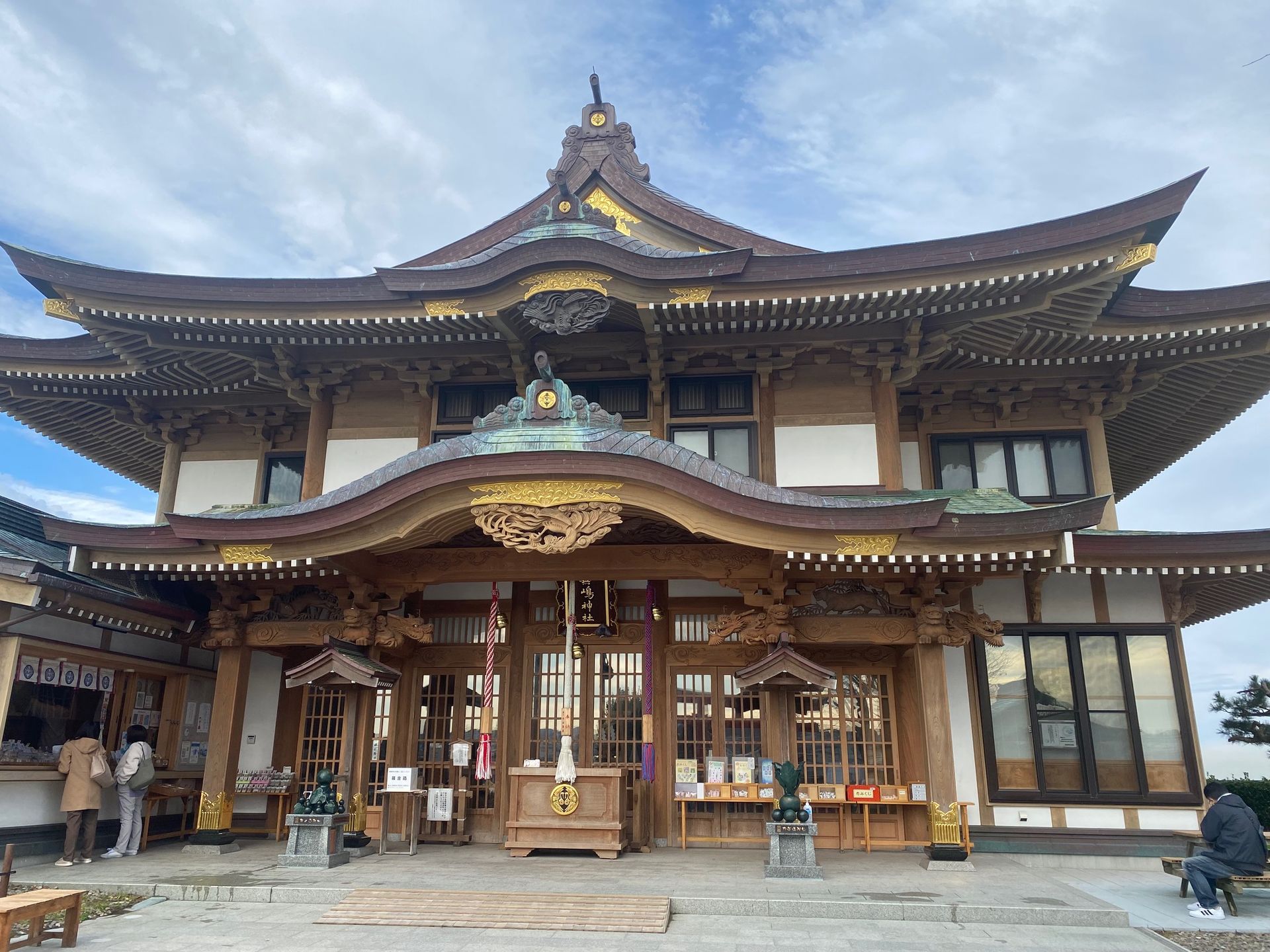
Japan rewards those who pay attention to local customs. Keep your voice low on public transport, form orderly queues, and carry your rubbish until you find a bin — they're scarce on the trail. At shrines like Kabushima, dress modestly and follow any instructions on site. Visible tattoos can be an issue in some public spaces and onsen due to their historical association with organised crime — speak with your host in advance if this applies to you.

Yes, and it is a condition of booking. Your policy must cover injury, cancellation, luggage loss, and medical evacuation. Medical facilities in this region can be more than an hour away, so comprehensive cover is not optional.

Want to Know More?

The Michinoku Coastal Trail experience

Wonder
Walk Japan's newest long trail, established in 2019 as a symbol of recovery after the 2011 earthquake and tsunami
Finish at the breathtaking Jodogahama Beach, one of Japan's most celebrated coastal landscapes
Walk the Sanriku Coast, nicknamed the Alps of the Sea, a dramatic stretch of Pacific coastline
Wellness
Stay in authentic Japanese hotels and bathe in onsens overlooking the ocean at the end of each day
A quiet, off-the-beaten-path experience with very few international walkers on these remarkable trails
Walking pace allows genuine engagement with fishermen, local restaurants, and rebuilt fishing communities
Nature
Rugged clifftops, sea caves, and 200-metre-high coastal views through Sanriku Fukko National Park
Walk through endemic forest, along rocky shorelines, and past strangely-shaped volcanic rock formations
The Kitayamazaki Cliffs, with their 200-metre drops to the sea, are among the route's most dramatic moments