


-300x200.jpg)






-300x200.jpg)


-300x200.jpg)

-300x200.jpg)
















-300x200.jpg)







Michael H
July 2026
The trip was well curated and there were no problems with the arrangements. Completing the TMB was a huge personal achievement, and the scenery was the best we'd ever seen.
Tour du Mont Blanc, Aravis Range and Lake Annecy - 10 Days
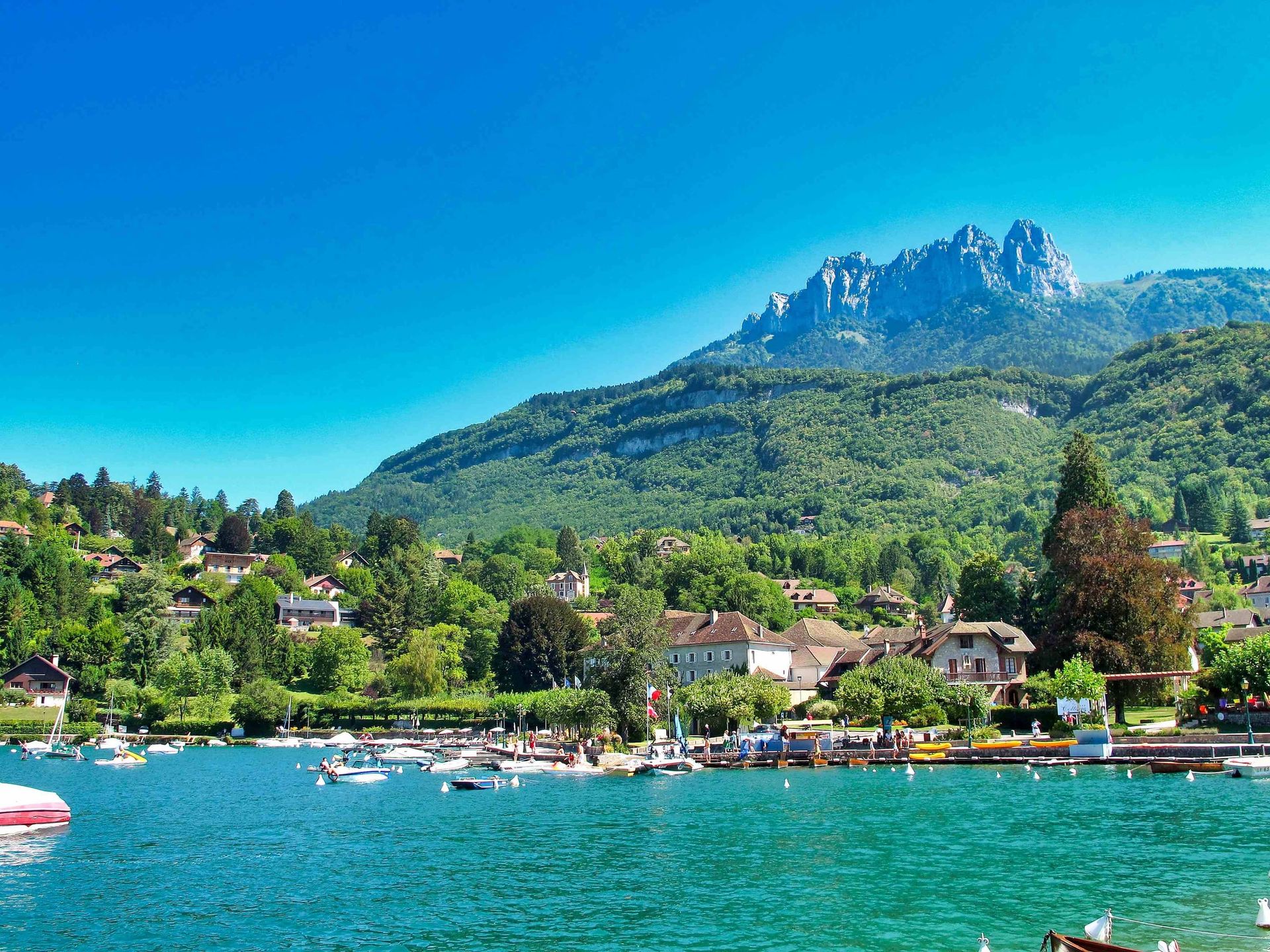
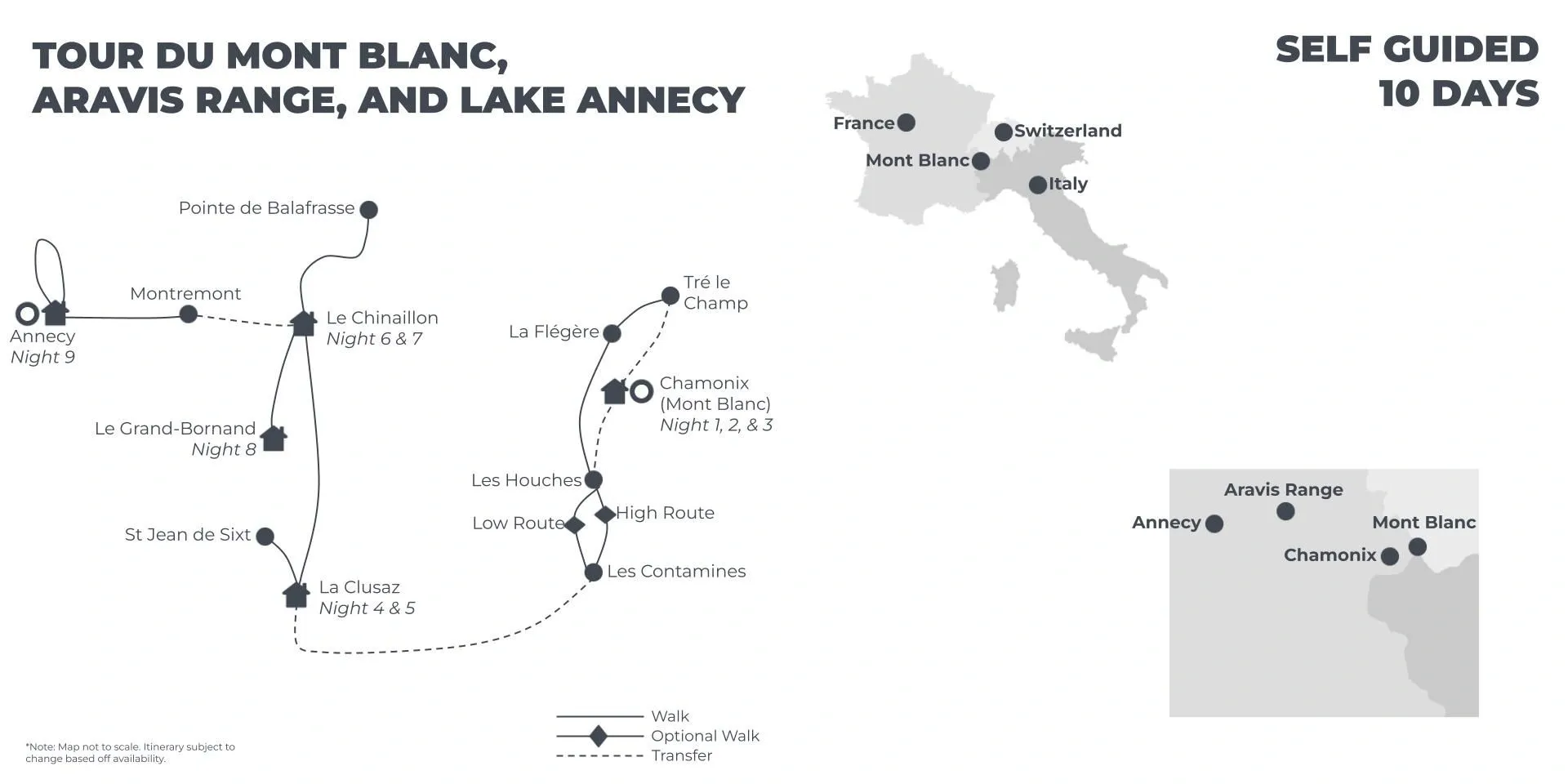
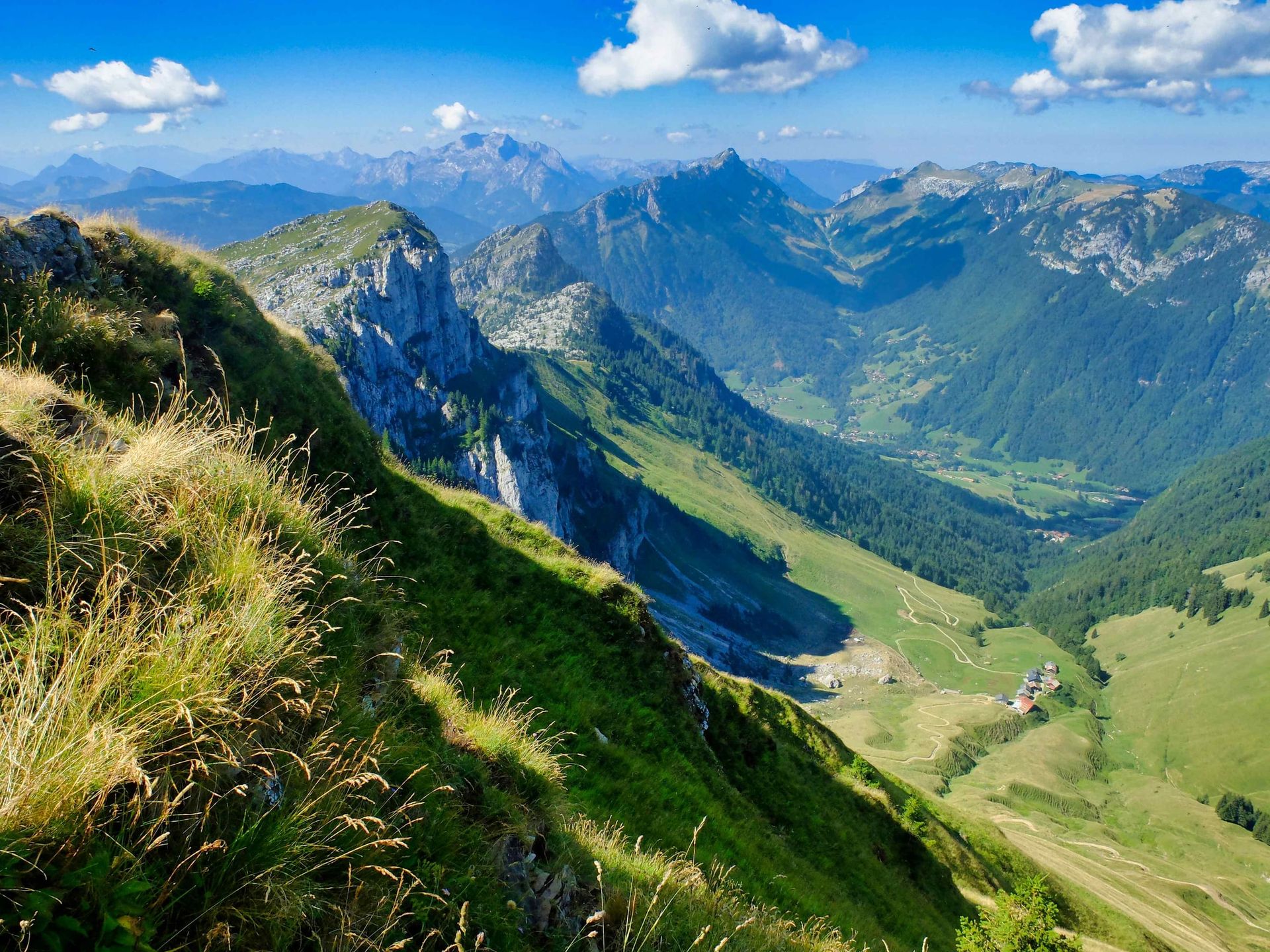
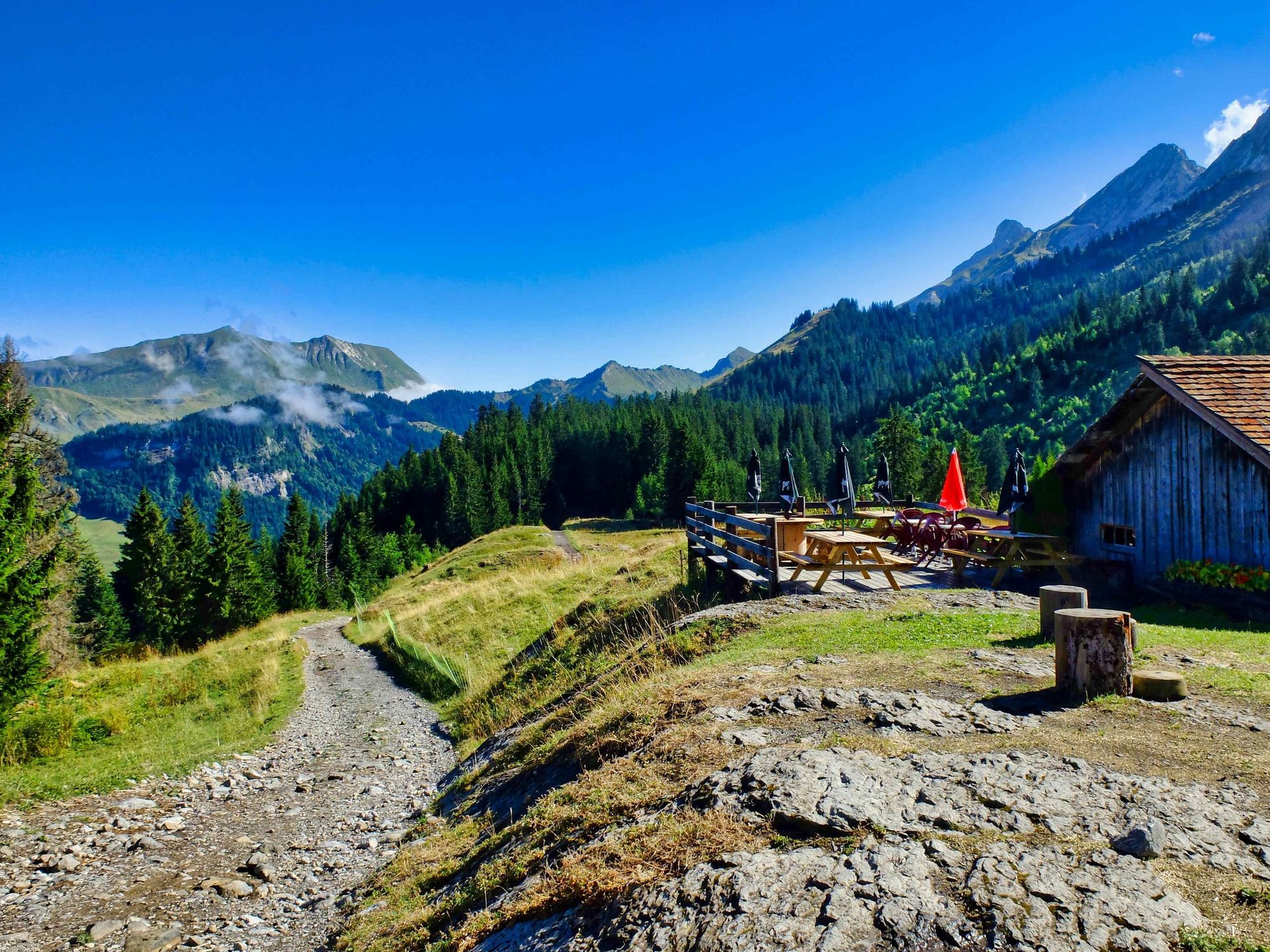
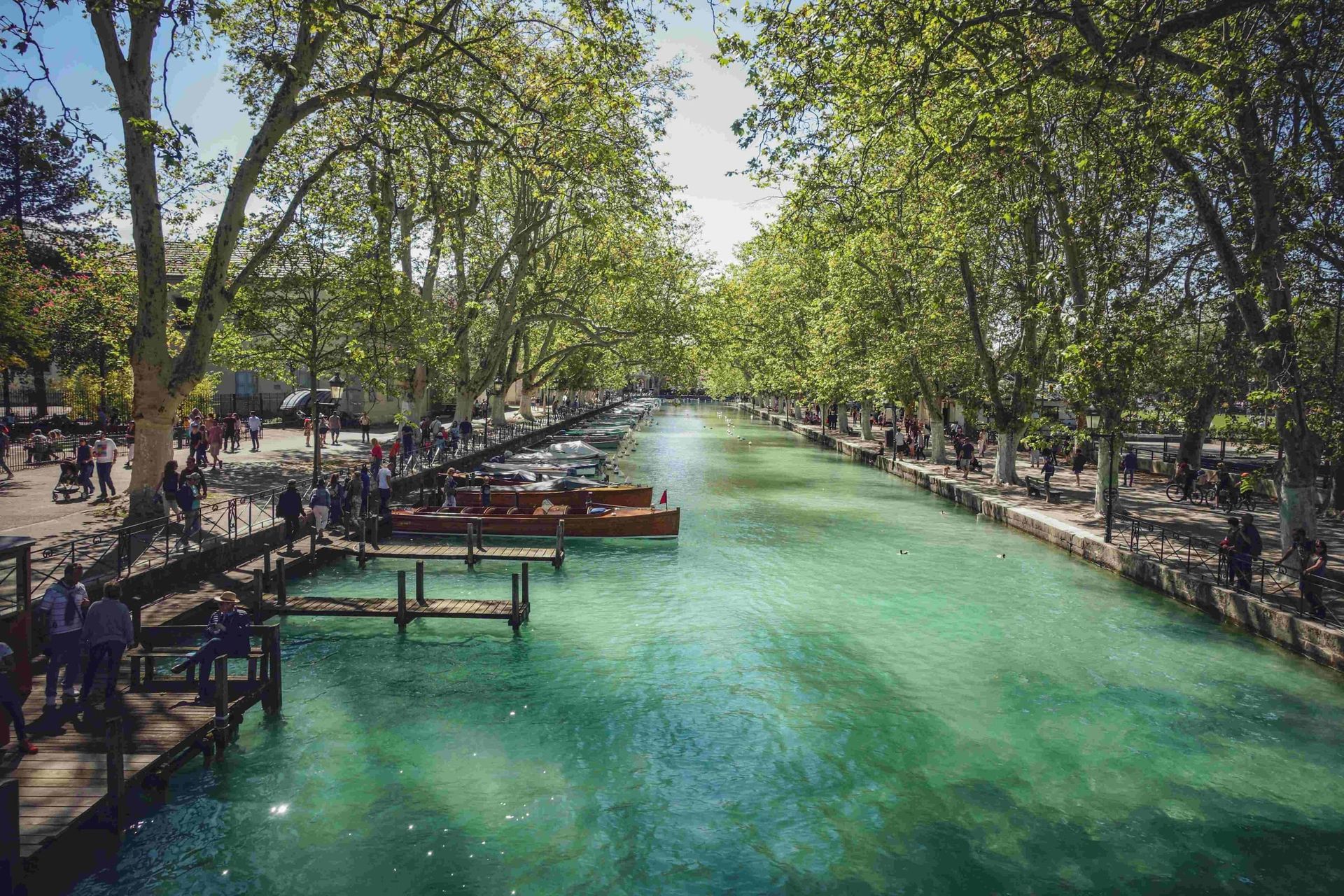
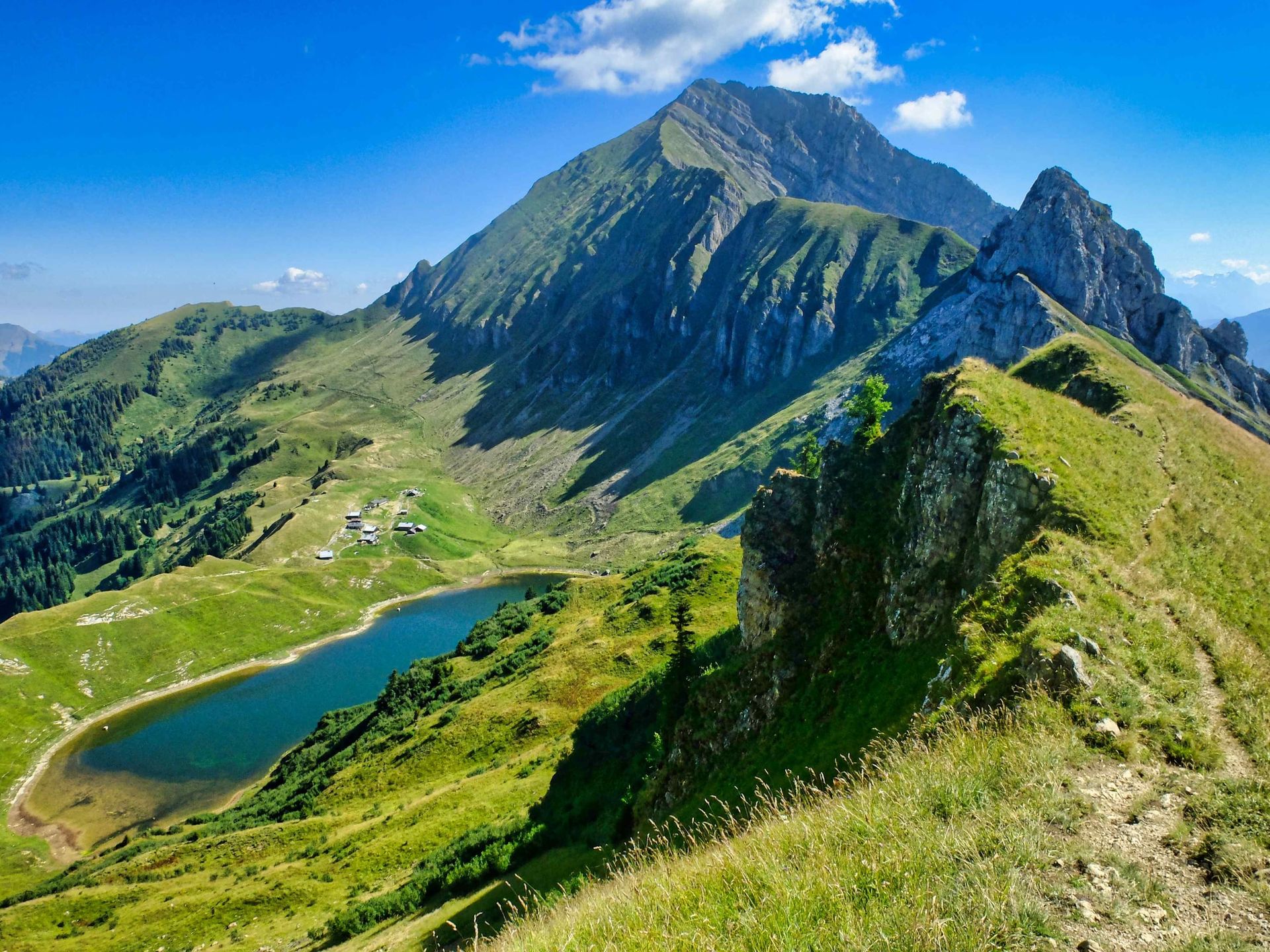
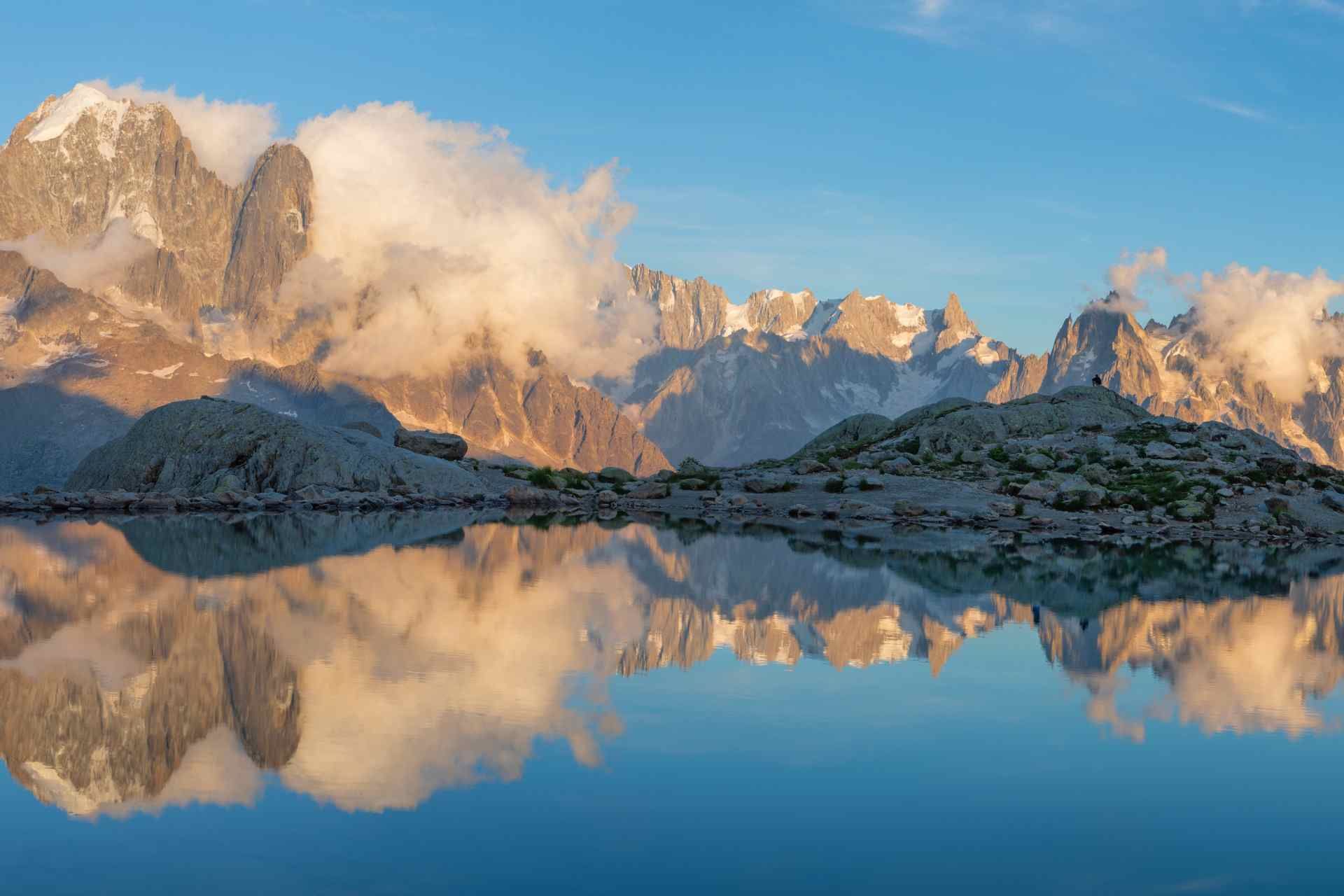
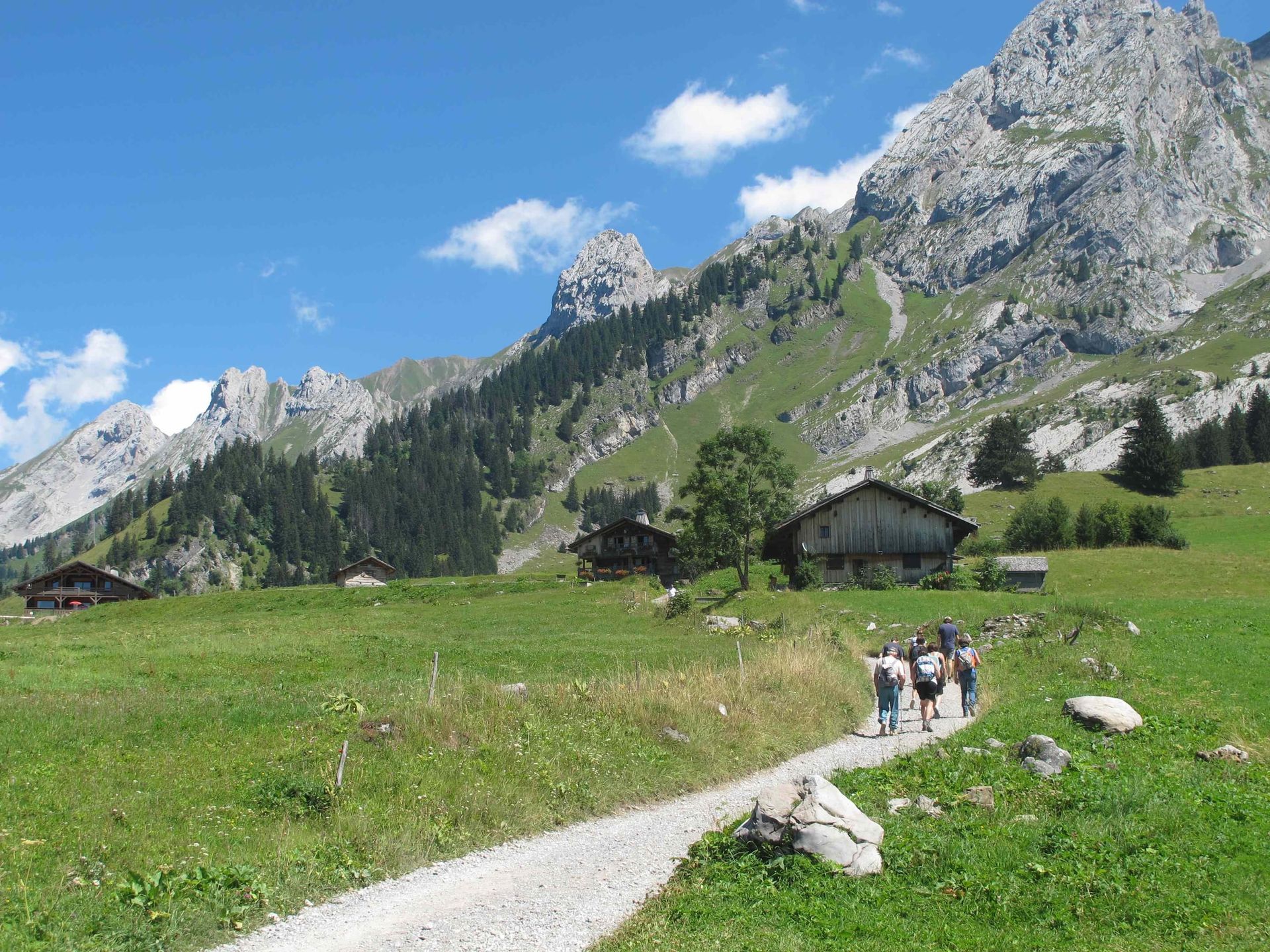
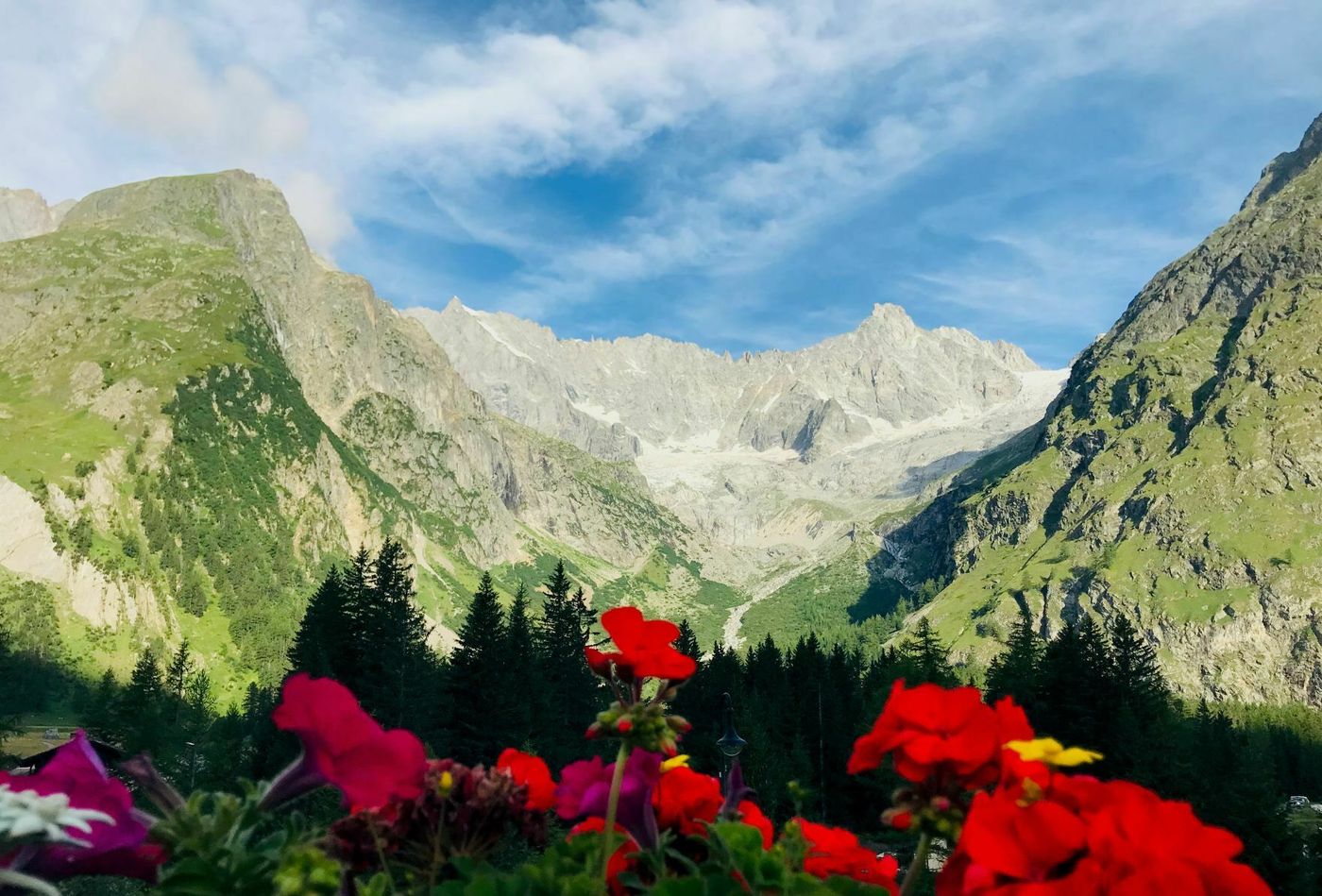
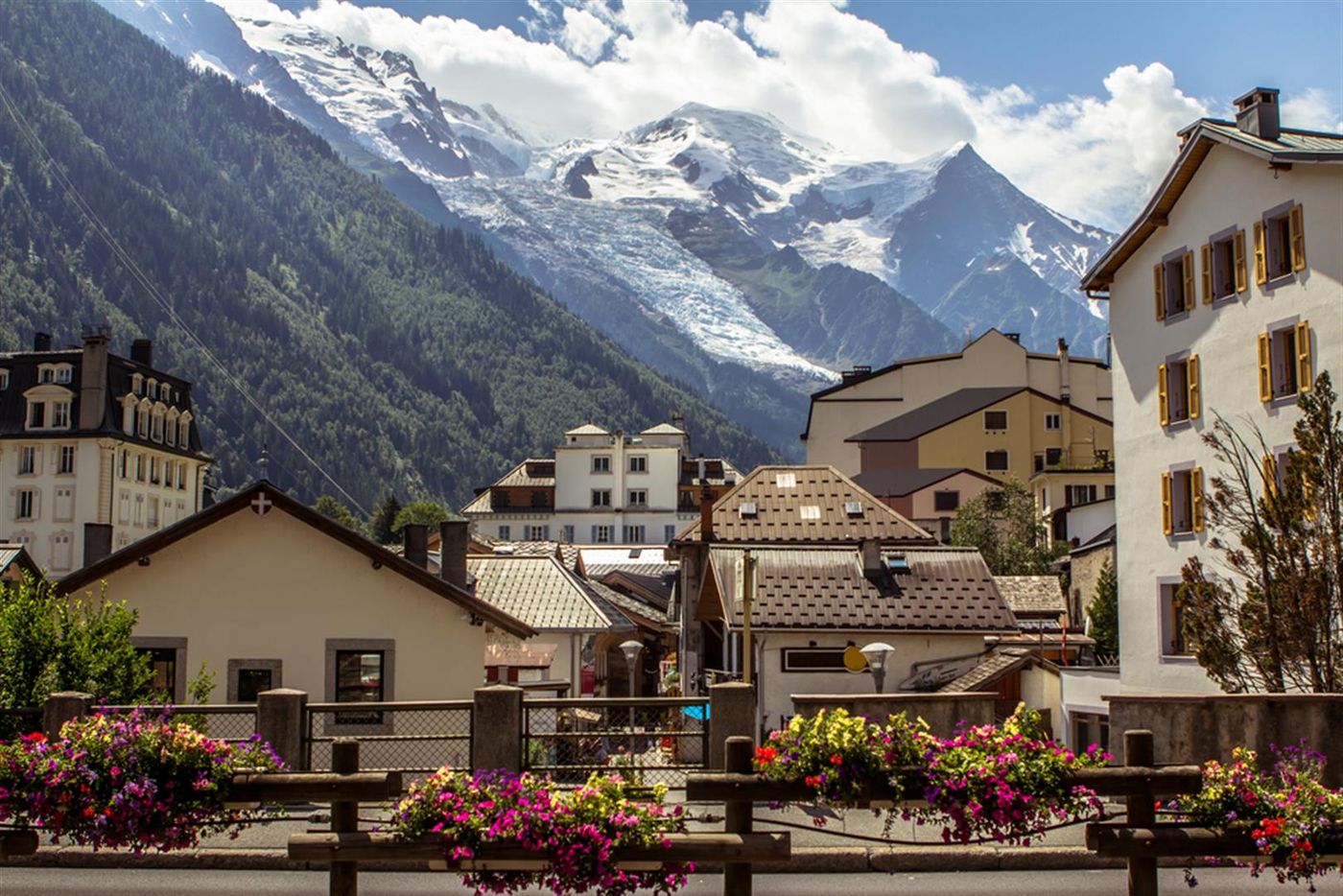
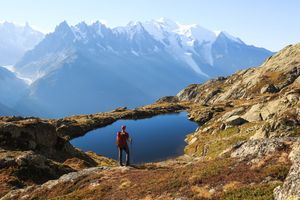
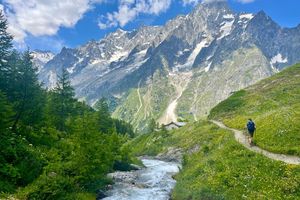
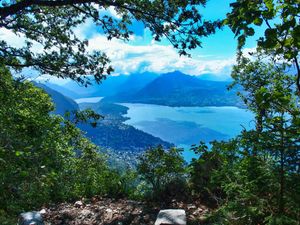
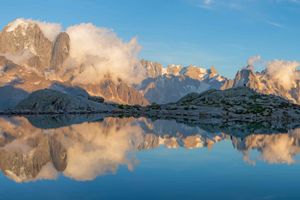
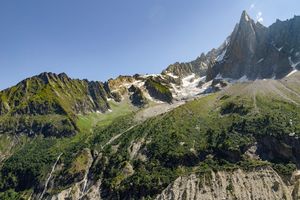
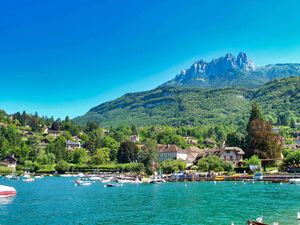
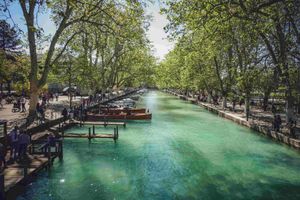
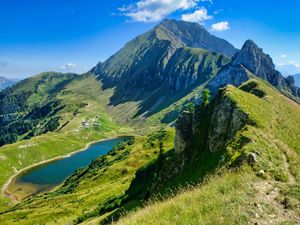
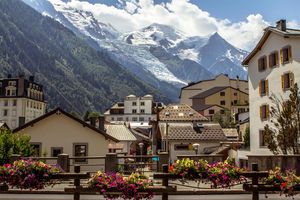
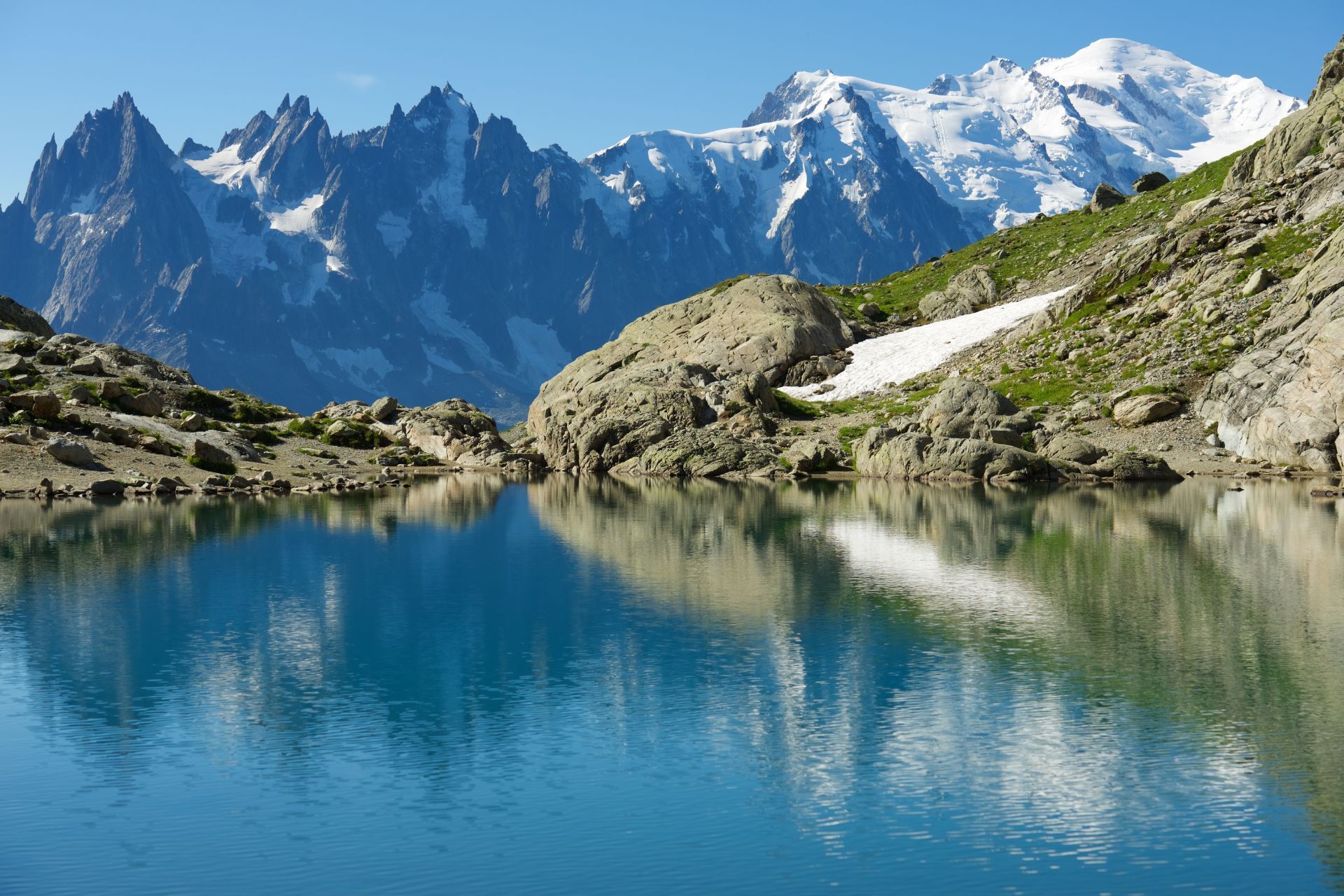
This trek combines two of the finest walking regions in the French Alps, linking the Aravis mountains and Lake Annecy with the iconic trails of the Tour du Mont Blanc. The route passes through Chamonix, Le Flegere, Les Houches, and Les Contamines, taking in well-preserved villages including Grand Bornand, Chinaillon, La Clusaz, and Talloires along the way.
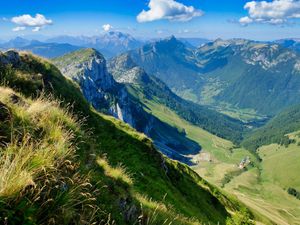
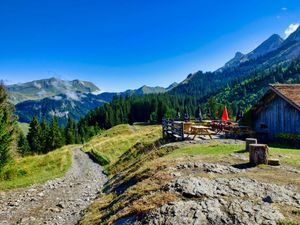
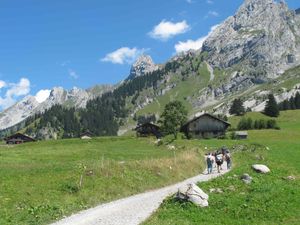
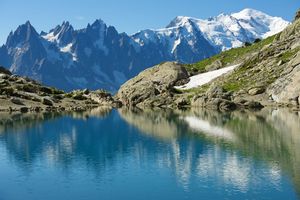
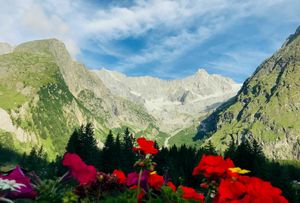
The Aravis Range is where locals come to hike, far from the crowds of the better-known routes. The Haute Savoie region unfolds across alpine meadows, past the striking Pointe Percee and the village of Megeve, before the route descends to the shores of Lake Annecy. Mountains, glaciers, epic views of Mont Blanc, and centuries-old villages make this one of the most varied treks in the region.
Highlights
Loading overview…
4-star Hotel (4 nights), 3-star Hotel (5 nights)
9 breakfasts, and 4 dinners
Stroll Walking Grade
Challenging
Rated by our team — we walk every route before we recommend it.
Steeper climbs and longer distances. You'll need good fitness and some hiking experience to fully enjoy these walks.
View Fitness Guide9
Days on the trail
9-19 km
Daily distance range
600-1540 m
Daily ascent range
8/10
Trail difficulty
Accommodation on this tour spans three and four-star properties, with five nights in three-star hotels and auberges along the route and four nights in four-star hotels in Annecy and Chamonix. All properties are well-suited to welcoming hikers and properly equipped to keep you comfortable, whatever the conditions outside. Rooms are well-appointed throughout, and the hotels offer everything you would expect at their respective ratings, including spas and, in some cases, pools. Specific options will be discussed with you during the booking process.
Good food is never far away on this route, and nine breakfasts and four dinners are included to keep you well fuelled throughout. For lunch, the towns and villages along the way offer some of the finest French food you are likely to encounter on a walking holiday. Specialty cheeses and meats, many produced by hand, are available in numerous places before you set off each day, and a local farmers' market is worth every minute spent browsing. Some properties can also prepare a picnic lunch at an additional cost.
Note: Please advise us of any food allergies or intolerances at the time of booking. If you have severe allergies, bringing some of your own snacks is recommended, as specialist ingredients can be harder to source in the mountains.
The walk starts in Chamonix and finishes in Annecy, in the French Alps. The closest airport is Geneva (GVA), with good international connections. Shared transfers from Geneva Airport to Chamonix are available at your own cost, operating between 10.00am and 7.30pm Saturday to Wednesday, and until 9.00pm on Thursdays and Fridays. Chamonix is also accessible by train from Paris and other French cities.
The walk ends in Annecy, which has good onward connections by train and bus to Paris, Geneva, and other European destinations. Book French rail tickets in advance through SNCF.
This walk is available from 14 June to 9 September, with no fixed start days. June offers quieter trails and wildflowers coming into bloom, though some higher passes may still require care early in the season. July brings warm temperatures, long days and wildflowers at their peak, though afternoon thunderstorms are a regular feature. August is the warmest and busiest month; early starts and advance booking are advisable. Early September brings cooler, more stable conditions and fewer walkers. Pack warm layers and waterproofs whatever the month.
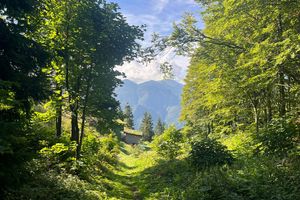
This walk is graded challenging. Daily walks average 16.2 kilometres with around 1,014 metres of ascent and descent, and a terrain difficulty rating of 8 out of 10. Trails cover varied terrain including high alpine pastures, rocky mountain paths, and mountain and lake towns, with prolonged ascents and descents, rough surfaces, and steps throughout. Those taking the more demanding options may climb up to 1,400 metres on some days.
Sturdy walking boots with excellent ankle support and grip are essential. An exercise regime of three to four times per week is recommended in preparation.
Daily walk notes, maps, and GPX tracks are provided.
You must hold adequate travel insurance for your trip, including cover for personal liability and accidental injury and illness. For all trips involving international travel, your policy must also include emergency medical treatment, evacuation and repatriation cover. We strongly recommend your policy also covers trip cancellation and curtailment, and loss of or damage to luggage.
A cancellation fee usually applies if you cancel after your booking is confirmed. Travel insurance with cancellation cover will generally cover this fee, so it's worth arranging your policy at the time of booking.
Full insurance requirements are set out in our booking terms and conditions.
For your safety and well-being, we are unable to accept bookings for solo walkers on our self-guided European Alps walking trips. The remote nature of some tracks and limited mobile reception mean that walking alone presents a higher risk in case of emergencies.
Each morning, it will be up to you to place your luggage at the designated luggage pick-up point within the hotel by 8.00 am. This generally will be at reception or where you pick up your luggage the night before. Please consult your hosts if you need any details. Bags must be no more than 15kg (this is French legislation)
Pick any available date — this is your trip, your schedule
Prices shown are per person, twin/double share basis.
The trip was well curated and there were no problems with the arrangements. Completing the TMB was a huge personal achievement, and the scenery was the best we'd ever seen.
My husband and I have done the full 12 day TMB in the past. We wanted to introduce our son to hiking. Your choice of treks in the “highlights trek” was superb. The scenery was unbelievable and the variety of terrains fantastic. Accomodation superb. The optional hike to lake Perseverance was well worth the extra effort. Half the fun was hiking in the Snow, the track hidden, getting temporarily lost and then finding the hidden gem of a partly frozen glacial lake. No people around. My son loved it. I really appreciate the professional nature of your company, responsiveness and flexibility of your staff. It made our trip seamless
We booked this trip and I didn't really know just what I was getting myself into. I was a bit anxious not going on a guided tour but when we received the travel pack my worries were alleviated. All the maps, GSP and Stroll App made the hike easy to prepare and plan for. All the accommodation, walk notes and bag picks up were seamless and comfortable. I enjoyed this experience much more than I expected and that was to do with feeling confident in our routes and being able to plan each evening what we needed to do the next day. Thanks so much Auwalk for a professional, caring and adventurous adventure preparation! We are already looking at our next European walk.
It was an absolute life highlight to hike in this beautiful and unique part of the world. Great group of people and our guide ensured we all had a unique and memorable adventure, taking us off the main trail whenever possible. His knowledge of the region's flora, fauna and history was exceptional. Highly recommend this challenging but rewarding hike.
It was an absolute life highlight to hike in this beautiful and unique part of the world. Highly recommend this challenging but rewarding hike.
I would highly recommend booking with Stroll. This was my 2nd walk with them. Information is good, the accommodation was excellent which include amazing breakfasts.