


-300x200.jpg)







-300x200.jpg)


-300x200.jpg)

-300x200.jpg)



















-300x200.jpg)







Simone P
September 2026
Very responsive local team Unique local accommodation.
Via Francigena Camino Switzerland: Gran San Bernardo Pass to Aosta - 4 Days
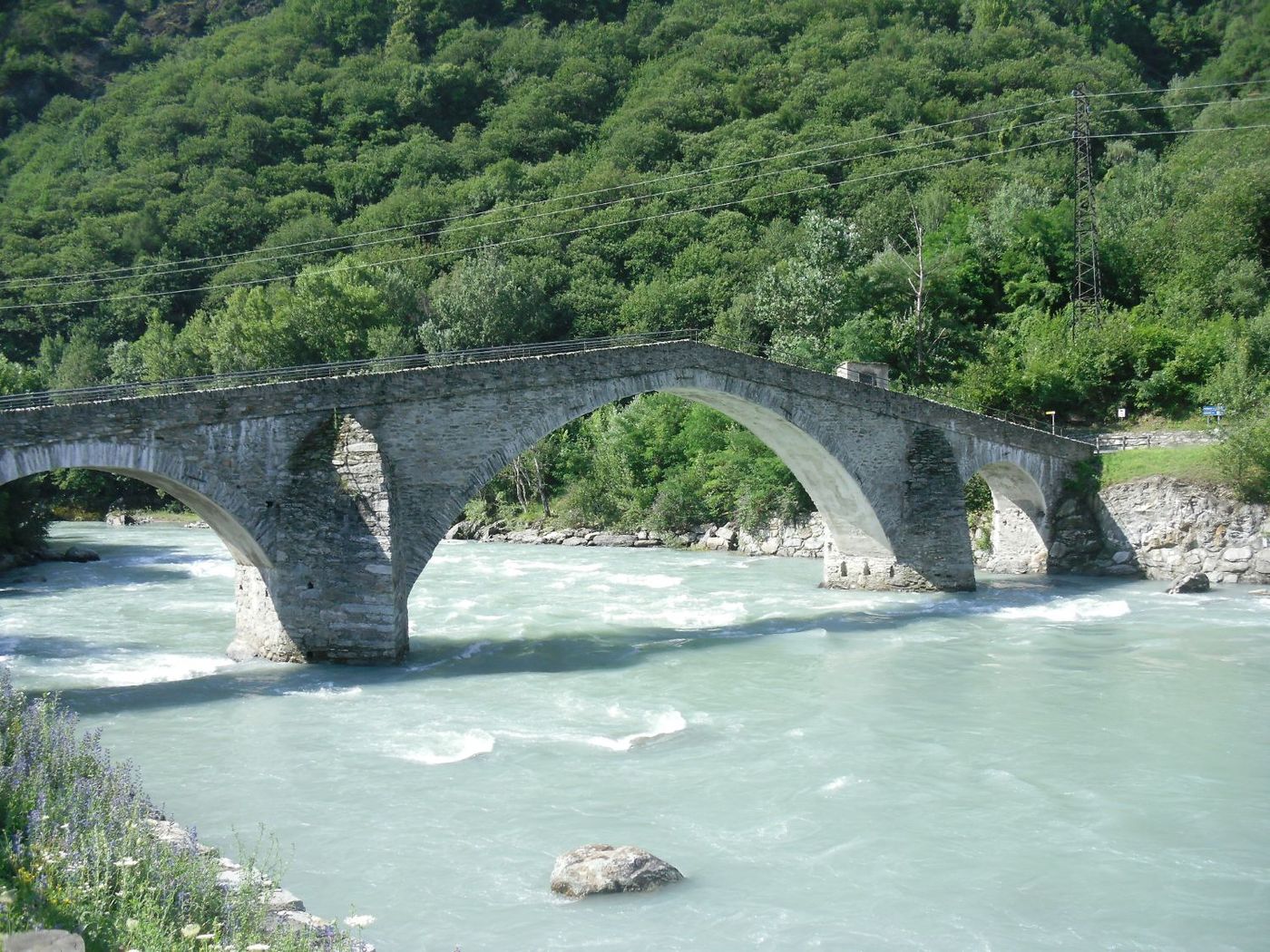
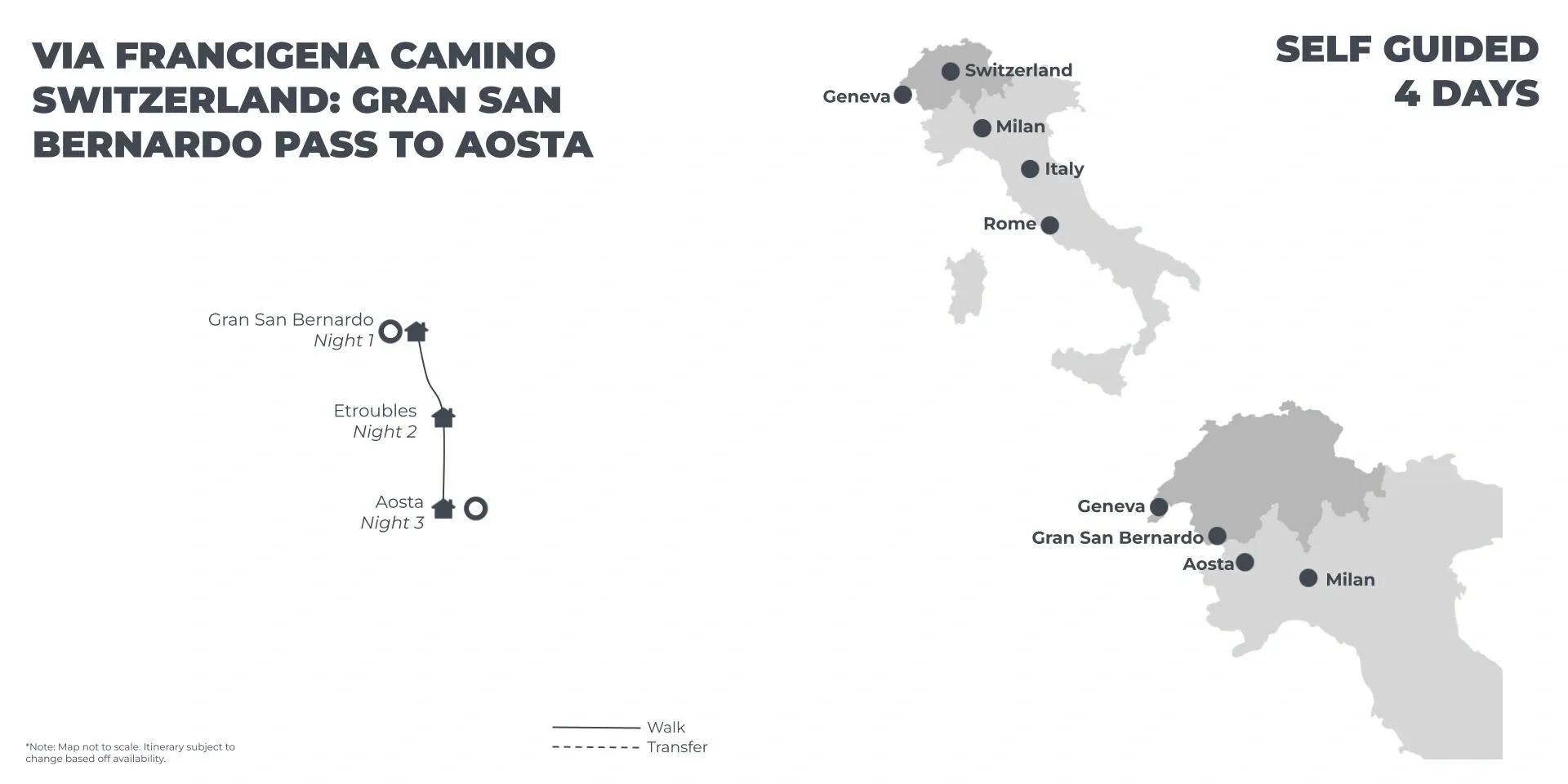
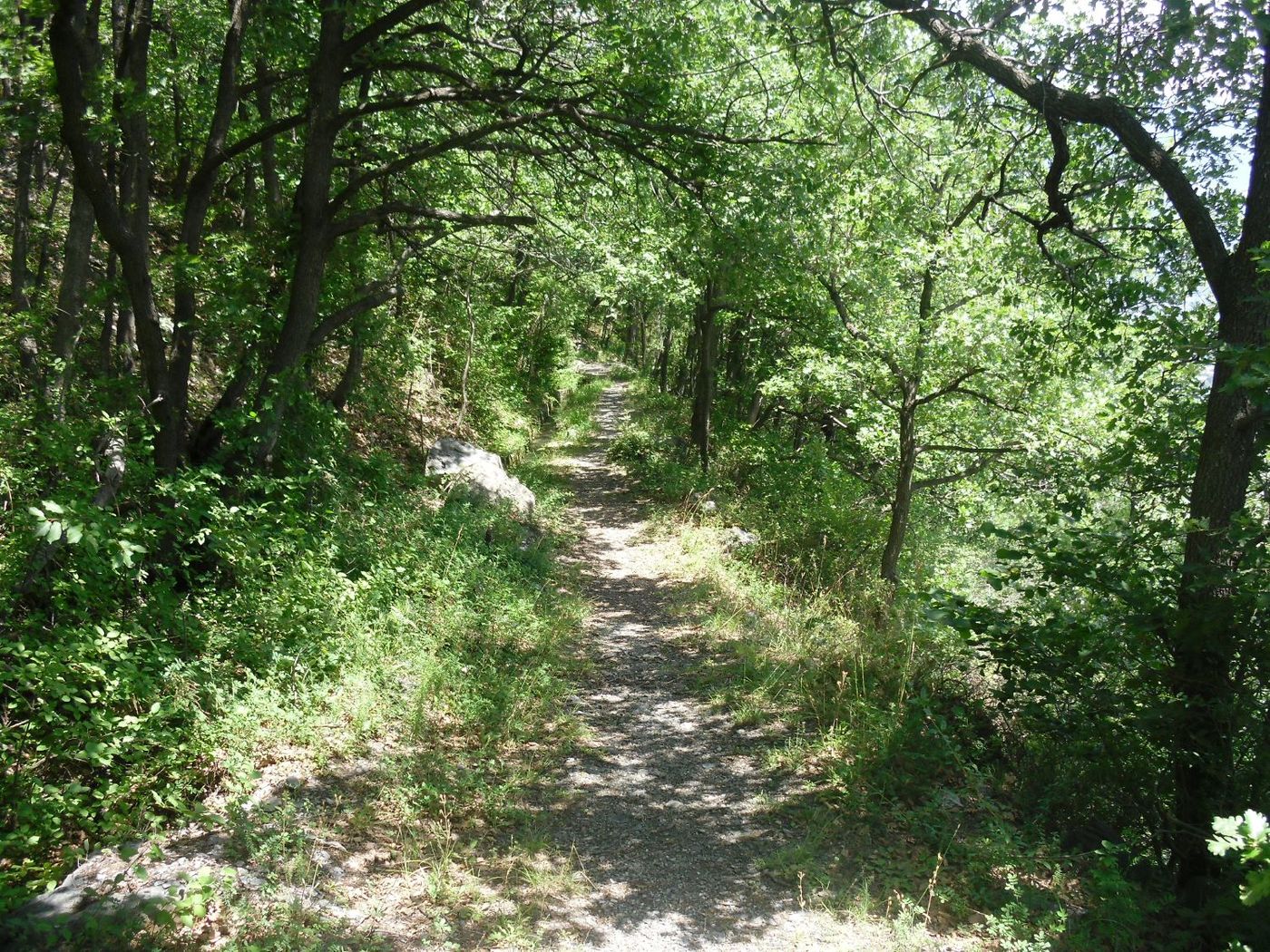
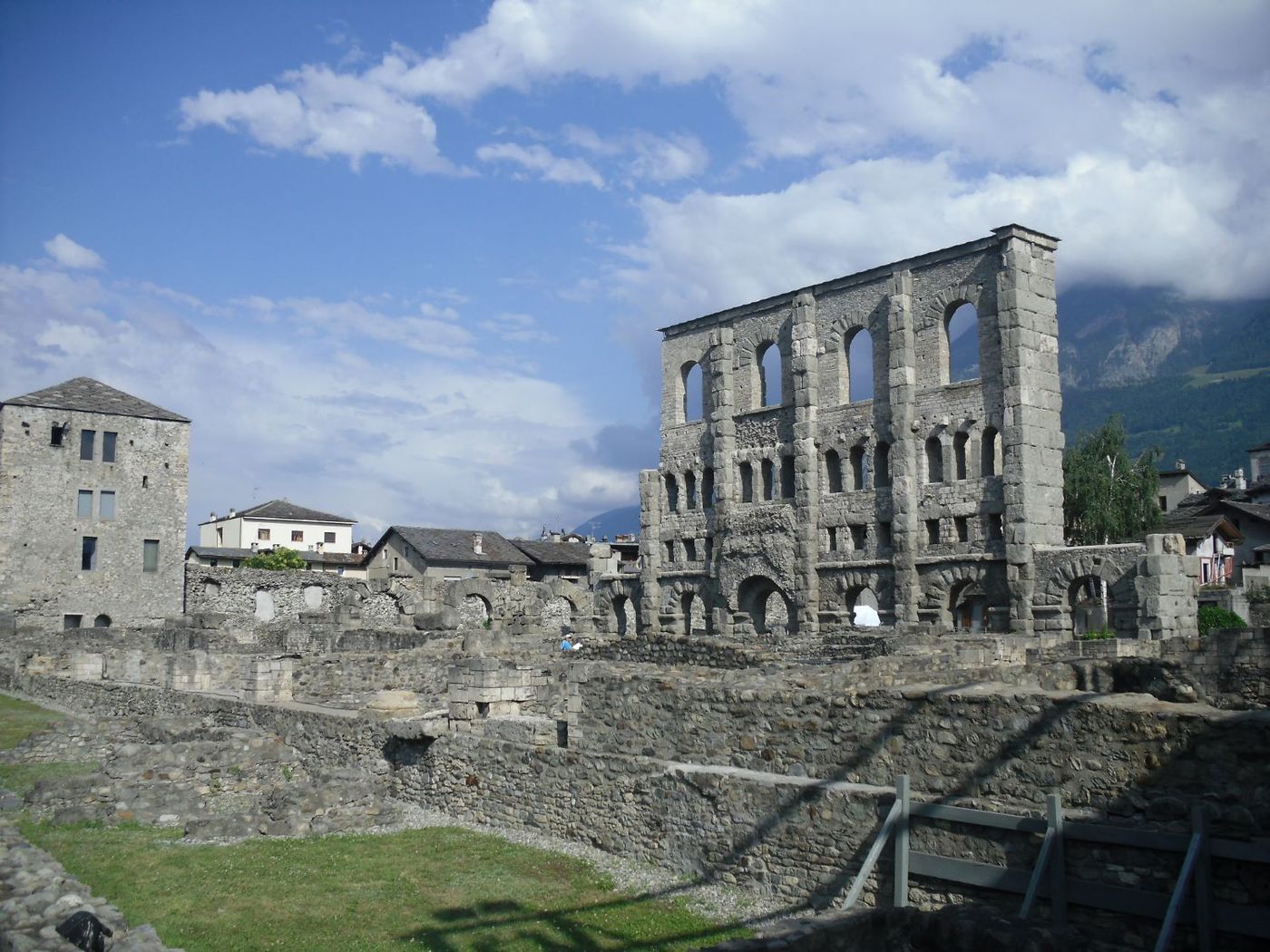
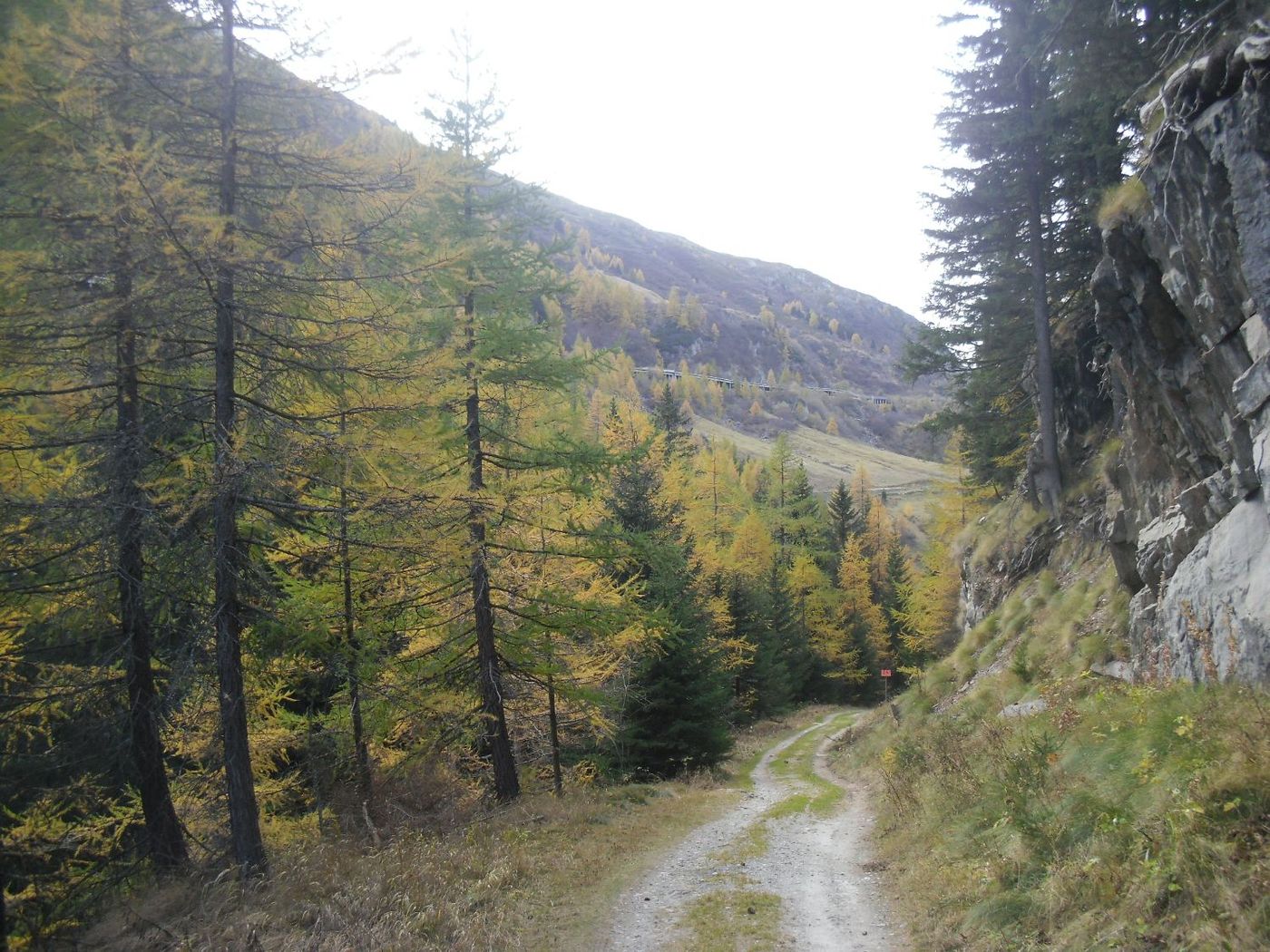
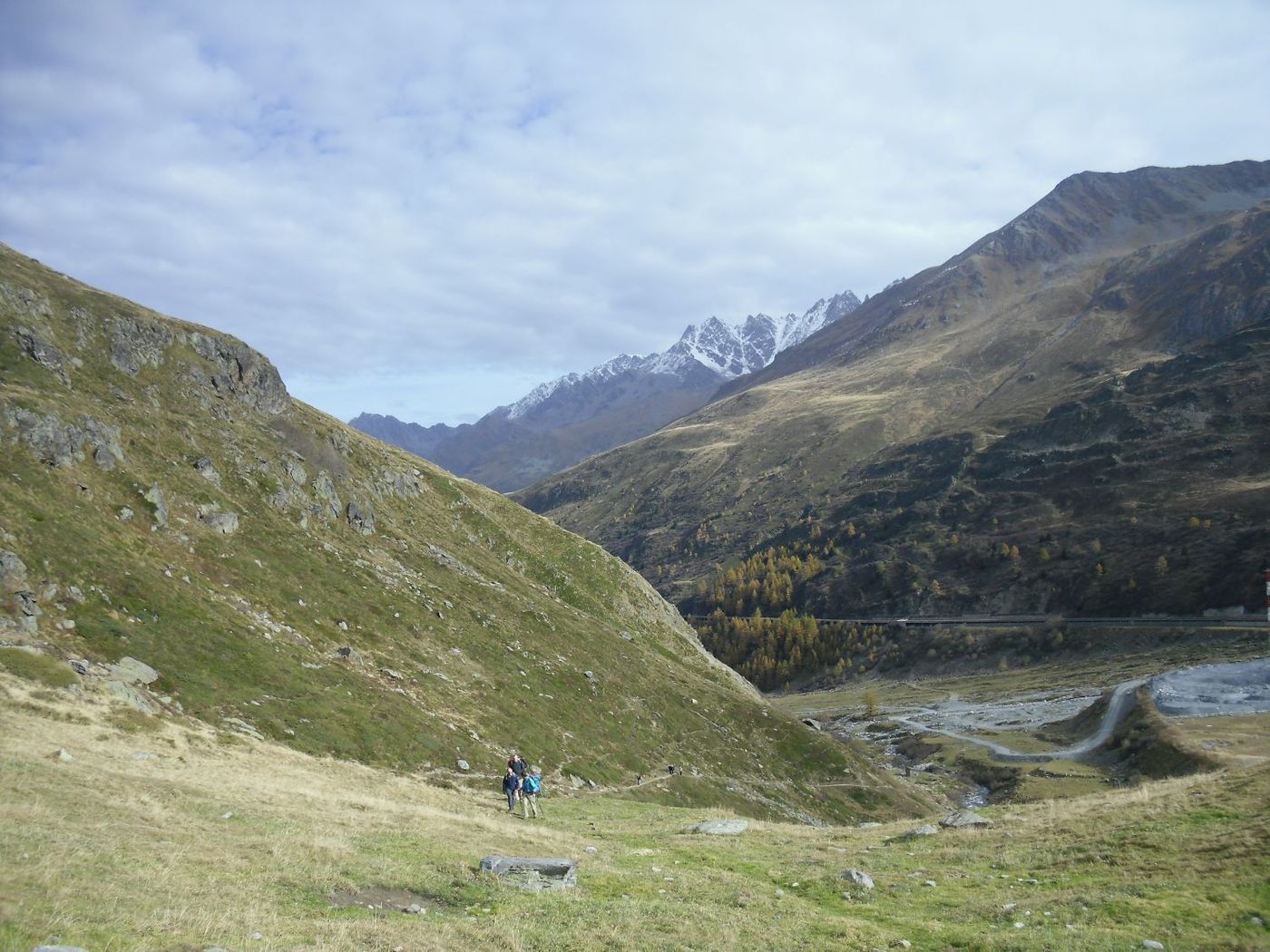
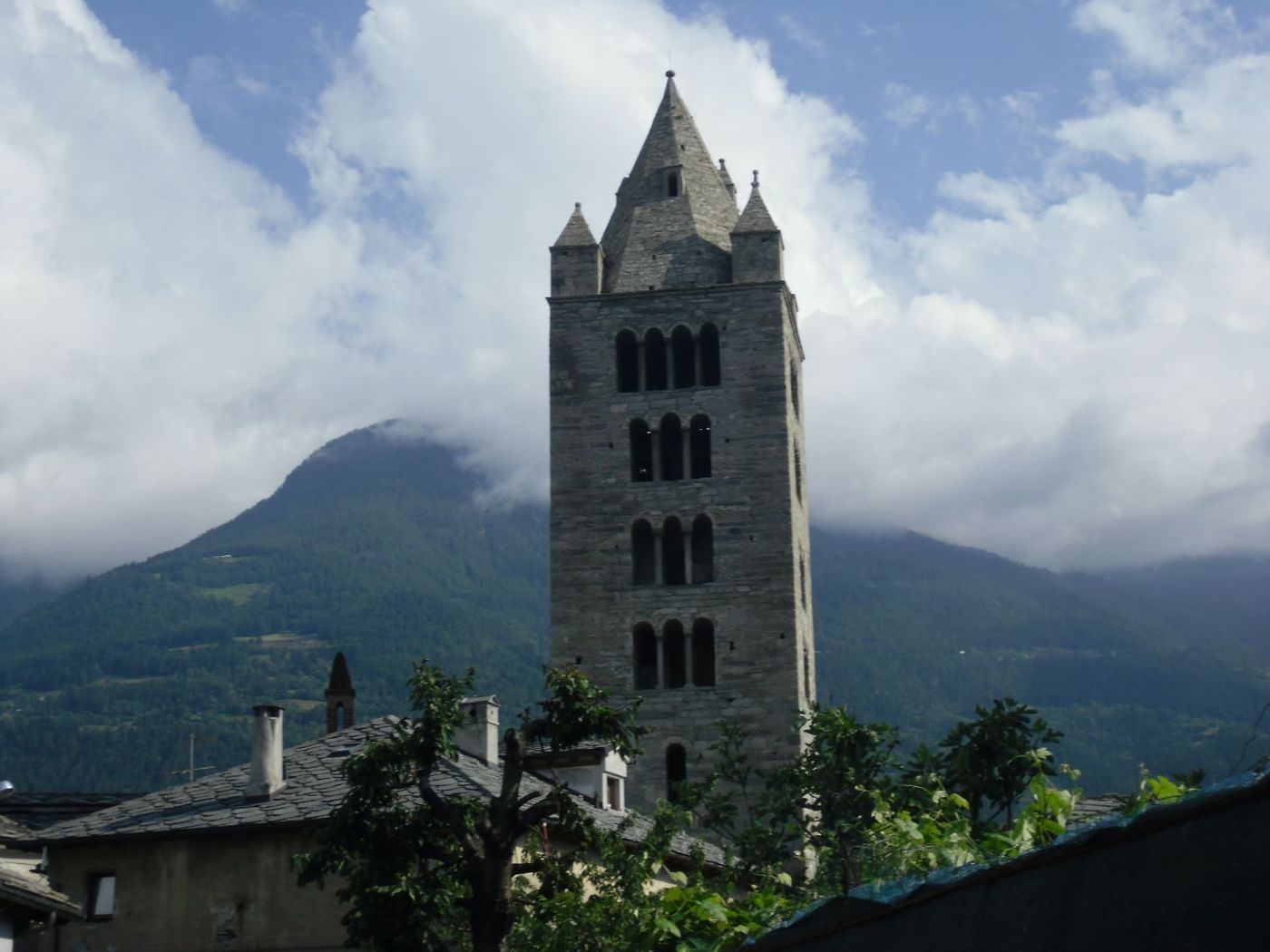
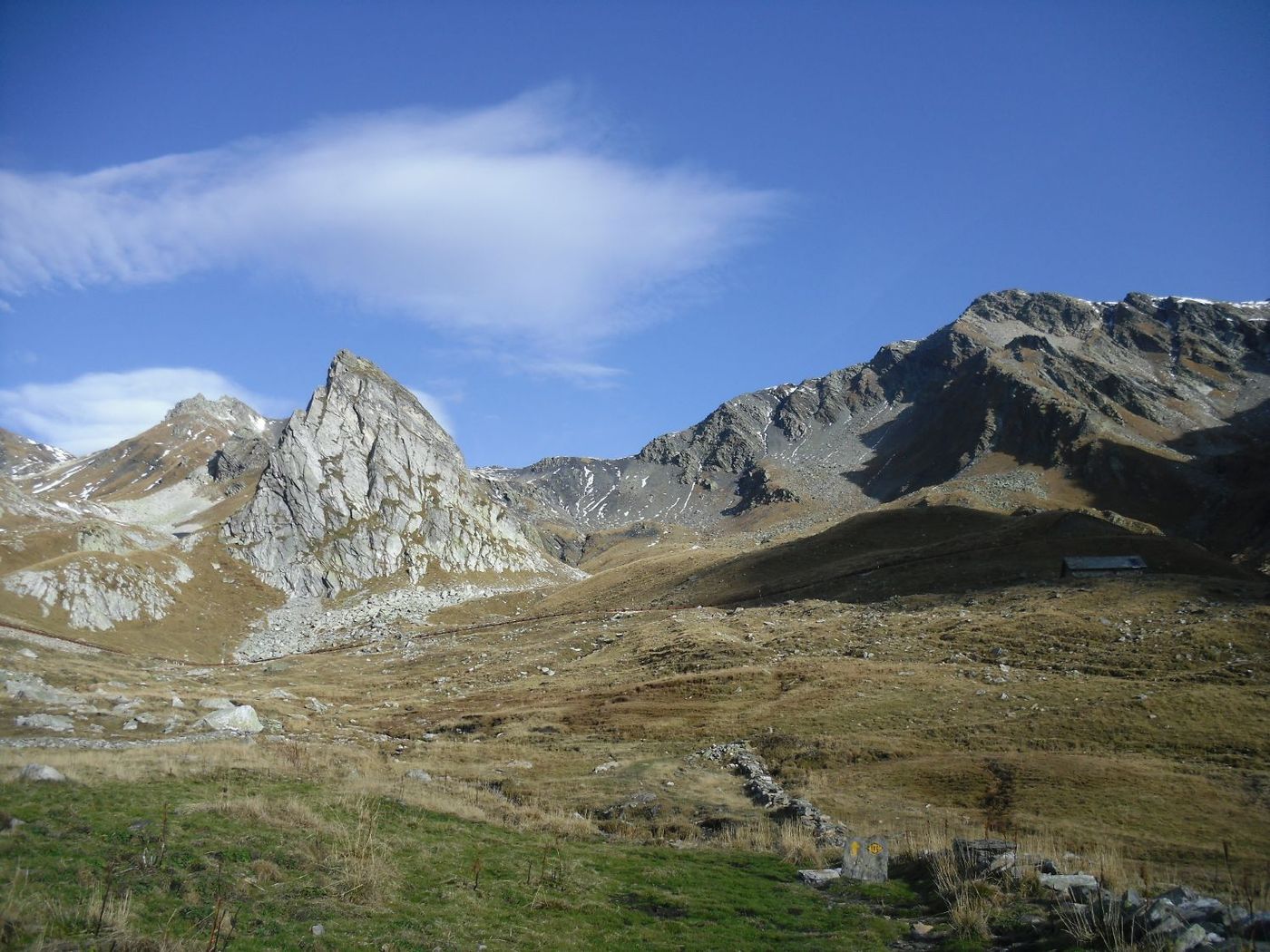
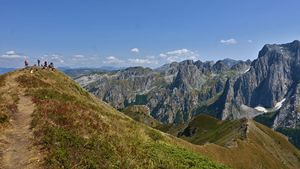
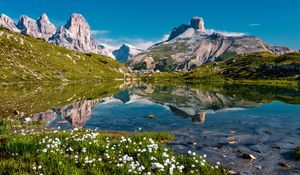
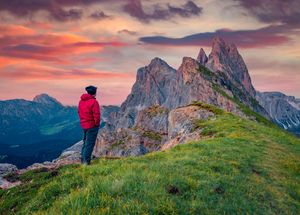
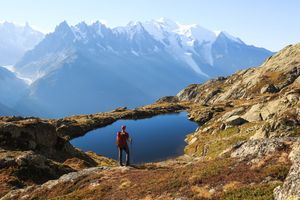
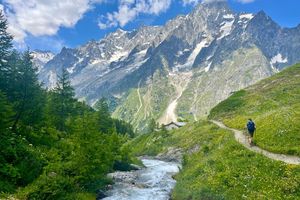
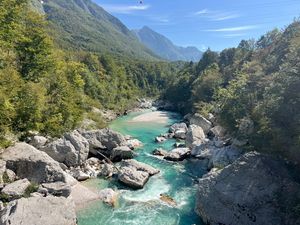
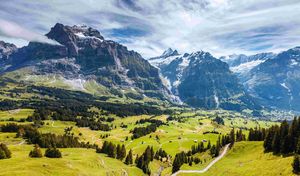
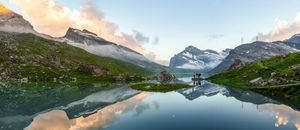
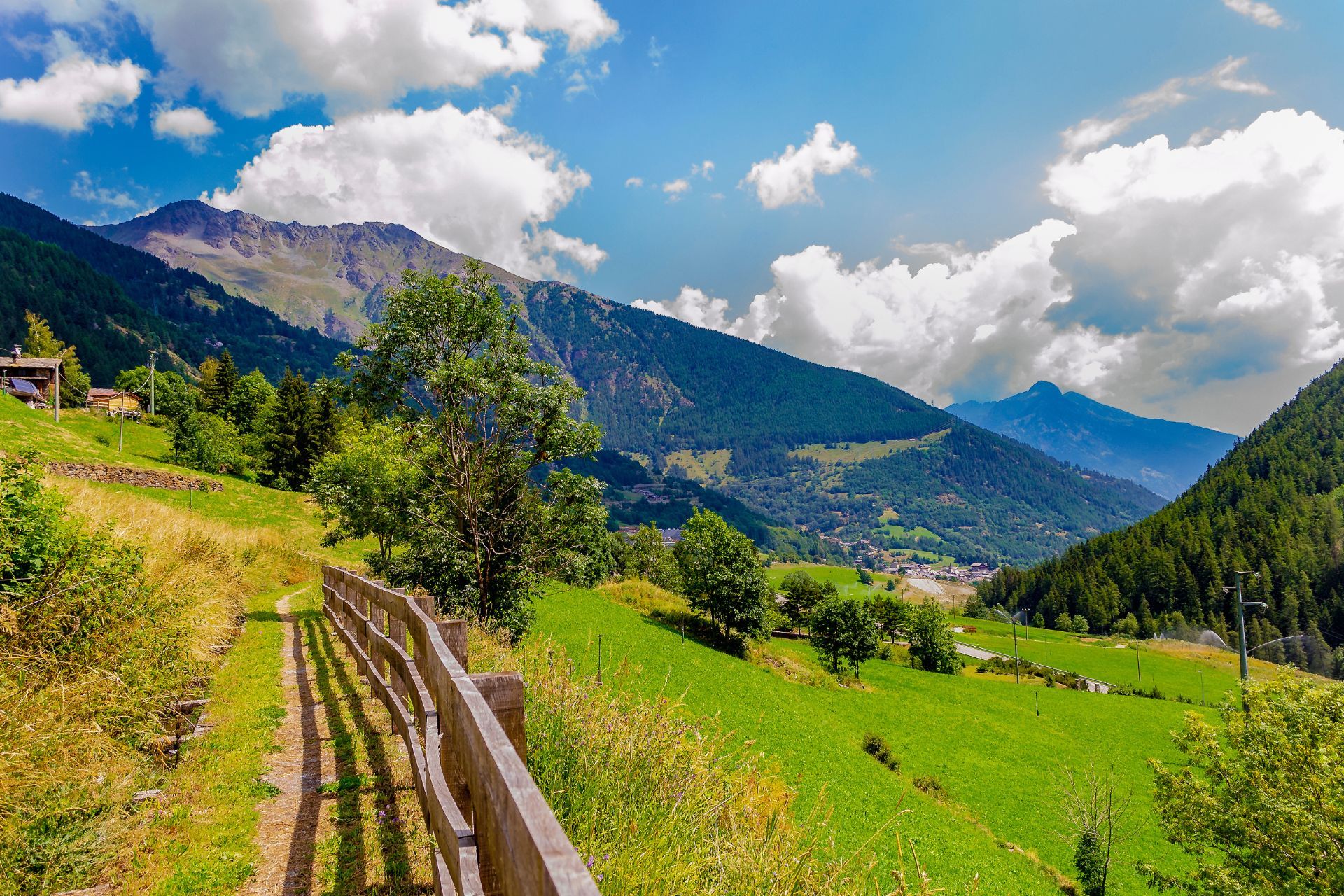
Set against the dramatic landscapes of the Gran San Bernardo Pass and Italy’s Val d'Aosta, this rewarding 4-day journey follows one of the most scenic sections of the ancient Via Francigena. Following historic trails through a region shaped by centuries of pilgrimage, walkers pass picturesque mountain paths, charming villages, and distinctive avalanche shelters. From the moment of arrival at the Gran San Bernardo Pass through to visits to Etroubles and Aosta, the region’s dramatic scenery and rich heritage leave a lasting impression.
More than simply a walk, this journey offers an opportunity to slow down and reconnect with the landscape. Walkers wander through alpine meadows, peaceful pine forests, and historic refuges and chapels, accompanied by the gentle sound of the Ru Neuf stream. With alternative walking routes and bus options available, the experience can be adapted to suit different paces, creating a flexible and memorable journey through one of the Via Francigena’s most scenic sections.
Highlights
Loading overview…
3-star Hotel (3 nights)
3 breakfasts, and 1 dinner
Stroll Walking Grade
Moderate
Rated by our team — we walk every route before we recommend it.
Expect some hills and longer walking days. A reasonable level of fitness will help you enjoy the experience.
View Fitness Guide2
Days on the trail
14-16 km
Daily distance range
74-248 m
Daily ascent range
4/10
Trail difficulty
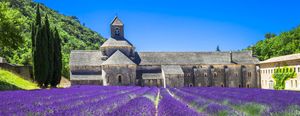
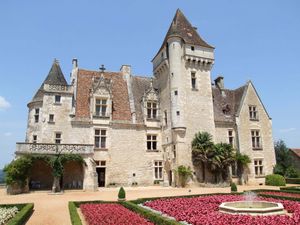
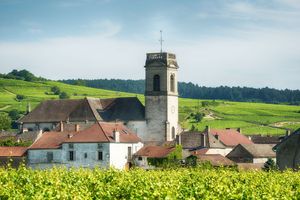
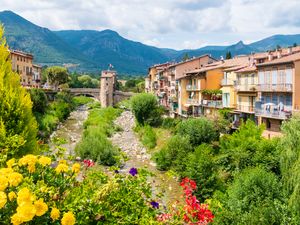
Three nights on this high alpine route are spent in family-run three-star mountain hotels and agriturismi, properties that sit naturally within the landscape you are crossing. All rooms have private en-suite facilities, and some establishments have partnerships with nearby wellness centres, a welcome option after a day at altitude. Each property has been chosen for the welcome it offers at the end of a demanding day on the trail.
Alternative Accommodation
During peak season, alternative accommodation may occasionally be used in place of those pictured, which may result in minor adjustments to your walking routes. Please check your confirmed accommodation against the itinerary on arrival and departure and note any changes carefully. Where alternatives are necessary, we will always aim to maintain the same standard and keep you in the same towns and villages wherever possible
The trip begins with dinner included on arrival at the Great St Bernard Pass, setting the tone before the walking begins. Three breakfasts are also included throughout the trip, one each morning before you head out on the trail. Beyond that, lunch and dinner are yours to find, and the towns and villages along this alpine route have good options along the way.
Note: Please advise us of any food allergies or intolerances at the time of booking. If you have severe allergies, bringing some of your own snacks is recommended, as specialist ingredients can be harder to source in more remote mountain stretches of this route.
The walk starts at Gran San Bernardo Pass and finishes in Aosta, in the Aosta Valley of northwest Italy. The most convenient airport is Geneva (GVA), with good international connections. From Geneva Airport, trains run to Martigny, then continue to Orsières (changing at Sembrancher). From Orsières, a connecting TMR bus travels directly to Gran San Bernardo Pass. Book Swiss rail tickets in advance through SBB.
Those travelling via Milan can connect from Milano Centrale, travelling via Martigny and Orsières to reach the pass. Travellers arriving via Turin can travel through Aosta and then continue by bus to Gran San Bernardo.
The walk ends in Aosta, from where trains reach Turin and Milan in around 1 to 2 hours. Both cities offer good onward rail and air connections. As with all rail travel in Italy, remember to stamp your ticket at the platform machine before boarding. Inspectors treat an unstamped ticket as unpaid travel, regardless of whether you have paid.
This walk is available from April to October, with no fixed start days. The Gran San Bernardo Pass sits at 2,469 metres, and timing matters on this high alpine route. July and August offer the most reliable conditions for the crossing, when snow has fully cleared and the high trail is open. June and September are also excellent, with settled weather on the descent through the Aosta Valley. April, May and October are possible but conditions at the pass can be wintry and unpredictable; walkers travelling at either end of the season should check conditions carefully before setting out. Pack warm layers and waterproofs whatever the month. The weather changes quickly at altitude
This walk is graded easy. Daily walks average 14.5km with around 200m of ascent and descent, and a terrain difficulty rating of 4 out of 10. The terrain is mountainous in character, so balance and sure-footedness matter. Sturdy walking boots with good grip are essential.
Distance and elevation demands are both below average for this route. Build up to covering around 16km comfortably in a single day and include some back-to-back walking days in your preparation. Incorporate some elevation into your training walks where possible, and include resistance exercises such as squats and lunges to build strength for the mountain terrain.
Daily walk notes, maps, and GPX tracks are provided.
You must hold adequate travel insurance for your trip, including cover for personal liability and accidental injury and illness. For all trips involving international travel, your policy must also include emergency medical treatment, evacuation and repatriation cover. We strongly recommend your policy also covers trip cancellation and curtailment, and loss of or damage to luggage.
A cancellation fee usually applies if you cancel after your booking is confirmed. Travel insurance with cancellation cover will generally cover this fee, so it's worth arranging your policy at the time of booking.
Full insurance requirements are set out in our booking terms and conditions.
A detailed information pack and itinerary will be sent to you around six weeks before departure, covering everything you need to know for a seamless experience. In the meantime, our team is always on hand to answer any questions.
For your safety and well-being, we are unable to accept bookings for solo walkers on this self-guided trip. The remote nature of some tracks and limited mobile reception mean that walking alone presents a higher risk in case of emergencies.
Luggage transfer is included in your package and is normally provided by the accommodation itself.
Please clearly mark all your belongings with your name and put a small note with the name of the next accommodation in order to indicate where the bags should go next (check your accommodation list). Also ask the accommodation owner where the bags should be left in the morning. Labelling your belongings prevents mix ups, delays and loss.
Bags should be ready and at the reception or store room by 9:00 hrs.
If you are unable to walk, you can always ask, if the luggage transporter can take you with him when transporting your baggage, but this is not always possible and sometimes you have to pay a small fee locally. In some countries there are special insurances for transporting peoples and sometimes the car is not suited for transporting persons.
When you travel with public transport you always take your luggage with you unless specified differently.
Pick any available date — this is your trip, your schedule
Prices shown are per person, twin/double share basis.
Very responsive local team Unique local accommodation.
Everything went smoothly. Beautiful scenery. Fascinating towns.
It was just such a lovely experience for all four is us, ages 11 to 61. Everything was well organised and provided by Stroll. Great range of walks, excellent service during the inquiry and booking process, great tools provided to walkers. Big thanks to Stroll for excellent arrangements. A really good service. And a note to others - our 11year old son who is not used to walking managed 6 days of ~20km per day in a July heatwave in Italy! It was the experience of doing it together as a family and the enjoyable route and arrangements that made it work!
Excellent service from Stroll. The team at Stroll delivered on everything they said they would. The walking trip we enjoyed worked exactly as we had expected with no issues whatsoever. Stroll's excellent management of the baggage handling and accommodation from day to day made it possible for us to just enjoy the trip rather than dealing with any issues. We greatly appreciated the service and the expertise and the execution that Stroll provided. Very well done on all counts. We will certainly use Stroll again for our next walking holiday.
As a solo traveller, this walk ticked all my boxes! History, scenery, no crowds, great accommodation - I wanted more of the same! I will definitely be signing up for more with Stroll!
I found Stroll staff to always be very helpful and prompt in my requests for information or action.