


-300x200.jpg)









-300x200.jpg)


-300x200.jpg)

-300x200.jpg)






















-300x200.jpg)















Larissa L
June 2026
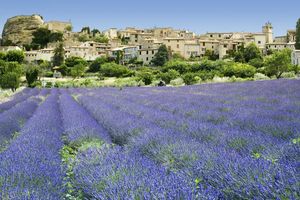
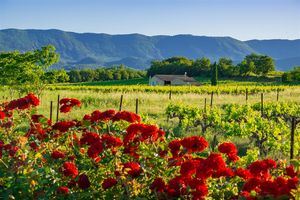
The Provence walk was definitely a moderate walk with some strenuous parts. The views and wildflowers were lovely along the way. Remember to have the picnic provided or buy food as there are limited places along the way.
-1920x1280.jpg)
Vineyards and Villages of Provence - 8 Days
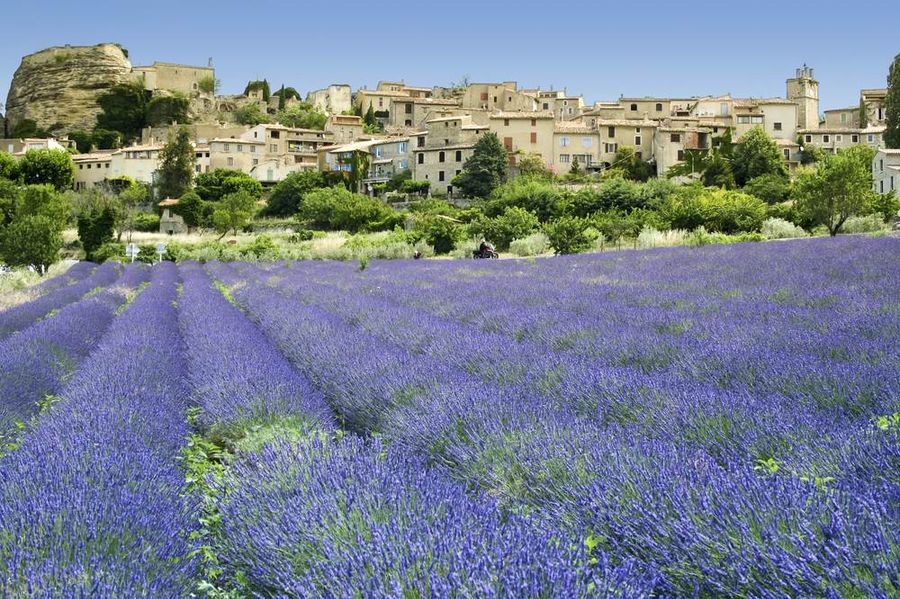
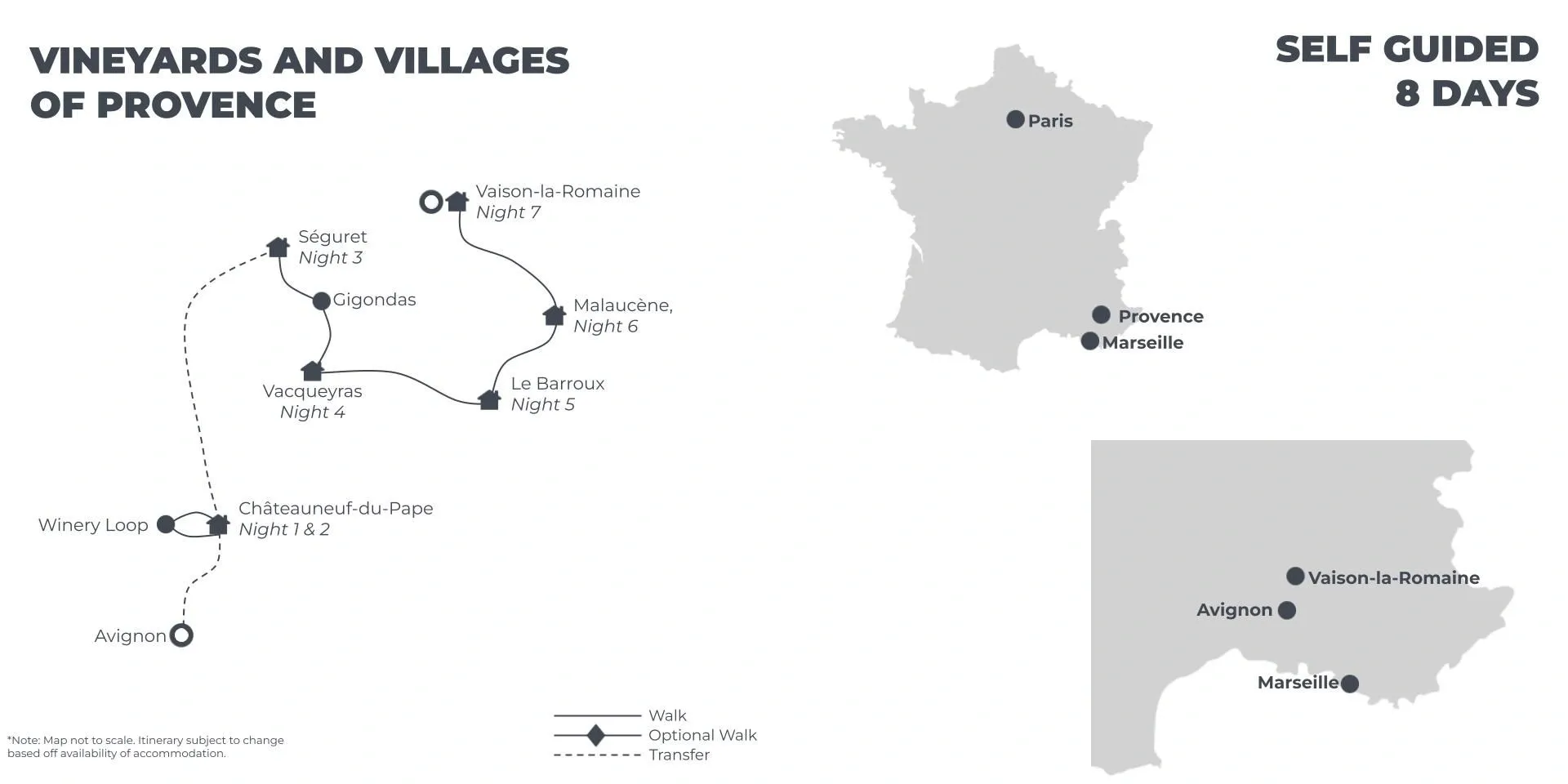
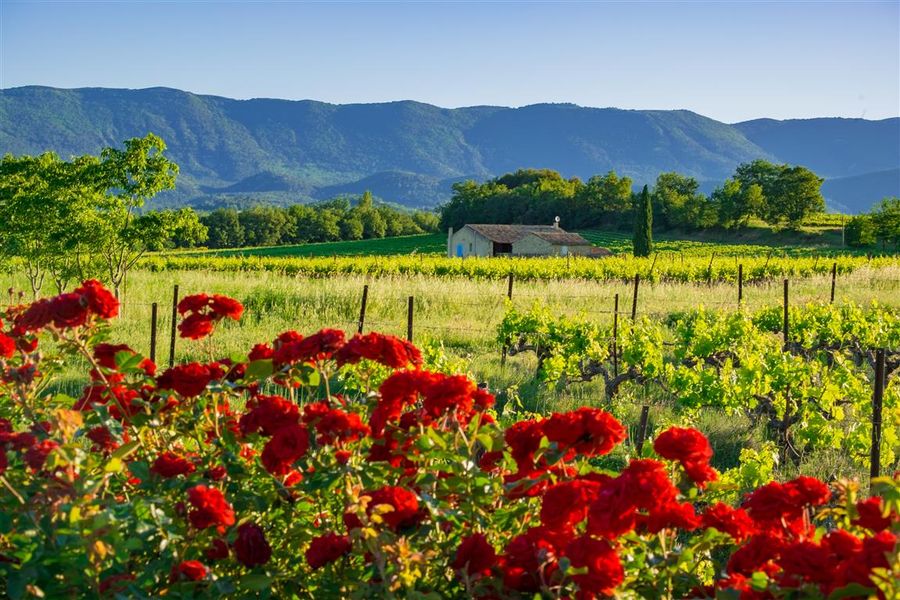
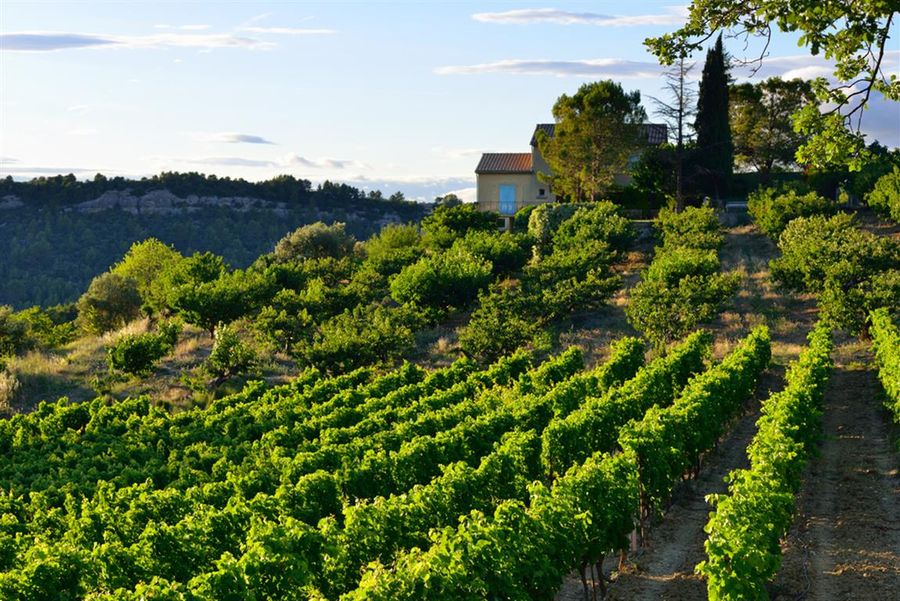
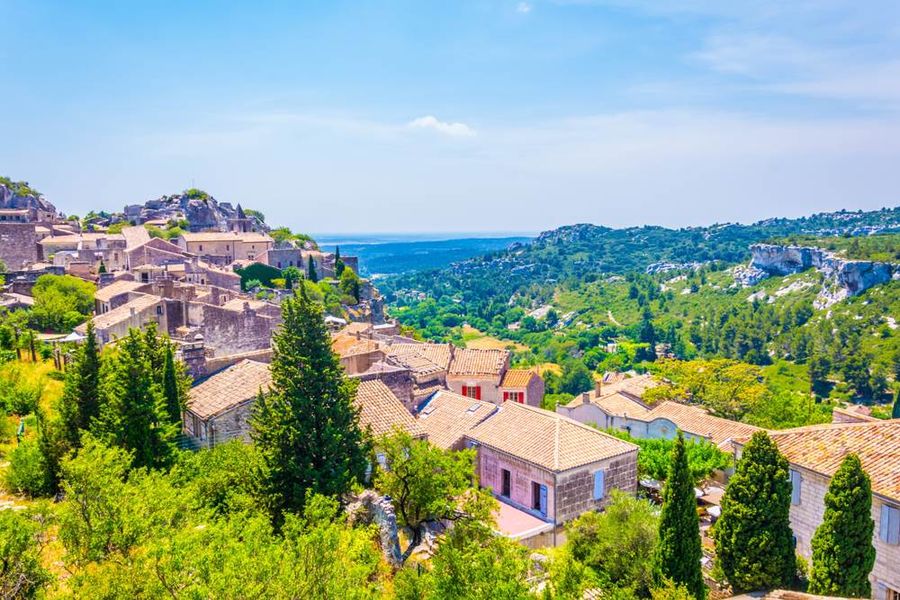

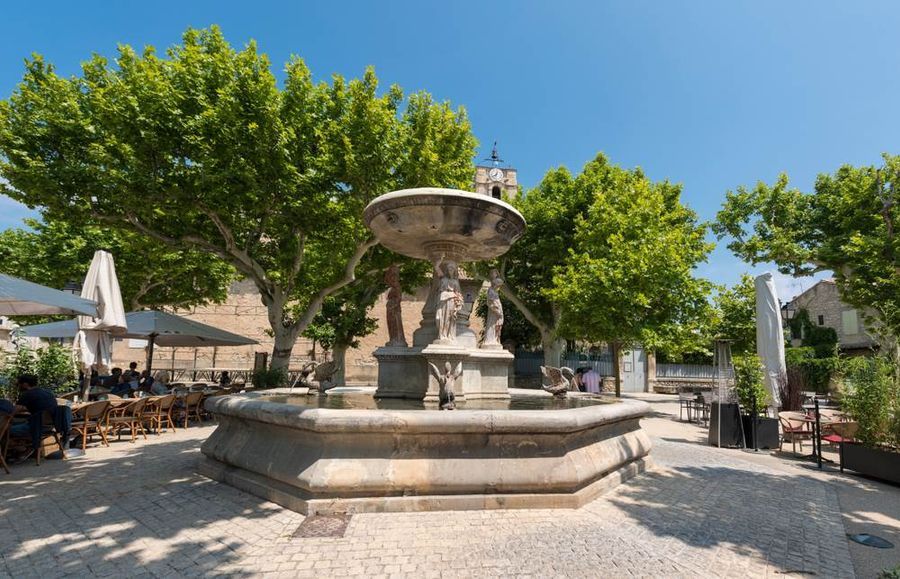
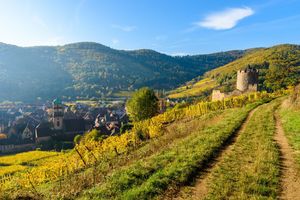
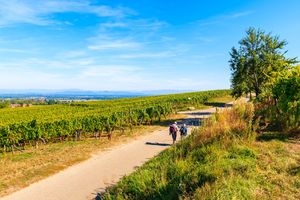
This walk begins in Chateauneuf du Pape, after a transfer from Avignon, and finishes in the medieval town of Vaison la Romaine. Wine is a religion in this part of the world, and the route reflects that at every stage, passing through some of southern France's most celebrated wine villages across five days of walking.
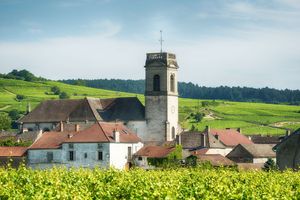
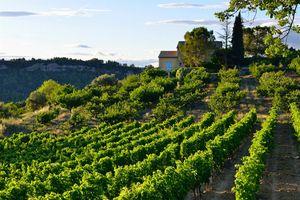
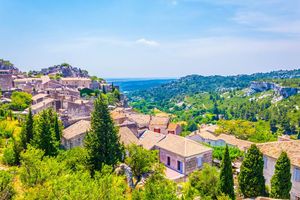
The journey opens in Chateauneuf du Pape, southern France's most prestigious wine village, where grapes have grown for over 700 years. The route continues through Séguret and Gigondas, two medieval villages perched high above the Rhône valley and surrounded by vineyards in every direction, before moving on through Vacqueyras, Le Barroux and Malaucène and concluding in Vaison la Romaine. Wine-tasting opportunities present themselves throughout, with the region's most renowned wineries lining the path from start to finish.
Highlights
Loading overview…
Hotel (2 nights), 3-star Hotel (4 nights), B&B (1 night)
7 breakfasts, and 3 dinners
Stroll Walking Grade
Easy to Moderate
Rated by our team — we walk every route before we recommend it.
Mostly flat terrain with some gentle inclines. Suitable for anyone with basic fitness who enjoys walking.
View Fitness Guide8
Days on the trail
2-27 km
Daily distance range
119-557 m
Daily ascent range
5/10
Trail difficulty
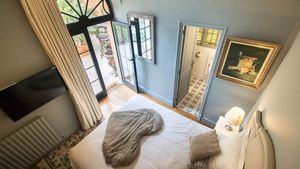
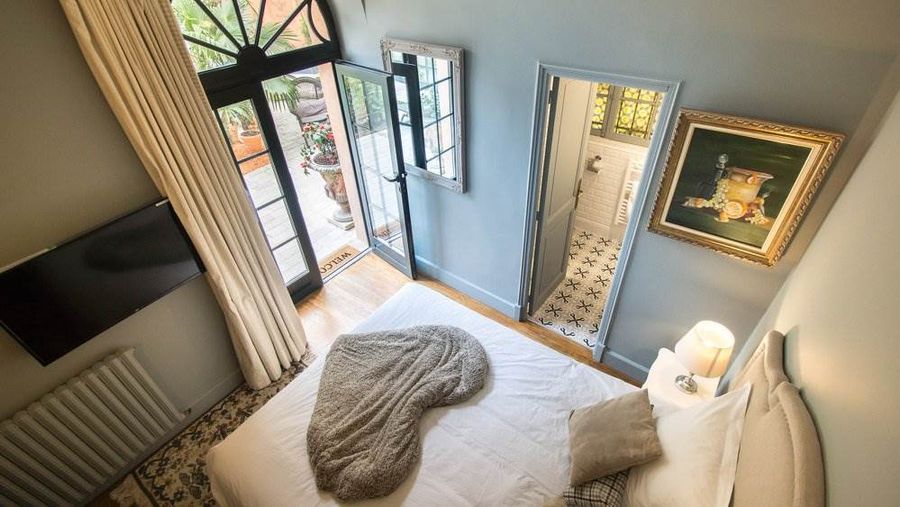
Accommodation on this tour spans elegant guesthouses, charming hotels, family-run auberges and a ski lodge, all at three to four stars with en-suite facilities throughout. Seven nights are included, with every property handpicked for its location and the way it sits within the landscape and character of Provence.
The accommodation listed is an indication of what will be booked and may vary depending on availability at the time of booking. Should any displayed option be unavailable, we will ensure any alternative meets the same standard.
You can enjoy seven continental breakfasts throughout the trip, each one with all the standard accompaniments to set you up before heading out on the trail. Lunch is yours to find along the way, and Provence makes that a pleasure in itself. Three dinners are included at key points along the route, on arrival in Châteauneuf-du-Pape, on day three in Séguret and on day five in Le Barroux. Each is a three-course meal ordered from the menu, Provençal in style and worth looking forward to. For the remaining evenings, your walk notes will include a handpicked dossier of restaurant recommendations to point you towards the best eating along the route.
Please advise us of any food allergies or intolerances at the time of booking. If you have severe allergies, bringing some of your own snacks is recommended, as specialist ingredients can be harder to source along the way.
Note: Drinks and alcohol are not included with meals, with the exception of tea, coffee and juice served with breakfast.
The walk starts in Châteauneuf-du-Pape and finishes in Vaison-la-Romaine, with Avignon serving as the practical arrival and departure point. The most convenient airport is Marseille (MRS), with good international connections, from where a shuttle bus connects to the train station and trains reach Avignon in around 1 hour. High-speed TGV services from Paris reach Avignon in around 3 hours. Note that Avignon has two train stations: the TGV station, situated 2km outside the city centre, and the central SNCF station. A shuttle runs between the two every 15 minutes. A transfer from Avignon to Châteauneuf-du-Pape is included on arrival at 4.30pm. Private transfers from Marseille airport to Avignon can be arranged on request.
The walk ends with a transfer back to Avignon, from where trains reach Marseille in around 40 minutes and Paris in around 3 hours. An extra night in Avignon can be arranged on request.
This walk is available from 1 March to 15 November, with departures Sunday to Thursday. Spring and autumn are the finest seasons for walking in Provence. April, May, September and October offer the best combination of mild weather, quieter villages and beautiful scenery. Autumn is particularly rewarding, with the vineyards turning gold and the wine harvest under way. July and August can be hot; early starts are advisable. This route books up well in advance, so early booking is recommended.
Paths are well-maintained, following sometimes ancient routes through the Provençal landscape, with only gentle ascents for the most part. There are options to add distance or cut days short depending on preference and energy levels.
A regular training routine of three to four times per week, with some longer walks incorporated as departure approaches, is recommended in preparation. Daily walk notes, maps, and GPX tracks are provided.
You must hold adequate travel insurance for your trip, including cover for personal liability and accidental injury and illness. For all trips involving international travel, your policy must also include emergency medical treatment, evacuation and repatriation cover. We strongly recommend your policy also covers trip cancellation and curtailment, and loss of or damage to luggage.
A cancellation fee usually applies if you cancel after your booking is confirmed. Travel insurance with cancellation cover will generally cover this fee, so it's worth arranging your policy at the time of booking.
Full insurance requirements are set out in our booking terms and conditions.
A detailed information pack and itinerary will be sent to you around six weeks before departure, covering everything you need to know for a seamless experience. In the meantime, our team is always on hand to answer any questions.
Your main luggage travels ahead of you each day, so you only need to carry a daypack while you walk. It's transferred directly between your accommodations and will be waiting for you on arrival each evening, leaving you free to enjoy the trail without the weight on your back. Transfers are included as part of your package, along with all transport on and off the track, so there's nothing extra to arrange once you're on the road.
Pick any available date — this is your trip, your schedule
Prices shown are per person, twin/double share basis.
The Provence walk was definitely a moderate walk with some strenuous parts. The views and wildflowers were lovely along the way. Remember to have the picnic provided or buy food as there are limited places along the way.
Alps to the sea is a beautiful walk start to finish. Had a lovely lemon drink at Maison Gannac after crossing under the freeway. Beautiful views. Also excellent flat white coffee at Menton market.
Entire walk went extremely well. The hotels were all good - with the exception of the hotel in Apt.
The communication with Stroll is super efficient and well managed.
The entire walk went extremely well. Luggage transfers happened. The walk notes really were excellent- which is fortunate because if not, getting lost would be easy.
The organisational aspect of the Provence Wine trip was excellent. We thoroughly enjoyed the lovely accommodation, and appreciated the efficient collection and delivery of our main luggage. This northern part of Provence (much of which is the southern part of the Cote du Rhone) is spectacular...primarily because of the mountainous areas within it. This makes for some challenging hiking unless you are young and very fit. We were able to circumvent the tricky trails and use google maps to use the back-country roads to walk between villages to overcome our loss of youth and below par fitness. These minor roads were as equally scenic and mostly very quiet in terms of traffic. We think this trip should be rated intermediate-difficult rather than just intermediate.