






Crossing the Austrian Alps - 8 days

Crossing the Austrian Alps - 8 days

8 Days
Challenging

Crossing the Austrian Alps - 8 days

from £1,235 / person

Overview

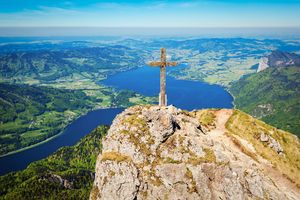
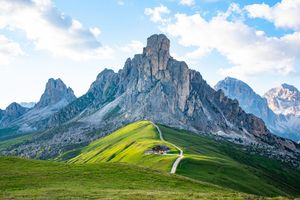
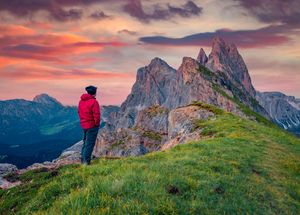
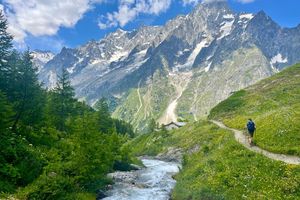
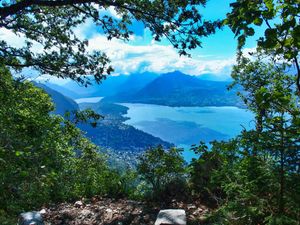
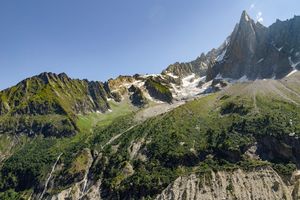
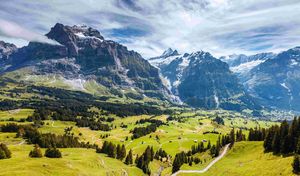
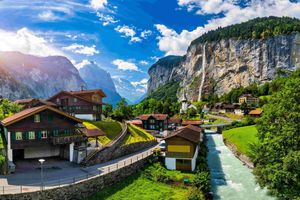
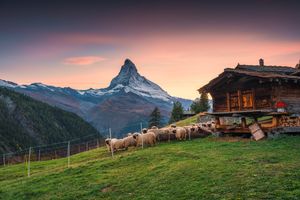
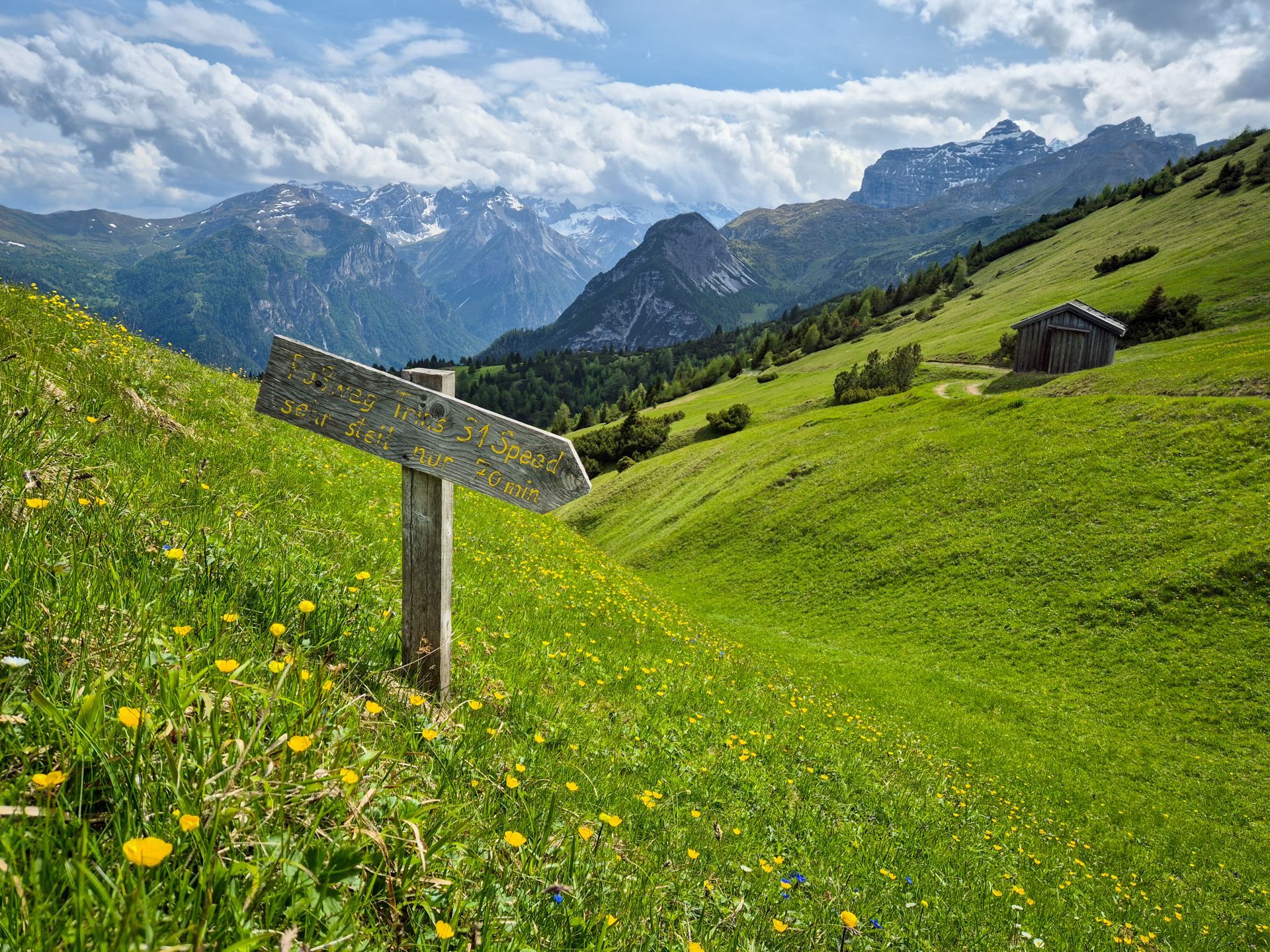
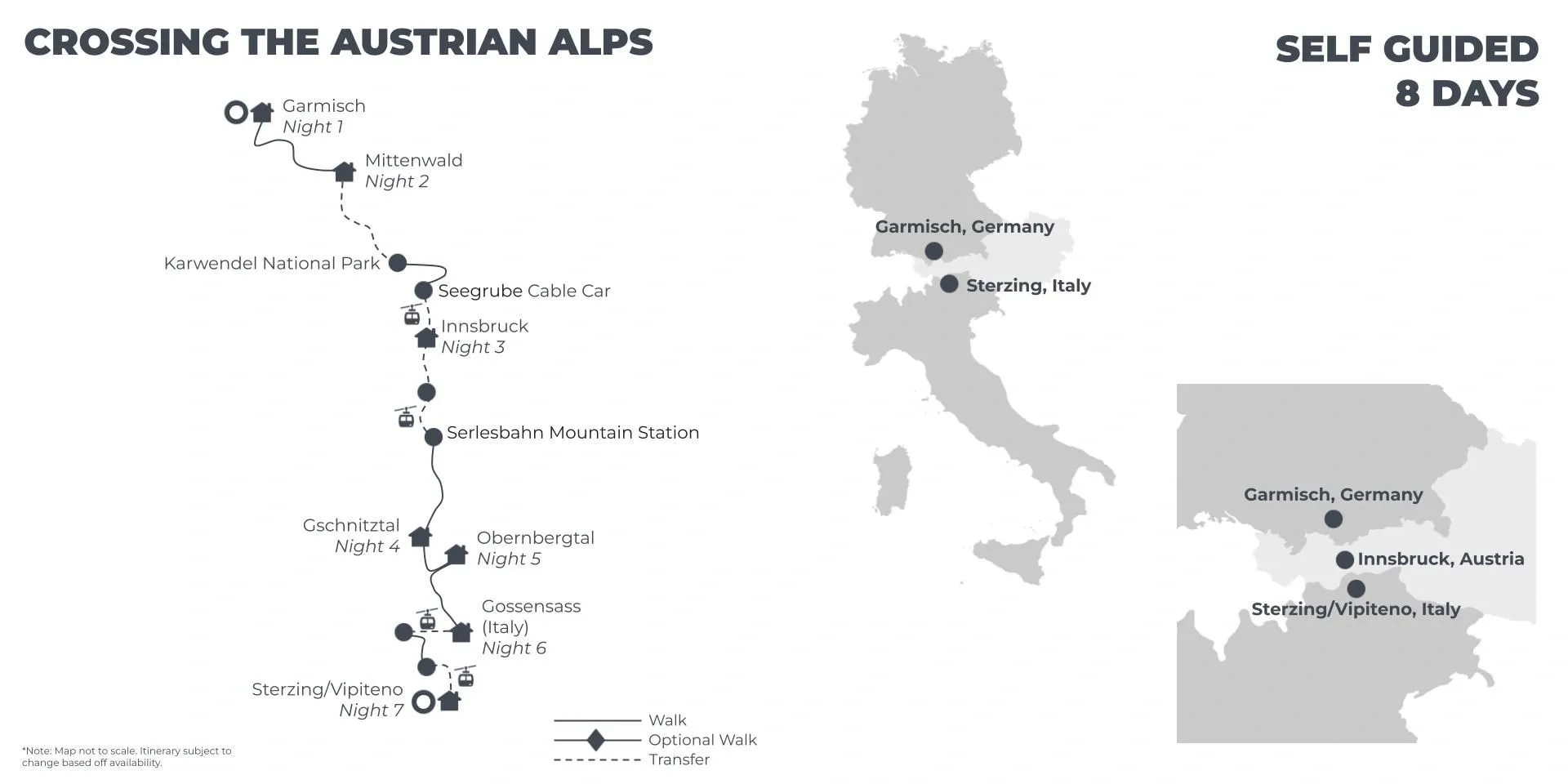
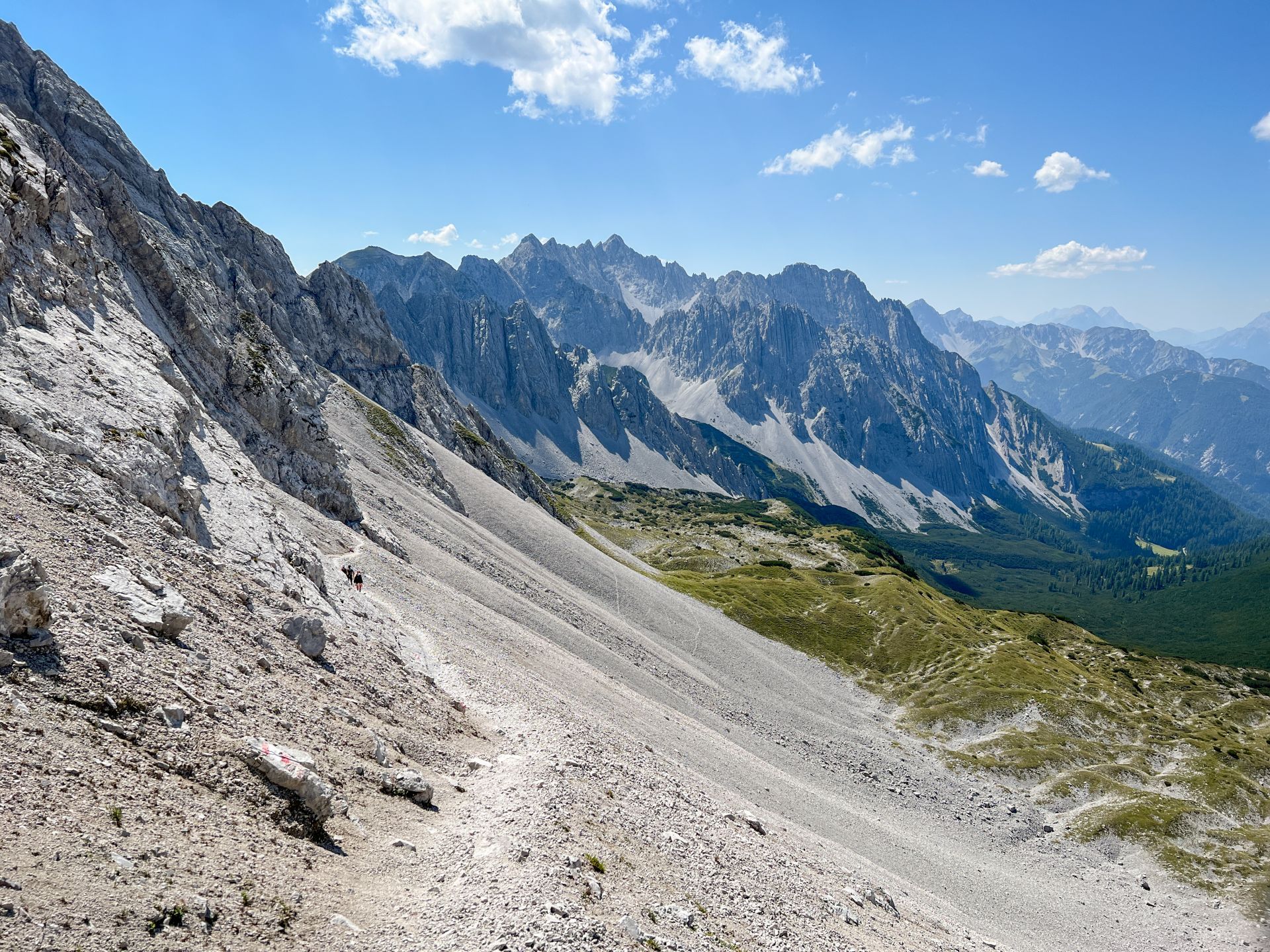
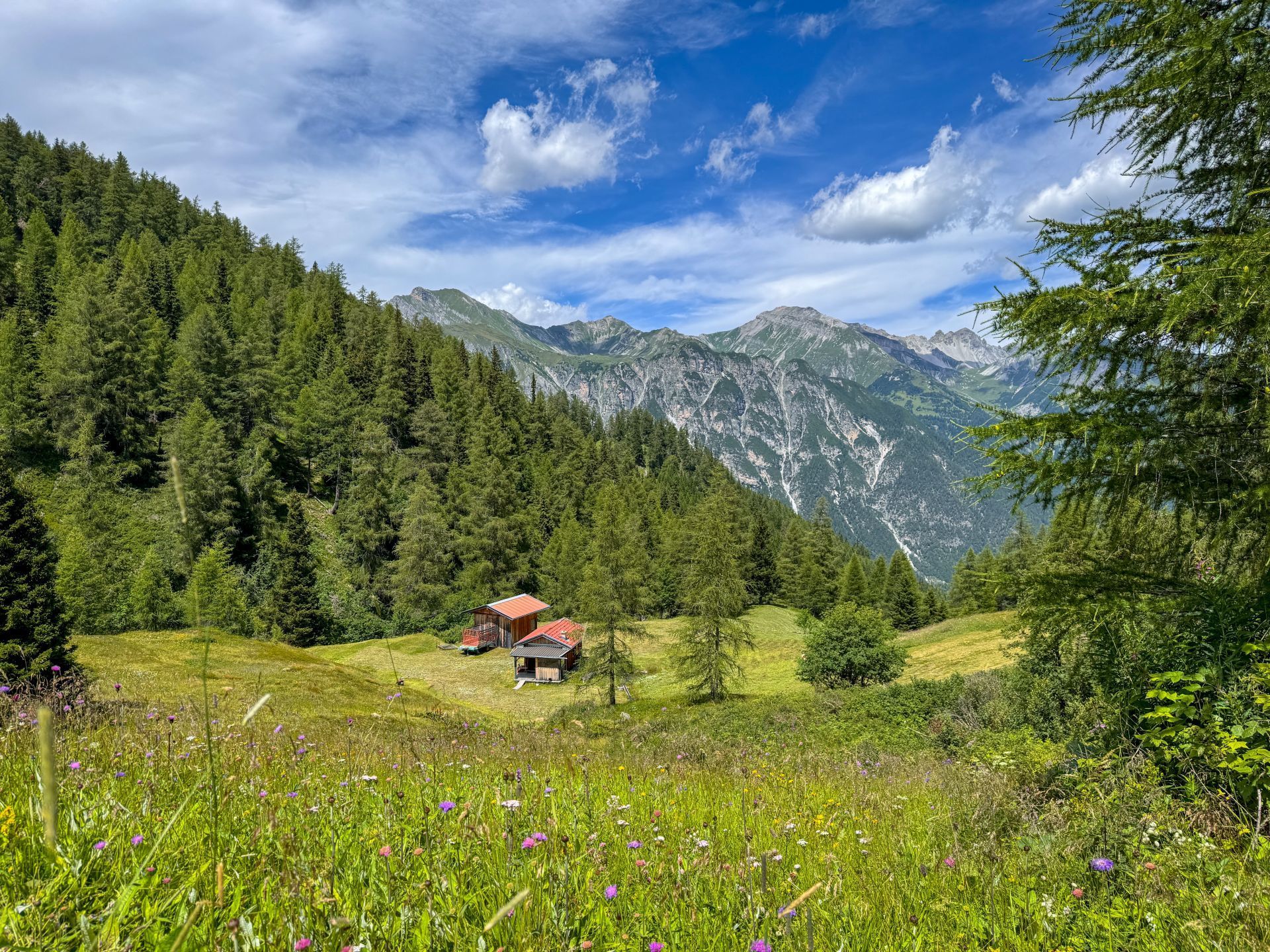
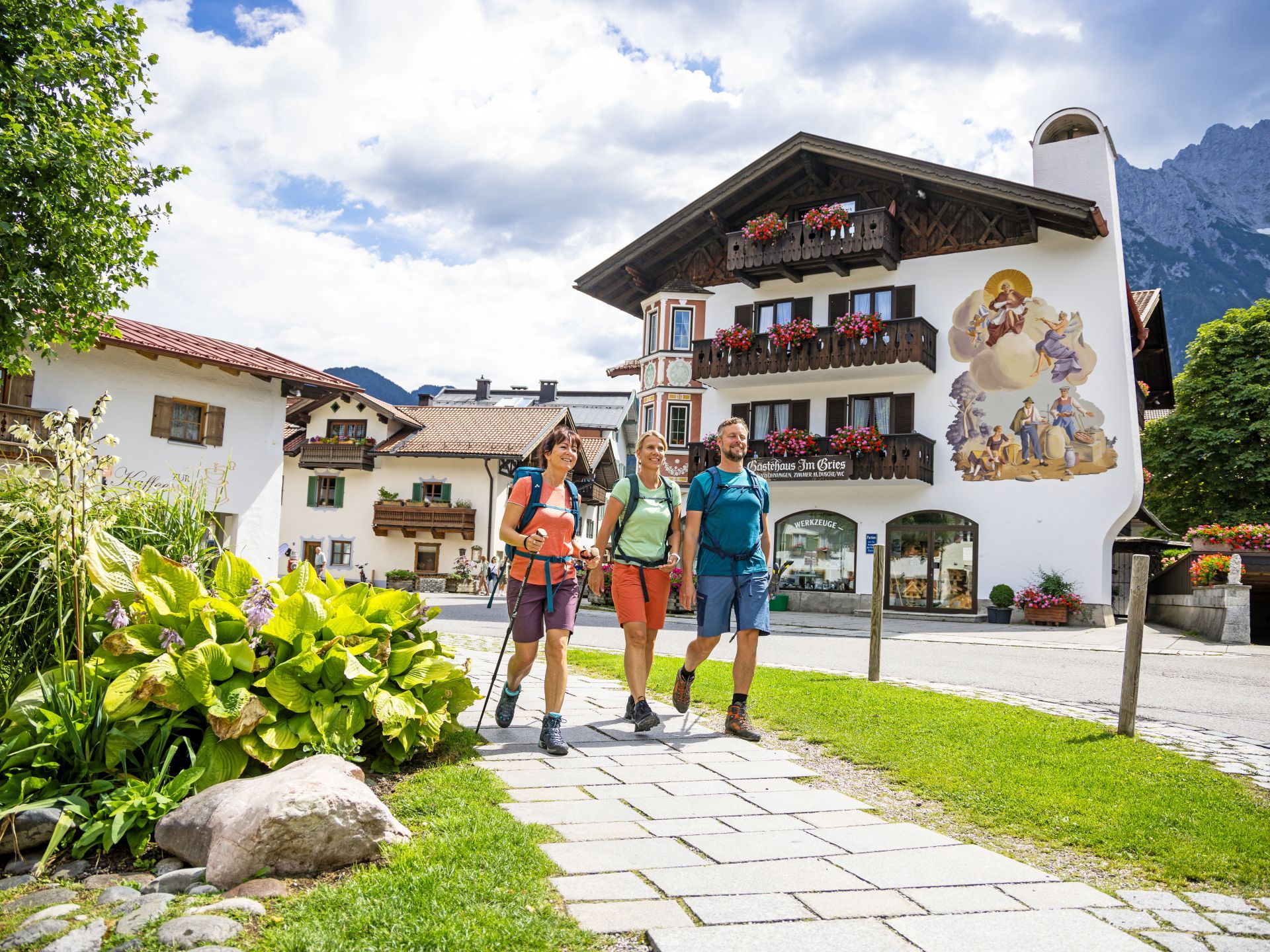
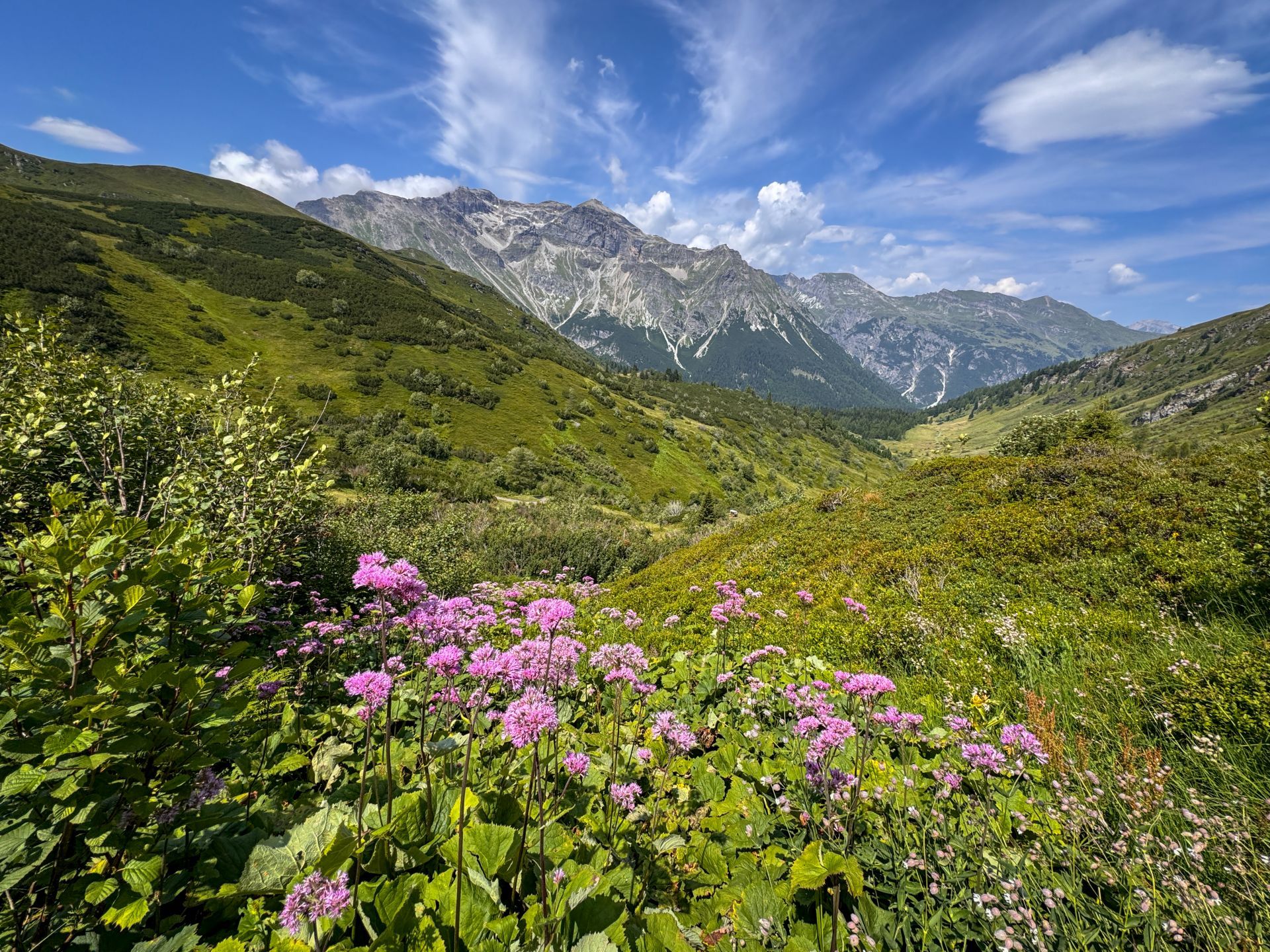
Embark on an unforgettable journey across the breathtaking Alps, transitioning from the charming town of Garmisch-Partenkirchen to the historic Sterzing in South Tyrol. This 8-day trek introduces you to stunning landscapes, from the dramatic cliffs of the Partnach Gorge to the vibrant streets of Innsbruck. Revel in the serenity of blooming alpine meadows, spectacular cable car rides and traversing alpine passes that connect three stunning countries. Each day unveils moments of reflection and awe of the Austrian Alps, and culminating with panoramic vistas of the Dolomites. Perfect for those seeking an immersive nature experience, this trek combines culture, gastronomy, and the thrill of crossing the Austrian Alps.

Highlights

  • Cross the breathtaking main alpine ridge at Sandjöchl with views of majestic peaks
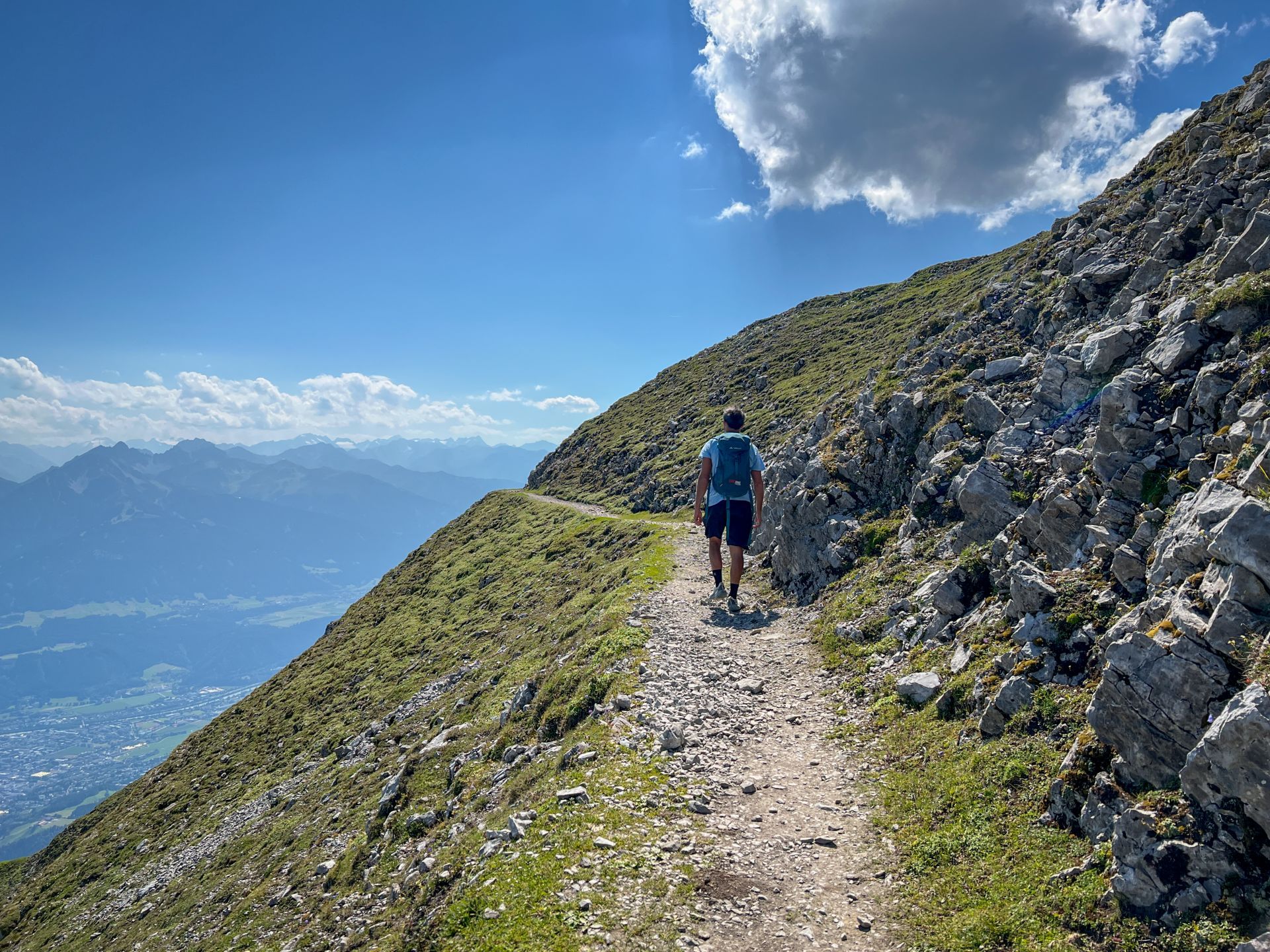
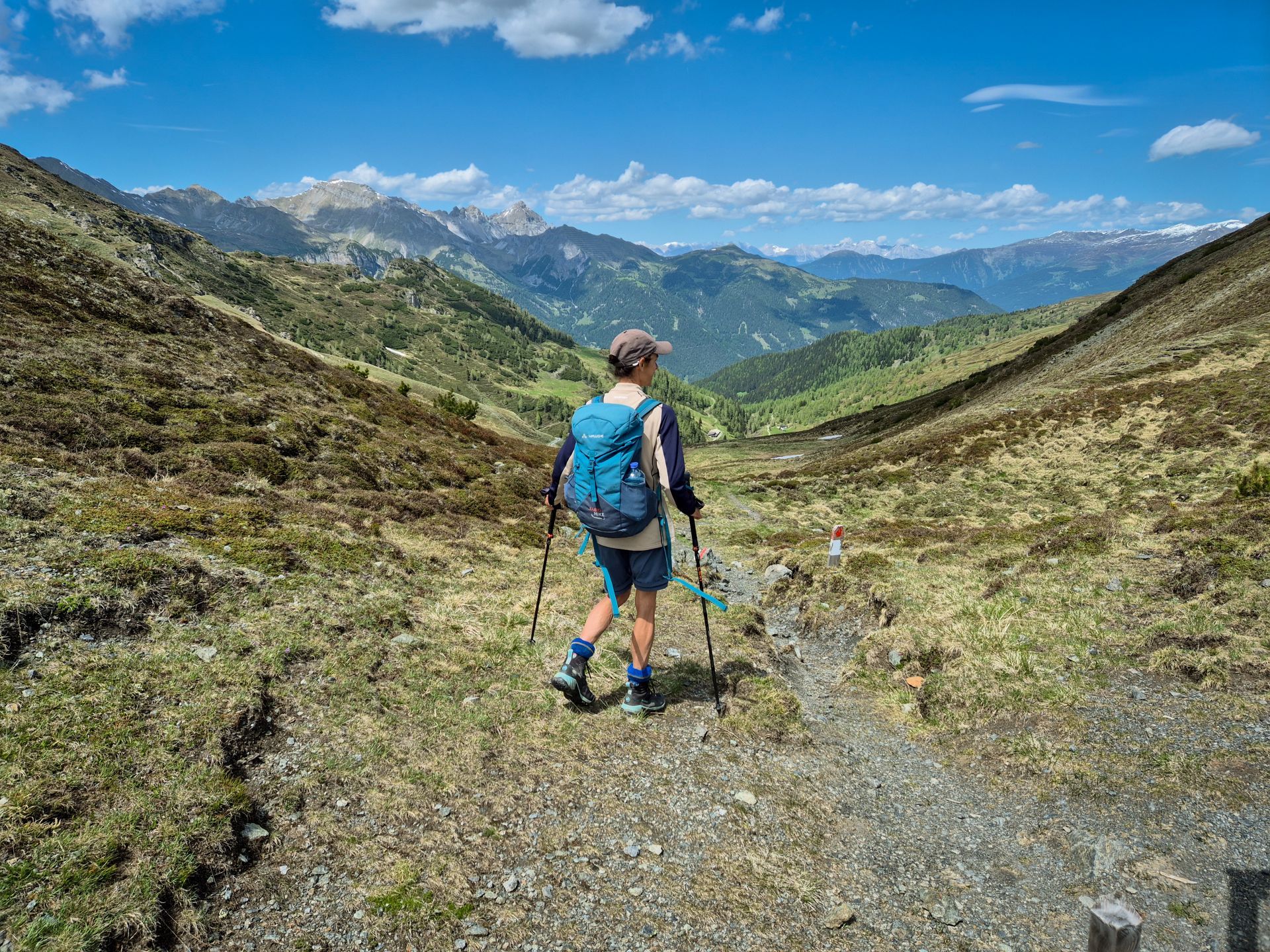
  • Enjoy panoramic trails with glimpses of lower valleys
  • Walk the historic Romedius Trail through dramatic scenery rich with culture
  • Delight in South Tyrolean cuisine at picturesque alpine pastures
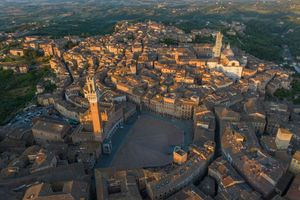
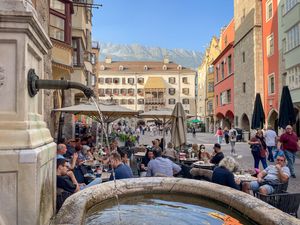
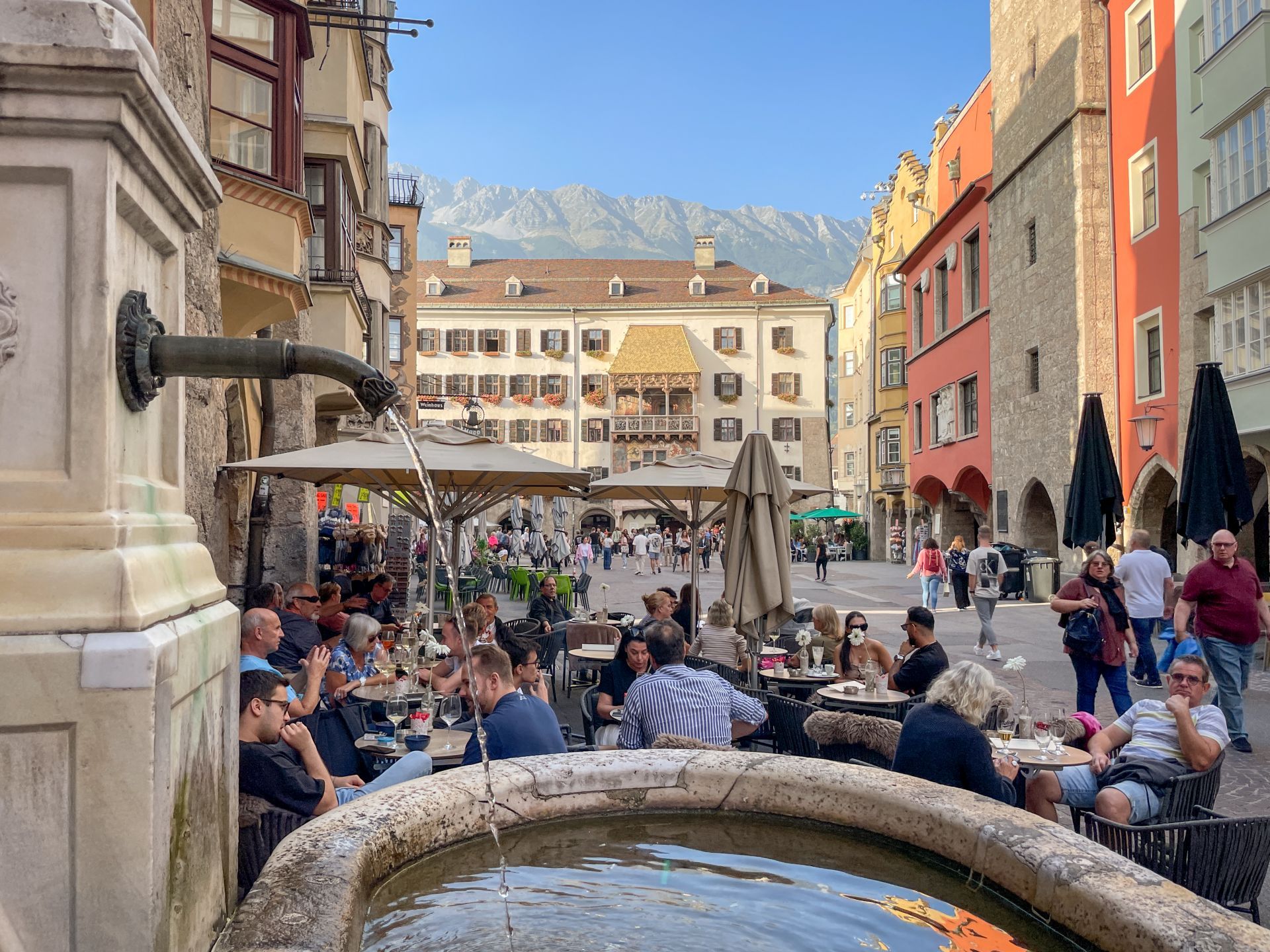
  • Immerse in the vibrant atmosphere of Innsbruck’s Old Town and its Golden Roof
  • Relax in the tranquil Obernberg Valley, surrounded by towering peaks
  • Discover the serene beauty of Blaser Mountain and Gschnitztal Valley
  • Experience rustic Tyrolean inns and traditional wooden huts along the way

Itinerary

Loading overview…

What's Included

Accommodation

3-star Hotel (5 nights), 4-star Hotel (2 nights)
Meals

7 breakfasts

Transfers

  • Luggage Transfers
  • Cable Car

Guidance & Support

  • Itinerary & Walk Notes
  • Walking App for Navigation
  • 24/7 on-trip support

How We Rate This Walk

5

Stroll Walking Grade

Challenging

Rated by our team — we walk every route before we recommend it.

Steeper climbs and longer distances. You'll need good fitness and some hiking experience to fully enjoy these walks.

View Fitness Guide

6

Days on the trail

10-21 km

Daily distance range

756-1178 m

Daily ascent range

6/10

Trail difficulty

Where You'll Stay

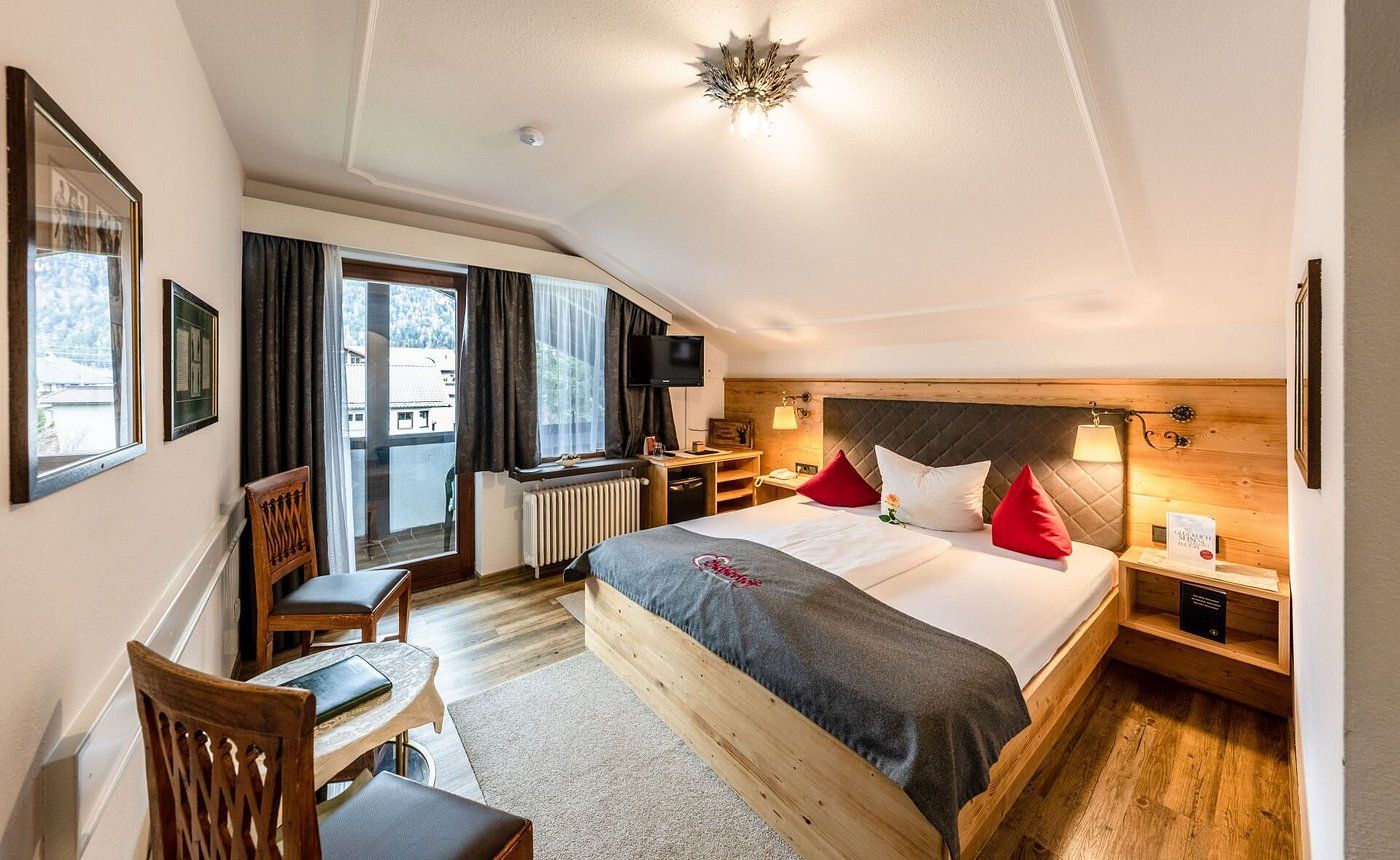
Hand-picked for character and comfort, the 3 and 4-star hotels and guesthouses on this trip capture the warmth and distinct style of the South Tyrol. Guests can expect attentive, personalised service throughout, along with rooms that showcase the region’s Alpine charm. After a day in the mountains, each stay offers a welcoming retreat you will truly look forward to returning to.

What You'll Eat

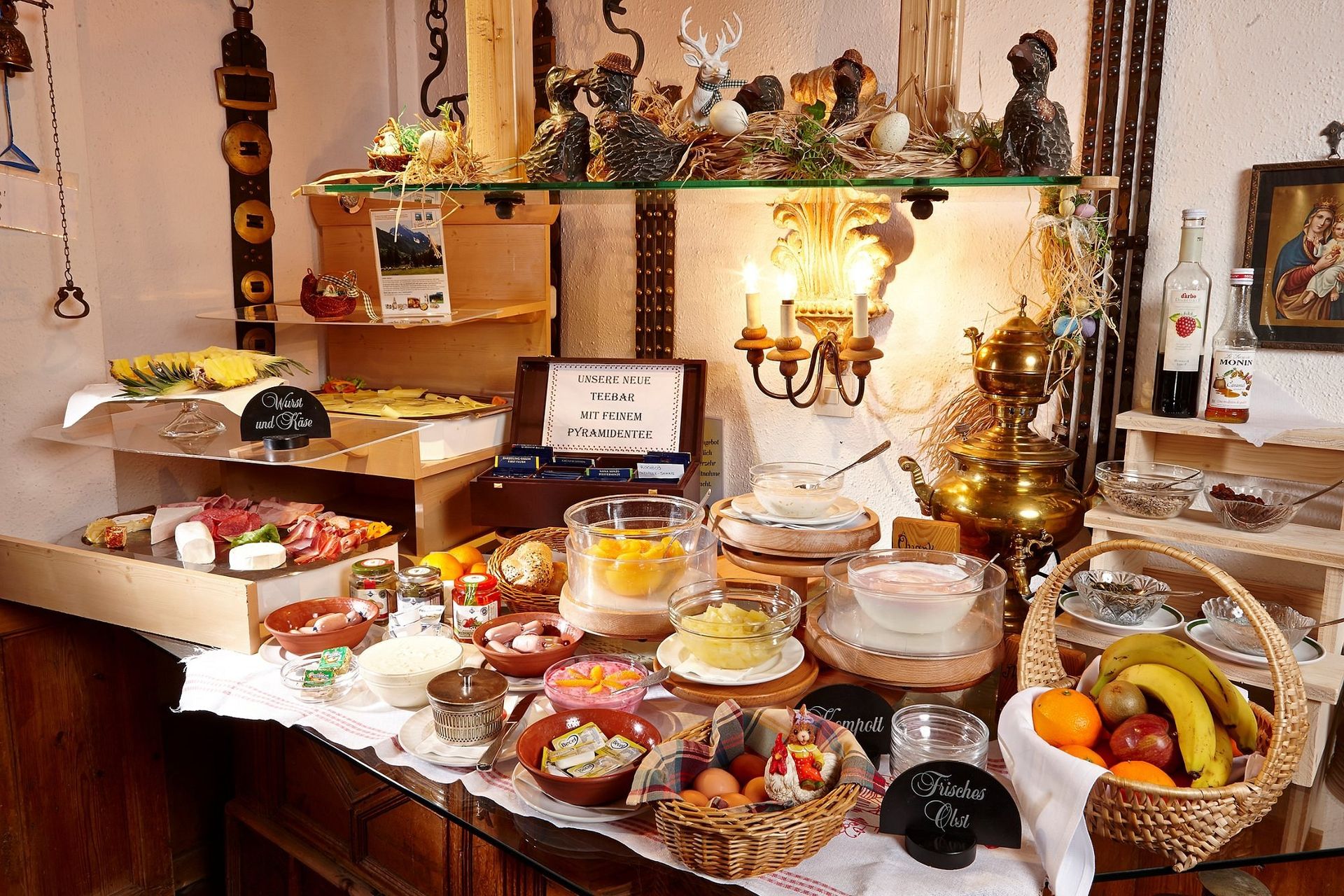
Each morning starts with a hearty breakfast made from local ingredients, setting you up for the day's hikes. Seven breakfasts are included in your trip. Lunch and dinner are yours to discover, with the mountain villages and valley towns along the route offering plenty of opportunity to explore Alpine food culture at your own pace.

Please advise us of any food allergies or intolerances at the time of booking. If you have severe allergies, bringing some of your own snacks is recommended, as specialist ingredients can be harder to source in the mountains.

More About This Trip

The walk starts in Garmisch-Partenkirchen and finishes in Sterzing, known in Italian as Vipiteno, in the South Tyrol.

Two airports serve the route well. Innsbruck (INN) is the closer of the two, roughly an hour from Garmisch-Partenkirchen by train. Munich (MUC) offers far more direct flights from the UK and is around two hours away by train, with one change at Munich Pasing or Munich Hauptbahnhof. Transfers to your hotel on arrival can be arranged on request.
Sterzing has a railway station with regular departures. A direct train to Innsbruck takes about an hour, giving easy onward connections to Munich or your return flight. One important note for travel in Italy: always stamp your ticket at the platform machine before boarding. Inspectors treat an unstamped ticket as unpaid travel, regardless of whether you have paid.

This walk is available from 13 June to 20 September, with departures on Thursdays, Fridays, Saturdays and Sundays. The season opens just as the high passes become reliably clear of snow, and the early weeks bring the finest wildflower displays, with alpine meadows at their most colourful through June and into July. August offers the warmest and most settled weather but attracts the most visitors to the mountains; a peak season supplement applies during this period. September is many walkers' favourite month. The crowds thin, temperatures remain very good for walking, and the lower sun casts long, dramatic light across the peaks and rock faces. Evenings cool noticeably at altitude throughout the season, so pack a warm layer whatever time you travel.

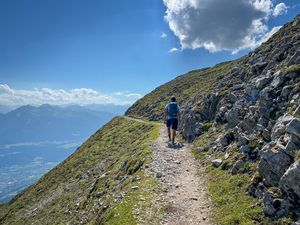
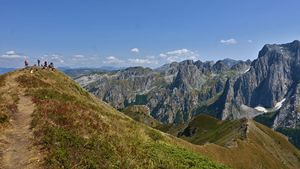
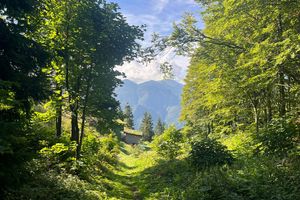
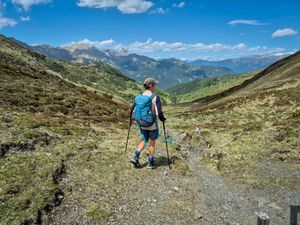
Trails follow well-maintained mountain paths and forest roads through high alpine pastures, with expansive views throughout. The terrain is mostly comfortable and clearly defined underfoot, though a few sections require surefootedness. Good walking boots with ankle support are essential.

Walking days can run to around six hours, so a solid base level of fitness is important. Training three to four times per week in the months before departure is advisable. On some days, more comfortable alternative routes are available for those who prefer a less demanding option.

Mountain weather can change quickly. At least one member of your party should be confident using a map and compass in the event that visibility drops. Walk notes, daily walk summaries, maps, and GPX tracks are provided.

You must hold adequate travel insurance for your trip, including cover for personal liability and accidental injury and illness. For all trips involving international travel, your policy must also include emergency medical treatment, evacuation and repatriation cover. We strongly recommend your policy also covers trip cancellation and curtailment, and loss of or damage to luggage.

A cancellation fee usually applies if you cancel after your booking is confirmed. Travel insurance with cancellation cover will generally cover this fee, so it's worth arranging your policy at the time of booking.

Full insurance requirements are set out in our booking terms and conditions.

A detailed information pack and itinerary will be sent to you around six weeks before departure, covering everything you need to know for a seamless experience. In the meantime, our team is always on hand to answer any questions.

For your safety and well-being, we are unable to accept bookings for solo walkers on our self-guided European Alps walking trips. The remote nature of some tracks and limited mobile reception mean that walking alone presents a higher risk in case of emergencies.

Each morning it will be up to you to place your luggage at the designated luggage pick-up point within the hotel by 8.00 am. This generally will be at reception or where you pick up your luggage the night before. Please consult your hosts if any details. Bags must be less than 15kg (this is French legislation) and be Soft Bags (i.e. not hard cases).

Dates & Pricing

Choose Your Start Date

Pick any available date — this is your trip, your schedule

August 2026

Mon
Tue
Wed
Thu
Fri
Sat
Sun
1Out of season
2Out of season
3Out of season
4Out of season
5Out of season
6Out of season
7Out of season
8Out of season
9Out of season
10Out of season
11Out of season
12
17
18
19
24
25
26
31
Available
Limited
Unavailable
Out of season

Prices shown are per person, twin/double share basis.

Austrian Alps reviews

0.0
0 reviews
5 Star
0
4 Star
0
3 Star
0
2 Star
0
1 Star
0

No reviews yet. Be the first to share your experience.

Frequently Asked Questions

The walking season runs from May through October, though the exact window varies by itinerary. The Lakeside Trails and Alpine Trails of Austria's Lake District are available from early May to early October — prime time for wildflowers, open alpine huts, and long evening light. The Crossing the Austrian Alps has a shorter window, mid-June to late September, when the high passes are reliably clear and the mountains are at their most dramatic.

Solo walkers are not accepted on any of the Austrian itineraries. Some sections of the trail pass through remote alpine terrain with limited mobile coverage, and the safety risk of walking alone in those areas is genuine. These walks are best done with a companion or small group.

Your main luggage travels ahead each day while you walk with just a daypack. Leave your bag at hotel reception each morning and it will be waiting at your next stop by the time you arrive. On the Crossing the Austrian Alps, bags must be ready by 8:00am, must be soft-sided (no hard cases), and weigh no more than 20kg. On the Lakeside Trails and Alpine Trails, the cut-off is 9:00am with a 20kg limit per bag. Keep your bag manageable — occasionally you may need to carry it a short distance from a bus stop or up a flight of stairs.

Across all three itineraries, you'll stay in a mix of 3 and 4-star hotels, country inns, and guesthouses, all handpicked for their comfort and local character. Ensuite bathrooms and a hearty local breakfast are standard. Lunch and dinner are your own to explore — and that's genuinely part of the appeal. Alpine huts serving homemade pastries, lakeside beer gardens, and village restaurants are all part of the experience.

A well-fitted daypack is all you need on the trail. Pack your rain jacket, a warm layer, one to two litres of water, lunch and snacks, sunscreen, insect repellent, a basic first aid kit, and some cash. Walking poles are worth bringing, particularly for the rocky descents on the Alps crossing. Most daypacks are not fully waterproof, so line yours with a heavy-duty plastic bag or use a waterproof cover — afternoon storms in the mountains are not uncommon.

Alpine weather moves fast. A clear morning can turn into an afternoon storm with little warning, and visibility can drop quickly at altitude. Pack for sunshine and rain in equal measure. At least one person in your group should be comfortable reading a map and compass if conditions deteriorate on more remote sections of the trail.

Austria uses the Euro. Cards are widely accepted in hotels and larger towns, but you will need cash for local bus fares along the trail — these run between roughly EUR 5 and EUR 22 per person, cannot be pre-booked, and must be paid on the day. It's worth carrying a decent amount before heading out each morning.

Tipping is not obligatory, but rounding up the bill at a cafe or restaurant is standard practice and always warmly received.

Only breakfast is included in the trip package, which gives you flexibility to eat around most dietary needs at lunch and dinner. Austrian cuisine leans heavily on meat and dairy, so strict vegans may need to plan ahead and seek out specific restaurants in larger towns. If your requirements are complex, stock up on supplementary snacks in the city before heading out on the trail.

Yes, and it is a condition of booking. Your policy must cover injury, cancellation, luggage loss, and medical evacuation. These are self-guided walks through genuine alpine terrain — adequate insurance is not optional.

Coverage is reliable in towns and most settled areas, but can be patchy on more remote sections of the alpine tracks. Carry your phone fully charged, bring a backup power bank for longer days, and know that most accommodations have WiFi.

Want to Know More?

The Austrian Alps experience

Wonder
Trek across the Kitzbuhel Alps with panoramic views of more than 30 peaks above 3,000 metres
Cross the main Alpine ridge at Sandjochl pass on paths once used by smugglers
Walk the spectacular Nordkette ridge with the city of Innsbruck spread far below
Wellness
Refuel at rustic alpine huts with local Tyrolean delicacies, including Buchteln and Nidai
The Kitzbuhel Alps walk suits confident walkers who want genuine high-route mountain terrain
Comfortable hotels in resort villages like Saalbach-Hinterglemm each evening
Nature
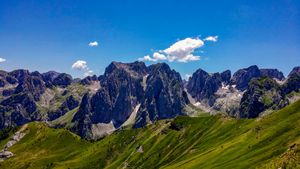
Traverse the Wetterstein, Karwendel, and Stubai Alps through three countries in a single walk
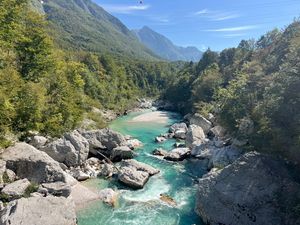
Walk through the thundering Partnach Gorge before climbing into the high alpine world above
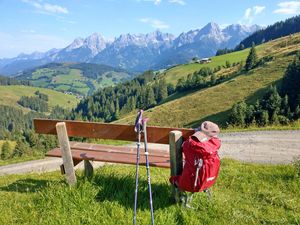
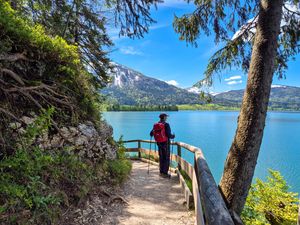
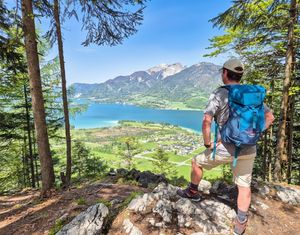
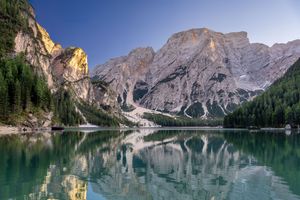
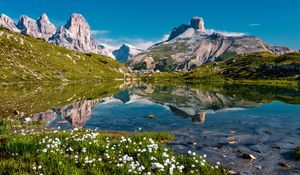
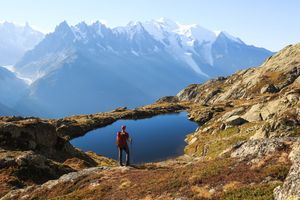
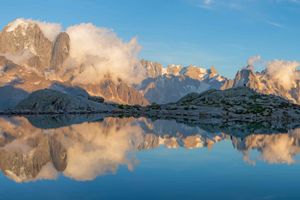
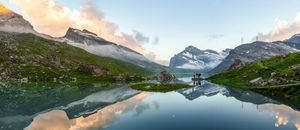
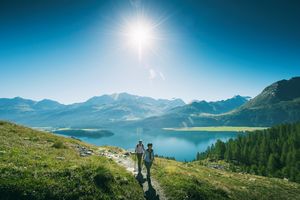
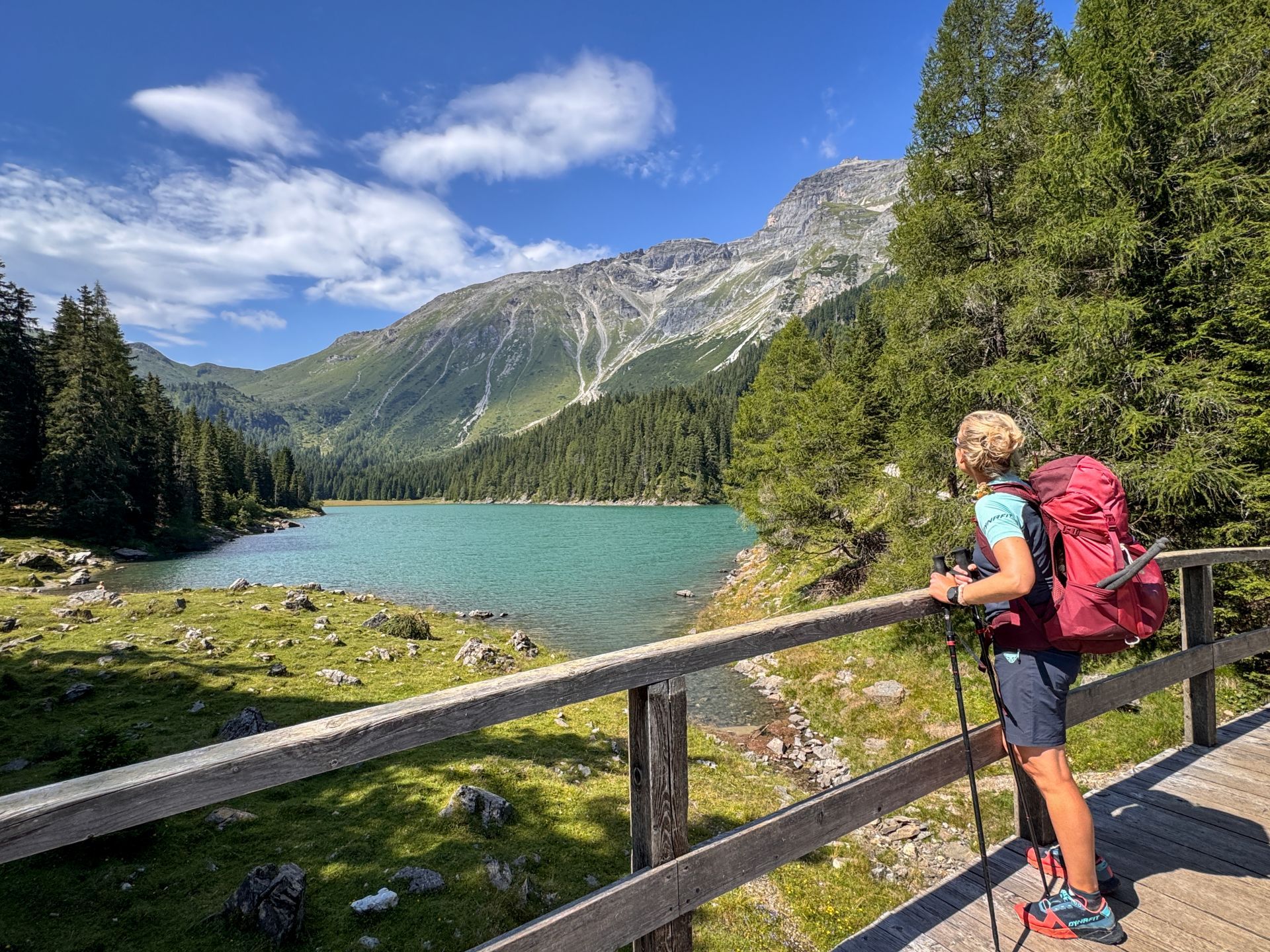
Flower-filled meadows, cowbell valleys, and turquoise alpine lakes throughout the route