


-300x200.jpg)






-300x200.jpg)


-300x200.jpg)

-300x200.jpg)
























-300x200.jpg)











Paul S
April 2026
Have used Stroll now on 6 occasions- Domestic and International - always been impressed.
The Kyoto Trail – 5 Days
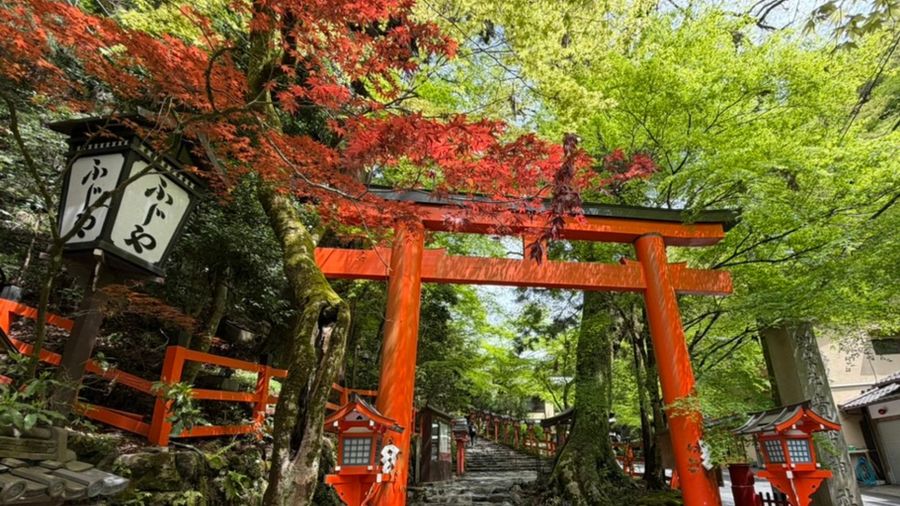
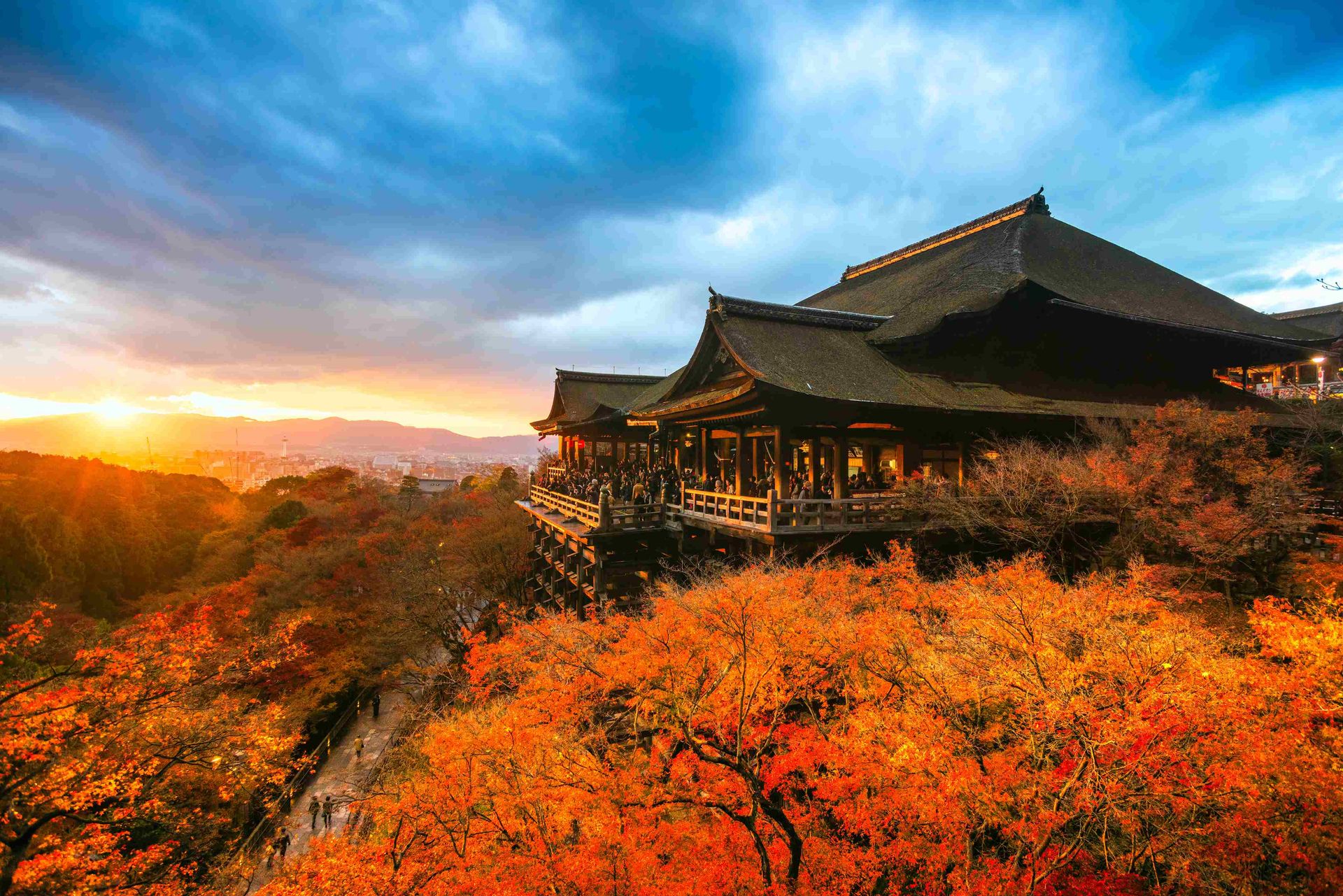
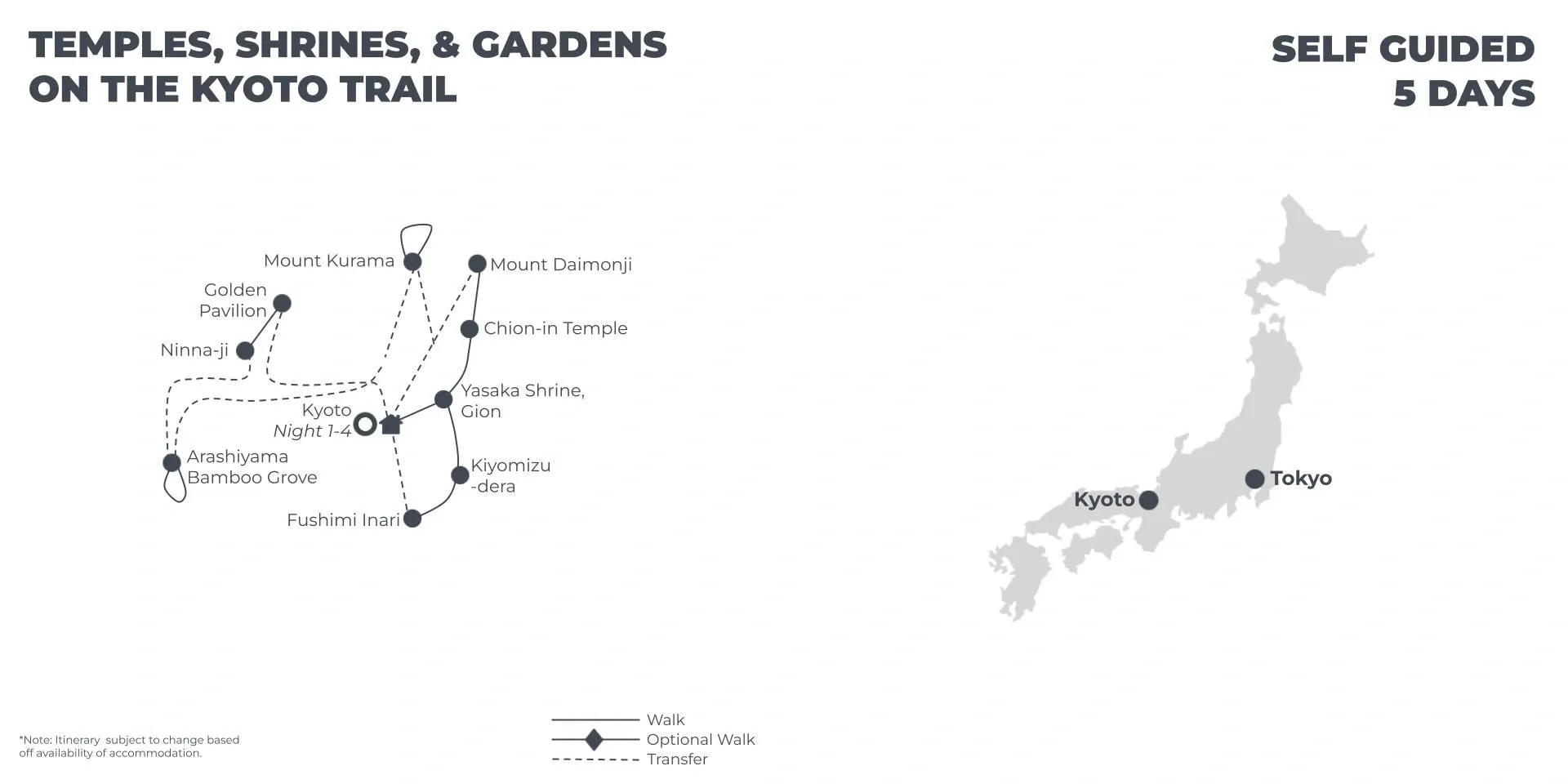
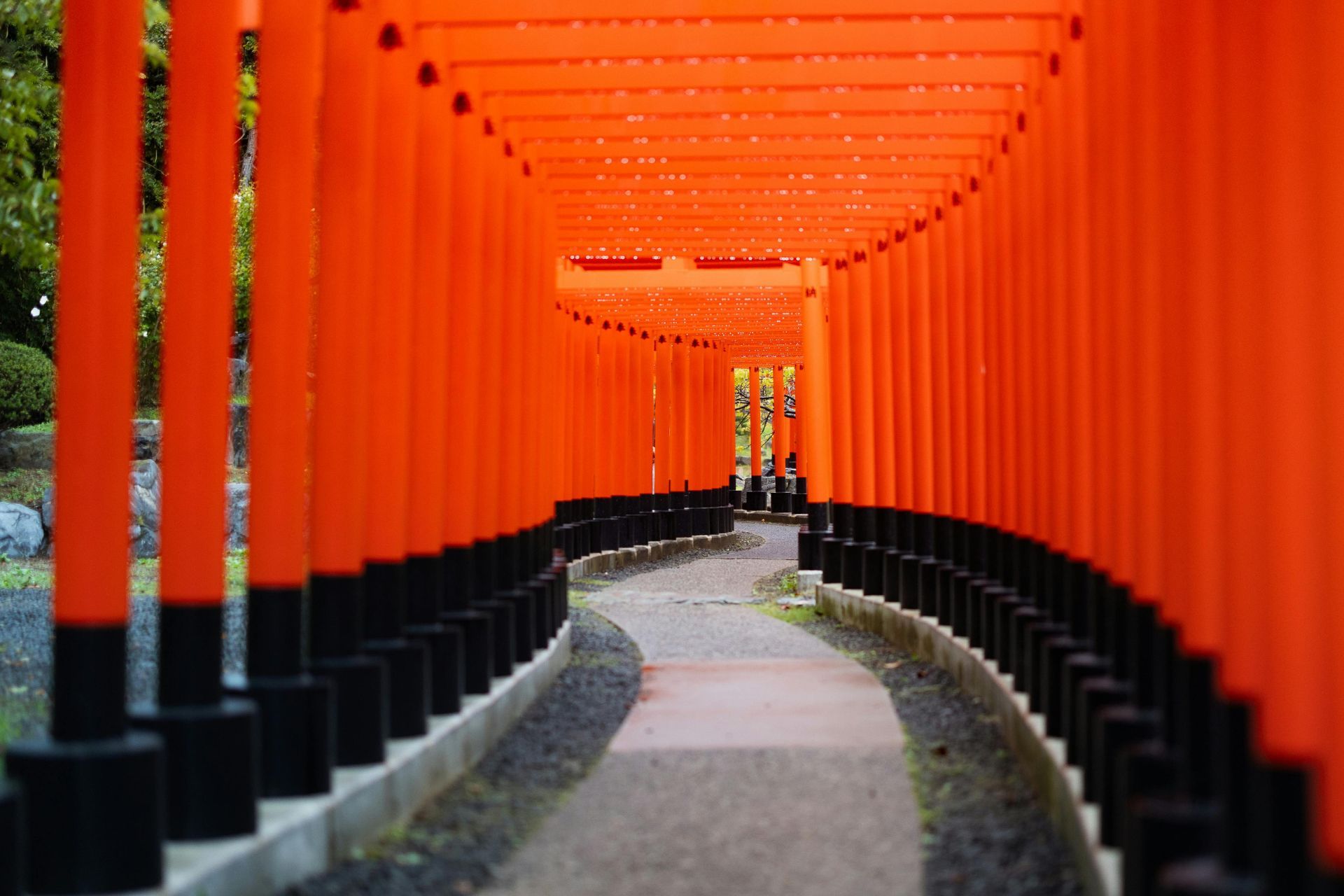

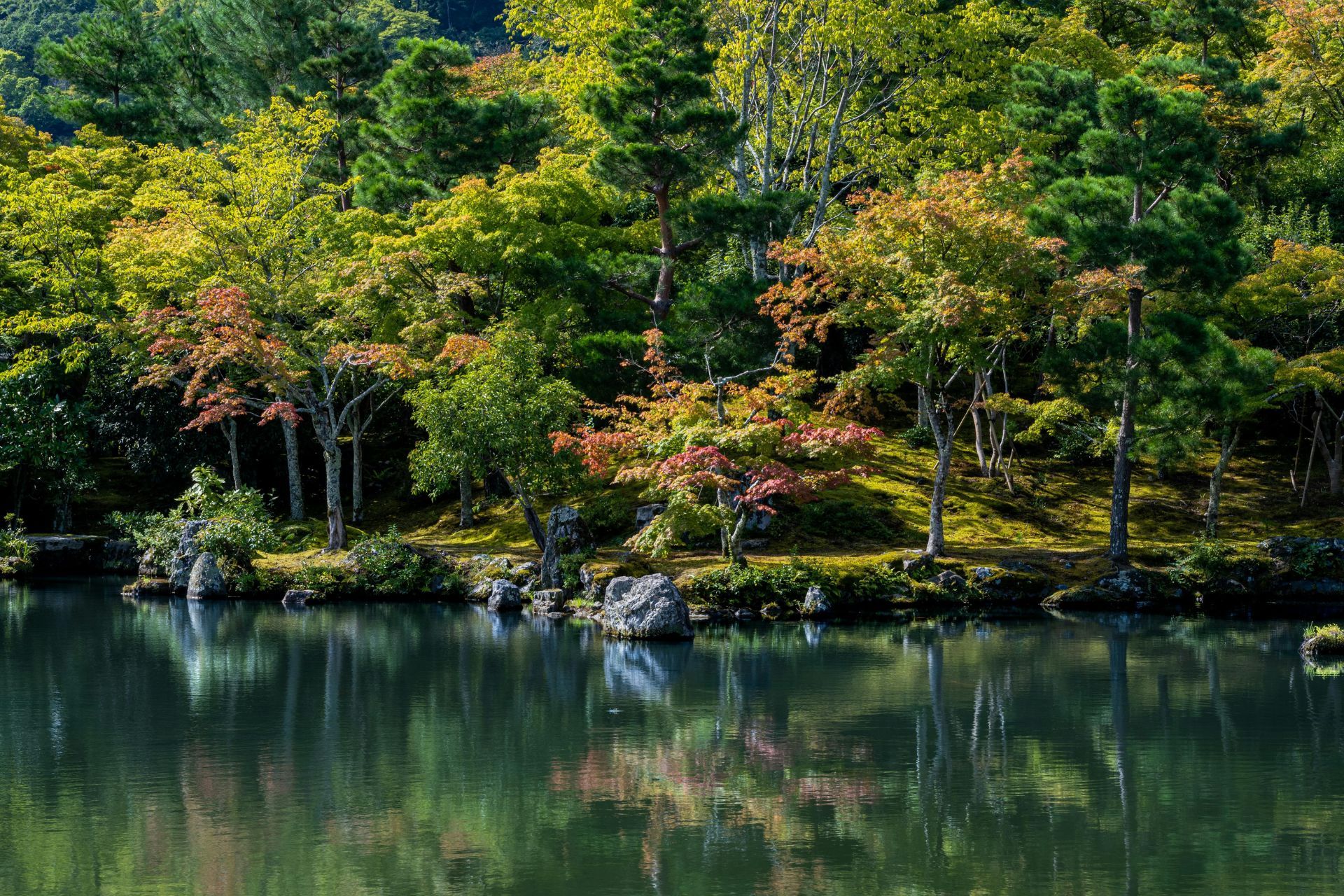
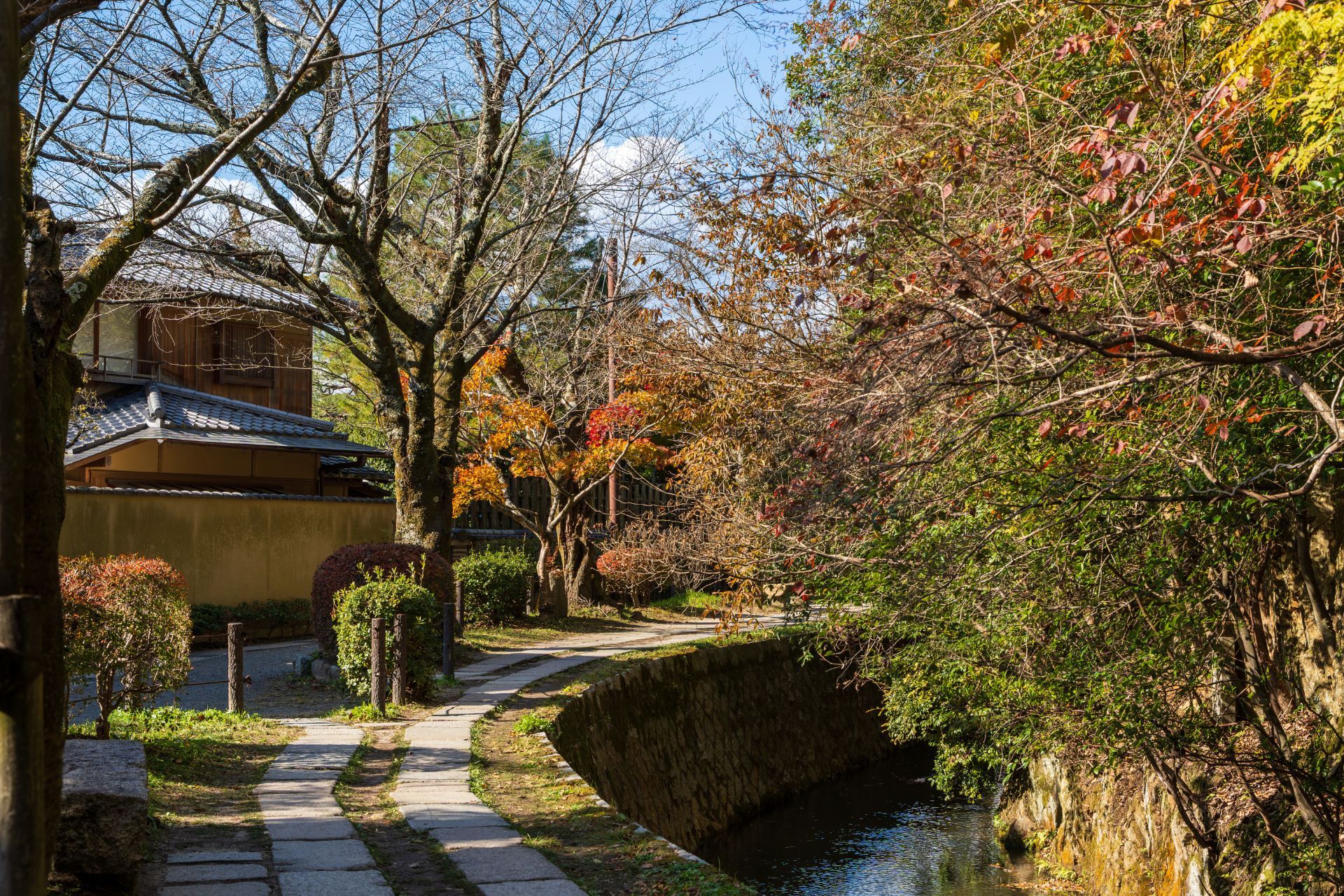
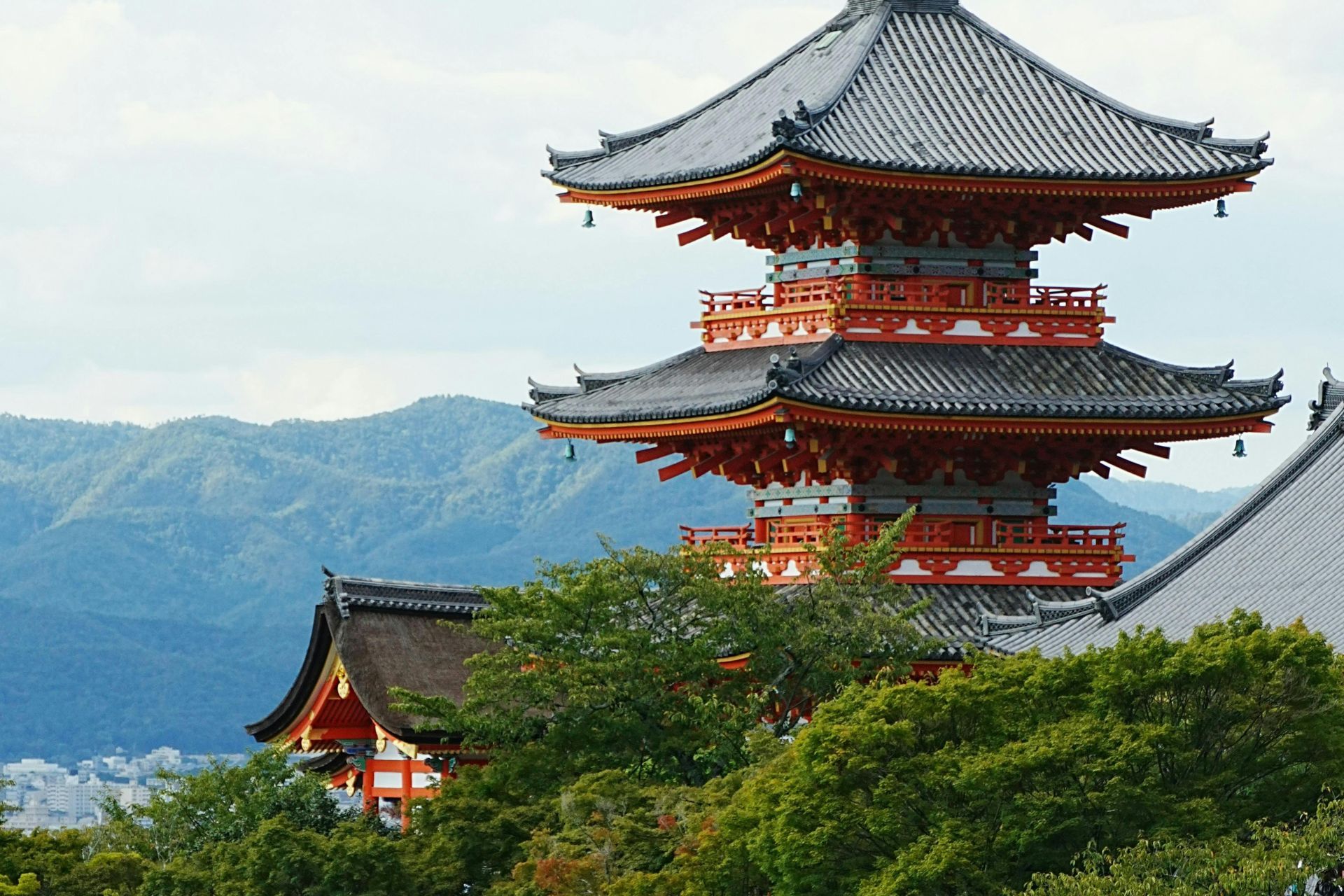
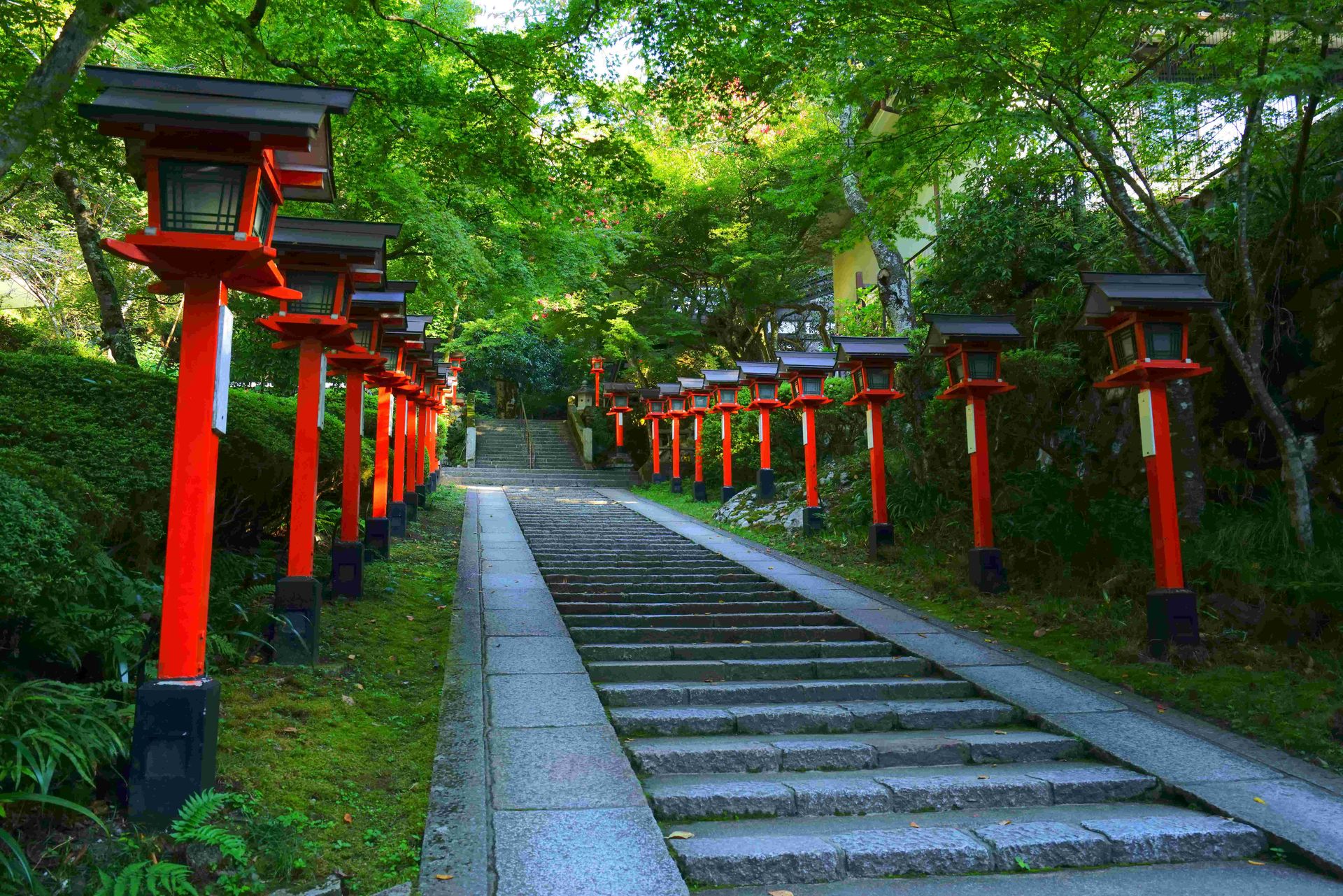
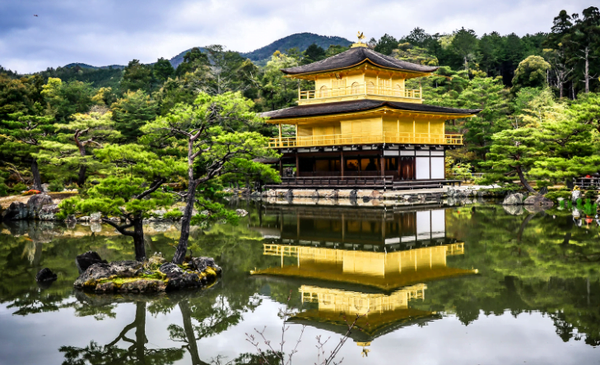
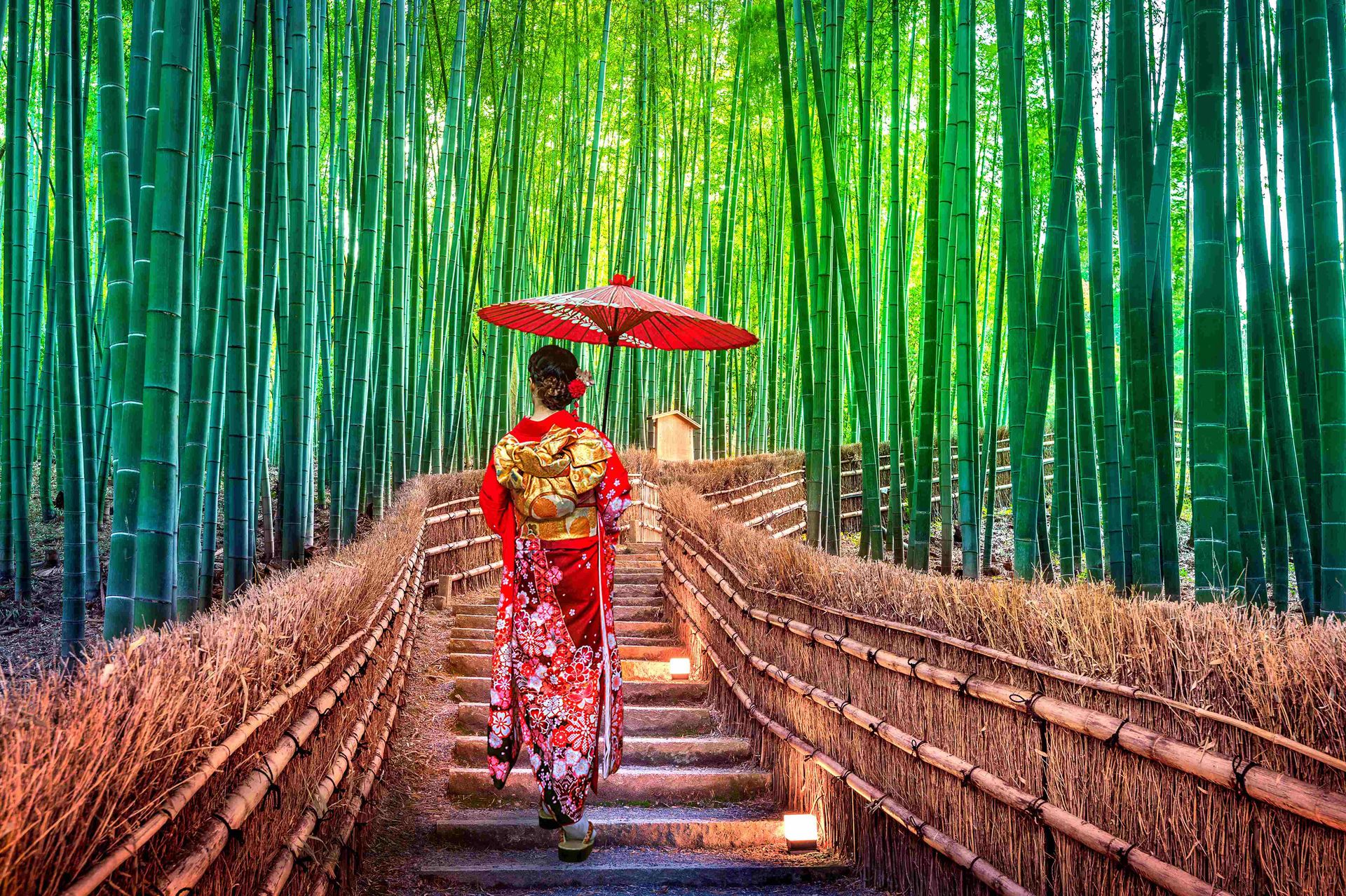
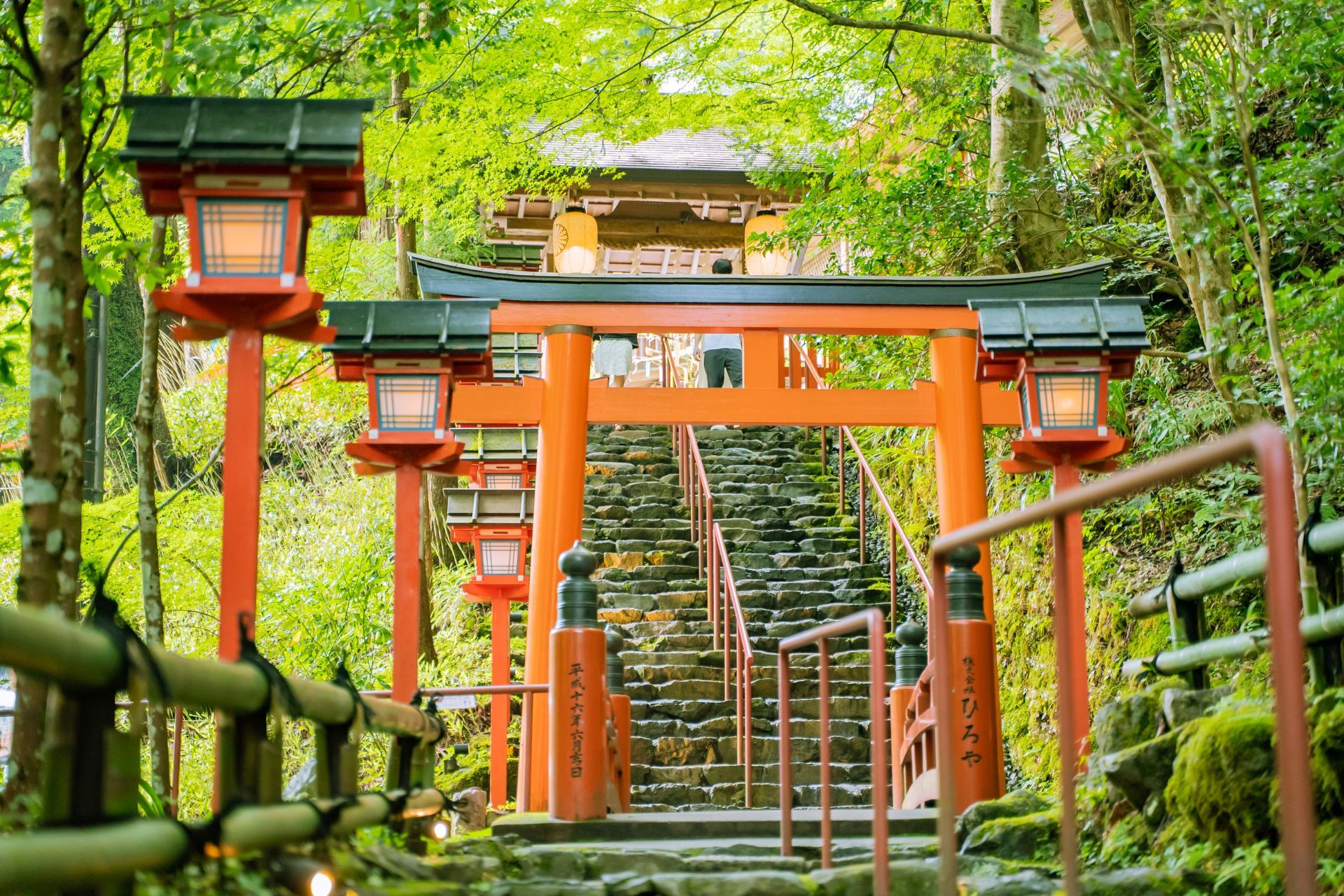
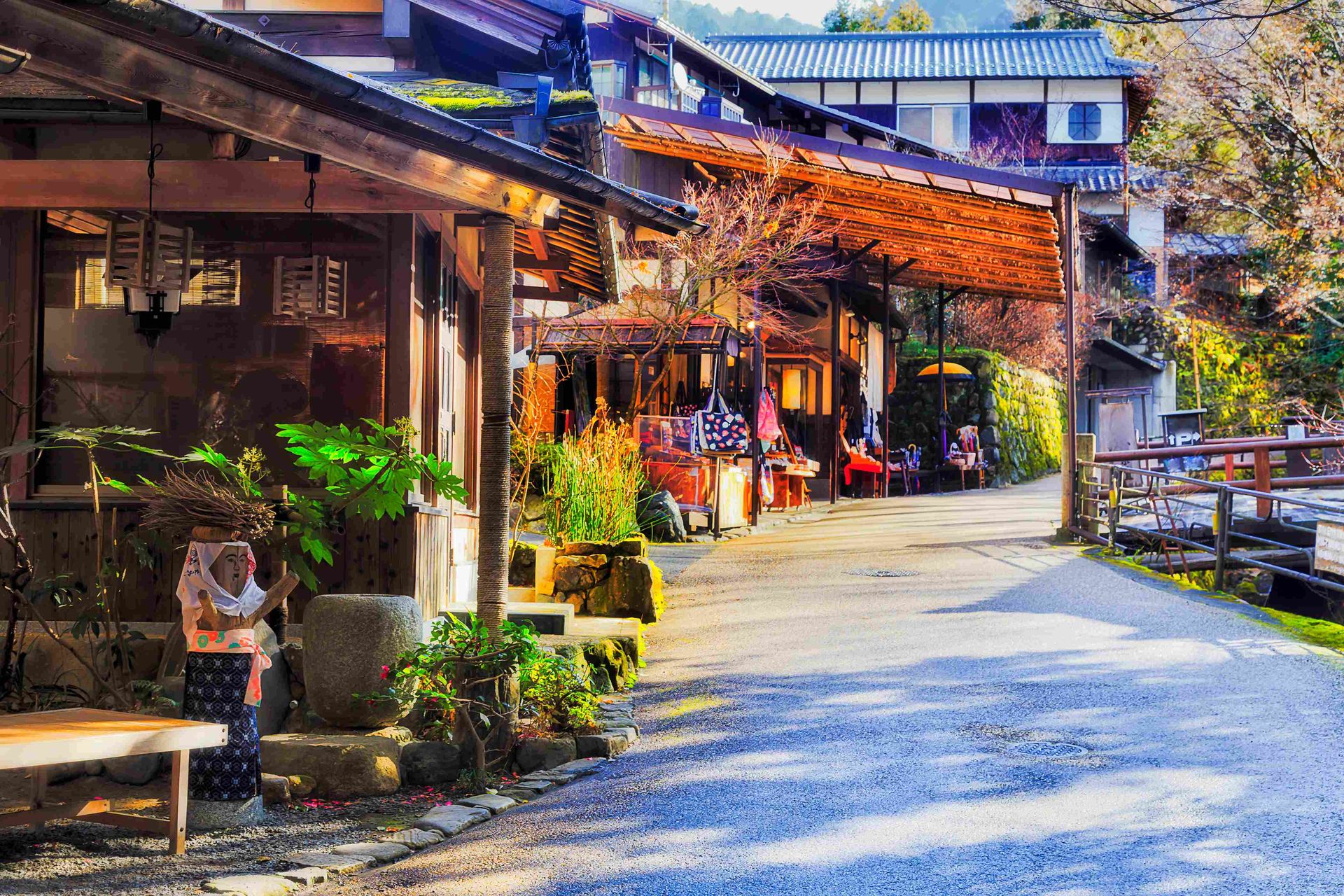
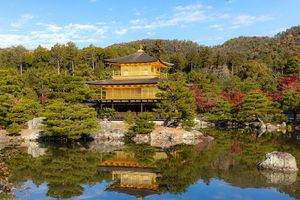
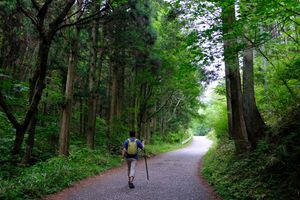
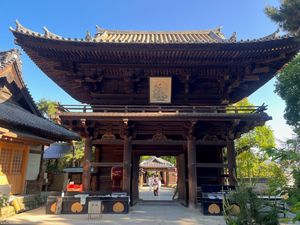
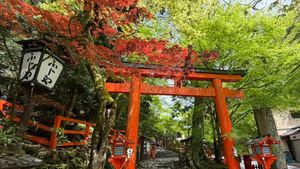
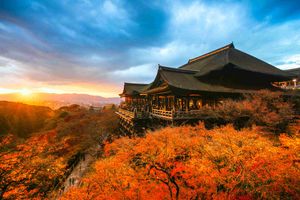
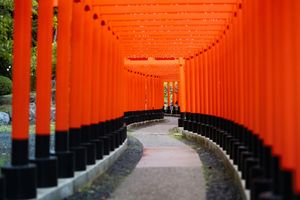
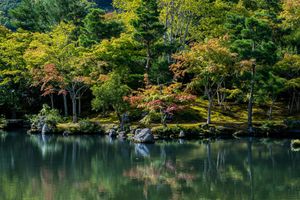
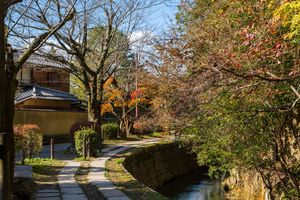
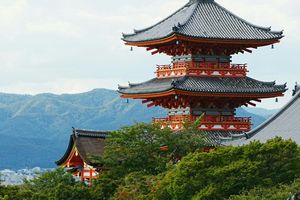
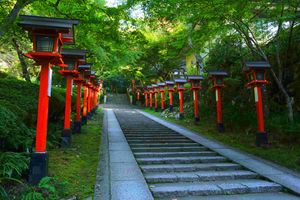
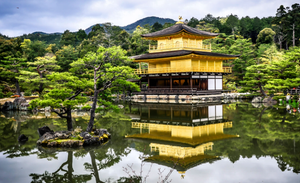
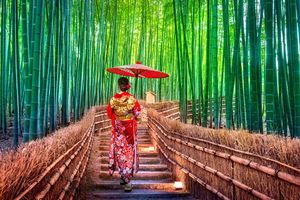
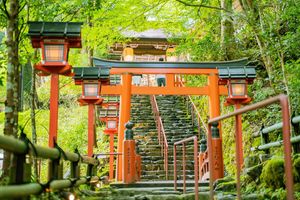
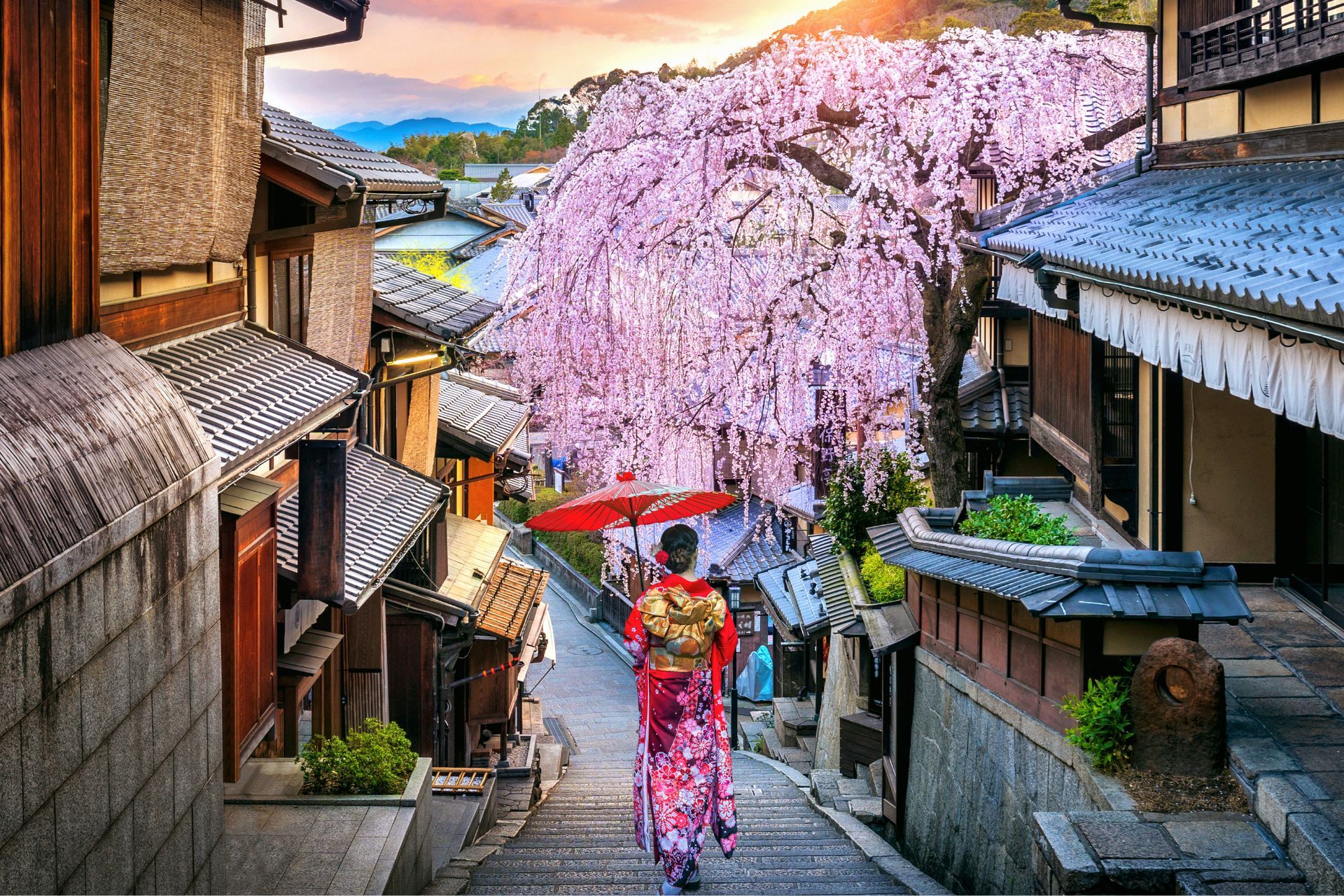
Immerse yourself in the ancient heart of Japan on this walk through the forested hills and sacred sites surrounding Kyoto. The Kyoto Isshu Trail winds away from the tourist flow and into a quieter, more contemplative version of Japan's imperial capital, connecting its greatest temples and shrines through mountain forest and hidden valleys. Walk from Fushimi Inari through the Imperial family's graveyard, trek to the sacred complex at Kurama and the bamboo groves of Arashiyama, and take time to visit the Golden Pavilion, Nijo Castle and the Imperial Palace. Few walks in Japan reveal this depth of history and culture in such a compact and rewarding experience.
Highlights
Loading overview…
3-star Hotel / Ryokan (4 nights)
4 breakfasts
Stroll Walking Grade
Easy to Moderate
Rated by our team — we walk every route before we recommend it.
Mostly flat terrain with some gentle inclines. Suitable for anyone with basic fitness who enjoys walking.
View Fitness Guide4
Days on the trail
6-14 km
Daily distance range
388-443 m
Daily ascent range
3/10
Trail difficulty
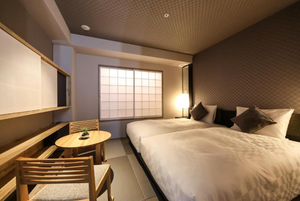
For this itinerary, you'll stay in either a comfortable hotel or a traditional ryokan. Your accommodation is centrally located, chosen for its comfort, facilities and quiet setting away from the busiest parts of the city. Several days allow you to walk directly in and out of your accommodation, keeping the experience as immersive as possible. An upgrade to Thousand Kyoto is available at additional cost. Speak to your destination consultant for details.
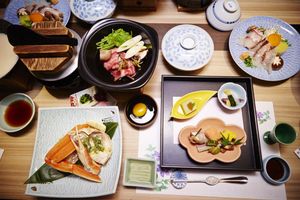
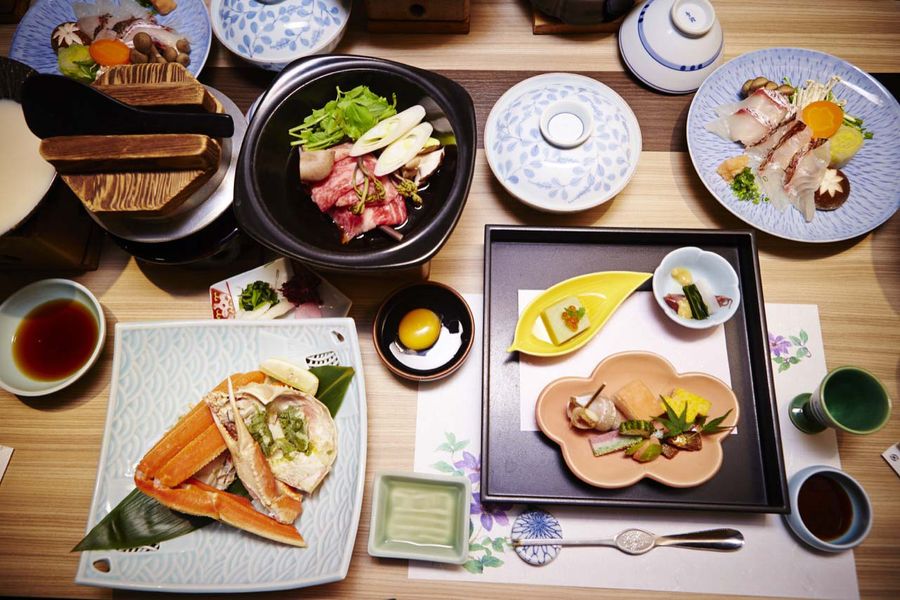
Breakfast is included each morning. Kyoto's extraordinary dining scene is yours to explore independently each evening, from intimate kaiseki restaurants to casual izakayas and everything in between.
Japan has four major holiday and high-season periods when domestic travel peaks and accommodation costs rise significantly — in some cases by 30% or more. We recommend avoiding these dates where possible:
Sakura Season: Mid-March to April
Golden Week: Usually between 29 April & 05 May
Obon Period: Mid-August (Between 10th & 20th)
Silver Week: Usually between 18 & 26 September
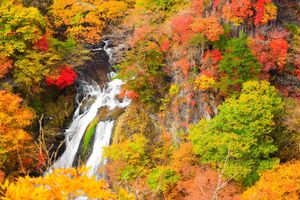
Koyo Season (autumn colours): October & November, weather dependent
*Weekend surcharges may apply
The walk starts and finishes in Kyoto. The easiest option is to fly into Osaka Kansai Airport, from where a direct train to Kyoto departs from the station at the airport — English-speaking staff are available at the ticket office.
If flying into Tokyo, a 2.5-hour bullet train connects directly to Kyoto. On arrival in Kyoto, a taxi to your accommodation is recommended rather than navigating with luggage.
Day trips during the walk are made by train, with all details outlined in your information pack sent six weeks before departure. Japan's train network is seamless and easy to navigate, and reserved seats are recommended for longer journeys to guarantee both a seat and luggage storage.
Spring and autumn are the finest times to walk in Kyoto, with comfortable temperatures, lower humidity and the city at its most spectacular — cherry blossoms in late March and April, and vivid autumn colour through October and November. Summer is possible for those who enjoy the heat, but Kyoto in July and August averages around 33 degrees with high humidity, making early morning starts essential. The good news is that early starts come with the added bonus of experiencing the temples and trails before the crowds arrive — a reward at any time of year.
This walk is across Kyoto's forested hills and sacred sites, with the option to extend most days to around 20km for those wanting to push further. Almost all days can also be shortened if a more relaxed pace is preferred. The terrain moves between mountain forest tracks, stone-paved temple paths and urban streets, with some elevation on the hillside sections.
Entry fees to temples, shrines and gardens are not included and can add up to approximately 2,500 yen (around $25) per day. Pre-booking is not possible for most sites.
Two or three taxi rides are recommended over the subway on certain days, with fares of up to 2,000 yen ($20) each — taxis in Japan are efficient, plentiful and easy to flag down, though priced at Western rates.
Private transfers are not recommended as they are expensive and unlikely to add to the experience. All of the above is straightforward and explained in detail in your walk notes.
Note: Cash is necessary for some purchases throughout the walk. Japan is a very safe country, and carrying cash presents no concerns.
On this walk, you will have to catch some trains in between the destinations, which is pretty straightforward whilst walking within each destination. These transfers are all outlined clearly in the walk notes day by day as you go. None of these can be pre-booked, and they are the best way to get around Japan, as well as the most eco-friendly.
A detailed information pack and itinerary will be sent to you around six weeks before departure, covering everything you need to know for a seamless experience. In the meantime, our team is always on hand to answer any questions.
Walking pack-free is at the heart of this trip. Each morning your main luggage is collected from where you're staying and driven ahead to your next stop, so all you carry on the trail is a light daypack with the essentials for the day. It leaves you free to focus on the walking and the scenery rather than what's on your back.
One bag per person is included in the transfer, up to 20kg. Keep it a manageable size, since you may need to carry it a short distance yourself now and then, whether that's from a drop-off point or up a flight of stairs.
You must hold adequate travel insurance for your trip, including cover for personal liability and accidental injury and illness. For all trips involving international travel, your policy must also include emergency medical treatment, evacuation and repatriation cover. We strongly recommend your policy also covers trip cancellation and curtailment, and loss of or damage to luggage.
A cancellation fee usually applies if you cancel after your booking is confirmed. Travel insurance with cancellation cover will generally cover this fee, so it's worth arranging your policy at the time of booking.
Full insurance requirements are set out in our booking terms and conditions.
Pick any available date — this is your trip, your schedule
Prices shown are per person, twin/double share basis.
Have used Stroll now on 6 occasions- Domestic and International - always been impressed.
Excellent accommodation and outstanding temples. The food was fantastic. Highly recommend
We throughly enjoyed the Japanese walking holiday that Maika and her team put together, the transfers worked smoothly and we always felt well supported. They gave us prompt updates regarding snowfalls we experienced. Highly recommended.
Great walk and well organised. The Jpanases accommodations were beautiful. The walks in the mountains was what made the walk away from the crowds. There was no one there with us on the trail. At the popular places there were many people and that made the actual Kyoto trail feel like the best part of the walk.