





Lakeside Trails of Lake Thun & Interlaken – 6 Days

Lakeside Trails of Lake Thun & Interlaken – 6 Days

6 Days
Moderate

Lakeside Trails of Lake Thun & Interlaken – 6 Days

from £1,100 / person

Overview

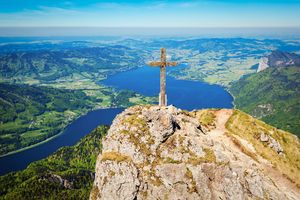
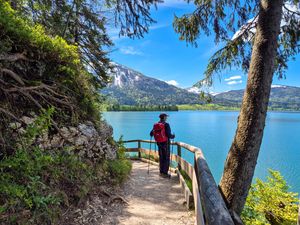
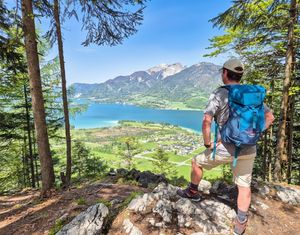
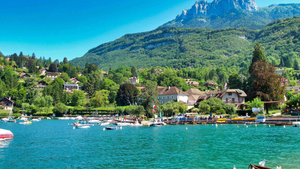
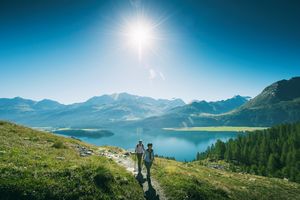
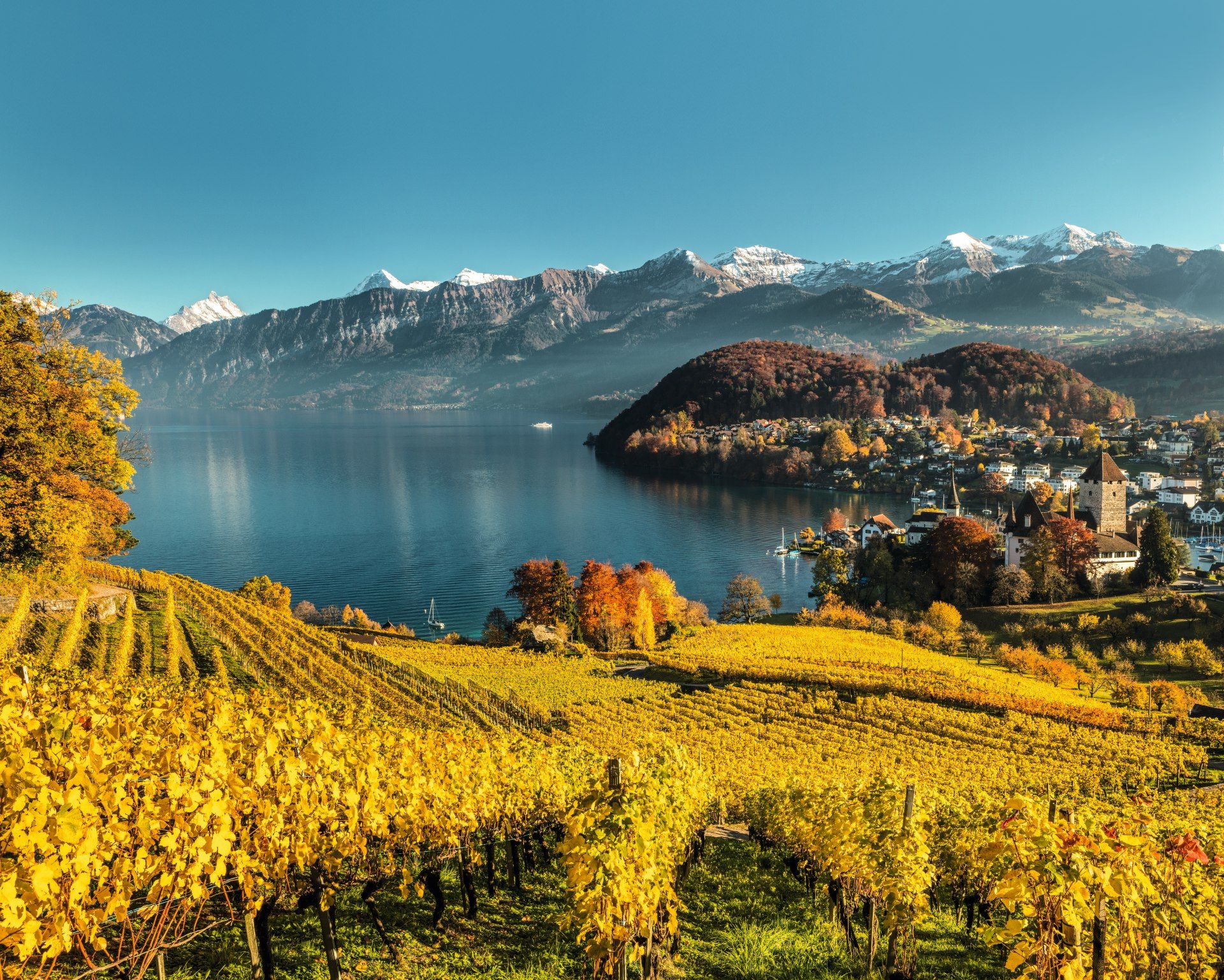
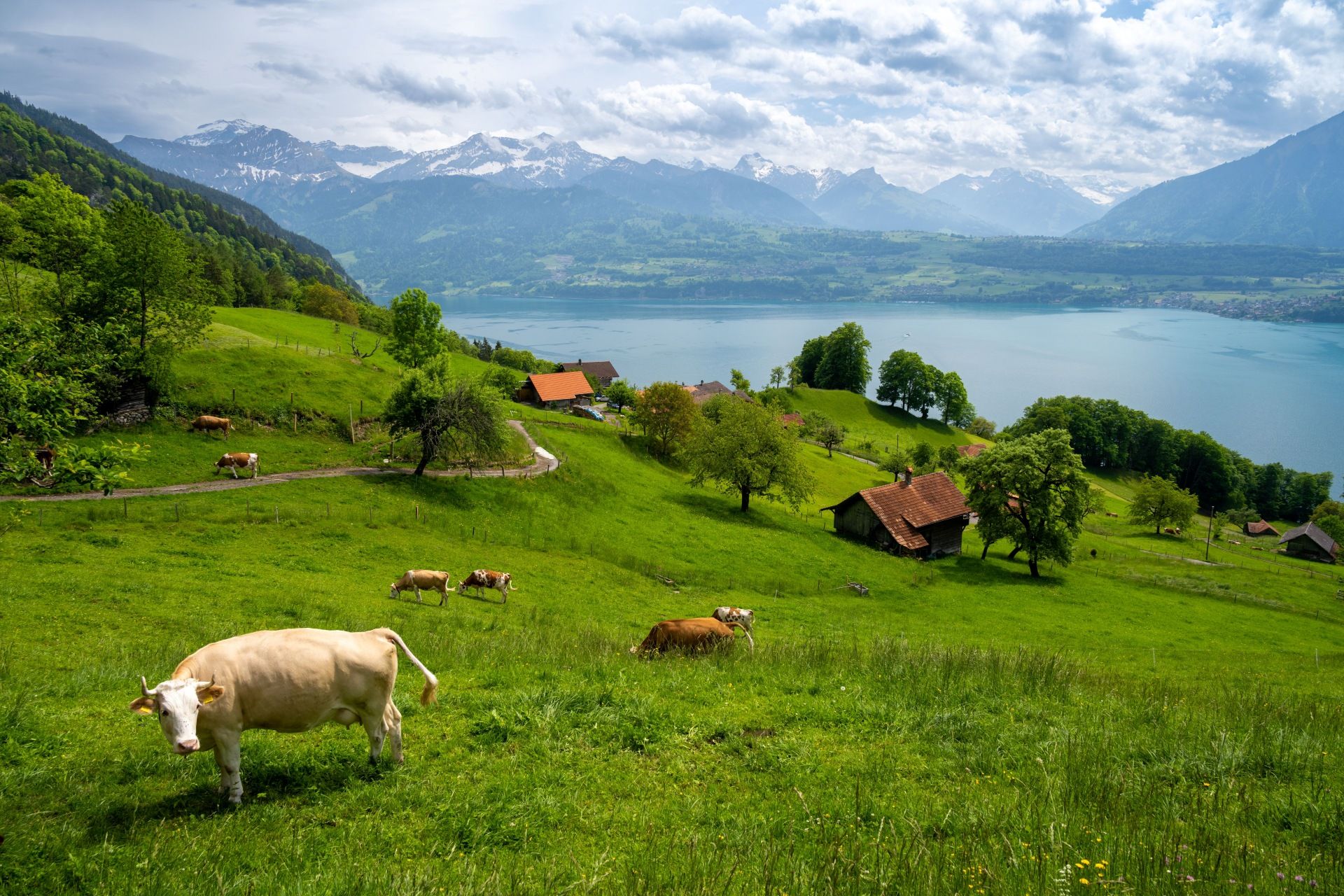
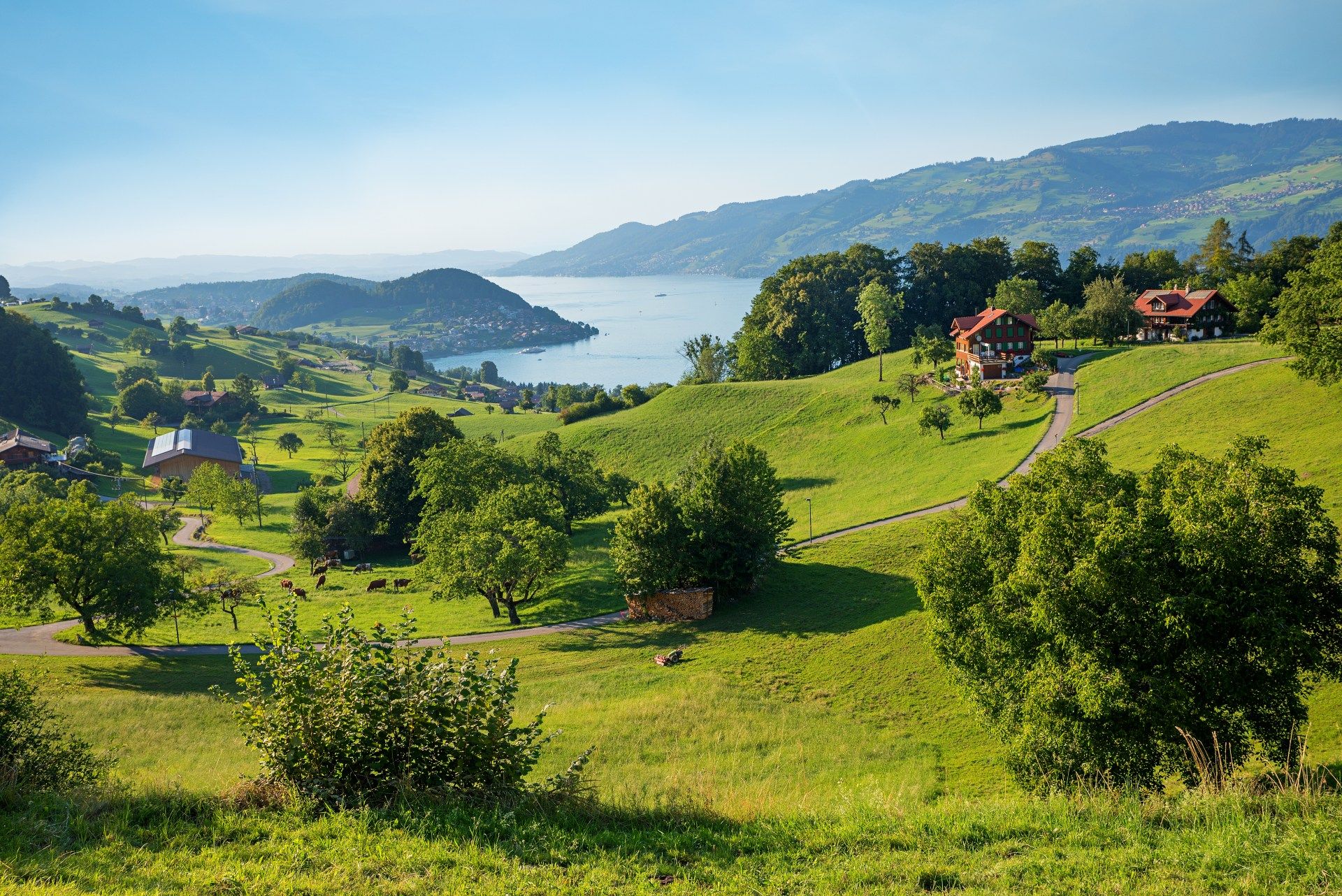
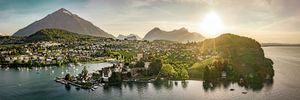
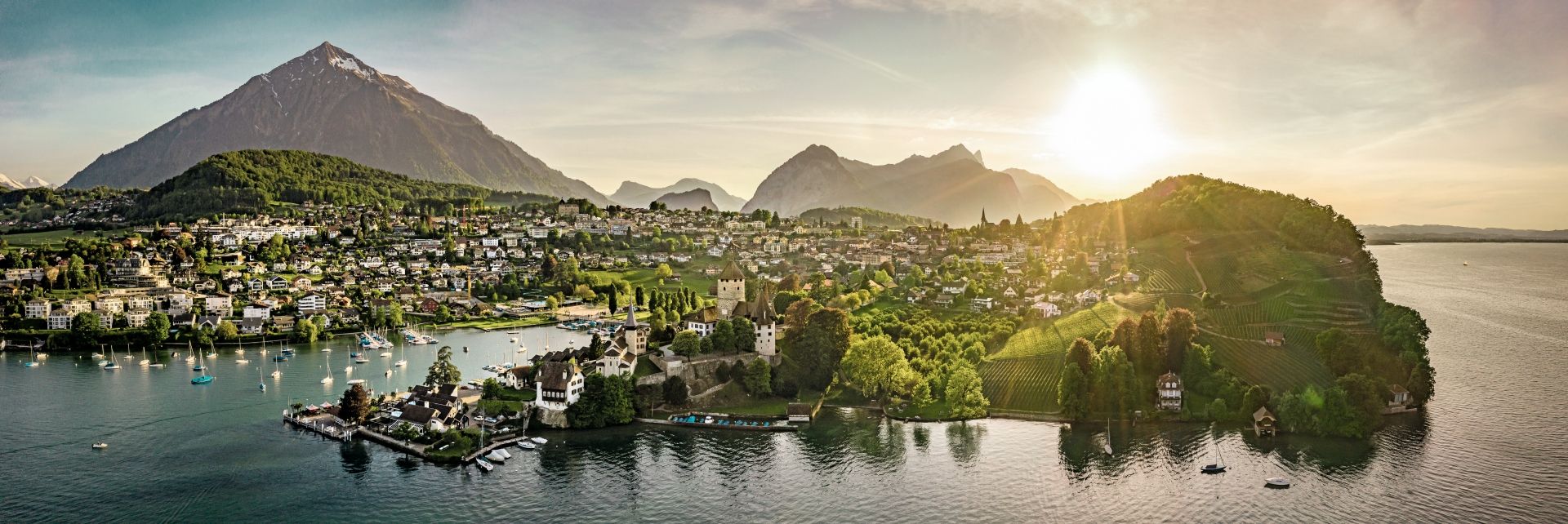
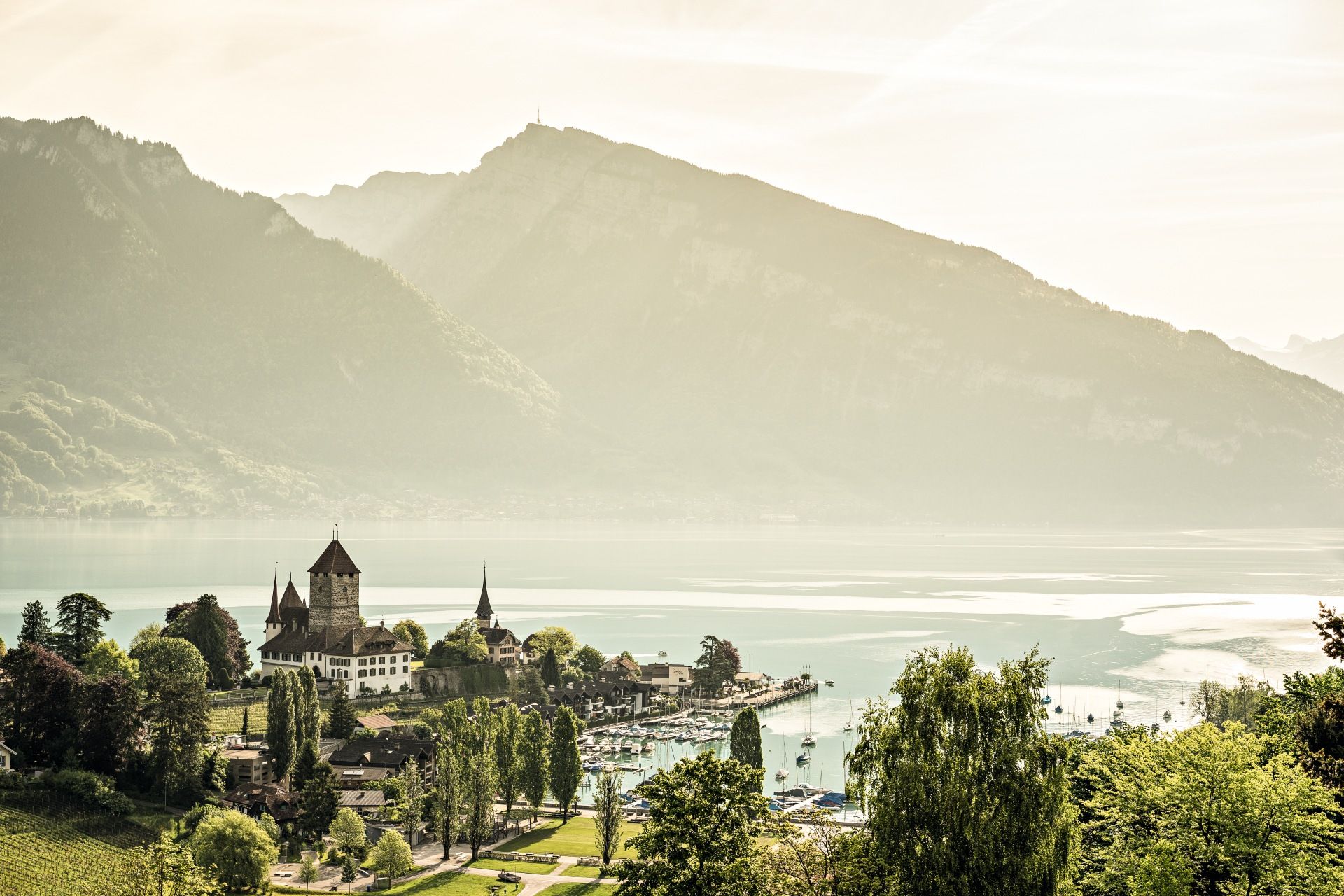
Immerse yourself in the timeless beauty of the Swiss Alps on the Lake Thun Panorama Trail. Dominated by the iconic pyramid peak of the Niesen, the southern shores of Lake Thun set the scene for this spectacular self-guided walking journey. Your adventure begins by weaving through the dramatic Gummischlucht gorge before arriving in the vibrant town of Interlaken. The days that follow are filled with wonder at every turn, seamlessly blending natural sanctuaries with rich cultural gems. You will traverse soaring, swaying suspension bridges, uncover the ancient mysteries of the Beatus Caves, and feel the serene tranquility of the Weissenau Nature Reserve. A leisurely stop in the charming, vineyard-lined bay of Spiez adds a postcard-perfect interlude to your trek before your journey comes full circle, returning to the foot of the magnificent Niesen.

Highlights

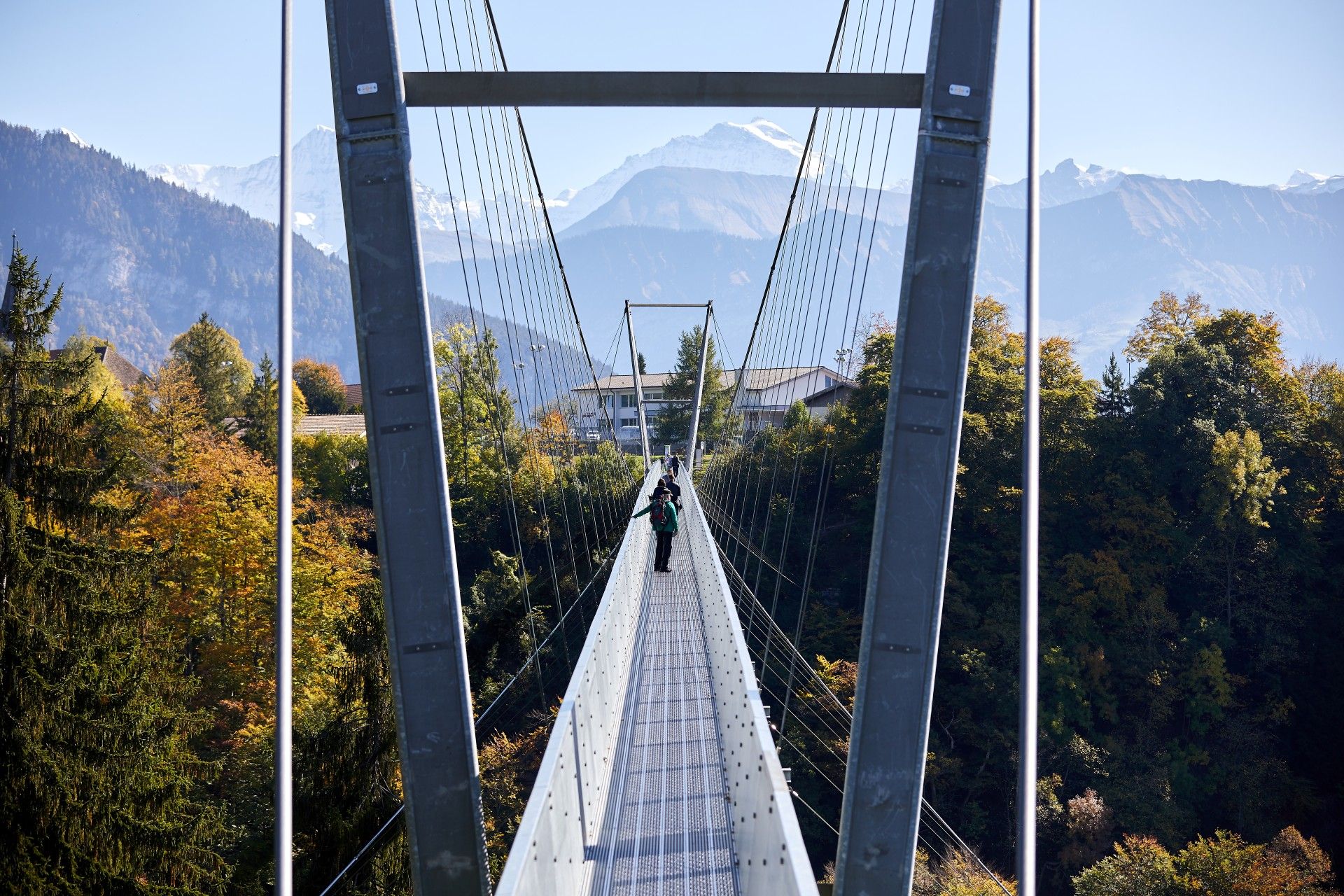
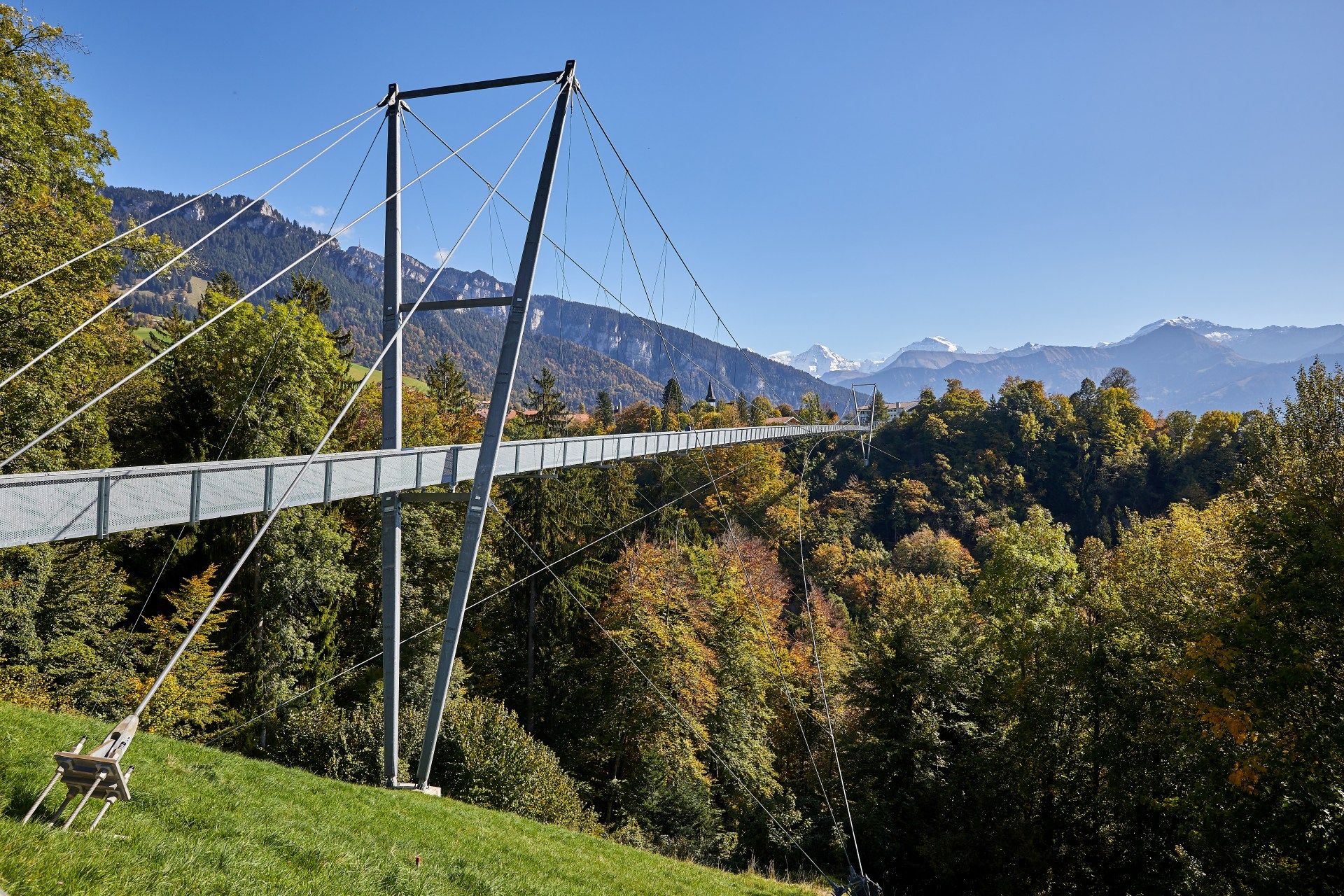
  • Cross the Sigriswil panoramic suspension bridge high above Lake Thun
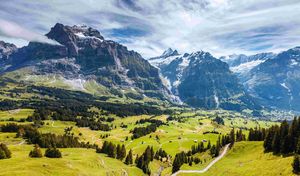
  • Walk with the stunning backdrop of the Eiger, Mönch, and Jungfrau mountains
  • Wander through the enchanting Beatus Caves
  • Experience the tranquil beauty of Weissenau Nature Reserve
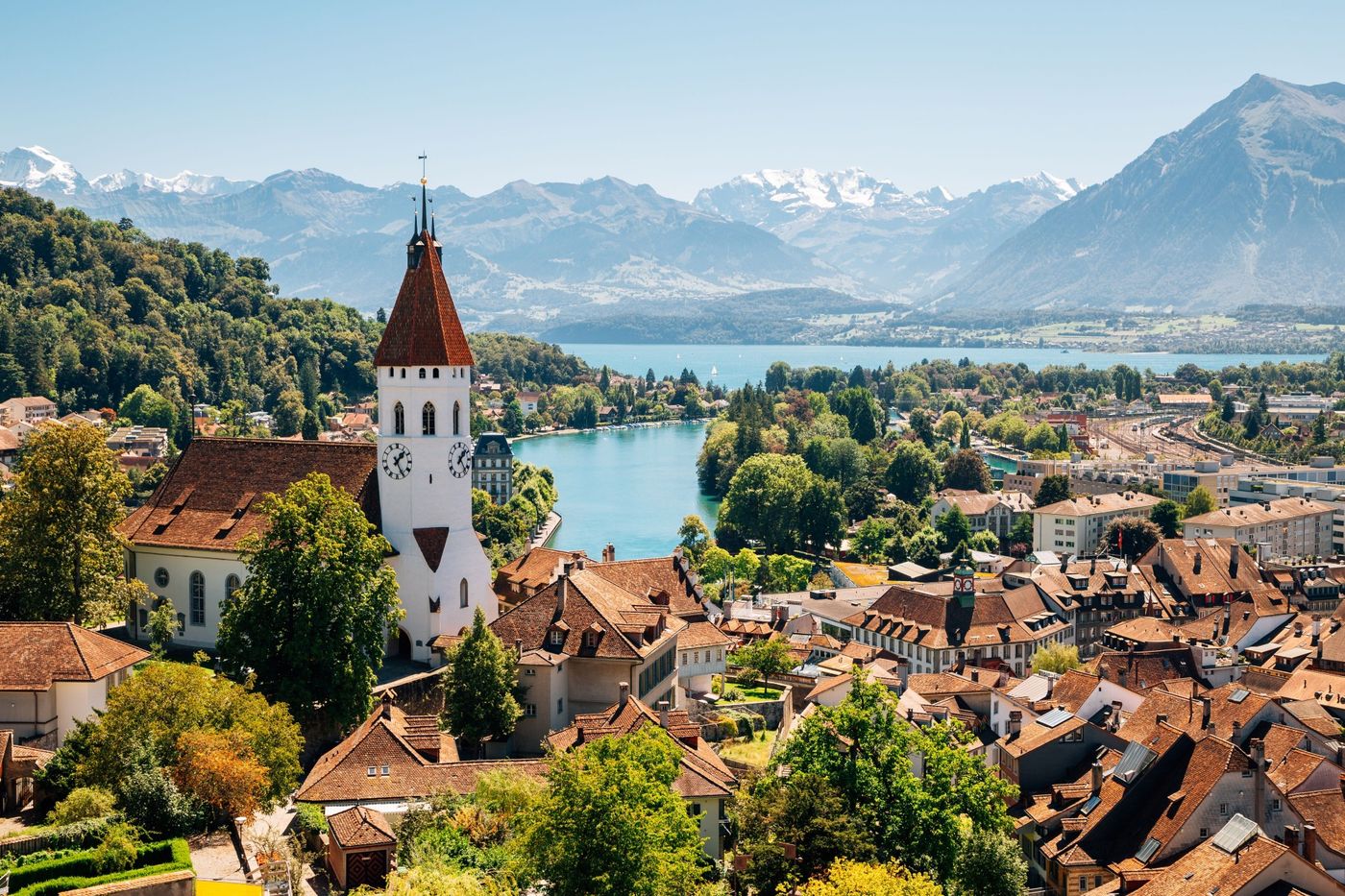
  • Discover the medieval charm of Thun and its iconic castle
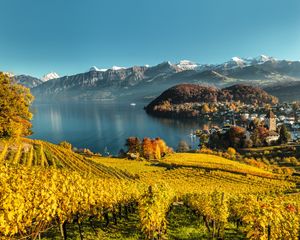
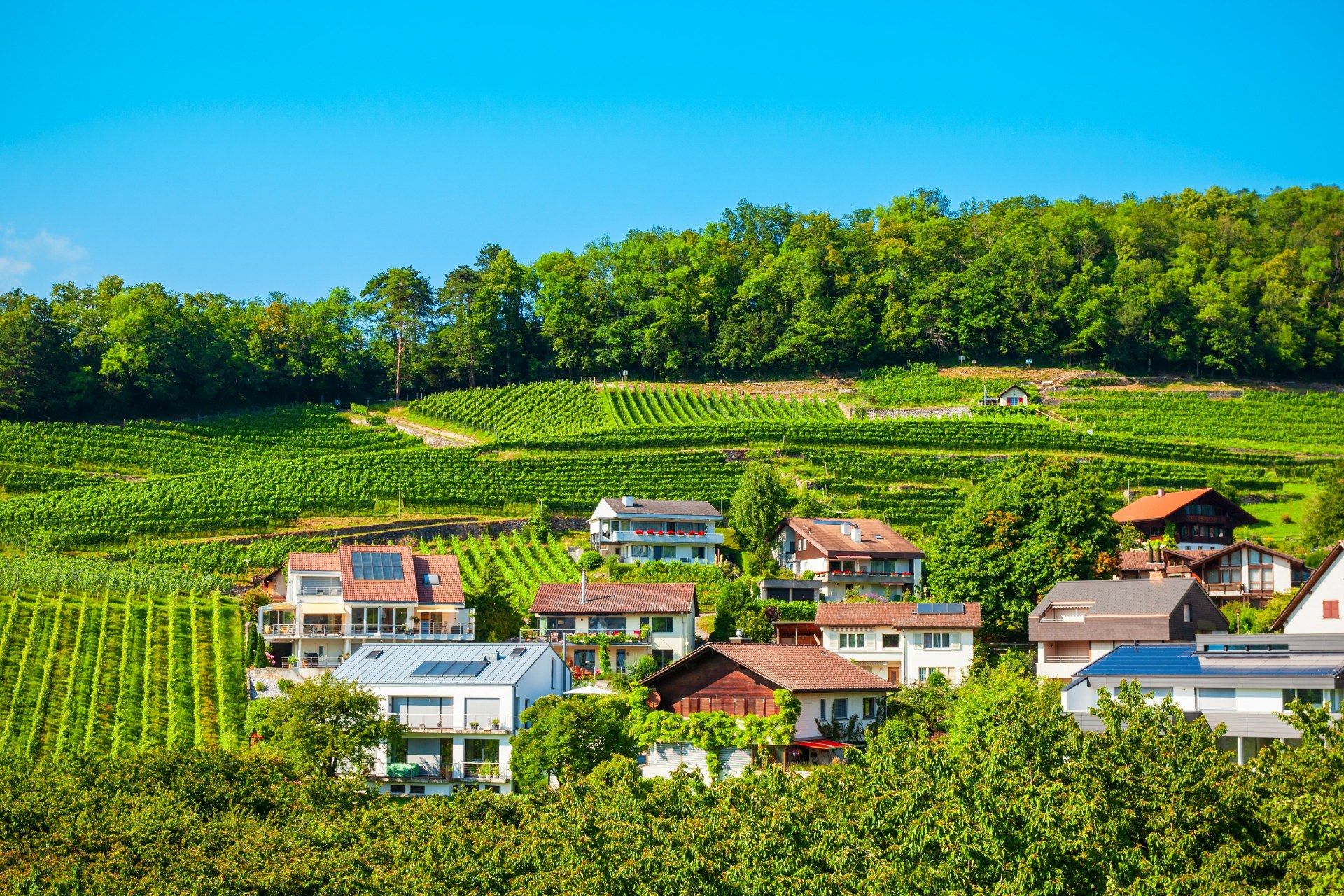
  • Relax in the breathtaking bay of Spiez with picturesque terraced vineyards
  • Stroll through the quaint town of Interlaken

Itinerary

Day 1

Arrival in Thun

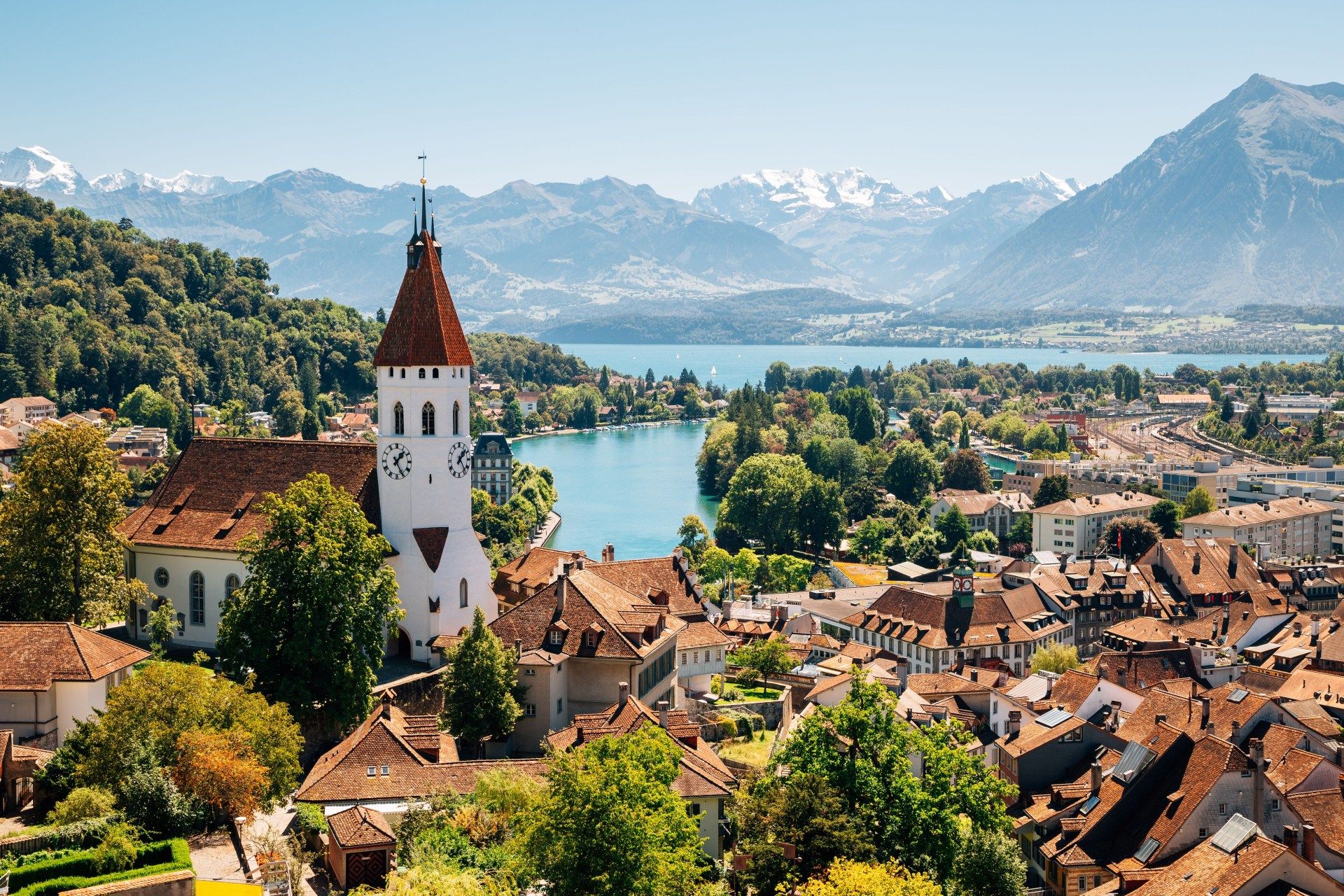
Kick off your adventure in Thun, a charming historic city where medieval architecture meets stunning lake views. Before hitting the trails, explore the winding old town, stroll along the vibrant River Aare, and visit the iconic Thun Castle. It’s the perfect postcard-ready introduction to the scenic walk ahead.

Accommodation

3-star Hotel in Thun

What's Included

Accommodation

3-star Hotel (5 nights)
Meals

5 breakfasts

Transfers

  • Luggage Transfers

Guidance & Support

  • Itinerary & Walk Notes
  • Walking App for Navigation
  • 24/7 on-trip support

How We Rate This Walk

3

Stroll Walking Grade

Moderate

Rated by our team — we walk every route before we recommend it.

Expect some hills and longer walking days. A reasonable level of fitness will help you enjoy the experience.

View Fitness Guide

4

Days on the trail

12-21 km

Daily distance range

225-615 m

Daily ascent range

3/10

Trail difficulty

Where You'll Stay

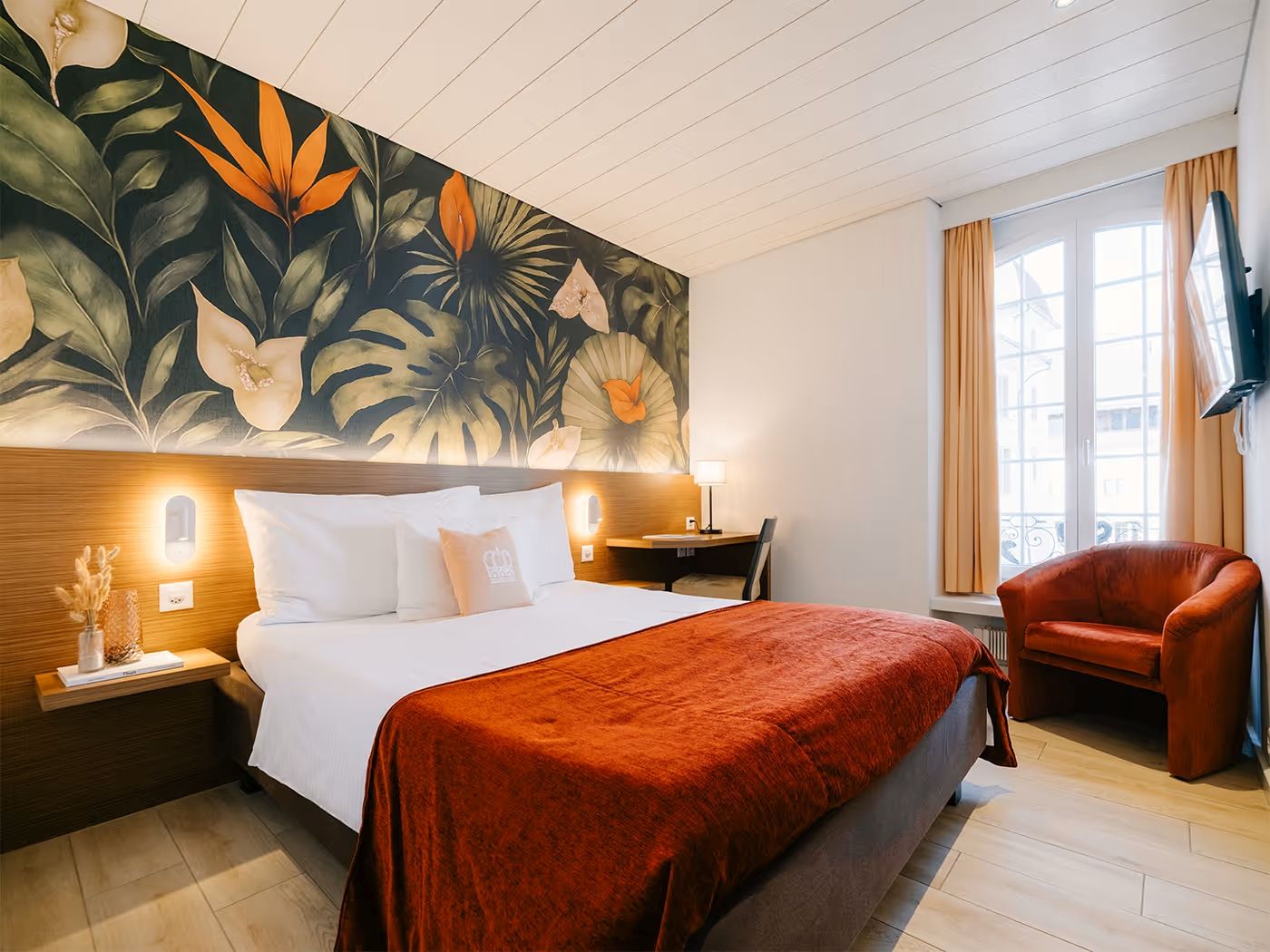
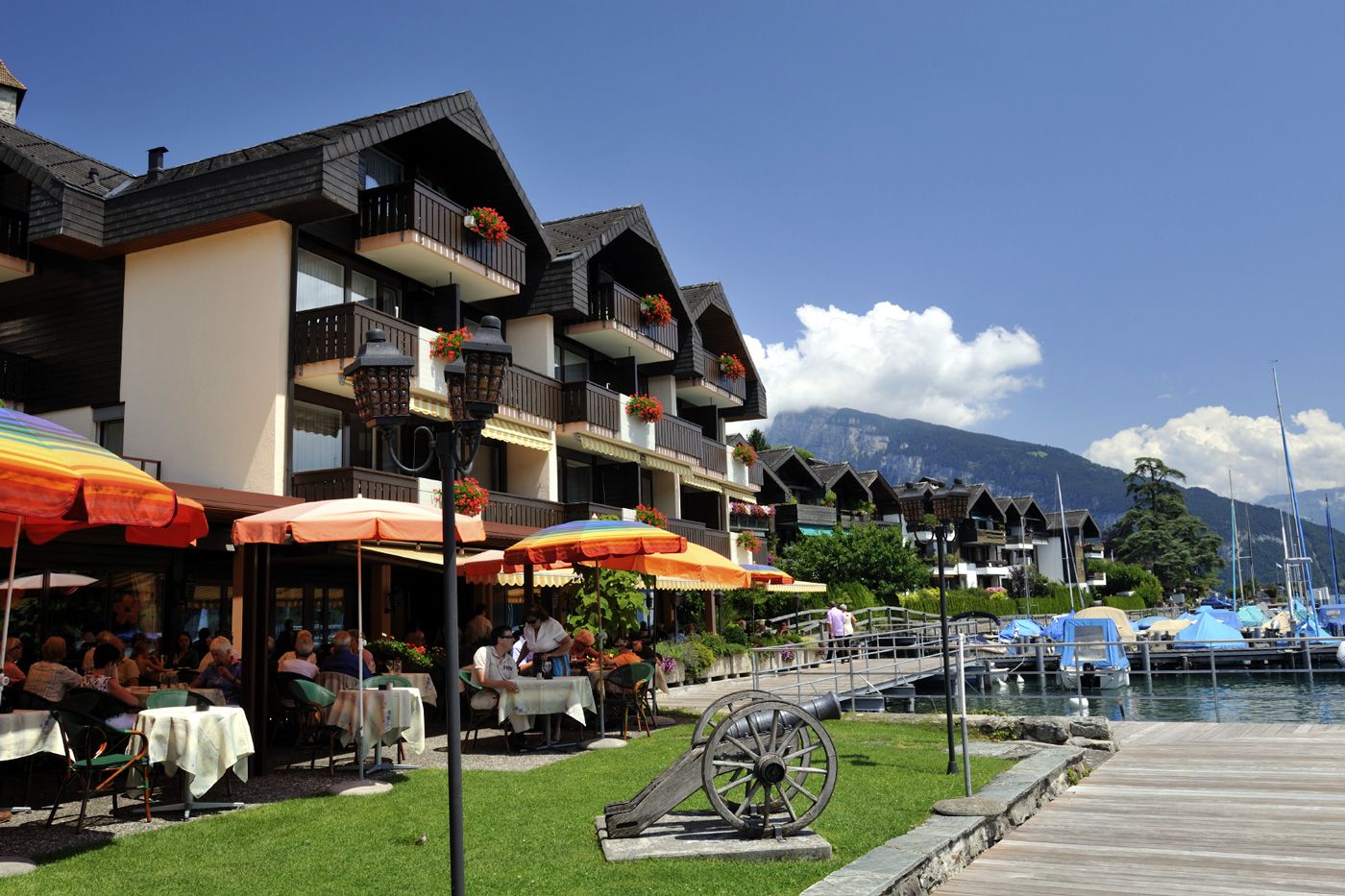
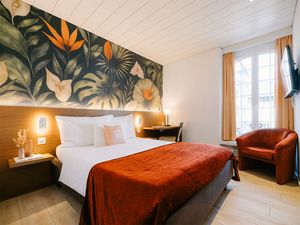
Each night on the Lake Thun Panorama Trail you settle into a well-chosen 3-star hotel, picked for its location and comfort rather than a chain standard. Rooms come with modern amenities so you can rest properly after a day on the trail, and the welcome at each place has its own local character. After a day of climbing out of Thun and along the ridgelines above the lake, a comfortable room and a good night's sleep are exactly what you need before setting off again.

What You'll Eat

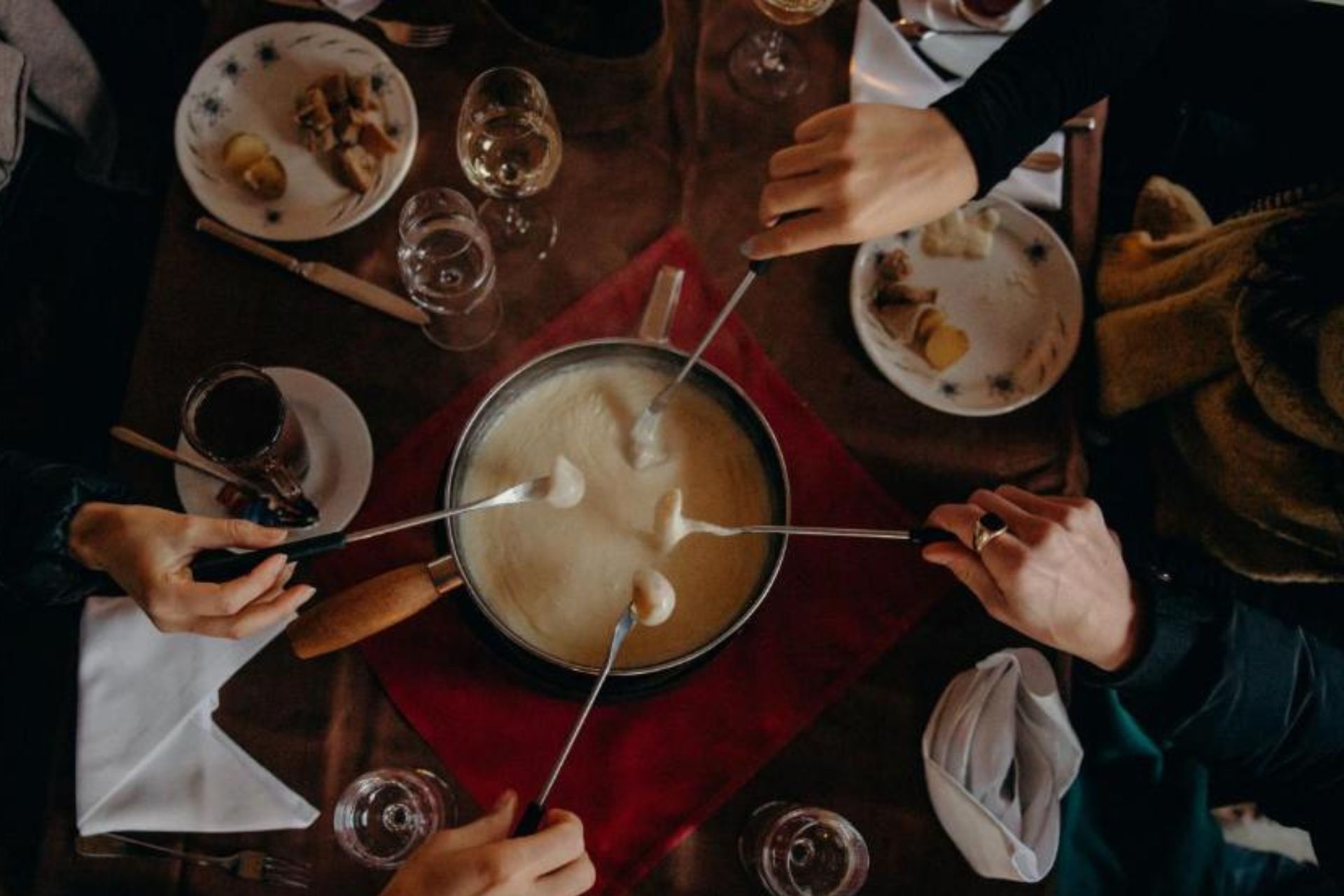
Your day starts with a hearty breakfast at the hotel, mixing Swiss staples with international options so there is something to suit every appetite before you hit the trail. Along the way you will find plenty of local eateries serving authentic Swiss fare, from hearty alpine dishes to lighter regional specialities. Trying these local spots is part of the experience. Save room to sample rösti, fresh lake fish, or a wedge of Swiss cheese in a village café with a view over the water.

More About This Trip

Zurich Airport is the closest and most convenient gateway to the trail. From there, Swiss Federal Railways runs you straight to Thun, a direct trip of about 1 hour and 25 minutes, or about 1 hour and 40 minutes if you change at Bern. Your walk both starts and finishes in Thun, and once you are done the town's regular train services make onward travel to Bern, Zurich, or beyond straightforward.

This trail is available every day from 21 March to 18 October, so you have a full spring-to-autumn window to choose from. The itinerary does not indicate the best season for weather, so we recommend checking the typical conditions for your preferred travel month before confirming your dates.

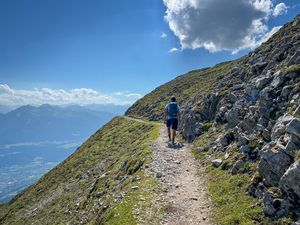
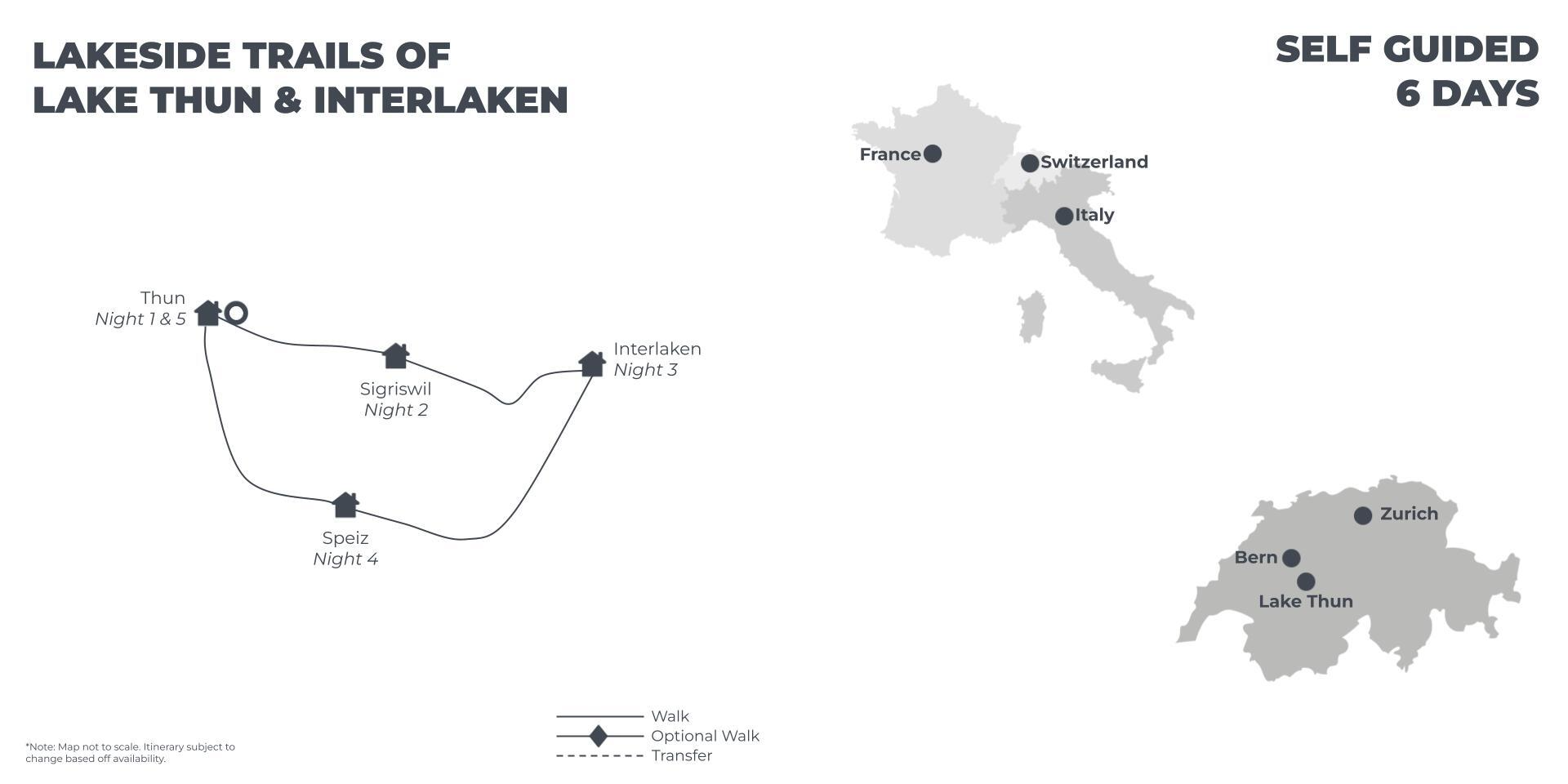
Each day covers well-marked paths rather than technical terrain, with distances ranging from a gentle 12 km around Lake Thun to a fuller 21 km push over the Meielisalp and Spissibach gorge on day four. Elevation gains sit mostly between 200 and 620 metres a day, so there is a genuine climb some days and an easier lakeside stretch on others. You will cross two suspension bridges along the way, wind through the Gummischlucht gorge, and follow lakeside paths through villages like Merligen and Hünibach, all on established Swiss walking trails.

Each morning it will be up to you to place your luggage at the designated luggage pick-up point within the hotel by 9.00 am. This generally will be at reception or where you pick up your luggage the night before. There is a strict limit of one suitcase with a maximum weight of 20 kg.

A small tourist tax, payable at each accommodation, is not included in the price.

You must hold adequate travel insurance for your trip, including cover for personal liability and accidental injury and illness. For all trips involving international travel, your policy must also include emergency medical treatment, evacuation and repatriation cover. We strongly recommend your policy also covers trip cancellation and curtailment, and loss of or damage to luggage.

A cancellation fee usually applies if you cancel after your booking is confirmed. Travel insurance with cancellation cover will generally cover this fee, so it's worth arranging your policy at the time of booking.

Full insurance requirements are set out in our booking terms and conditions.

For over 30 years, we have taken pride in providing seamlessly organised walking holidays, but we know you’ll have many more questions even with that in mind. You will receive a detailed information pack and itinerary approximately six weeks before departure outlining all the fine details and much more.

If you have any questions, feel free to ask one of our destination consultants, or if you have specific track-related questions if we can't answer them, we can also ask our staff who have walked the track. You can contact us via our contact form, email us at info@Stroll.com.au, or call us on +61 3 9597 9767.

For your safety and well-being, we are unable to accept bookings for solo walkers on this self-guided trip. The remote nature of some tracks and limited mobile reception mean that walking alone presents a higher risk in case of emergencies.

Dates & Pricing

Choose Your Start Date

Pick any available date — this is your trip, your schedule

August 2026

Mon
Tue
Wed
Thu
Fri
Sat
Sun
1Out of season
2Out of season
3Out of season
4Out of season
5Out of season
6Out of season
7Out of season
8Out of season
9Out of season
10Out of season
11Out of season
Available
Limited
Unavailable
Out of season

Prices shown are per person, twin/double share basis.

Swiss Alps reviews

0.0
0 reviews
5 Star
0
4 Star
0
3 Star
0
2 Star
0
1 Star
0

No reviews yet. Be the first to share your experience.

Frequently Asked Questions

June through September (summer to early autumn) is the main walking season in Switzerland. July and August offer the warmest conditions and the best chance of clear views, while June brings wildflowers across the alpine meadows and September sees the first golden colours of autumn with noticeably fewer crowds. High passes and some routes above 2,500 metres may still carry snow in early June.
Geneva is the main gateway for the Tour du Mont Blanc and Haute Route itineraries. Zurich is a good option for walks further east. Switzerland's rail network is exceptional — from either airport, trains connect quickly and reliably to virtually any starting point on your itinerary.

Your main luggage is transferred between accommodations each day, so you walk with just a daypack. Bags must weigh no more than 20kg. On most itineraries your luggage arrives at the next accommodation by early evening. Keep your passport and valuables with you rather than in your main bag.

Across the walks, you'll stay in a mix of three-star hotels, family-run guesthouses and simple mountain hotels, all with private ensuite rooms. The standard is consistently comfortable — Swiss hospitality rarely disappoints. Most itineraries include breakfast daily and several dinners.

Coverage is generally good by alpine standards — Switzerland's infrastructure is world-class — but signal can drop in more remote valleys and high passes. A downloaded offline map is a sensible backup, and the smartphone app included with your travel packet works without data.

A daypack in the 25–30L range is ideal. Pack two to three litres of water, snacks, a waterproof jacket with hood, warm mid-layers, sun protection (the alpine sun is strong at altitude), a headtorch, your walk notes and map, and any personal medication. Walking poles are worth considering — the high-pass itineraries involve significant ascent and descent.

Layers are essential. Conditions in the Swiss Alps can shift from warm sunshine to cold wind and rain within an hour, especially at altitude. A quality waterproof jacket is non-negotiable. Waterproof hiking boots with ankle support are strongly recommended for the higher-graded routes. For the Tour du Mont Blanc and Haute Route, warm gloves and a hat are worth packing even in July.

The Switzerland walks are rated challenging to strenuous. The Tour du Mont Blanc and Haute Route both involve daily ascents and descents of 800 to 1,200 metres or more, and several days exceed 20km. A solid base of fitness and regular hill walking in the months before you leave will make a real difference to how much you enjoy it. The Via Francigena itinerary is rated moderate and suits a wider range of walkers.

Switzerland uses the Swiss Franc (CHF). It is one of the more expensive countries in Europe — budget accordingly for lunches, drinks and any activities not included in your package. Credit cards are widely accepted, but having some cash on hand is useful in smaller mountain villages. Tipping is not expected in Switzerland but rounding up the bill is common practice.

Yes, and it's a condition of booking. Your policy must cover injury, trip cancellation, luggage loss and medical evacuation. Mountain rescue in Switzerland is excellent but chargeable — a helicopter evacuation from a high pass can cost several thousand francs. Never pack your passport in your main luggage.

Want to Know More?

The Swiss Alps experience

Wonder
Walk the eastern section of the Walkers Haute Route from Arolla to Zermatt, finishing in the shadow of the Matterhorn
Cross the Col de Riedmatten, the highest section of the route with commanding views over the Pennine Alps
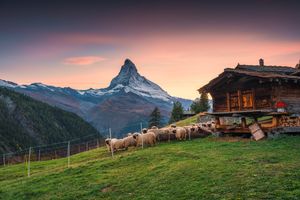
The Matterhorn's distinctive pyramid appears on the final descent into Zermatt, one of the great walk finishes
Wellness
Switzerland's 50,000 kilometres of meticulously maintained trails make this one of the world's great walking destinations
Mountain huts and valley inns provide warm food and comfortable beds at the end of every challenging day
The Haute Route's stages are achievable for experienced walkers seeking a serious but non-technical challenge
Nature
More than fifty peaks above 4,000 metres, including the Matterhorn, Monte Rosa, and the Dom, line the horizon
Glacial lakes, alpine meadows, and towering waterfalls mark each day of this classic alpine traverse
Chamois, marmots, and ibex are commonly encountered on the high sections of the Haute Route